Automotive Wiring Loom - Complete Vehicle Electrical Harness Solutions for Optimal Performance

All Categories

Get a Free Quote

Our representative will contact you soon.
Email
Name
Company Name
Message
0/1000

automotive wiring loom

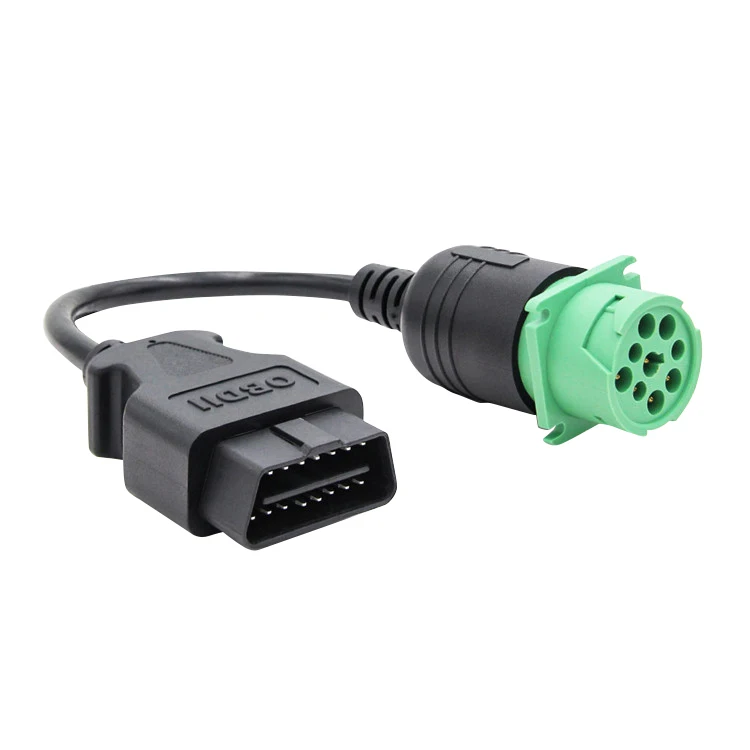
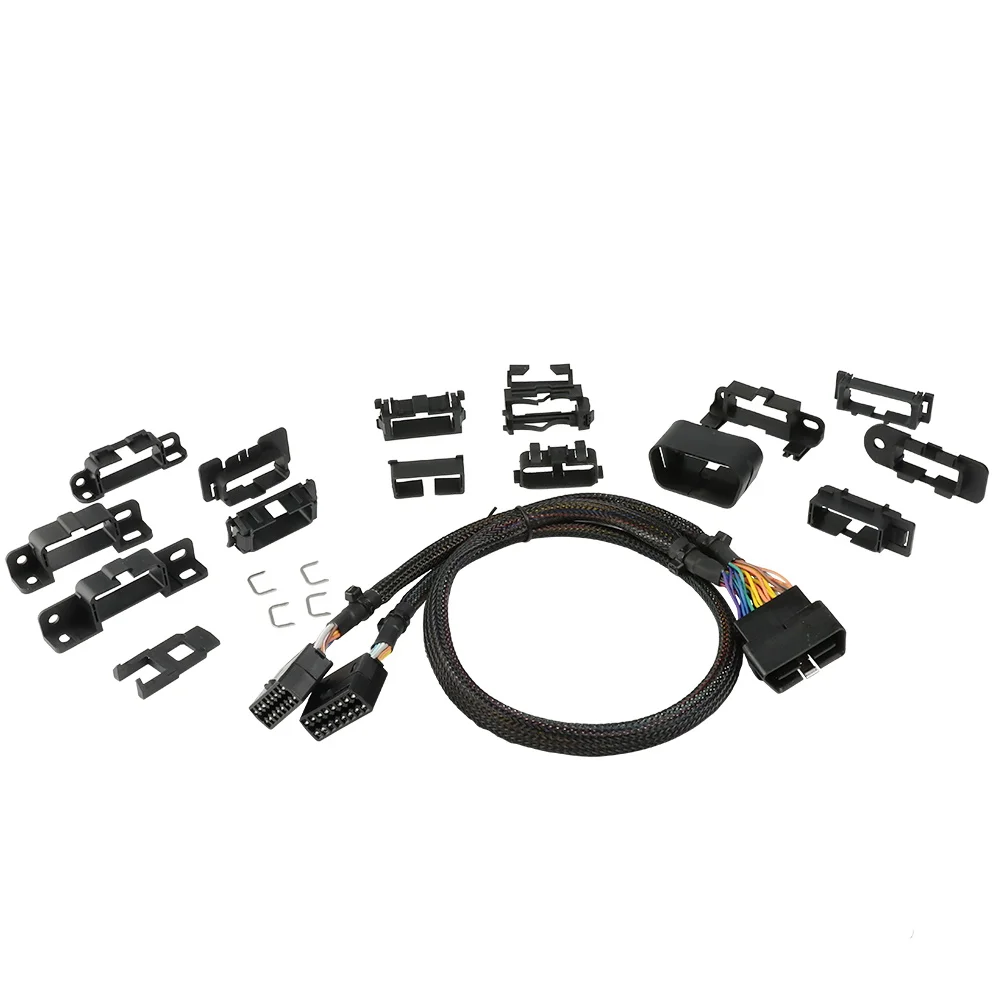
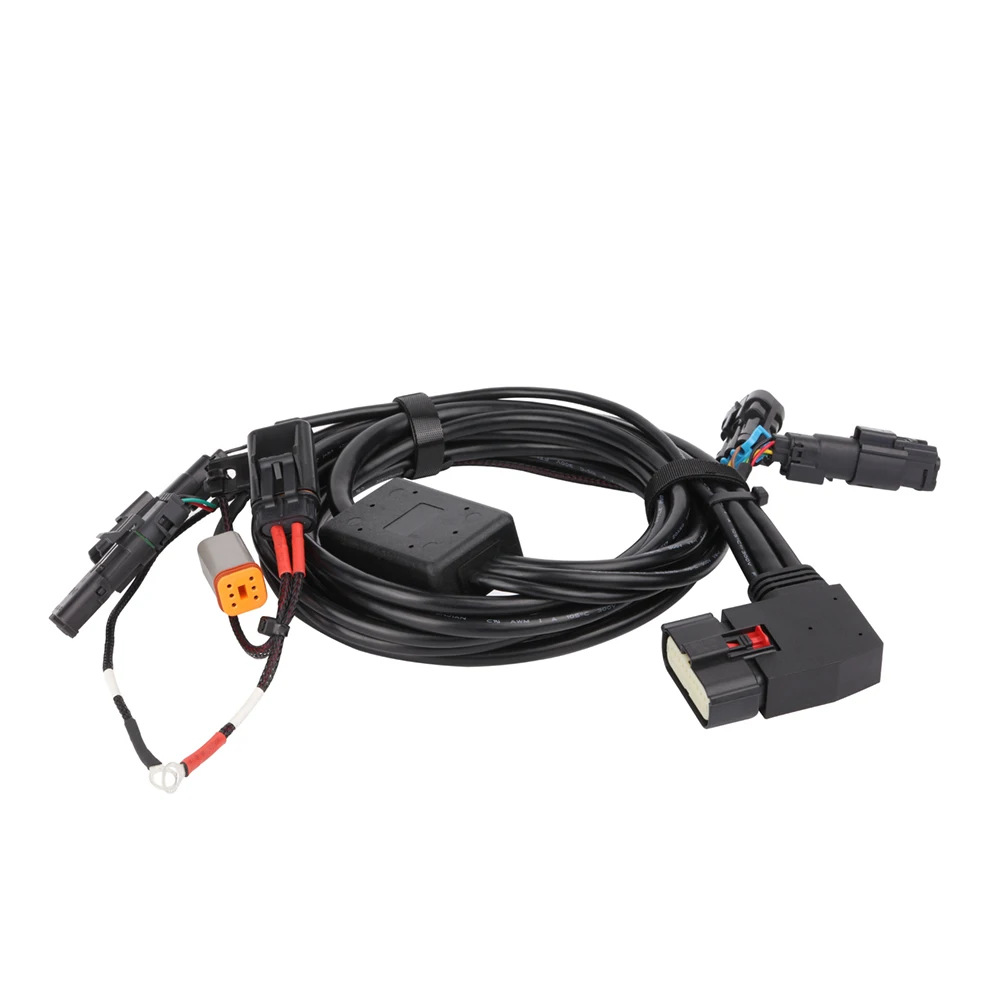
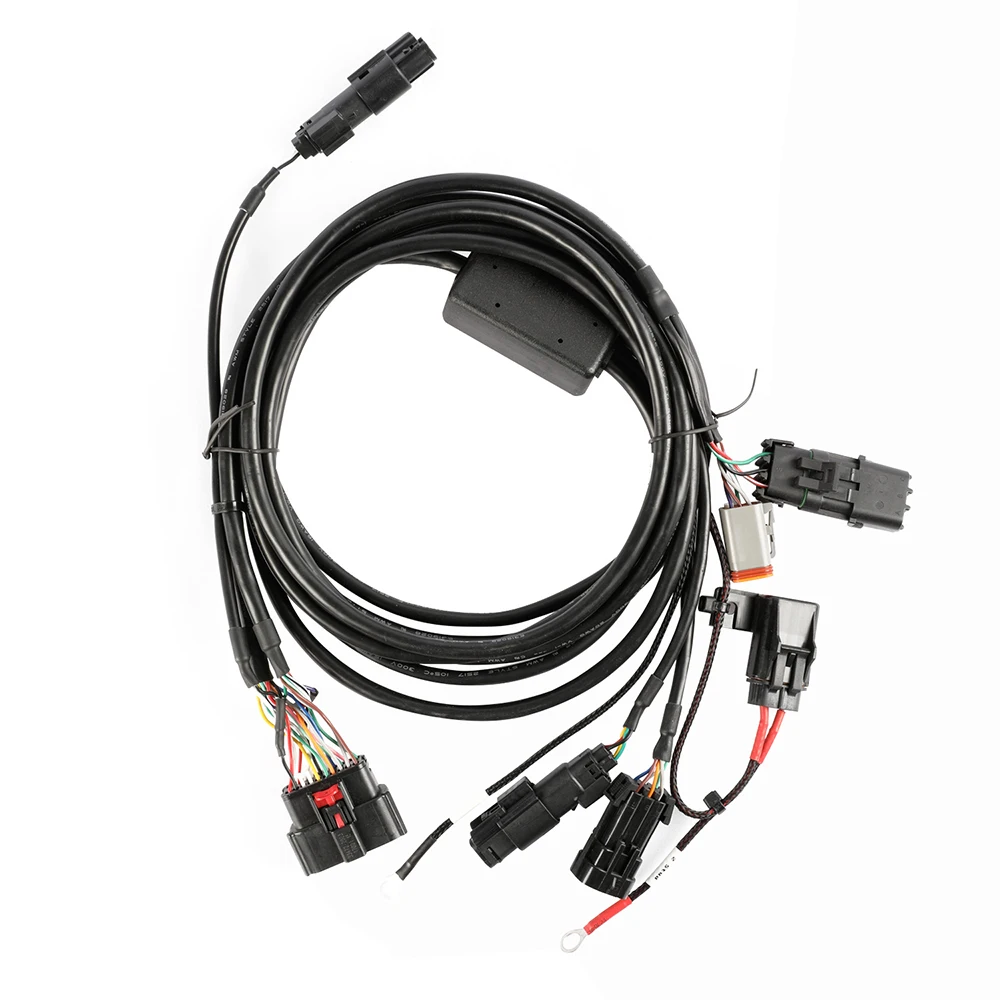
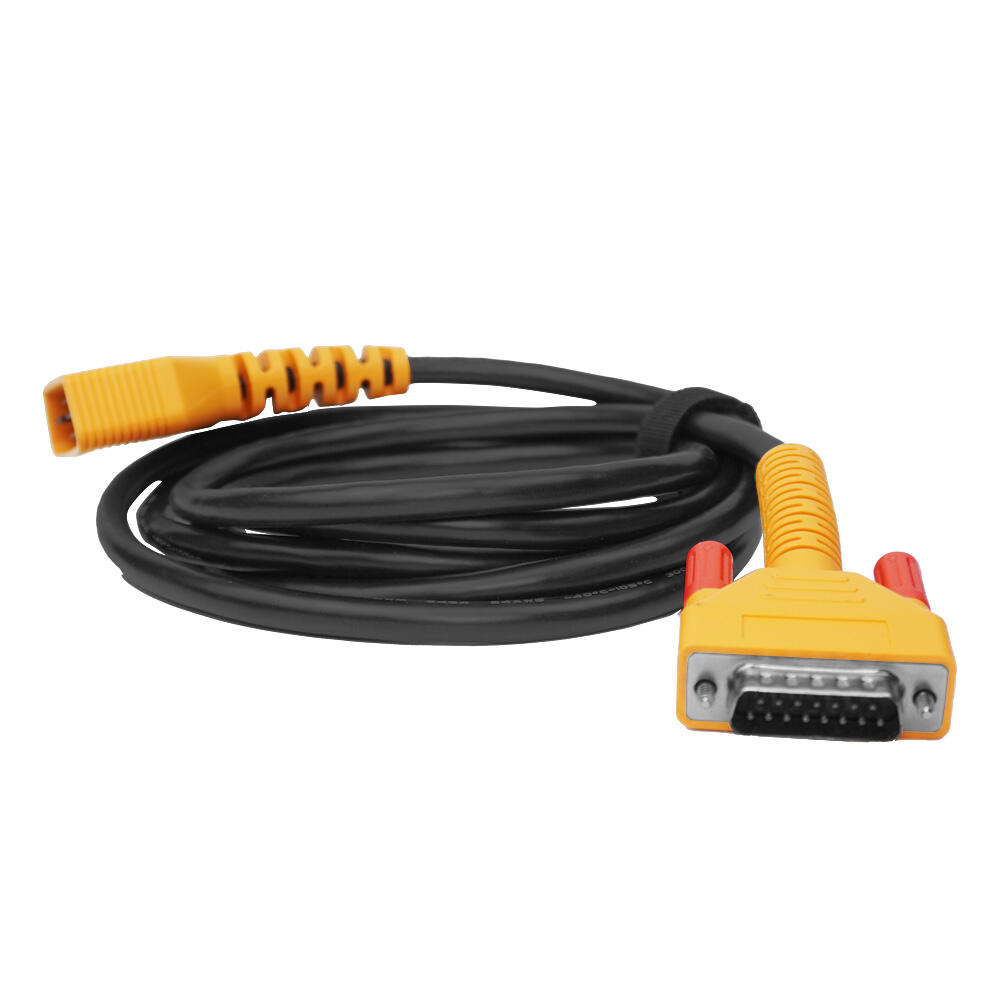
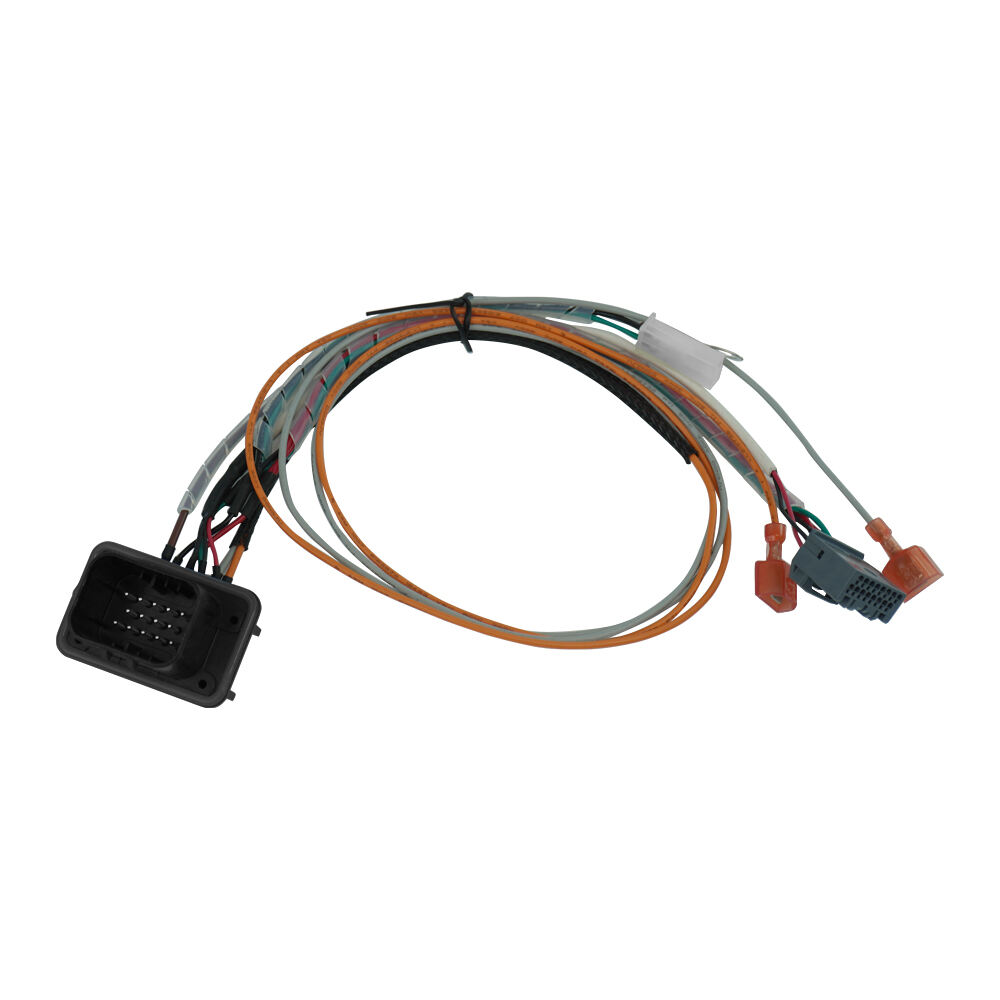
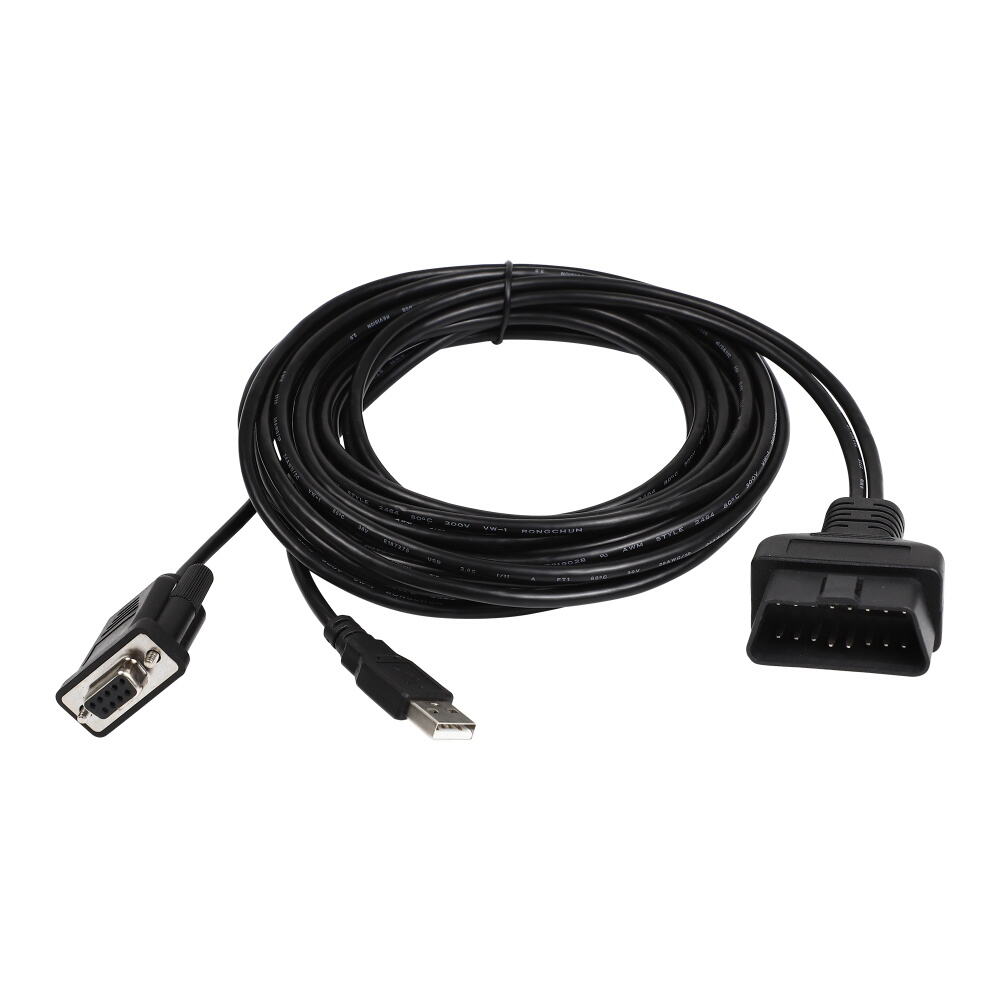
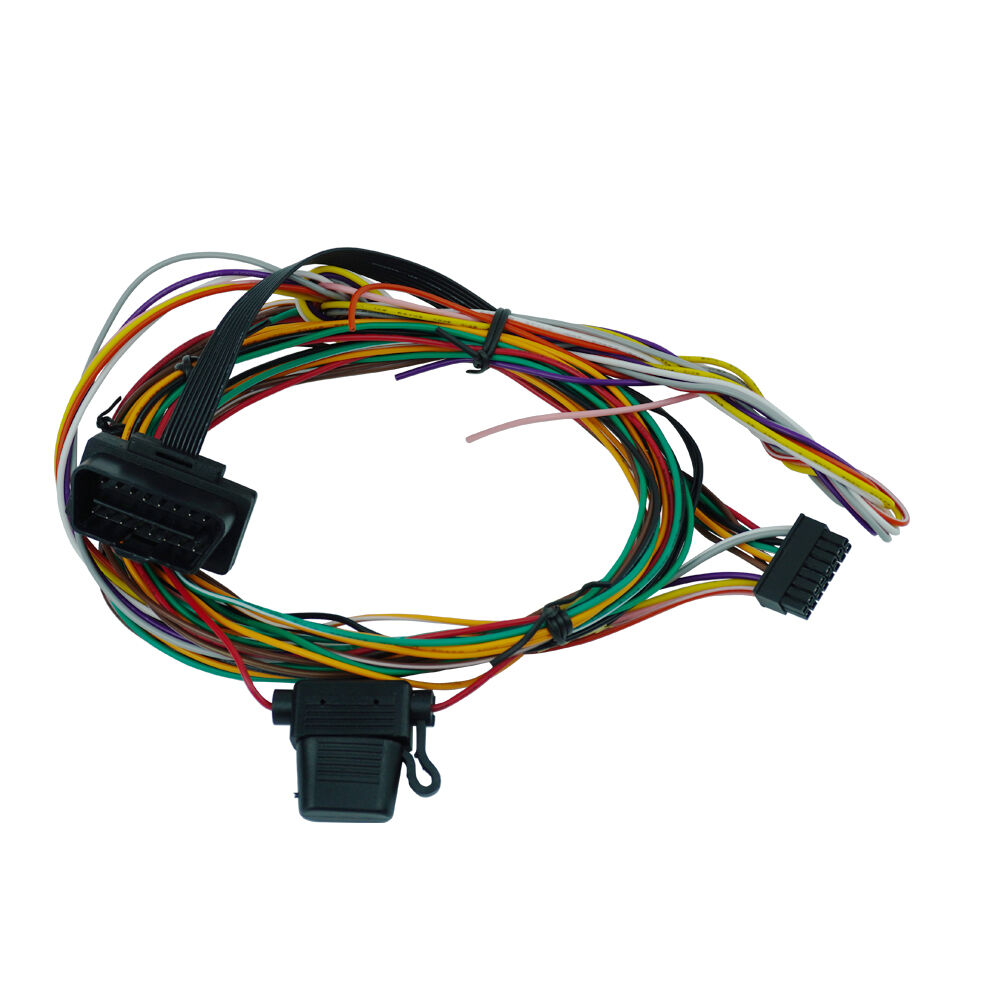
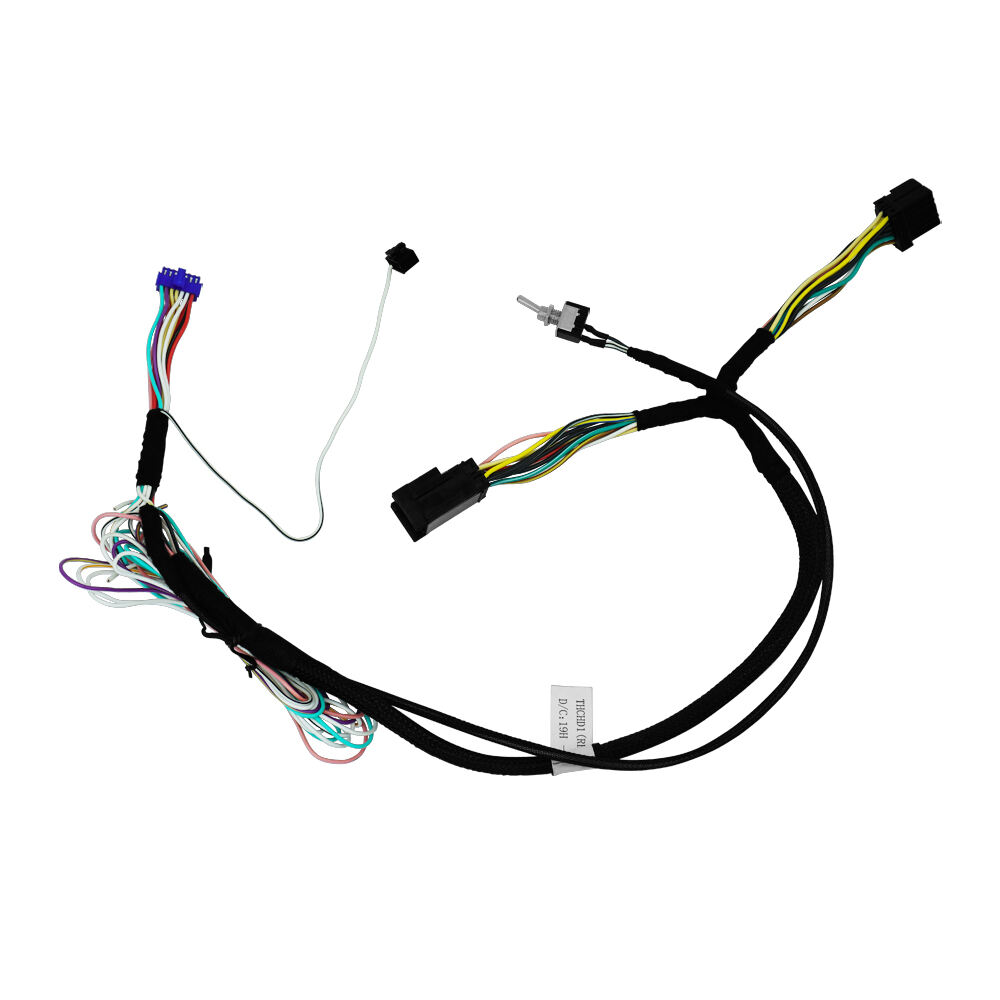
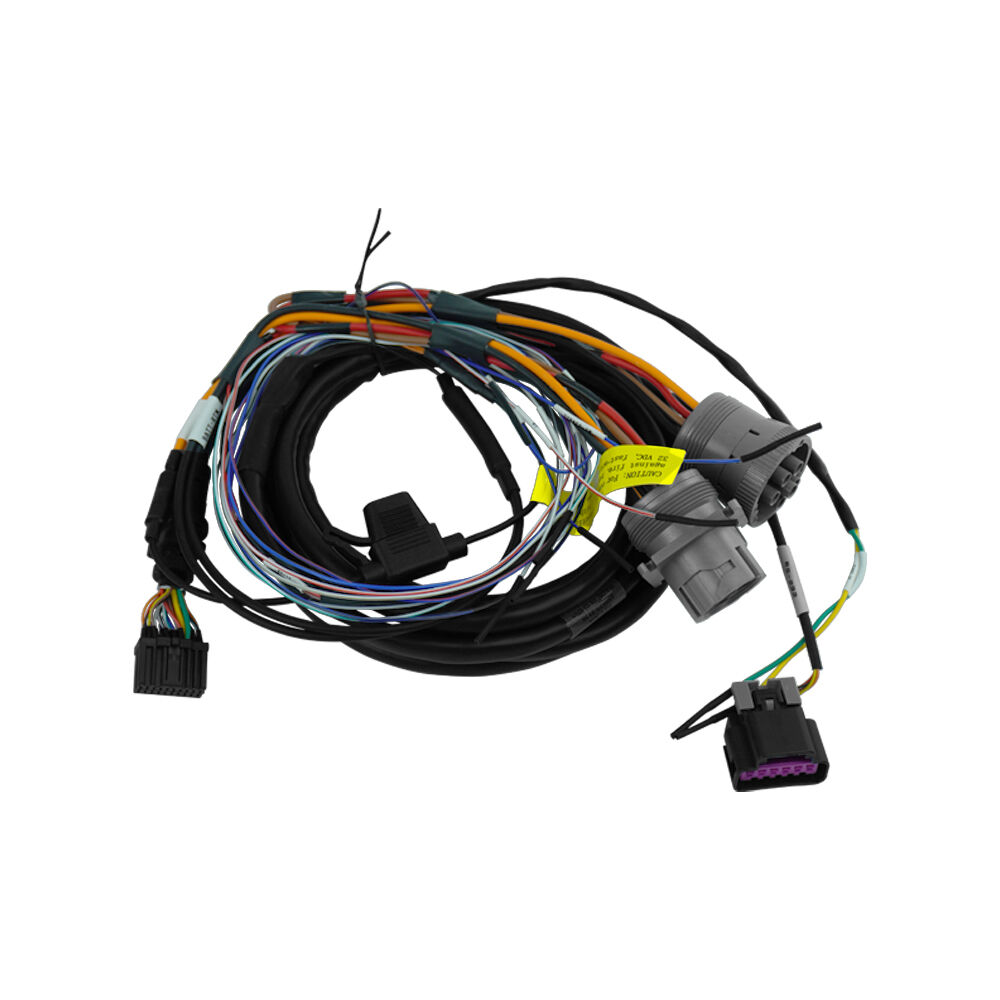
An automotive wiring loom represents a critical organizational system that bundles together electrical wires, cables, and connectors throughout a vehicle's structure. This sophisticated assembly serves as the nervous system of modern automobiles, transmitting electrical power and signals to various components including the engine, lights, dashboard instruments, entertainment systems, and safety features. The automotive wiring loom consists of multiple copper or aluminum conductors wrapped in protective insulation materials such as PVC, polyethylene, or cross-linked polymers that shield against heat, moisture, abrasion, and chemical exposure. Each wiring loom is meticulously designed according to precise vehicle specifications, ensuring that every electrical connection reaches its designated component through the most efficient routing path. The main functions of an automotive wiring loom include power distribution from the battery to all electrical systems, signal transmission between sensors and control units, grounding electrical circuits to complete power loops, and protecting delicate wiring from environmental hazards and mechanical damage. Technological features integrated into modern automotive wiring looms encompass advanced materials that reduce weight while maintaining durability, color-coded wiring for simplified maintenance and repair procedures, sealed connectors that prevent water intrusion, flame-retardant coverings that enhance safety standards, and modular designs that facilitate easier assembly during vehicle manufacturing. Applications of automotive wiring looms extend across passenger vehicles, commercial trucks, buses, agricultural equipment, construction machinery, and specialty vehicles. The complexity of these systems has evolved significantly with the advancement of automotive technology, as contemporary vehicles incorporate sophisticated electronics for navigation, autonomous driving features, advanced driver assistance systems, and comprehensive entertainment platforms. Manufacturing processes for automotive wiring looms involve precision cutting, automated stripping, crimping terminals onto wire ends, inserting connectors into housings, and applying protective wrapping or conduit along designated sections. Quality control measures ensure each automotive wiring loom meets stringent industry standards for electrical conductivity, insulation resistance, temperature tolerance, and mechanical strength before installation into vehicles.


Popular Products

The automotive wiring loom delivers substantial benefits that directly impact vehicle performance, reliability, and overall ownership experience. First and foremost, this organized system dramatically simplifies the electrical architecture of vehicles by consolidating hundreds of individual wires into manageable bundles that follow logical pathways throughout the chassis. This consolidation prevents tangled wires that could otherwise create confusion during maintenance or lead to accidental damage during repairs. Vehicle owners benefit from reduced maintenance costs because technicians can quickly identify and access specific circuits when troubleshooting electrical issues, significantly decreasing labor time and diagnostic expenses. The protective covering surrounding the automotive wiring loom shields internal conductors from road debris, engine heat, chemical spills, and moisture penetration, which translates to extended service life and fewer unexpected electrical failures that could leave drivers stranded. Enhanced safety represents another crucial advantage, as properly designed automotive wiring looms incorporate flame-resistant materials that prevent fire spread in the unlikely event of an electrical short circuit, protecting occupants and preserving vehicle integrity. Modern automotive wiring looms contribute to weight reduction through optimized routing and the use of lightweight materials, which improves fuel efficiency and reduces emissions, saving money at the fuel pump while supporting environmental sustainability. The standardized color-coding system employed in automotive wiring looms empowers vehicle owners who perform their own maintenance to identify circuits accurately without specialized training, democratizing vehicle repair and reducing dependency on professional services for minor electrical work. Installation efficiency during manufacturing translates to lower production costs that manufacturers can pass along to consumers through competitive pricing. The modular nature of contemporary automotive wiring looms allows manufacturers to adapt the same basic platform across multiple vehicle models by simply modifying specific sections, creating economies of scale that benefit end customers. Electrical performance remains consistently reliable because automotive wiring looms maintain proper spacing between conductors, preventing electromagnetic interference that could disrupt sensitive electronic systems like engine computers, anti-lock braking controllers, or airbag deployment circuits. The secure fastening points integrated into automotive wiring loom designs prevent vibration-induced wear that occurs when loose wires rub against metal surfaces, eliminating a common source of electrical shorts and system malfunctions. Customers purchasing vehicles equipped with quality automotive wiring looms enjoy peace of mind knowing their electrical systems can withstand extreme temperature variations, from sub-zero winter conditions to scorching summer engine compartments, without degradation in performance or reliability over the vehicle's intended lifespan.

Latest News

Why Is a High-Quality Wiring Harness Essential for Ensuring Consistent Signal and Power Transmission?

20

Jan

Why Is a High-Quality Wiring Harness Essential for Ensuring Consistent Signal and Power Transmission?

In today's complex automotive and industrial applications, the reliability of electrical systems depends heavily on the quality of components that facilitate signal and power transmission. A high-quality wiring harness serves as the backbone of elect...
View More
How to Identify the Right Connectors and Gauge for Your Custom Wiring Harness Project?

20

Jan

How to Identify the Right Connectors and Gauge for Your Custom Wiring Harness Project?

Selecting the appropriate connectors and wire gauge for your custom wiring harness project represents one of the most critical decisions in electrical system design. A properly engineered custom wiring harness ensures reliable performance, safety com...
View More
How can customized J1939 connection cables meet unique cable needs for special machinery?

10

Feb

How can customized J1939 connection cables meet unique cable needs for special machinery?

Modern industrial machinery and heavy equipment rely heavily on sophisticated communication protocols to ensure optimal performance and diagnostics. Among these protocols, the J1939 standard has emerged as a critical component for vehicle and machine...
View More
How to choose the right Tesla wiring harness for aftermarket audio system upgrades?

02

Apr

How to choose the right Tesla wiring harness for aftermarket audio system upgrades?

Upgrading your Tesla's audio system requires careful consideration of the vehicle's unique electrical architecture, and selecting the appropriate Tesla wiring harness stands as the most critical decision in this process. Tesla vehicles employ sophist...
View More

Get a Free Quote

Our representative will contact you soon.
Email
Name
Company Name
Message
0/1000

automotive wiring loom

Superior Protection and Durability for Long-Term Reliability

Superior Protection and Durability for Long-Term Reliability

The automotive wiring loom incorporates multiple layers of advanced protection that work synergistically to ensure electrical systems remain functional throughout demanding operating conditions. The outermost protective layer typically consists of abrasion-resistant materials such as corrugated plastic conduit, braided nylon sleeves, or vinyl wrapping that shields against mechanical damage from sharp edges, moving components, and road debris thrown up from tire rotation. This external protection prevents the gradual wear that would otherwise expose internal conductors to environmental hazards. Beneath this outer layer, individual wires feature insulation compounds engineered to withstand temperature extremes ranging from negative forty degrees Celsius in arctic climates to positive one hundred fifty degrees Celsius near exhaust manifolds and turbochargers. This thermal stability prevents insulation from becoming brittle and cracking in cold weather or softening and melting in high-heat zones, maintaining electrical integrity regardless of operating environment. Chemical resistance represents another critical protective feature, as automotive wiring looms regularly encounter battery acid, engine oil, transmission fluid, coolant, brake fluid, and cleaning solvents during normal vehicle operation and maintenance. The specialized polymer compounds used in quality automotive wiring looms resist degradation from these chemicals, preventing insulation breakdown that could lead to short circuits or ground faults. Water resistance capabilities integrated into automotive wiring loom designs include sealed connector housings with rubber gaskets that prevent moisture intrusion at junction points, which are typically the most vulnerable locations in any electrical system. This waterproofing protection ensures that electrical connections remain dry and corrosion-free even when vehicles ford streams, drive through heavy rain, or undergo pressure washing. The bundling configuration itself provides mechanical support that prevents individual wires from flexing excessively at connection points, a common failure mode that causes conductors to break due to metal fatigue. Strategic placement of support clips and tie-down points throughout the automotive wiring loom maintains proper routing geometry that accommodates normal chassis flex and suspension movement without imposing stress on electrical connections. This comprehensive protection strategy extends the functional lifespan of vehicle electrical systems far beyond what would be possible with unprotected individual wire installations, delivering exceptional value to vehicle owners through reduced repair frequency and enhanced reliability.
Optimized Design for Simplified Maintenance and Repair

Optimized Design for Simplified Maintenance and Repair

The thoughtful engineering behind automotive wiring loom construction prioritizes accessibility and serviceability, recognizing that electrical system maintenance represents a significant portion of vehicle ownership costs over time. Color-coding standards implemented throughout the automotive wiring loom allow technicians and knowledgeable vehicle owners to trace circuits visually without constantly referring to wiring diagrams, dramatically accelerating troubleshooting procedures. Standard color conventions assign specific hues to particular functions, with red typically indicating positive power feeds, black designating ground connections, and various other colors identifying specific circuits such as lighting, sensor signals, or control outputs. This visual identification system reduces diagnostic errors and prevents accidental connection of incompatible circuits during repair work. Connector designs employed in modern automotive wiring looms incorporate keying features that prevent incorrect mating, ensuring that technicians cannot accidentally connect components to wrong circuits even when working in cramped engine compartments with limited visibility. These foolproof connectors feature unique shapes, tab positions, or locking mechanisms that physically prevent improper connections, eliminating a common source of electrical damage caused by human error during repairs. The modular architecture of contemporary automotive wiring looms segments the overall electrical system into logical sections such as engine compartment harnesses, instrument panel harnesses, body harnesses, and chassis harnesses that can be replaced independently without disturbing unaffected sections. This modularity significantly reduces repair costs when damage occurs because technicians need only replace the affected segment rather than the entire vehicle electrical system. Strategic routing of automotive wiring looms considers maintenance access requirements, positioning bundles away from components that require frequent service while providing adequate slack at connection points to allow component removal without disconnecting electrical connectors. Diagnostic-friendly features built into modern automotive wiring looms include test points that allow technicians to measure voltages and signals without piercing insulation or disconnecting circuits, preserving system integrity during troubleshooting. The systematic organization provided by automotive wiring looms eliminates the confusion that would arise from hundreds of individual wires running randomly throughout the vehicle structure, creating a logical framework that maintenance personnel can understand and navigate efficiently. Repair procedures benefit from the standardization that automotive wiring looms provide, as technicians develop familiarity with common routing patterns and connection locations that translate across different vehicle models, building expertise that increases repair speed and accuracy over time.
Enhanced Electrical Performance Through Engineered Circuit Management

Enhanced Electrical Performance Through Engineered Circuit Management

The automotive wiring loom delivers superior electrical performance through carefully calculated conductor sizing, strategic circuit routing, and intelligent grounding schemes that optimize power distribution throughout the vehicle. Wire gauge selection within the automotive wiring loom follows precise calculations based on current requirements and circuit length, ensuring that voltage drop remains within acceptable parameters even under maximum load conditions. This attention to conductor sizing prevents the dimming lights, slow motor operation, and system malfunctions that occur when undersized wiring cannot deliver adequate current to electrical components. The bundling strategy employed in automotive wiring loom design considers electromagnetic compatibility, separating high-current power circuits from sensitive signal wires that carry low-voltage data between sensors and electronic control units. This physical separation prevents electromagnetic interference that could introduce noise into sensor signals, causing erratic behavior in systems like engine management, anti-lock brakes, or electronic stability control. Twisted pair configurations incorporated into automotive wiring looms for certain signal circuits further enhance noise immunity by ensuring that any electromagnetic interference affects both conductors equally, allowing receiving circuits to reject common-mode noise while preserving the differential signal carrying actual data. Ground distribution architecture within the automotive wiring loom establishes multiple strategic grounding points throughout the vehicle structure, minimizing ground loop currents that could cause voltage differences between reference points and lead to unpredictable system behavior. Quality automotive wiring looms implement star grounding or clustered grounding schemes that direct return currents along intended paths rather than allowing them to seek arbitrary routes through the vehicle chassis. Circuit protection integration represents another performance advantage, as automotive wiring looms incorporate fuse and relay locations at optimal points in the electrical distribution network, protecting downstream components while maintaining serviceability. The physical routing geometry selected for automotive wiring looms minimizes overall wire length without compromising serviceability, reducing electrical resistance, voltage drop, and weight while lowering material costs. Conductor material selection balances cost considerations with performance requirements, utilizing copper for circuits demanding maximum conductivity and considering aluminum alternatives for specific applications where weight reduction justifies slightly higher resistance. Terminal crimping quality control ensures low-resistance connections at every junction point throughout the automotive wiring loom, preventing the voltage losses and heat generation that occur at poorly formed connections. This comprehensive approach to electrical circuit management enables modern vehicles to operate sophisticated electronic systems reliably while maintaining the robust power distribution necessary for high-current accessories such as heated seats, electric power steering, and climate control systems.

Get a Free Quote

Our representative will contact you soon.
Email
Name
Company Name
Message
0/1000

Get a Free Quote

Our representative will contact you soon.
Email
Name
Company Name
Message
0/1000

Get a Free Quote

Our representative will contact you soon.
Email
Name
Company Name
Message
0/1000

Get a Free Quote

Our representative will contact you soon.
Email
Name
Company Name
Message
0/1000