Electric Wire Harnesses for Automobiles - Comprehensive Guide to Automotive Wiring Solutions

All Categories

Get a Free Quote

Our representative will contact you soon.
Email
Name
Company Name
Message
0/1000

electric wire harnesses for automobiles

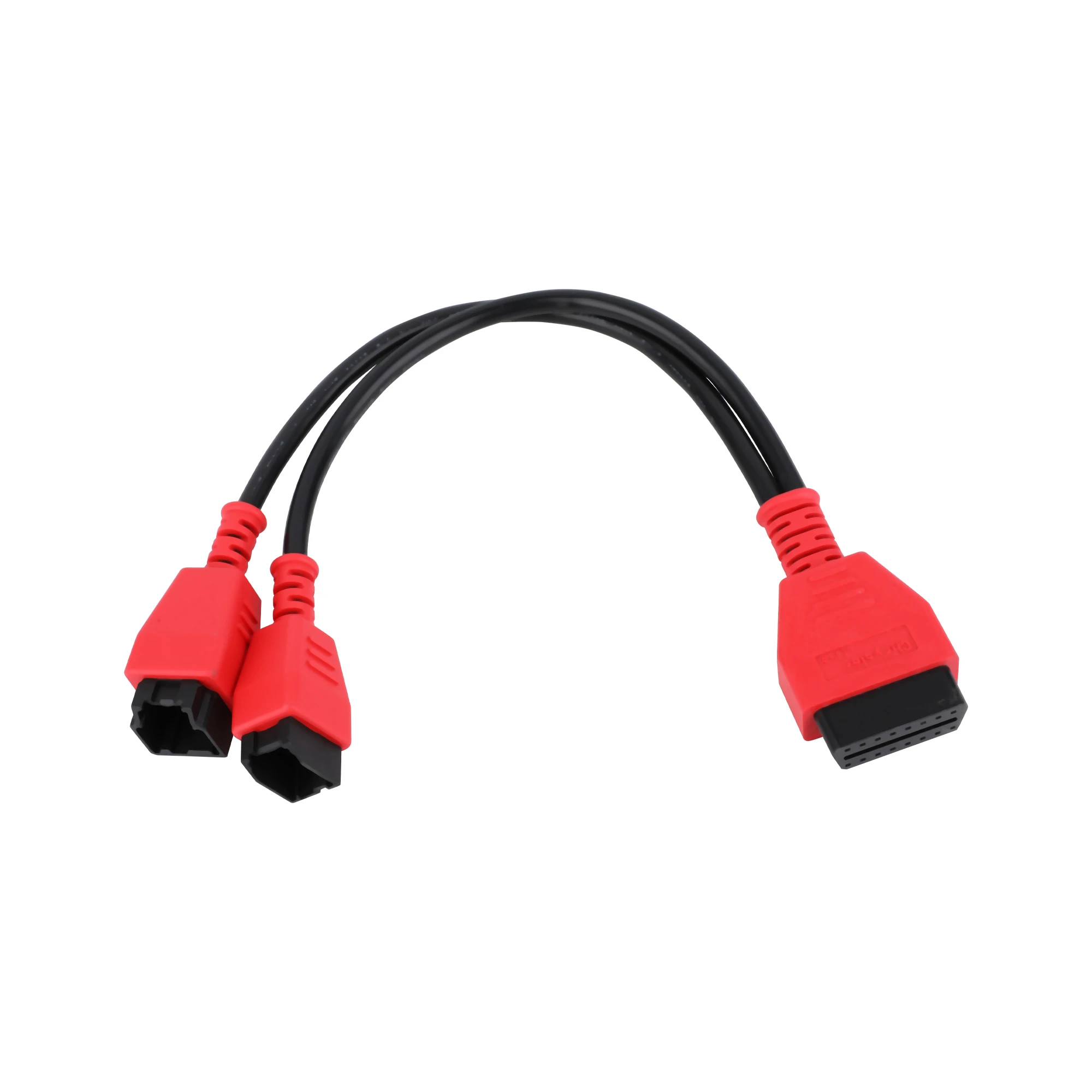
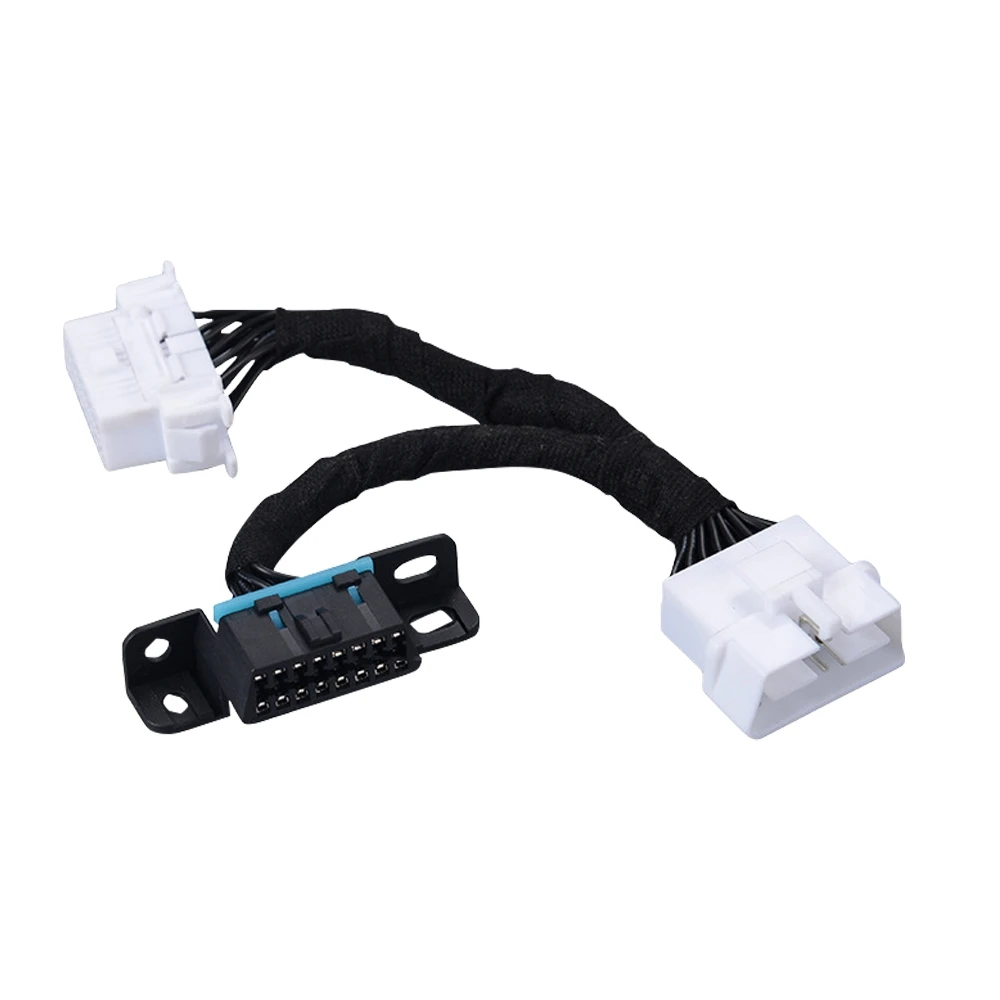
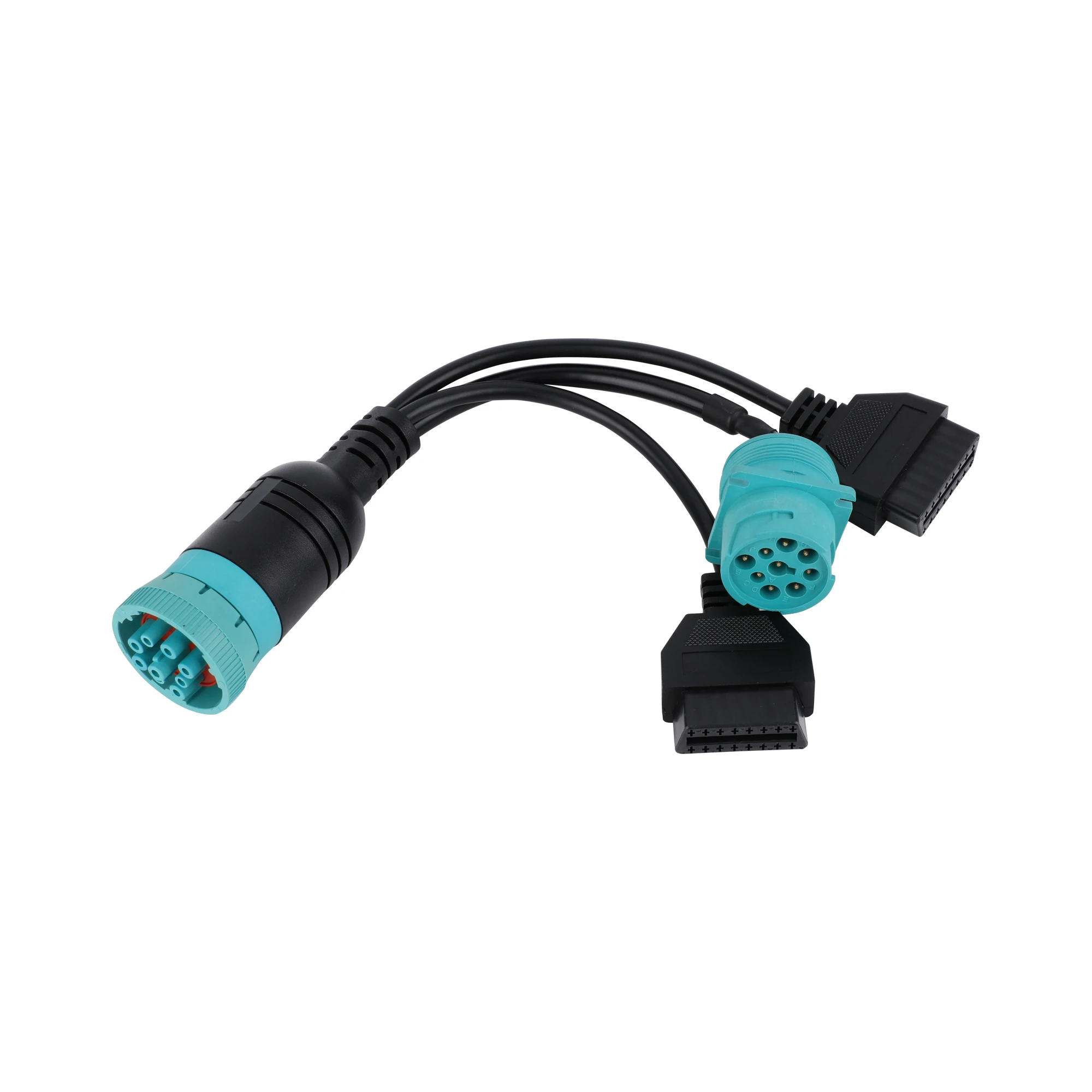
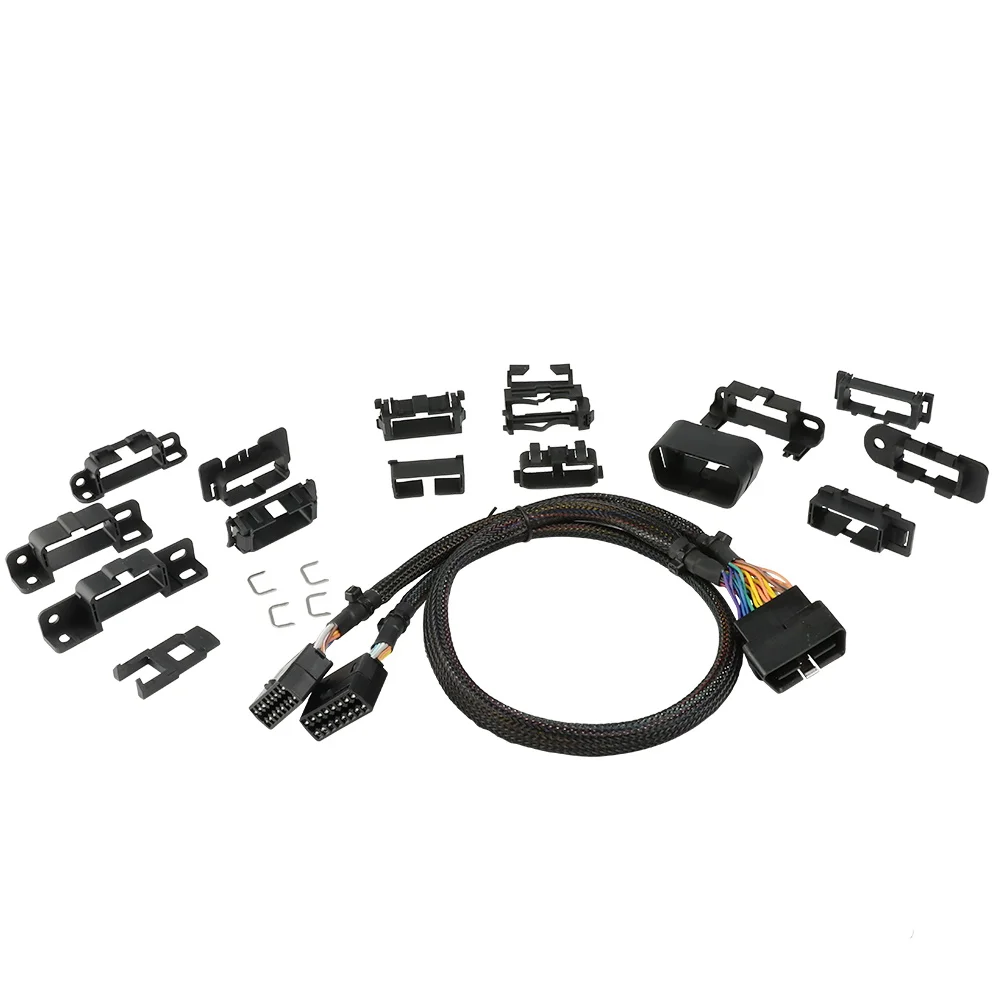
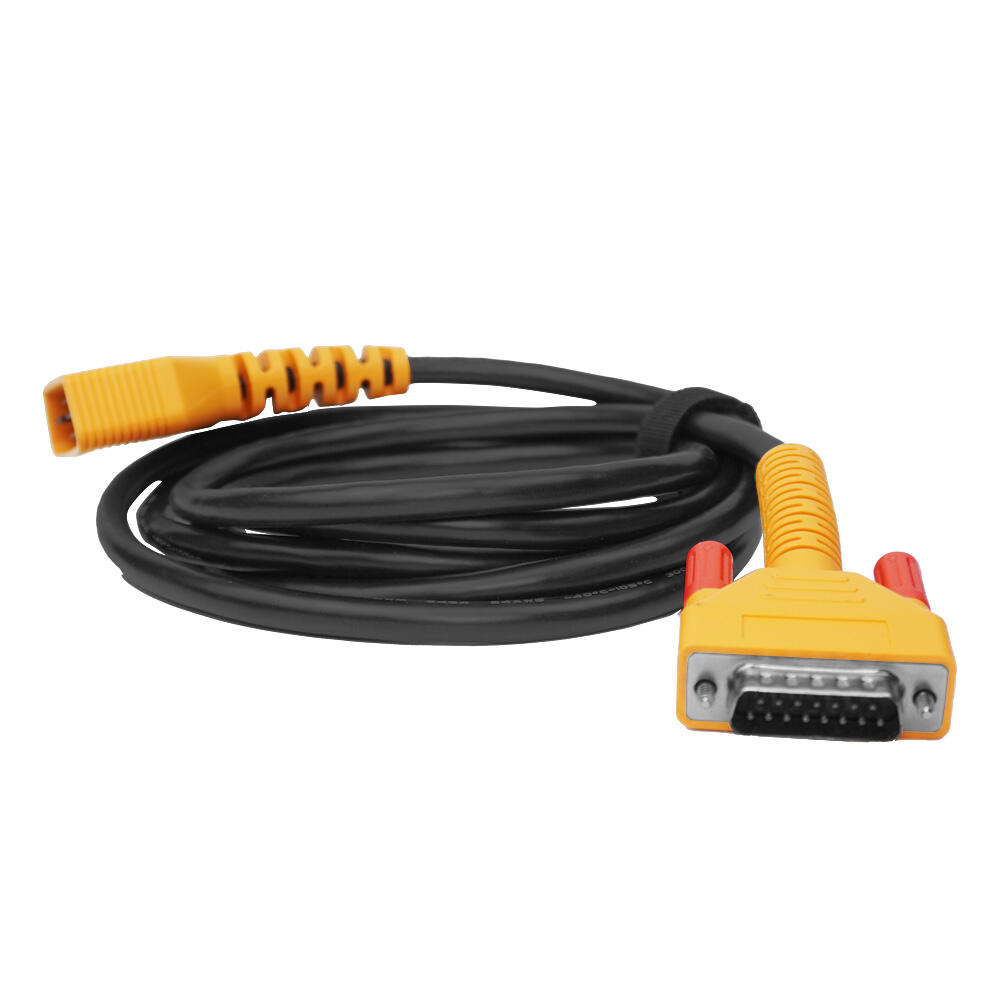
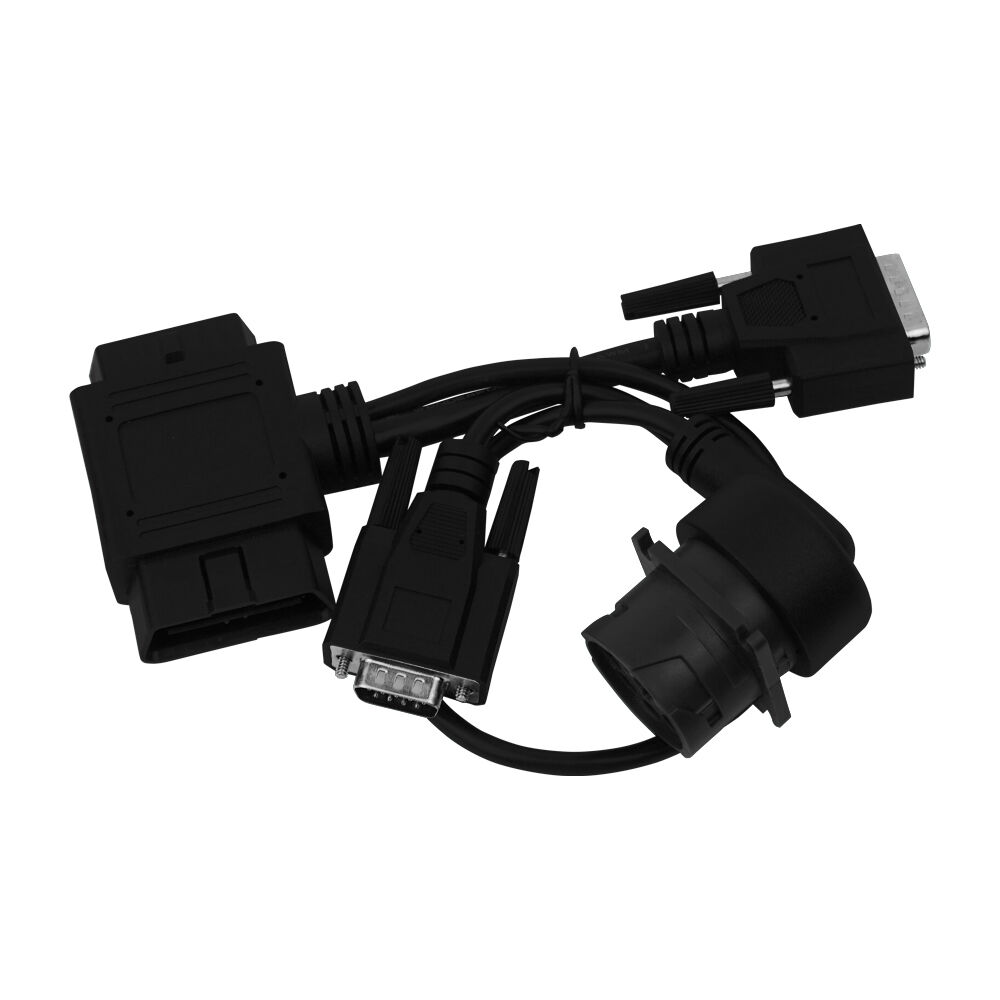
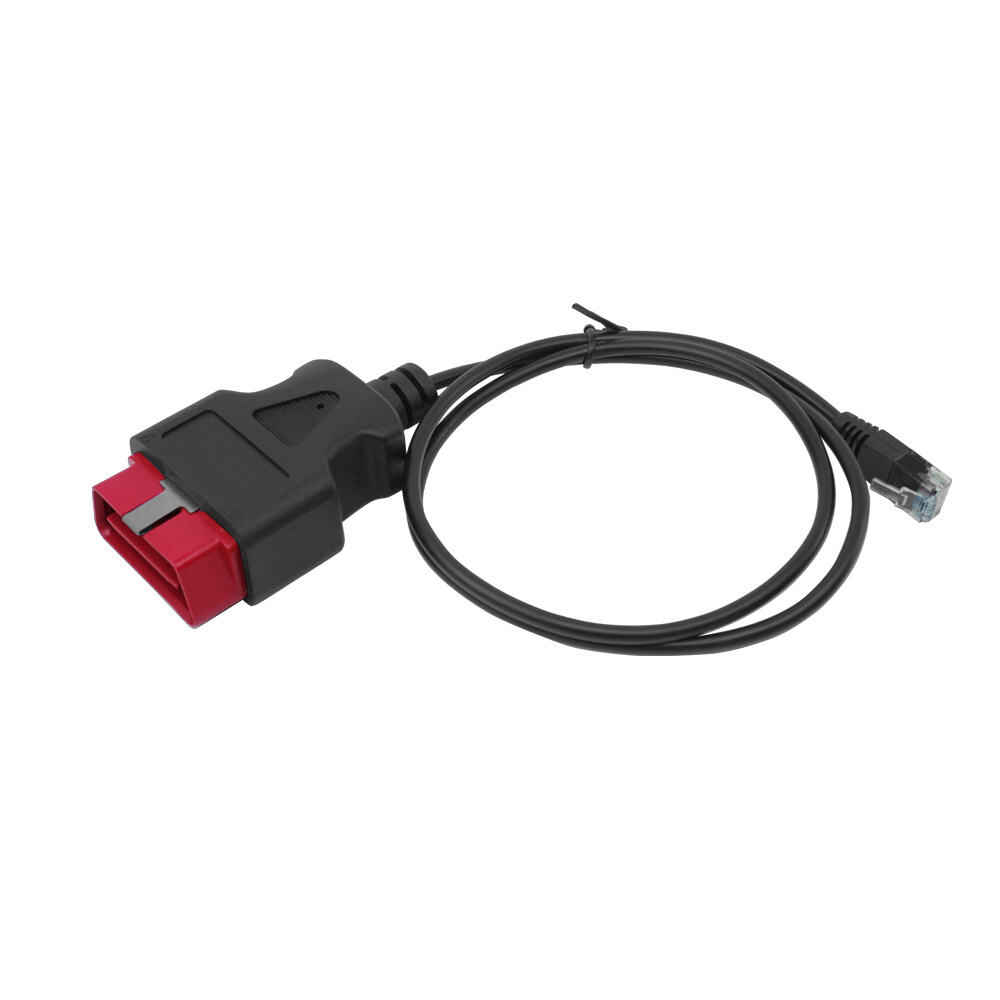
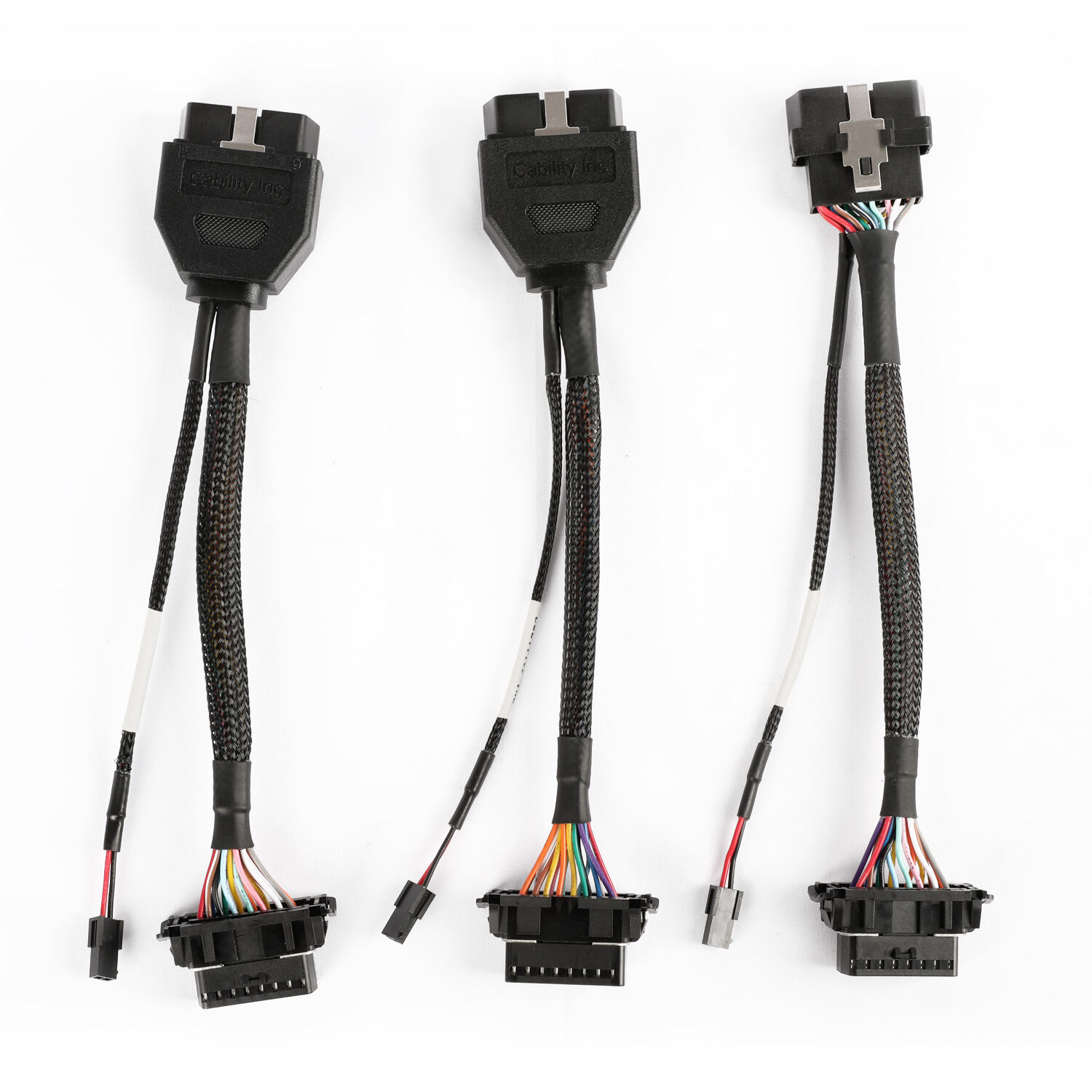
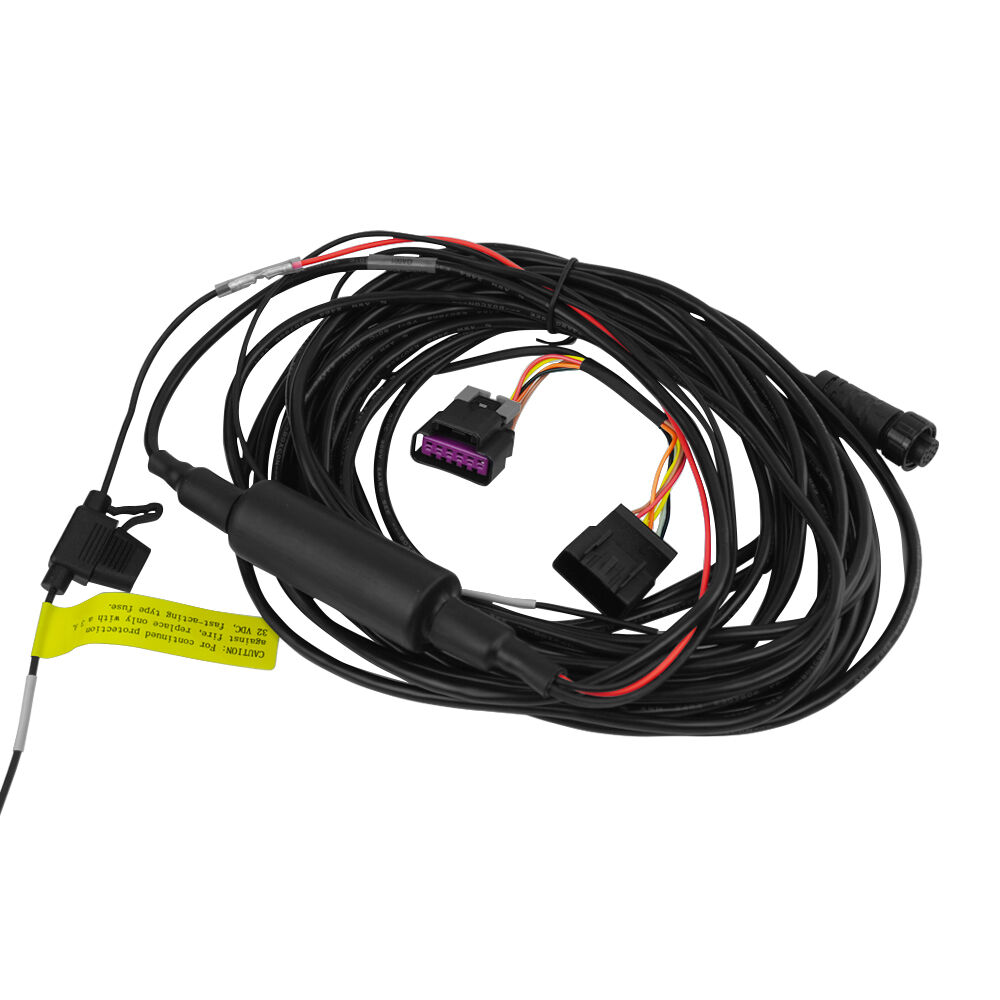
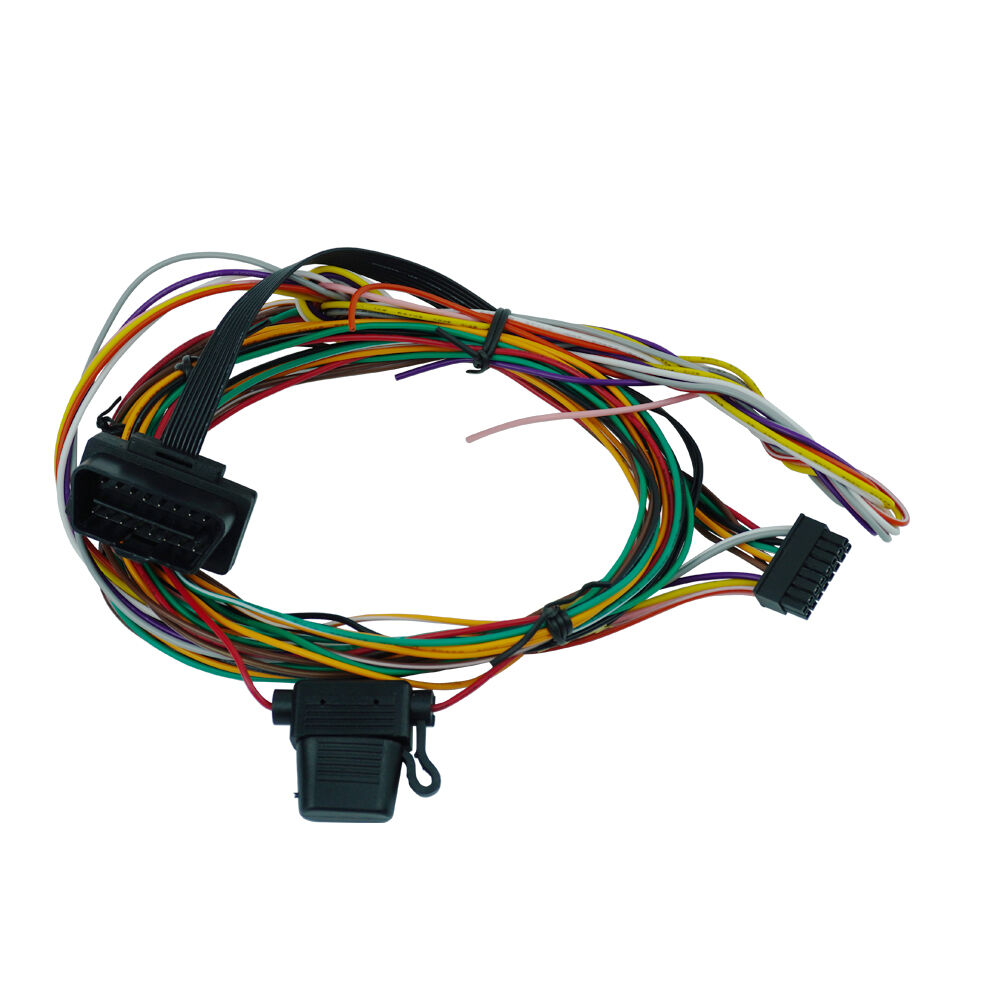
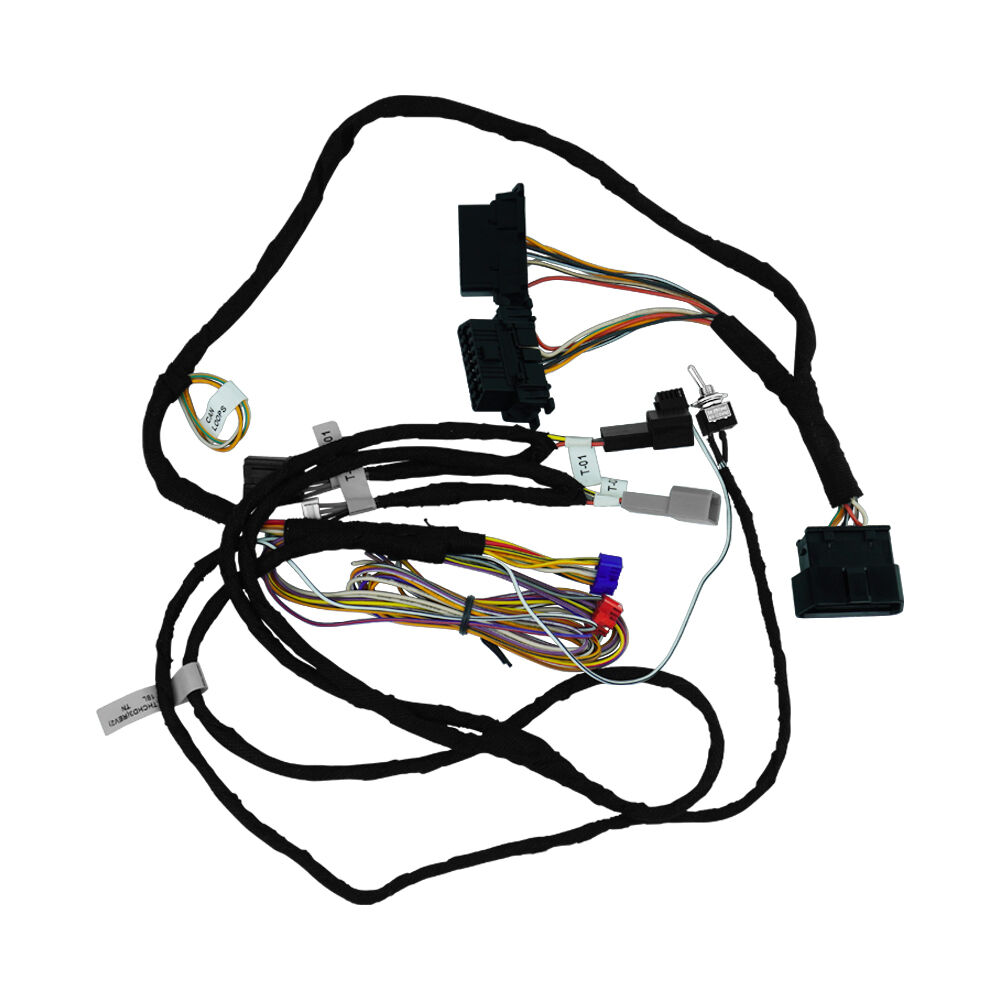
Electric wire harnesses for automobiles represent the central nervous system of modern vehicles, serving as the critical infrastructure that connects every electrical component throughout the car. These sophisticated assemblies consist of multiple wires, connectors, terminals, and protective materials bundled together in an organized configuration. The primary function of electric wire harnesses for automobiles is to distribute electrical power and transmit signals between various systems, including the engine control unit, lighting systems, infotainment displays, safety features, and climate control mechanisms. Modern electric wire harnesses for automobiles incorporate advanced technological features such as multiplexing capabilities, which reduce the number of wires needed while maintaining functionality. They utilize high-quality copper conductors with precise insulation materials designed to withstand extreme temperatures ranging from minus forty to plus one hundred fifty degrees Celsius. The harnesses also feature advanced shielding technologies that protect against electromagnetic interference, ensuring reliable signal transmission even in electrically noisy environments. Applications of electric wire harnesses for automobiles extend across all vehicle types, from compact sedans to heavy-duty trucks and electric vehicles. In traditional combustion engine vehicles, these harnesses manage power distribution for ignition systems, fuel injection, and exhaust monitoring. For hybrid and electric vehicles, electric wire harnesses for automobiles play an even more crucial role, managing high-voltage power delivery to electric motors and battery management systems. The automotive industry continues to evolve these harness systems to accommodate emerging technologies such as advanced driver assistance systems, autonomous driving features, and connected car capabilities. Manufacturing processes for electric wire harnesses for automobiles involve precision engineering, rigorous testing protocols, and quality control measures that ensure durability and safety standards compliance. Each harness undergoes extensive validation including vibration testing, temperature cycling, and electrical performance verification before installation in vehicles, guaranteeing optimal performance throughout the vehicle's operational lifespan.


Popular Products

Choosing quality electric wire harnesses for automobiles delivers numerous practical benefits that directly impact your vehicle's performance, reliability, and longevity. First and foremost, these harnesses provide exceptional organizational efficiency by consolidating hundreds of individual wires into streamlined bundles, which simplifies installation processes and reduces assembly time significantly. This organized approach minimizes the risk of wiring errors during manufacturing or repair work, saving both time and money in production facilities and service centers. The robust construction of electric wire harnesses for automobiles ensures superior protection against environmental hazards including moisture, dust, chemicals, and physical abrasion that could otherwise compromise electrical connections. This protective quality translates into fewer electrical failures, reduced maintenance requirements, and lower long-term ownership costs for vehicle operators. Modern electric wire harnesses for automobiles also contribute to weight reduction efforts, which directly improves fuel efficiency in conventional vehicles and extends driving range in electric vehicles. Engineers design these systems using optimized wire gauges and routing paths that eliminate unnecessary material while maintaining electrical performance standards. The standardized connector systems incorporated into electric wire harnesses for automobiles facilitate easier troubleshooting and repairs, allowing technicians to quickly identify and resolve electrical issues without extensive disassembly work. Vehicle owners benefit from reduced diagnostic time and lower repair bills when problems occur. Safety represents another significant advantage, as properly designed electric wire harnesses for automobiles include multiple safeguards such as circuit protection devices, proper grounding systems, and fire-resistant materials that prevent electrical hazards. These safety features protect both the vehicle's occupants and the electrical components from damage caused by short circuits or overload conditions. The flexibility built into electric wire harnesses for automobiles allows manufacturers to customize configurations for different vehicle models and trim levels without redesigning the entire electrical system, providing cost-effective scalability. Quality harnesses also support future upgrades and modifications, enabling vehicle owners to add accessories or advanced features without compromising the integrity of the original electrical system. The enhanced signal integrity provided by properly shielded electric wire harnesses for automobiles ensures that sensitive electronic systems communicate reliably, preventing data corruption that could affect engine performance, transmission shifting, or safety system activation. This reliability becomes increasingly important as vehicles incorporate more sophisticated computer-controlled functions that depend on accurate data transmission throughout the vehicle architecture.

Tips And Tricks

Why Is a High-Quality Wiring Harness Essential for Ensuring Consistent Signal and Power Transmission?

20

Jan

Why Is a High-Quality Wiring Harness Essential for Ensuring Consistent Signal and Power Transmission?

In today's complex automotive and industrial applications, the reliability of electrical systems depends heavily on the quality of components that facilitate signal and power transmission. A high-quality wiring harness serves as the backbone of elect...
View More
How does the manufacturing process of J1939 connection cables guarantee excellent weather resistance and anti-interference?

10

Feb

How does the manufacturing process of J1939 connection cables guarantee excellent weather resistance and anti-interference?

Modern automotive and industrial applications demand robust communication systems that can withstand harsh environmental conditions while maintaining signal integrity. J1939 connection cables represent a critical component in heavy-duty vehicle netwo...
View More
How Can a High-Quality J1939 Connection Cable Ensure Reliable Data Transmission in Heavy-Duty Vehicles?

02

Apr

How Can a High-Quality J1939 Connection Cable Ensure Reliable Data Transmission in Heavy-Duty Vehicles?

Heavy-duty vehicles rely on sophisticated electronic systems to manage engine performance, emissions control, transmission functions, and safety features. At the heart of these interconnected systems lies the Controller Area Network (CAN) bus archite...
View More
How to select a Tesla wiring harness that ensures seamless compatibility with Autopilot sensors?

02

Apr

How to select a Tesla wiring harness that ensures seamless compatibility with Autopilot sensors?

Selecting the right Tesla wiring harness for Autopilot sensor compatibility requires understanding the intricate electrical connections that enable Tesla's advanced driver assistance features. The Tesla wiring harness serves as the critical communica...
View More

Get a Free Quote

Our representative will contact you soon.
Email
Name
Company Name
Message
0/1000

electric wire harnesses for automobiles

Advanced Engineering Design for Maximum Reliability and Performance

Advanced Engineering Design for Maximum Reliability and Performance

The engineering excellence behind electric wire harnesses for automobiles represents decades of automotive innovation focused on creating electrical distribution systems that meet the demanding requirements of modern transportation. Every aspect of these harnesses undergoes meticulous design consideration, from the selection of conductor materials to the arrangement of wire routing throughout the vehicle structure. Engineers utilize computer-aided design software and sophisticated simulation tools to optimize harness layouts, ensuring that each wire follows the most efficient path while avoiding potential interference with mechanical components or heat sources. The conductor selection process for electric wire harnesses for automobiles involves careful analysis of current-carrying requirements, voltage drop limitations, and flexibility needs for different application areas. High-purity copper remains the preferred conductor material due to its excellent electrical conductivity and mechanical properties, though some specialized applications may utilize aluminum alloys for weight reduction. Insulation materials receive equal attention, with manufacturers employing cross-linked polyethylene, polyvinyl chloride, or thermoplastic elastomers depending on the specific environmental conditions each wire segment will encounter. The bundling and protective covering of electric wire harnesses for automobiles incorporates multiple layers of defense against environmental hazards, including textile braiding, corrugated tubing, and heat-shrink sleeves that shield wires from abrasion, chemicals, and temperature extremes. Connector technology integrated into these harnesses features precision-molded housings with positive locking mechanisms that maintain secure connections despite constant vehicle vibration and thermal cycling. Terminal designs within electric wire harnesses for automobiles utilize gold or tin plating to prevent corrosion and ensure low contact resistance over many years of service. Quality control procedures during harness assembly include automated continuity testing, insulation resistance verification, and pull-force testing on every connection point to guarantee that each harness meets stringent performance specifications before leaving the manufacturing facility. This comprehensive approach to design and manufacturing ensures that electric wire harnesses for automobiles deliver consistent, trouble-free operation throughout the vehicle's expected service life, reducing warranty claims and enhancing customer satisfaction with vehicle reliability.
Comprehensive Protection Systems for Harsh Automotive Environments

Comprehensive Protection Systems for Harsh Automotive Environments

Electric wire harnesses for automobiles must withstand some of the most challenging operating conditions found in any electrical application, making comprehensive protection systems absolutely essential for long-term reliability and safety. The automotive environment subjects these harnesses to extreme temperature variations as vehicles transition from cold winter storage to high-temperature engine compartment conditions within minutes of operation. Protection begins with carefully selected insulation materials that maintain their electrical properties and mechanical flexibility across this entire temperature range, preventing insulation cracking or conductor exposure that could lead to short circuits. Many sections of electric wire harnesses for automobiles incorporate additional heat-resistant sleeves or wraps in areas near exhaust components or other high-temperature zones where standard insulation alone would prove inadequate. Moisture protection represents another critical consideration, as condensation, rain, car washing, and road spray constantly threaten electrical connections throughout the vehicle. Sealed connector systems featured in quality electric wire harnesses for automobiles utilize rubber gaskets or gel-filled cavities that create watertight barriers preventing moisture ingress that could cause corrosion or electrical tracking. Chemical resistance is engineered into every component of electric wire harnesses for automobiles, protecting against exposure to engine oils, transmission fluids, coolants, battery acids, and road de-icing chemicals that could degrade unprotected materials. The exterior coverings and wire insulations resist chemical attack while maintaining their protective properties over many years of exposure. Mechanical protection features include strategic placement of harnesses away from moving components, secure mounting with vibration-damping clips, and robust covering materials that resist abrasion from contact with vehicle structures. In areas where wire movement is unavoidable, electric wire harnesses for automobiles incorporate extra flexibility and strain relief features that prevent fatigue failures from repeated flexing. Electromagnetic interference shielding integrated into sensitive signal circuits within electric wire harnesses for automobiles prevents external electrical noise from disrupting critical communications between control modules, ensuring accurate sensor readings and proper system operation. This multi-layered protection approach demonstrates the sophisticated engineering that makes electric wire harnesses for automobiles capable of delivering reliable performance in demanding real-world conditions year after year.
Scalability and Customization for Diverse Vehicle Applications

Scalability and Customization for Diverse Vehicle Applications

The remarkable adaptability of electric wire harnesses for automobiles enables manufacturers to efficiently produce vehicles ranging from basic transportation models to luxury vehicles packed with advanced technology, all while maintaining cost-effectiveness and production efficiency. This scalability begins with modular design principles that allow engineers to create core harness architectures serving as foundations for multiple vehicle variants, then add or remove circuits and connectors to match specific feature content. Manufacturers of electric wire harnesses for automobiles develop extensive libraries of standardized components including connectors, terminals, and wire specifications that can be mixed and matched to create custom configurations without requiring complete redesigns for each new vehicle model. This component standardization reduces inventory complexity, shortens development timelines, and lowers production costs while maintaining quality and reliability standards across all product variations. The design flexibility inherent in electric wire harnesses for automobiles supports emerging vehicle technologies such as autonomous driving systems, which require additional sensors, cameras, and processing units that must integrate seamlessly with existing vehicle electrical architectures. Forward-thinking harness designs incorporate provisions for future feature additions, including unused connector positions or prewired circuits that can be activated through software updates or simple component installations. This future-proofing capability extends vehicle marketability and allows owners to upgrade their vehicles with new technologies as they become available. Geographic market requirements also benefit from the customization capabilities of electric wire harnesses for automobiles, as different regions mandate various electrical standards, connector types, or safety features that can be accommodated through harness variations rather than completely different designs. Electric vehicle applications particularly showcase the versatility of modern electric wire harnesses for automobiles, as these systems must manage both traditional low-voltage control circuits and high-voltage power distribution to electric motors and battery packs, often within the same vehicle architecture. The integration of high-voltage and low-voltage circuits requires careful isolation and safety interlocks that prevent dangerous contact while maintaining system efficiency. Production scalability of electric wire harnesses for automobiles extends to manufacturing processes that can accommodate both high-volume automated production for popular vehicle models and lower-volume semi-automated or manual assembly for specialty or limited-production vehicles, ensuring cost-effective solutions across the entire automotive market spectrum.

Get a Free Quote

Our representative will contact you soon.
Email
Name
Company Name
Message
0/1000

Get a Free Quote

Our representative will contact you soon.
Email
Name
Company Name
Message
0/1000

Get a Free Quote

Our representative will contact you soon.
Email
Name
Company Name
Message
0/1000

Get a Free Quote

Our representative will contact you soon.
Email
Name
Company Name
Message
0/1000