
 EN
EN
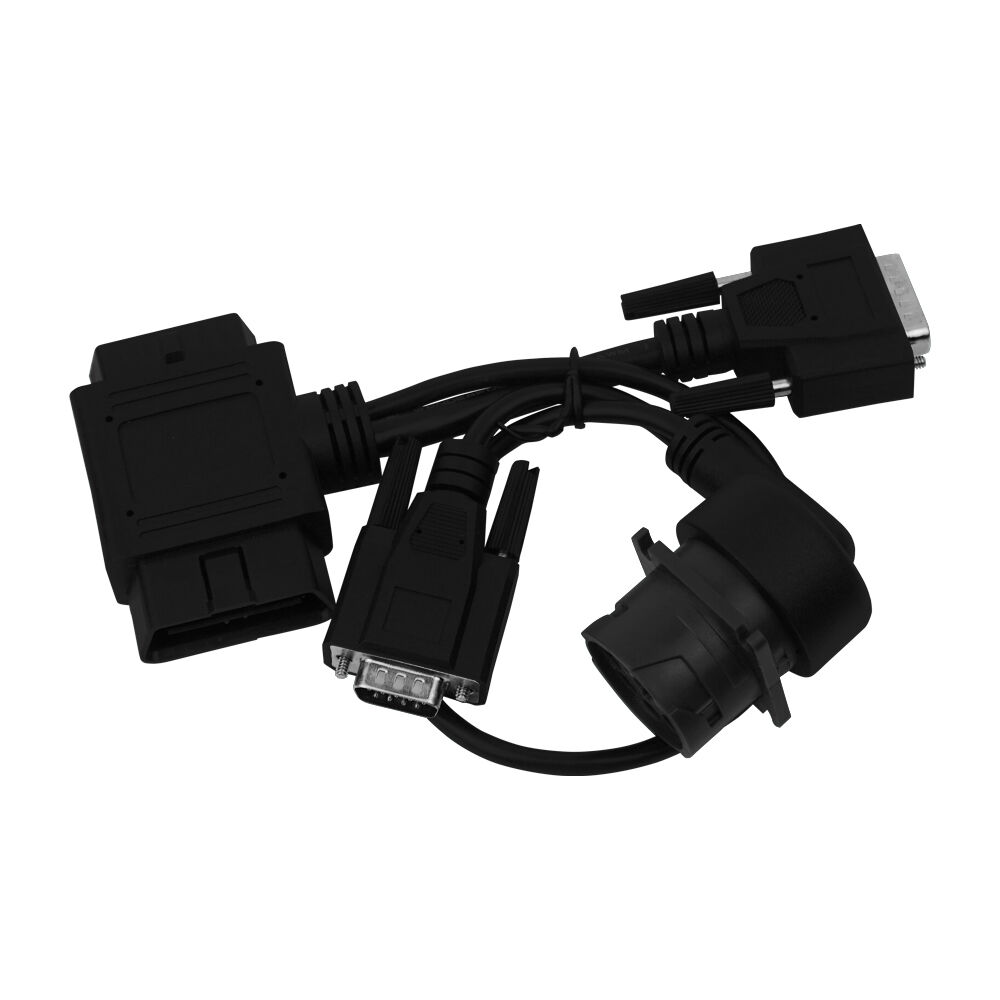
Modern automotive and industrial applications demand robust communication systems that can withstand harsh environmental conditions while maintaining signal integrity. J1939 connection cables represent a critical component in heavy-duty vehicle networks, where reliable data transmission between electronic control units is essential for optimal performance. The manufacturing process of these specialized cables incorporates advanced materials science and precision engineering to deliver exceptional weather resistance and electromagnetic interference protection that meets the stringent requirements of commercial transportation and industrial automation sectors.
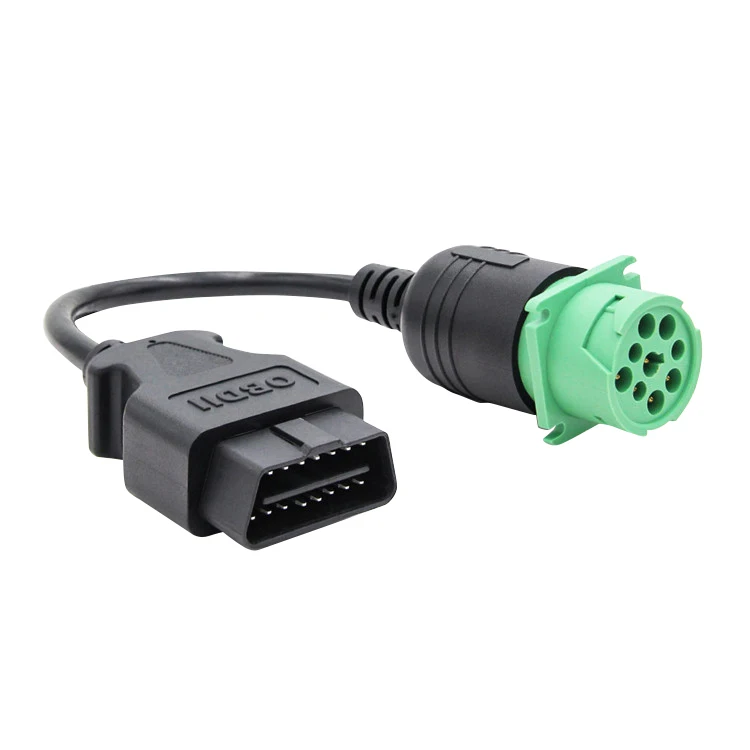
Advanced Material Selection for Weather Protection
High-Performance Outer Jacket Materials
The foundation of weather-resistant J1939 connection cables begins with the selection of premium thermoplastic elastomer compounds for the outer jacket. Manufacturers utilize specialized polyurethane and thermoplastic polyolefin materials that demonstrate superior resistance to temperature fluctuations, UV radiation, and moisture penetration. These materials undergo rigorous testing to ensure they maintain flexibility and structural integrity across operating temperatures ranging from negative forty to positive eighty-five degrees Celsius. The molecular structure of these polymers creates a barrier that prevents water ingress while allowing the cable to flex repeatedly without cracking or degradation.
Quality control procedures during material selection involve comprehensive aging tests that simulate decades of environmental exposure in accelerated conditions. J1939 connection cables manufactured with these advanced materials consistently outperform standard automotive cables in salt spray tests, thermal cycling evaluations, and UV exposure assessments. The chemical composition of the outer jacket materials includes stabilizers and antioxidants that neutralize environmental stressors before they can compromise the cable's protective properties.
Inner Conductor Insulation Technology
Beyond the outer protection, the insulation surrounding individual conductors within J1939 connection cables employs cross-linked polyethylene or fluoropolymer materials that provide exceptional dielectric strength and moisture resistance. The cross-linking process creates three-dimensional molecular bonds that enhance the material's resistance to chemical degradation and thermal stress. This advanced insulation technology ensures that signal integrity remains intact even when cables are subjected to prolonged exposure to hydraulic fluids, diesel fuel, and other automotive chemicals commonly encountered in heavy-duty applications.
Manufacturing facilities implement strict temperature and humidity controls during the insulation application process to guarantee uniform coverage and optimal adhesion to the conductor surfaces. The precision of this process directly impacts the long-term reliability of J1939 connection cables in demanding operational environments where consistent communication is critical for vehicle safety and performance monitoring systems.
Electromagnetic Interference Mitigation Strategies
Multi-Layer Shielding Architecture
The anti-interference capabilities of J1939 connection cables stem from sophisticated multi-layer shielding designs that combine braided copper mesh with aluminum foil barriers. The manufacturing process begins with the application of a thin aluminum polyester tape that wraps around the twisted pair conductors with precise overlap percentages to eliminate gaps in coverage. This primary shield provides broad-spectrum protection against electromagnetic fields generated by nearby electrical systems, power inverters, and radio frequency transmissions that could disrupt critical vehicle control communications.
Above the foil layer, manufacturers apply a tightly woven copper braid that offers superior protection against low-frequency magnetic fields and provides a low-impedance path for electromagnetic energy dissipation. The braid coverage percentage typically exceeds ninety percent, with individual wire diameters and weave patterns optimized for maximum shielding effectiveness across the frequency spectrum relevant to J1939 protocol communications. Advanced manufacturing techniques ensure consistent braid tension and uniform coverage throughout the cable length, preventing weak points that could compromise interference protection.
Precision Twist Rate Control
Signal integrity in J1939 connection cables depends heavily on precise control of conductor twist rates during the manufacturing process. Automated twisting machines maintain exact pitch specifications that minimize crosstalk between signal pairs while optimizing impedance characteristics for reliable data transmission. The twist rate calculations account for the dielectric properties of insulation materials and the geometric constraints of multi-conductor cable constructions to achieve the balanced transmission line characteristics required for CAN bus communications.
Manufacturing quality systems monitor twist rate consistency through continuous measurement systems that detect variations exceeding established tolerances. This level of precision ensures that J1939 connection cables maintain their specified impedance values and differential signal characteristics throughout their operational lifetime, even when subjected to mechanical stress from vibration, flexing, and thermal expansion cycles typical in heavy-duty vehicle applications.
Quality Assurance and Testing Protocols
Environmental Stress Testing
Comprehensive testing protocols validate the weather resistance and anti-interference performance of J1939 connection cables before they reach end-user applications. Environmental chambers subject cable samples to extreme temperature cycling, humidity exposure, salt spray corrosion, and UV radiation levels that exceed typical field conditions by significant margins. These accelerated aging tests provide confidence that cables will maintain their protective properties throughout their expected service life in commercial vehicle applications.
Electrical performance testing during environmental stress exposure monitors signal integrity, insulation resistance, and shielding effectiveness to ensure that protective properties remain stable under adverse conditions. J1939 connection cables that pass these rigorous evaluation procedures demonstrate consistent performance characteristics that meet or exceed industry standards for automotive communication systems in heavy-duty applications where reliability cannot be compromised.
Production Line Quality Control
Manufacturing facilities implement comprehensive quality control measures at every stage of J1939 connection cables production to maintain consistent protective performance. Automated optical inspection systems verify shield coverage, insulation thickness, and conductor positioning throughout the cable manufacturing process. Statistical process control methods track key parameters such as conductor resistance, capacitance values, and jacket thickness to identify potential variations before they impact finished product quality.
Final assembly operations include high-voltage insulation testing, continuity verification, and electromagnetic compatibility assessments that confirm each cable assembly meets specification requirements. Documentation systems maintain traceability records that link finished J1939 connection cables to specific material lots and processing parameters, enabling rapid identification and resolution of any quality issues that might arise during field service.
Integration with Vehicle Network Systems
Connector Interface Reliability
The effectiveness of weather protection and interference mitigation in J1939 connection cables extends through the connector interfaces that link cables to electronic control units and network nodes. Manufacturing processes include precision molding techniques that create seamless transitions between cable jackets and connector housings, eliminating potential entry points for moisture or electromagnetic interference. Specialized sealing compounds and gasket designs provide additional protection against environmental ingress while maintaining the mechanical flexibility required for vehicle installation and service access.
Connector pin plating processes utilize gold over nickel finishes that resist corrosion while providing low-resistance electrical connections that maintain signal integrity over extended service periods. The manufacturing precision required for these connector systems ensures that J1939 connection cables deliver consistent communication performance regardless of environmental conditions or electromagnetic interference sources present in heavy-duty vehicle applications.
Network Topology Considerations
The manufacturing approach for J1939 connection cables takes into account the specific requirements of Controller Area Network topology implementations in commercial vehicles. Cable impedance characteristics, propagation delay specifications, and termination resistance values are precisely controlled during production to ensure compatibility with network timing requirements and signal reflection management. These parameters directly impact the reliability of multi-node communications in complex vehicle systems where dozens of electronic control units share the same communication medium.
Manufacturing quality systems validate network compatibility through comprehensive electrical testing that simulates actual vehicle installation conditions. J1939 connection cables manufactured to these exacting standards provide the foundation for robust vehicle communication networks that operate reliably in the challenging electromagnetic environment of modern commercial transportation systems where multiple high-power electrical systems operate in close proximity to sensitive electronic controls.
FAQ
What specific materials provide the best weather resistance in J1939 connection cables?
Premium J1939 connection cables utilize thermoplastic polyurethane or specialized polyolefin compounds for outer jackets, combined with cross-linked polyethylene or fluoropolymer insulation materials. These materials provide superior resistance to temperature extremes, UV radiation, moisture penetration, and chemical exposure typical in heavy-duty vehicle environments while maintaining flexibility and durability over extended service life.
How does multi-layer shielding protect against electromagnetic interference?
The multi-layer shielding design in J1939 connection cables combines aluminum foil tape for broad-spectrum electromagnetic field protection with high-coverage copper braiding for magnetic field immunity and energy dissipation. This combination provides comprehensive protection against interference from engine management systems, power inverters, radio transmissions, and other electromagnetic sources that could disrupt critical vehicle communication networks.
What testing procedures ensure long-term reliability of J1939 connection cables?
Comprehensive testing protocols include accelerated aging in environmental chambers with extreme temperature cycling, humidity exposure, salt spray corrosion, and UV radiation testing that exceeds typical field conditions. Electrical performance monitoring during stress testing verifies that signal integrity, insulation resistance, and shielding effectiveness remain stable throughout the expected service life of the cables.
Why is precise twist rate control important for signal integrity?
Precise conductor twist rates in J1939 connection cables minimize crosstalk between signal pairs while maintaining the specific impedance characteristics required for reliable CAN bus communications. Automated manufacturing controls ensure consistent twist patterns that optimize differential signal transmission and network timing requirements essential for multi-node vehicle communication systems.
Table of Contents
- Advanced Material Selection for Weather Protection
- Electromagnetic Interference Mitigation Strategies
- Quality Assurance and Testing Protocols
- Integration with Vehicle Network Systems
-
FAQ
- What specific materials provide the best weather resistance in J1939 connection cables?
- How does multi-layer shielding protect against electromagnetic interference?
- What testing procedures ensure long-term reliability of J1939 connection cables?
- Why is precise twist rate control important for signal integrity?