
 EN
EN
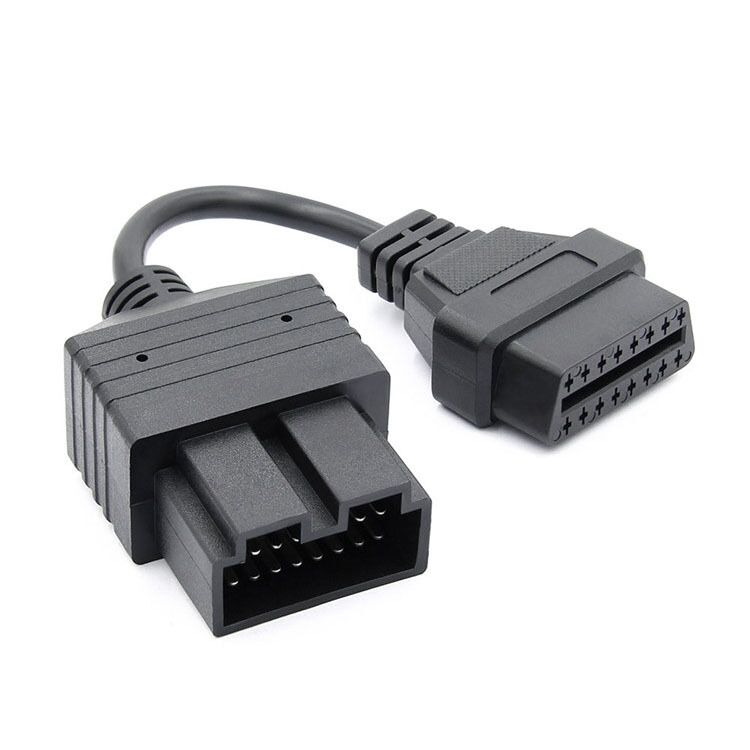
Commercial vehicles rely heavily on sophisticated diagnostic and communication systems to ensure optimal performance, safety, and regulatory compliance. At the heart of these systems lies the J1939 connection cable, a specialized diagnostic interface that enables seamless data transmission between onboard electronic control units and external diagnostic equipment. This critical component serves as the communication bridge that allows fleet managers, technicians, and vehicle operators to monitor real-time performance parameters, diagnose potential issues, and maintain compliance with industry standards.
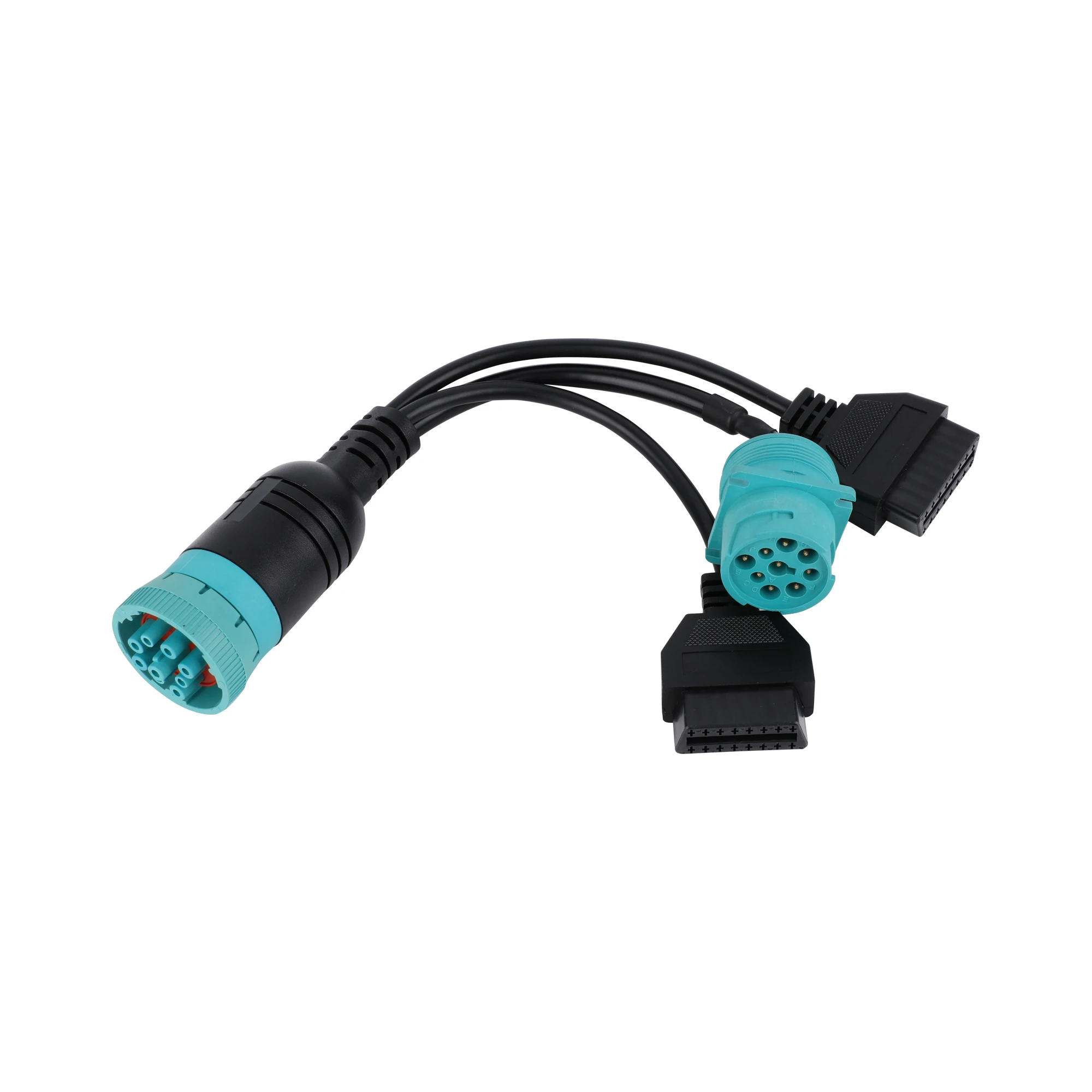
The significance of reliable data transmission in commercial vehicles cannot be overstated, as these systems directly impact operational efficiency, maintenance scheduling, and overall fleet management. A high-quality J1939 connection cable ensures that critical vehicle data flows uninterrupted between various electronic systems, enabling comprehensive monitoring of engine performance, emission levels, transmission parameters, and other vital operational metrics. Understanding the technical specifications and implementation strategies for these diagnostic cables becomes essential for fleet operators seeking to maximize vehicle uptime and minimize maintenance costs.
Understanding J1939 Protocol Standards
Protocol Architecture and Communication Framework
The J1939 protocol represents a standardized communication framework specifically designed for commercial vehicle applications, establishing a robust foundation for data exchange between multiple electronic control units within a single vehicle network. This protocol utilizes Controller Area Network (CAN) bus technology to facilitate high-speed, reliable communication across various vehicle systems, ensuring that critical operational data remains accessible for monitoring and diagnostic purposes.
Within the J1939 protocol architecture, the J1939 connection cable serves as the physical interface that connects external diagnostic equipment to the vehicle's internal communication network. The protocol defines specific message formats, addressing schemes, and communication priorities that enable multiple electronic control units to share data efficiently without interference or data corruption. This standardized approach ensures compatibility across different vehicle manufacturers and diagnostic equipment suppliers.
Data Transmission Characteristics and Requirements
The J1939 protocol operates at a nominal baud rate of 250 kilobits per second, providing sufficient bandwidth for transmitting comprehensive diagnostic data while maintaining real-time communication capabilities. The protocol incorporates sophisticated error detection and correction mechanisms that ensure data integrity throughout the transmission process, making the J1939 connection cable an essential component for reliable vehicle diagnostics.
Message prioritization within the J1939 protocol allows critical safety-related communications to take precedence over routine diagnostic data, ensuring that essential vehicle functions remain uncompromised during diagnostic procedures. The protocol supports both broadcast and peer-to-peer communication modes, enabling flexible data sharing arrangements that can accommodate various diagnostic scenarios and fleet management requirements.
Technical Specifications and Design Features
Connector Configuration and Pin Assignments
The standard J1939 connection cable utilizes a 9-pin Deutsch connector that provides secure, weather-resistant connections capable of withstanding the harsh operating environments typically encountered in commercial vehicle applications. Each pin within the connector serves a specific function, with designated pins for CAN high, CAN low, power supply, ground, and various control signals that enable comprehensive diagnostic communication.
Pin assignment standardization ensures that J1939 connection cables maintain universal compatibility across different vehicle platforms and diagnostic equipment manufacturers. The connector design incorporates robust locking mechanisms and environmental sealing to prevent connection failures due to vibration, moisture, or temperature extremes commonly experienced in commercial vehicle operations.
Cable Construction and Material Specifications
High-quality J1939 connection cable construction utilizes specialized copper conductors with appropriate gauge ratings to ensure minimal signal attenuation and optimal data transmission performance. The cable assembly incorporates twisted pair construction for the CAN bus signals, providing enhanced electromagnetic interference resistance and signal integrity preservation across extended cable lengths.
Advanced insulation materials and shielding configurations protect the internal conductors from environmental factors and electromagnetic interference that could compromise data transmission quality. The outer jacket material selection focuses on chemical resistance, abrasion tolerance, and temperature stability to ensure reliable performance throughout the cable's operational lifespan in demanding commercial vehicle environments.
Implementation in Commercial Vehicle Systems
Integration with Electronic Control Units
Modern commercial vehicles incorporate numerous electronic control units responsible for managing engine performance, transmission operation, emission control, brake systems, and other critical vehicle functions. The J1939 connection cable enables external diagnostic equipment to access data from these distributed control units through a single diagnostic interface, simplifying troubleshooting procedures and reducing diagnostic time requirements.
The integration process involves connecting the J1939 connection cable to the vehicle's diagnostic port, which provides direct access to the internal CAN bus network. This connection allows diagnostic tools to retrieve real-time operational data, historical fault codes, and performance parameters from multiple electronic control units simultaneously, enabling comprehensive vehicle health assessment and maintenance planning.
Diagnostic Capabilities and Data Access
Through the J1939 connection cable, technicians can access a wide range of diagnostic information including engine operating parameters, fuel consumption data, emission levels, transmission performance metrics, and brake system status. This comprehensive data access enables proactive maintenance scheduling, performance optimization, and regulatory compliance verification for commercial vehicle fleets.
Advanced diagnostic capabilities supported by the J1939 connection cable include real-time parameter monitoring, fault code retrieval and clearing, electronic control unit programming, and calibration procedures. These features enable fleet maintenance personnel to perform comprehensive vehicle servicing and optimization procedures that maximize operational efficiency and minimize unscheduled downtime.
Quality Factors Affecting Data Transmission
Signal Integrity and Interference Mitigation
The effectiveness of a J1939 connection cable depends heavily on its ability to maintain signal integrity throughout the data transmission process. High-quality cable construction incorporates proper impedance matching, twisted pair geometry, and comprehensive shielding to minimize signal degradation and electromagnetic interference effects that could compromise diagnostic communication reliability.
Environmental factors such as temperature variations, vibration, and electromagnetic fields generated by vehicle electrical systems can impact signal quality if the J1939 connection cable lacks adequate protection measures. Premium cable designs address these challenges through advanced material selection, robust connector construction, and optimized cable geometry that maintains consistent performance across diverse operating conditions.
Connection Reliability and Durability Considerations
Long-term reliability of the J1939 connection cable requires careful attention to connector design, contact materials, and environmental sealing effectiveness. High-quality connectors utilize gold-plated contacts and precision-machined housings to ensure consistent electrical connections that resist corrosion and contact degradation over extended service periods.
Mechanical durability becomes particularly important in commercial vehicle applications where the J1939 connection cable may experience frequent connection and disconnection cycles, exposure to harsh chemicals, and extreme temperature variations. Robust cable construction and connector design ensure reliable performance throughout the cable's operational lifespan, minimizing maintenance requirements and connection-related diagnostic issues.
Installation and Maintenance Best Practices
Proper Installation Procedures
Successful implementation of J1939 connection cable systems requires adherence to established installation procedures that ensure optimal performance and longevity. Proper installation begins with verification of connector compatibility and pin assignment accuracy, followed by secure connection to the vehicle's diagnostic port and appropriate cable routing to minimize mechanical stress and interference exposure.
Installation considerations include cable length optimization, strain relief implementation, and protection from sharp edges or heat sources that could damage the cable assembly. Following manufacturer-specified torque requirements for connector installation and implementing proper cable support mechanisms help prevent connection failures and ensure reliable diagnostic communication throughout the cable's service life.
Routine Maintenance and Inspection Guidelines
Regular maintenance of J1939 connection cable systems involves visual inspection of connector condition, cable integrity, and connection security to identify potential issues before they impact diagnostic capabilities. Inspection procedures should include verification of connector pin condition, cable jacket integrity, and proper strain relief function to ensure continued reliable performance.
Preventive maintenance activities for J1939 connection cable systems include periodic connector cleaning, contact inspection, and cable flexibility testing to identify degradation trends that could affect future performance. Establishing routine maintenance schedules and documentation procedures helps fleet operators maintain consistent diagnostic capabilities and minimize unexpected connection failures.
Applications Across Vehicle Categories
Heavy-Duty Truck Implementation
Heavy-duty truck applications represent the primary market for J1939 connection cable systems, where these diagnostic interfaces enable comprehensive monitoring of complex powertrain systems, emission control equipment, and auxiliary vehicle functions. The J1939 connection cable provides access to critical engine parameters, transmission data, and emission system status information required for regulatory compliance and performance optimization.
Fleet operators utilize J1939 connection cable systems to implement predictive maintenance programs that monitor vehicle health indicators and schedule maintenance activities based on actual operating conditions rather than predetermined intervals. This approach maximizes vehicle availability while minimizing maintenance costs through optimized service scheduling and component life extension strategies.
Bus and Transit Vehicle Applications
Public transit vehicles and commercial bus operations rely on J1939 connection cable systems to monitor passenger safety systems, environmental control equipment, and accessibility features in addition to standard powertrain diagnostics. The comprehensive data access provided by these diagnostic interfaces supports compliance with safety regulations and accessibility requirements specific to passenger transport applications.
Transit authorities utilize J1939 connection cable diagnostics to optimize route efficiency, monitor fuel consumption patterns, and implement condition-based maintenance programs that maximize vehicle reliability and passenger service availability. The detailed operational data accessible through these diagnostic systems enables data-driven decision making for fleet management and service optimization initiatives.
Future Developments and Technology Trends
Enhanced Data Transmission Capabilities
Emerging developments in J1939 connection cable technology focus on increased data transmission speeds, enhanced error correction capabilities, and expanded diagnostic functionality to support next-generation commercial vehicle systems. Advanced cable designs incorporate improved materials and construction techniques that provide superior performance characteristics while maintaining backward compatibility with existing vehicle platforms.
Future J1939 connection cable implementations may incorporate smart diagnostic features that enable automatic system health monitoring, predictive failure detection, and remote diagnostic capabilities that reduce the need for physical diagnostic equipment connections. These advanced features support the evolution toward connected vehicle technologies and autonomous fleet management systems.
Integration with Advanced Vehicle Technologies
The integration of J1939 connection cable systems with advanced driver assistance systems, autonomous vehicle technologies, and connected fleet management platforms creates new opportunities for comprehensive vehicle monitoring and control. These integrations enable real-time data sharing between vehicles and fleet management centers, supporting optimized routing, predictive maintenance, and performance monitoring capabilities.
As commercial vehicles incorporate increasing levels of electronic sophistication, the J1939 connection cable continues to serve as a critical interface for accessing and managing the growing volume of diagnostic and operational data generated by these advanced systems. Continued development of cable technologies and protocol enhancements ensures that diagnostic capabilities keep pace with vehicle technology advancement.
FAQ
What makes a J1939 connection cable different from standard OBD cables
A J1939 connection cable differs from standard OBD cables primarily in its protocol support and connector configuration. While standard OBD cables typically support basic diagnostic functions for light-duty vehicles, J1939 connection cable systems are specifically designed for commercial vehicle applications with more complex electronic systems. The J1939 protocol provides higher data transmission speeds, supports multiple electronic control units simultaneously, and includes advanced message prioritization features not available in standard OBD implementations.
How often should J1939 connection cables be replaced in fleet operations
The replacement frequency for J1939 connection cable systems depends on usage patterns, environmental conditions, and cable quality. High-quality cables in normal fleet operations typically provide reliable service for 3-5 years with proper maintenance, while cables exposed to harsh conditions or frequent use may require replacement every 2-3 years. Regular inspection of connector condition, cable integrity, and diagnostic performance helps determine optimal replacement timing based on actual cable condition rather than predetermined schedules.
Can J1939 connection cables work with different diagnostic tool brands
Yes, standard J1939 connection cables are designed for universal compatibility with diagnostic tools that support the J1939 protocol. The standardized connector configuration and protocol specifications ensure that properly manufactured cables work with diagnostic equipment from different suppliers. However, some proprietary diagnostic features or advanced functionalities may require specific cable configurations or additional adapters depending on the diagnostic tool manufacturer and vehicle platform requirements.
What are the most common causes of J1939 connection cable failures
The most common causes of J1939 connection cable failures include connector corrosion due to moisture exposure, mechanical damage from improper handling or routing, and electrical degradation due to exposure to extreme temperatures or electromagnetic interference. Contact wear from frequent connection cycles, cable jacket deterioration from chemical exposure, and internal conductor damage from excessive bending or tension also contribute to cable failures. Proper installation, routine maintenance, and adherence to manufacturer handling guidelines significantly reduce the likelihood of these failure modes.
Table of Contents
- Understanding J1939 Protocol Standards
- Technical Specifications and Design Features
- Implementation in Commercial Vehicle Systems
- Quality Factors Affecting Data Transmission
- Installation and Maintenance Best Practices
- Applications Across Vehicle Categories
- Future Developments and Technology Trends
- FAQ