
 EN
EN
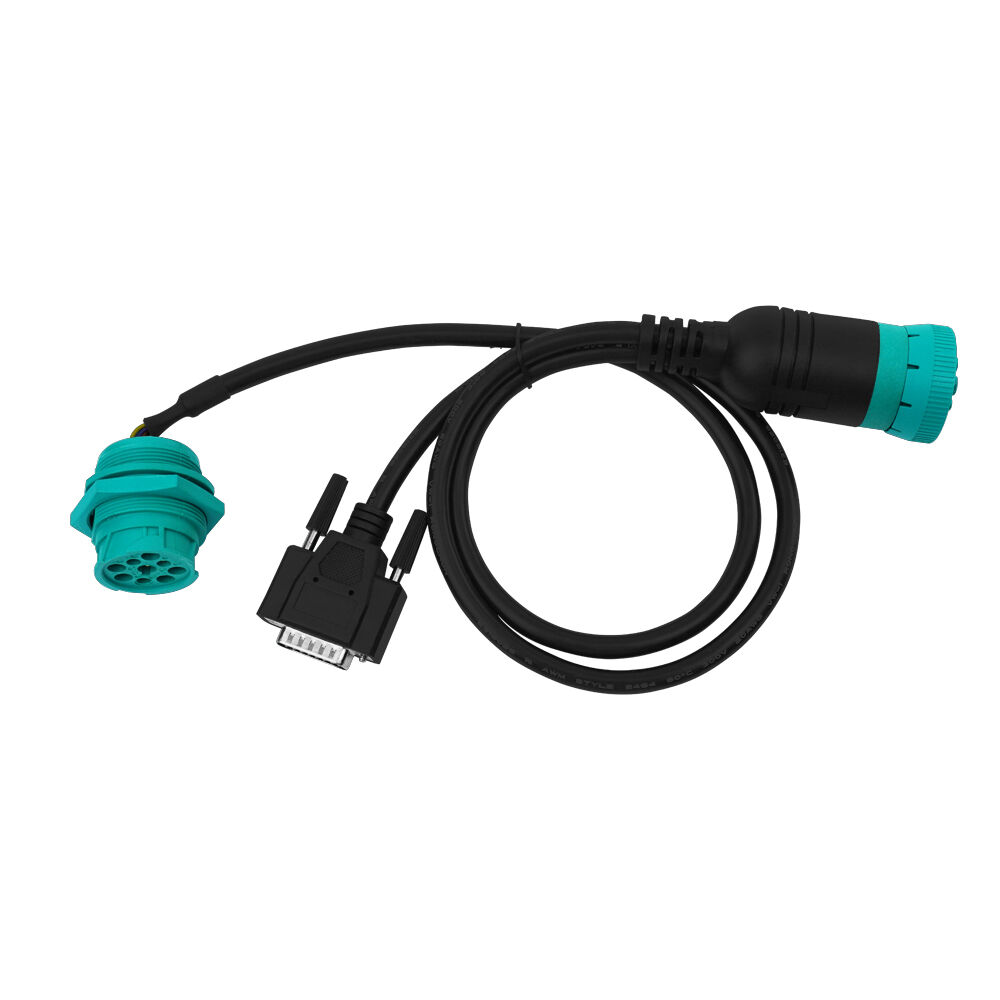
Industrial automation has revolutionized manufacturing and heavy machinery operations, with standardized communication protocols playing a crucial role in ensuring seamless data exchange between electronic control units. Among these protocols, J1939 connection cables have emerged as the backbone of vehicle and machinery communication networks, particularly in commercial vehicles, construction equipment, and agricultural machinery. These specialized cables enable reliable data transmission across complex industrial systems, facilitating real-time monitoring, diagnostics, and control functions that are essential for modern automated operations.
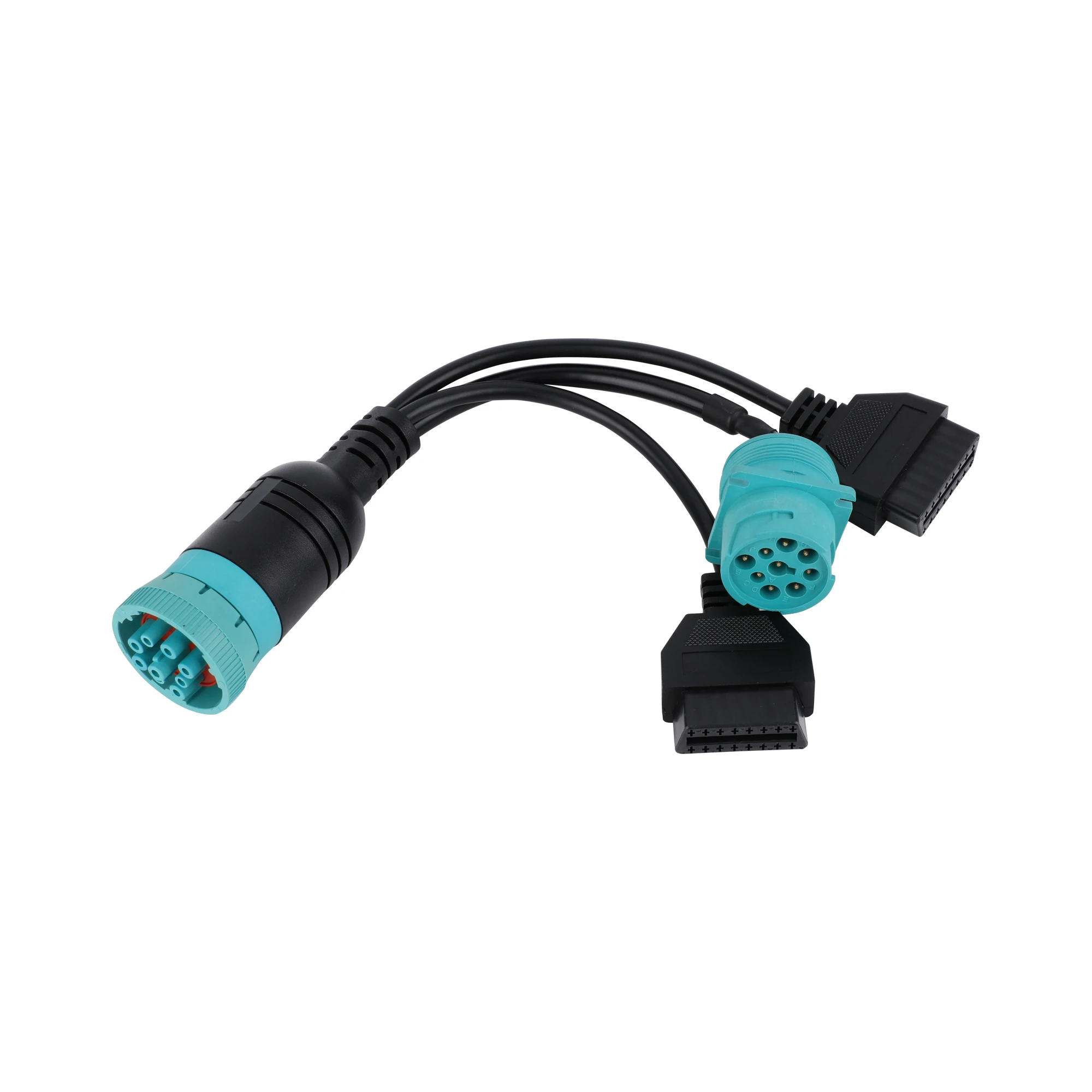
The implementation of J1939 connection cables in industrial environments offers numerous advantages over traditional communication methods, including enhanced data integrity, reduced installation complexity, and improved system interoperability. As industries continue to embrace digital transformation and Industry 4.0 principles, understanding the specific applications and benefits of these connection cables becomes increasingly important for engineers, system integrators, and maintenance professionals working with automated machinery and vehicle systems.
Understanding J1939 Protocol Foundation
Protocol Architecture and Communication Standards
The J1939 protocol represents a comprehensive communication standard specifically designed for heavy-duty vehicle networks and industrial machinery applications. This Controller Area Network (CAN) based protocol defines not only the physical layer specifications but also the data link layer, network layer, and application layer protocols necessary for robust industrial communication. J1939 connection cables serve as the physical medium that enables this sophisticated protocol stack to function effectively across diverse industrial environments.
The protocol architecture incorporates advanced features such as parameter group number (PGN) addressing, source address management, and transport protocol mechanisms that allow multiple electronic control units to communicate simultaneously on a single network. This multi-drop capability makes J1939 connection cables particularly valuable in complex industrial automation systems where numerous sensors, actuators, and control modules must exchange data reliably and efficiently.
Technical Specifications and Performance Parameters
Modern J1939 connection cables are engineered to meet stringent electrical and mechanical specifications that ensure consistent performance in demanding industrial environments. These cables typically feature twisted pair construction with characteristic impedance of 120 ohms, supporting data transmission rates up to 250 kilobits per second across network segments extending up to 40 meters without repeaters. The robust construction includes high-quality copper conductors, specialized insulation materials, and durable outer jackets designed to withstand temperature extremes, vibration, and electromagnetic interference commonly encountered in industrial settings.
The connector systems integrated with J1939 connection cables incorporate industry-standard 9-pin Deutsch connectors that provide secure, weather-resistant connections capable of maintaining signal integrity even under harsh operating conditions. These connectors feature gold-plated contacts, positive locking mechanisms, and sealing systems that protect against moisture, dust, and corrosive substances typically present in industrial environments.
Primary Application Scenarios in Industrial Automation
Heavy Equipment and Construction Machinery
Construction and earthmoving equipment represent one of the most significant application areas for J1939 connection cables in industrial automation. These cables enable comprehensive communication between engine control modules, transmission controllers, hydraulic system controllers, and operator display units in excavators, bulldozers, wheel loaders, and other heavy machinery. The integration of J1939 connection cables allows operators to monitor critical performance parameters such as engine temperature, hydraulic pressure, fuel consumption, and diagnostic trouble codes through centralized display systems.
In modern construction equipment, J1939 connection cables facilitate advanced features such as automatic grade control, load monitoring, and preventive maintenance scheduling. These capabilities significantly enhance operational efficiency while reducing downtime through early detection of potential system failures. The standardized nature of the J1939 protocol also enables seamless integration of components from different manufacturers, providing equipment designers with greater flexibility in system configuration and component selection.
Agricultural Machinery and Precision Farming
The agricultural sector has widely adopted J1939 connection cables to support precision farming technologies and automated agricultural operations. These cables connect various systems including GPS guidance controllers, implement control modules, seed metering systems, and spray application controllers in modern tractors, combines, and specialty agricultural equipment. The reliable communication enabled by J1939 connection cables allows farmers to implement variable rate application technologies, automated steering systems, and comprehensive field mapping capabilities that optimize crop yields while minimizing resource consumption.
Advanced agricultural applications utilizing J1939 connection cables include real-time monitoring of planting depth, seed spacing, fertilizer application rates, and harvest moisture content. This data collection capability enables data-driven decision making that improves farming efficiency and sustainability. Additionally, the standardized protocol facilitates integration between different agricultural equipment brands, allowing farmers to create comprehensive precision farming systems using components from multiple manufacturers.
Commercial Vehicle Integration and Fleet Management
Transportation and Logistics Applications
Commercial transportation represents a major application domain for J1939 connection cables, where these components enable comprehensive vehicle monitoring and fleet management capabilities. In long-haul trucks, delivery vehicles, and transit buses, J1939 connection cables connect engine control units, transmission controllers, brake system modules, and telematics devices to create integrated vehicle networks that support advanced driver assistance systems, fuel efficiency optimization, and regulatory compliance monitoring.
The implementation of J1939 connection cables in commercial vehicles enables real-time tracking of vehicle performance metrics including fuel consumption, engine hours, idle time, and driver behavior patterns. This information supports fleet managers in optimizing routes, scheduling preventive maintenance, and improving overall operational efficiency. The standardized protocol also facilitates integration with third-party telematics systems and regulatory compliance tools such as electronic logging devices required for commercial driver hour-of-service monitoring.
Emergency and Specialty Vehicle Systems
Emergency vehicles including fire trucks, ambulances, and police vehicles utilize J1939 connection cables to integrate complex auxiliary systems with primary vehicle networks. These applications require specialized communication capabilities to coordinate engine management, emergency lighting systems, hydraulic equipment, and communication devices while maintaining reliable operation under demanding conditions. The robust construction of J1939 connection cables ensures consistent performance even during high-stress emergency response situations.
Specialty vehicles such as refuse collection trucks, street sweepers, and utility service vehicles benefit from J1939 connection cables that enable coordination between chassis systems and specialized equipment. This integration allows operators to monitor equipment status, optimize operational sequences, and implement automated safety protocols that protect both operators and equipment during specialized work operations.
Industrial Manufacturing and Process Control
Factory Automation and Robotics
Manufacturing facilities increasingly rely on J1939 connection cables to support automated production systems and robotic applications where reliable communication between distributed control systems is essential. These cables enable integration of programmable logic controllers, servo drives, sensor networks, and human-machine interfaces in flexible manufacturing cells and automated assembly lines. The deterministic communication characteristics of the J1939 protocol ensure predictable response times necessary for coordinated motion control and process synchronization.
In robotic applications, J1939 connection cables facilitate communication between robot controllers, safety systems, and peripheral devices such as vision systems, force sensors, and end-effector tools. This integration enables implementation of advanced robotics features including collaborative operation, adaptive control algorithms, and predictive maintenance capabilities that enhance productivity while maintaining safety standards required in modern manufacturing environments.
Process Industry Applications
Process industries including chemical processing, petroleum refining, and pharmaceutical manufacturing utilize J1939 connection cables in mobile equipment and specialized machinery that requires standardized communication interfaces. These applications include process monitoring vehicles, mobile laboratories, and maintenance equipment that must integrate with existing plant automation systems. The rugged construction of J1939 connection cables ensures reliable operation in process environments where exposure to chemicals, temperature extremes, and electromagnetic interference is common.
Specialized process equipment such as mobile mixing units, portable analytical instruments, and emergency response vehicles benefit from J1939 connection cables that enable seamless integration with plant-wide control systems. This connectivity allows process operators to monitor equipment status remotely, implement coordinated safety protocols, and maintain detailed operational records required for regulatory compliance and quality assurance programs.
Key Advantages and Performance Benefits
Enhanced System Reliability and Fault Tolerance
One of the primary advantages of implementing J1939 connection cables in industrial automation systems is the enhanced reliability and fault tolerance provided by the protocol's sophisticated error detection and correction mechanisms. The J1939 protocol incorporates multiple layers of error checking including cyclic redundancy checks, frame format validation, and acknowledgment mechanisms that ensure data integrity even in electrically noisy industrial environments. This robust error handling capability significantly reduces the likelihood of communication failures that could disrupt automated processes or compromise system safety.
The network architecture supported by J1939 connection cables also provides inherent fault tolerance through its multi-master design and automatic arbitration mechanisms. When multiple devices attempt to transmit simultaneously, the protocol automatically resolves conflicts without data loss or network disruption. Additionally, the standardized diagnostic capabilities built into the J1939 protocol enable rapid identification and isolation of network faults, minimizing downtime and facilitating efficient troubleshooting procedures.
Simplified Installation and Maintenance Procedures
J1939 connection cables significantly simplify installation and maintenance procedures compared to traditional hardwired communication systems. The standardized connector systems and cable assemblies reduce installation time and minimize the potential for wiring errors that can cause system malfunctions. The plug-and-play nature of J1939 connections also facilitates rapid component replacement and system reconfiguration without requiring specialized wiring knowledge or extensive system reprogramming.
Maintenance benefits of J1939 connection cables include built-in diagnostic capabilities that provide detailed information about network status, communication quality, and individual device performance. This diagnostic information enables predictive maintenance strategies that can prevent failures before they occur, reducing unplanned downtime and extending equipment lifespan. The standardized nature of the protocol also ensures that diagnostic tools and procedures remain consistent across different equipment manufacturers and system configurations.
Cost-Effectiveness and Return on Investment
Reduced System Complexity and Component Costs
The implementation of J1939 connection cables in industrial automation systems provides significant cost advantages through reduced system complexity and standardized components. Traditional point-to-point wiring systems require extensive custom cable assemblies and complex routing arrangements that increase both material costs and installation time. In contrast, J1939 connection cables utilize standardized network topologies that minimize cable requirements while providing superior functionality and expandability.
The standardized nature of J1939 connection cables also reduces component costs through economies of scale and increased competition among suppliers. Equipment manufacturers benefit from reduced inventory requirements and simplified procurement procedures when utilizing standardized cable assemblies and connectors. This standardization also reduces training requirements for installation and maintenance personnel, further contributing to overall cost savings.
Operational Efficiency and Performance Optimization
J1939 connection cables enable significant improvements in operational efficiency through enhanced system monitoring, diagnostic capabilities, and automated control functions. The real-time data exchange facilitated by these cables allows operators to optimize equipment performance, reduce fuel consumption, and minimize wear on mechanical components. These operational improvements typically result in measurable cost savings that provide rapid return on investment for J1939 implementation projects.
The comprehensive diagnostic information available through J1939 connection cables also enables implementation of condition-based maintenance programs that reduce maintenance costs while improving equipment reliability. By monitoring system parameters continuously, operators can schedule maintenance activities based on actual equipment condition rather than predetermined time intervals, optimizing maintenance resources and minimizing unnecessary service interventions.
FAQ
What are the maximum distance limitations for J1939 connection cables in industrial networks
J1939 connection cables can support network segments up to 40 meters in length without signal repeaters, with total network distances extending up to 500 meters when properly configured with appropriate termination and repeater devices. The actual distance capability depends on factors such as data transmission rate, number of connected devices, and electromagnetic interference levels in the installation environment. For optimal performance, network segments should be designed with adequate margin below maximum distance specifications.
How do J1939 connection cables compare to other industrial communication protocols in terms of data transmission speed
J1939 connection cables typically support data transmission rates of 250 kilobits per second, which is optimized for the real-time control and monitoring requirements of mobile machinery and vehicle applications. While this speed is lower than some Ethernet-based industrial protocols, the J1939 protocol provides superior deterministic behavior and real-time performance characteristics that are essential for safety-critical applications in mobile equipment and heavy machinery environments.
What environmental conditions can J1939 connection cables withstand in industrial applications
High-quality J1939 connection cables are designed to operate reliably in temperature ranges from -40°C to +125°C, with resistance to moisture, vibration, and electromagnetic interference commonly encountered in industrial environments. The cables feature robust construction with specialized insulation materials and protective jackets that provide resistance to oils, fuels, and other chemicals typical in industrial settings. Proper cable selection and installation practices are essential for achieving optimal environmental performance.
Can J1939 connection cables be used with equipment from different manufacturers
Yes, the J1939 protocol is an open standard that enables interoperability between equipment and components from different manufacturers. J1939 connection cables utilize standardized connector systems and communication protocols that facilitate integration of devices from multiple suppliers within a single network. However, successful integration may require coordination of device addresses, parameter definitions, and application-specific protocol implementations to ensure optimal system performance and functionality.
Table of Contents
- Understanding J1939 Protocol Foundation
- Primary Application Scenarios in Industrial Automation
- Commercial Vehicle Integration and Fleet Management
- Industrial Manufacturing and Process Control
- Key Advantages and Performance Benefits
- Cost-Effectiveness and Return on Investment
-
FAQ
- What are the maximum distance limitations for J1939 connection cables in industrial networks
- How do J1939 connection cables compare to other industrial communication protocols in terms of data transmission speed
- What environmental conditions can J1939 connection cables withstand in industrial applications
- Can J1939 connection cables be used with equipment from different manufacturers