
 EN
EN
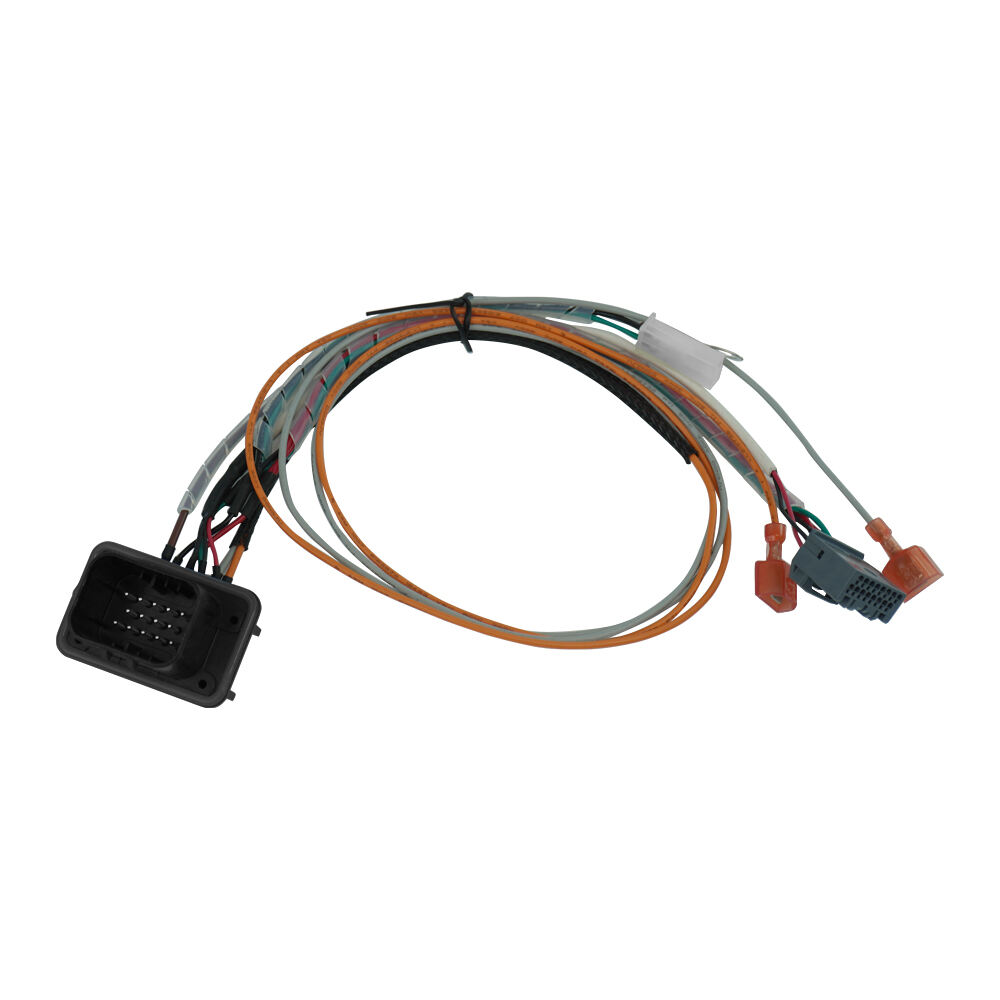
Selecting the appropriate connectors and wire gauge for your custom wiring harness project represents one of the most critical decisions in electrical system design. A properly engineered custom wiring harness ensures reliable performance, safety compliance, and long-term durability across automotive, industrial, and commercial applications. Understanding the technical specifications and environmental requirements will guide you toward making informed choices that prevent costly failures and maintain system integrity.
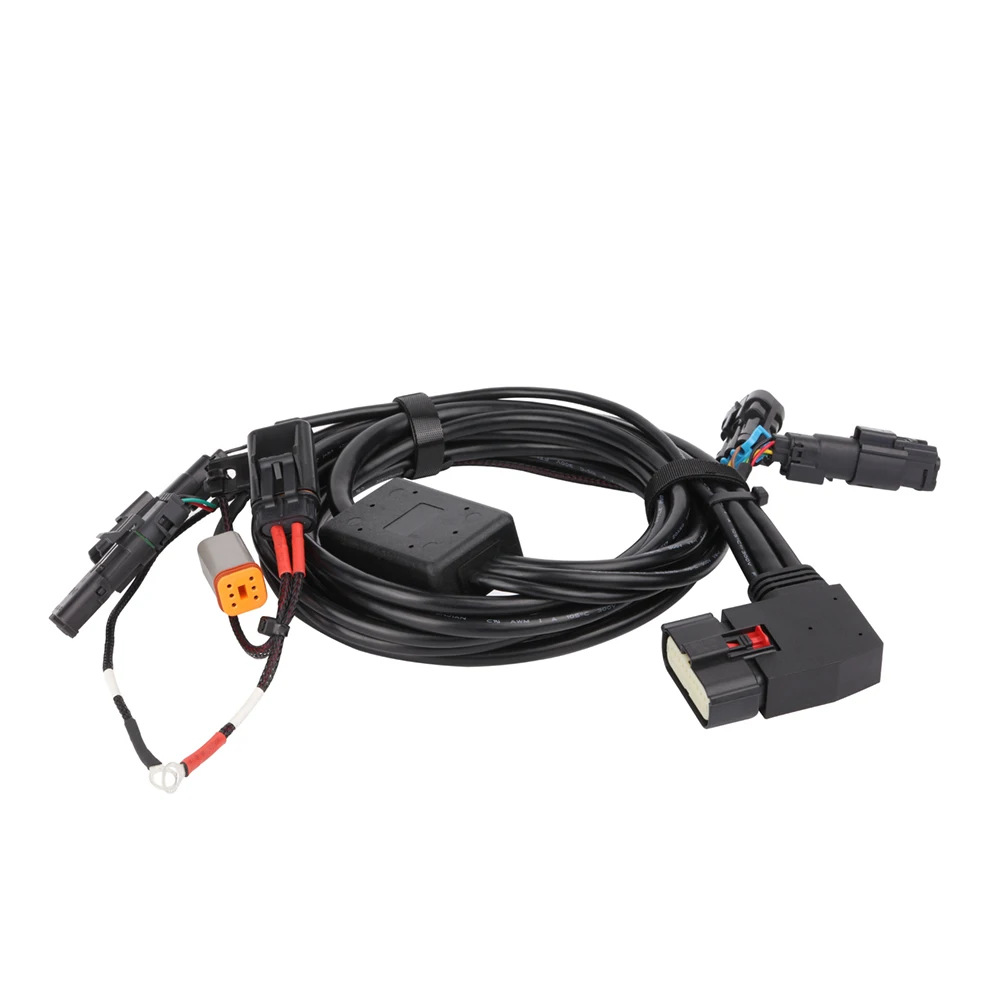
The complexity of modern electrical systems demands careful consideration of multiple factors when designing a custom wiring harness assembly. From current carrying capacity to environmental protection ratings, each component selection impacts the overall system performance. Professional engineers and technicians must evaluate voltage requirements, temperature ranges, mechanical stress factors, and regulatory compliance standards to ensure optimal results.
Understanding Wire Gauge Requirements for Custom Applications
Current Carrying Capacity and Safety Margins
Wire gauge selection forms the foundation of any successful custom wiring harness design. The American Wire Gauge (AWG) system provides standardized measurements that directly correlate to current carrying capacity, with smaller numbers indicating larger wire diameters. For automotive applications, typical gauge ranges span from 10 AWG for high-current circuits to 22 AWG for signal transmission lines.
Calculating the appropriate wire gauge requires understanding the maximum expected current load plus a safety factor typically ranging from 20 to 50 percent. Environmental conditions such as ambient temperature, bundling effects, and insulation types all influence the final capacity ratings. A custom wiring harness operating in high-temperature environments may require wire gauges one or two sizes larger than standard calculations suggest.
Voltage Drop Considerations in Wire Selection
Voltage drop calculations play an equally important role in wire gauge determination for custom wiring harness projects. As current flows through conductors, resistance causes voltage reduction that can compromise system performance. Industry standards typically limit voltage drop to 3 percent for power circuits and 10 percent for lighting circuits in automotive applications.
The relationship between wire length, current load, and acceptable voltage drop determines minimum conductor size requirements. Longer wire runs in a custom wiring harness necessitate larger gauge conductors to maintain voltage levels within acceptable ranges. Professional designers use voltage drop calculators and reference tables to optimize wire selection while balancing cost and performance considerations.
Connector Selection Criteria for Optimal Performance
Environmental Protection and Ingress Ratings
Connector selection for custom wiring harness applications requires careful evaluation of environmental protection requirements. Ingress Protection (IP) ratings define the level of protection against solid particles and moisture intrusion. Automotive applications typically require IP67 or higher ratings to withstand harsh operating conditions including water exposure, dust, and vibration.
Temperature cycling, chemical exposure, and mechanical stress further influence connector selection decisions. High-quality connectors incorporate sealing systems, corrosion-resistant materials, and robust housing designs to ensure reliable connections throughout the service life. A properly designed custom wiring harness matches connector specifications to the specific environmental challenges of each application.
Contact Design and Current Rating Specifications
Contact design characteristics directly impact the reliability and performance of custom wiring harness connections. Pin and socket configurations, contact plating materials, and spring tension specifications all contribute to long-term connection integrity. Gold plating provides superior corrosion resistance for low-current signal applications, while tin or silver plating offers cost-effective solutions for power connections.
Current rating specifications must align with the wire gauge selections and expected load conditions. Connector manufacturers provide detailed specifications including continuous current ratings, temperature derating factors, and contact resistance values. Proper connector selection ensures that the connection points do not become the limiting factor in custom wiring harness performance.
Material Considerations and Insulation Types
Insulation Materials for Different Applications
Insulation material selection significantly impacts the performance and durability of custom wiring harness assemblies. Common insulation types include PVC, cross-linked polyethylene (XLPE), Teflon, and specialized automotive-grade compounds. Each material offers distinct advantages in terms of temperature resistance, flexibility, chemical compatibility, and abrasion resistance.
Automotive custom wiring harness projects often utilize thin-wall insulation materials to minimize overall bundle diameter while maintaining electrical isolation. These specialized compounds resist automotive fluids, temperature extremes, and mechanical stress while providing excellent electrical properties. Material certifications such as UL recognition and automotive standards compliance ensure reliability in demanding applications.
Cable Shielding and EMI Protection
Electromagnetic interference (EMI) protection becomes increasingly important in modern custom wiring harness designs. Shielded cables incorporate conductive barriers that prevent external interference from disrupting signal transmission and reduce emissions from internal circuits. Braided shields, foil wrapping, and combination approaches each offer specific advantages depending on frequency ranges and interference levels.
Signal integrity requirements often dictate shielding specifications in custom wiring harness assemblies. High-frequency data transmission, sensor signals, and control circuits benefit from proper shielding implementation. Ground connection strategies and shield termination techniques must be carefully planned to achieve maximum effectiveness without introducing ground loops or other interference issues.
Testing and Validation Procedures
Electrical Testing Requirements
Comprehensive testing validates the electrical performance of custom wiring harness assemblies before deployment. Standard test procedures include continuity verification, insulation resistance measurement, and high-voltage dielectric strength testing. These tests ensure proper connections, adequate insulation, and safety compliance according to industry standards and customer specifications.
Advanced testing may include signal integrity analysis, EMI emission measurements, and environmental stress screening. Custom wiring harness projects serving critical applications often require extensive validation protocols to demonstrate reliability under various operating conditions. Test documentation provides traceable evidence of quality compliance and supports warranty claims or failure analysis activities.
Mechanical and Environmental Testing
Mechanical testing evaluates the physical robustness of custom wiring harness assemblies under expected service conditions. Vibration testing, flex cycling, pull testing, and connector insertion/withdrawal force measurements validate mechanical design decisions. These tests identify potential failure modes and verify that the assembly can withstand installation and operational stresses.
Environmental testing exposes custom wiring harness samples to temperature extremes, humidity cycles, chemical exposure, and other relevant conditions. Salt spray testing evaluates corrosion resistance, while thermal cycling reveals potential expansion/contraction issues. Successful completion of environmental testing protocols demonstrates long-term reliability and supports product warranties.
Quality Standards and Regulatory Compliance
Industry Standards and Certifications
Quality standards provide frameworks for consistent custom wiring harness design and manufacturing practices. Automotive applications must comply with standards such as ISO/TS 16949, while general industrial applications may reference IPC/WHMA-A-620 for cable assembly requirements. These standards define acceptable materials, processes, and quality control procedures.
Certification requirements vary by application and market segment but typically include material traceability, process control documentation, and final inspection records. Custom wiring harness manufacturers must maintain quality management systems that demonstrate consistent compliance with applicable standards. Regular audits and continuous improvement activities ensure ongoing conformance to quality requirements.
Documentation and Traceability Requirements
Proper documentation supports custom wiring harness quality assurance and enables effective troubleshooting throughout the product lifecycle. Technical drawings, material specifications, test reports, and manufacturing records provide comprehensive traceability from raw materials to finished assemblies. This documentation proves essential for warranty claims, field service activities, and continuous improvement initiatives.
Change control procedures ensure that modifications to custom wiring harness designs receive appropriate review and approval before implementation. Version control systems track drawing revisions, specification updates, and process changes to maintain configuration management. Effective documentation practices support regulatory compliance and enable efficient scaling of production volumes.
Cost Optimization Strategies
Material Selection and Volume Considerations
Cost optimization in custom wiring harness projects requires balancing performance requirements with budget constraints. Material selection decisions significantly impact overall project costs, with premium materials such as military-grade connectors and specialized cables commanding higher prices. Value engineering approaches identify opportunities to meet specifications while minimizing material costs.
Production volume considerations influence material sourcing strategies and manufacturing approaches. High-volume custom wiring harness projects benefit from dedicated tooling, automated processes, and volume purchasing agreements. Low-volume applications may utilize standard components and manual assembly techniques to minimize setup costs while maintaining quality standards.
Design for Manufacturing Principles
Design for manufacturing (DFM) principles guide custom wiring harness designs toward cost-effective production methods. Standardizing connector types, minimizing wire variety, and optimizing bundle routing reduce manufacturing complexity and associated costs. These design decisions must balance manufacturing efficiency with performance requirements and customer preferences.
Assembly automation opportunities depend on design complexity, volume requirements, and available manufacturing equipment. Custom wiring harness projects with repetitive operations benefit from semi-automated or fully automated assembly processes. Manual assembly remains viable for complex routing requirements or low-volume applications where automation setup costs exceed potential savings.
FAQ
What factors determine the appropriate wire gauge for a custom wiring harness?
Wire gauge selection depends on maximum current load, wire length, acceptable voltage drop, ambient temperature, and bundling effects. Calculate the current requirement, add a safety margin of 20-50%, and consider environmental factors that may reduce current carrying capacity. Use voltage drop calculations to ensure adequate wire size for longer runs in your custom wiring harness design.
How do I select the right connector type for harsh environmental conditions?
Choose connectors with appropriate IP ratings for moisture and dust protection, typically IP67 or higher for automotive applications. Consider temperature ratings, chemical resistance, and vibration tolerance based on your specific environment. Sealed connectors with proper gaskets and robust housing materials ensure reliable performance in challenging conditions for custom wiring harness assemblies.
What testing procedures are essential for validating custom wiring harness quality?
Essential tests include continuity verification, insulation resistance measurement, and high-voltage dielectric testing. Mechanical tests such as vibration, flex cycling, and pull testing validate physical robustness. Environmental testing including temperature cycling and humidity exposure ensures long-term reliability. Document all test results to support quality compliance and warranty requirements.
How can I optimize costs while maintaining quality in custom wiring harness projects?
Implement value engineering to identify cost-effective materials that meet specifications. Standardize connector types and wire varieties to reduce inventory costs. Consider production volume when selecting manufacturing methods and negotiate volume pricing for materials. Design for manufacturing principles can reduce assembly complexity and associated labor costs while maintaining quality standards.
Table of Contents
- Understanding Wire Gauge Requirements for Custom Applications
- Connector Selection Criteria for Optimal Performance
- Material Considerations and Insulation Types
- Testing and Validation Procedures
- Quality Standards and Regulatory Compliance
- Cost Optimization Strategies
-
FAQ
- What factors determine the appropriate wire gauge for a custom wiring harness?
- How do I select the right connector type for harsh environmental conditions?
- What testing procedures are essential for validating custom wiring harness quality?
- How can I optimize costs while maintaining quality in custom wiring harness projects?