
 EN
EN
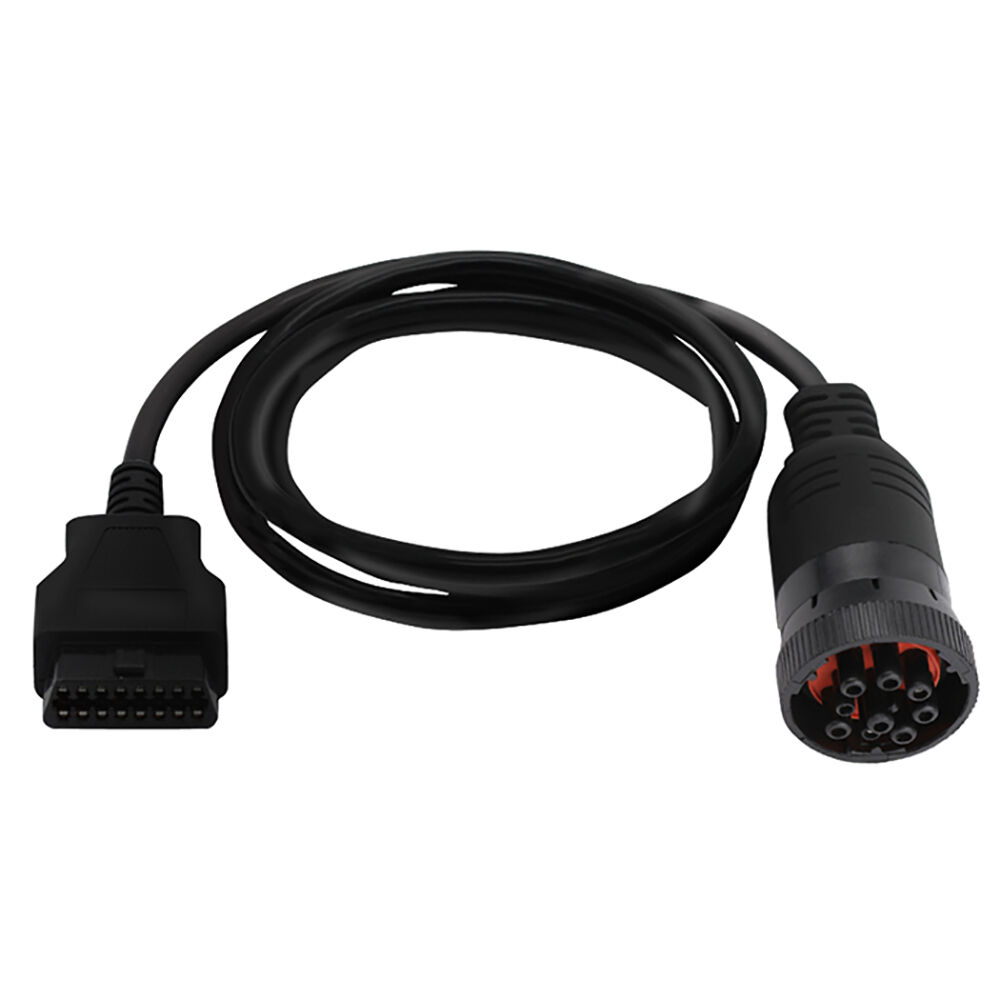
Modern manufacturing environments demand precision, efficiency, and reliability in every component and process. Among the most critical elements in electrical system assembly is the wiring harness, which serves as the nervous system of countless electronic devices and vehicles. This sophisticated assembly of cables, connectors, and protective materials has revolutionized how manufacturers approach electrical integration, offering substantial improvements in both production speed and quality control. Understanding the fundamental role of a wiring harness in streamlining assembly processes and minimizing human error is essential for any organization seeking to optimize their manufacturing operations.
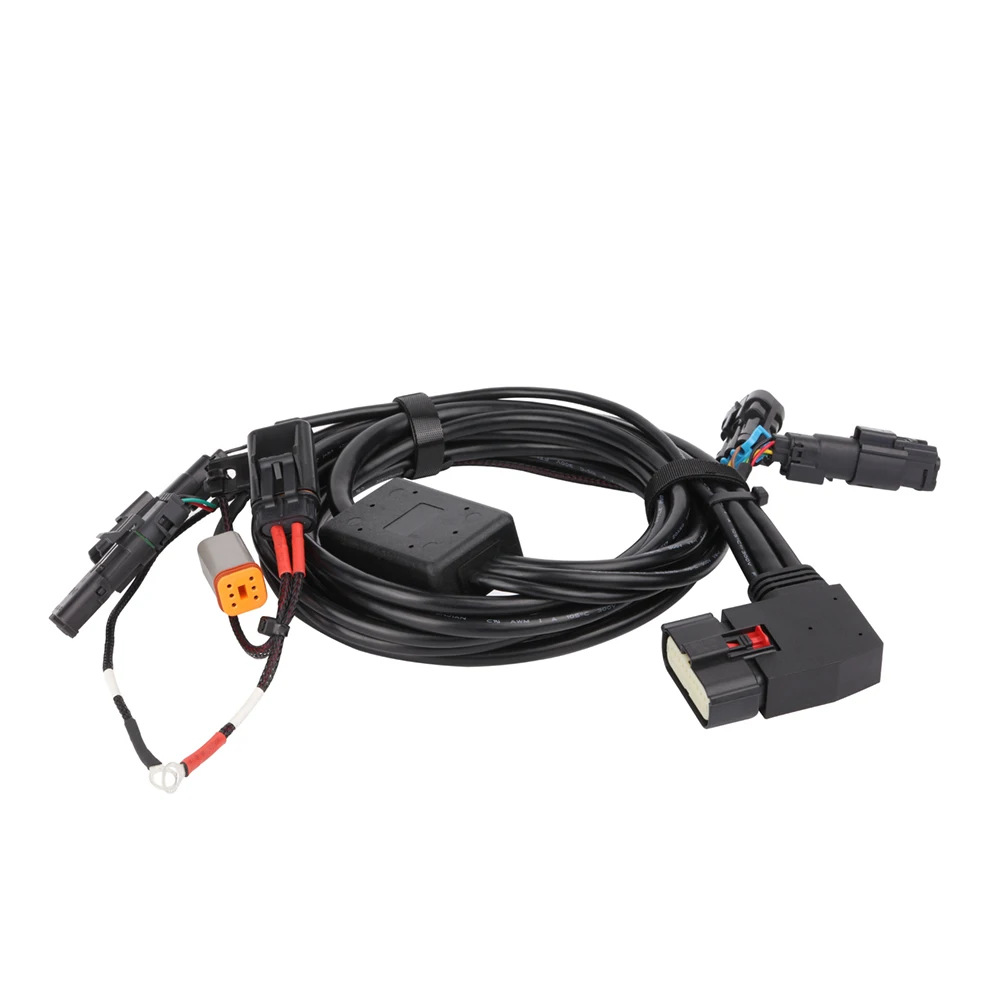
Understanding Wiring Harness Architecture and Design Principles
Core Components and Structural Elements
A wiring harness represents a carefully engineered solution that bundles multiple electrical wires into a single, organized unit. Each wiring harness consists of several key components including conductors, connectors, terminals, protective sleeves, and securing elements such as tape or cable ties. The conductors themselves are selected based on specific electrical requirements including current capacity, voltage rating, and environmental resistance. These wires are then arranged in predetermined configurations that optimize space utilization while ensuring proper signal integrity and electromagnetic compatibility.
The design process for a wiring harness involves meticulous planning of wire routing, connector placement, and branch positioning. Engineers must consider factors such as bend radius limitations, thermal expansion characteristics, and potential interference between different signal types. This comprehensive approach ensures that the final wiring harness product meets all functional requirements while maintaining the structural integrity necessary for reliable long-term operation. The protective outer covering of a wiring harness serves multiple purposes including abrasion resistance, chemical protection, and flame retardancy.
Manufacturing Standards and Quality Control
The production of a wiring harness follows strict industry standards and quality control protocols to ensure consistent performance and reliability. Manufacturing facilities typically implement comprehensive testing procedures that verify electrical continuity, insulation resistance, and connector integrity throughout the production process. These quality control measures are essential because even minor defects in a wiring harness can lead to system failures that are costly and time-consuming to diagnose and repair.
Advanced manufacturing techniques employed in wiring harness production include automated cutting and stripping equipment, precision crimping tools, and computer-controlled testing systems. These technologies significantly reduce the potential for human error during the manufacturing process while ensuring that each wiring harness meets exact specifications. The implementation of lean manufacturing principles in wiring harness production further enhances quality control by eliminating waste and standardizing processes across all production stages.
Assembly Time Reduction Through Pre-Configured Solutions
Streamlined Installation Processes
One of the most significant advantages of using a wiring harness is the dramatic reduction in assembly time compared to individual wire installation methods. Traditional point-to-point wiring requires technicians to route each wire separately, secure it individually, and make connections one at a time. This approach is not only time-consuming but also increases the likelihood of routing errors and connection mistakes. A wiring harness eliminates these inefficiencies by providing a pre-assembled solution that can be installed as a complete unit.
The time savings achieved through wiring harness implementation can be substantial, often reducing electrical assembly time by 50 percent or more depending on the complexity of the system. This efficiency gain is particularly pronounced in high-volume manufacturing environments where every minute of assembly time directly impacts production costs and delivery schedules. The plug-and-play nature of a properly designed wiring harness means that technicians can focus on mechanical assembly tasks rather than spending extensive time on electrical connections.
Standardization and Repeatability Benefits
The use of a wiring harness promotes standardization across manufacturing processes, which contributes significantly to assembly time reduction. When electrical connections are standardized through wiring harness implementation, technicians become familiar with consistent installation procedures that can be applied across multiple product variants. This standardization reduces the learning curve for new employees and minimizes the time required for training and skill development.
Repeatability is another crucial factor in assembly time reduction, as a wiring harness enables manufacturers to establish consistent assembly sequences that can be optimized and refined over time. The predictable nature of wiring harness installation allows for the development of specialized tools and fixtures that further accelerate the assembly process. Additionally, the consistent physical characteristics of a wiring harness enable the implementation of automation solutions that can handle certain installation tasks without human intervention.
Human Error Mitigation Strategies
Connection Accuracy and Reliability
Human error in electrical assembly can manifest in various forms including incorrect wire routing, improper connections, and inadequate securing of components. A wiring harness addresses these potential error sources by incorporating design features that promote correct installation and minimize the possibility of mistakes. Color-coded wires, keyed connectors, and clearly marked connection points help ensure that technicians make the correct connections during assembly.
The pre-tested nature of a wiring harness provides an additional layer of error prevention, as all electrical paths are verified during the manufacturing process before the unit reaches the assembly line. This approach eliminates the possibility of wiring errors that might occur during field assembly and ensures that each wiring harness performs according to specifications. The reduction in field connections also decreases the number of potential failure points that could result from assembly errors.
Documentation and Training Requirements
Traditional point-to-point wiring systems require extensive documentation including detailed wiring diagrams, connection schedules, and assembly instructions. The complexity of this documentation increases the likelihood of interpretation errors and can overwhelm technicians during assembly. A wiring harness simplifies documentation requirements by providing clear, straightforward installation instructions that focus on overall unit placement rather than individual wire connections.
Training requirements for wiring harness installation are typically less extensive than those required for complex electrical assembly tasks. This reduction in training complexity leads to faster employee onboarding and reduces the potential for errors that result from inadequate training or experience. The simplified nature of wiring harness installation also means that temporary workers can be brought up to speed more quickly during periods of increased production demand.
Quality Assurance and Testing Advantages
Pre-Assembly Verification Procedures
A wiring harness undergoes comprehensive testing procedures during manufacturing that verify all electrical characteristics before the unit is shipped to the assembly facility. This pre-assembly verification includes continuity testing, insulation resistance measurement, and connector functionality validation. These tests ensure that each wiring harness meets all specified requirements and will perform reliably when installed in the final product.
The controlled manufacturing environment used for wiring harness production enables the implementation of sophisticated testing equipment that may not be practical or cost-effective at final assembly locations. This centralized testing approach provides more thorough verification than would be possible with field testing methods and helps identify potential issues before they can impact production schedules. The documentation generated during wiring harness testing also provides valuable traceability information that can be used for quality control and warranty purposes.
Reduced Field Testing Requirements
When a wiring harness is used in assembly operations, the extent of field testing required is significantly reduced compared to traditional wiring methods. Since the electrical integrity of the wiring harness has been verified during manufacturing, field testing can focus on verifying proper installation and overall system functionality rather than checking individual wire connections. This reduction in testing requirements accelerates the assembly process and reduces the skilled labor requirements for final inspection procedures.
The simplified testing requirements associated with wiring harness implementation also reduce the potential for testing errors that could result in good products being rejected or defective products being accepted. The standardized nature of wiring harness testing procedures promotes consistency across different production shifts and facilities, leading to more reliable quality control outcomes.
Cost Analysis and Return on Investment
Direct Labor Cost Savings
The implementation of a wiring harness solution typically results in significant direct labor cost savings through reduced assembly time and lower skill requirements for installation personnel. These savings can be quantified by comparing the time required for traditional point-to-point wiring against the time needed for wiring harness installation. In many applications, the labor cost savings achieved through wiring harness implementation can offset the additional material costs within the first year of production.
Additional labor cost benefits include reduced training expenses, lower turnover rates due to simplified work tasks, and decreased supervision requirements. The predictable nature of wiring harness installation allows for more accurate production planning and scheduling, which contributes to overall manufacturing efficiency. These indirect benefits often exceed the direct labor savings and provide ongoing value throughout the product lifecycle.
Quality-Related Cost Reductions
The improved quality and reliability associated with wiring harness implementation translate into significant cost reductions related to warranty claims, field repairs, and customer service issues. The reduced potential for assembly errors means fewer defective products reach customers, which protects brand reputation and reduces warranty costs. The standardized testing procedures used in wiring harness manufacturing also provide better quality documentation that can be valuable in addressing any quality issues that do arise.
The long-term reliability improvements achieved through wiring harness implementation contribute to reduced maintenance costs and extended product service life. These benefits are particularly important in applications where electrical system failures can result in significant downtime or safety concerns. The investment in wiring harness technology often pays for itself through avoided failure costs and improved customer satisfaction.
FAQ
How much assembly time can be saved by using a wiring harness instead of individual wire connections
The time savings achieved through wiring harness implementation typically range from 40 to 70 percent compared to traditional point-to-point wiring methods. The exact savings depend on the complexity of the electrical system and the number of connections involved. In high-volume manufacturing environments, these time savings translate into significant cost reductions and improved production capacity. The consistent installation procedures enabled by a wiring harness also contribute to more predictable production schedules.
What types of human errors are most effectively prevented by wiring harness design
A wiring harness is particularly effective at preventing connection errors, wire routing mistakes, and improper securing of electrical components. The pre-configured nature of a wiring harness eliminates the possibility of incorrect wire-to-terminal assignments and ensures proper wire gauge selection for each circuit. Color-coded wires and keyed connectors further reduce the potential for assembly errors, while the integrated protective covering prevents damage during installation.
Are there any disadvantages to using wiring harnesses in manufacturing applications
While a wiring harness offers numerous advantages, there are some considerations including higher initial material costs and reduced flexibility for design changes after production begins. The tooling and setup costs for wiring harness manufacturing may also be significant for low-volume applications. However, these disadvantages are typically outweighed by the benefits in most manufacturing scenarios, particularly those involving moderate to high production volumes.
How does wiring harness quality control compare to traditional electrical assembly testing
Wiring harness quality control is generally more comprehensive and reliable than traditional field testing methods due to the controlled manufacturing environment and specialized testing equipment used in production. Each wiring harness undergoes complete electrical verification including continuity, insulation resistance, and connector functionality testing before shipment. This centralized approach provides more thorough quality assurance than would be practical with individual wire testing during final assembly operations.
Table of Contents
- Understanding Wiring Harness Architecture and Design Principles
- Assembly Time Reduction Through Pre-Configured Solutions
- Human Error Mitigation Strategies
- Quality Assurance and Testing Advantages
- Cost Analysis and Return on Investment
-
FAQ
- How much assembly time can be saved by using a wiring harness instead of individual wire connections
- What types of human errors are most effectively prevented by wiring harness design
- Are there any disadvantages to using wiring harnesses in manufacturing applications
- How does wiring harness quality control compare to traditional electrical assembly testing