
 EN
EN
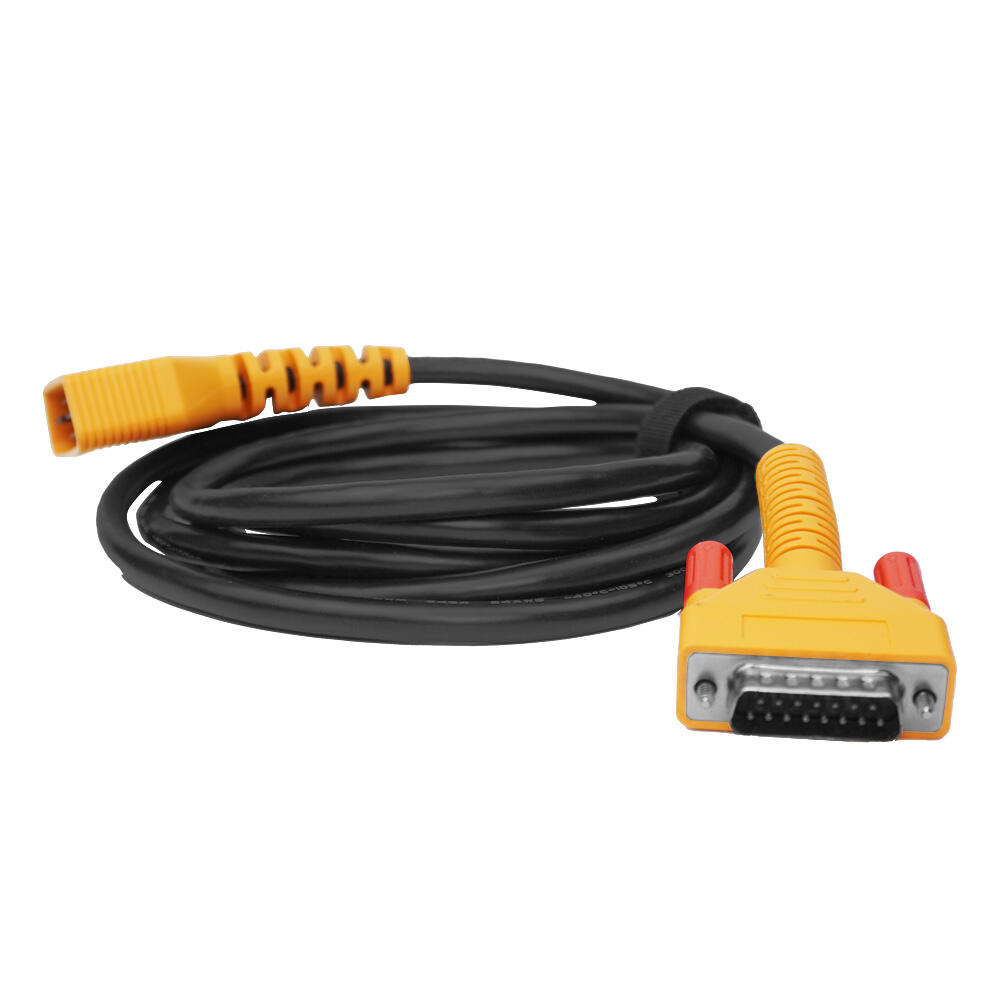
In today's complex automotive and industrial applications, the reliability of electrical systems depends heavily on the quality of components that facilitate signal and power transmission. A high-quality wiring harness serves as the backbone of electrical connectivity, ensuring that power flows efficiently and signals reach their intended destinations without interference or degradation. The importance of selecting superior wiring harness solutions cannot be overstated, as these assemblies directly impact system performance, safety, and longevity across various applications.
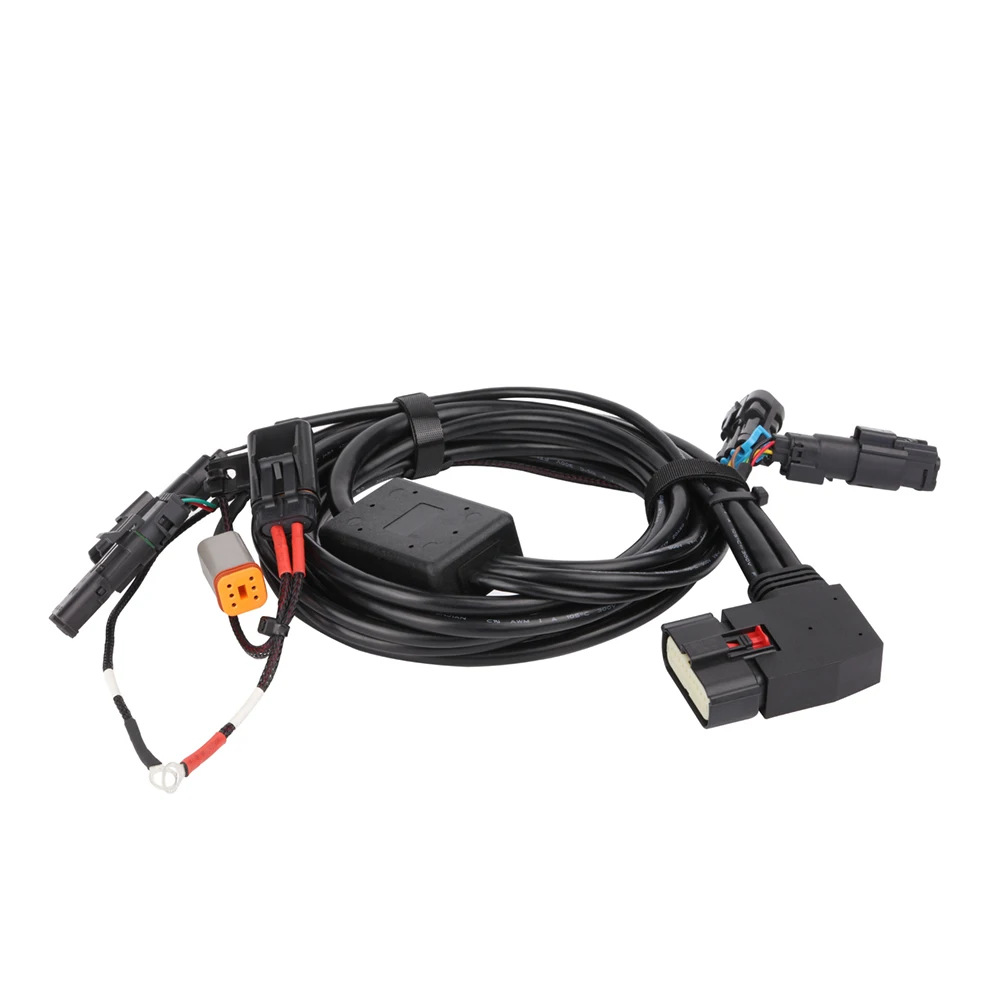
The significance of premium wiring harness construction extends beyond basic functionality to encompass critical factors such as electromagnetic interference protection, thermal stability, and mechanical durability. Industries ranging from automotive manufacturing to aerospace engineering rely on these sophisticated cable assemblies to maintain operational integrity under demanding conditions. Understanding the fundamental characteristics that distinguish high-quality wiring harness products from standard alternatives empowers engineers and procurement professionals to make informed decisions that enhance overall system reliability.
Modern electrical systems face increasingly complex challenges as technology advances and performance requirements become more stringent. A properly engineered wiring harness must accommodate higher data transmission rates, increased power loads, and more compact installation spaces while maintaining excellent signal integrity. This evolution has driven manufacturers to develop innovative materials, shielding techniques, and assembly methods that optimize electrical performance across diverse operating environments.
Material Quality and Construction Standards
Conductor Materials and Specifications
The foundation of any reliable wiring harness lies in the quality of its conductor materials and adherence to stringent construction standards. High-grade copper conductors with appropriate cross-sectional areas ensure minimal resistance and optimal current-carrying capacity for power transmission applications. The purity of copper used in premium wiring harness assemblies significantly impacts electrical conductivity, with oxygen-free copper variants delivering superior performance in critical applications where signal integrity cannot be compromised.
Advanced tinning processes applied to copper conductors provide enhanced corrosion resistance and improved solderability, extending the operational lifespan of the wiring harness assembly. The selection of appropriate wire gauges based on current requirements and voltage drop calculations ensures that power delivery remains consistent across all connected components. Professional manufacturers implement rigorous quality control measures to verify conductor specifications and maintain consistency throughout production runs.
Insulation and Jacketing Materials
Premium insulation materials play a crucial role in maintaining signal integrity and preventing electrical failures within wiring harness assemblies. Advanced polymer compounds such as cross-linked polyethylene and fluoropolymers offer superior dielectric properties, temperature resistance, and chemical compatibility compared to standard insulation materials. The thickness and uniformity of insulation layers directly affect the electrical performance and durability of individual conductors within the wiring harness.
Outer jacketing materials must provide mechanical protection while maintaining flexibility for installation and routing requirements. High-quality thermoplastic elastomers and polyurethane compounds deliver excellent abrasion resistance, oil resistance, and flexibility across wide temperature ranges. The selection of appropriate jacketing materials ensures that the wiring harness maintains its protective properties throughout its intended service life, even under harsh environmental conditions.
Signal Integrity and Electromagnetic Compatibility
Shielding Technologies and Implementation
Effective electromagnetic shielding represents a critical aspect of high-quality wiring harness design, particularly in applications where sensitive electronic components operate in proximity to high-power circuits or external interference sources. Advanced shielding techniques including braided shields, spiral-wrapped shields, and foil barriers work together to minimize electromagnetic interference and maintain signal quality throughout the transmission path.
The implementation of proper grounding strategies within wiring harness assemblies ensures that shielding effectiveness remains optimal across all operating frequencies. Professional-grade wiring harness manufacturers employ specialized testing equipment to verify shielding performance and ensure compliance with electromagnetic compatibility standards. The careful selection of shielding materials and construction methods directly impacts the ability of the wiring harness to maintain signal integrity in challenging electromagnetic environments.
Impedance Control and Signal Routing
Maintaining consistent impedance characteristics throughout signal paths requires precise control over conductor geometry, insulation properties, and cable construction parameters within the wiring harness assembly. High-frequency applications demand particular attention to impedance matching to prevent signal reflections and maintain data integrity across transmission lines. Professional wiring harness design incorporates careful consideration of conductor spacing, twist rates, and shielding configurations to achieve optimal impedance control.
Strategic signal routing within wiring harness assemblies minimizes crosstalk between adjacent conductors and reduces the potential for electromagnetic interference. The separation of power and signal conductors, implementation of appropriate twist patterns, and careful attention to conductor pairing contribute to superior signal quality and system performance. Advanced modeling techniques enable engineers to optimize wiring harness layouts for maximum signal integrity while maintaining compact form factors.
Power Transmission Efficiency and Reliability
Voltage Drop Minimization Strategies
Efficient power transmission through wiring harness assemblies requires careful attention to voltage drop calculations and conductor sizing to ensure adequate power delivery to all connected components. High-quality wiring harness designs incorporate appropriate conductor cross-sections based on current requirements, circuit length, and acceptable voltage drop limits. The use of premium copper conductors with minimal impurities reduces resistive losses and improves overall power transmission efficiency.
Advanced wiring harness manufacturers implement sophisticated design tools to optimize conductor routing and minimize circuit resistance throughout the assembly. The strategic use of parallel conductors for high-current applications and the implementation of proper termination techniques ensure that power distribution remains consistent and reliable. Regular testing and verification procedures confirm that voltage drop characteristics meet design specifications across all operating conditions.
Thermal Management and Heat Dissipation
Effective thermal management within wiring harness assemblies prevents overheating and maintains optimal electrical performance under high-load conditions. The selection of appropriate insulation materials with suitable temperature ratings ensures that conductors can operate safely within their thermal limits. Advanced wiring harness designs incorporate thermal modeling to predict heat generation and dissipation patterns throughout the assembly.
Strategic conductor spacing and ventilation considerations within wiring harness layouts promote natural heat dissipation and prevent thermal buildup in critical areas. The use of flame-retardant materials and appropriate derating factors ensures safe operation even under abnormal thermal conditions. Professional-grade wiring harness assemblies undergo rigorous thermal testing to verify performance under various temperature cycling conditions and continuous operation scenarios.
Environmental Protection and Durability
Moisture and Chemical Resistance
Superior environmental protection capabilities distinguish high-quality wiring harness assemblies from standard alternatives, particularly in applications exposed to moisture, chemicals, and corrosive substances. Advanced sealing technologies including heat-shrink boots, molded strain reliefs, and specialized gaskets prevent moisture ingress and maintain electrical integrity over extended periods. The selection of chemically resistant materials ensures compatibility with various automotive fluids, cleaning agents, and industrial chemicals.
Professional wiring harness manufacturers implement comprehensive environmental testing protocols to verify resistance to humidity, salt spray, and chemical exposure conditions. The use of conformal coatings and protective barriers at critical connection points enhances long-term reliability and reduces maintenance requirements. Advanced material formulations provide enhanced resistance to ultraviolet radiation, ozone exposure, and other environmental factors that can degrade standard wiring harness assemblies.
Mechanical Protection and Flexibility
Robust mechanical protection ensures that wiring harness assemblies maintain their electrical performance despite exposure to vibration, flexing, and physical stress during installation and operation. High-quality outer jackets and protective sleeves resist abrasion, cut-through, and impact damage while maintaining necessary flexibility for routing requirements. The implementation of appropriate bend radius specifications prevents conductor damage and ensures reliable long-term performance.
Advanced strain relief designs at connector interfaces and transition points distribute mechanical stress evenly and prevent fatigue failures in critical areas of the wiring harness. The use of reinforcement materials and protective conduits in high-stress applications enhances durability and extends service life. Professional installation guidelines ensure that mechanical protection features function effectively throughout the operational lifetime of the wiring harness assembly.
Quality Assurance and Testing Standards
Manufacturing Quality Control
Comprehensive quality control procedures throughout the manufacturing process ensure that each wiring harness assembly meets stringent performance and reliability standards. Advanced testing equipment verifies electrical continuity, insulation resistance, and dielectric strength to confirm proper electrical characteristics. Dimensional inspections and visual examinations identify potential defects and ensure compliance with engineering specifications.
Professional wiring harness manufacturers implement statistical process control methods to monitor production quality and identify trends that might indicate potential issues. Traceability systems track materials and components throughout the assembly process, enabling rapid identification and resolution of any quality concerns. Regular calibration of testing equipment and adherence to established procedures ensure consistent quality across all production runs.
Performance Validation Testing
Rigorous performance validation testing confirms that wiring harness assemblies meet all specified requirements under actual operating conditions. Environmental testing chambers simulate temperature cycling, humidity exposure, and other environmental stresses to verify long-term reliability. Mechanical testing procedures evaluate resistance to vibration, flexing, and other physical stresses encountered in typical applications.
Electrical performance testing validates signal integrity, power transmission efficiency, and electromagnetic compatibility characteristics under various operating scenarios. Advanced testing protocols include high-voltage testing, impulse testing, and accelerated aging procedures to ensure that wiring harness assemblies maintain their performance characteristics throughout their intended service life. Documentation and certification procedures provide customers with confidence in the quality and reliability of their wiring harness solutions.
Application-Specific Considerations
Automotive Industry Requirements
The automotive industry places particularly demanding requirements on wiring harness assemblies due to the harsh operating environment and critical safety considerations. High-quality automotive wiring harness designs must accommodate wide temperature ranges, exposure to automotive fluids, and intense vibration while maintaining reliable electrical connections. Advanced materials and construction techniques ensure compliance with automotive industry standards and regulations.
Modern vehicles require increasingly sophisticated wiring harness solutions to support advanced electronic systems including engine management, safety systems, and infotainment networks. The integration of high-speed data transmission capabilities alongside traditional power distribution functions demands careful attention to signal integrity and electromagnetic compatibility. Professional automotive wiring harness manufacturers maintain certifications and quality systems that meet the stringent requirements of major automotive manufacturers.
Industrial and Commercial Applications
Industrial applications often require wiring harness assemblies that can withstand extreme environmental conditions while providing reliable power and signal transmission for critical equipment. High-temperature applications, chemical processing environments, and outdoor installations demand specialized materials and construction techniques to ensure long-term reliability. The selection of appropriate wiring harness specifications based on specific application requirements prevents premature failures and reduces maintenance costs.
Commercial equipment applications benefit from standardized wiring harness designs that facilitate efficient installation and maintenance procedures. Modular connector systems and standardized color coding schemes improve serviceability and reduce the potential for installation errors. Professional-grade wiring harness solutions incorporate features that simplify troubleshooting and enable rapid replacement when necessary.
FAQ
What factors determine the quality of a wiring harness assembly
The quality of a wiring harness assembly depends on several critical factors including the purity and grade of conductor materials, the quality of insulation and jacketing compounds, the effectiveness of electromagnetic shielding, and the precision of manufacturing processes. High-quality assemblies use oxygen-free copper conductors, advanced polymer insulation materials, and professional-grade termination techniques. Manufacturing quality control procedures, environmental testing, and compliance with industry standards also contribute significantly to overall wiring harness quality and reliability.
How does proper shielding improve signal transmission in wiring harness applications
Proper shielding in wiring harness applications prevents electromagnetic interference from degrading signal quality and maintains data integrity throughout transmission paths. Advanced shielding techniques including braided conductors, spiral wraps, and foil barriers create protective barriers around signal-carrying conductors. Effective grounding strategies ensure that electromagnetic energy is safely directed away from sensitive circuits, while proper impedance control maintains signal characteristics across all operating frequencies.
What environmental factors should be considered when selecting a wiring harness
Environmental factors that impact wiring harness selection include operating temperature ranges, exposure to moisture and chemicals, mechanical stress from vibration and flexing, and potential electromagnetic interference sources. UV radiation, ozone exposure, and salt spray conditions require specialized material selections and protective measures. The wiring harness must be designed to maintain electrical and mechanical integrity throughout its expected service life under all anticipated environmental conditions.
Why is conductor sizing important for power transmission efficiency
Proper conductor sizing ensures efficient power transmission by minimizing voltage drop and resistive losses throughout the wiring harness assembly. Undersized conductors create excessive resistance that reduces available voltage at load terminals and generates unwanted heat. Appropriate conductor cross-sections based on current requirements, circuit length, and acceptable voltage drop limits ensure that connected equipment receives adequate power for optimal performance while maintaining safe operating temperatures within the wiring harness.