
 EN
EN
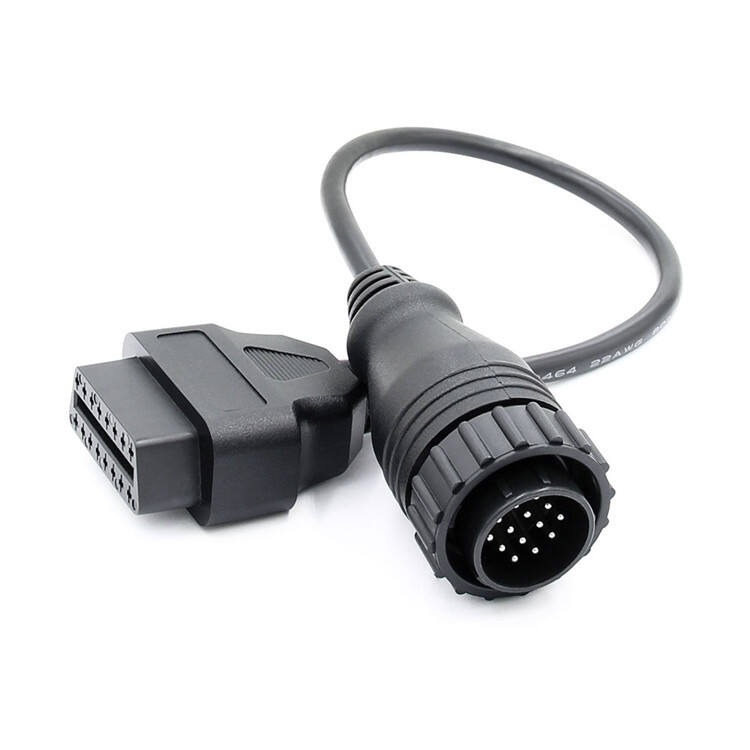
Modern industrial and electronic applications rely heavily on efficient electrical connections that can withstand demanding operational conditions. A wiring harness serves as the backbone of electrical systems, organizing multiple wires into a structured assembly that ensures reliable power transmission and signal integrity. When selecting the right wiring harness for your specific application, understanding the critical factors that influence performance and longevity becomes essential for system success. The complexity of modern industrial environments requires careful consideration of various technical specifications, environmental conditions, and operational requirements that directly impact the effectiveness of your wiring harness selection.
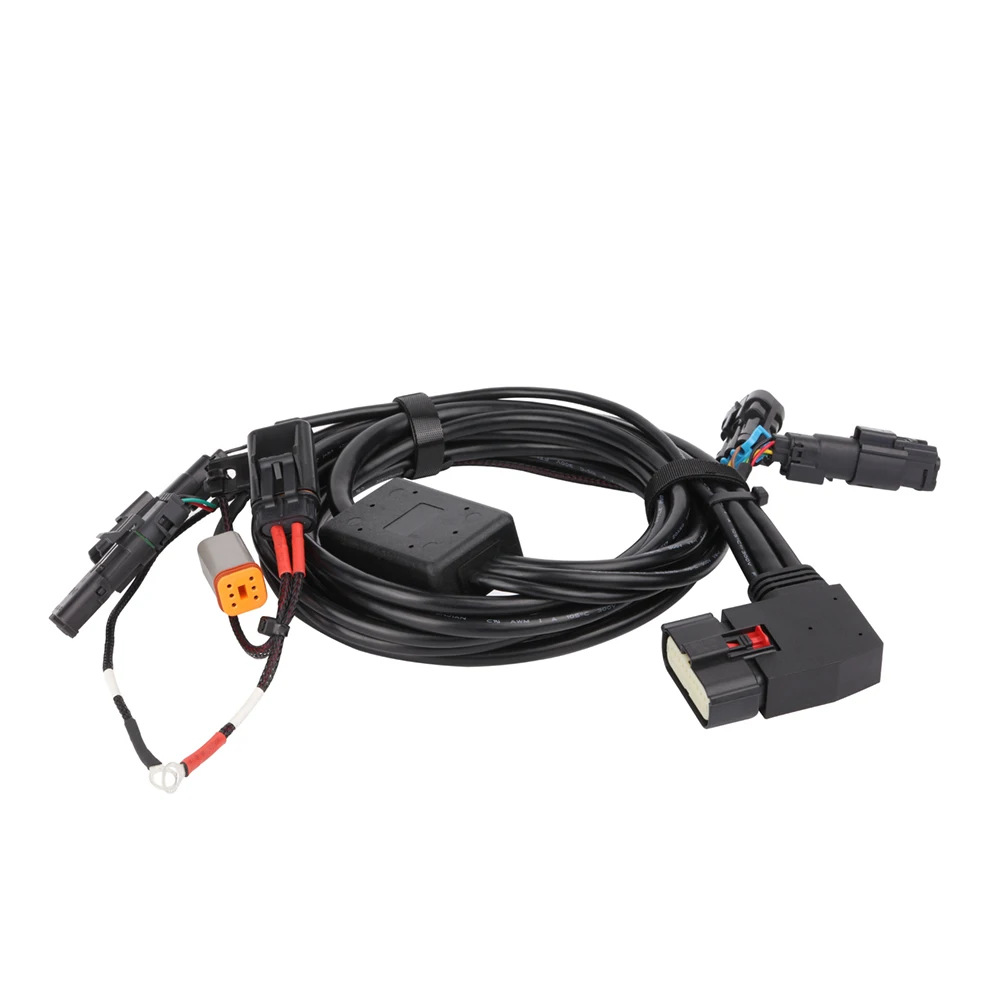
Understanding Environmental Operating Conditions
Temperature Range and Thermal Management
Temperature fluctuations represent one of the most critical factors affecting wiring harness performance in industrial environments. A properly selected wiring harness must withstand both extreme high and low temperatures without compromising electrical conductivity or mechanical integrity. Industrial applications often expose electrical components to temperatures ranging from sub-zero conditions in cold storage facilities to elevated temperatures in manufacturing processes or engine compartments. The insulation materials used in your wiring harness must maintain their dielectric properties across the entire operational temperature range to prevent electrical failures and safety hazards.
Thermal cycling also creates expansion and contraction stresses that can damage poorly designed wiring harness assemblies over time. Premium wiring harness designs incorporate materials with compatible thermal expansion coefficients to minimize stress concentrations at connection points. Understanding your application's thermal profile helps determine whether standard PVC insulation suffices or if specialized high-temperature materials like PTFE or silicone rubber are necessary for reliable long-term operation.
Moisture and Chemical Resistance Requirements
Industrial environments frequently expose electrical components to moisture, chemicals, oils, and other contaminants that can compromise wiring harness performance. Selecting a wiring harness with appropriate ingress protection ratings ensures reliable operation in challenging environments. Marine applications, food processing facilities, and chemical plants require specialized sealing and protective coatings to prevent corrosion and electrical failures caused by environmental exposure.
Chemical compatibility becomes particularly important when selecting jacket materials and protective sleeving for your wiring harness. Different industrial processes involve exposure to acids, bases, solvents, and petroleum products that can degrade standard insulation materials. Comprehensive material testing and certification ensure that your chosen wiring harness maintains structural integrity and electrical performance throughout its operational lifetime in chemically aggressive environments.
Electrical Performance Specifications
Current Carrying Capacity and Conductor Selection
Determining the appropriate current carrying capacity represents a fundamental aspect of wiring harness selection for any electrical application. The conductor cross-sectional area directly influences the maximum safe current that your wiring harness can handle without excessive heating or voltage drop. Industrial applications with high power requirements demand larger conductor sizes to maintain efficiency and prevent thermal damage to insulation materials.
Copper remains the preferred conductor material for most wiring harness applications due to its excellent electrical conductivity and mechanical properties. However, aluminum conductors offer weight advantages in applications where mass reduction is critical. The conductor stranding pattern also affects flexibility and fatigue resistance, with finely stranded conductors providing superior performance in dynamic applications involving repeated flexing or vibration.
Signal Integrity and Electromagnetic Compatibility
Modern electronic systems require careful attention to signal integrity and electromagnetic interference mitigation when selecting a wiring harness. High-frequency signals and sensitive control circuits demand specialized cable designs with controlled impedance characteristics and electromagnetic shielding. Twisted pair configurations help minimize crosstalk between adjacent conductors, while shielded designs provide protection against external electromagnetic interference.
The wiring harness layout and routing also significantly impact electromagnetic compatibility performance. Separating power and signal conductors, maintaining appropriate spacing between parallel runs, and implementing proper grounding techniques help ensure reliable operation in electrically noisy industrial environments. Advanced wiring harness designs incorporate filter circuits and suppression components to meet stringent electromagnetic emission and susceptibility requirements.
Mechanical Design and Installation Considerations
Flexibility and Bend Radius Requirements
Mechanical flexibility requirements vary significantly depending on the specific installation and operational conditions of your wiring harness application. Static installations may accommodate rigid cable designs, while dynamic applications require highly flexible constructions that can withstand millions of flex cycles without failure. The minimum bend radius specification determines how tightly your wiring harness can be routed through equipment without damaging conductors or insulation.
Strain relief design becomes particularly important at connection points where mechanical stress concentrates during installation and operation. Quality wiring harness assemblies incorporate appropriate strain relief boots, cable glands, and support structures to distribute mechanical loads and prevent premature failure. The overall cable diameter and weight also influence installation complexity and support requirements in your specific application.
Connector Types and Termination Methods
Connector selection significantly impacts the reliability and maintainability of your wiring harness installation. Industrial environments often require sealed connectors with high mating cycle ratings and resistance to contamination. The connector contact material and plating affect long-term reliability, with gold plating providing superior corrosion resistance for critical applications.
Termination methods must align with your manufacturing capabilities and quality requirements. Crimped connections offer excellent reliability when properly executed, while soldered joints provide permanent connections suitable for harsh environments. Some wiring harness applications benefit from removable terminations that facilitate field service and equipment upgrades. The connector keying and coding systems help prevent mismating errors during installation and maintenance procedures.
Safety and Regulatory Compliance
Industry Standards and Certifications
Regulatory compliance represents a critical factor in wiring harness selection for industrial and electronic applications. Different industries have specific safety standards and certification requirements that your wiring harness must meet for legal operation. Automotive applications require compliance with ISO standards, while aerospace applications demand military specifications and rigorous qualification testing.
Fire safety ratings become particularly important in applications where cable fires could pose significant hazards to personnel and equipment. Low smoke and halogen-free cable constructions help minimize toxic gas emission during fire conditions. Understanding the applicable building codes and safety regulations in your jurisdiction ensures that your wiring harness selection meets all legal requirements for installation and operation.
Testing and Quality Assurance
Comprehensive testing protocols verify that your wiring harness meets all performance specifications and safety requirements. Electrical testing includes conductor continuity, insulation resistance, and high-voltage breakdown measurements. Mechanical testing evaluates tensile strength, flex life, and environmental resistance under simulated operating conditions.
Quality certifications from recognized testing laboratories provide confidence in wiring harness performance and regulatory compliance. Third-party testing and certification help ensure that your selected wiring harness will perform reliably throughout its intended service life. Documentation of test results and certifications facilitates regulatory approvals and demonstrates due diligence in component selection.
Cost Optimization and Lifecycle Considerations
Initial Cost versus Total Cost of Ownership
While initial purchase price represents an important selection criterion, total cost of ownership provides a more comprehensive evaluation framework for wiring harness selection. Premium wiring harness designs may command higher initial costs but deliver superior reliability and longer service life that reduces maintenance expenses and downtime costs over the equipment lifecycle.
Installation complexity and labor requirements also contribute to total system cost. Modular wiring harness designs with standardized connectors can simplify installation and reduce field labor costs. The availability of replacement parts and repair services affects long-term maintenance costs and system availability. Considering these lifecycle factors helps optimize the economic performance of your wiring harness investment.
Customization and Manufacturing Lead Times
Custom wiring harness solutions often provide optimal performance for specific applications but require longer lead times and higher minimum order quantities. Standard catalog products offer shorter delivery schedules and lower costs for common applications. The manufacturing complexity of your wiring harness design affects both cost and availability, with complex multi-branch assemblies requiring more sophisticated production capabilities.
Supply chain considerations become increasingly important in global manufacturing environments. Local sourcing may provide faster delivery and better support, while offshore production can offer cost advantages for high-volume applications. Understanding the manufacturing capabilities and quality systems of potential wiring harness suppliers helps ensure successful project execution within budget and schedule constraints.
Application-Specific Performance Requirements
Vibration and Shock Resistance
Many industrial applications subject wiring harness assemblies to significant mechanical stress from vibration, shock, and repetitive motion. Mobile equipment, manufacturing machinery, and transportation systems create dynamic loading conditions that can cause fatigue failures in poorly designed wiring harness installations. Selecting appropriate conductor stranding, insulation materials, and support structures helps ensure reliable operation in high-vibration environments.
Anti-vibration design techniques include strategic placement of cable ties and supports to prevent resonant frequencies that amplify mechanical stress. Flexible jacket materials and stress relief components distribute mechanical loads to prevent concentration at vulnerable connection points. Understanding the vibration spectrum and amplitude in your specific application enables proper wiring harness selection and installation design.
Space Constraints and Routing Challenges
Modern equipment designs often impose strict space limitations that influence wiring harness selection and configuration. Compact electronic devices and dense machinery installations require careful attention to cable diameter, bend radius, and routing flexibility. Flat cable constructions and ribbon wiring harness designs can provide space-saving solutions for applications with severe thickness constraints.
Three-dimensional routing requirements in complex assemblies benefit from computer-aided design tools that optimize wiring harness paths and identify potential interference issues. Modular wiring harness designs with breakout branches can simplify routing in distributed systems while maintaining manufacturing efficiency. The overall system architecture affects wiring harness complexity and should be considered during the early design phases of your project.
FAQ
What is the typical lifespan of an industrial wiring harness
The lifespan of an industrial wiring harness varies significantly depending on environmental conditions, electrical loading, and mechanical stress factors. Well-designed wiring harness assemblies in controlled environments can operate reliably for 15-20 years or more, while harsh industrial applications may require replacement every 5-10 years. Proper selection of materials, protection systems, and installation techniques directly impacts service life and reliability.
How do I determine the correct wire gauge for my wiring harness application
Wire gauge selection depends primarily on current carrying requirements, voltage drop limitations, and mechanical strength needs. Electrical codes and industry standards provide ampacity tables that specify maximum safe current levels for different wire sizes and installation conditions. Voltage drop calculations ensure adequate voltage reaches the load, while mechanical considerations include tensile strength and flexibility requirements for your specific wiring harness application.
What are the key differences between automotive and industrial wiring harness requirements
Automotive wiring harness applications typically emphasize weight reduction, vibration resistance, and temperature cycling performance, while industrial applications prioritize chemical resistance, electromagnetic compatibility, and long-term durability. Automotive standards focus on crash safety and emissions compliance, whereas industrial standards emphasize electrical safety and fire protection. The connector systems and testing requirements also differ significantly between these application domains.
Can I modify an existing wiring harness or should I specify a custom design
Modifying existing wiring harness assemblies is generally not recommended due to potential safety and reliability concerns. Custom wiring harness designs ensure optimal performance, proper certifications, and warranty coverage for your specific application. While custom designs may require higher initial investment and longer lead times, they typically provide superior long-term value through improved reliability and reduced maintenance requirements compared to modified standard products.
Table of Contents
- Understanding Environmental Operating Conditions
- Electrical Performance Specifications
- Mechanical Design and Installation Considerations
- Safety and Regulatory Compliance
- Cost Optimization and Lifecycle Considerations
- Application-Specific Performance Requirements
-
FAQ
- What is the typical lifespan of an industrial wiring harness
- How do I determine the correct wire gauge for my wiring harness application
- What are the key differences between automotive and industrial wiring harness requirements
- Can I modify an existing wiring harness or should I specify a custom design