
 EN
EN
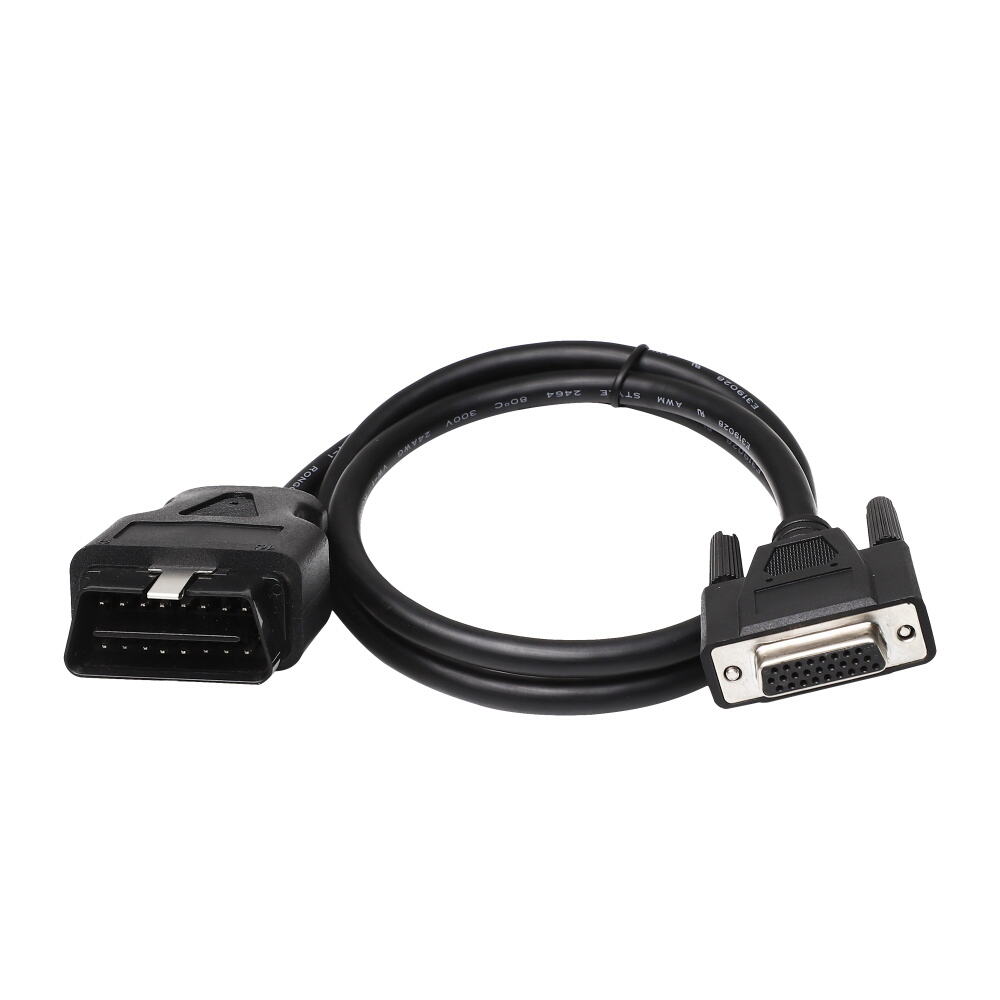
Selecting the appropriate J1939 connection cable is crucial for establishing reliable communication between electronic control units in commercial vehicles and heavy-duty equipment. The SAE J1939 standard defines the communication protocol used across various vehicle manufacturers, making the choice of connection cable a critical factor in diagnostic operations, data logging, and system integration. Understanding vehicle-specific requirements and protocol specifications ensures optimal performance and compatibility with different communication systems.
Understanding J1939 Protocol Standards and Cable Requirements
Protocol Foundation and Communication Basics
The J1939 protocol operates on Controller Area Network (CAN) bus technology, requiring specific electrical characteristics in connection cables. This protocol supports data rates up to 250 kbps and uses differential signaling through twisted pair wires. The J1939 connection cable must maintain proper impedance levels, typically 120 ohms, to ensure signal integrity across the communication network. Modern vehicles rely heavily on this protocol for engine management, transmission control, and auxiliary system coordination.
Cable specifications directly impact communication reliability and data transmission quality. High-quality J1939 connection cable assemblies feature shielded twisted pair construction that minimizes electromagnetic interference and crosstalk between signal lines. The shield provides essential protection against external noise sources commonly found in vehicle environments, including alternator ripple, ignition systems, and radio frequency emissions from wireless communication devices.
Connector Pin Configuration and Wiring Standards
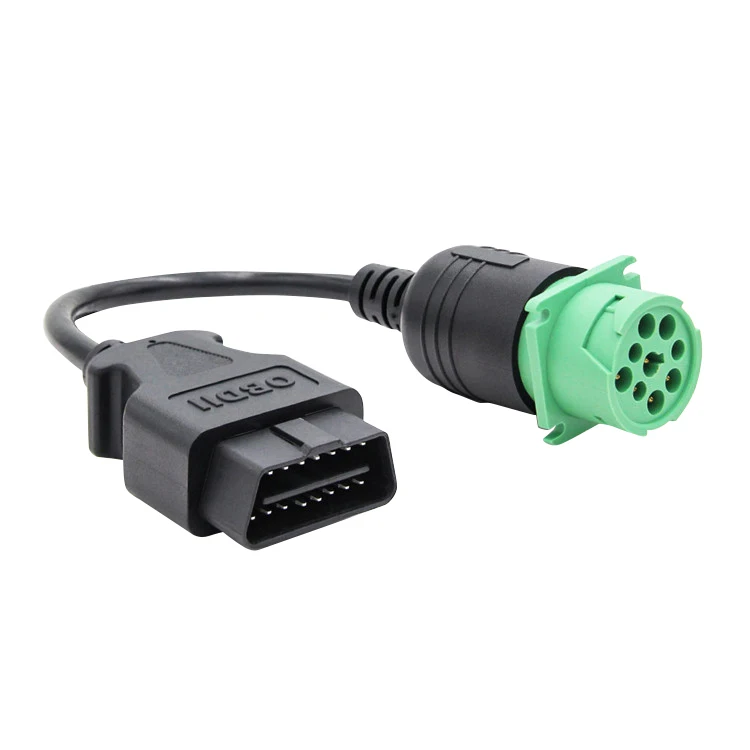
Standard J1939 connectors utilize 9-pin Deutsch-style connectors with specific pin assignments defined by the SAE specification. Pin assignments include CAN High, CAN Low, ground connections, and power supply lines for diagnostic tools and interface devices. Understanding these pin configurations ensures proper cable selection and prevents connection errors that could damage vehicle systems or diagnostic equipment.
The physical connector design varies between vehicle manufacturers, with some using green connectors to indicate J1939 compliance. Male and female connector options accommodate different vehicle configurations and diagnostic tool requirements. Quality J1939 connection cable assemblies incorporate gold-plated contacts that resist corrosion and maintain reliable electrical connections over extended service periods in harsh operating environments.
Vehicle Model Specific Cable Selection Criteria
Heavy Duty Truck Applications
Heavy-duty trucks from manufacturers like Peterbilt, Kenworth, Freightliner, and Volvo require specific J1939 connection cable configurations based on model year and engine family. Newer truck models often incorporate advanced diagnostic capabilities requiring cables with additional power supply pins for enhanced functionality. The J1939 connection cable length becomes critical in truck applications where diagnostic ports may be located in various cab positions or external compartments.
Truck-specific considerations include environmental protection ratings, cable flexibility in extreme temperatures, and resistance to diesel fuel and hydraulic fluid exposure. Premium J1939 connection cable assemblies designed for heavy trucks feature reinforced strain reliefs and ruggedized housings that withstand the vibration and shock loads typical in commercial trucking operations. Cable routing requirements vary significantly between truck manufacturers, necessitating different cable lengths and connector orientations.
Construction and Agricultural Equipment
Construction equipment from Caterpillar, John Deere, Komatsu, and other manufacturers implements J1939 protocols with unique diagnostic port locations and cable requirements. These applications often require specialized J1939 connection cable assemblies with enhanced environmental sealing to withstand exposure to hydraulic fluids, dirt, and extreme operating conditions found in construction and mining environments.
Agricultural equipment applications present unique challenges including exposure to fertilizers, pesticides, and moisture that can degrade standard cable materials. The J1939 connection cable selection must account for chemical resistance and UV stability when equipment operates in direct sunlight for extended periods. Many agricultural machines require longer cable assemblies to reach diagnostic ports located in operator cabins or external service panels.
Communication Protocol Compatibility Assessment
Protocol Version Identification
Different J1939 protocol versions exist across vehicle model years, with variations in parameter group numbers (PGNs) and suspect parameter numbers (SPNs) that affect diagnostic capabilities. The J1939 connection cable itself remains consistent across protocol versions, but understanding protocol compatibility ensures proper communication between diagnostic tools and vehicle systems. Modern diagnostic interfaces automatically detect protocol versions and adjust communication parameters accordingly.
Protocol implementation varies between engine manufacturers, with Cummins, Caterpillar, Detroit Diesel, and international manufacturers incorporating proprietary extensions to standard J1939 communications. These extensions typically maintain backward compatibility with standard J1939 connection cable assemblies while providing enhanced diagnostic capabilities through additional parameter definitions and communication strategies specific to each manufacturer's requirements.
Diagnostic Tool Interface Requirements
Diagnostic tool compatibility represents a critical factor in J1939 connection cable selection, as different tools may require specific connector configurations or cable characteristics. Professional diagnostic platforms like those from Nexiq, Noregon, and OEM-specific tools often specify particular J1939 connection cable requirements to ensure optimal communication performance and diagnostic reliability.
Multi-protocol diagnostic tools require J1939 connection cable assemblies that support various communication standards simultaneously, including J1708/J1587 legacy protocols and newer protocols like DoIP (Diagnostics over Internet Protocol). Cable assemblies designed for multi-protocol applications incorporate additional conductors and connector pins to accommodate diverse communication requirements while maintaining backward compatibility with standard J1939 implementations.
Cable Construction and Quality Considerations
Environmental Protection and Durability
Industrial-grade J1939 connection cable assemblies incorporate environmental protection features essential for reliable operation in demanding vehicle applications. These features include moisture-resistant materials, temperature-stable insulation compounds, and mechanical strain relief systems that prevent cable damage during normal handling and installation procedures. Quality cable construction ensures consistent impedance characteristics and signal integrity over the cable's operational lifetime.
Temperature cycling represents a significant challenge for J1939 connection cable assemblies, as vehicle environments experience extreme temperature variations from sub-zero winter conditions to high-temperature engine compartment exposure. Premium cable assemblies utilize specialized insulation materials that maintain flexibility and electrical properties across wide temperature ranges while resisting degradation from thermal cycling stress.
Signal Integrity and Electrical Performance
Electrical performance characteristics of J1939 connection cable assemblies directly impact communication reliability and diagnostic accuracy. Proper impedance control, low signal attenuation, and minimal crosstalk between conductors ensure reliable data transmission at maximum specified communication rates. High-quality J1939 connection cable designs incorporate precision-manufactured twisted pair conductors with consistent impedance characteristics throughout the cable length.
Shield effectiveness becomes critical in vehicle applications where high levels of electromagnetic interference are present from alternators, ignition systems, and electronic control modules. Advanced J1939 connection cable assemblies feature multiple shielding layers including braided shields and foil barriers that provide superior noise rejection while maintaining cable flexibility for installation in confined spaces typical of vehicle diagnostic applications.
Installation and Maintenance Best Practices
Proper Installation Techniques
Correct installation procedures ensure optimal performance and longevity of J1939 connection cable assemblies in vehicle diagnostic applications. Installation considerations include proper strain relief attachment, secure connector engagement, and protection from sharp edges or heat sources that could damage cable insulation. Following manufacturer installation guidelines prevents premature cable failure and maintains diagnostic communication reliability.
Cable routing requires careful attention to avoid interference with vehicle operations while providing convenient access for diagnostic procedures. The J1939 connection cable should be secured using appropriate clamps and protective conduit where necessary to prevent damage from vehicle vibration, moving parts, or exposure to harsh environmental conditions during normal vehicle operation.
Preventive Maintenance and Inspection
Regular inspection of J1939 connection cable assemblies identifies potential problems before they affect diagnostic capabilities or communication performance. Visual inspection should include examination of connector housings for cracks or damage, cable insulation for cuts or abrasion, and strain relief areas for signs of stress or degradation. Proactive maintenance prevents diagnostic communication failures that could impact vehicle service efficiency.
Connector maintenance involves periodic cleaning of contact surfaces and application of appropriate dielectric compounds to prevent corrosion in harsh environmental conditions. The J1939 connection cable connector pins should be inspected for bent or damaged contacts that could cause intermittent communication problems or complete diagnostic communication failure during critical service procedures.
FAQ
What factors determine the correct J1939 connection cable for my specific vehicle model
Vehicle model, manufacturing year, and engine type are primary factors determining correct J1939 connection cable selection. Different manufacturers may use varying connector types, pin configurations, and cable lengths based on diagnostic port locations and vehicle architecture. Consulting vehicle service documentation or manufacturer specifications ensures proper cable selection for your specific application requirements.
How do I verify J1939 connection cable compatibility with my diagnostic equipment
Compatibility verification involves checking diagnostic tool specifications against cable connector types, pin assignments, and electrical characteristics. Most professional diagnostic tools specify compatible J1939 connection cable part numbers or provide compatibility matrices listing approved cable assemblies. Testing communication functionality after installation confirms proper compatibility between cable, vehicle, and diagnostic equipment.
What quality standards should I look for when selecting a J1939 connection cable
Quality J1939 connection cable assemblies should meet or exceed SAE J1939 specifications for electrical performance, environmental protection, and mechanical durability. Look for cables with certified impedance characteristics, appropriate temperature ratings, and environmental sealing suitable for your application. Reputable manufacturers provide detailed specifications and quality certifications demonstrating compliance with industry standards.
Can I use a single J1939 connection cable for multiple vehicle brands and models
Standard J1939 connection cable assemblies with universal 9-pin connectors work across most vehicle brands that implement standard J1939 protocols. However, some manufacturers use proprietary connector variations or additional pins for enhanced functionality. A high-quality universal J1939 connection cable provides compatibility with the majority of commercial vehicles while specific applications may require manufacturer-specific cable assemblies for complete functionality.
Table of Contents
- Understanding J1939 Protocol Standards and Cable Requirements
- Vehicle Model Specific Cable Selection Criteria
- Communication Protocol Compatibility Assessment
- Cable Construction and Quality Considerations
- Installation and Maintenance Best Practices
-
FAQ
- What factors determine the correct J1939 connection cable for my specific vehicle model
- How do I verify J1939 connection cable compatibility with my diagnostic equipment
- What quality standards should I look for when selecting a J1939 connection cable
- Can I use a single J1939 connection cable for multiple vehicle brands and models