automotive cable harness
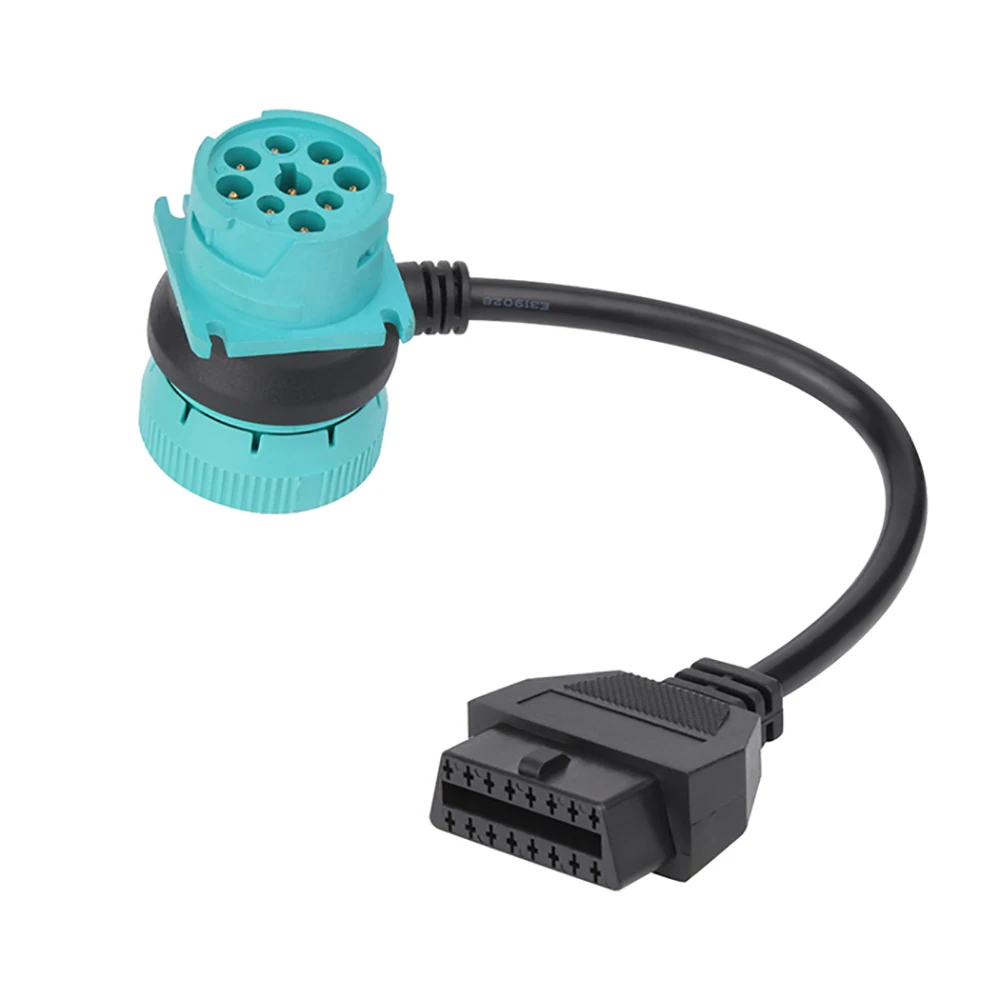
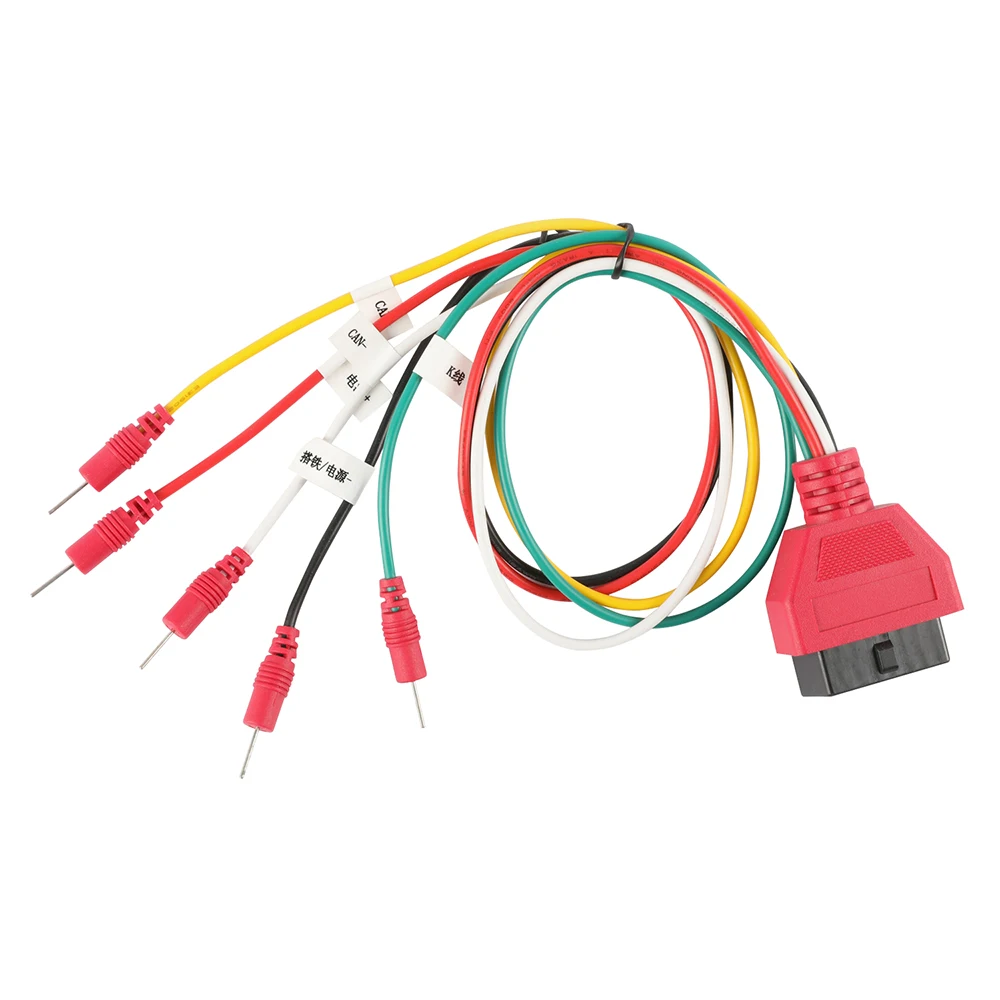
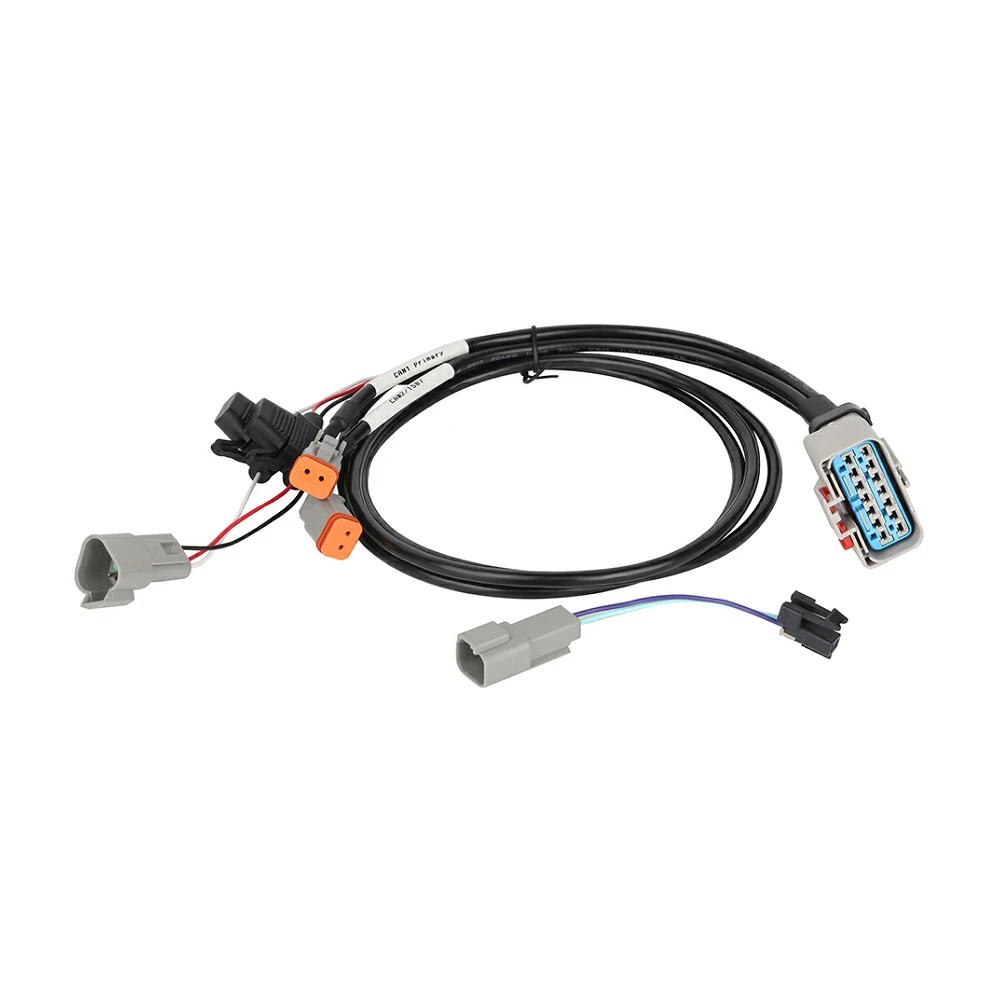
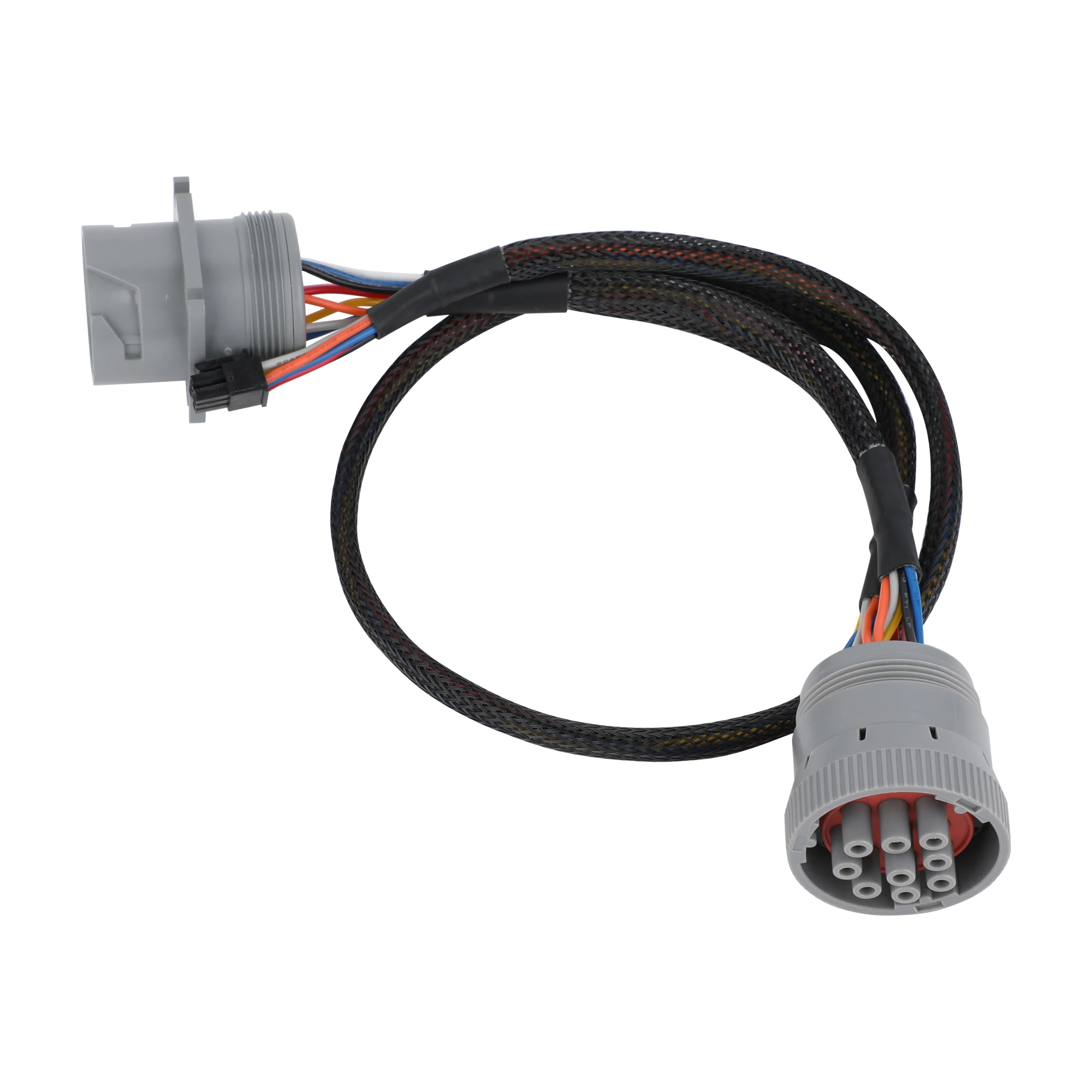
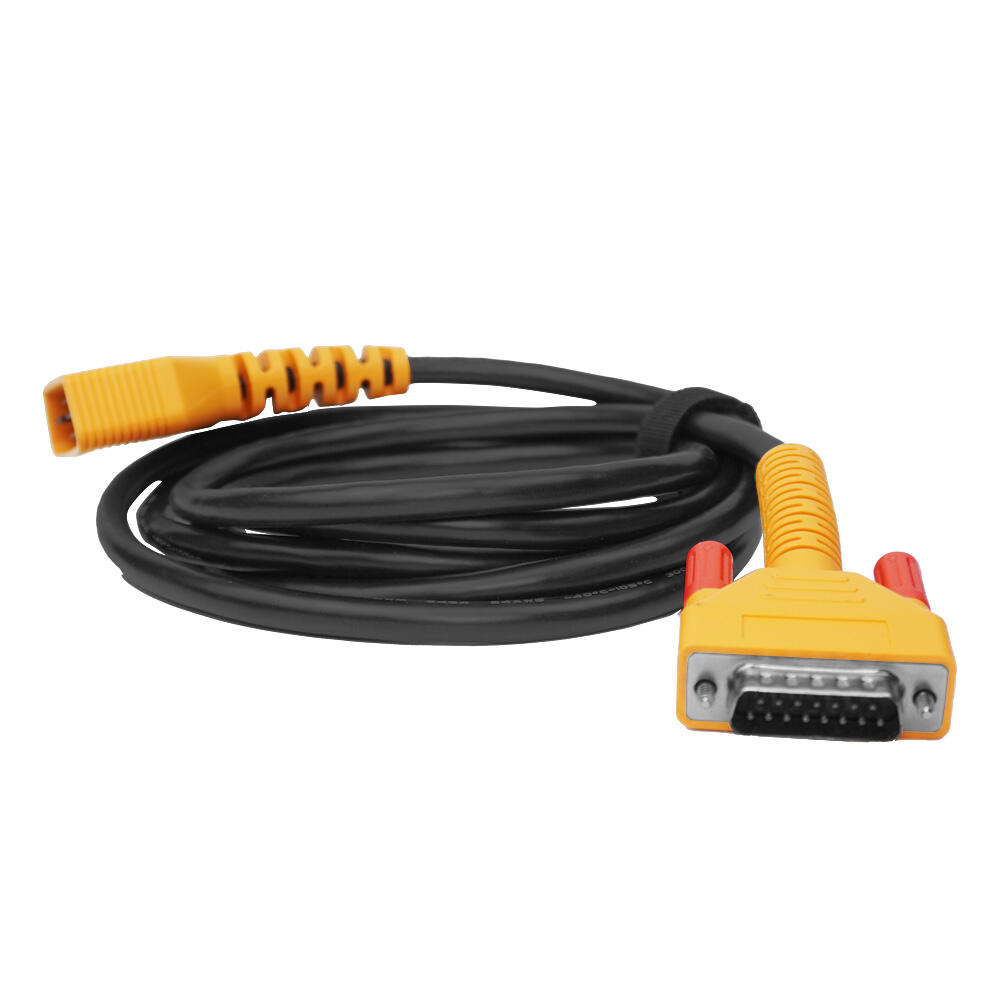
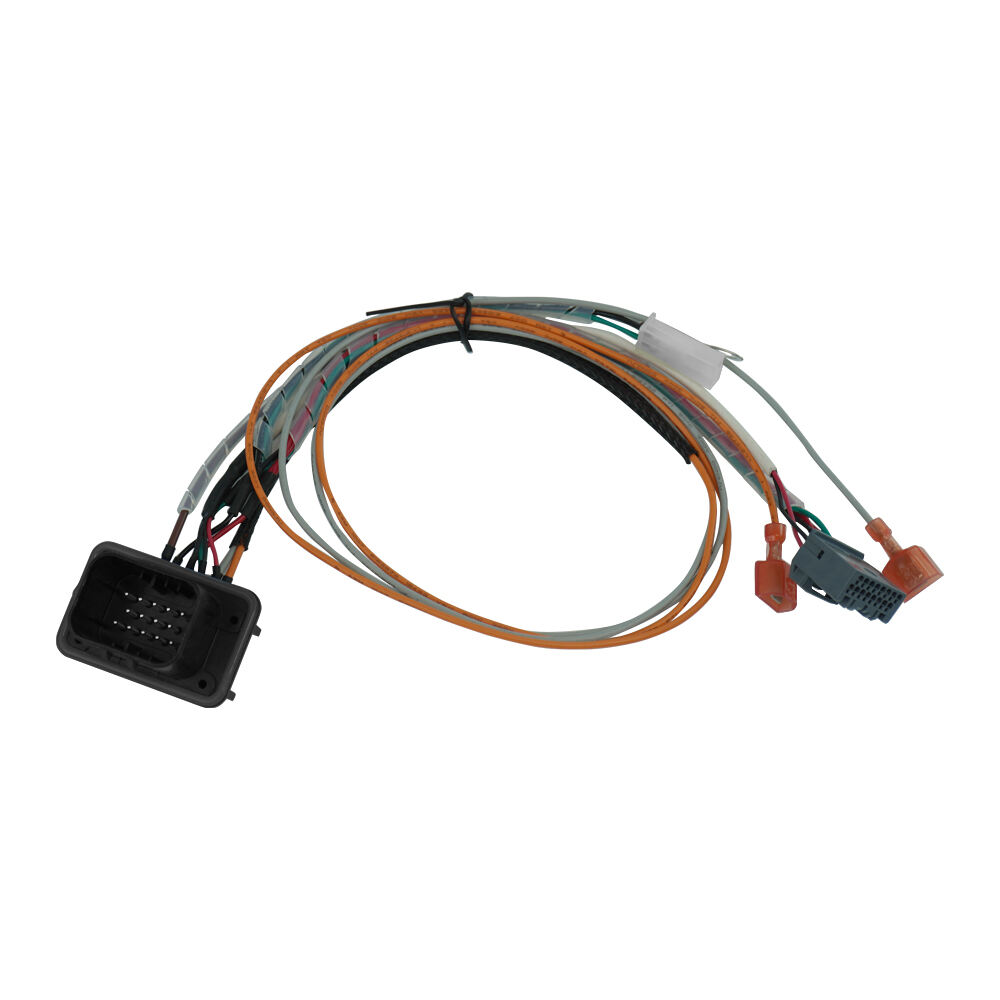
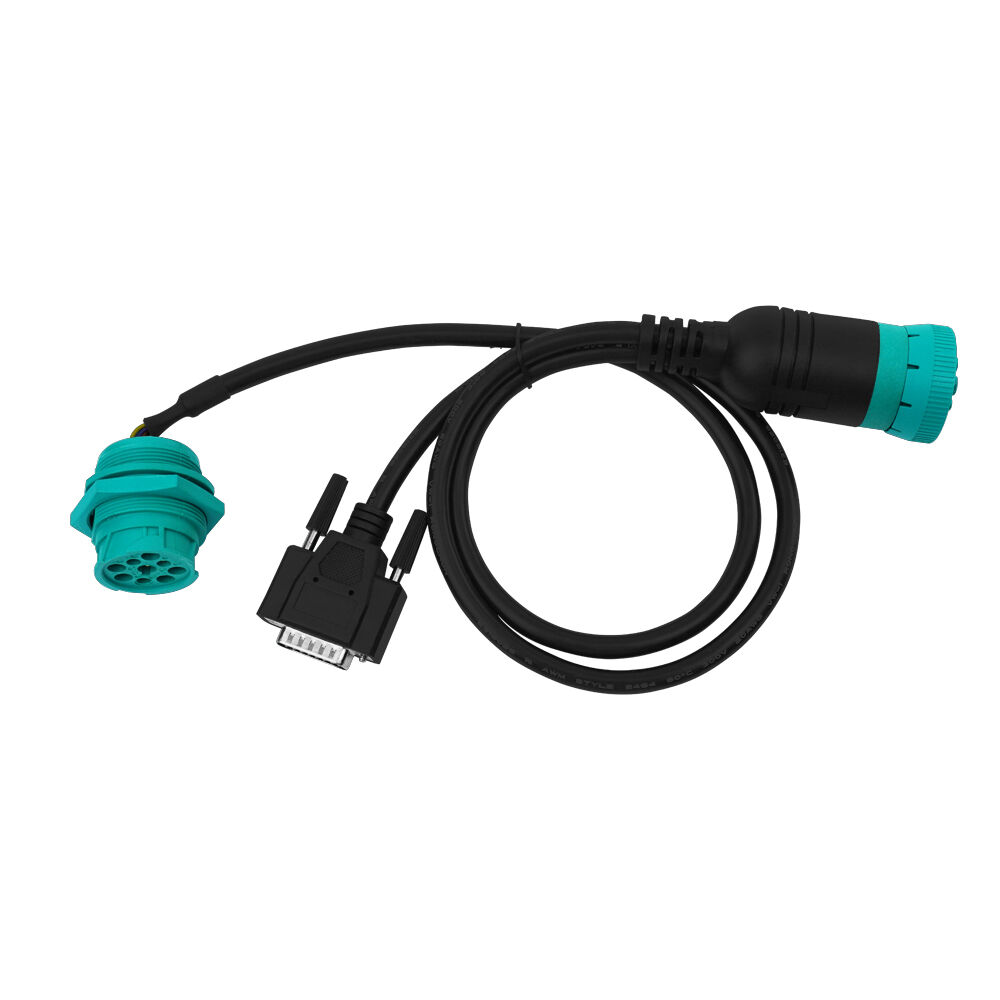
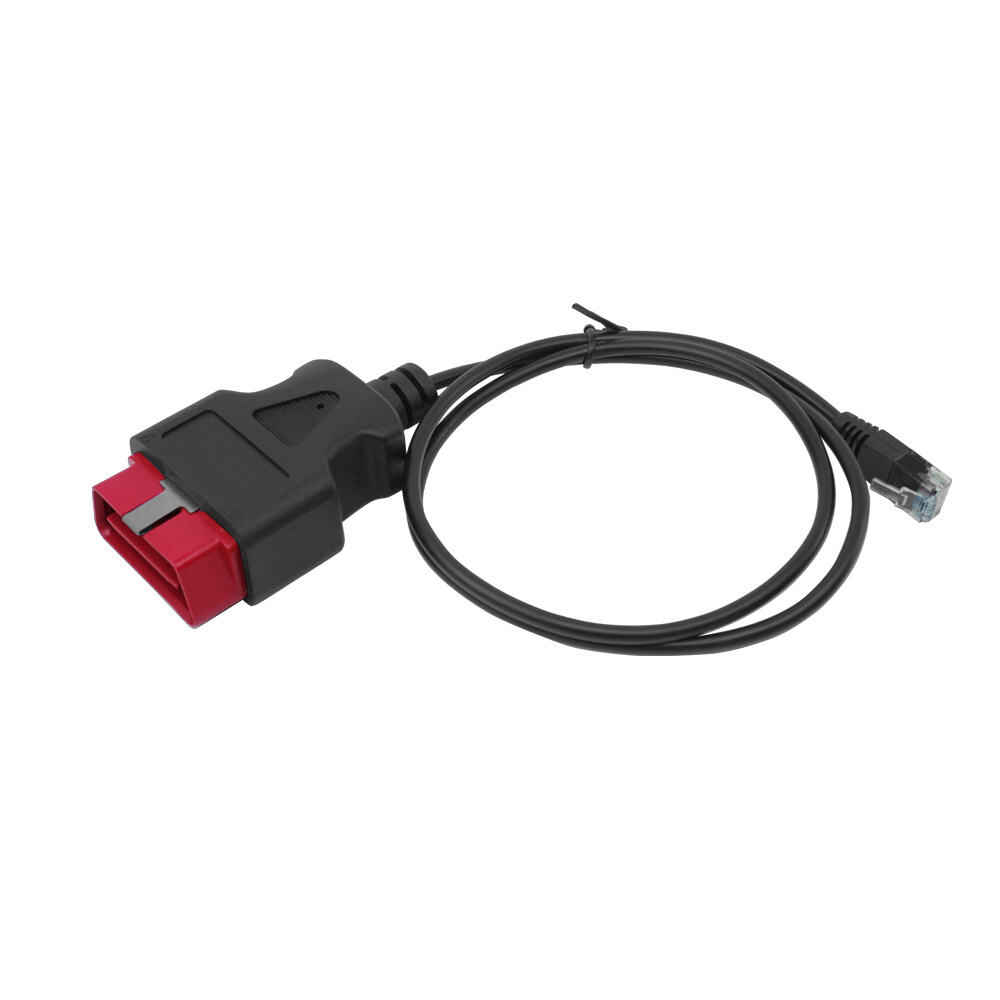
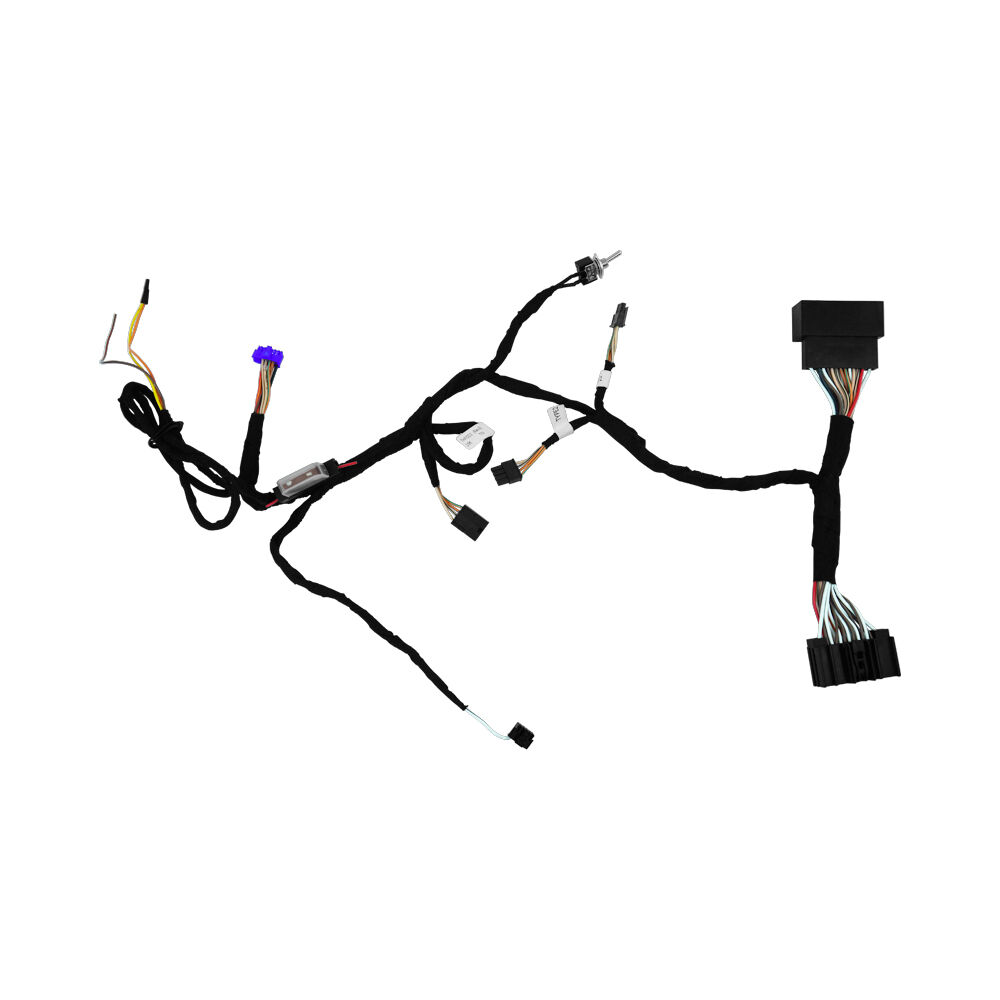
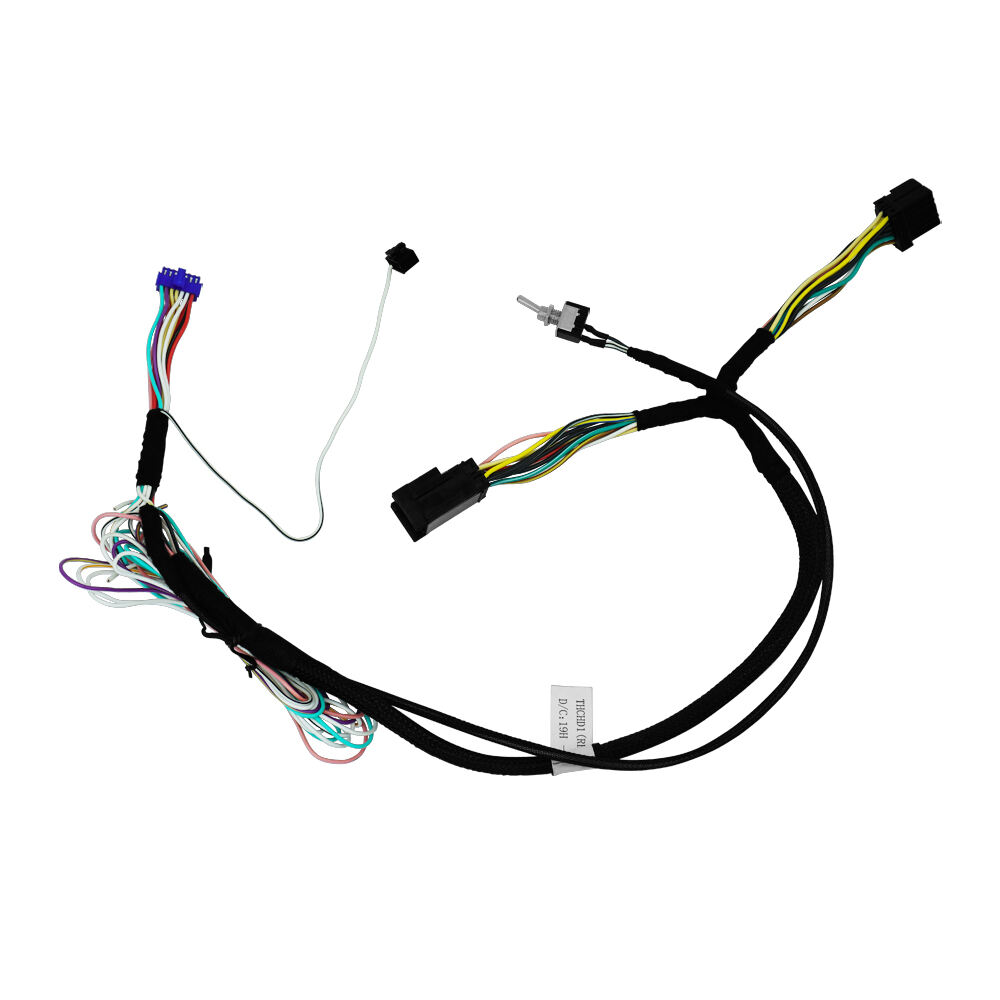
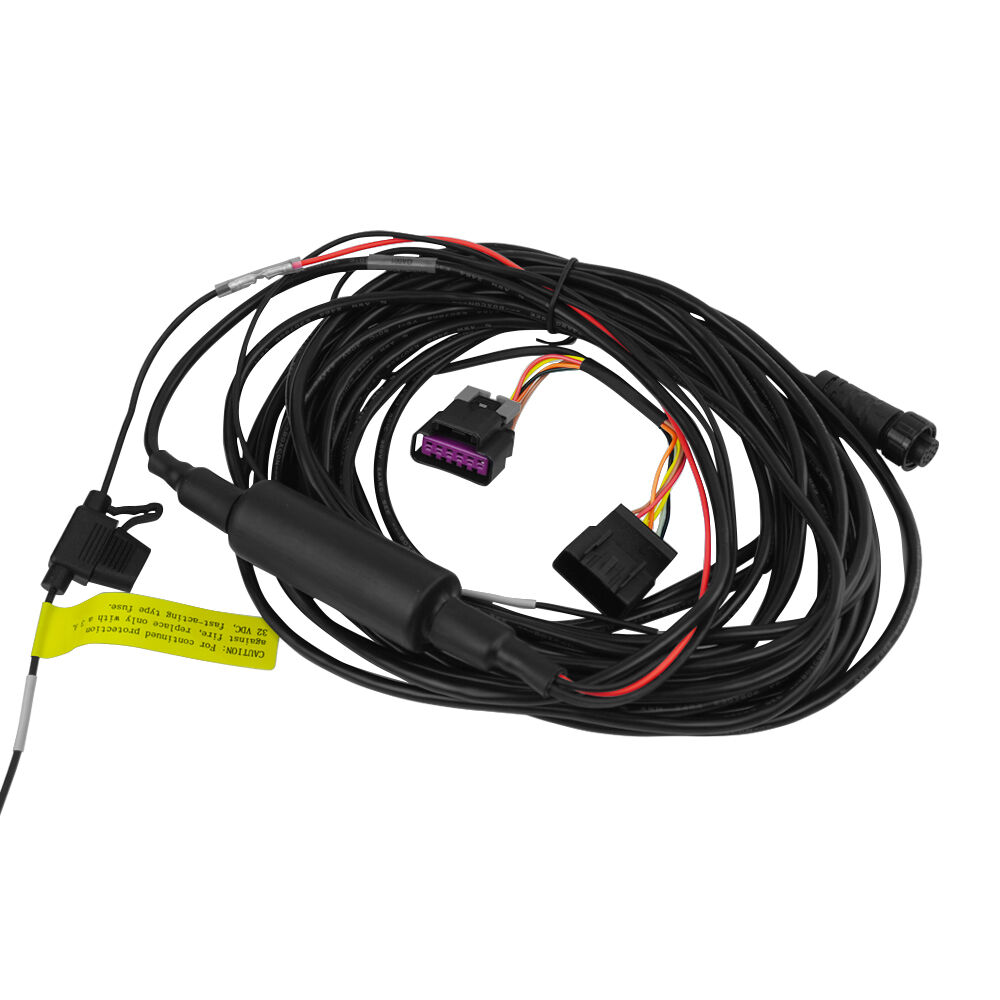
The automotive cable harness represents a critical component in modern vehicle architecture, serving as the central nervous system that connects all electrical and electronic components throughout the vehicle. This sophisticated assembly consists of multiple wires, cables, connectors, and protective materials bundled together in an organized configuration. The automotive cable harness efficiently transmits electrical power and signals between various systems, including the engine management system, lighting circuits, infotainment units, safety features, and comfort controls. Modern vehicles contain multiple harnesses distributed throughout different areas, with the main harness typically running along the vehicle's length while smaller sub-harnesses branch out to specific zones. The technological advancement of automotive cable harness design has evolved significantly, incorporating high-performance materials that withstand extreme temperatures ranging from minus forty to plus one hundred fifty degrees Celsius, resist chemical corrosion from oils and fuels, and maintain flexibility despite constant vibration and movement. Contemporary automotive cable harness systems integrate advanced shielding technologies to prevent electromagnetic interference, ensuring reliable signal transmission for sensitive electronic control units and communication networks. The manufacturing process involves precise engineering and quality control measures, with each wire carefully selected based on current-carrying capacity, voltage rating, and environmental resistance requirements. Applications span across passenger vehicles, commercial trucks, buses, electric vehicles, and hybrid automobiles, with each application demanding customized solutions tailored to specific electrical architectures. The automotive cable harness must comply with stringent international standards and automotive industry specifications, ensuring safety, durability, and performance throughout the vehicle's operational lifetime. As vehicles become increasingly electrified and automated, the automotive cable harness continues to evolve, incorporating lightweight materials, higher data transmission capabilities, and modular designs that facilitate easier installation and maintenance procedures.


 EN
EN