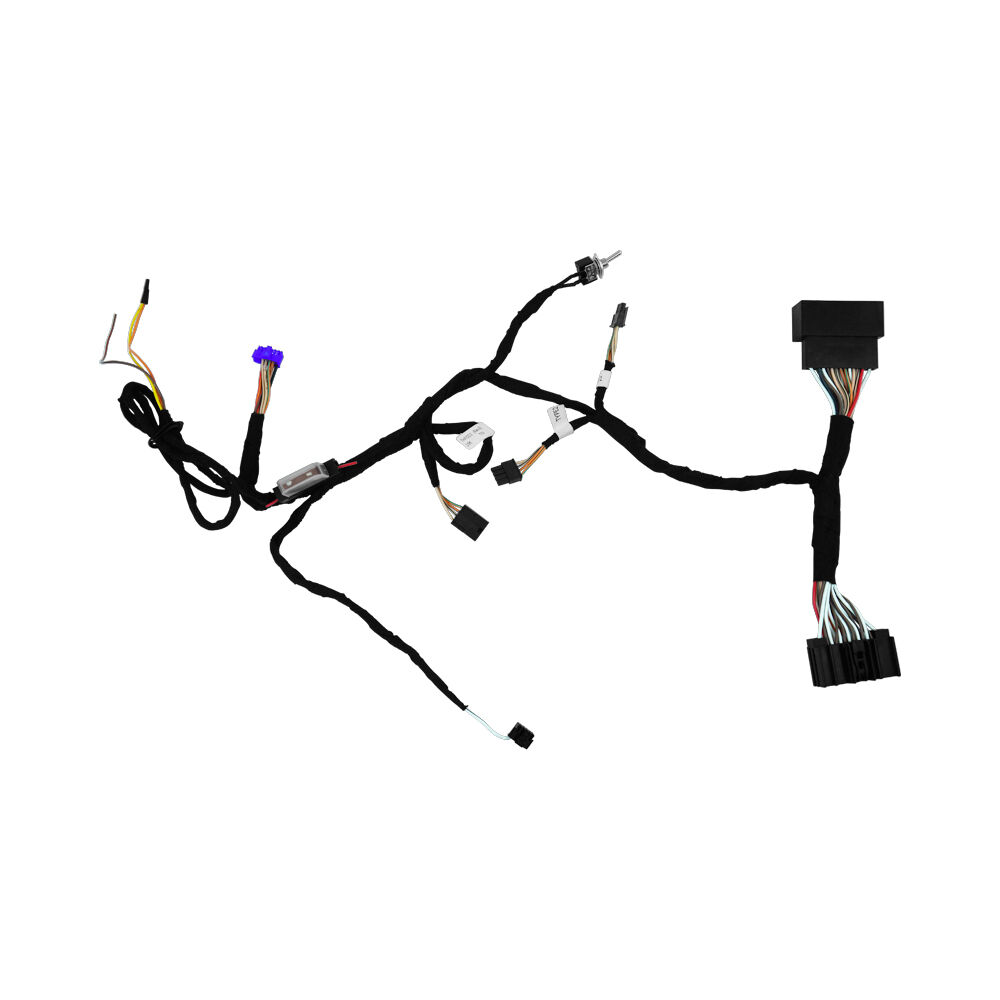
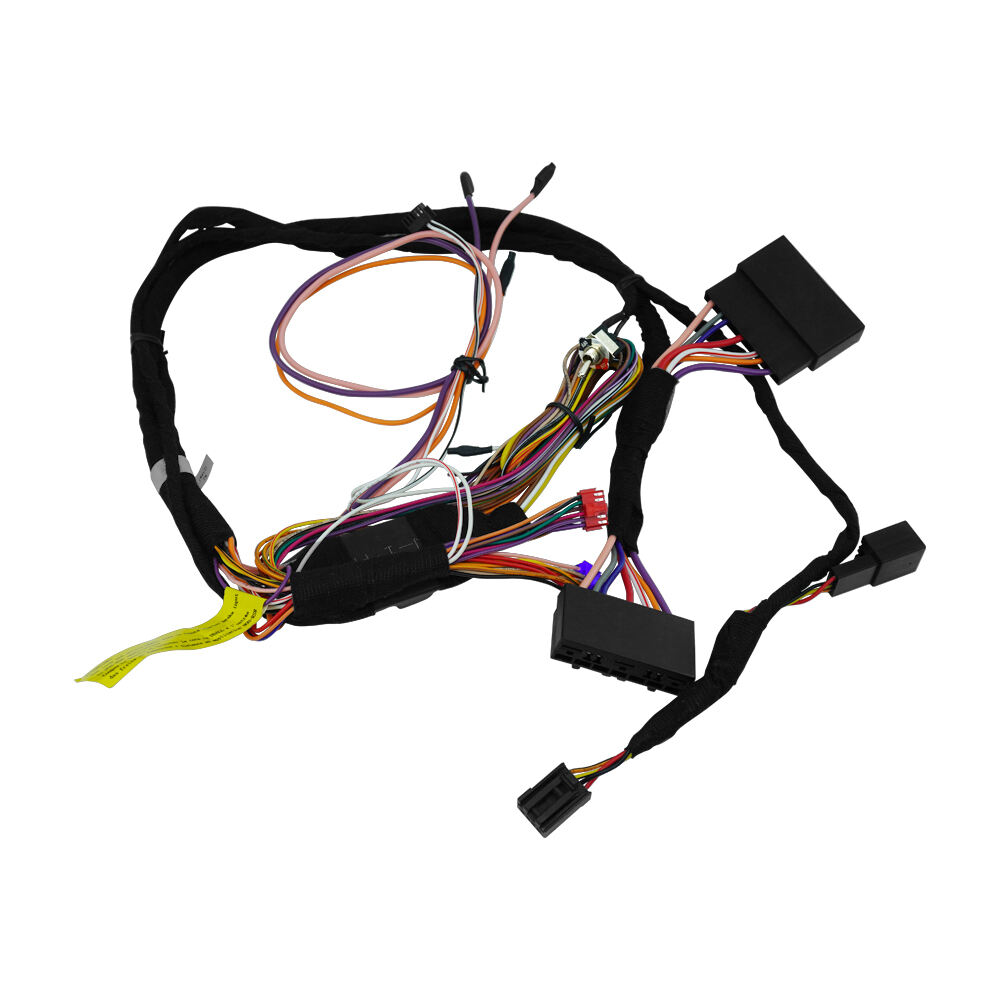
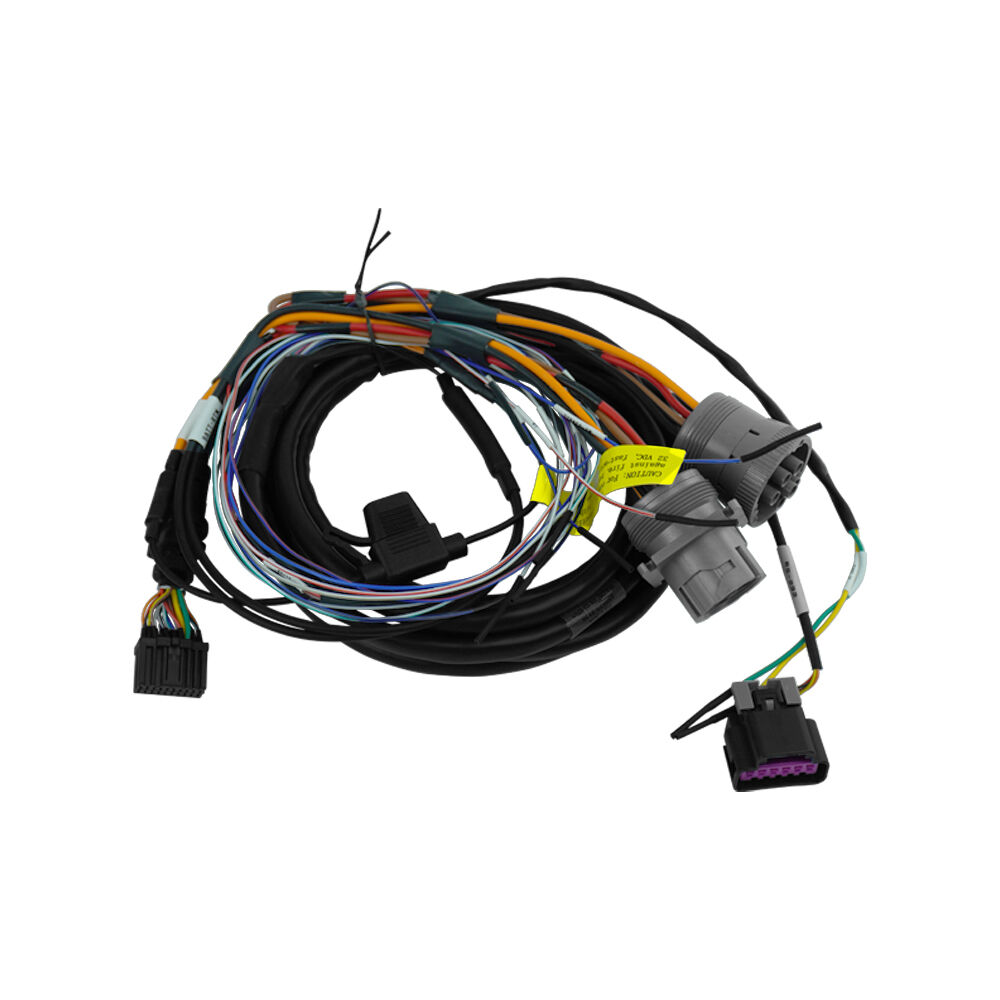
automotive wire harness connector
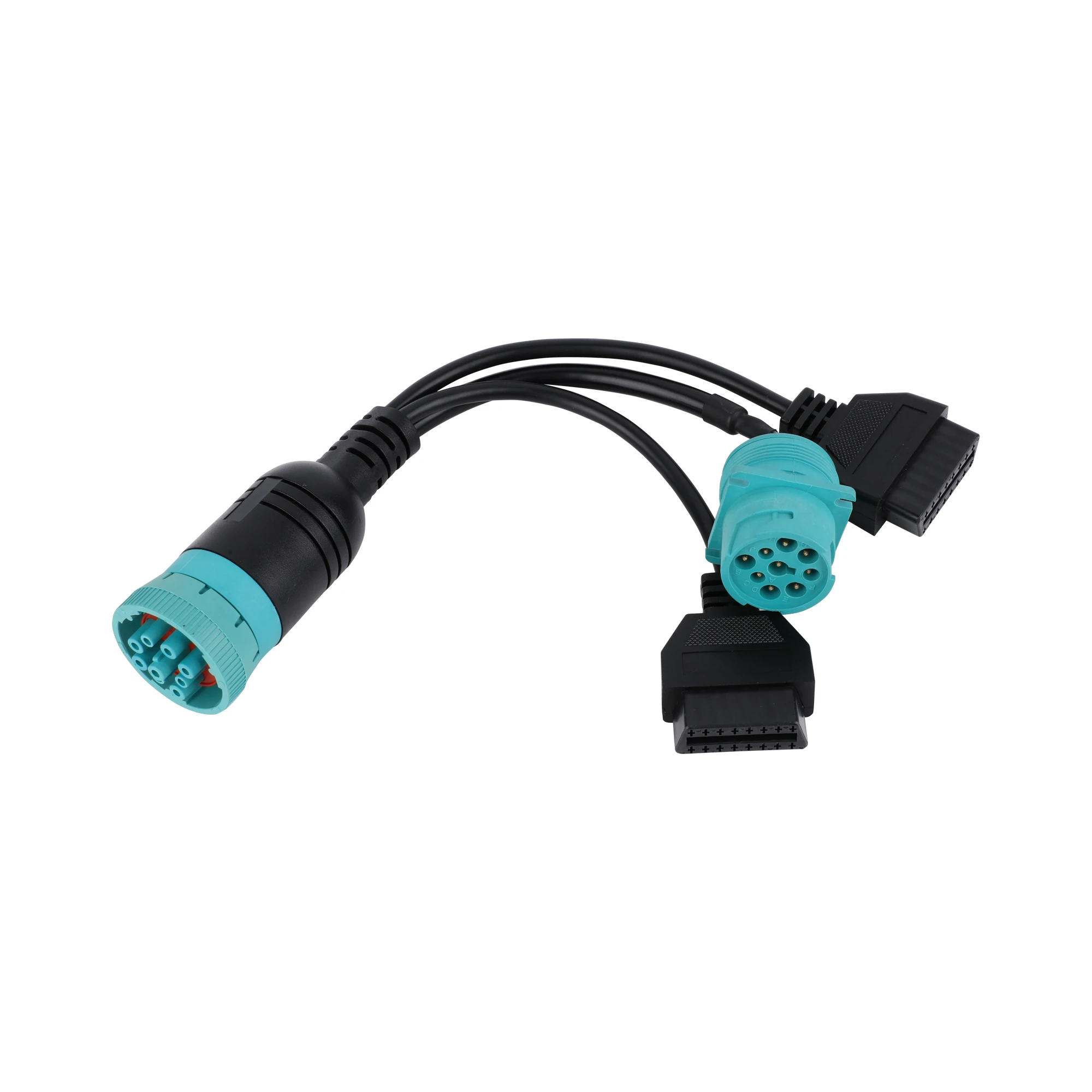
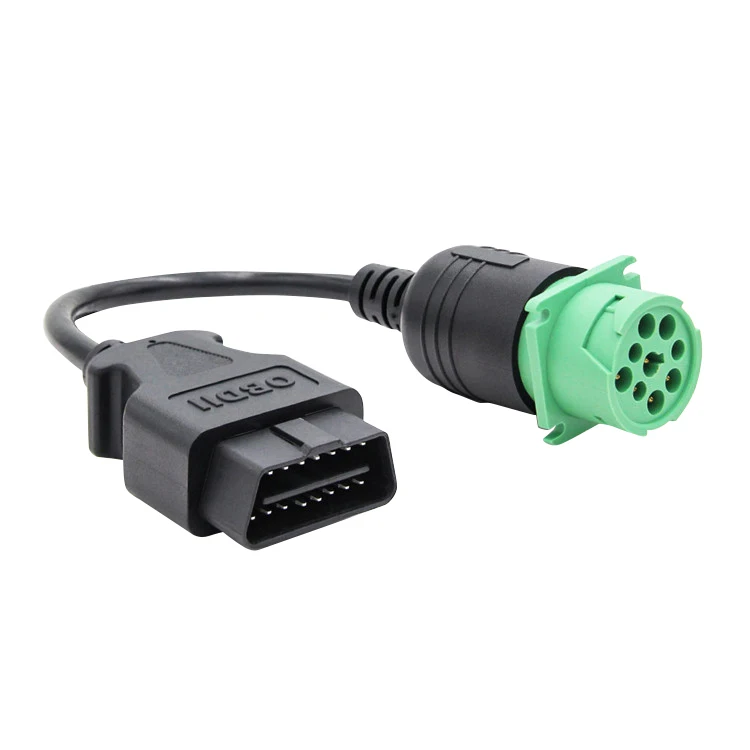
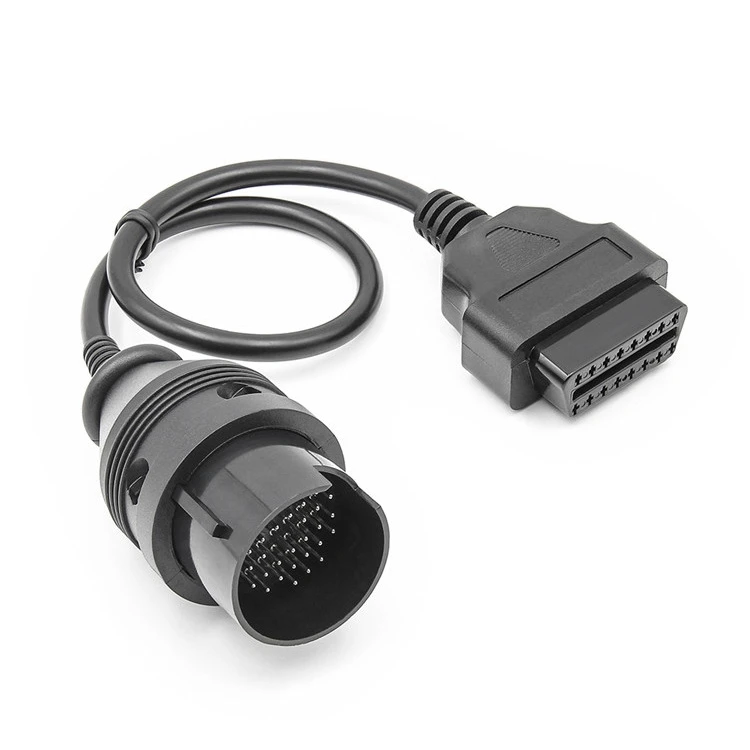
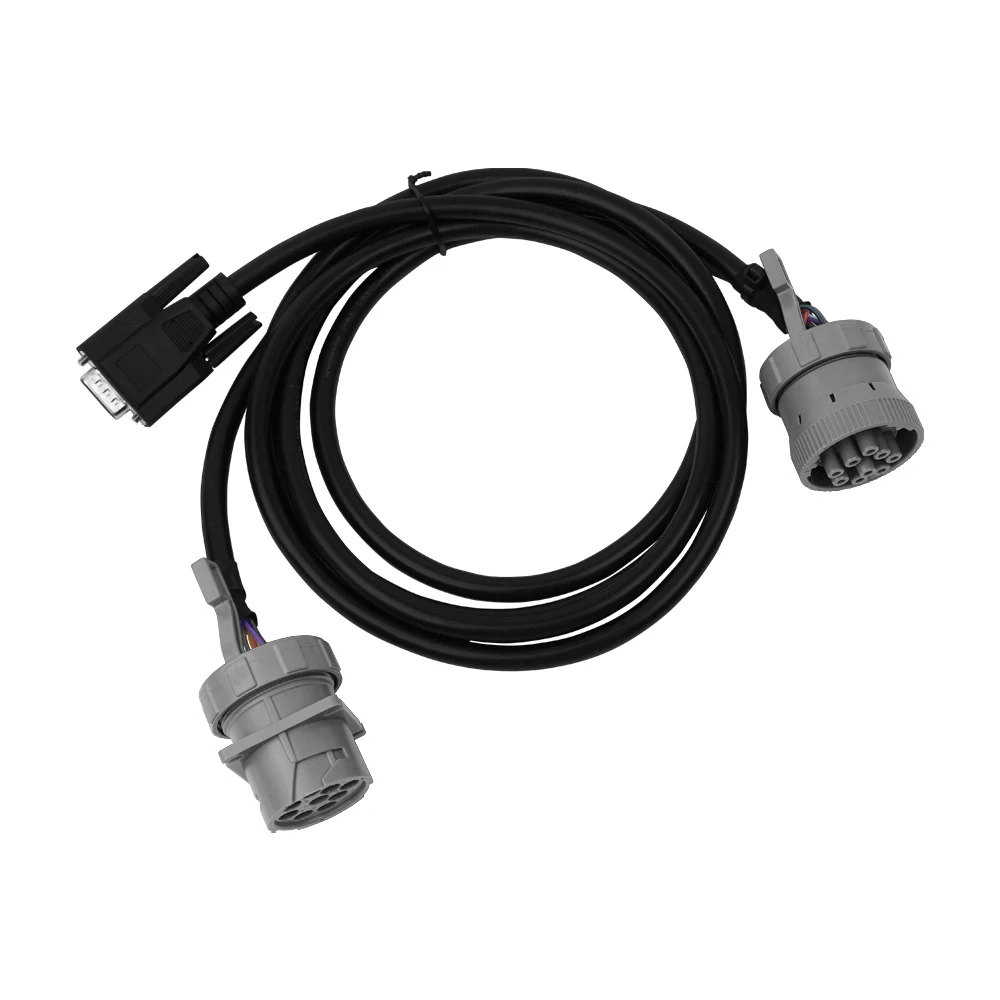
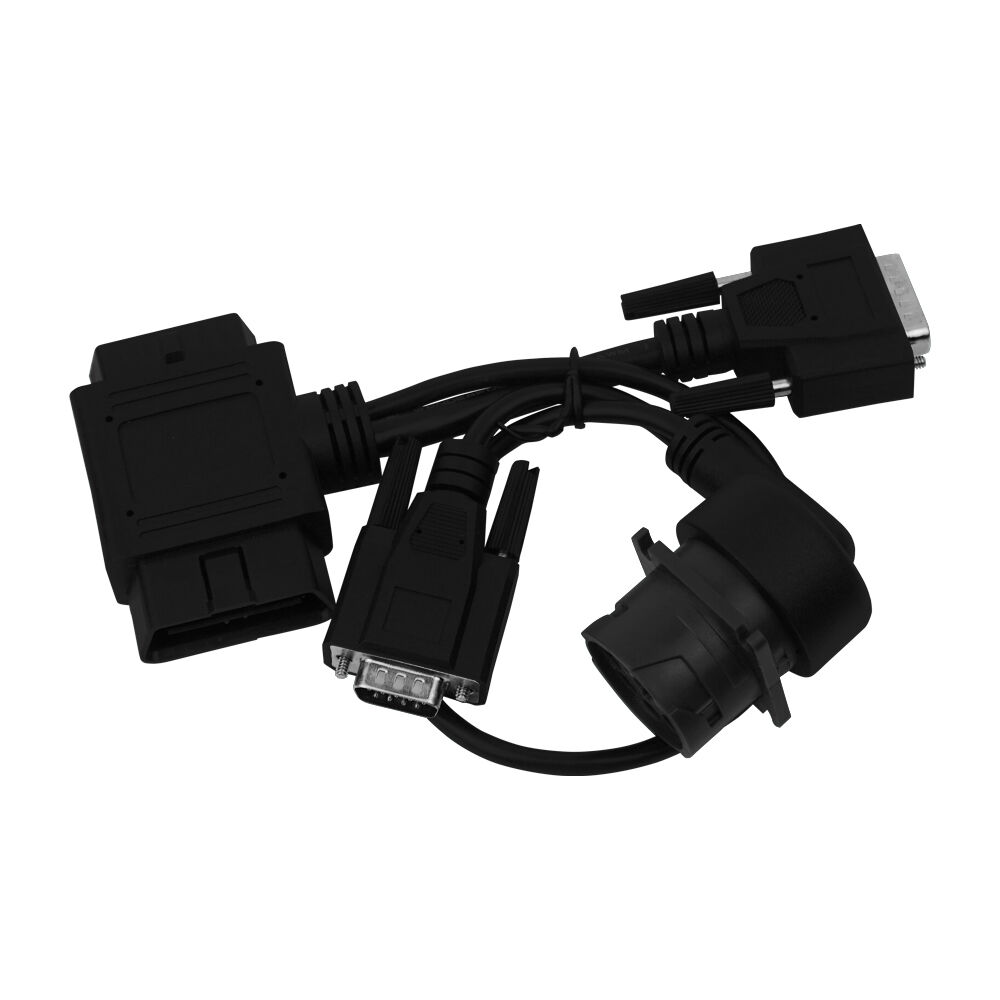
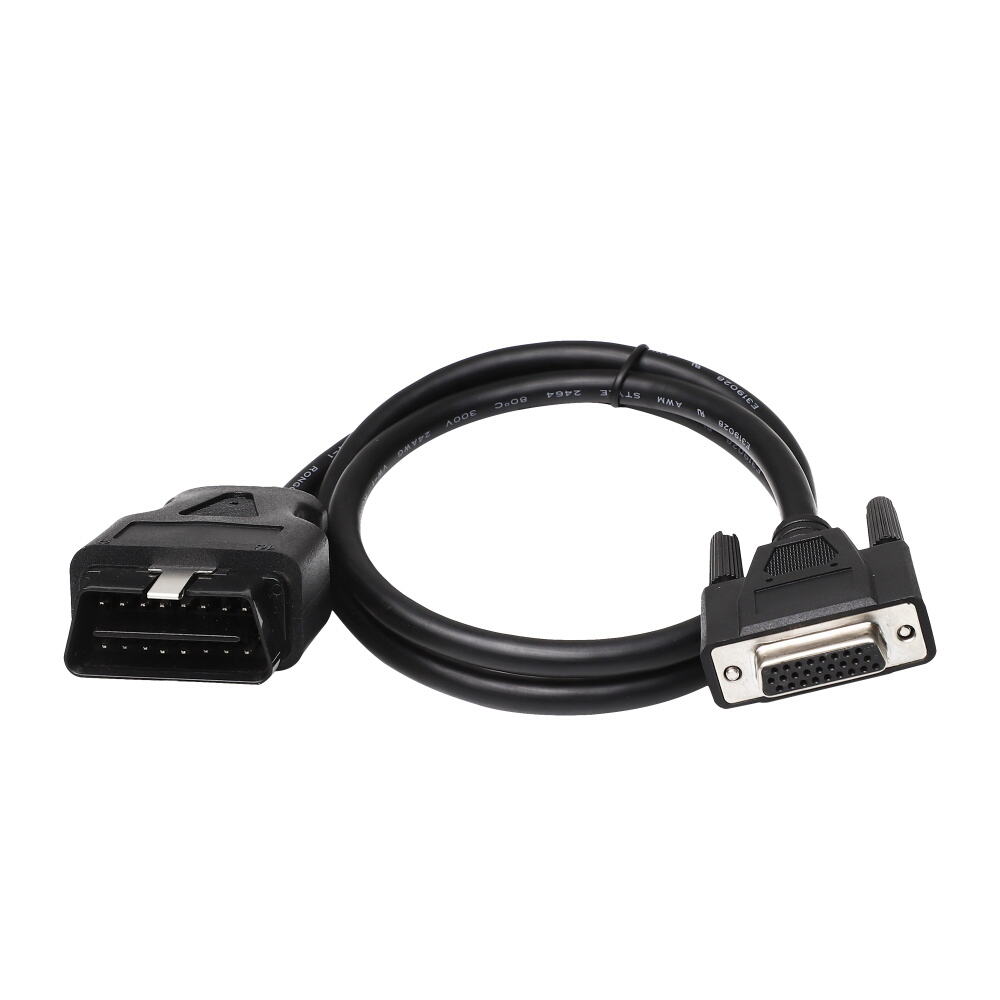
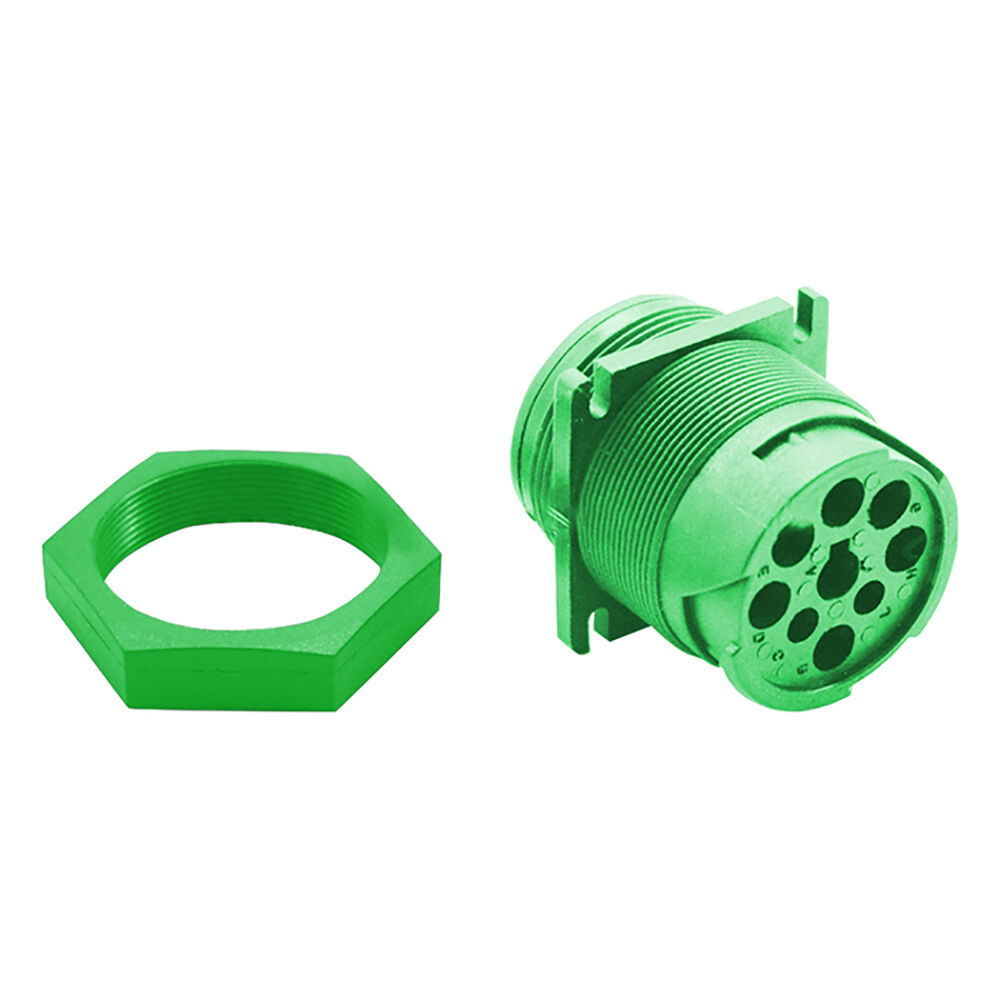
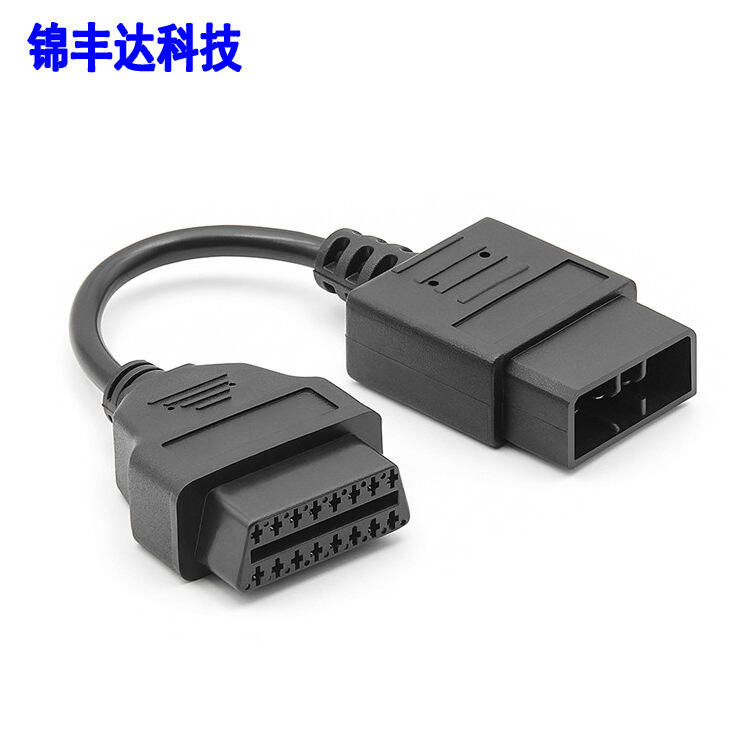
The automotive wire harness connector serves as a critical interface component in modern vehicle electrical systems, facilitating the seamless transmission of power and data signals throughout the entire automobile architecture. This essential element acts as the bridge between various electronic modules, sensors, control units, and power distribution networks that enable contemporary vehicles to function efficiently and safely. An automotive wire harness connector comprises precisely engineered terminals, insulating housings, sealing components, and locking mechanisms designed to withstand the demanding conditions present in vehicular environments. These connectors must endure extreme temperature fluctuations ranging from minus forty to plus one hundred fifty degrees Celsius, resist moisture ingress, tolerate vibration and mechanical shock, and maintain consistent electrical performance throughout the vehicle's operational lifespan. The technological features embedded within these connectors include advanced contact designs that ensure low resistance connections, specialized plating materials such as gold or tin to prevent corrosion, and innovative housing geometries that provide robust mechanical retention while allowing for efficient assembly processes. Modern automotive wire harness connector designs incorporate color-coding systems for simplified identification during manufacturing and maintenance procedures, secondary locking features that prevent accidental disconnection, and terminal position assurance mechanisms that verify proper assembly. The application scope spans across all vehicle systems including engine management, transmission control, safety systems like airbags and anti-lock braking, infotainment networks, lighting circuits, climate control, and increasingly complex advanced driver assistance systems. As vehicles evolve toward electrification and autonomous driving capabilities, the automotive wire harness connector must accommodate higher current capacities for electric powertrains, support high-speed data transmission protocols for sensor fusion and vehicle-to-everything communication, and maintain compatibility with both traditional twelve-volt architectures and emerging forty-eight-volt electrical systems that improve efficiency and enable mild hybrid functionalities.


 EN
EN