automotive harness
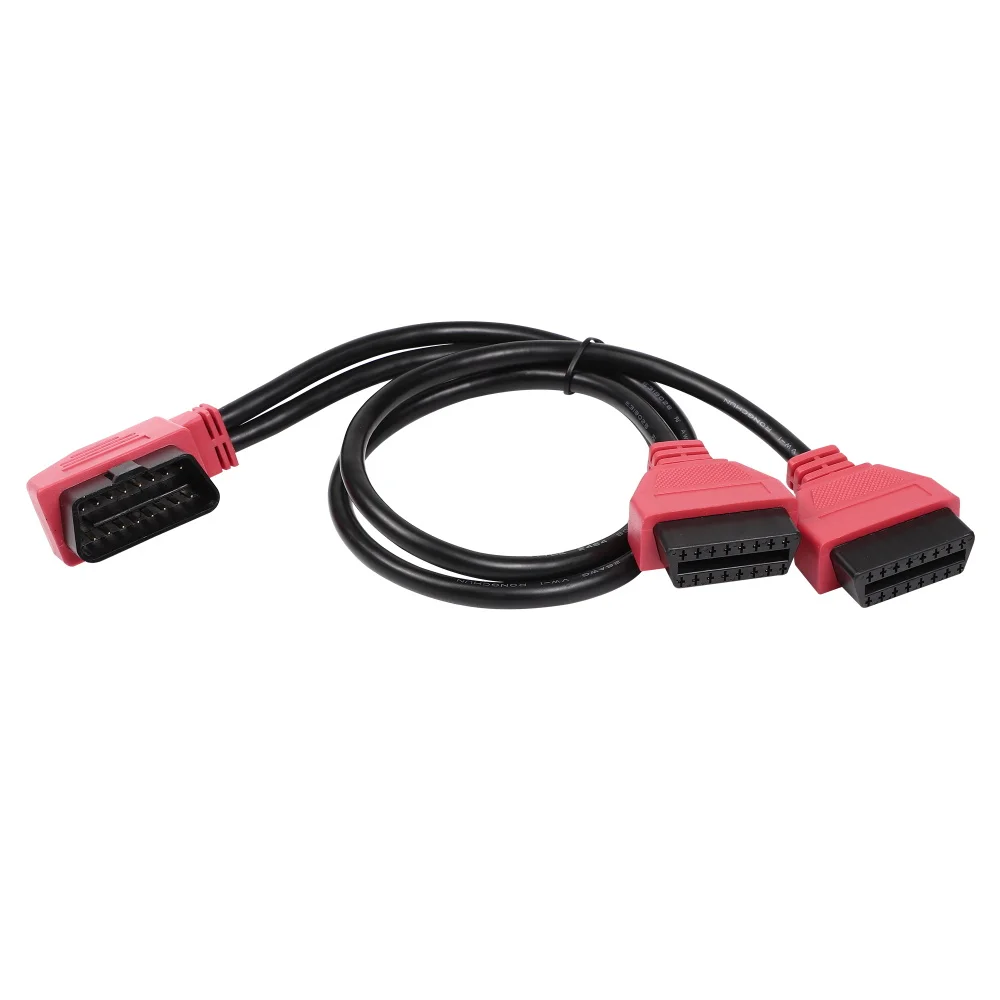
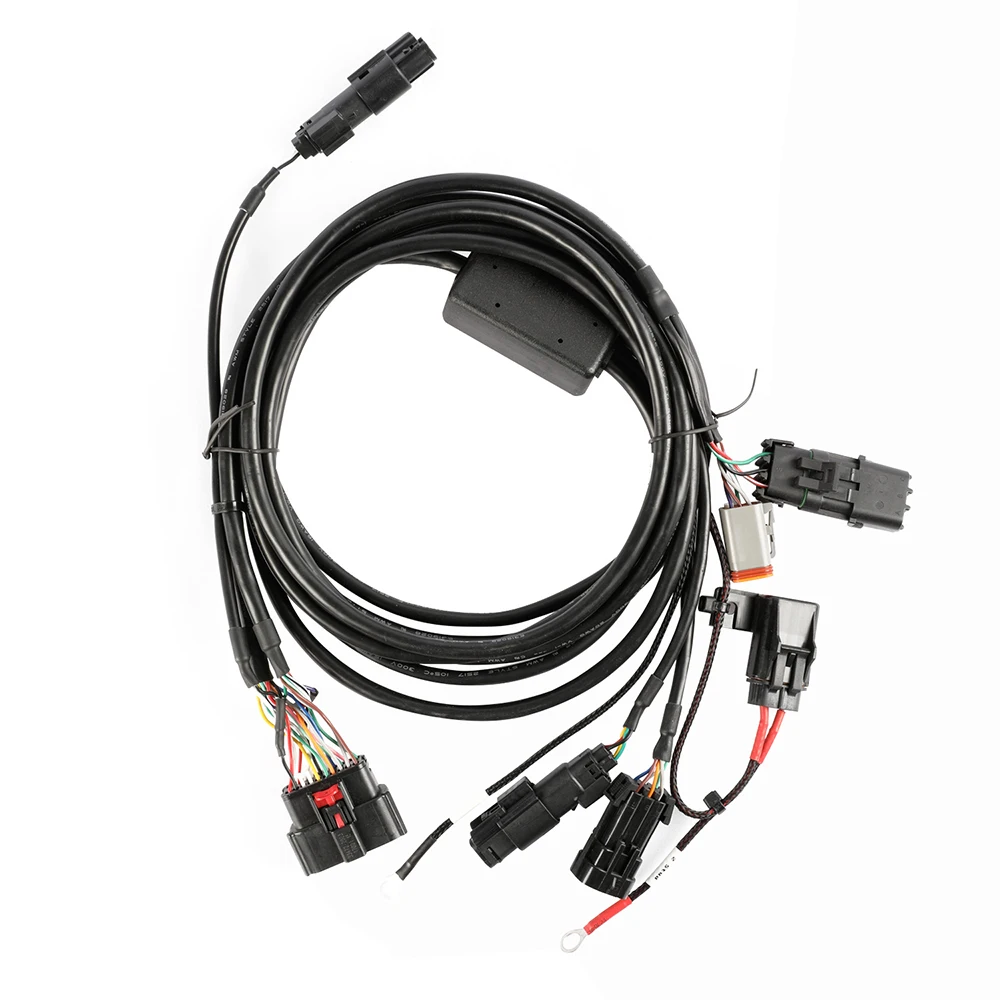
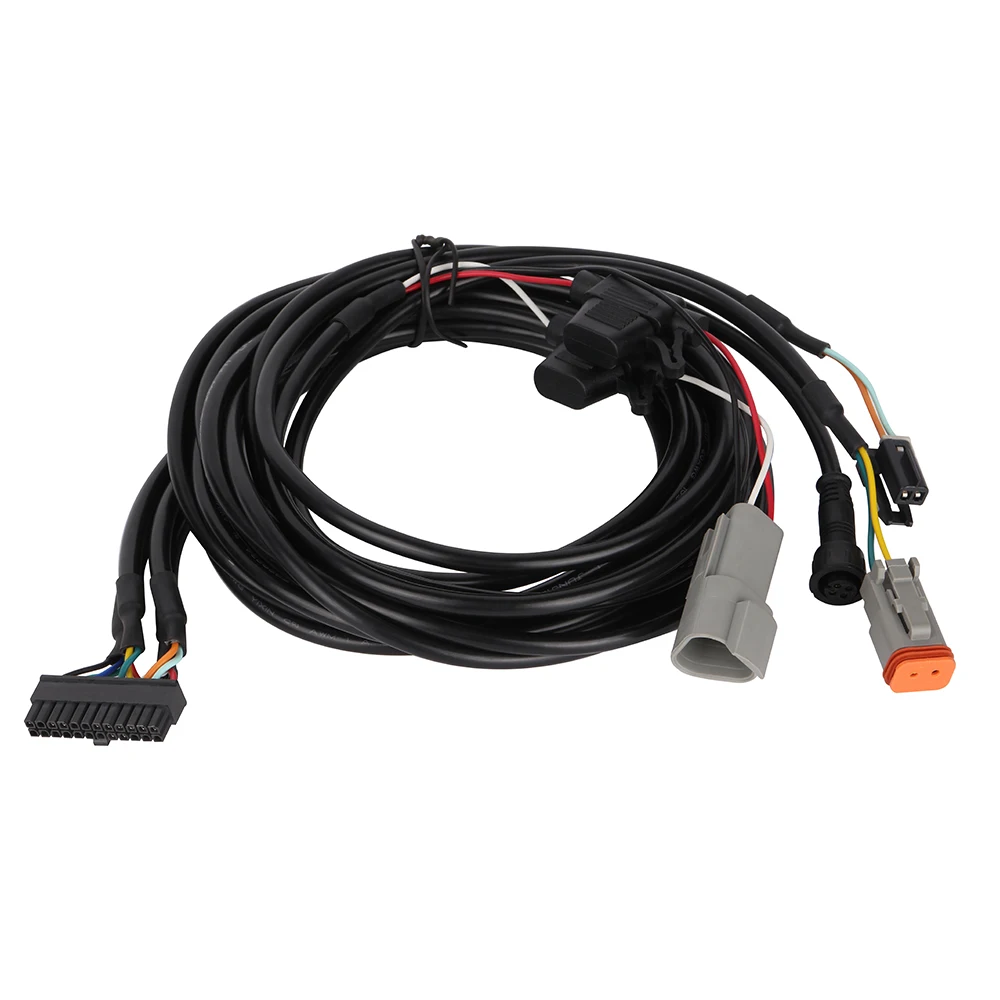
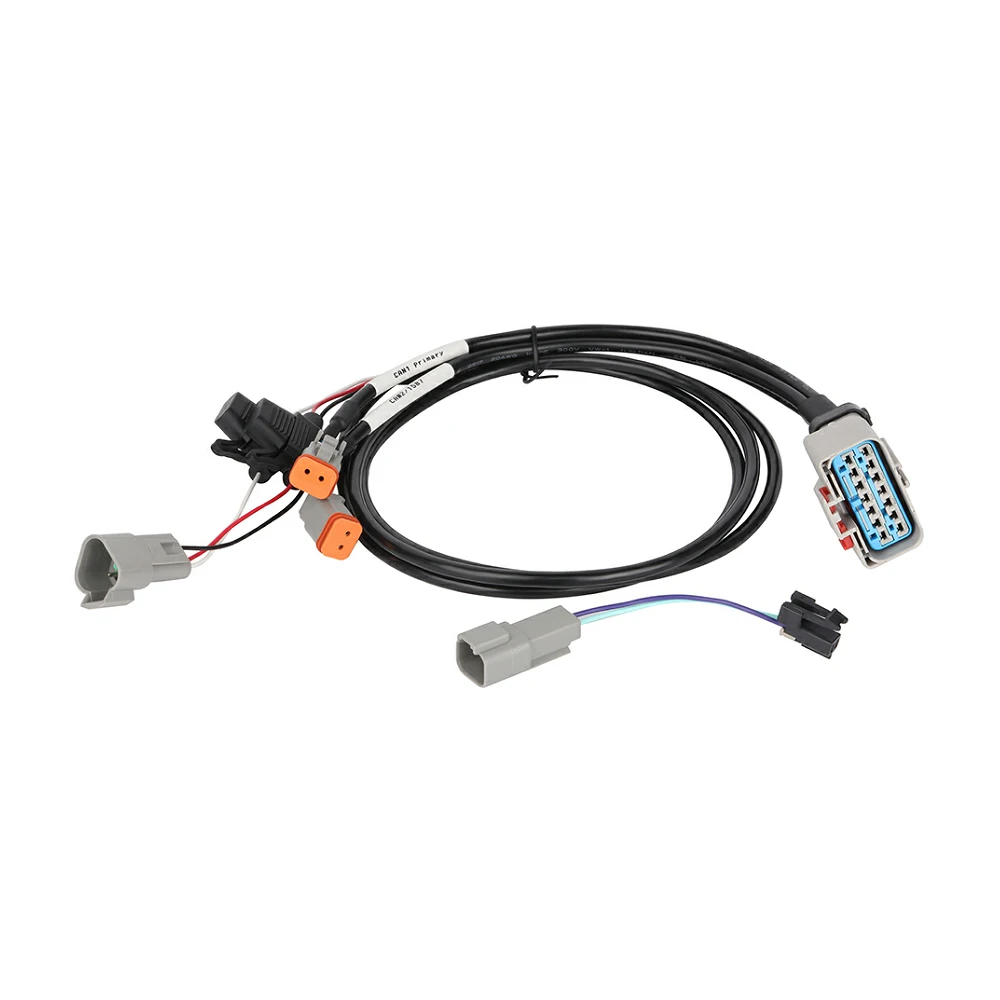
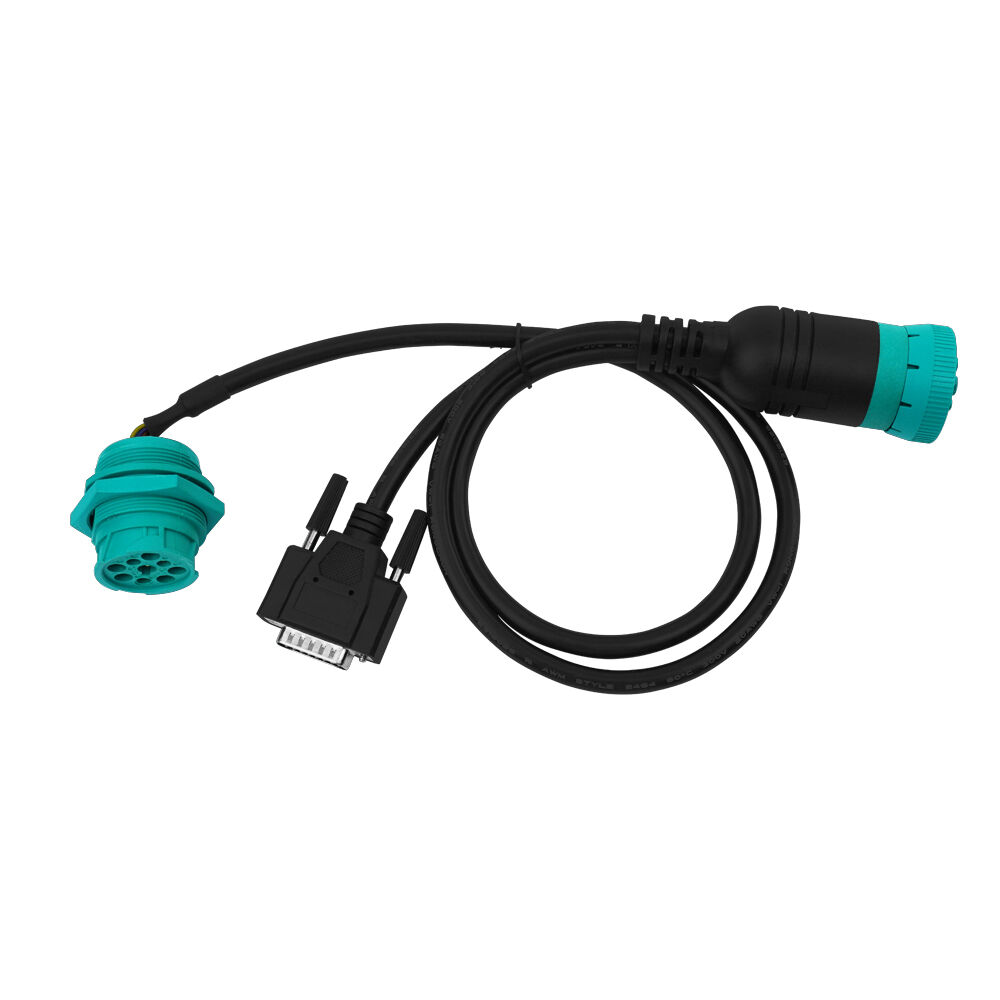
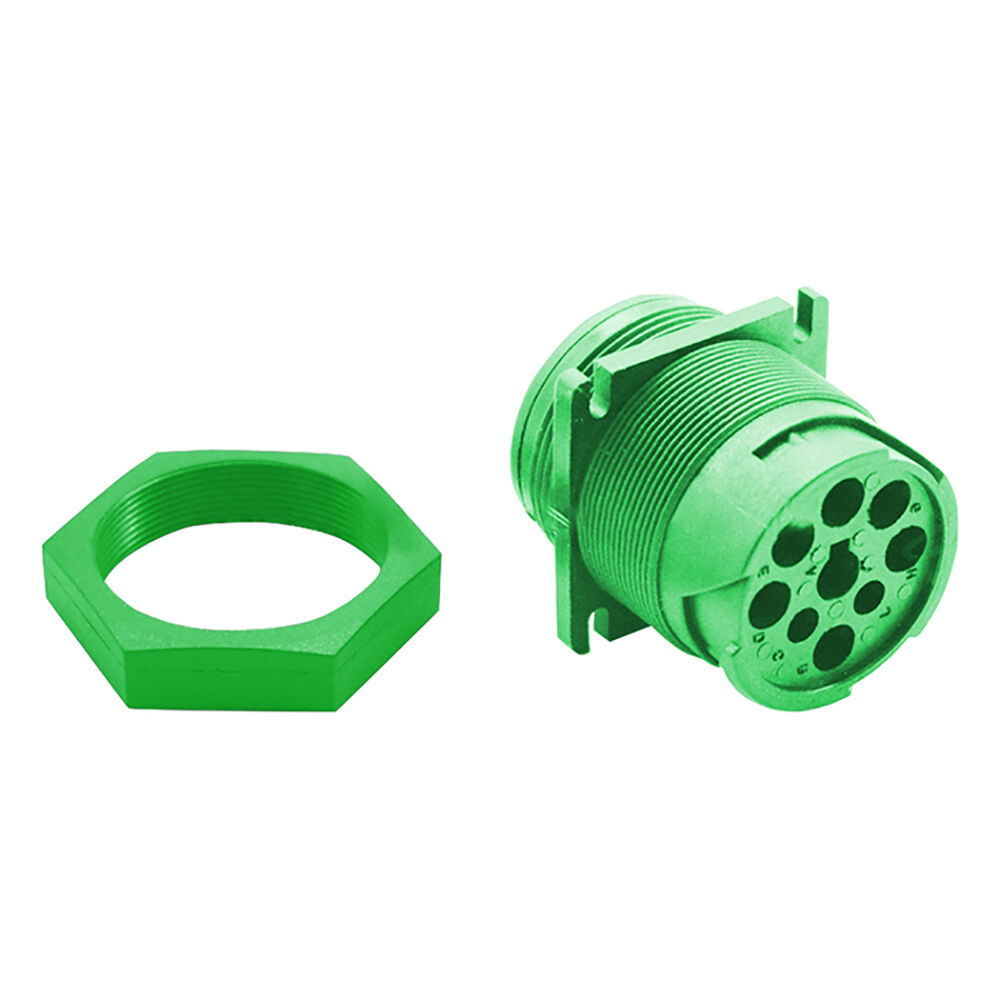
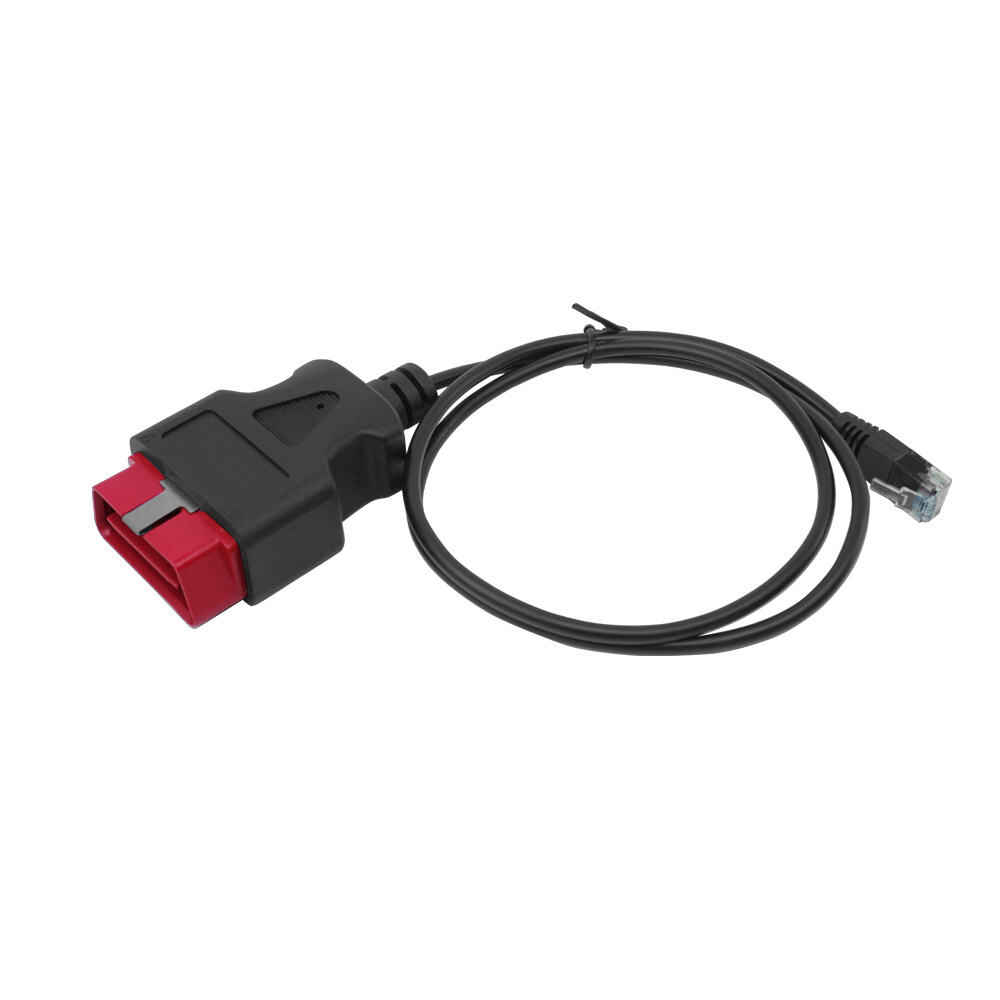
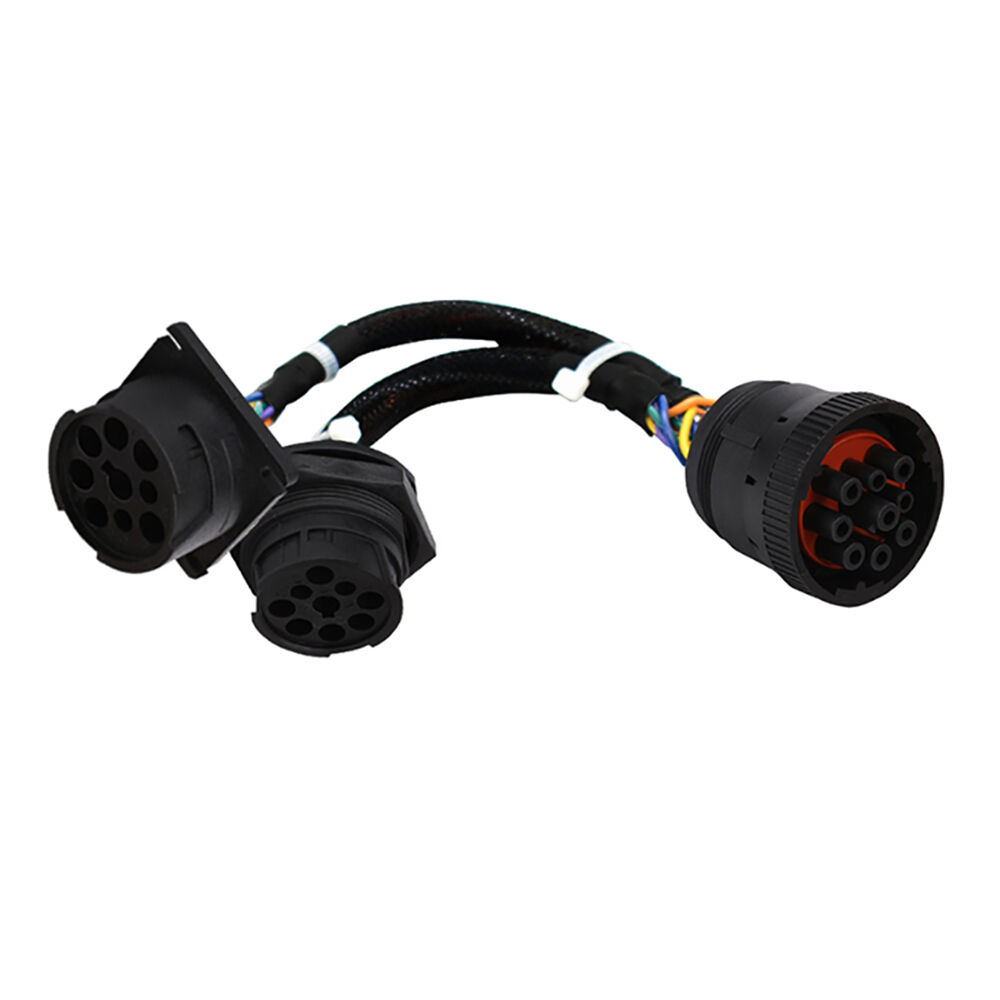
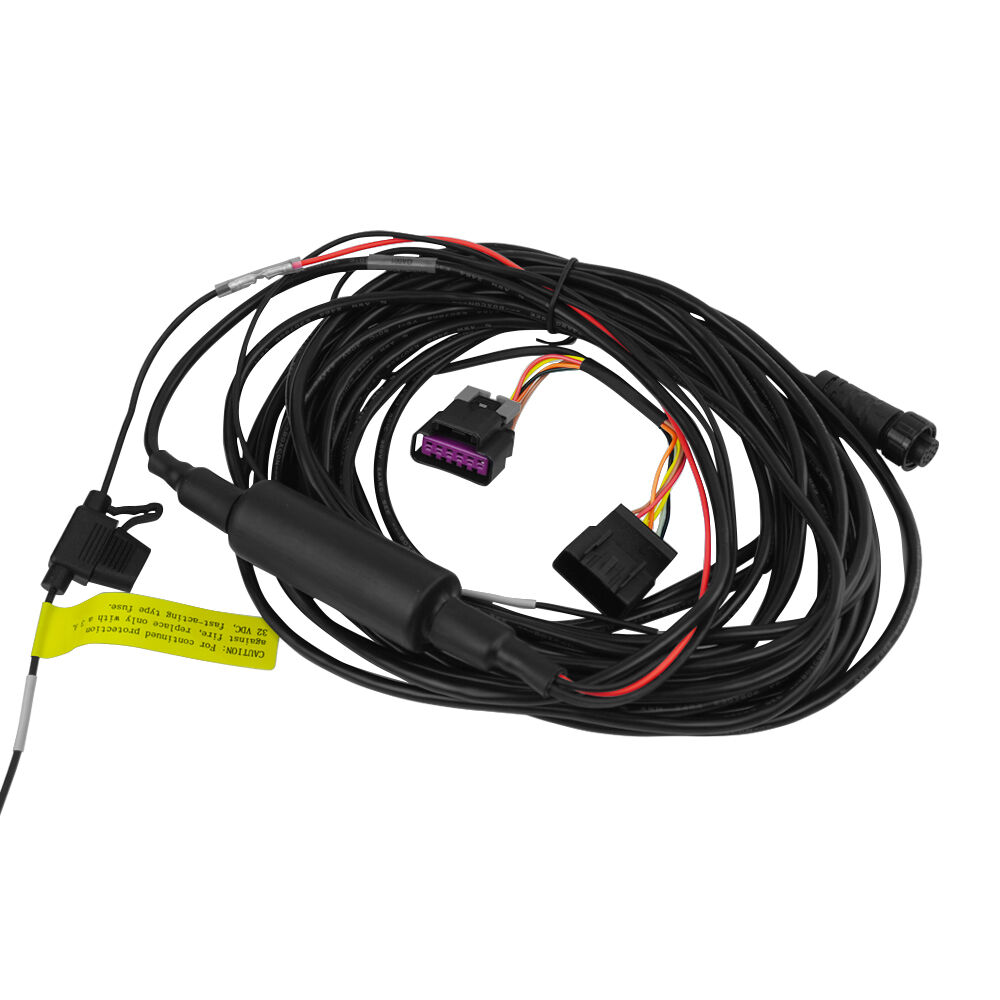
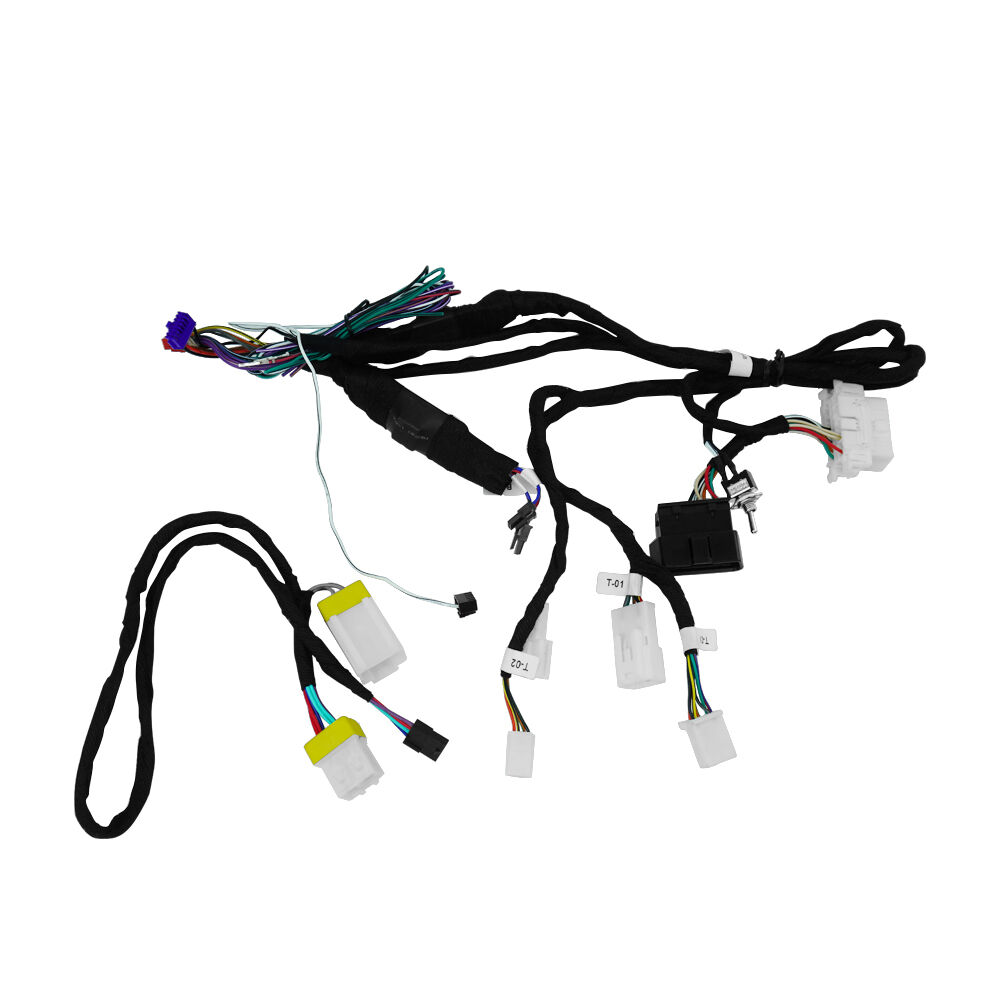
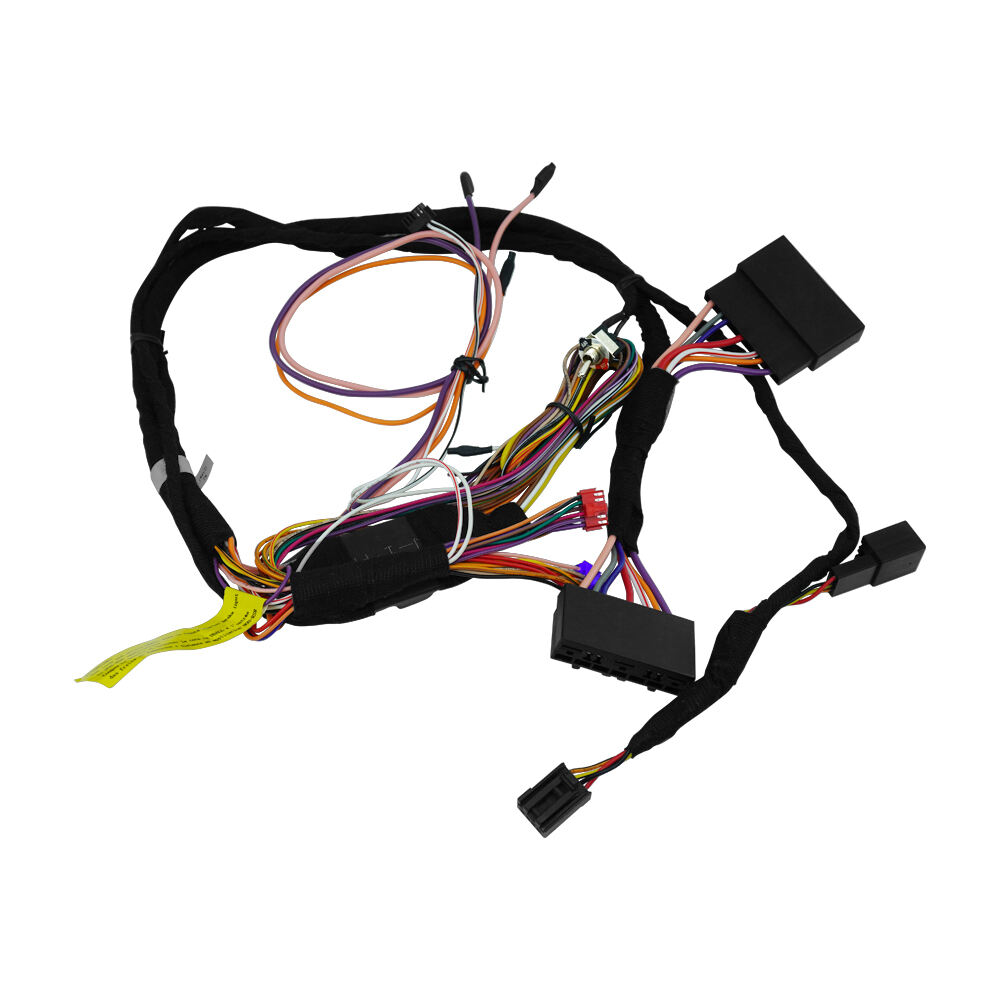
An automotive harness represents a sophisticated network of wires, connectors, and terminals that serves as the central nervous system of modern vehicles. This intricate assembly efficiently distributes electrical power and transmits critical data signals throughout the entire automobile, connecting various electronic components, sensors, control modules, and electrical devices. The automotive harness plays an indispensable role in ensuring seamless communication between different vehicle systems, from engine management and transmission control to safety features, infotainment systems, and advanced driver assistance technologies. Manufactured using high-quality copper conductors with protective insulation layers, these harnesses are meticulously designed to withstand harsh environmental conditions including extreme temperatures, vibrations, moisture, chemical exposure, and electromagnetic interference. The technological features of automotive harnesses include flame-retardant materials, color-coded wiring for easy identification during installation and maintenance, multiple circuit protection mechanisms, and standardized connectors that ensure reliable connections. Modern automotive harnesses incorporate lightweight materials to reduce overall vehicle weight, contributing to improved fuel efficiency and lower emissions. The complexity of these systems has evolved significantly with the advancement of vehicle electrification and autonomous driving technologies, requiring harnesses to support higher voltage levels, increased data transmission speeds, and greater circuit density. Applications span across all vehicle types, including passenger cars, commercial trucks, buses, motorcycles, electric vehicles, and hybrid automobiles. The automotive harness facilitates essential functions such as starting the engine, operating lights and indicators, powering entertainment systems, enabling climate control, supporting navigation equipment, and activating safety mechanisms like airbags and anti-lock braking systems. As vehicles become increasingly connected and intelligent, the automotive harness continues to evolve, integrating advanced materials, modular designs, and enhanced diagnostic capabilities to meet the demanding requirements of contemporary automotive engineering standards and consumer expectations for reliability, performance, and safety.


 EN
EN