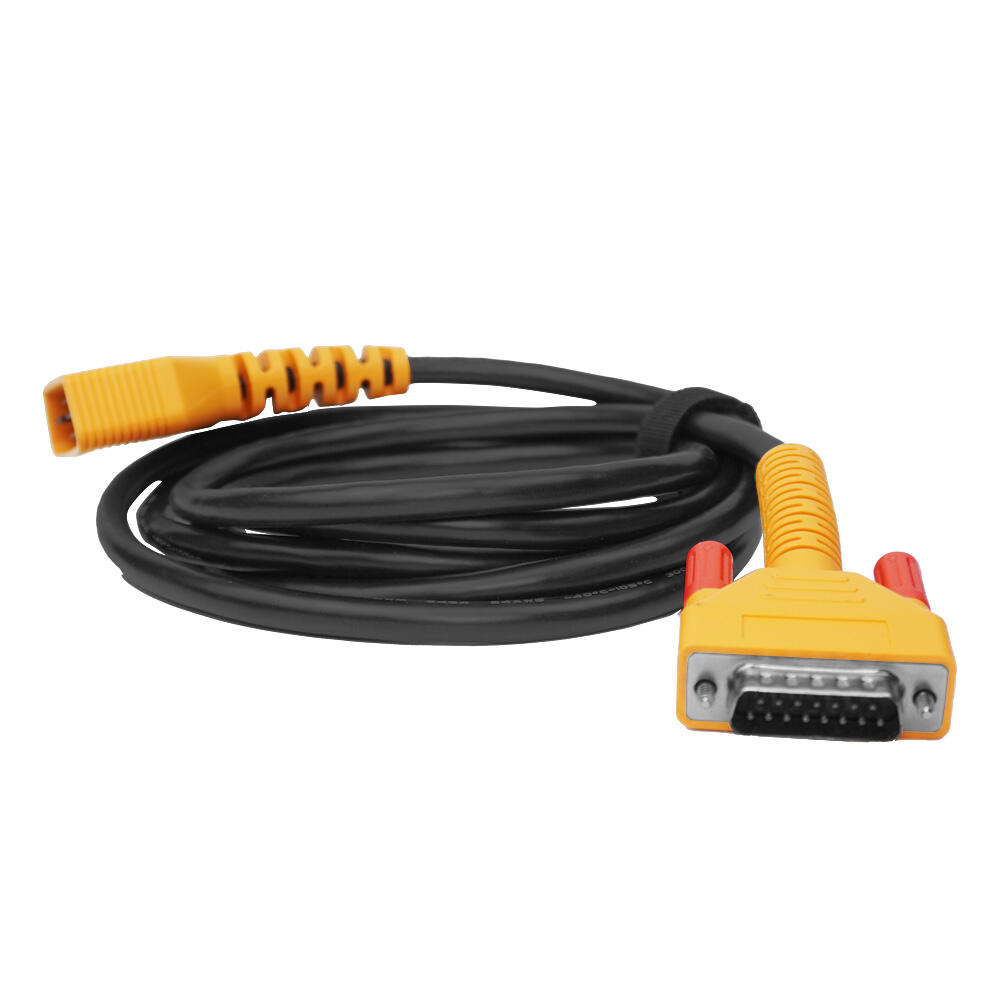
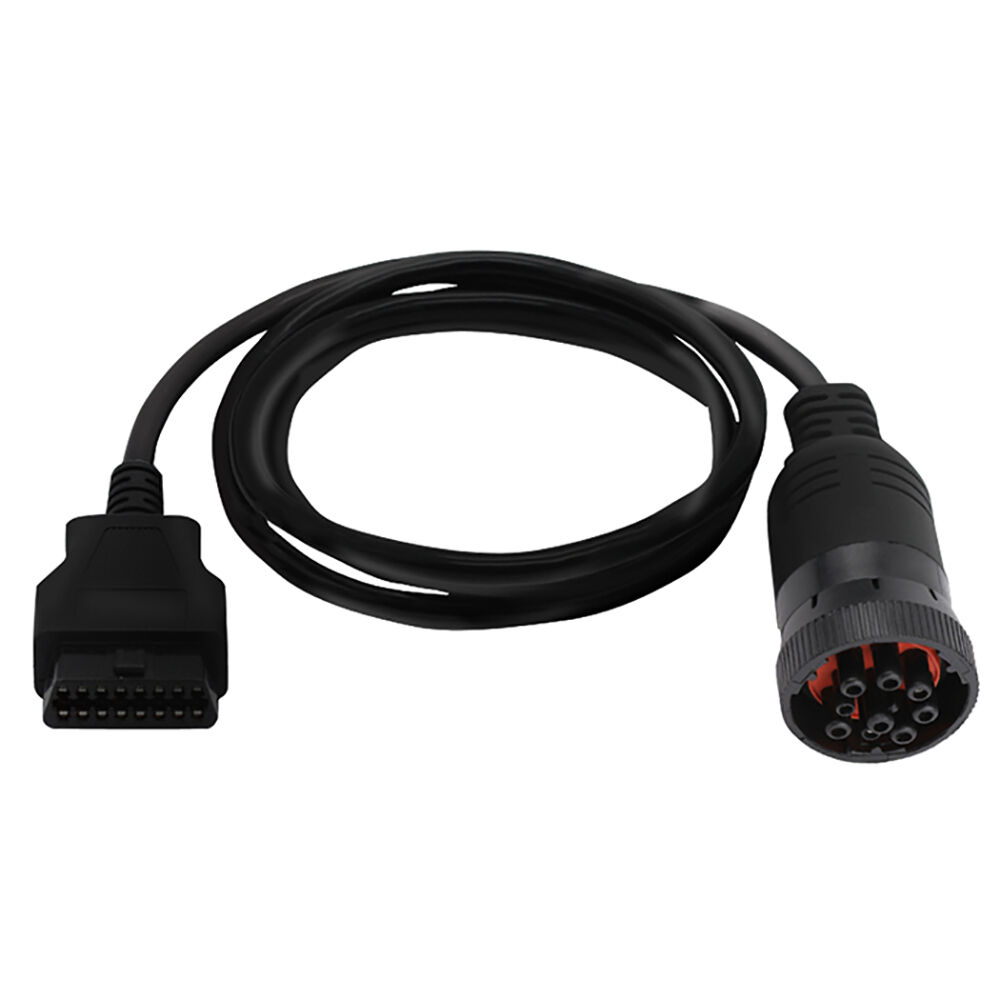
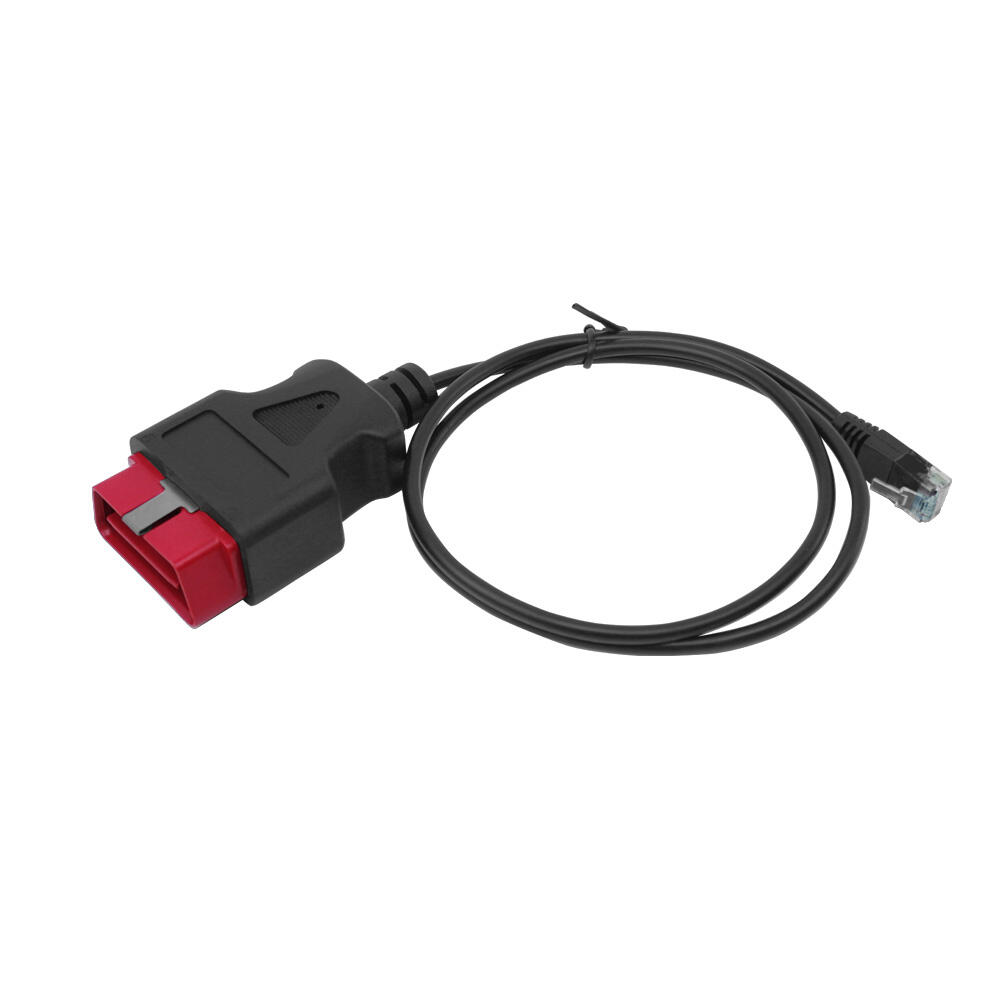
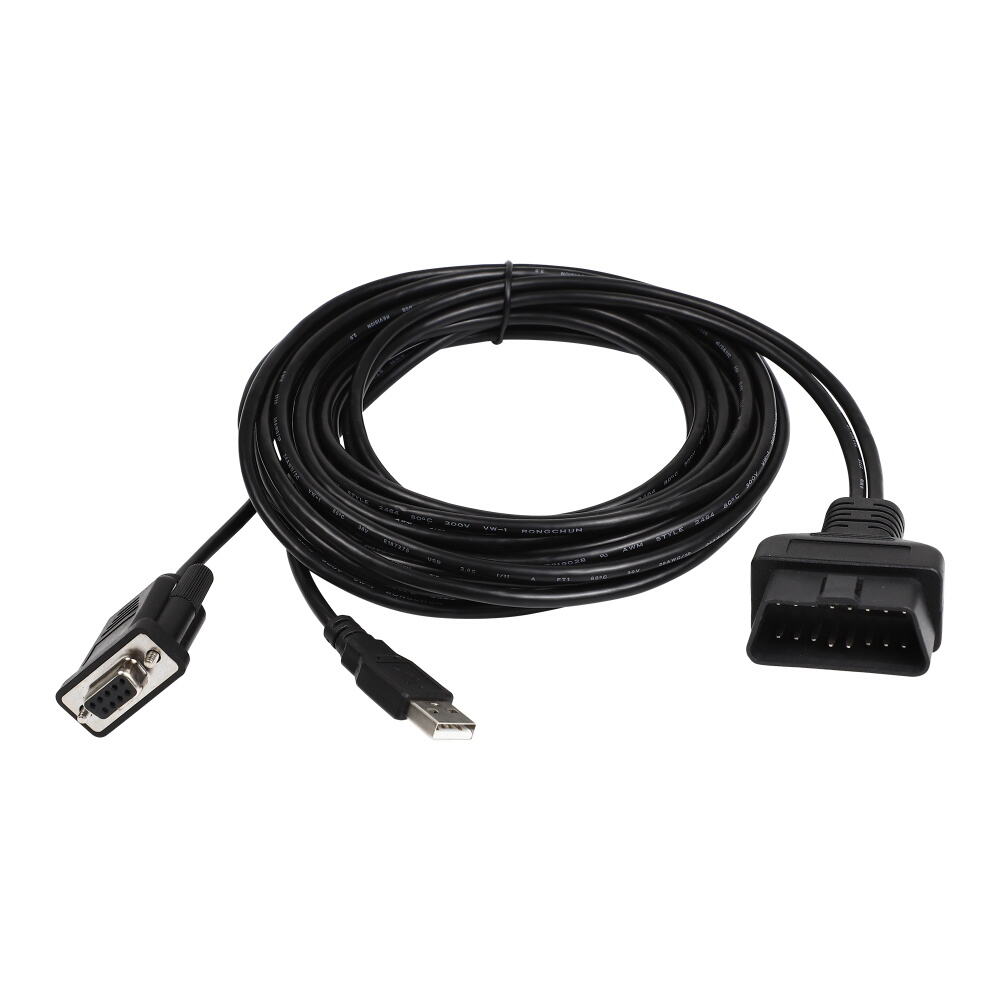
Automotive Harness Connector Solutions - Reliable Electrical Connections for Modern Vehicles

All Categories

Get a Free Quote

Our representative will contact you soon.
Email
Name
Company Name
Message
0/1000

automotive harness connector

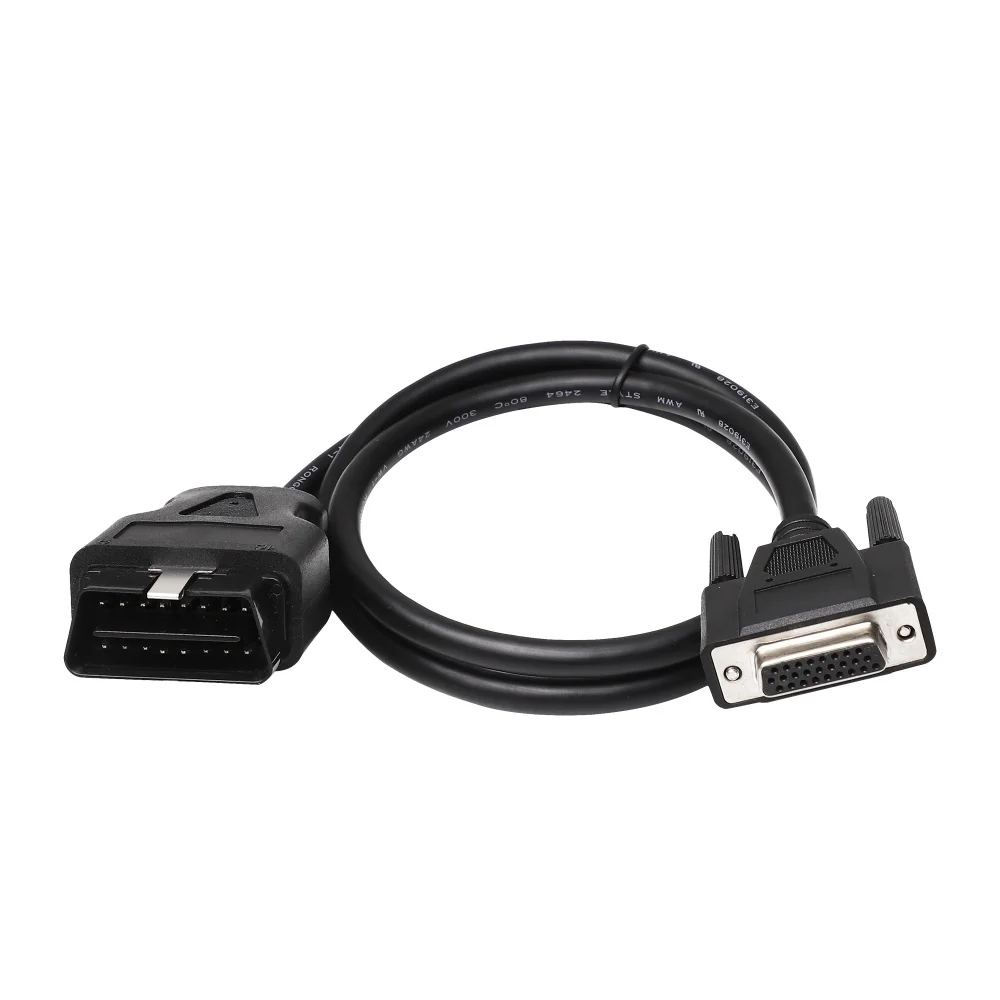
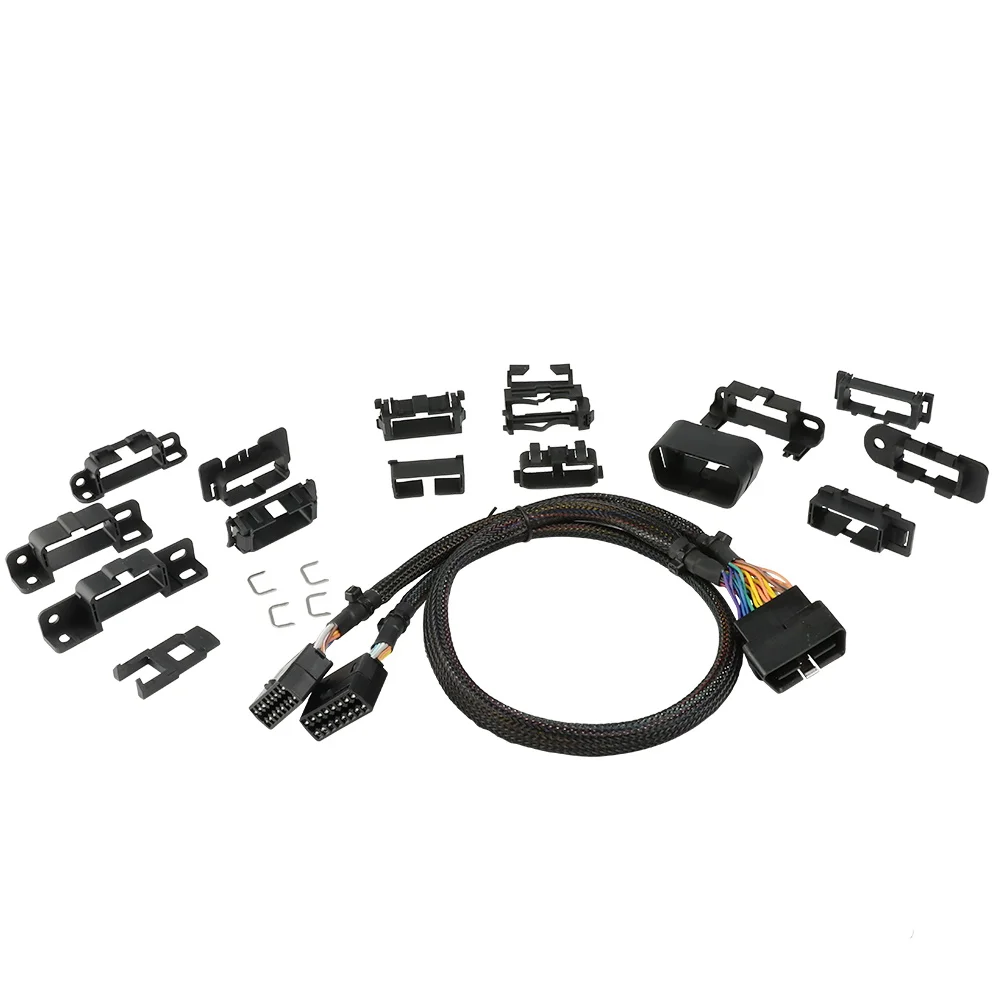
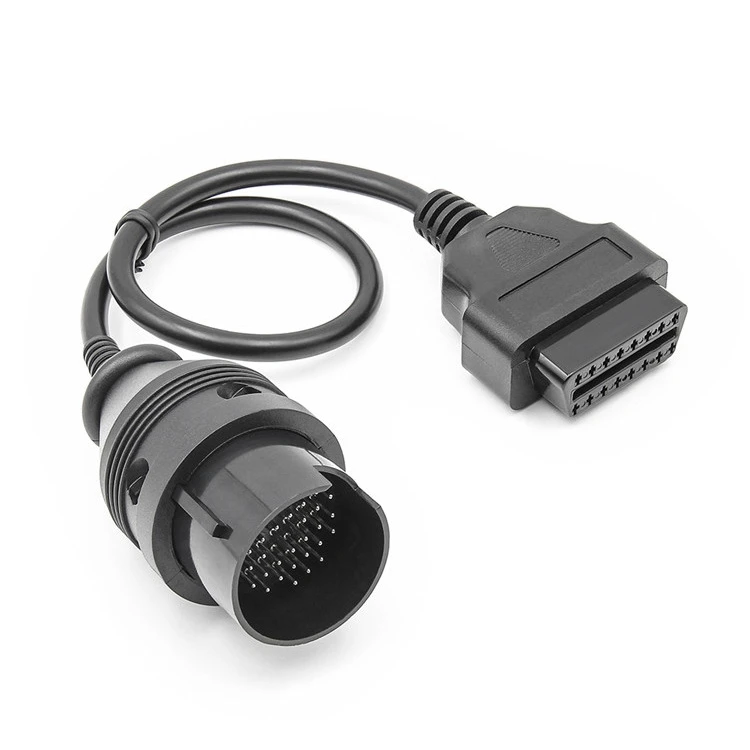
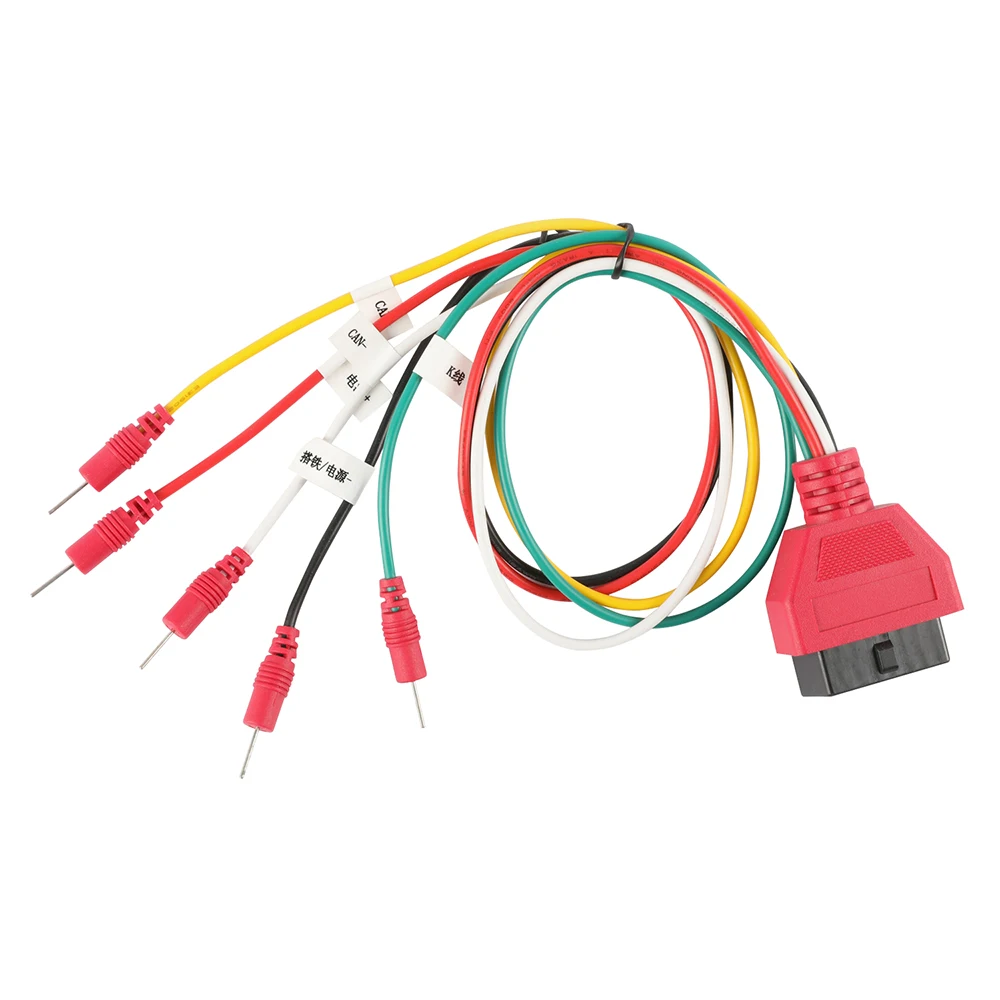
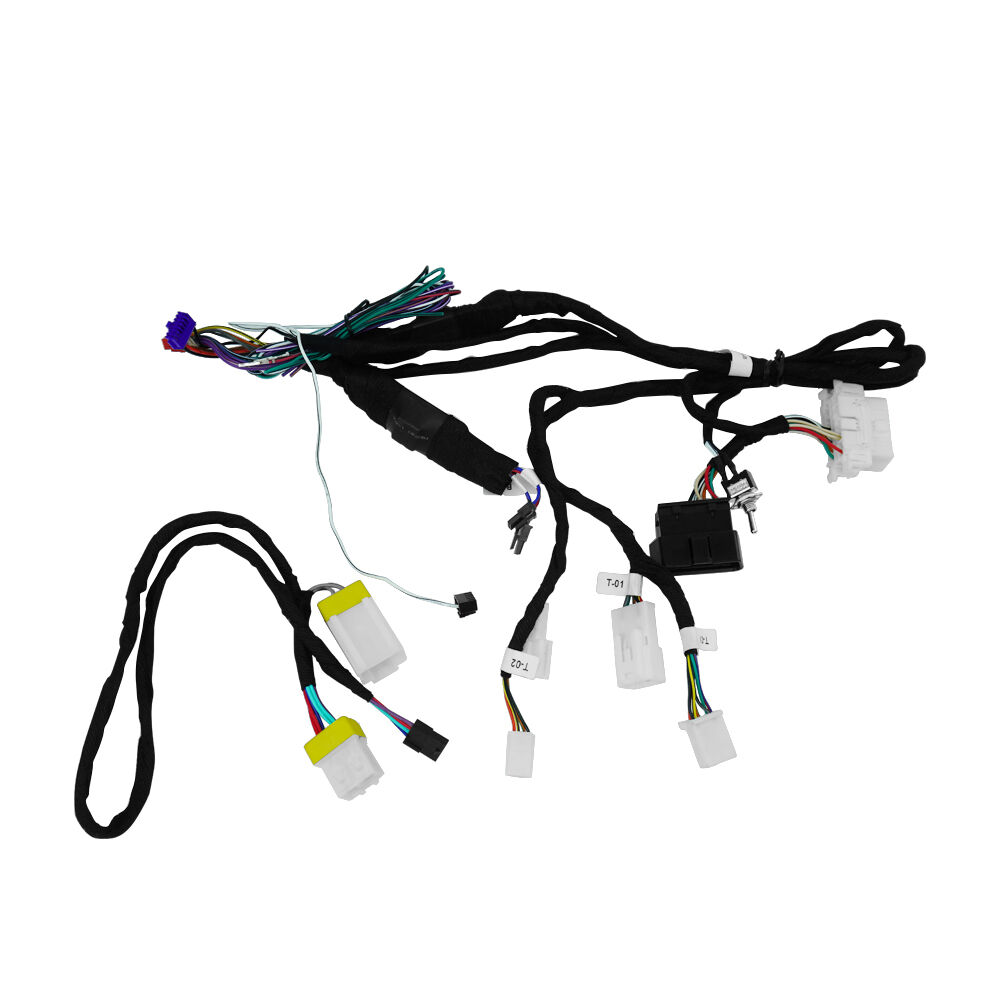
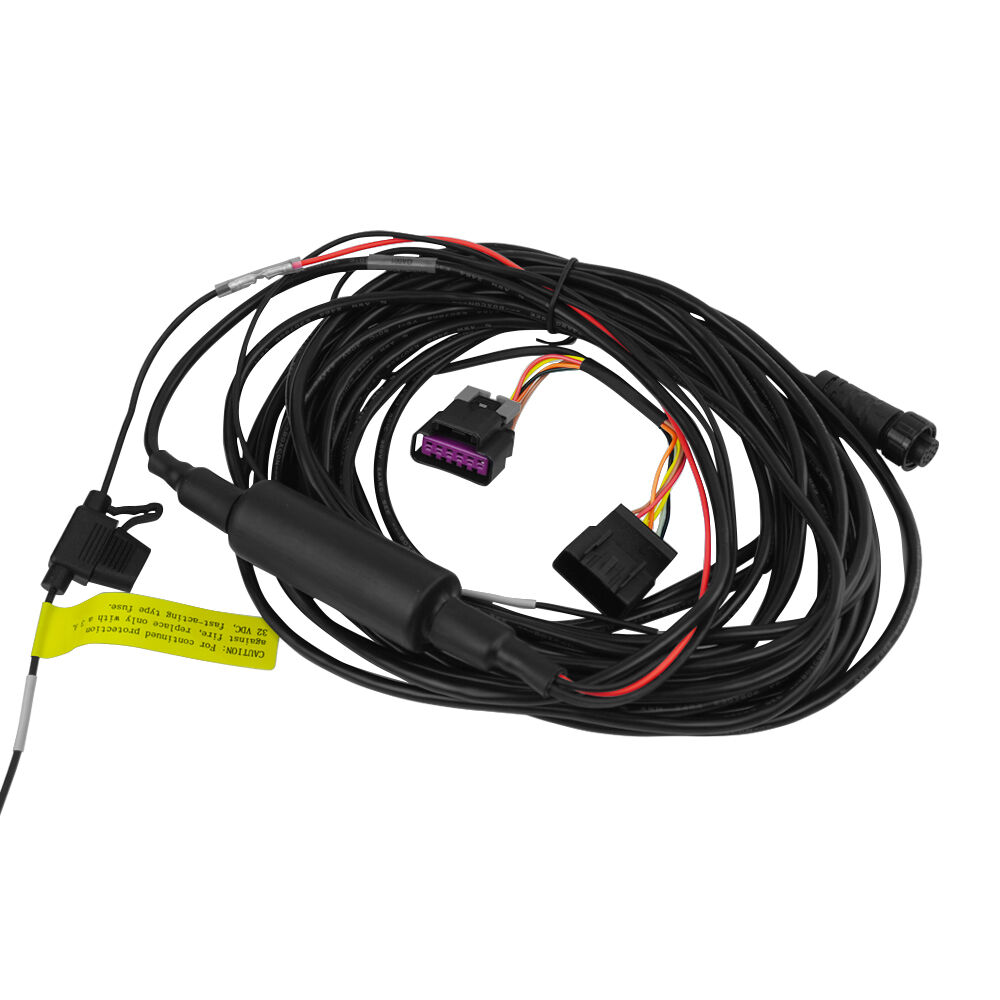
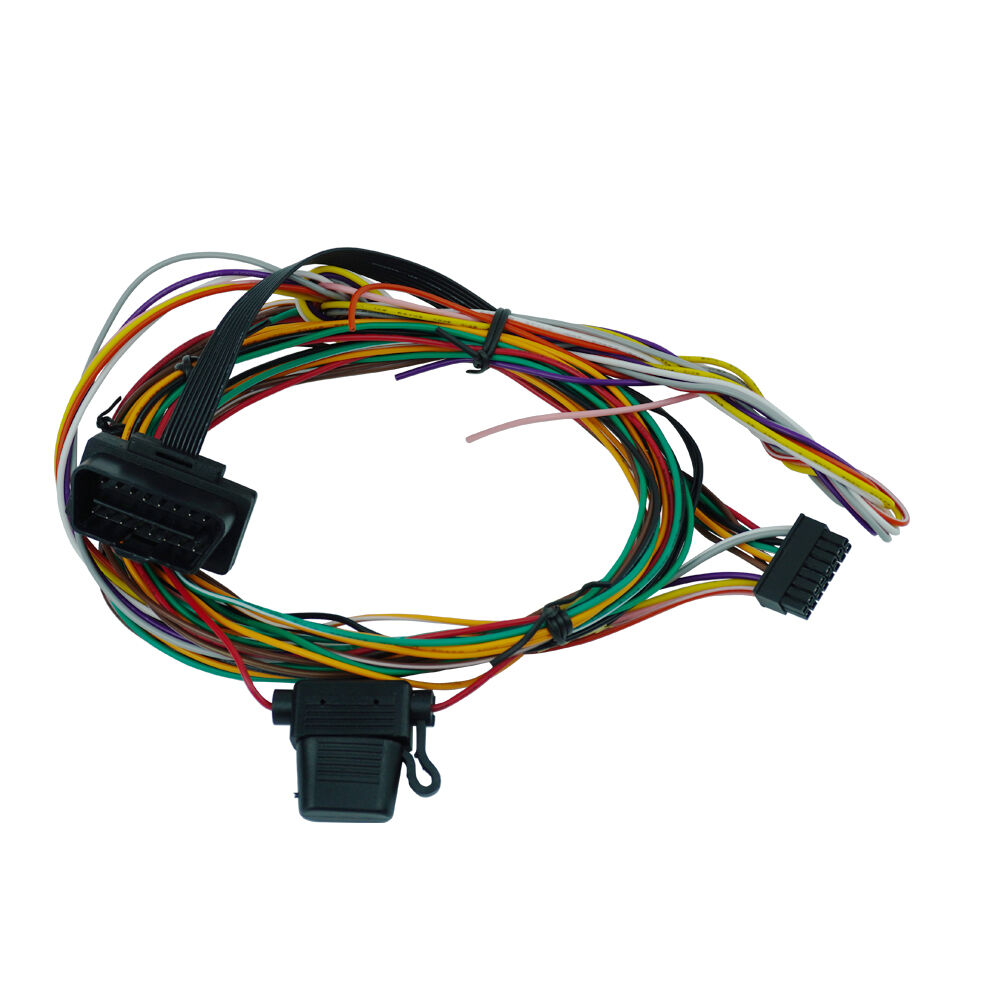
An automotive harness connector serves as a critical electrical component that enables secure and reliable connections between various wiring assemblies throughout a vehicle. This sophisticated device acts as the bridge that joins multiple wire bundles together, ensuring seamless electrical communication between different automotive systems. The automotive harness connector plays an indispensable role in modern vehicles by facilitating power distribution and signal transmission across numerous electronic control units, sensors, actuators, and other vital components. These connectors are engineered to withstand the harsh operating conditions typical in automotive environments, including extreme temperatures ranging from minus forty to over one hundred fifty degrees Celsius, constant vibration, moisture exposure, chemical contact, and mechanical stress. The main functions of an automotive harness connector include establishing stable electrical pathways, maintaining consistent signal integrity, preventing electromagnetic interference, and ensuring proper circuit isolation. Technological features incorporated into these connectors encompass precision terminal design for optimal contact pressure, robust housing materials such as high-grade thermoplastics, integrated sealing systems using silicone or rubber gaskets, and advanced locking mechanisms that prevent accidental disconnection. Many automotive harness connectors incorporate color-coding systems and unique keying profiles to prevent incorrect installation and ensure proper mating between corresponding connector halves. Applications span across every vehicle system imaginable, from engine management and transmission control to infotainment systems, lighting circuits, safety mechanisms like airbags and anti-lock braking systems, climate control, power windows, and advanced driver assistance systems. The automotive harness connector has evolved significantly with the advent of electric and hybrid vehicles, where they manage high-voltage battery connections and charging interfaces. These connectors must meet stringent international standards and undergo rigorous testing protocols to guarantee performance reliability throughout the vehicle's operational lifespan, typically exceeding ten years or hundreds of thousands of miles.


Popular Products

The automotive harness connector delivers numerous practical benefits that directly impact vehicle performance, maintenance efficiency, and overall reliability. First and foremost, these connectors dramatically simplify the assembly process during vehicle manufacturing. Workers can quickly connect multiple circuits simultaneously rather than joining individual wires, which reduces production time and labor costs while minimizing the potential for installation errors. This streamlined approach translates to more affordable vehicles for end customers without compromising quality. For vehicle owners, the automotive harness connector makes troubleshooting and repairs significantly more straightforward. When an electrical issue arises, technicians can easily disconnect and test individual harness sections without cutting wires or disrupting other circuits. This modularity means faster diagnosis, reduced repair time, and lower service costs. If a component fails, mechanics can simply unplug the faulty section and replace it with a new unit, eliminating the need for extensive rewiring that would otherwise require hours of skilled labor. The robust construction of the automotive harness connector provides exceptional protection against environmental hazards that commonly cause electrical failures. The sealed design prevents moisture intrusion that could lead to corrosion, short circuits, or intermittent connections. This weatherproofing capability ensures consistent performance regardless of whether the vehicle operates in humid coastal regions, arid desert climates, or freezing northern territories. Vehicle owners benefit from fewer electrical problems and reduced maintenance expenses over the vehicle's lifetime. Safety represents another crucial advantage of the automotive harness connector. These components undergo extensive testing to ensure they maintain secure connections even during collisions or extreme driving conditions. The locking mechanisms prevent vibration-induced disconnections that could disable critical safety systems at dangerous moments. Properly designed connectors also incorporate features that prevent short circuits and electrical fires, protecting both vehicle occupants and the vehicle itself from harm. The standardization enabled by automotive harness connectors benefits the entire automotive industry. Manufacturers can source compatible components from multiple suppliers, promoting competition that drives innovation and cost reduction. This standardization also facilitates the aftermarket parts industry, giving vehicle owners more options for replacement components at competitive prices. Additionally, the automotive harness connector supports the growing complexity of modern vehicles packed with electronic features. As vehicles incorporate more sensors, cameras, displays, and computing power, these connectors efficiently manage the increased wiring demands without creating impossibly complex wire bundles. This scalability ensures vehicles can continue evolving with new technologies while maintaining reliable electrical infrastructures.

Practical Tips

Why Is a High-Quality Wiring Harness Essential for Ensuring Consistent Signal and Power Transmission?

20

Jan

Why Is a High-Quality Wiring Harness Essential for Ensuring Consistent Signal and Power Transmission?

In today's complex automotive and industrial applications, the reliability of electrical systems depends heavily on the quality of components that facilitate signal and power transmission. A high-quality wiring harness serves as the backbone of elect...
View More
What Role Does a Wiring Harness Play in Reducing Assembly Time and Potential Human Error?

20

Jan

What Role Does a Wiring Harness Play in Reducing Assembly Time and Potential Human Error?

Modern manufacturing environments demand precision, efficiency, and reliability in every component and process. Among the most critical elements in electrical system assembly is the wiring harness, which serves as the nervous system of countless elec...
View More
Why Do Diagnostic Tools Require a Properly Terminated J1939 Connection Cable?

02

Apr

Why Do Diagnostic Tools Require a Properly Terminated J1939 Connection Cable?

Diagnostic tools in commercial vehicles, heavy-duty trucks, and industrial equipment face a critical challenge that often goes unnoticed until system failures occur. The reliability of electronic diagnostic communication depends entirely on the quali...
View More
How to choose the right Tesla wiring harness for aftermarket audio system upgrades?

02

Apr

How to choose the right Tesla wiring harness for aftermarket audio system upgrades?

Upgrading your Tesla's audio system requires careful consideration of the vehicle's unique electrical architecture, and selecting the appropriate Tesla wiring harness stands as the most critical decision in this process. Tesla vehicles employ sophist...
View More

Get a Free Quote

Our representative will contact you soon.
Email
Name
Company Name
Message
0/1000

automotive harness connector

Superior Durability and Environmental Resistance for Long-Term Reliability

Superior Durability and Environmental Resistance for Long-Term Reliability

The automotive harness connector stands out for its exceptional durability and resistance to harsh environmental conditions, making it an invaluable component for ensuring long-term vehicle reliability. Unlike ordinary electrical connectors, the automotive harness connector is specifically engineered to endure the punishing conditions found in vehicle applications. The housing materials consist of specialized engineering thermoplastics that maintain structural integrity across temperature extremes, from the intense heat of engine compartments exceeding one hundred thirty degrees Celsius to the bitter cold of winter conditions dropping below minus forty degrees. These materials resist degradation from constant exposure to automotive fluids including engine oil, transmission fluid, brake fluid, coolant, and gasoline, which would quickly deteriorate standard plastic components. The terminal contacts within the automotive harness connector utilize copper alloys with precious metal plating such as gold or tin to prevent oxidation and maintain low electrical resistance over many years of service. This attention to material selection ensures that electrical connections remain stable and efficient throughout the vehicle's operational life. The sealing systems integrated into the automotive harness connector provide comprehensive protection against moisture intrusion, which represents one of the primary causes of electrical system failures in vehicles. Multi-stage sealing approaches incorporate primary seals at the connector interface, secondary seals around individual wire entries, and sometimes tertiary seals at critical points. These sealing elements typically consist of silicone or EPDM rubber compounds selected for their flexibility across temperature ranges and resistance to compression set, ensuring they maintain effective sealing pressure even after years of thermal cycling. The automotive harness connector also features sophisticated strain relief designs that protect wire connections from mechanical stress caused by vehicle vibration, flexing during suspension movement, and thermal expansion. By distributing mechanical loads across larger areas and providing gradual transitions between rigid and flexible sections, these designs prevent the wire fatigue and terminal loosening that plague inferior connection systems. The locking mechanisms built into the automotive harness connector ensure that mated connectors remain firmly engaged despite constant vibration and occasional physical contact during maintenance activities. These locks often incorporate both primary and secondary retention features, where the primary lock secures the connector bodies together while secondary locks individually retain each terminal within its cavity, preventing terminal backout that could cause intermittent connections or complete circuit failure.
Efficient Installation and Maintenance Reducing Time and Costs

Efficient Installation and Maintenance Reducing Time and Costs

The automotive harness connector provides remarkable advantages in terms of installation efficiency and maintenance convenience, translating directly into cost savings for manufacturers, service providers, and vehicle owners. During vehicle assembly, the automotive harness connector enables production line workers to establish multiple electrical connections simultaneously with a single mating action, rather than connecting numerous individual wires separately. This capability dramatically accelerates the assembly process, reducing the time required to install complex wiring systems by as much as seventy percent compared to traditional point-to-point wiring methods. The time savings achieved through the automotive harness connector directly reduce manufacturing labor costs, allowing automakers to allocate resources more efficiently and ultimately produce more competitively priced vehicles. The connector design incorporates intuitive features that virtually eliminate installation errors, including color-coded housings that instantly identify corresponding connector pairs, unique keying profiles that physically prevent incorrect mating between incompatible connectors, and positive locking mechanisms that provide tactile and audible feedback when proper connection is achieved. These error-prevention features reduce quality control requirements and minimize the costly rework that results from incorrect installations. For maintenance and repair operations, the automotive harness connector offers exceptional convenience that benefits both professional technicians and vehicle owners who perform their own maintenance. When diagnosing electrical problems, technicians can quickly disconnect harness sections to isolate faulty circuits without disturbing other systems, streamlining the troubleshooting process. The ability to easily separate connectors allows for efficient testing of individual components and wire continuity using standard diagnostic equipment. If a component fails or sustains damage, the automotive harness connector enables straightforward replacement by simply unplugging the affected harness section and installing a new one, eliminating the labor-intensive wire splicing and soldering traditionally required for electrical repairs. This plug-and-play functionality reduces repair times from hours to minutes in many cases, lowering service costs and minimizing vehicle downtime. The modularity provided by the automotive harness connector also simplifies vehicle customization and upgrades. Owners who wish to add accessories such as trailer lighting, upgraded audio systems, or auxiliary power outlets can often connect these features using existing connector provisions rather than cutting into factory wiring, preserving the original electrical system integrity and maintaining warranty coverage. Fleet operators particularly benefit from the maintenance advantages of the automotive harness connector, as simplified repairs mean reduced vehicle downtime and improved fleet availability. The ability to quickly swap connectorized components minimizes the specialized electrical skills required for basic repairs, allowing more maintenance tasks to be performed by general technicians rather than requiring expensive electrical specialists.
Enhanced Safety and Reliability Through Advanced Engineering Design

Enhanced Safety and Reliability Through Advanced Engineering Design

The automotive harness connector incorporates sophisticated engineering principles that prioritize safety and reliability, providing critical protection for vehicle occupants and ensuring consistent performance of vital vehicle systems. Safety considerations permeate every aspect of the automotive harness connector design, beginning with current-carrying capacity calculations that ensure terminals can handle maximum expected electrical loads with substantial safety margins, preventing overheating that could damage insulation or create fire hazards. The contact design within the automotive harness connector utilizes precisely engineered geometries that maintain optimal contact force between mating terminals, ensuring low electrical resistance that minimizes voltage drop and heat generation while maximizing signal integrity for sensitive electronic circuits. These contacts typically feature multiple contact points per connection, providing redundancy that maintains circuit continuity even if one contact surface becomes contaminated or slightly degraded. The materials and plating specifications for the automotive harness connector contacts are carefully selected to resist corrosion in automotive environments while maintaining stable contact resistance over hundreds or thousands of mating cycles, ensuring reliable connections throughout the vehicle's service life. Circuit protection represents another critical safety aspect where the automotive harness connector contributes significantly. Many connector designs incorporate features that prevent short circuits between adjacent terminals, including increased spacing, insulating barriers, and shrouded terminal designs that eliminate exposed conductive surfaces. These protection measures are particularly important in high-density connectors where multiple circuits exist in close proximity, as they prevent cascading failures where one circuit fault could damage multiple systems. The automotive harness connector also plays a vital role in preventing electromagnetic interference that could disrupt sensitive electronic systems or allow emissions that violate regulatory requirements. Shielded connector designs incorporate conductive shells and proper grounding provisions that contain electromagnetic radiation from high-speed digital signals or switching power circuits, while filtered connector variants include integrated capacitors that suppress conducted emissions on power and signal lines. Mechanical safety features within the automotive harness connector include positive locking mechanisms that require deliberate action to disconnect, preventing accidental separation due to vibration, thermal cycling, or incidental contact during maintenance activities. Secondary locking devices provide additional security for critical circuits such as airbag systems, where inadvertent disconnection could disable life-saving safety equipment. The terminal retention systems ensure individual contacts remain firmly seated within connector housings, preventing terminal backout that could create intermittent connections or allow terminals to contact adjacent circuits. Many automotive harness connectors designed for safety-critical applications incorporate connector position assurance devices that provide visual confirmation of proper mating, allowing both assembly workers and service technicians to verify correct installation at a glance. The automotive harness connector supports vehicle safety through reliable operation of systems including anti-lock brakes, electronic stability control, airbag deployment circuits, and advanced driver assistance features that depend on consistent electrical connections to function properly when needed most.

Get a Free Quote

Our representative will contact you soon.
Email
Name
Company Name
Message
0/1000

Get a Free Quote

Our representative will contact you soon.
Email
Name
Company Name
Message
0/1000

Get a Free Quote

Our representative will contact you soon.
Email
Name
Company Name
Message
0/1000

Get a Free Quote

Our representative will contact you soon.
Email
Name
Company Name
Message
0/1000