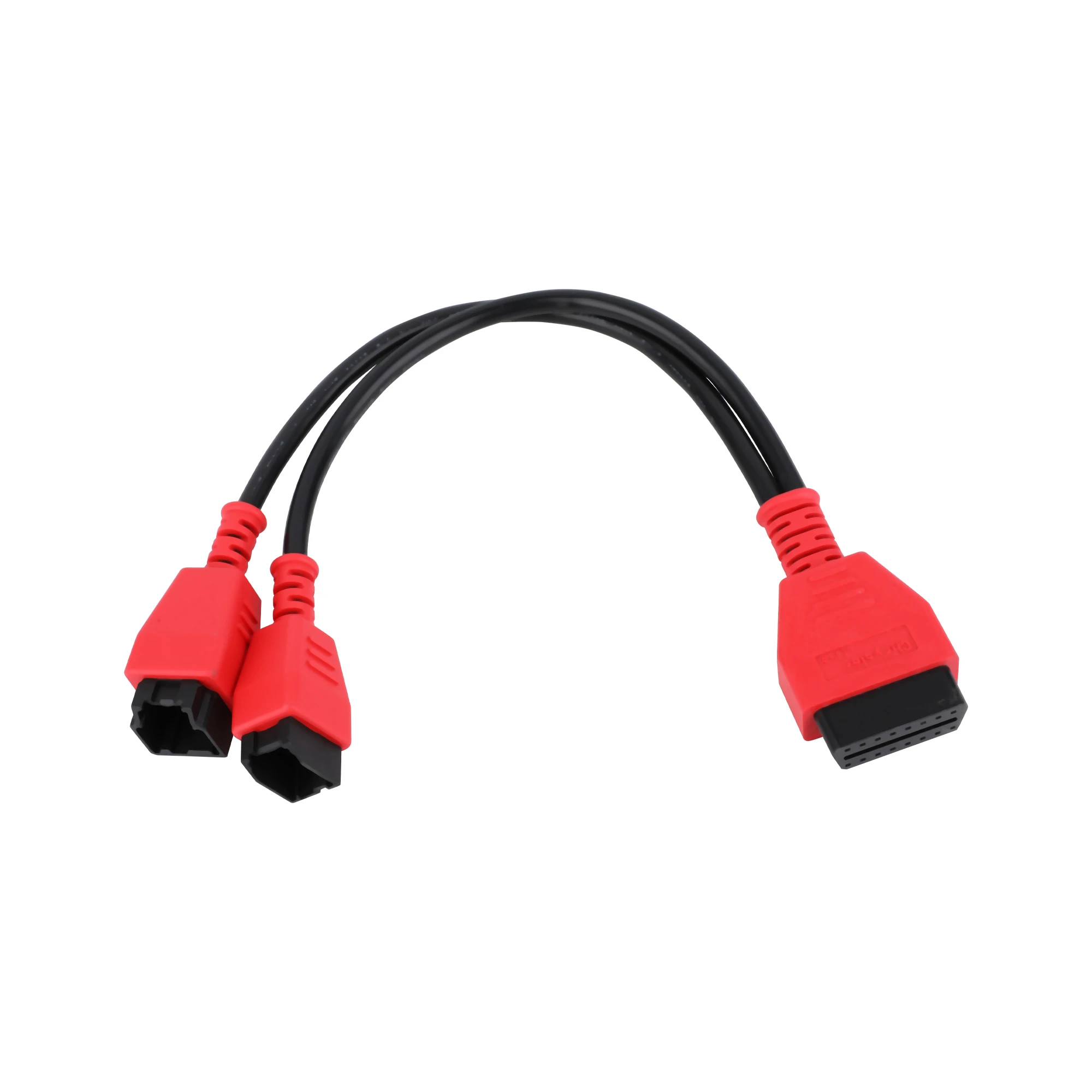
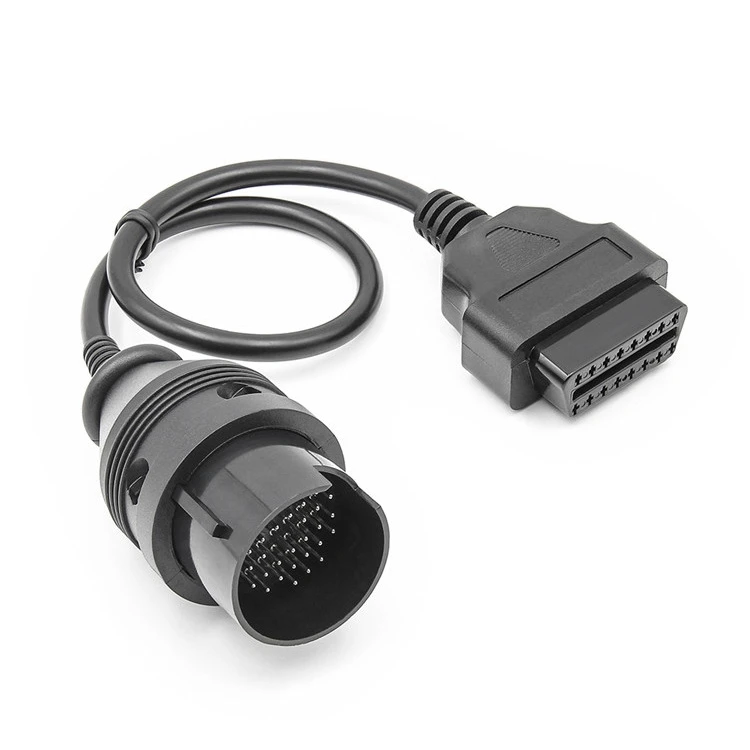
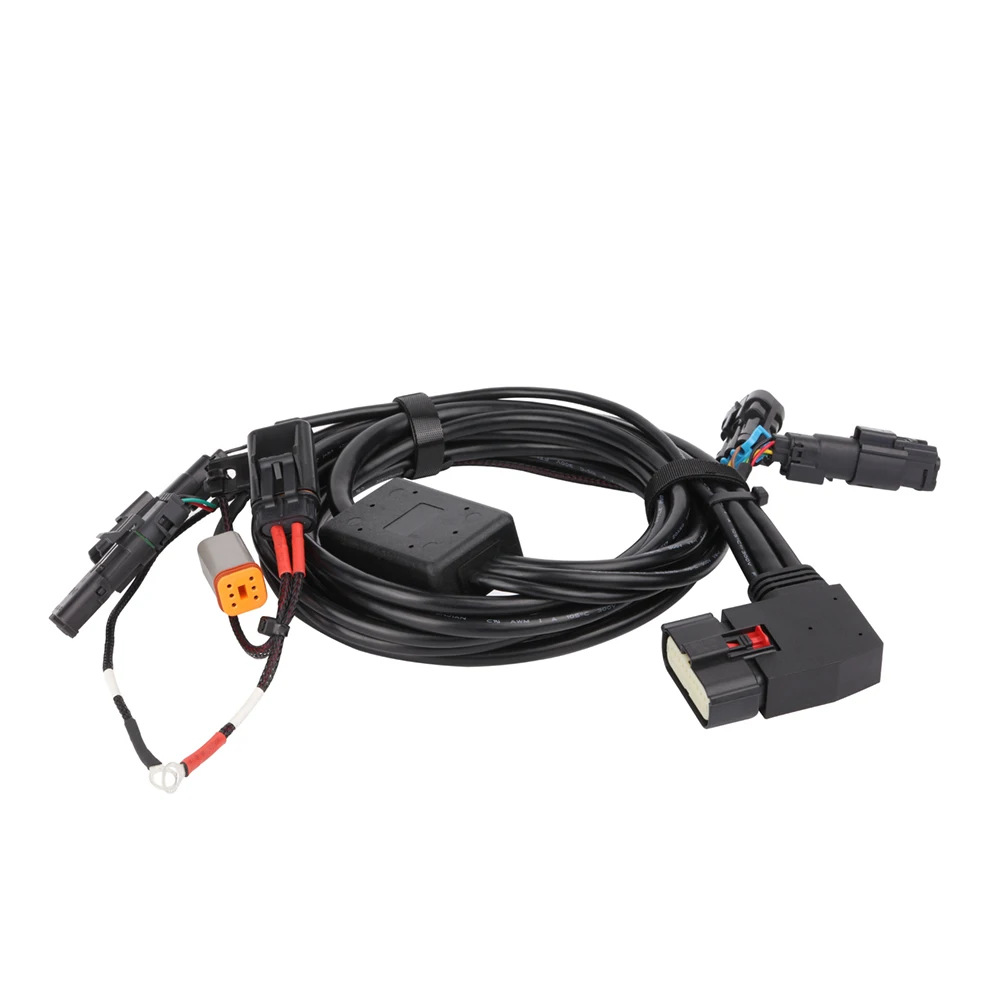
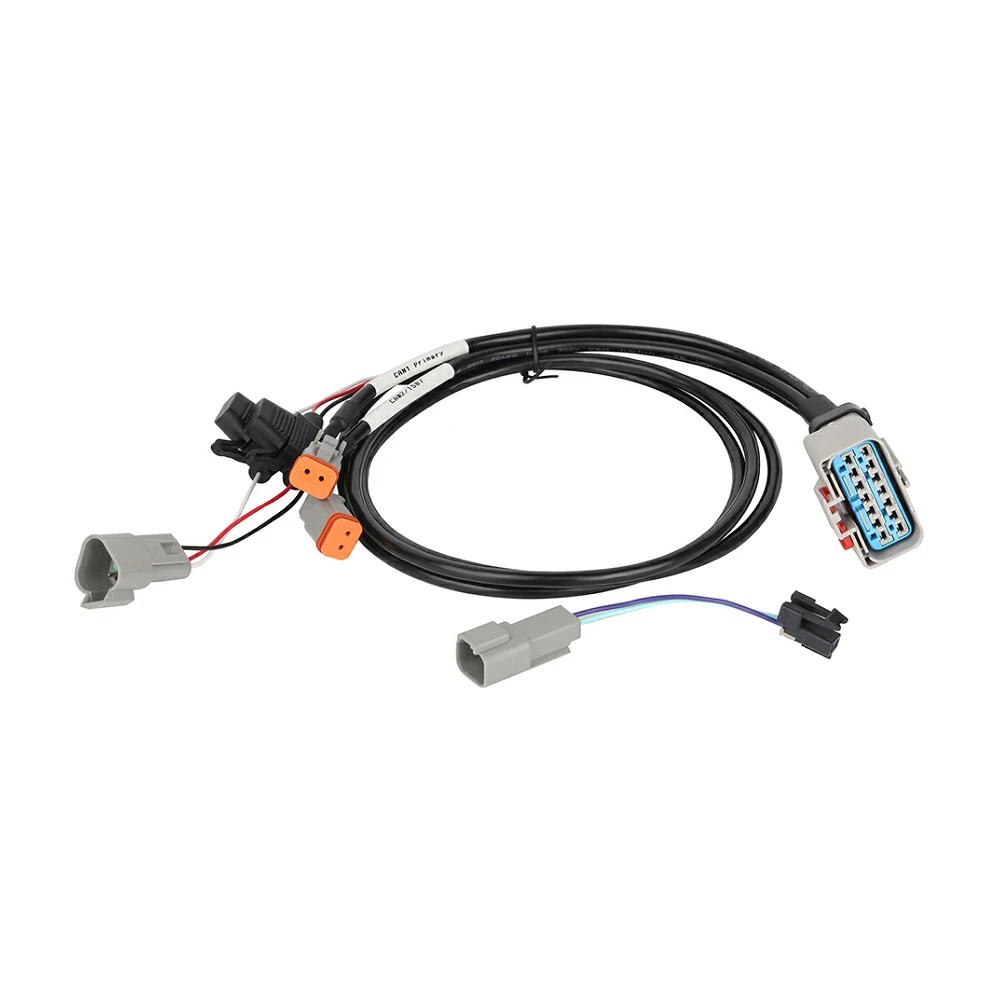
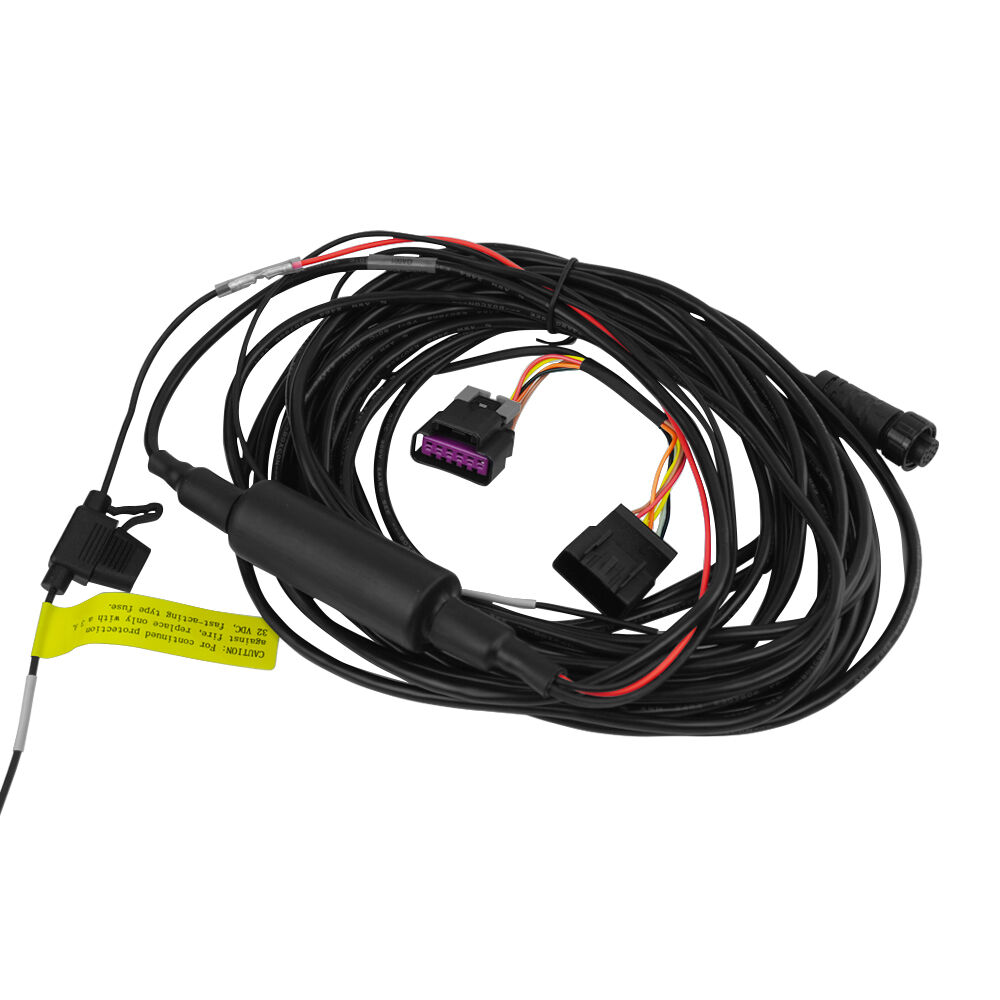
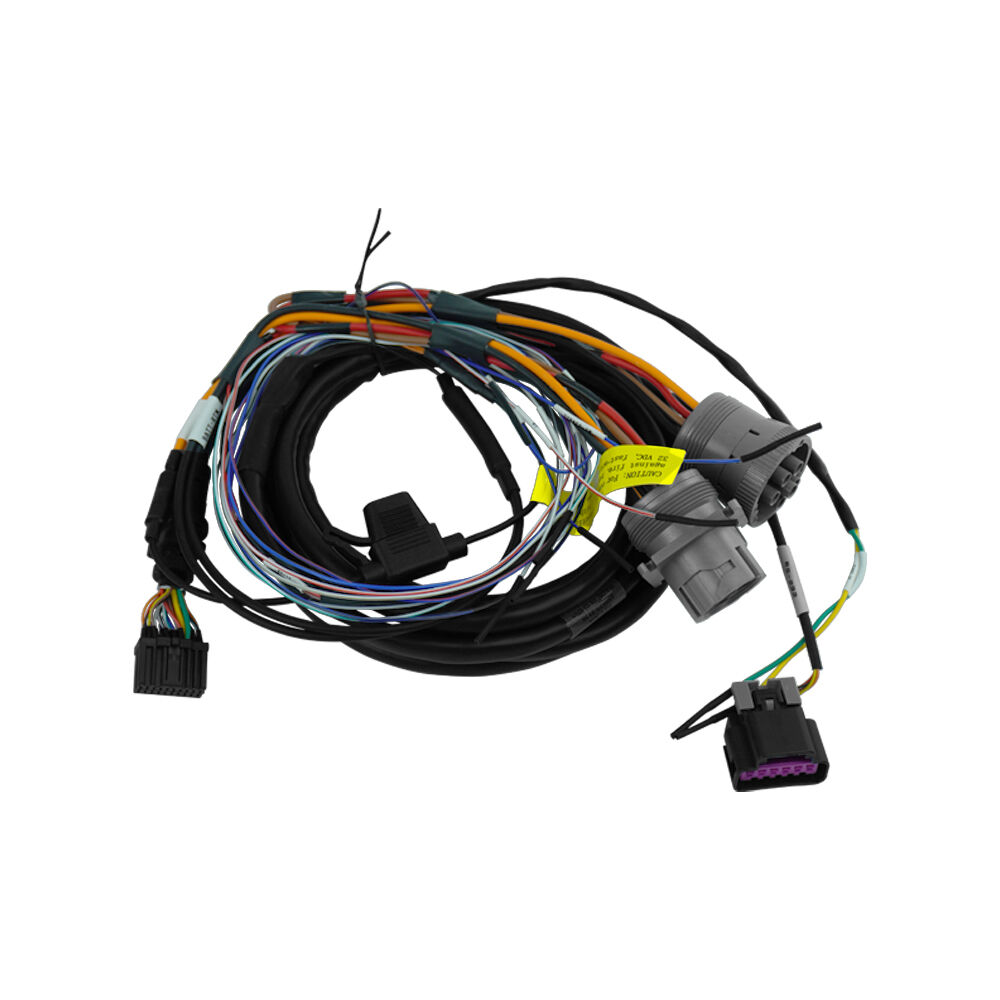
automotive wire harness assembly
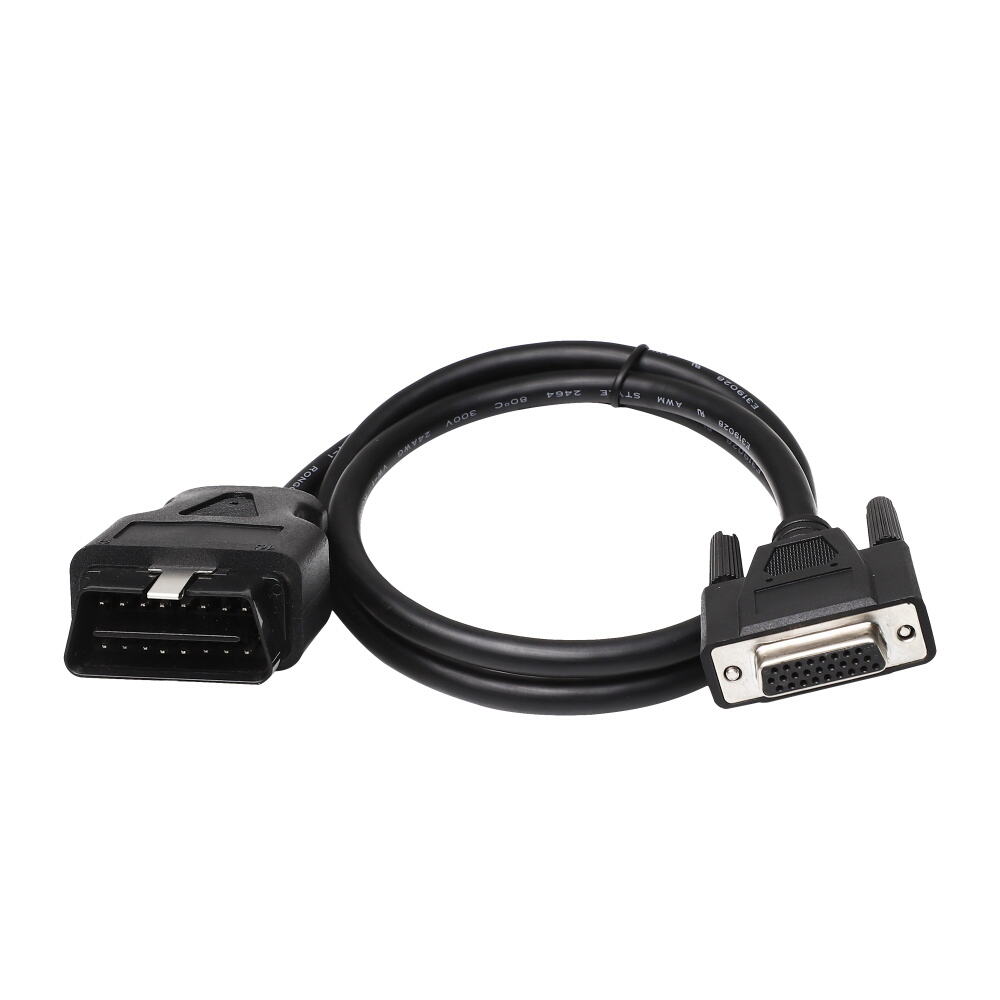
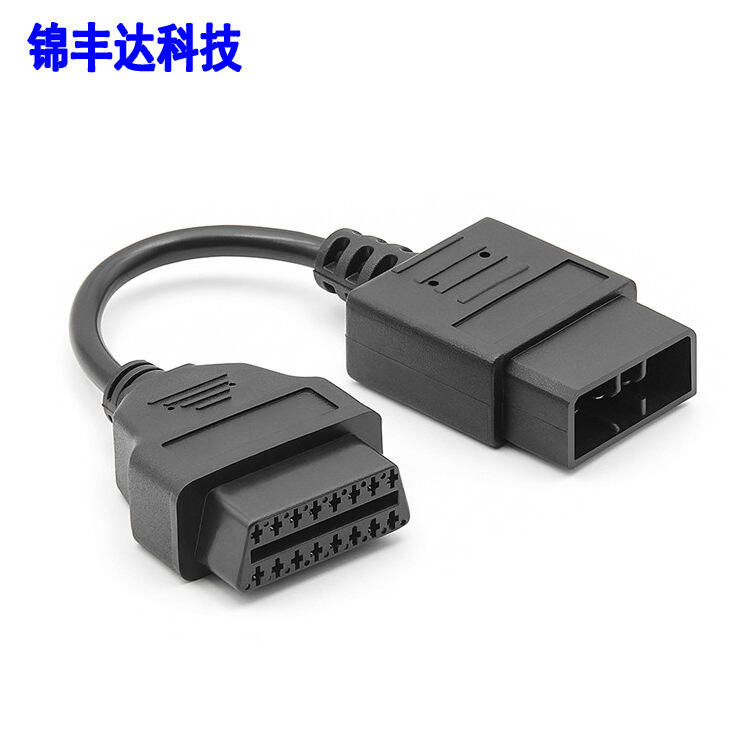
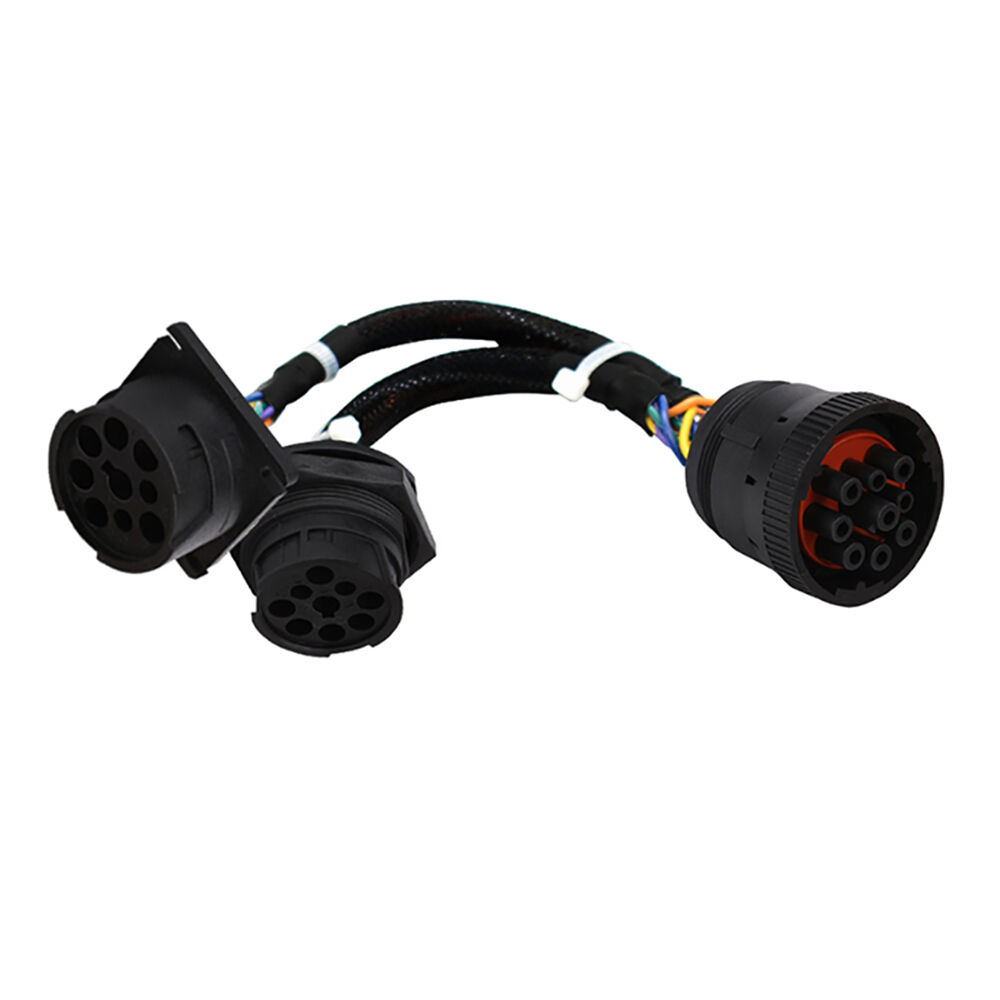
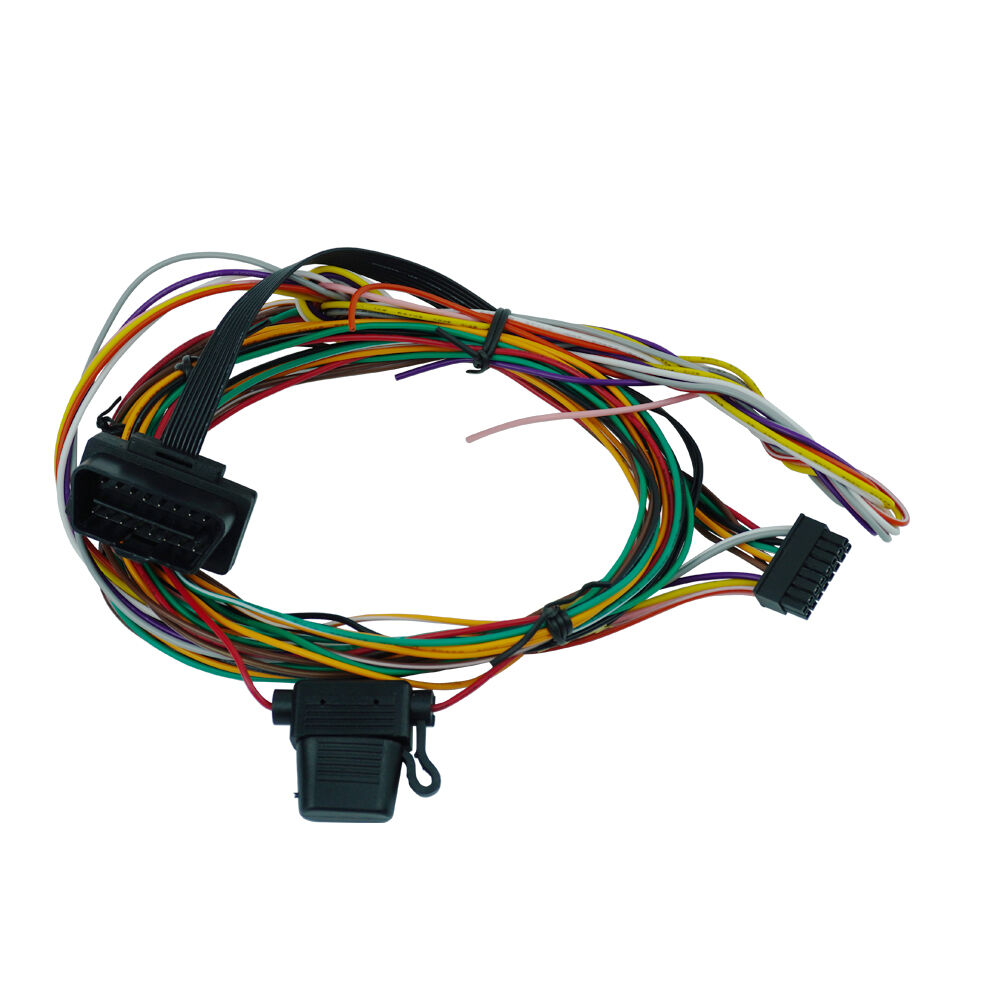
The automotive wire harness assembly represents a critical component in modern vehicle architecture, serving as the central nervous system that connects electrical and electronic systems throughout the vehicle. This sophisticated network of wires, connectors, terminals, and protective materials delivers power and transmits signals between various automotive components, ensuring seamless communication and operation. An automotive wire harness assembly typically consists of multiple circuits bundled together with protective sleeves, clips, and conduits designed to withstand harsh environmental conditions including extreme temperatures, vibrations, moisture, and chemical exposure. The primary functions of the automotive wire harness assembly include distributing electrical power from the battery to various systems, transmitting sensor data to control units, facilitating communication between electronic modules, and supporting entertainment and comfort features. Technological features incorporated into modern automotive wire harness assembly designs include advanced materials such as high-temperature resistant insulation, lightweight aluminum conductors replacing traditional copper in certain applications, and multi-layer shielding to prevent electromagnetic interference. The assembly process involves precise wire cutting, stripping, crimping, and connector insertion, followed by comprehensive testing to ensure reliability and compliance with automotive standards. Applications of the automotive wire harness assembly span across engine management systems, lighting circuits, safety features including airbags and anti-lock braking systems, infotainment units, climate control systems, and advanced driver assistance technologies. As vehicles become increasingly electrified and autonomous, the automotive wire harness assembly grows in complexity, incorporating high-voltage power distribution for electric vehicles, data transmission capabilities for vehicle-to-vehicle communication, and redundant circuits for safety-critical systems. The design and manufacturing of automotive wire harness assembly require expertise in electrical engineering, materials science, and automotive regulations to ensure optimal performance, durability, and safety throughout the vehicle's operational lifetime.


 EN
EN