Superior Quality Control and Testing Protocols Ensuring Reliability
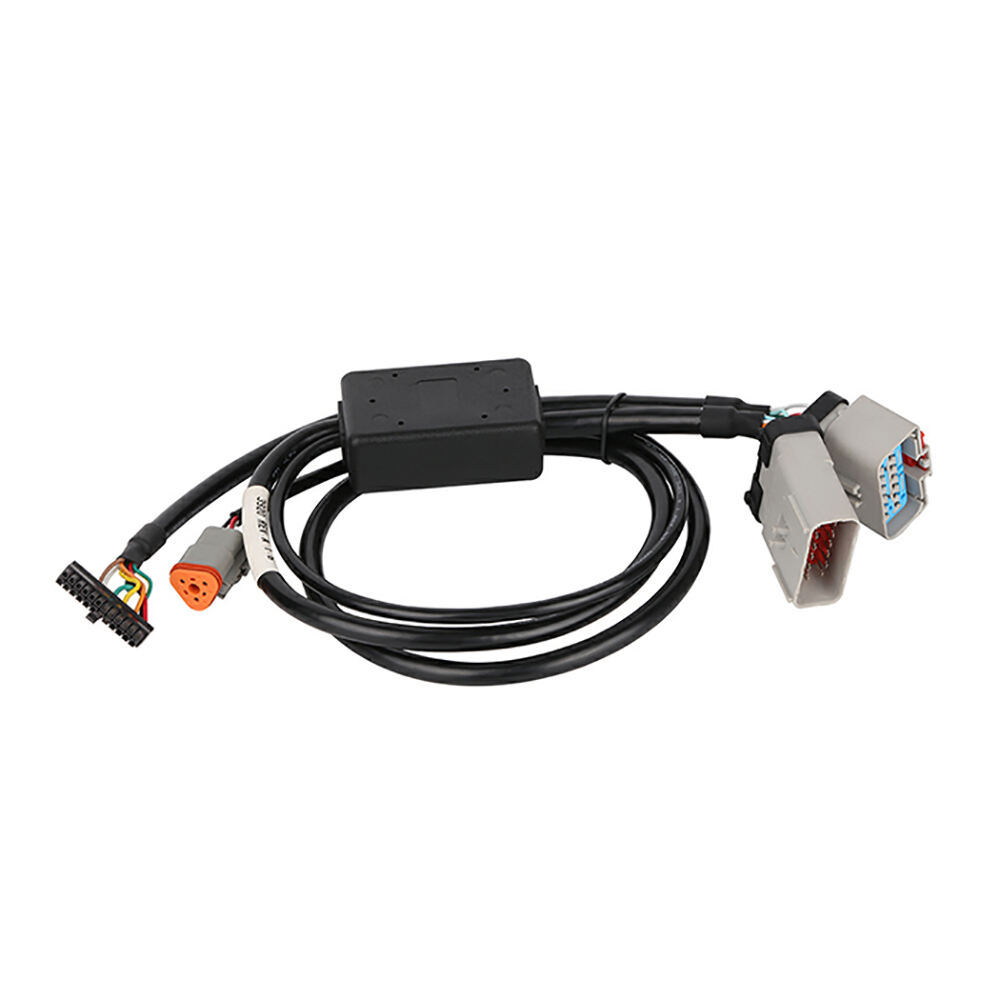
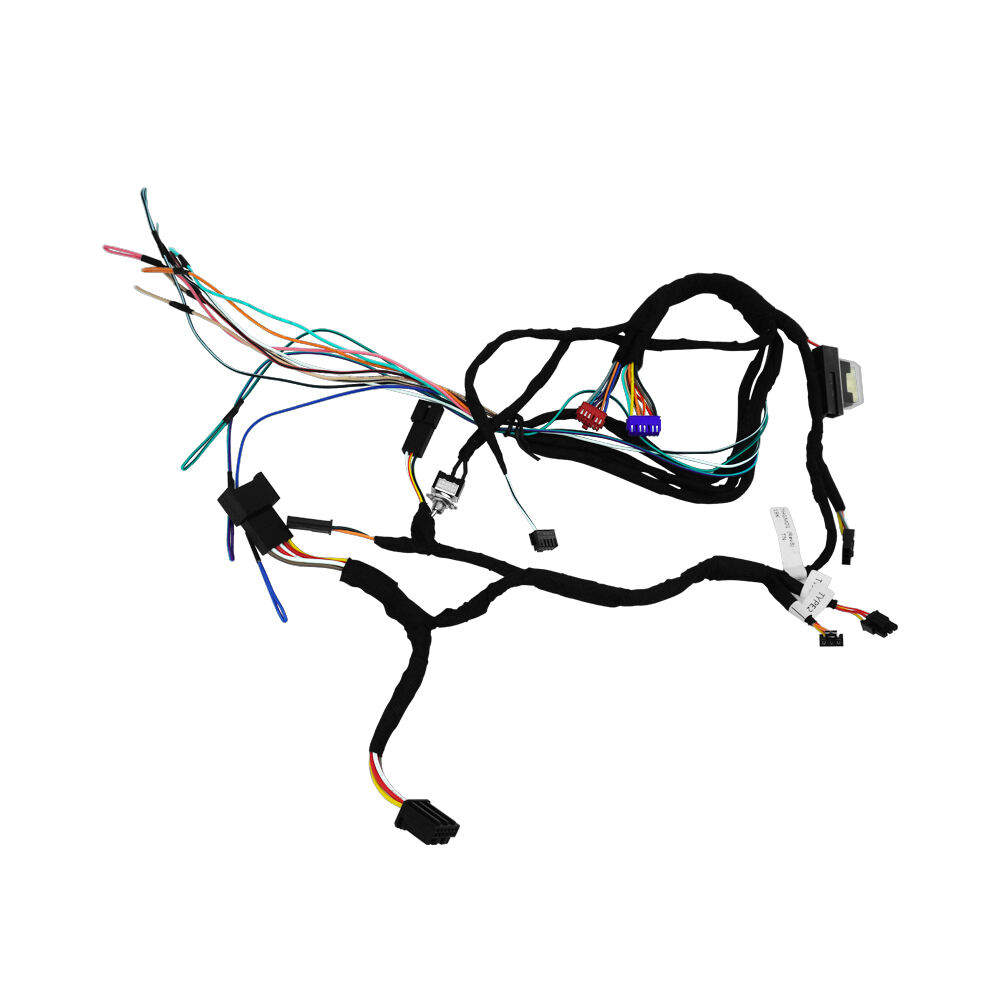
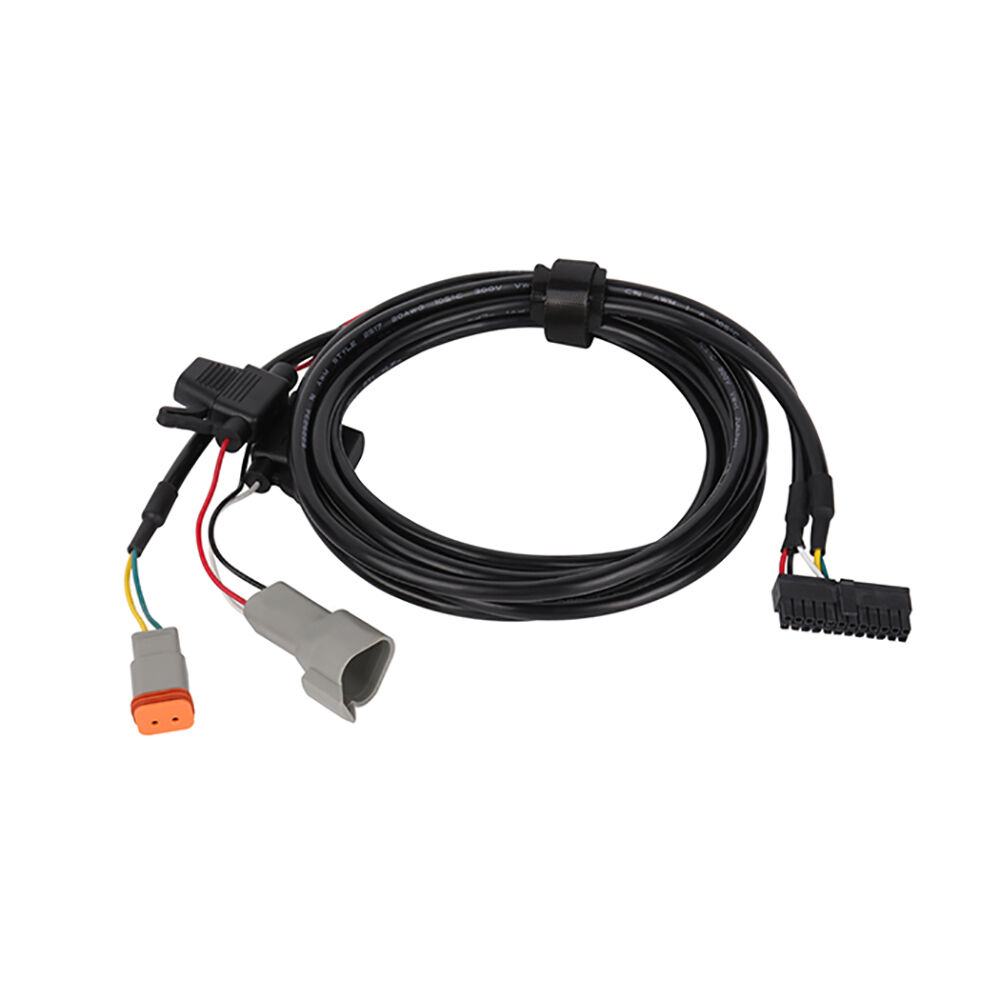
The comprehensive quality control and testing protocols implemented by reputable wire harness suppliers represent a fundamental advantage that directly impacts product reliability, customer satisfaction, and long-term operational success. Unlike ad-hoc internal wiring operations, professional wire harness suppliers have developed systematic quality management systems that incorporate multiple inspection stages, documented procedures, statistical process controls, and continuous improvement methodologies aligned with international standards such as ISO 9001, IATF 16949 for automotive applications, AS9100 for aerospace, and ISO 13485 for medical devices. These rigorous frameworks ensure consistent quality across every production run regardless of volume or complexity. Quality assurance begins with incoming material inspection where wire harness suppliers verify that raw materials including wire, connectors, terminals, and protective components meet specified requirements through dimensional checks, material certifications, and sample testing. This gating function prevents defective materials from entering the production process where they would compromise finished product quality. During manufacturing, wire harness suppliers employ multiple verification steps including automated wire cutting and stripping machines with built-in measurement systems that ensure precise lengths and strip dimensions, pull testing of crimped connections to validate mechanical strength according to industry standards, and visual inspection of solder joints, connector assembly, and overall workmanship. Many suppliers utilize poka-yoke error-proofing techniques such as color-coded components, sequential assembly fixtures, and barcode scanning systems that prevent incorrect wire routing or component selection. Electrical testing represents perhaps the most critical quality control element, where every harness undergoes continuity testing to verify that all intended electrical paths are properly connected, isolation testing to confirm that separate circuits maintain appropriate electrical separation, and high-voltage dielectric testing that validates insulation integrity under stress conditions exceeding normal operating voltages. Advanced wire harness suppliers invest in sophisticated automated test equipment programmed with custom test procedures specific to each harness design, providing rapid, repeatable, and documented verification of electrical performance. Environmental testing capabilities offered by leading suppliers include temperature cycling, vibration testing, salt spray exposure, and accelerated aging protocols that validate harness durability under simulated operating conditions. These validation tests provide confidence that harnesses will perform reliably throughout their intended service life. Documentation and traceability systems maintained by professional wire harness suppliers create comprehensive quality records linking specific harnesses to production dates, material lot numbers, test results, and operator identifications. This traceability supports root cause analysis if issues arise, facilitates targeted recalls if necessary, and demonstrates compliance for audits in regulated industries. Continuous improvement initiatives driven by quality data analysis help wire harness suppliers identify trends, optimize processes, and prevent recurrence of defects.


 EN
EN