harness assembly
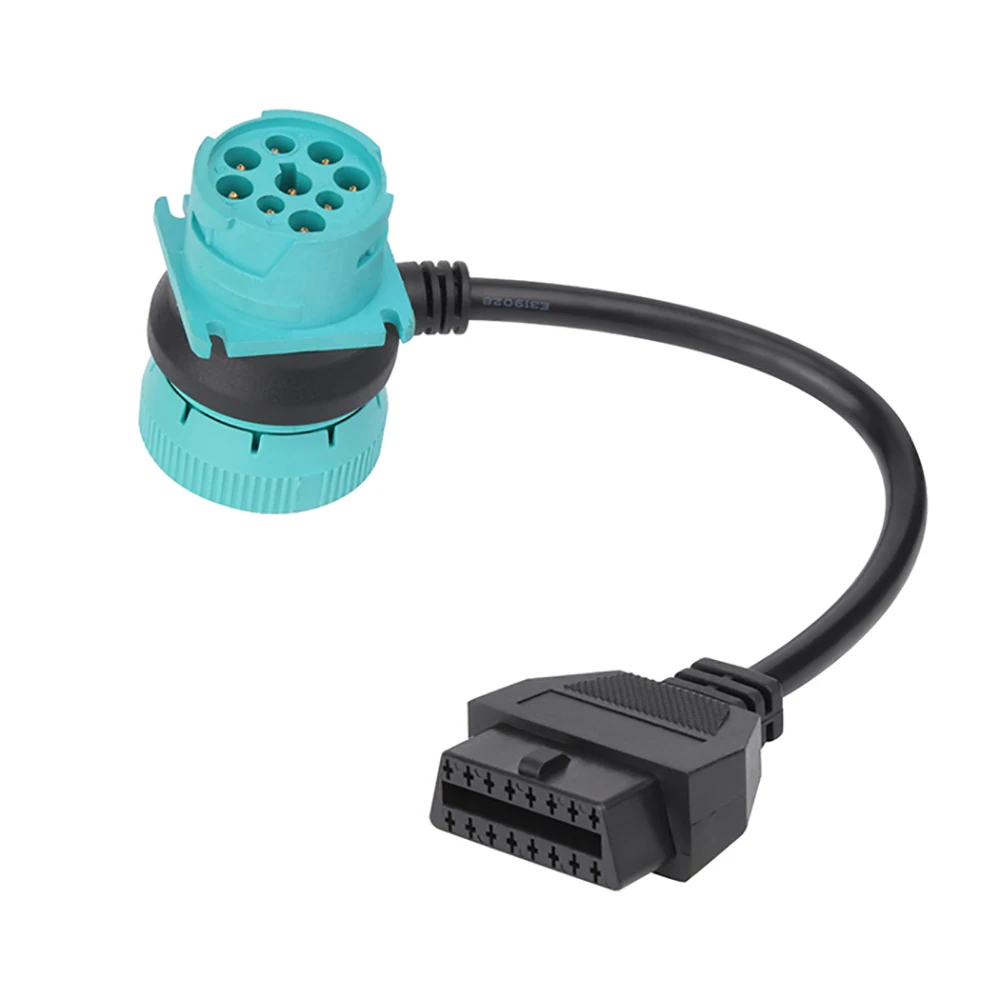
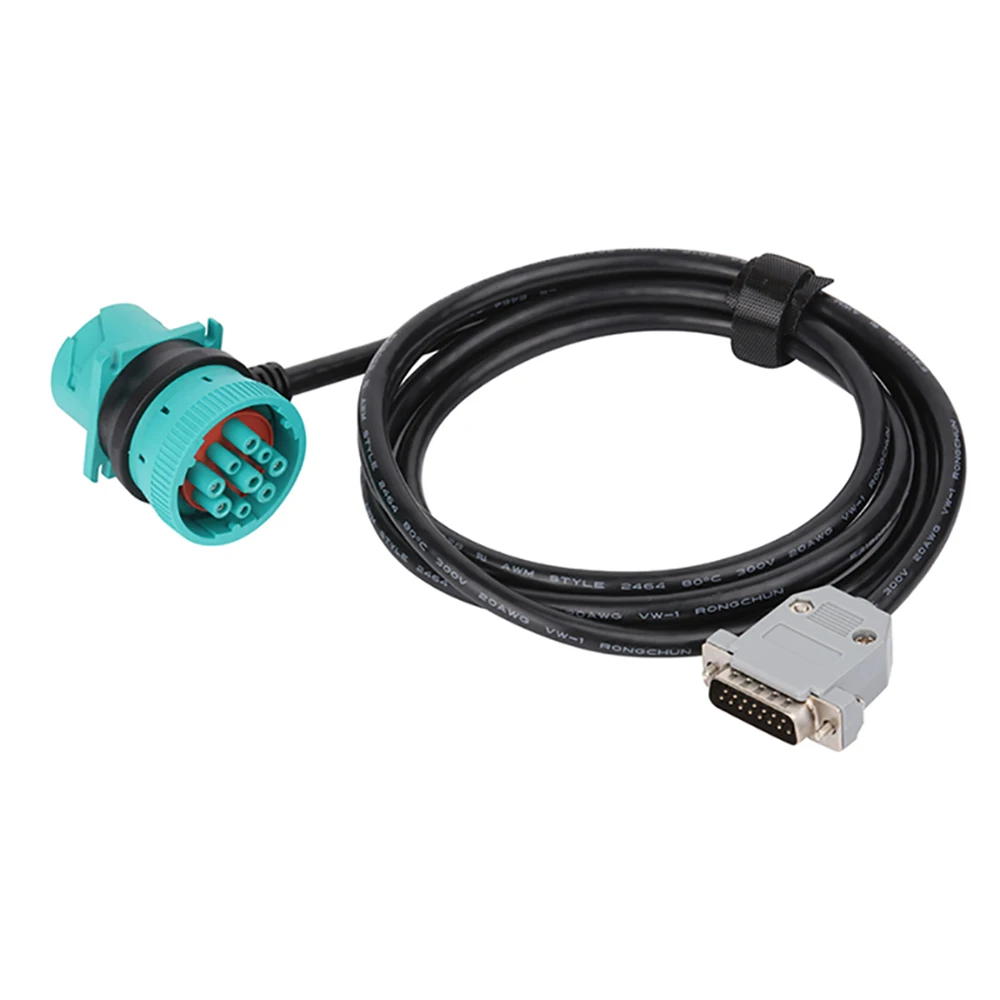
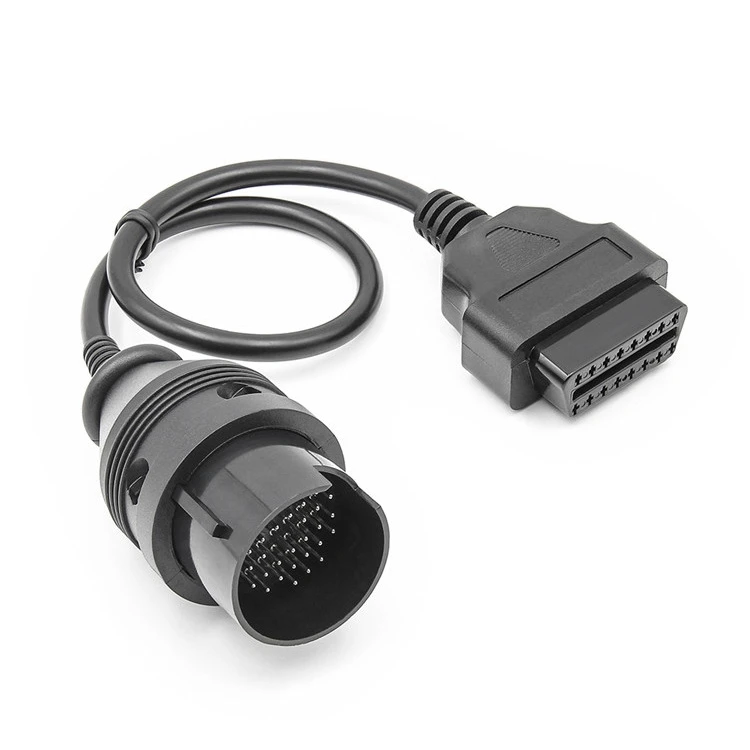
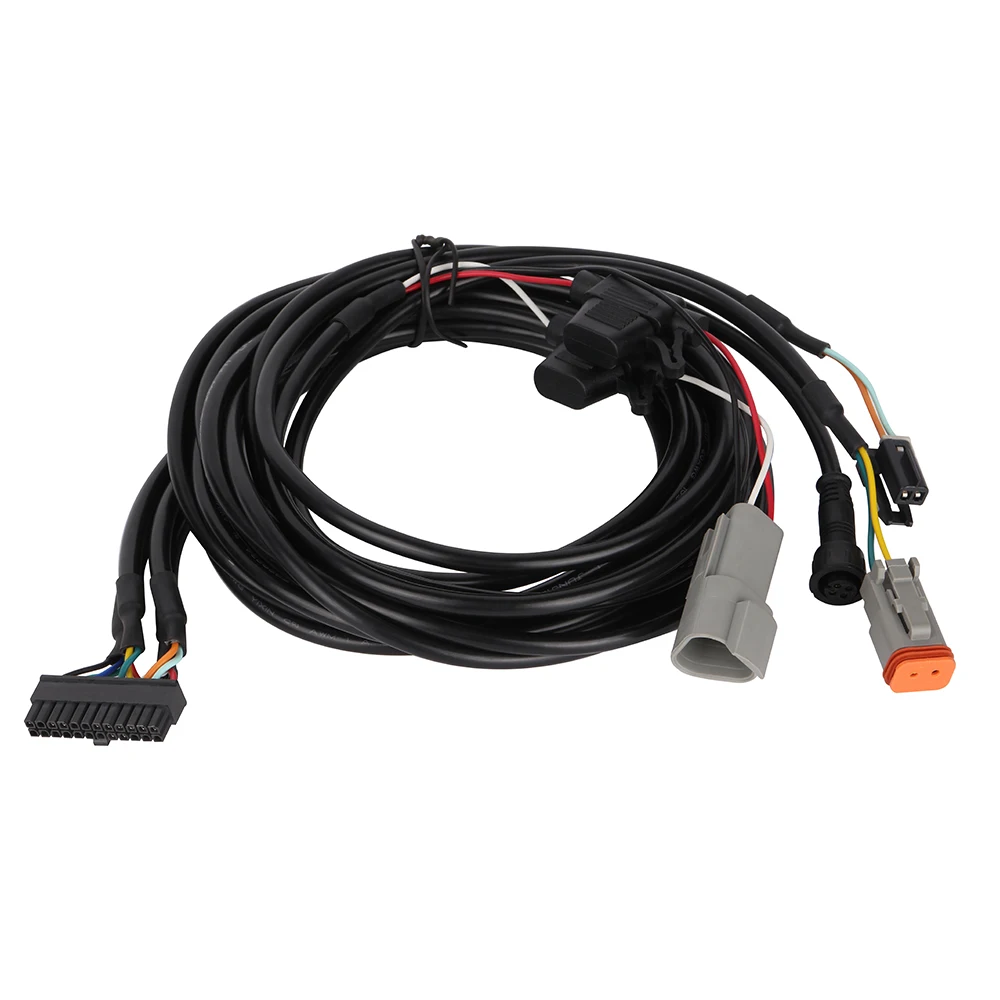
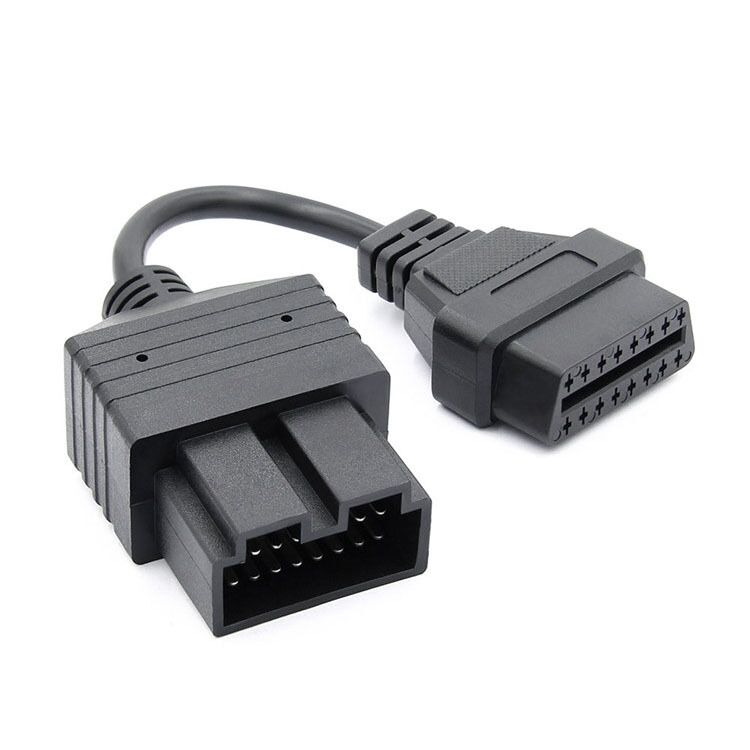
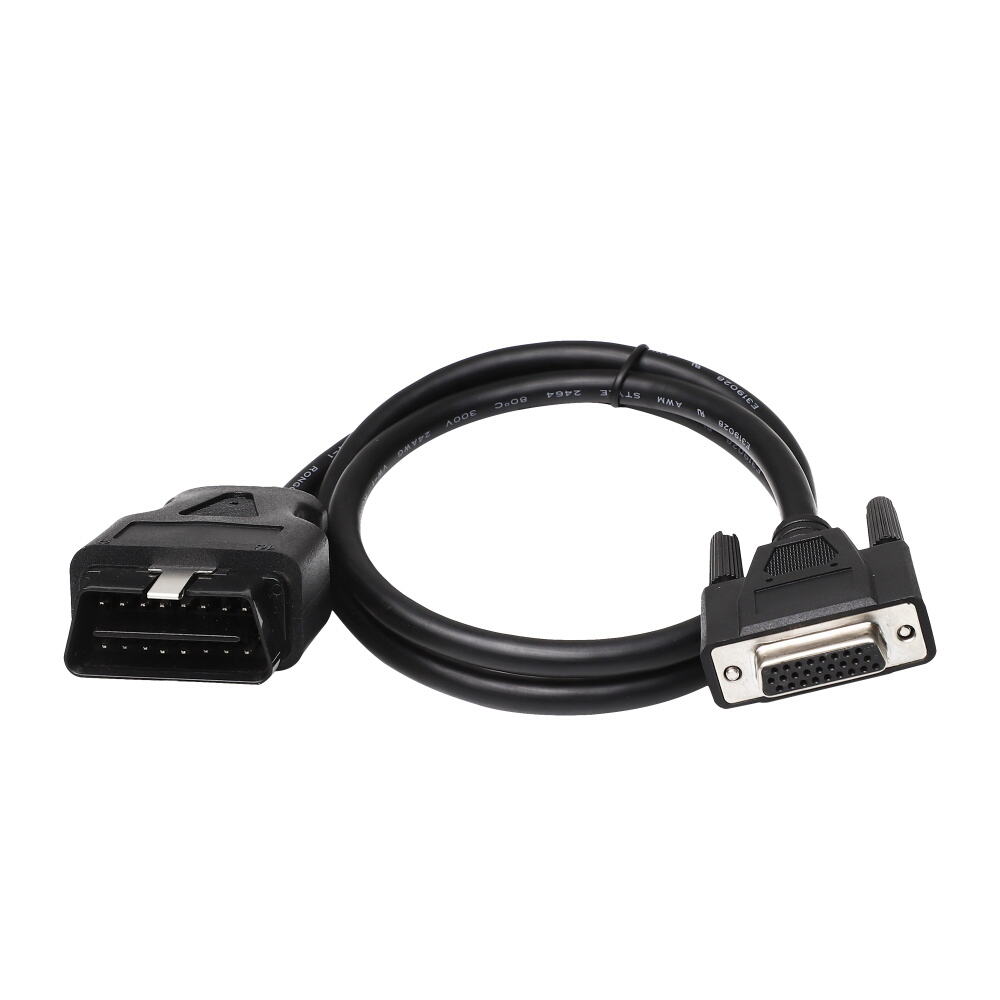
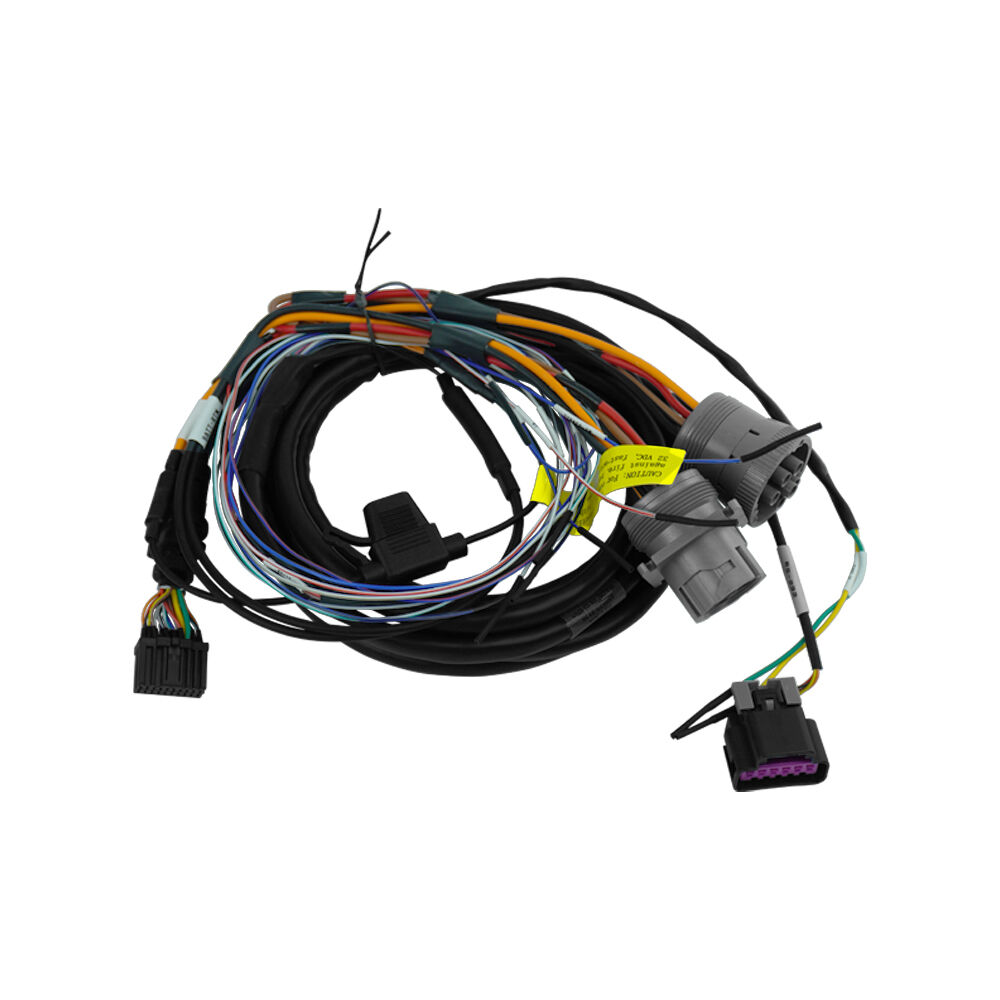
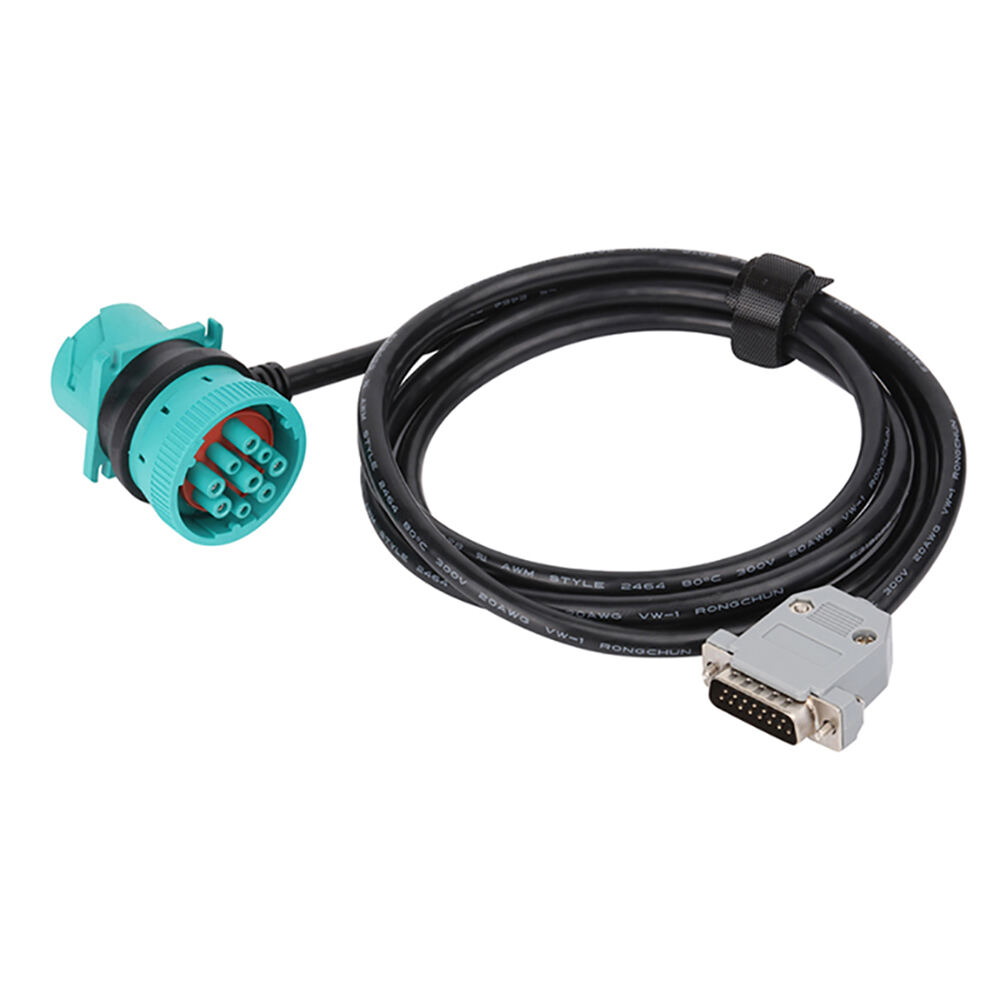
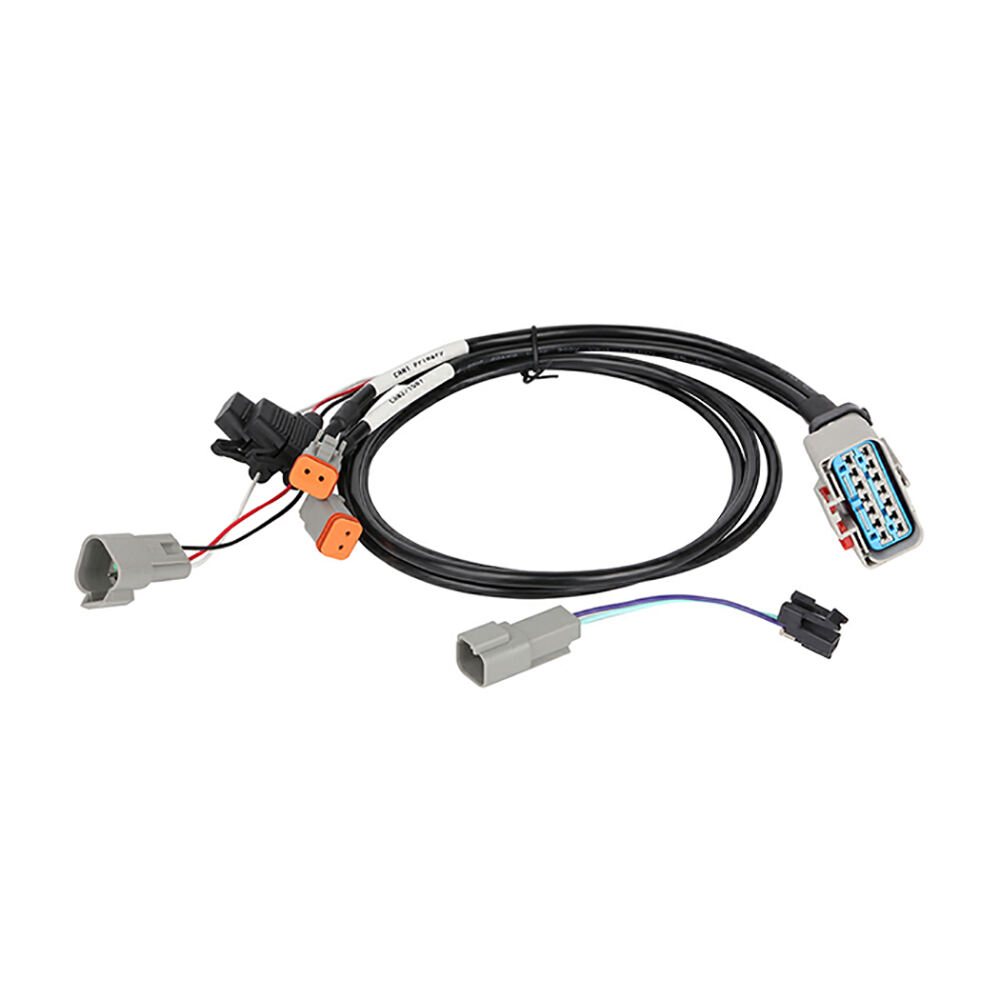
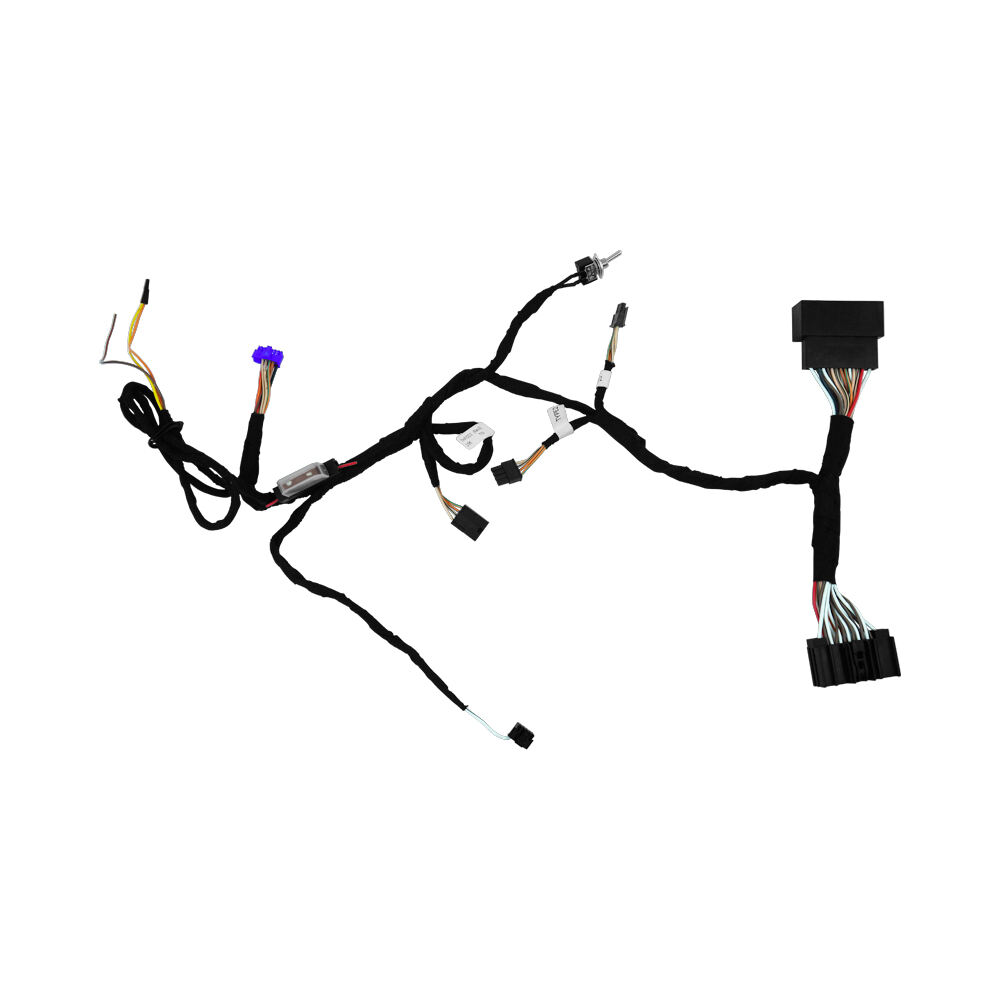
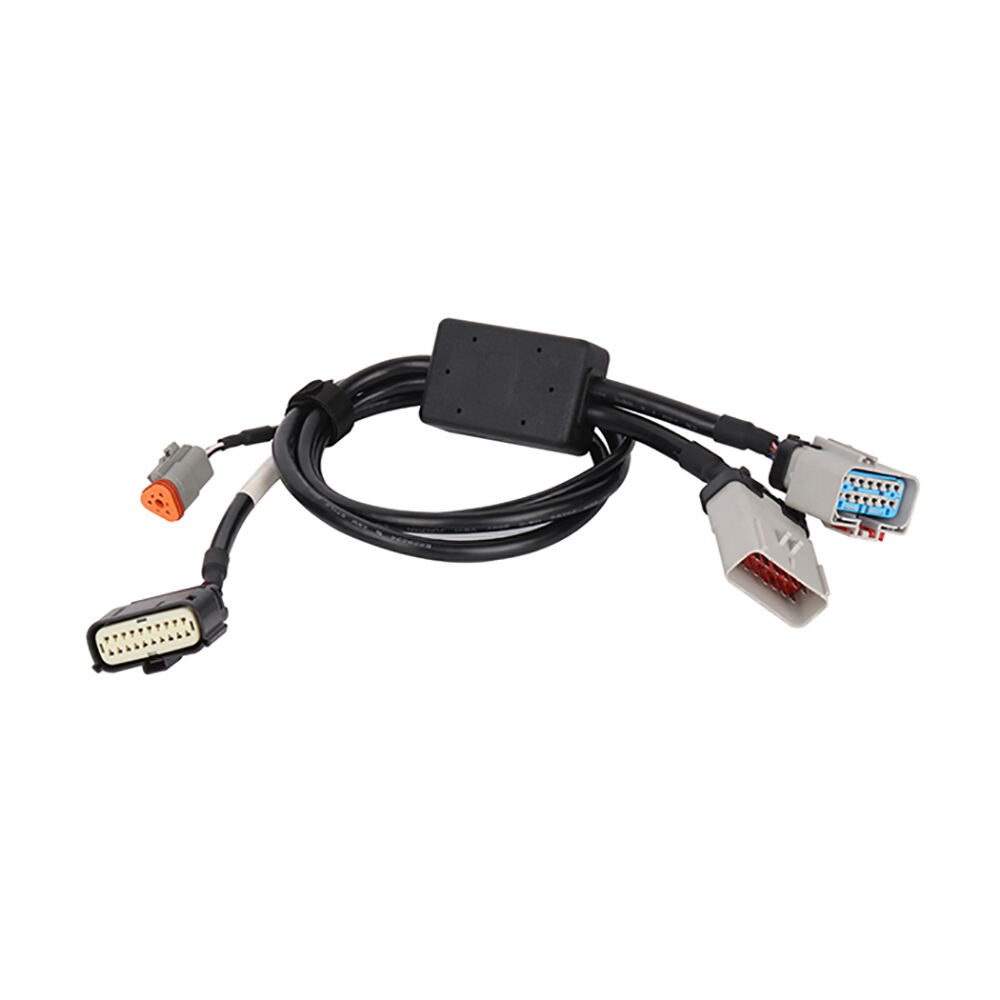
A harness assembly represents a sophisticated electrical interconnection system that bundles multiple wires, cables, and connectors into a single organized unit. This integrated wiring solution serves as the nervous system for various mechanical and electrical equipment, facilitating power distribution and signal transmission throughout complex machinery. The harness assembly combines individual wire strands with protective coverings, terminals, and connector housings to create a reliable pathway for electrical current flow. Modern harness assembly designs incorporate advanced materials such as heat-resistant insulation, abrasion-proof sheathing, and corrosion-resistant terminals to ensure long-lasting performance under demanding operational conditions. The primary function of a harness assembly involves simplifying installation procedures while maintaining consistent electrical connections across diverse applications. These assemblies eliminate the need for loose wire management by pre-organizing conductors into logical groupings that match specific equipment requirements. Technological features of contemporary harness assembly products include color-coded wiring for easy identification, strain relief mechanisms to prevent connection failure, and sealed connectors that protect against moisture intrusion. Manufacturing processes utilize precision crimping equipment, automated wire cutting machines, and quality control testing protocols to guarantee each harness assembly meets stringent performance standards. Applications for harness assembly solutions span numerous industries including automotive manufacturing, aerospace engineering, industrial automation, telecommunications infrastructure, medical device production, and consumer electronics. In automotive contexts, harness assembly systems connect sensors, lighting fixtures, entertainment systems, and engine control modules throughout vehicle platforms. Aerospace applications demand harness assembly configurations that withstand extreme temperature variations, vibration exposure, and electromagnetic interference while maintaining signal integrity. Industrial machinery relies on harness assembly installations to coordinate motor controls, safety switches, and monitoring devices within manufacturing environments. The versatility of harness assembly technology enables customization for specific project requirements, allowing engineers to specify wire gauges, connector types, cable lengths, and routing configurations that align with unique operational parameters.


 EN
EN