

 EN
EN
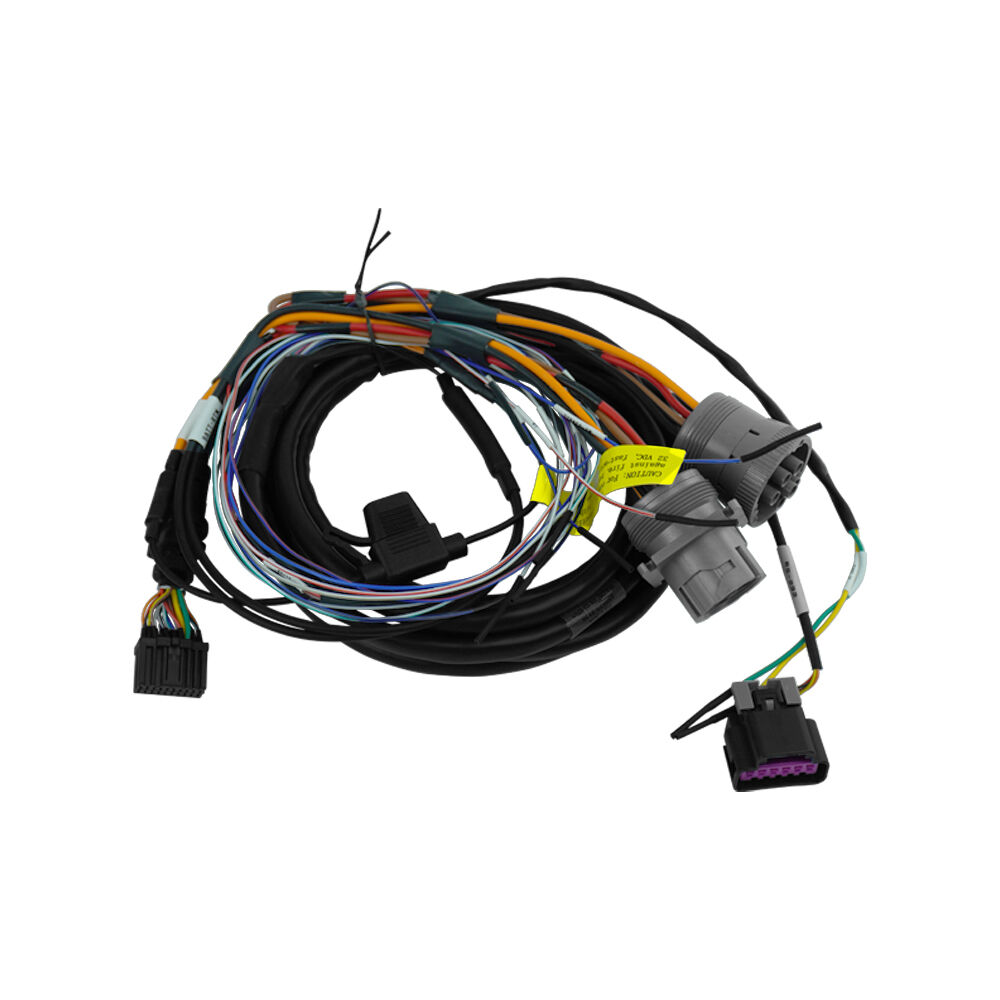
Standard J1939 connection cable applications require specific connector types that ensure reliable communication between electronic control units in heavy-duty vehicles and industrial equipment. Understanding which connector configurations work with J1939 protocols is essential for engineers, technicians, and fleet managers who need to establish consistent data transmission across vehicle networks. The compatibility of connector types directly impacts system performance, diagnostic capabilities, and maintenance efficiency in commercial vehicle applications.
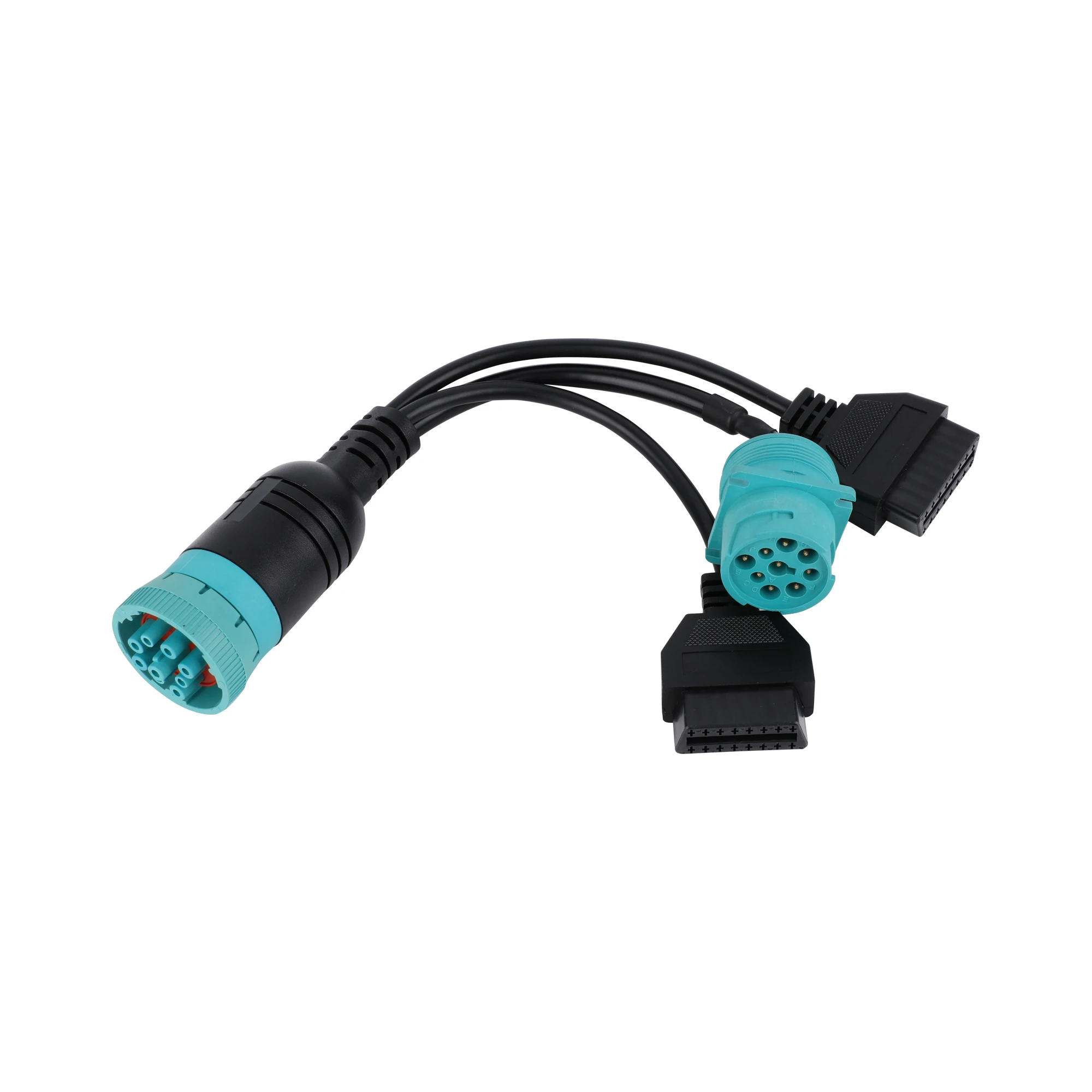
Modern J1939 connection cable systems support multiple connector configurations designed to accommodate different installation requirements and application scenarios. These connectors must meet stringent electrical specifications while providing mechanical durability in harsh operating environments. The selection of appropriate connector types affects signal integrity, connection reliability, and long-term system maintenance requirements across various heavy-duty vehicle platforms and industrial control systems.
Primary Connector Types for J1939 Applications
Deutsche 9-Pin Connectors
The Deutsche 9-pin connector serves as the industry standard for most J1939 connection cable implementations in heavy-duty vehicles. This connector type features a robust circular design with gold-plated contacts that resist corrosion and maintain consistent electrical conductivity. The Deutsche 9-pin configuration provides dedicated pins for CAN High, CAN Low, ground, and power connections, ensuring proper signal transmission according to SAE J1939 specifications.
Professional installers prefer Deutsche 9-pin connectors because they offer excellent sealing properties against moisture and debris ingress. The connector's bayonet locking mechanism provides secure mechanical attachment while allowing quick disconnection for service procedures. Each J1939 connection cable using Deutsche 9-pin connectors must incorporate proper shield termination to prevent electromagnetic interference that could disrupt communication protocols.
These connectors maintain compatibility with various cable gauge sizes, typically supporting 18 AWG to 20 AWG wire configurations. The pin assignments follow standardized layouts that ensure consistent wiring practices across different vehicle manufacturers and equipment suppliers. This standardization simplifies diagnostic procedures and reduces the likelihood of connection errors during installation or maintenance activities.
OBD-II Diagnostic Connectors
OBD-II diagnostic connectors provide essential access points for J1939 connection cable applications in modern commercial vehicles. These 16-pin connectors incorporate specific pin assignments for J1939 communication while maintaining backward compatibility with standard OBD-II diagnostic protocols. The dual-functionality allows technicians to access both engine control data and comprehensive vehicle network information through a single connection interface.
Standard OBD-II connectors used with J1939 connection cable systems feature pins 6 and 14 for CAN High and CAN Low signals respectively. This configuration enables diagnostic equipment to communicate with all J1939-compatible electronic control units throughout the vehicle network. The connector's plastic housing provides adequate protection for diagnostic connections while ensuring reliable contact pressure across all pin positions.
The integration of J1939 protocols through OBD-II connectors simplifies fleet maintenance operations by consolidating diagnostic access points. Technicians can utilize standard diagnostic tools to retrieve fault codes, monitor real-time parameters, and perform calibration procedures across multiple vehicle systems. This connectivity approach reduces the need for specialized diagnostic interfaces while maintaining full J1939 communication capabilities.
Specialized Industrial Connector Configurations
Circular Military-Style Connectors
Military-style circular connectors offer superior environmental protection for J1939 connection cable applications in extreme operating conditions. These connectors feature threaded coupling mechanisms that provide secure connections resistant to vibration, temperature fluctuations, and chemical exposure. The robust construction makes them ideal for off-highway equipment, marine applications, and industrial machinery where standard automotive connectors may prove inadequate.
Each military-style connector incorporates multiple contact configurations to support various J1939 connection cable requirements. The pin arrangements accommodate standard CAN bus signals while providing additional contacts for power distribution, auxiliary signals, and shield terminations. The connector bodies utilize corrosion-resistant materials such as stainless steel or anodized aluminum to ensure long-term durability in challenging environments.
Installation of military-style connectors requires specific torque specifications to maintain proper sealing and electrical continuity. The threaded interfaces must be properly seated to achieve the rated environmental protection levels. These connectors often incorporate additional features such as strain relief boots and cable clamping mechanisms to prevent damage from repeated flexing or cable tension.
Sealed Rectangular Connectors
Sealed rectangular connectors provide compact solutions for J1939 connection cable applications where space constraints limit the use of circular connectors. These connectors feature multiple contact positions arranged in rectangular configurations that optimize pin density while maintaining proper signal isolation. The sealed housing designs achieve high ingress protection ratings suitable for outdoor installations and harsh industrial environments.
The contact arrangements in sealed rectangular connectors support various J1939 connection cable configurations including single CAN bus implementations and dual-channel redundant systems. The connector bodies incorporate positive locking mechanisms that prevent accidental disconnection while providing clear visual indication of proper mating. The seal systems utilize multiple O-rings or gasket arrangements to achieve environmental protection ratings up to IP67 or IP68 standards.
These connectors often feature modular designs that allow customization of contact configurations based on specific application requirements. The modular approach enables engineers to specify exact pin counts and signal assignments while maintaining compatibility with standard J1939 connection cable assemblies. This flexibility proves particularly valuable in custom machinery applications where standard connector options may not provide optimal solutions.
Pin Assignment Standards and Signal Compatibility
Standard J1939 Pin Configurations
Standard pin configurations for J1939 connection cable systems follow established SAE specifications that ensure universal compatibility across different manufacturers and applications. The primary signal assignments include CAN High on pin A, CAN Low on pin B, and system ground on pin C, with additional pins designated for power supply and shield termination. These standardized assignments prevent wiring errors and ensure consistent performance across various vehicle platforms and equipment types.
Professional J1939 connection cable assemblies must maintain proper impedance matching across all signal conductors to prevent reflection losses and signal distortion. The pin assignments accommodate twisted pair configurations for CAN High and CAN Low conductors while providing separate paths for power and ground connections. This arrangement minimizes crosstalk between signals and ensures reliable data transmission even in electrically noisy environments.
The standardized pin assignments also incorporate provisions for diagnostic signal access and network management functions. Additional pins may carry power management signals, wake-up commands, or auxiliary communication protocols depending on the specific application requirements. These extended pin assignments maintain backward compatibility with basic J1939 connection cable implementations while supporting advanced vehicle networking features.
Power and Ground Distribution Requirements
Power and ground distribution through J1939 connection cable connectors requires careful consideration of current carrying capacity and voltage regulation requirements. The power supply pins must accommodate both continuous operating current for connected electronic control units and transient surge currents during system startup or fault conditions. Proper conductor sizing ensures reliable power delivery without excessive voltage drop that could affect system operation.
Ground distribution through J1939 connection cable systems must provide low-impedance return paths for both signal currents and power supply currents. The ground pin assignments typically include separate connections for chassis ground, signal ground, and shield termination to prevent ground loops and minimize electromagnetic interference. This multi-point grounding approach ensures stable reference potentials across all connected devices while maintaining signal integrity.
The power supply specifications for J1939 connection cable applications typically operate at nominal 12V or 24V levels depending on the vehicle electrical system architecture. The connectors must accommodate voltage variations and transient conditions while maintaining reliable electrical connections. Some applications may require additional pins for switched power supplies or backup power systems to support critical communication functions during engine shutdown periods.
Environmental Protection and Durability Considerations
Ingress Protection Requirements
Environmental protection standards for J1939 connection cable connectors must address exposure to moisture, dust, chemicals, and temperature extremes commonly encountered in commercial vehicle and industrial applications. The ingress protection ratings typically range from IP65 for indoor applications to IP68 for underwater or high-pressure washdown environments. These ratings ensure that connector performance remains reliable throughout the expected service life even under challenging operating conditions.
Sealing systems within J1939 connection cable connectors utilize various approaches including O-ring seals, gasket interfaces, and overmolded cable entries. The seal materials must maintain flexibility and sealing effectiveness across the entire operating temperature range while resisting degradation from exposure to oils, fuels, and cleaning solvents. Proper seal design prevents moisture ingress that could cause corrosion or electrical faults within the connector assembly.
Testing procedures for environmental protection verify connector performance under simulated service conditions including thermal cycling, vibration exposure, and chemical resistance. These tests ensure that J1939 connection cable systems maintain electrical continuity and signal integrity throughout their expected service life. The test protocols simulate accelerated aging conditions to predict long-term reliability and identify potential failure modes before deployment in critical applications.
Vibration and Shock Resistance
Vibration and shock resistance capabilities of J1939 connection cable connectors directly impact system reliability in mobile equipment and vehicle applications. The connector designs must withstand continuous vibration levels typical of heavy-duty vehicles while maintaining secure electrical connections and proper contact pressure. The mechanical designs incorporate features such as positive locking mechanisms, strain relief, and robust housing materials to prevent connection failures under dynamic loading conditions.
Contact retention systems within J1939 connection cable connectors utilize various approaches including crimped contacts, spring-loaded pins, and mechanical locks to maintain electrical continuity during vibration exposure. The contact materials typically feature gold plating or other corrosion-resistant finishes that maintain low resistance connections even after extended vibration cycles. These design features ensure reliable signal transmission throughout the connector service life.
Shock resistance testing for J1939 connection cable systems evaluates connector performance under impact conditions such as equipment dropping, sudden stops, or collision events. The connectors must maintain electrical integrity and mechanical attachment even when subjected to severe shock loads that exceed normal operating conditions. This capability ensures that critical vehicle systems remain operational following unexpected impact events that could otherwise compromise network communication.
FAQ
What is the most common connector type used with J1939 connection cable systems?
The Deutsche 9-pin connector is the most widely used connector type for J1939 connection cable applications in heavy-duty vehicles and industrial equipment. This connector provides excellent durability, proper signal isolation, and standardized pin assignments that ensure compatibility across different manufacturers and vehicle platforms.
Can OBD-II connectors be used for J1939 communication protocols?
Yes, standard OBD-II connectors can support J1939 communication through specific pin assignments, with pins 6 and 14 carrying CAN High and CAN Low signals respectively. This configuration allows diagnostic equipment to access J1939 network data while maintaining compatibility with standard OBD-II diagnostic protocols.
What environmental protection levels do J1939 connection cable connectors typically provide?
J1939 connection cable connectors typically offer ingress protection ratings from IP65 for indoor applications up to IP68 for underwater or high-pressure washdown environments. The specific protection level depends on the connector design, sealing system, and intended application requirements.
Are there specialized connectors for extreme environment J1939 applications?
Yes, military-style circular connectors and sealed rectangular connectors provide enhanced environmental protection for J1939 connection cable systems operating in extreme conditions. These specialized connectors offer superior resistance to vibration, temperature fluctuations, chemical exposure, and mechanical stress compared to standard automotive connectors.
Table of Contents
- Primary Connector Types for J1939 Applications
- Specialized Industrial Connector Configurations
- Pin Assignment Standards and Signal Compatibility
- Environmental Protection and Durability Considerations
-
FAQ
- What is the most common connector type used with J1939 connection cable systems?
- Can OBD-II connectors be used for J1939 communication protocols?
- What environmental protection levels do J1939 connection cable connectors typically provide?
- Are there specialized connectors for extreme environment J1939 applications?