Cable Wire Harness Solutions - Durable, Efficient Electrical Assembly Systems

All Categories

Get a Free Quote

Our representative will contact you soon.
Email
Name
Company Name
Message
0/1000

cable wire harness

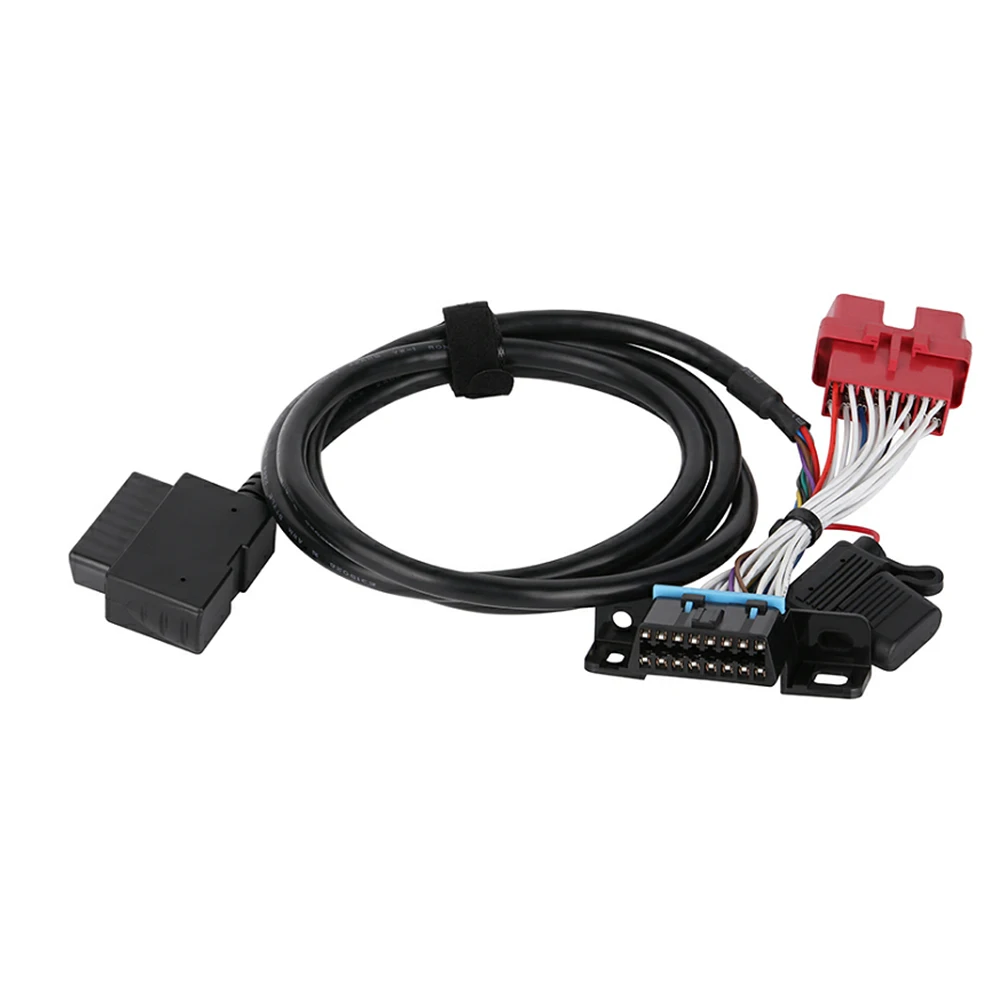
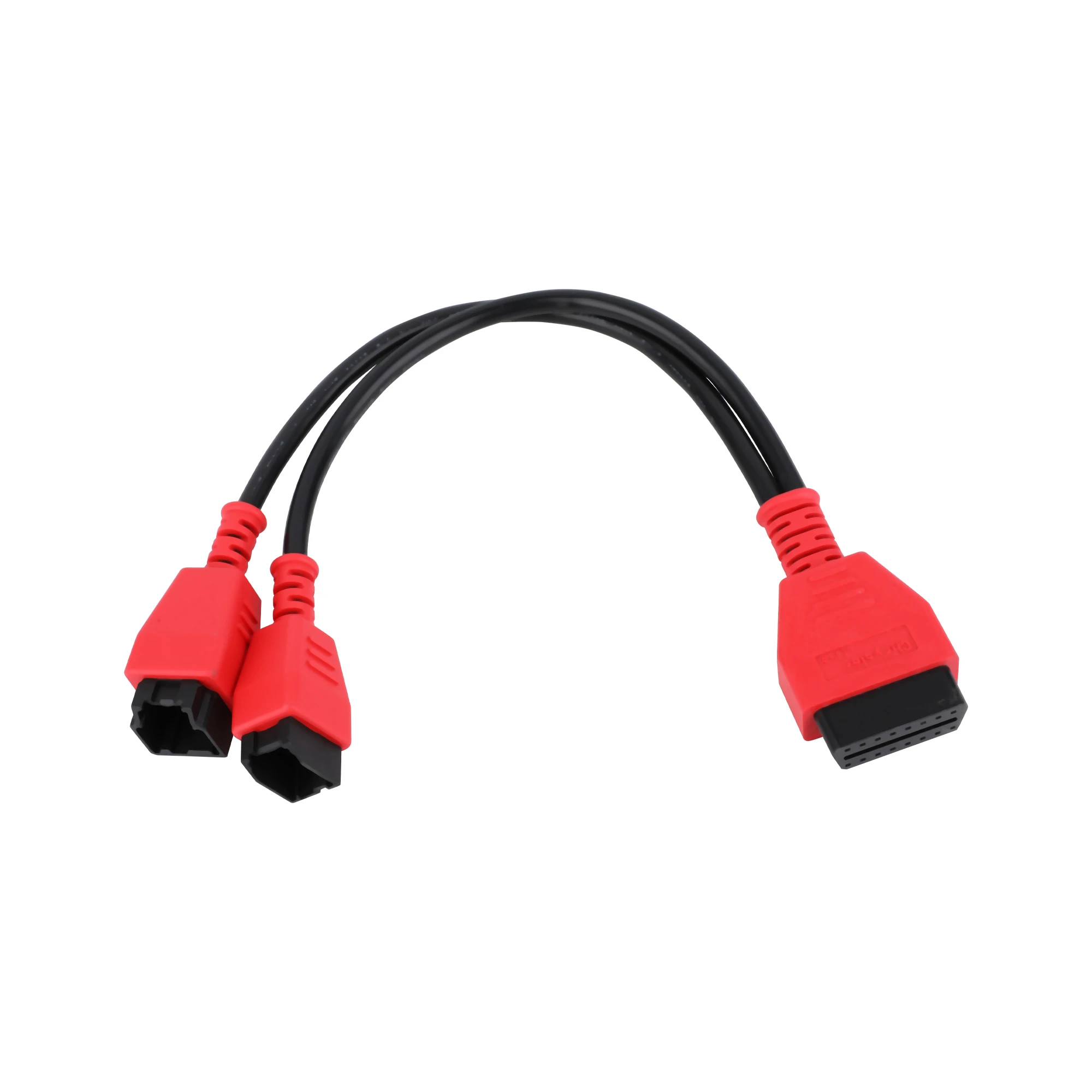
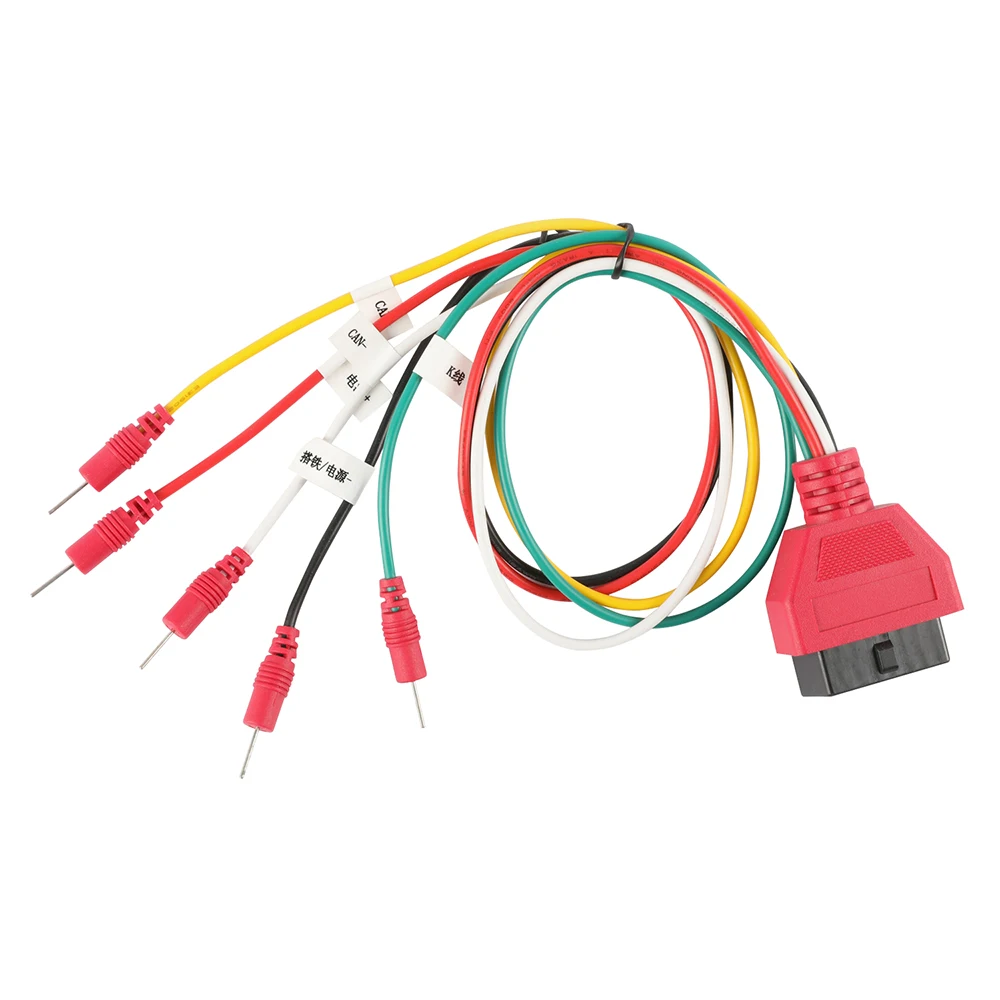
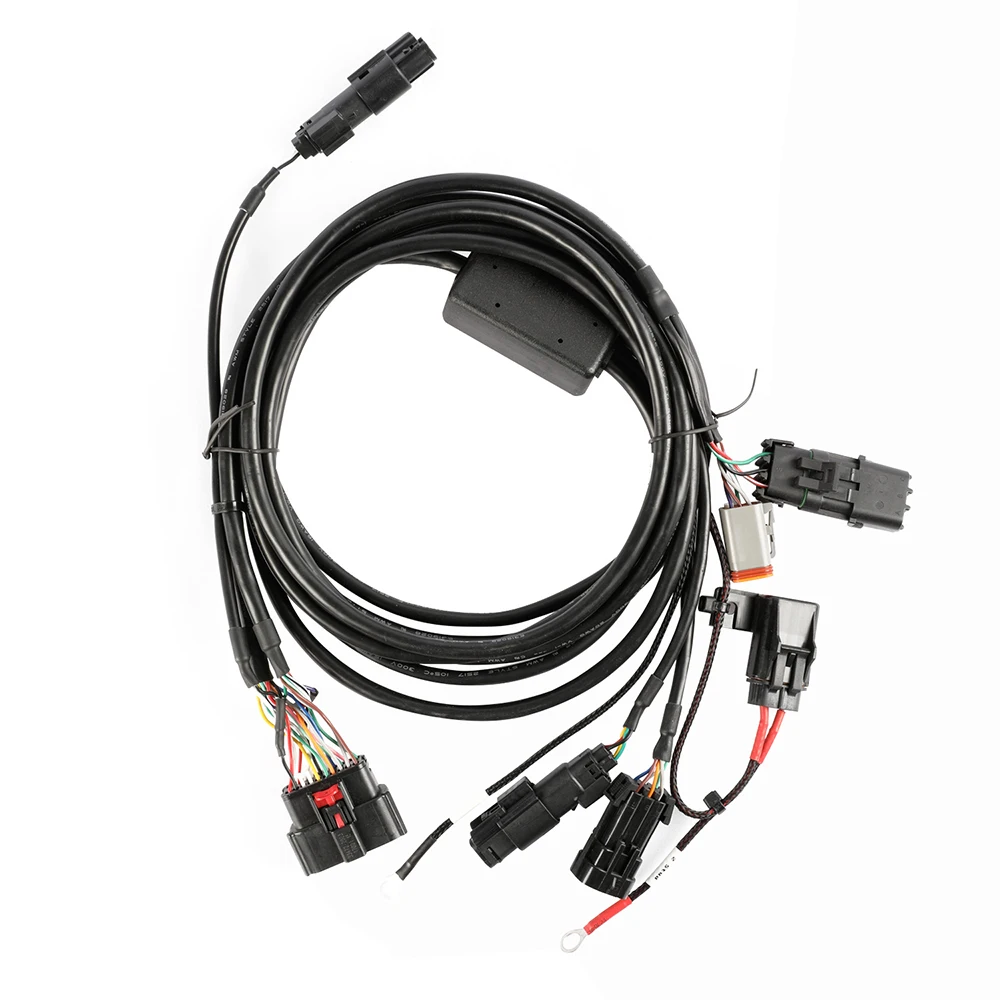
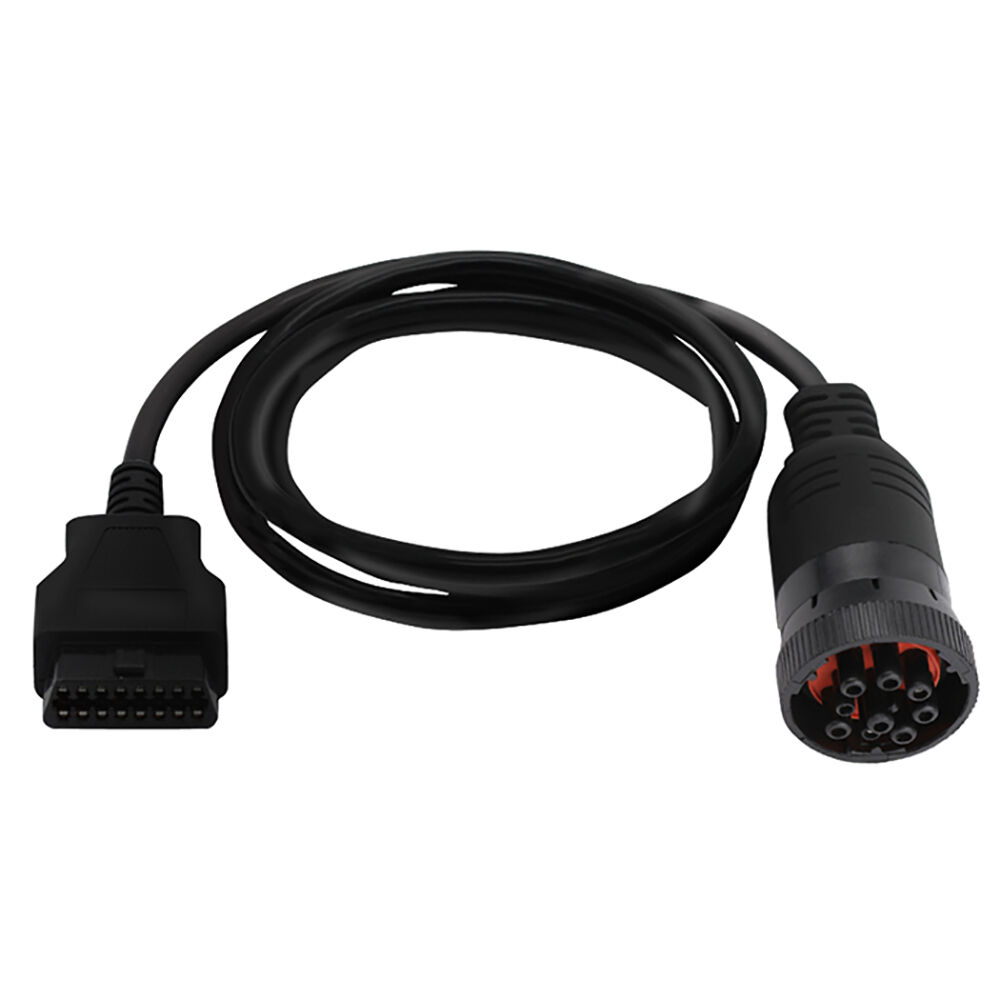
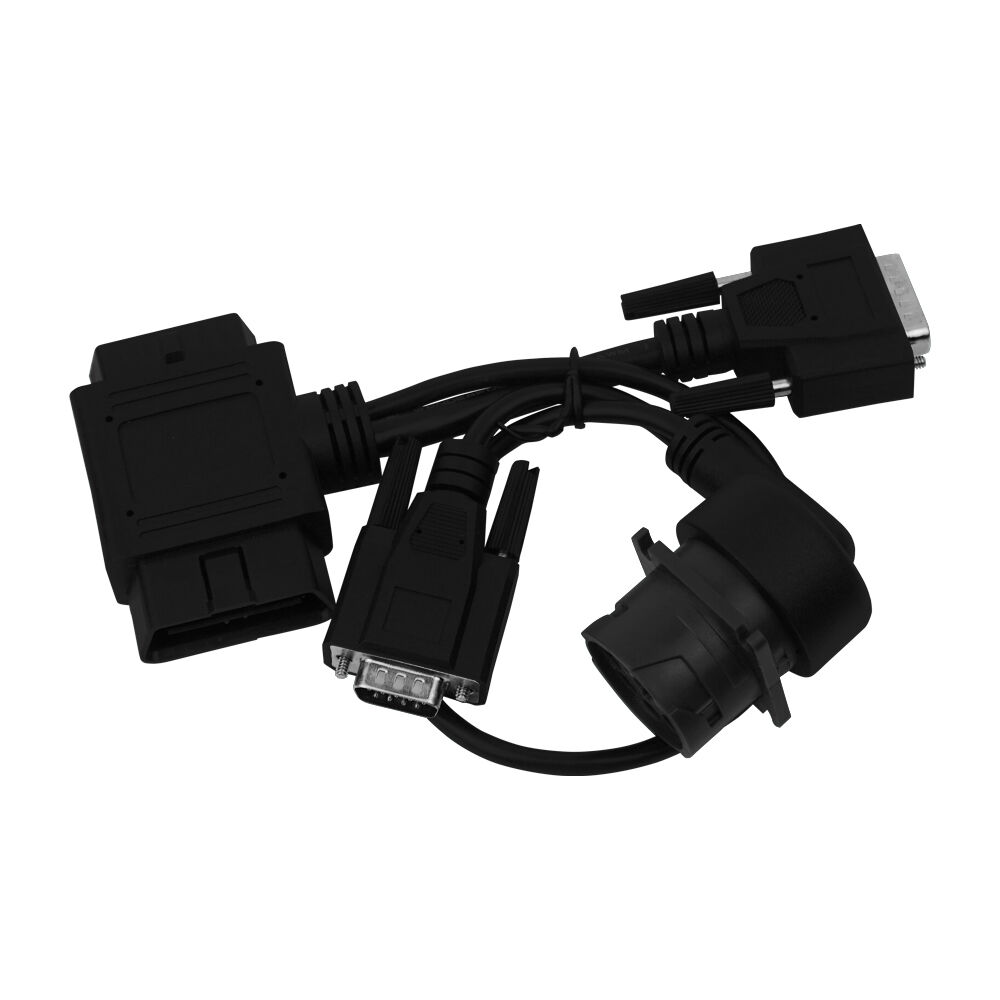
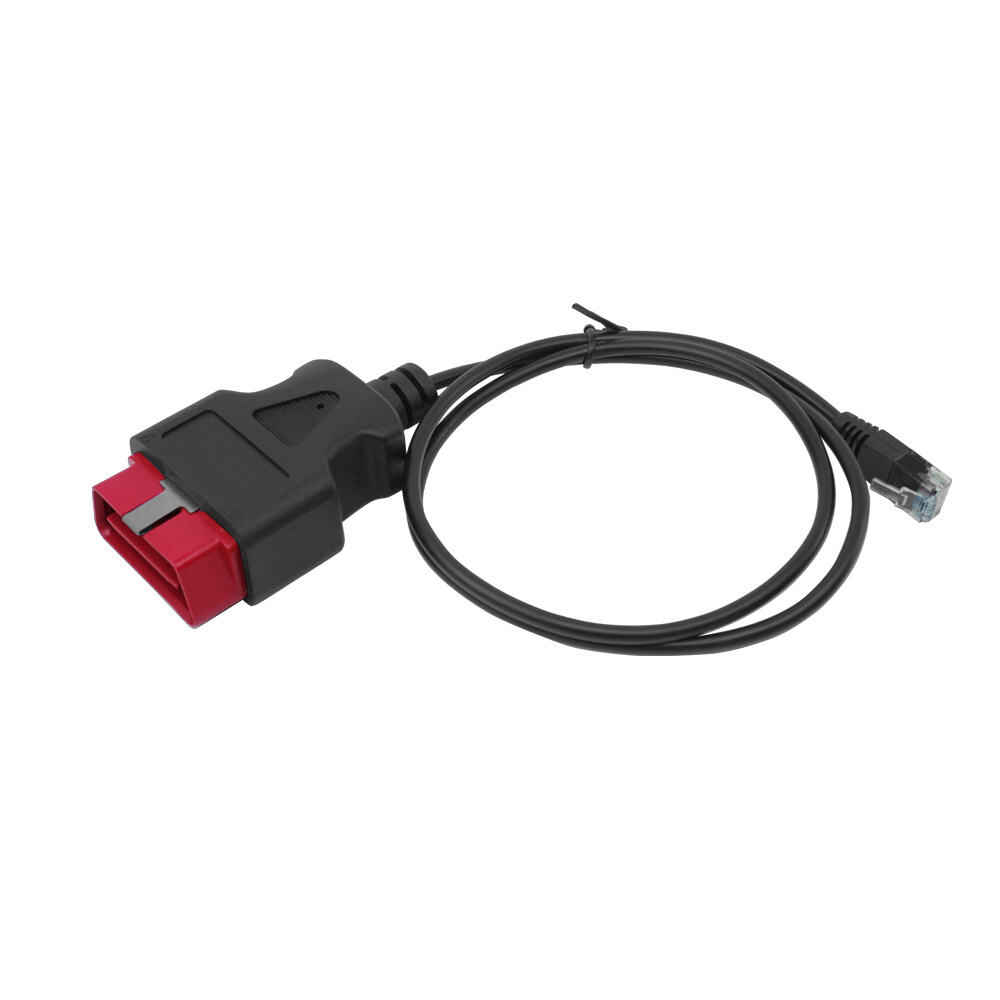
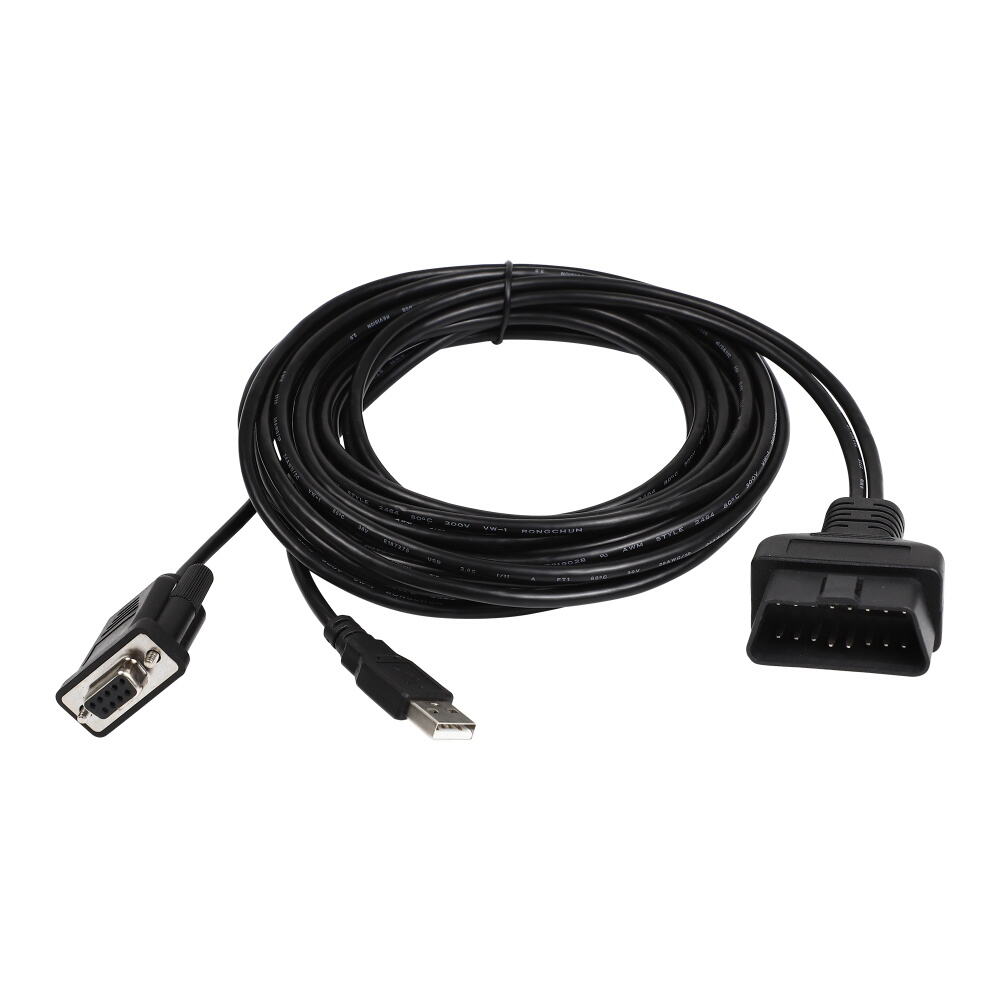
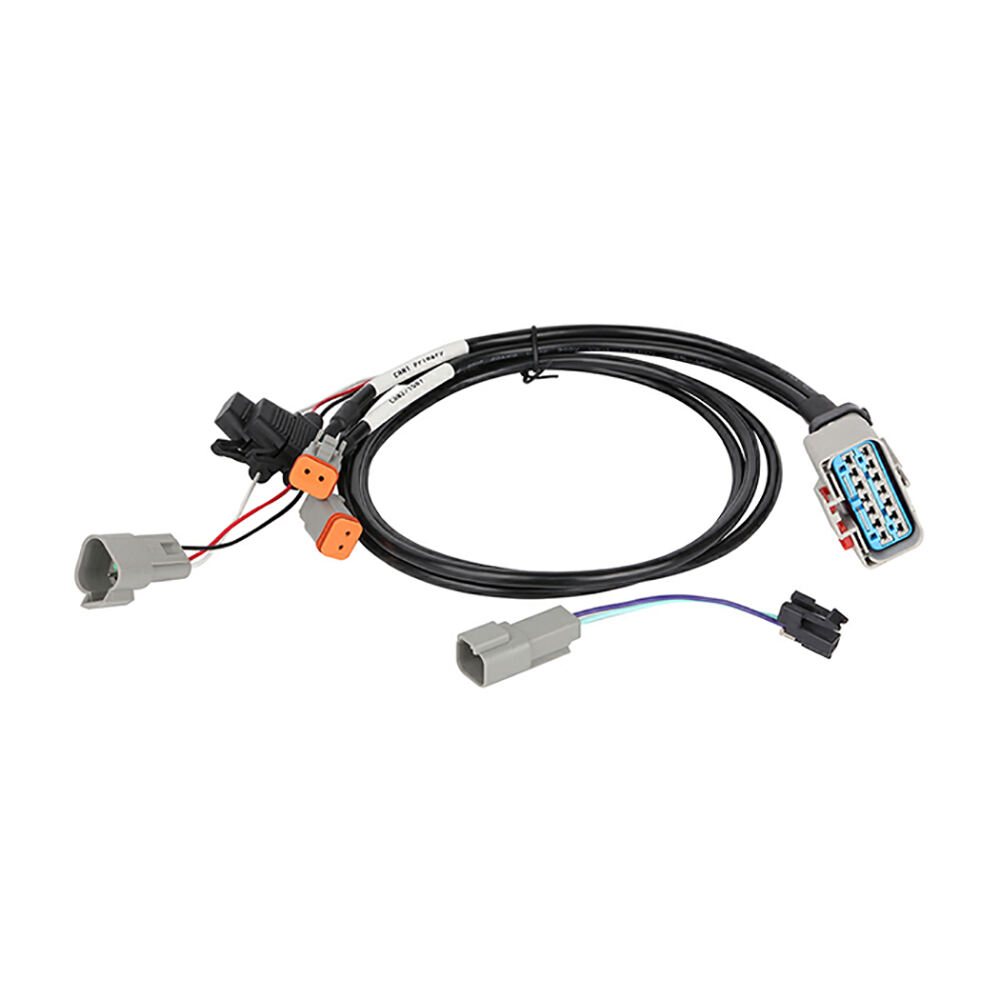
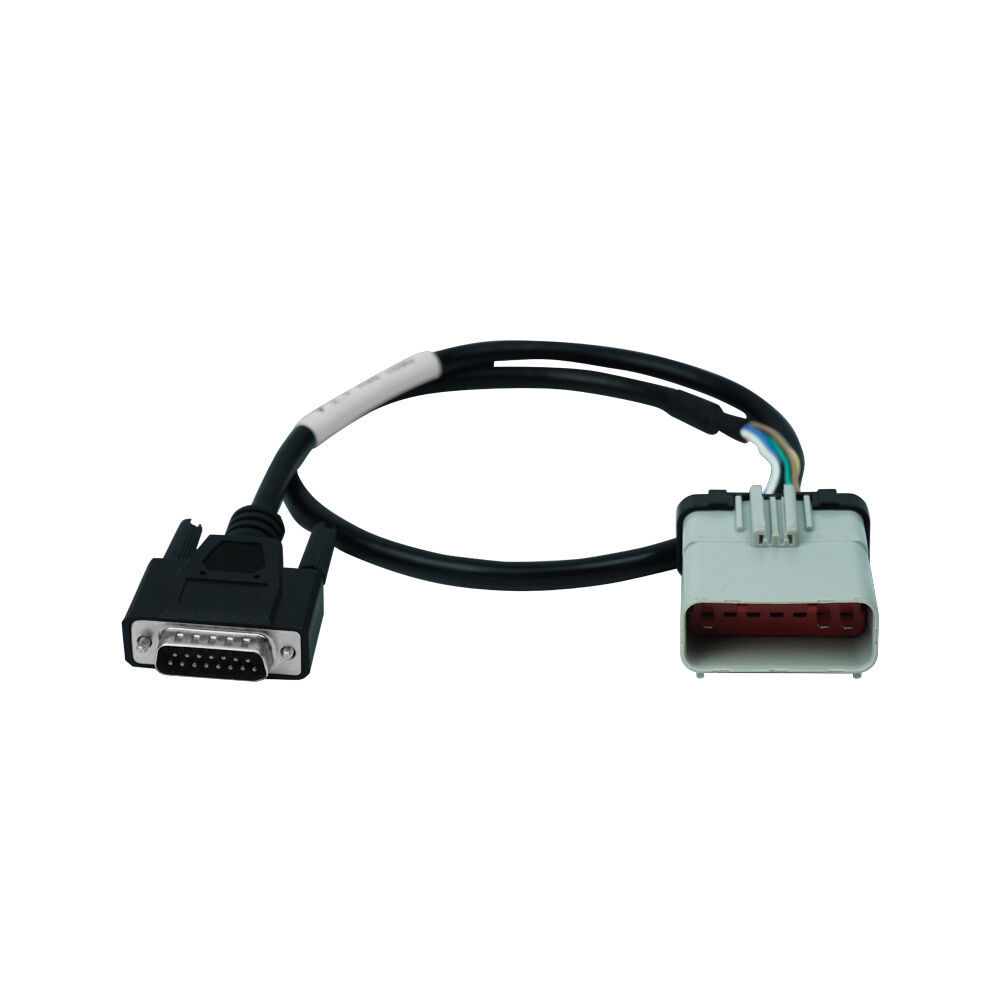
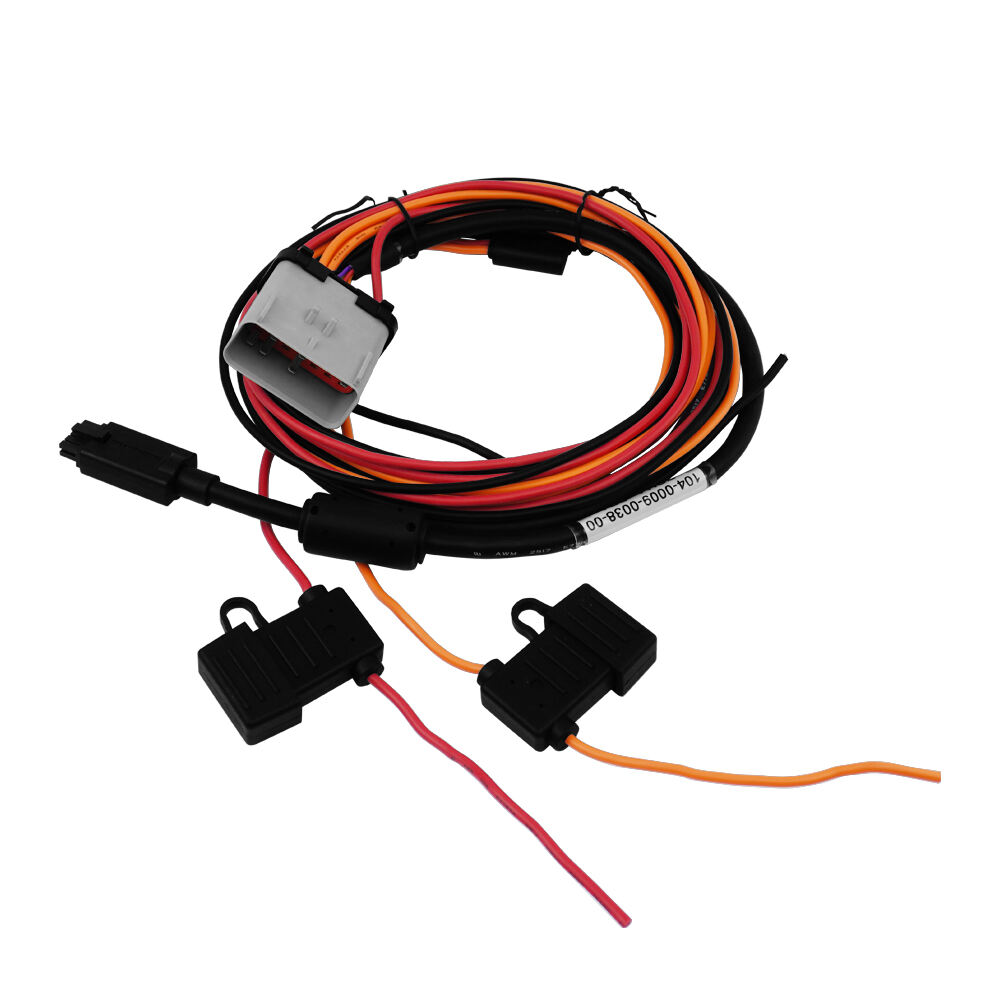
A cable wire harness represents an essential organizational solution that bundles multiple wires, cables, and connectors into a single, streamlined assembly. This sophisticated arrangement transforms what would otherwise be a tangled mess of individual cables into a neat, manageable system that simplifies installation, maintenance, and troubleshooting. The cable wire harness serves as the nervous system for countless electrical and electronic devices, vehicles, machinery, and equipment across diverse industries. By grouping related conductors together with protective sheaths, ties, and clamps, this assembly ensures reliable signal transmission and power delivery while minimizing space requirements and reducing the risk of connection errors. The main functions of a cable wire harness include organizing electrical pathways, protecting wires from environmental hazards such as moisture, heat, abrasion, and chemical exposure, facilitating faster assembly processes, and ensuring consistent quality across production runs. Technological features incorporated into modern cable wire harness designs include precisely engineered connector terminals that guarantee secure mating, color-coded wiring that simplifies identification and reduces installation errors, flame-retardant materials that enhance safety standards, and flexible conduits that accommodate movement in dynamic applications. Applications span virtually every sector imaginable, from automotive manufacturing where harnesses connect sensors, lighting systems, and control modules, to aerospace engineering where they must withstand extreme temperatures and vibrations, to consumer electronics where compact designs demand space-efficient cable management, to industrial automation where robust harnesses support heavy-duty machinery operations, and to medical equipment where reliability directly impacts patient safety. The cable wire harness has evolved from simple bundled wires into sophisticated assemblies incorporating advanced materials, precision manufacturing techniques, and rigorous quality control standards that meet increasingly demanding performance requirements.


Popular Products

Choosing a cable wire harness delivers numerous practical benefits that directly impact your operational efficiency and bottom line. First and foremost, installation time drops dramatically compared to routing individual wires. Technicians can position an entire harness in minutes rather than spending hours threading separate cables through equipment frames, significantly reducing labor costs and accelerating production schedules. This time savings multiplies across large-scale manufacturing operations where hundreds or thousands of units require assembly. The organizational structure inherent in harness design eliminates confusion during installation, as each connection point is predetermined and clearly marked, virtually eliminating wiring errors that could cause equipment malfunction or safety hazards. Maintenance becomes far simpler when cables are organized into harnesses. Technicians can quickly identify specific circuits without tracing individual wires through complex machinery, reducing downtime when repairs become necessary. The protective covering surrounding bundled cables shields them from physical damage caused by vibration, sharp edges, or moving parts, extending service life and reducing replacement frequency. This protection proves especially valuable in harsh environments where exposure to oil, chemicals, extreme temperatures, or moisture would quickly degrade unprotected wiring. Space efficiency represents another compelling advantage, as consolidating multiple cables into a single harness frees up valuable room within equipment enclosures, allowing for more compact product designs or leaving space for additional components. Weight reduction accompanies this space savings, particularly important in automotive and aerospace applications where every ounce affects fuel efficiency. Consistency across production runs improves when using standardized harnesses, ensuring that every unit leaving your facility meets identical specifications and performs reliably. Quality control becomes more manageable since harnesses can be tested as complete assemblies before installation, catching defects early in the manufacturing process rather than discovering problems after final assembly. Cost savings accumulate through reduced material waste, as harness manufacturers optimize wire lengths and minimize excess material. Bulk purchasing of standardized harness assemblies often yields better pricing than buying individual components separately. The professional appearance of properly routed harnesses enhances product aesthetics, an important consideration for consumer-facing equipment where visual appeal influences purchasing decisions. Safety improves significantly as secured cables are less likely to interfere with moving parts or create tripping hazards for operators. Fire risk decreases when using harnesses constructed from flame-retardant materials that meet industry safety standards. Finally, scalability becomes straightforward, as modular harness designs allow you to easily adapt products for different configurations or upgrade systems without complete redesign.

Tips And Tricks

What Role Does a Wiring Harness Play in Reducing Assembly Time and Potential Human Error?

20

Jan

What Role Does a Wiring Harness Play in Reducing Assembly Time and Potential Human Error?

Modern manufacturing environments demand precision, efficiency, and reliability in every component and process. Among the most critical elements in electrical system assembly is the wiring harness, which serves as the nervous system of countless elec...
View More
How does the manufacturing process of J1939 connection cables guarantee excellent weather resistance and anti-interference?

10

Feb

How does the manufacturing process of J1939 connection cables guarantee excellent weather resistance and anti-interference?

Modern automotive and industrial applications demand robust communication systems that can withstand harsh environmental conditions while maintaining signal integrity. J1939 connection cables represent a critical component in heavy-duty vehicle netwo...
View More
How Can a High-Quality J1939 Connection Cable Ensure Reliable Data Transmission in Heavy-Duty Vehicles?

02

Apr

How Can a High-Quality J1939 Connection Cable Ensure Reliable Data Transmission in Heavy-Duty Vehicles?

Heavy-duty vehicles rely on sophisticated electronic systems to manage engine performance, emissions control, transmission functions, and safety features. At the heart of these interconnected systems lies the Controller Area Network (CAN) bus archite...
View More
How to choose the right Tesla wiring harness for aftermarket audio system upgrades?

02

Apr

How to choose the right Tesla wiring harness for aftermarket audio system upgrades?

Upgrading your Tesla's audio system requires careful consideration of the vehicle's unique electrical architecture, and selecting the appropriate Tesla wiring harness stands as the most critical decision in this process. Tesla vehicles employ sophist...
View More

Get a Free Quote

Our representative will contact you soon.
Email
Name
Company Name
Message
0/1000

cable wire harness

Enhanced Durability Through Advanced Protection Systems

Enhanced Durability Through Advanced Protection Systems

The cable wire harness incorporates multiple layers of protection that work together to ensure long-lasting performance even in the most demanding conditions. The foundation of this durability begins with carefully selected insulation materials that resist degradation from heat, chemicals, and ultraviolet exposure. Modern harnesses often feature specialized polymers and compounds engineered to withstand temperature extremes ranging from minus forty degrees to over two hundred degrees Celsius, making them suitable for applications from arctic environments to engine compartments. The outer sheath provides the first line of defense against physical damage, with options including braided sleeves that resist abrasion, corrugated conduits that offer flexibility while maintaining crush resistance, and spiral wraps that allow easy access for modifications while still protecting against environmental hazards. This protective layering prevents the wire insulation underneath from wearing through due to vibration or contact with rough surfaces, a common failure mode in unprotected installations. Strategic placement of grommets at entry and exit points prevents chafing where harnesses pass through metal panels or frames, eliminating stress concentrations that could lead to wire breaks. Cable ties and mounting clips are positioned at optimal intervals to prevent excessive movement while allowing enough flexibility to accommodate thermal expansion and vibration without creating rigid points where fatigue cracks might develop. The protective benefits extend beyond just physical shielding, as many harness designs incorporate electromagnetic interference shielding to prevent signal degradation in sensitive electronic applications. Braided metal shields or metallized films surrounding signal cables block radio frequency interference that could cause erratic behavior in control systems or corrupt data transmission. This shielding proves essential in automotive applications where ignition systems and electric motors generate significant electrical noise, and in industrial settings where variable frequency drives and switching power supplies create harsh electromagnetic environments. Water resistance features including heat-shrink seals at connector interfaces and specialized breather vents prevent moisture accumulation that could cause corrosion or short circuits. These protective measures combine to create a cable wire harness that continues operating reliably long after unprotected wiring would have failed, reducing maintenance costs and preventing unexpected downtime that could halt production or strand vehicles.
Simplified Installation Reducing Labor Costs and Errors

Simplified Installation Reducing Labor Costs and Errors

The cable wire harness revolutionizes the installation process by transforming a complex, error-prone task into a straightforward procedure that even less experienced technicians can execute correctly. Traditional point-to-point wiring requires workers to reference complicated diagrams, measure and cut individual wires to length, strip insulation, attach terminals, route each cable along the proper path, and then repeat this process dozens or hundreds of times for a single unit. Each step introduces opportunities for mistakes such as incorrect wire routing, reversed polarity, missed connections, or damaged conductors. The harness eliminates most of these variables by arriving at the assembly line as a complete, tested unit ready for immediate installation. Workers simply position the harness along its designated path, secure it with provided mounting hardware, and connect the pre-attached terminals to their corresponding mating points. Color coding and connector keying prevent incorrect connections, as plugs will only mate with their intended receptacles and wire colors match standardized schemas that technicians recognize instantly. Detailed installation instructions become unnecessary for routine assemblies, as the physical design of the harness guides proper placement. This intuitive installation process dramatically reduces training time for new employees, allowing them to contribute productively much sooner than when learning traditional wiring methods. Production speed increases proportionally, with harness installation often taking one-tenth the time required for equivalent point-to-point wiring. This acceleration proves particularly valuable during new product launches when manufacturing must ramp up quickly to meet market demand, or during peak production seasons when every efficiency gain multiplies across high-volume output. Quality improves alongside speed, as the consistent harness configuration eliminates variations between units that inevitably occur with manual wiring. Every product leaves the facility with identical electrical characteristics, ensuring uniform performance and reducing warranty claims related to wiring defects. Testing procedures simplify as well, since technicians can verify harness continuity and insulation resistance before installation, catching any manufacturing defects before they become embedded in finished products where diagnosis and repair would be far more difficult and expensive. The modular nature of harness assemblies also facilitates product variants, as different configurations can share common sub-harnesses with only specific sections changed to accommodate optional features or regional requirements, further streamlining inventory management and production planning.
Optimized Space Utilization Enabling Compact Designs

Optimized Space Utilization Enabling Compact Designs

The cable wire harness delivers critical space-saving advantages that enable engineers to create more compact, efficient product designs without sacrificing functionality or reliability. In modern equipment where miniaturization drives competitive advantage, every cubic centimeter matters, and the organized bundling inherent in harness construction maximizes usable space. Individual loose wires follow unpredictable paths, creating bulky, irregular shapes that consume far more volume than necessary and interfere with other components. The harness constrains these cables into defined shapes with predictable dimensions that designers can account for during layout planning. This geometric predictability allows engineers to route harnesses through tight spaces, around obstacles, and along equipment frames in ways that would be impossible with loose wiring. The reduced diameter of bundled cables compared to the equivalent volume of separated wires creates additional clearance for airflow, mechanical components, or future upgrades. In applications such as automotive interiors, this space efficiency translates directly to more passenger room or larger cargo areas without increasing overall vehicle dimensions. Consumer electronics benefit similarly, as compact harness routing enables slimmer smartphones, lighter laptops, and smaller appliances that consumers prefer. Industrial machinery gains the ability to incorporate additional functionality into existing footprints, improving capability without requiring larger facility spaces or more expensive shipping logistics. The organized structure also improves service accessibility, as technicians can work around neatly routed harnesses more easily than navigating through tangles of individual wires. This accessibility reduces maintenance time and costs while improving safety by eliminating tripping hazards and reducing the likelihood of accidentally damaging unrelated circuits during service procedures. Weight reduction accompanies space savings, particularly important in mobile applications where mass directly impacts energy efficiency. Aircraft manufacturers calculate fuel savings over decades of service life, making every gram of weight reduction valuable. Electric vehicles extend their driving range when harness optimization shaves kilograms from overall vehicle mass. Even stationary equipment benefits from weight reduction through easier handling during installation and lower structural support requirements. The cable wire harness achieves these space and weight advantages without compromising electrical performance, as proper bundling and routing actually improve signal integrity by maintaining consistent spacing between conductors and reducing electromagnetic interference through strategic positioning of power and signal cables.

Get a Free Quote

Our representative will contact you soon.
Email
Name
Company Name
Message
0/1000

Get a Free Quote

Our representative will contact you soon.
Email
Name
Company Name
Message
0/1000

Get a Free Quote

Our representative will contact you soon.
Email
Name
Company Name
Message
0/1000

Get a Free Quote

Our representative will contact you soon.
Email
Name
Company Name
Message
0/1000