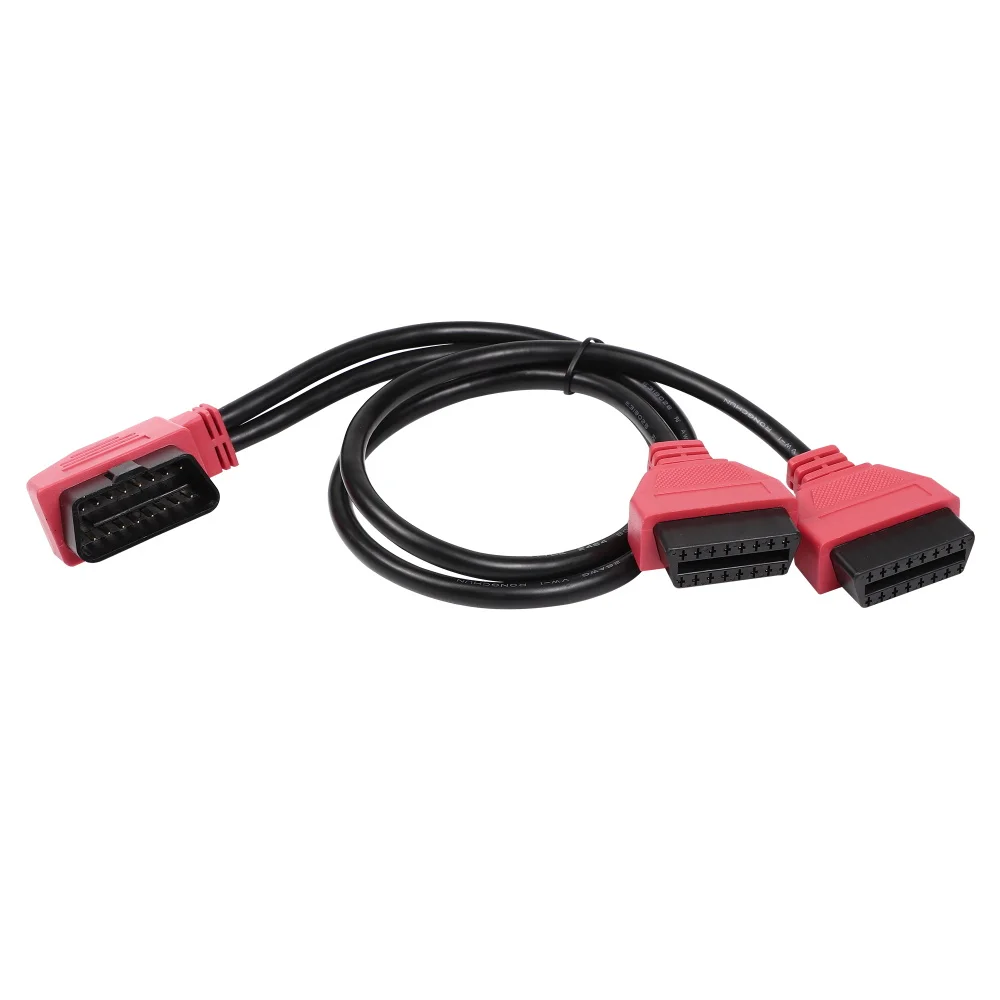
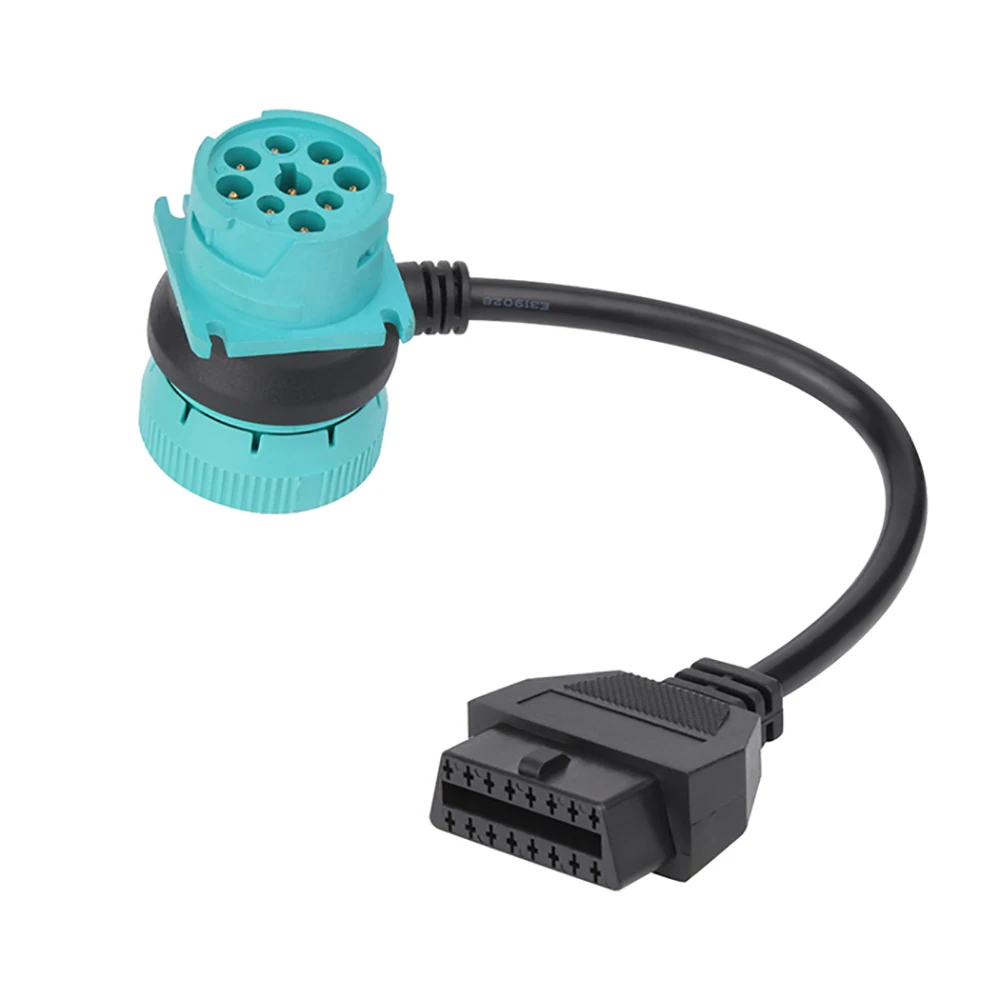
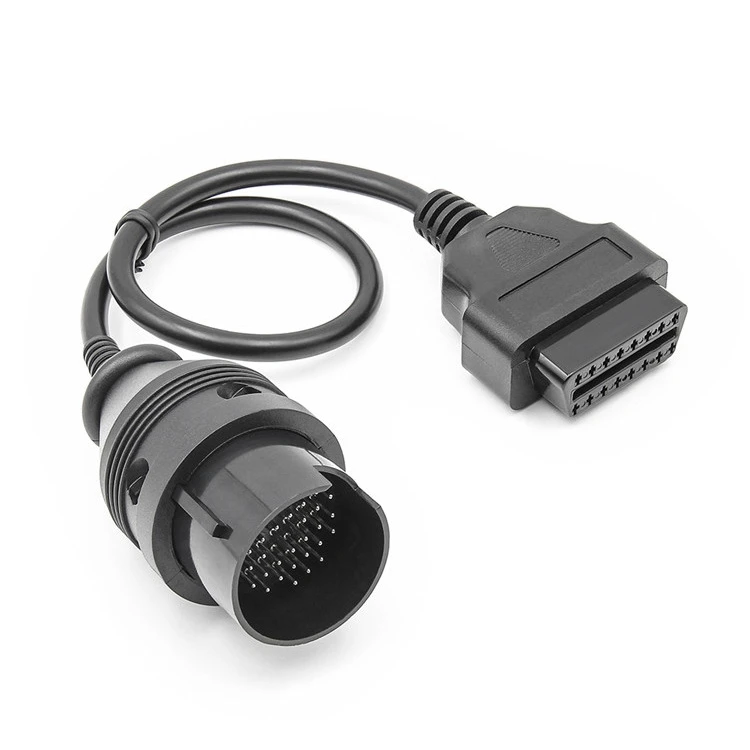
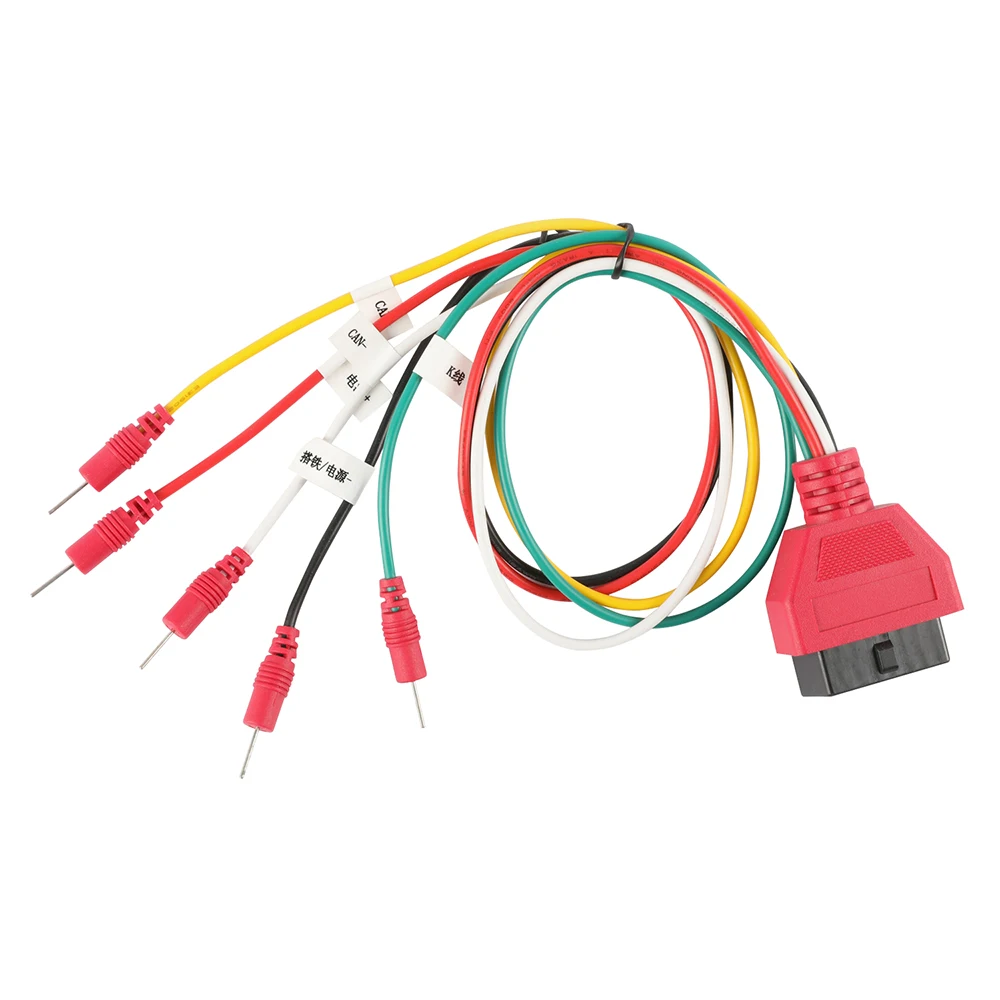
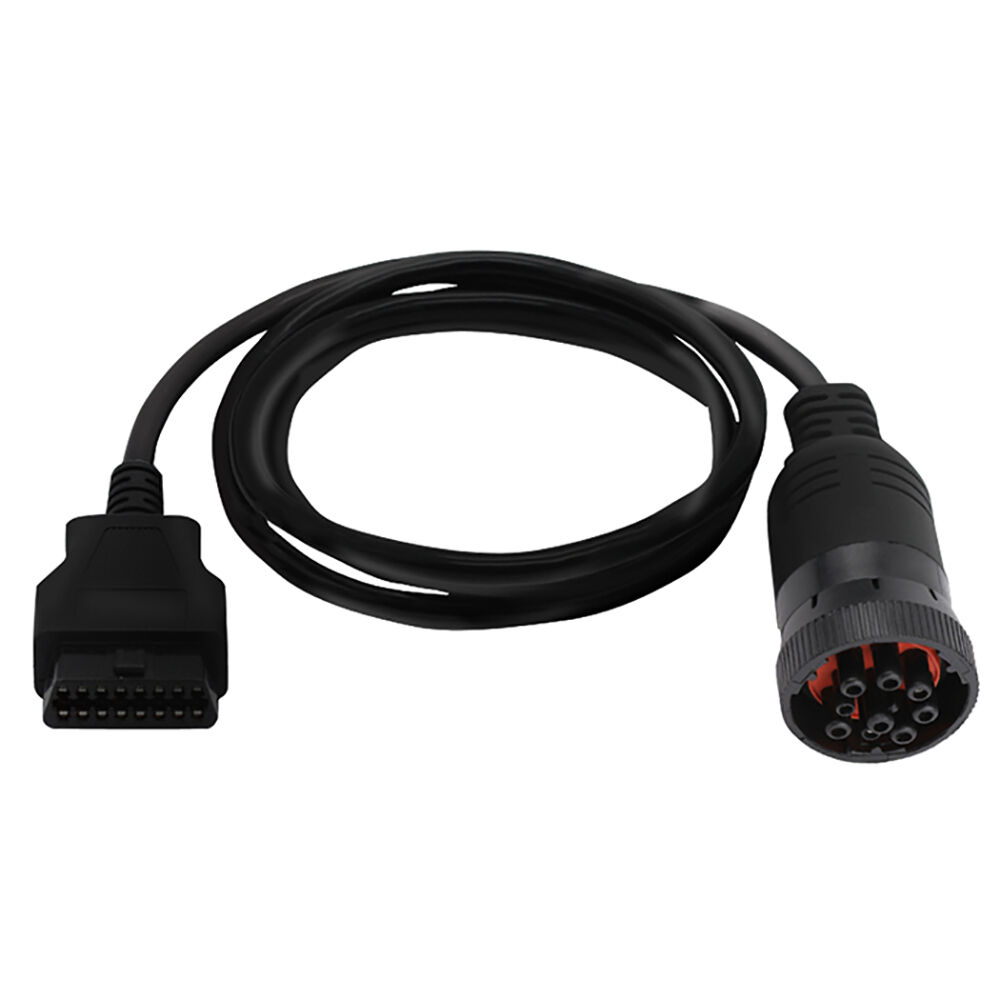
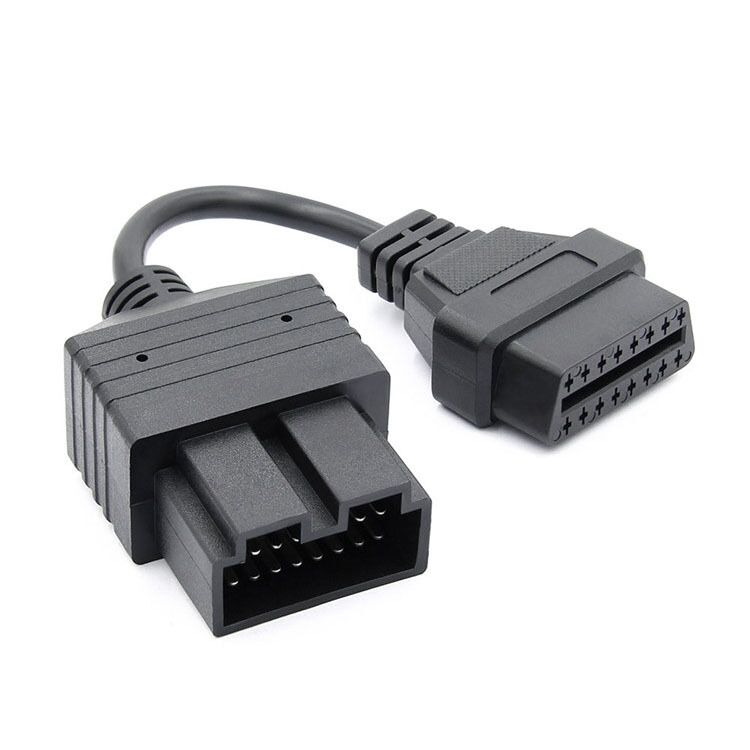
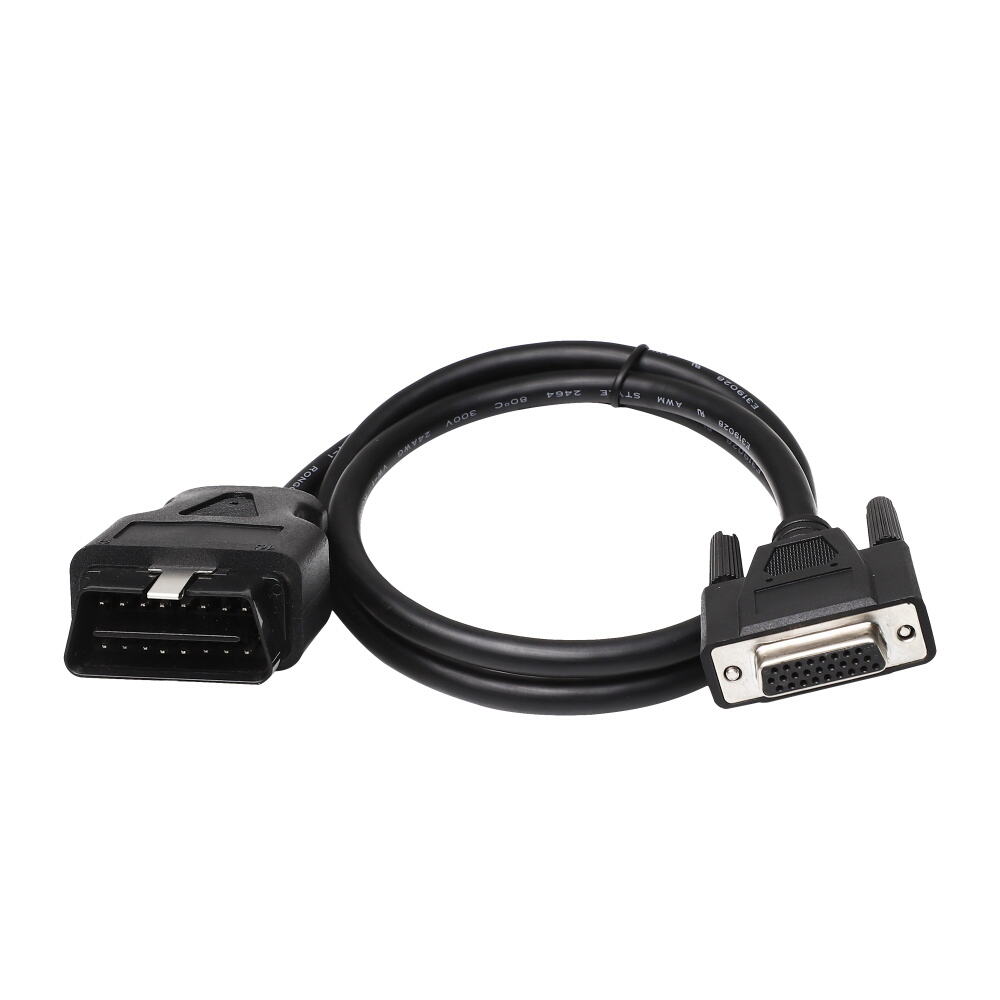
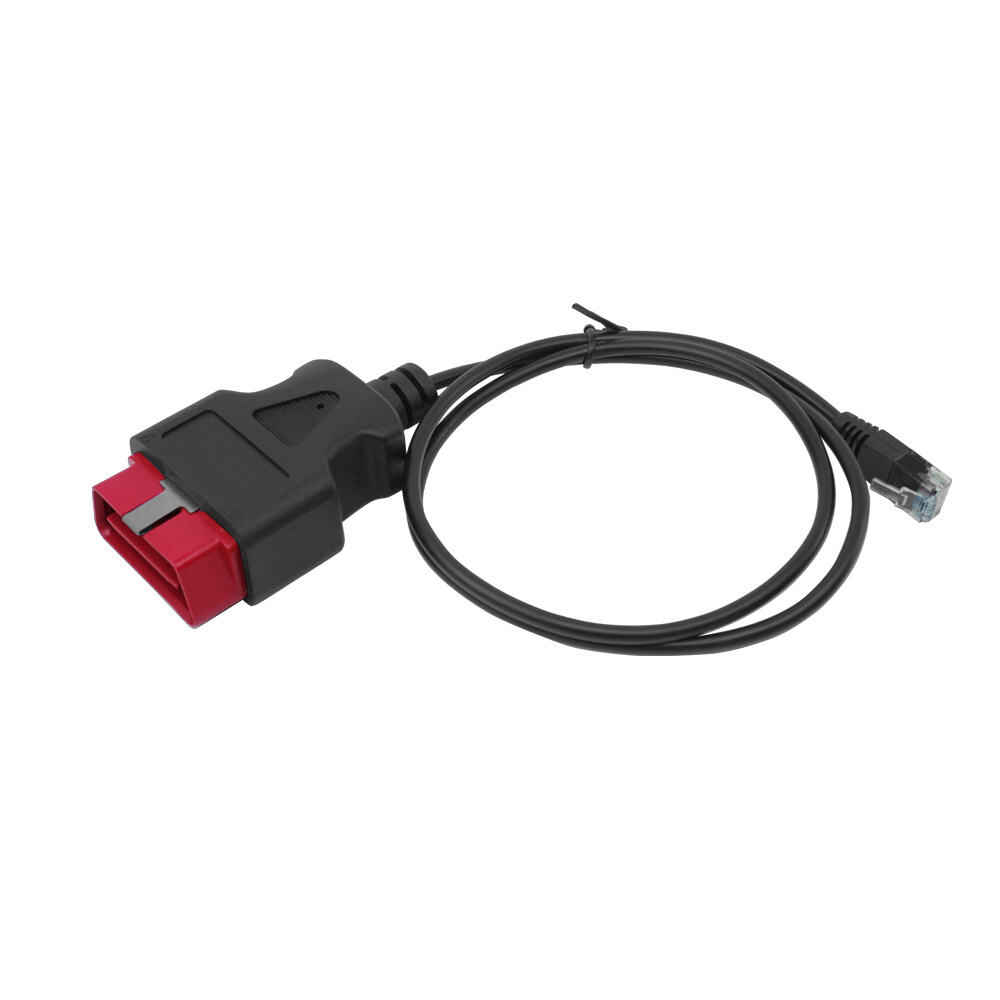
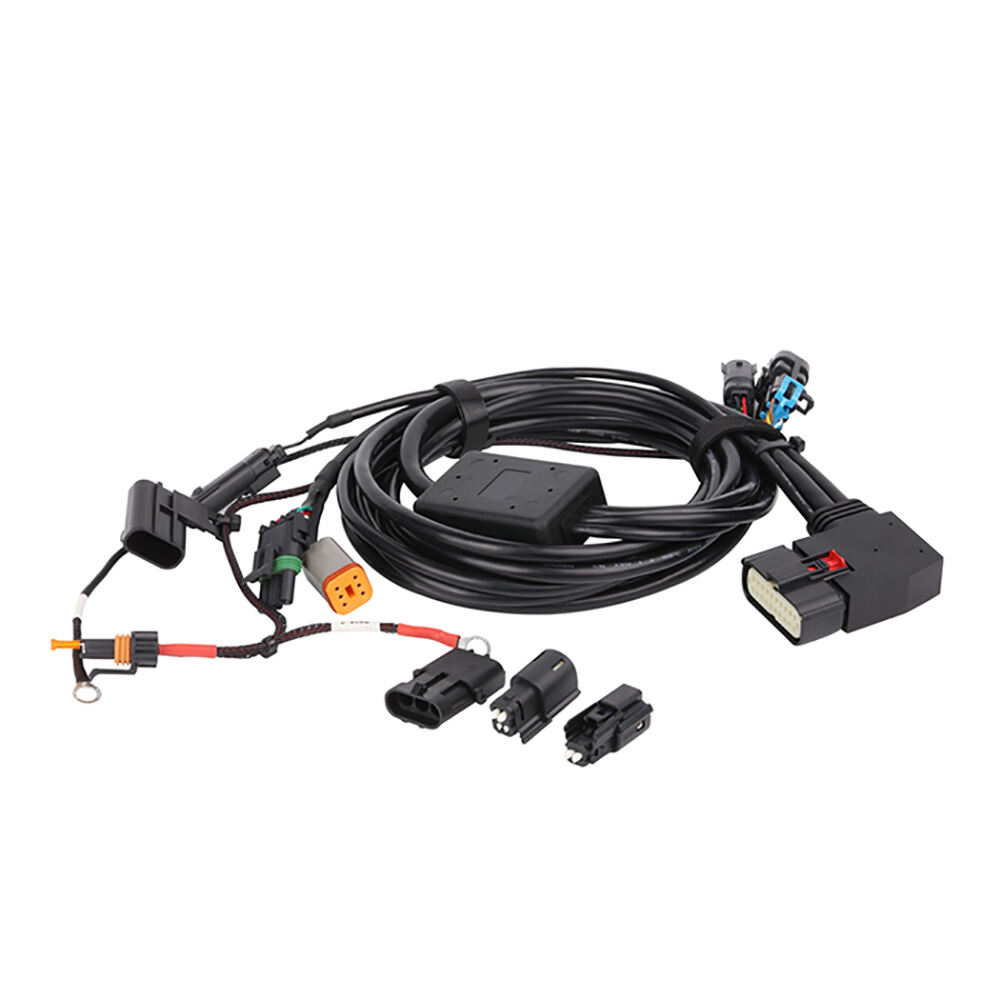
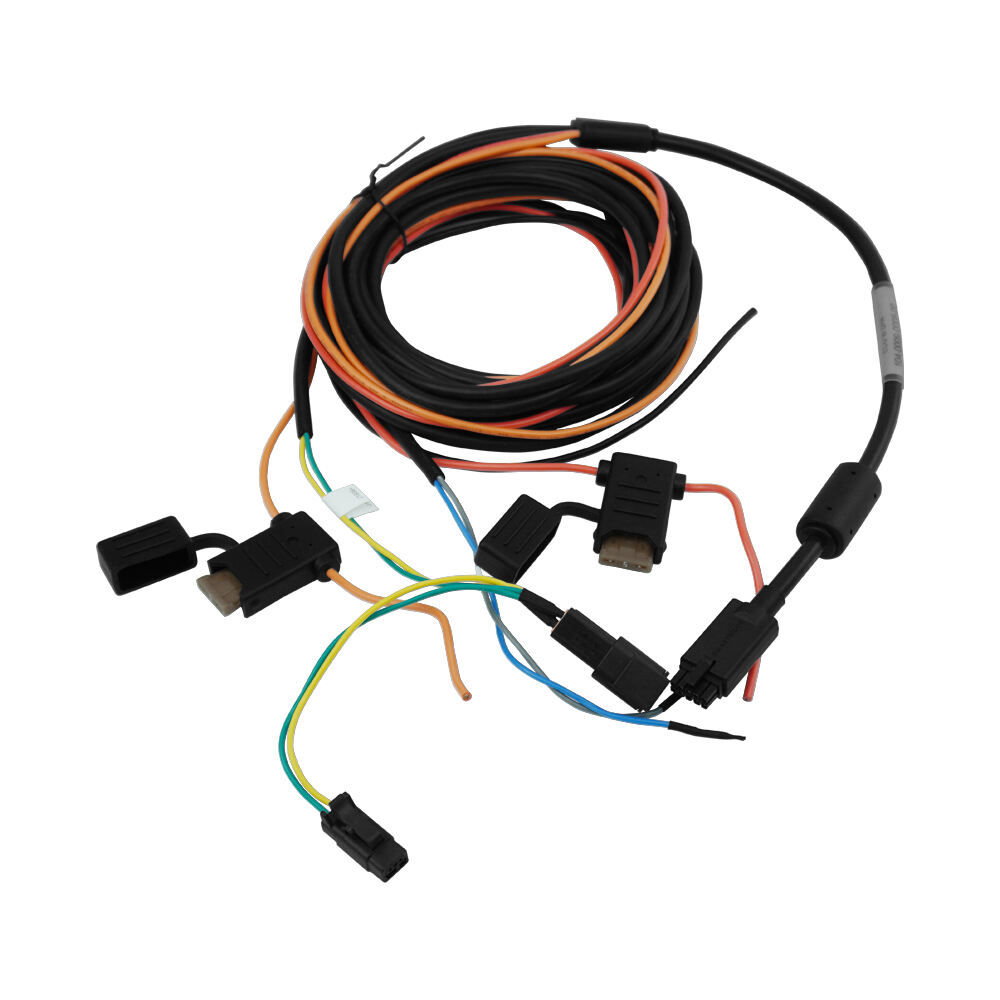
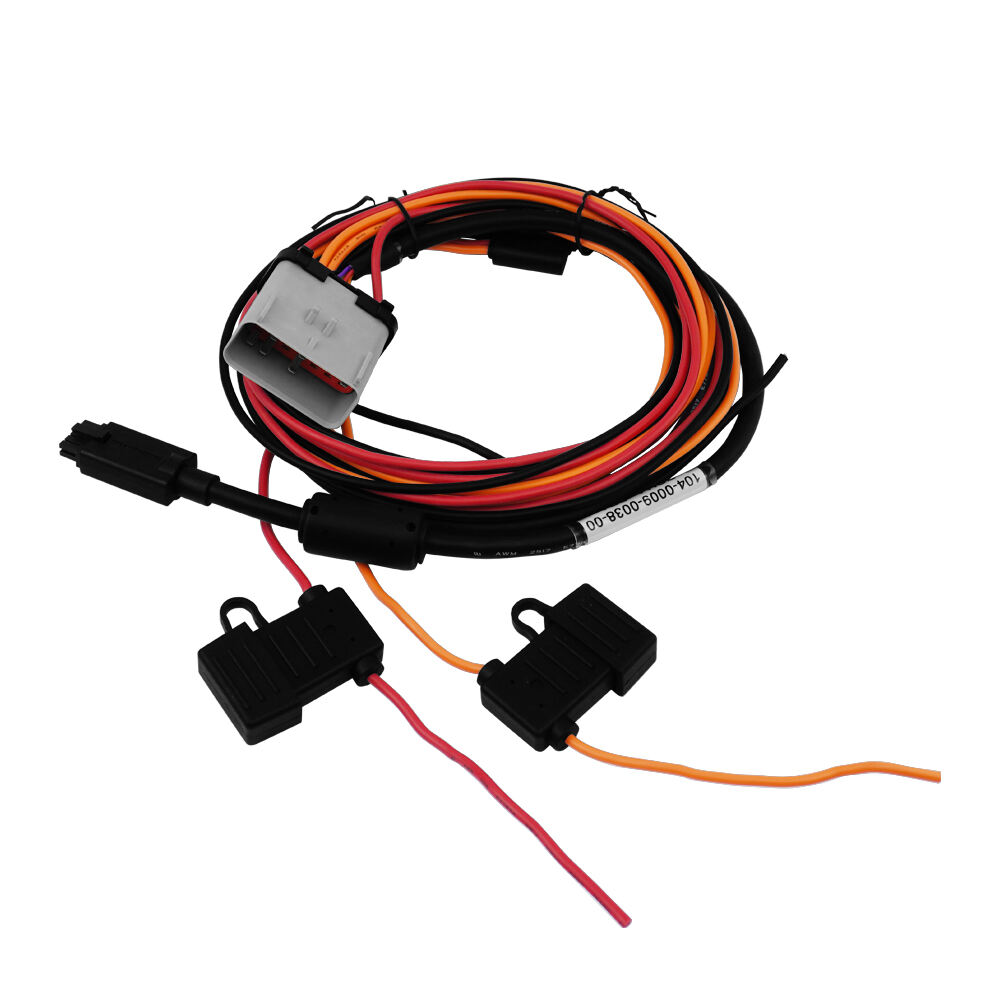
OEM Wiring Harness Solutions - Premium Quality Factory Electrical Assemblies for Optimal Performance

All Categories

Get a Free Quote

Our representative will contact you soon.
Email
Name
Company Name
Message
0/1000

oem wiring harness

An OEM wiring harness represents a critical electrical component system designed to transmit power and signals throughout vehicles, machinery, and complex equipment. Original Equipment Manufacturer wiring harnesses are engineered to meet exact specifications established by the equipment producer, ensuring seamless integration and optimal performance. These assemblies consist of multiple wires, connectors, terminals, and protective sheathing bundled together in an organized configuration. The primary function of an OEM wiring harness involves distributing electrical power to various components while simultaneously enabling communication between different system modules. This sophisticated network serves as the central nervous system for modern equipment, coordinating everything from basic lighting functions to advanced computer-controlled operations. Technological features of OEM wiring harness products include precision-engineered connector interfaces, temperature-resistant insulation materials, and strategically planned routing paths that minimize electromagnetic interference. Manufacturers employ advanced computer-aided design software to map out every wire path, ensuring that each connection meets stringent quality standards and operational requirements. The construction process involves careful selection of wire gauges, appropriate conductor materials such as copper or aluminum alloys, and protective coverings that shield against environmental hazards including moisture, heat, chemicals, and physical abrasion. Applications for OEM wiring harness systems span numerous industries, with automotive manufacturing representing the largest sector. Beyond vehicles, these assemblies prove essential in agricultural equipment, construction machinery, aerospace systems, medical devices, industrial automation, marine vessels, and consumer electronics. Each application demands specific design considerations addressing unique environmental conditions, operational stresses, and regulatory compliance requirements. The standardization inherent in OEM wiring harness production ensures consistent quality, simplified installation procedures, and reliable long-term performance across diverse operational environments and demanding usage scenarios.


New Products

Investing in an OEM wiring harness delivers numerous practical benefits that directly impact your equipment's performance, reliability, and total ownership costs. First and foremost, these factory-specified components guarantee perfect compatibility with your existing systems, eliminating the guesswork and potential problems associated with aftermarket alternatives. You receive a plug-and-play solution engineered specifically for your equipment model, which means installation becomes straightforward and time-efficient, reducing labor costs and minimizing downtime during repairs or upgrades. The precision manufacturing behind every OEM wiring harness ensures that each wire gauge, connector type, and routing path matches the original design specifications exactly. This attention to detail translates into optimal electrical performance, preventing voltage drops, signal degradation, and potential safety hazards that can occur with improperly matched components. Quality construction using premium materials provides superior durability compared to generic alternatives, meaning your OEM wiring harness withstands harsh operating conditions including extreme temperatures, vibration, moisture exposure, and chemical contamination. This resilience directly extends the service life of your equipment and reduces the frequency of costly replacements. Another significant advantage involves maintaining your equipment warranty and ensuring compliance with manufacturer specifications. Using OEM wiring harness components preserves your coverage terms and protects your investment, whereas aftermarket substitutes might void warranty protections. From a safety perspective, these factory-approved assemblies undergo rigorous testing protocols to verify they meet industry standards and regulatory requirements, giving you confidence that your electrical systems operate within safe parameters. The organized structure of an OEM wiring harness simplifies future maintenance and troubleshooting activities, as technicians can easily trace circuits and identify connection points using factory diagrams and documentation. This organized approach saves diagnostic time and reduces the likelihood of errors during service procedures. Cost-effectiveness emerges as another compelling advantage, because while the initial purchase price might exceed generic options, the combination of extended lifespan, reduced failure rates, lower installation costs, and eliminated compatibility issues delivers superior value over the equipment's operational life. You also benefit from the manufacturer's ongoing support, including technical documentation, replacement availability, and expert assistance when questions arise about installation or functionality.

Tips And Tricks

What Role Does a Wiring Harness Play in Reducing Assembly Time and Potential Human Error?

20

Jan

What Role Does a Wiring Harness Play in Reducing Assembly Time and Potential Human Error?

Modern manufacturing environments demand precision, efficiency, and reliability in every component and process. Among the most critical elements in electrical system assembly is the wiring harness, which serves as the nervous system of countless elec...
View More
How does J1939 connection cable ensure efficient and stable data transmission in commercial vehicles?

10

Feb

How does J1939 connection cable ensure efficient and stable data transmission in commercial vehicles?

Commercial vehicles rely heavily on sophisticated diagnostic and communication systems to ensure optimal performance, safety, and regulatory compliance. At the heart of these systems lies the J1939 connection cable, a specialized diagnostic interface...
View More
How to choose the right J1939 connection cable based on vehicle model and communication protocol?

10

Feb

How to choose the right J1939 connection cable based on vehicle model and communication protocol?

Selecting the appropriate J1939 connection cable is crucial for establishing reliable communication between electronic control units in commercial vehicles and heavy-duty equipment. The SAE J1939 standard defines the communication protocol used acros...
View More
How Can a High-Quality J1939 Connection Cable Ensure Reliable Data Transmission in Heavy-Duty Vehicles?

02

Apr

How Can a High-Quality J1939 Connection Cable Ensure Reliable Data Transmission in Heavy-Duty Vehicles?

Heavy-duty vehicles rely on sophisticated electronic systems to manage engine performance, emissions control, transmission functions, and safety features. At the heart of these interconnected systems lies the Controller Area Network (CAN) bus archite...
View More

Get a Free Quote

Our representative will contact you soon.
Email
Name
Company Name
Message
0/1000

oem wiring harness

Precision Engineering for Perfect System Integration

Precision Engineering for Perfect System Integration

The hallmark characteristic of an OEM wiring harness lies in its precision engineering approach that guarantees flawless integration with your specific equipment model. Unlike universal or aftermarket alternatives that attempt to serve multiple applications with compromise solutions, each OEM wiring harness originates from detailed technical specifications created by the equipment manufacturer's engineering team. This development process involves extensive computer modeling, prototype testing, and validation procedures that verify every aspect of the assembly's performance under real-world conditions. Engineers calculate exact wire lengths to prevent excess material that could create clutter or interference while avoiding insufficient length that would create tension or routing difficulties. Connector selections reflect careful consideration of current-carrying requirements, environmental exposure factors, and mating cycle expectations. The resulting product fits your application as if it were a tailored garment rather than an off-the-rack substitute. This precision extends to the routing configuration, where designers account for heat sources, moving components, sharp edges, and potential wear points to position wires along paths that maximize protection and longevity. Cable management features including integrated clips, ties, and mounting points align perfectly with existing attachment locations on your equipment frame or body panels. The connector orientations match access requirements, making installation intuitive and ensuring that technicians can complete the work efficiently without forcing connections or creating stress on terminals. Quality control processes during manufacturing verify that each OEM wiring harness meets dimensional tolerances, electrical specifications, and material standards before leaving the production facility. This rigorous oversight prevents defects from reaching customers and ensures consistent performance across every unit produced. The precision engineering advantage becomes especially valuable in complex systems where multiple harnesses interconnect, as the exact specifications ensure that all components work together harmoniously without signal conflicts, voltage mismatches, or physical interference issues that could compromise system functionality.
Superior Durability Through Advanced Material Selection

Superior Durability Through Advanced Material Selection

An OEM wiring harness achieves exceptional longevity and reliability through strategic selection of advanced materials specifically chosen to withstand the demanding conditions your equipment encounters during normal operation. The wire conductors themselves utilize high-purity copper or specialized alloys that deliver excellent electrical conductivity while maintaining flexibility and resistance to work hardening that can cause wire breakage over time. Insulation materials represent a critical component of durability, with manufacturers selecting compounds based on the specific temperature ranges, chemical exposures, and abrasion resistance requirements of each application. Modern OEM wiring harness products frequently incorporate cross-linked polyethylene, thermoplastic elastomers, or fluoropolymer insulations that maintain their protective properties across temperature extremes ranging from arctic cold to engine compartment heat. These materials resist degradation from ultraviolet light exposure, ozone, fuels, oils, coolants, and cleaning solvents that would quickly compromise inferior alternatives. Protective sheathing and conduit options provide additional layers of defense against physical damage, electromagnetic interference, and environmental hazards. Manufacturers employ corrugated tubing, braided sleeves, heat shrink coverings, and specialized wraps at vulnerable locations to shield wires from abrasion against sharp edges, heat radiation from exhaust components, and moisture intrusion in exposed areas. Terminal and connector housings utilize engineering-grade polymers or metal alloys selected for their mechanical strength, dimensional stability, and resistance to corrosion. Gold or tin plating on contact surfaces ensures reliable electrical connections that resist oxidation and maintain low contact resistance throughout the assembly's service life. The careful material selection process considers not only immediate performance requirements but also long-term aging characteristics, ensuring that your OEM wiring harness maintains its protective and functional properties years after installation. This superior durability translates directly into reduced maintenance requirements, fewer unexpected failures, and lower total cost of ownership compared to alternatives constructed from commodity materials chosen primarily for initial cost savings rather than long-term performance.
Comprehensive Safety Compliance and Testing Validation

Comprehensive Safety Compliance and Testing Validation

Safety represents an absolutely critical consideration in electrical system design, and an OEM wiring harness delivers peace of mind through comprehensive testing validation and regulatory compliance that generic alternatives cannot match. Equipment manufacturers invest substantial resources in engineering processes that verify every aspect of wiring harness safety before approving designs for production use. This validation begins during the design phase, where engineers conduct failure mode analysis to identify potential hazards and implement protective measures that prevent dangerous conditions from occurring. Circuit protection devices integrate at appropriate locations to guard against overcurrent situations that could generate excessive heat or create fire risks. Wire gauge selections incorporate safety margins that ensure current-carrying capacity exceeds normal operational demands even under worst-case scenarios. Insulation thickness and material properties prevent electrical leakage that could create shock hazards or cause unintended equipment operation. Physical routing plans keep high-voltage circuits separated from sensitive electronic components and position wires away from heat sources that could degrade insulation properties over time. Before approving any OEM wiring harness design for production, manufacturers subject prototype assemblies to rigorous testing protocols that simulate years of operational stress in compressed timeframes. These evaluations include thermal cycling tests that repeatedly expose assemblies to temperature extremes, vibration testing that replicates the mechanical stresses of normal operation, salt spray exposure to assess corrosion resistance, and pull tests that verify connector retention forces exceed specified minimums. Electrical performance testing validates voltage drop characteristics, insulation resistance values, and dielectric strength under both normal and fault conditions. Third-party certification agencies frequently evaluate OEM wiring harness products to verify compliance with industry standards established by organizations such as SAE International, Underwriters Laboratories, or equivalent regulatory bodies specific to particular industries or geographic markets. These certifications provide independent validation that the assembly meets recognized safety benchmarks and performance criteria. The documentation accompanying an OEM wiring harness typically includes detailed specifications, installation instructions, and circuit diagrams that enable technicians to work safely and correctly with the electrical system, further enhancing overall safety outcomes throughout the equipment's operational lifespan.

Get a Free Quote

Our representative will contact you soon.
Email
Name
Company Name
Message
0/1000

Get a Free Quote

Our representative will contact you soon.
Email
Name
Company Name
Message
0/1000

Get a Free Quote

Our representative will contact you soon.
Email
Name
Company Name
Message
0/1000

Get a Free Quote

Our representative will contact you soon.
Email
Name
Company Name
Message
0/1000