

 EN
EN
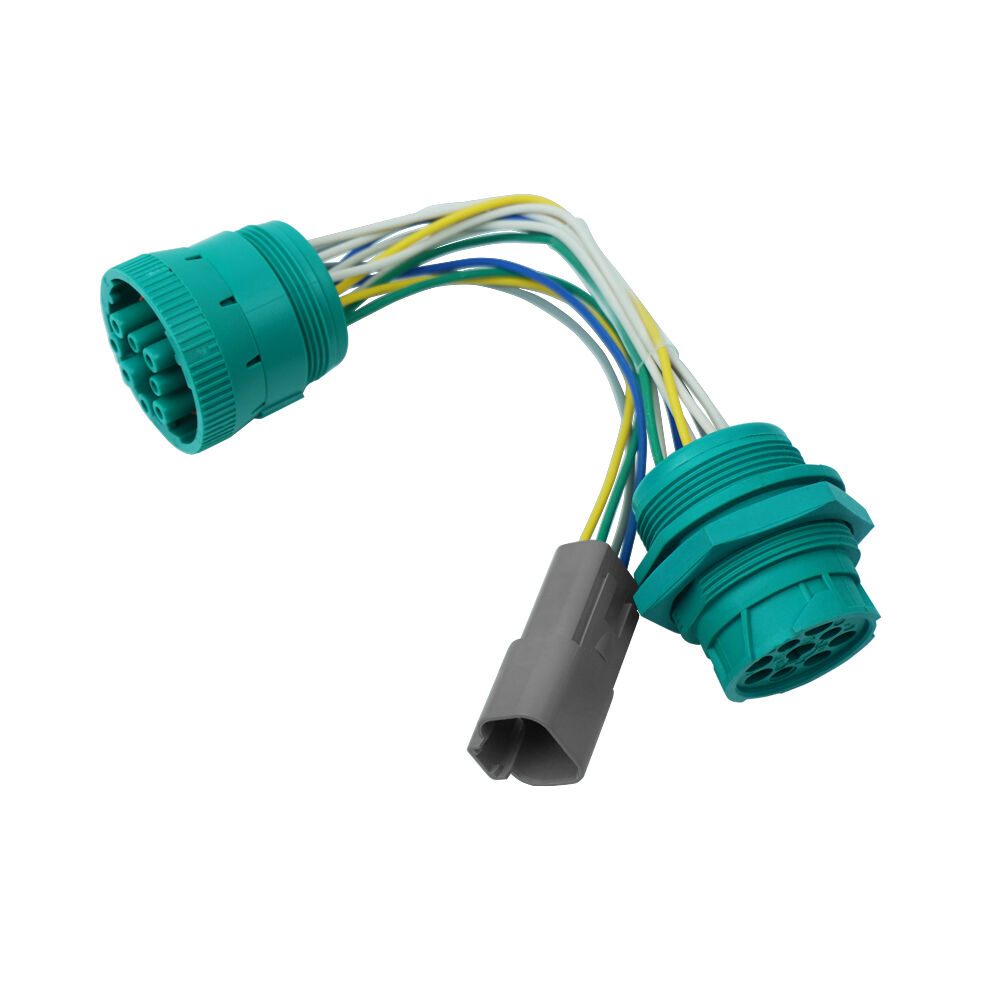
Restoring a Tesla vehicle requires meticulous attention to the electrical system, particularly when dealing with the complex network of wiring harnesses that power everything from the drivetrain to the infotainment system. The Tesla wiring harness represents one of the most critical components in any restoration project, as improper routing or securing can lead to electrical failures, safety hazards, and costly repairs. Understanding the proper techniques for handling these sophisticated electrical assemblies ensures your restoration project maintains the vehicle's performance standards while preserving its innovative design integrity.
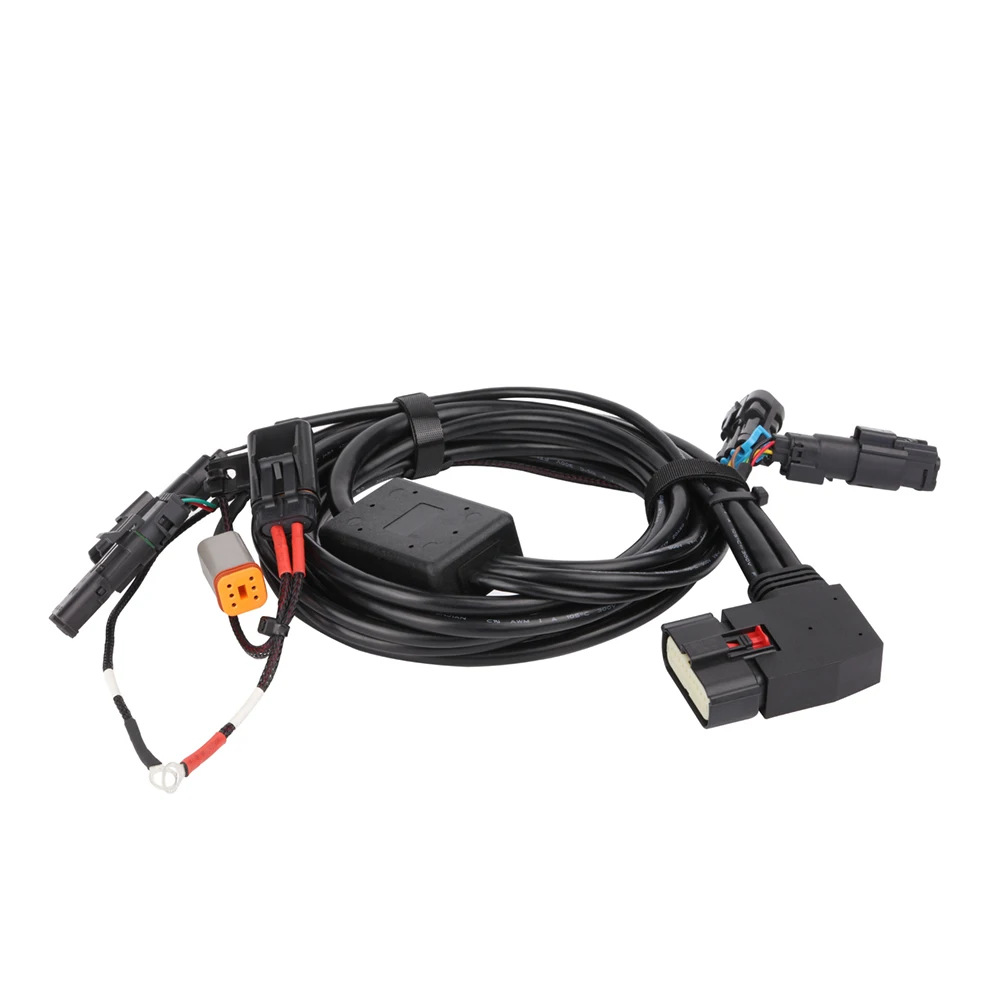
The restoration process demands a systematic approach that considers Tesla's unique electrical architecture, which differs significantly from traditional internal combustion engine vehicles. Each Tesla wiring harness must be routed through specific pathways that avoid heat sources, moving parts, and potential pinch points while maintaining proper clearances for thermal expansion. The securing methods must accommodate the vehicle's lightweight construction and advanced materials without compromising the electrical connections or creating stress points that could lead to premature failure during operation.
Understanding Tesla's Electrical Architecture
High-Voltage System Considerations
Tesla vehicles operate with a high-voltage electrical system that requires specialized handling procedures during restoration work. The Tesla wiring harness includes both low-voltage circuits for accessories and lighting, as well as high-voltage cables that carry power from the battery pack to the motor controllers. These high-voltage components operate at voltages exceeding 400 volts, making proper insulation and routing critical for both performance and safety. During restoration, technicians must ensure that high-voltage harnesses maintain adequate separation from low-voltage circuits and are routed away from areas where physical damage could occur.
The electrical architecture also incorporates multiple communication networks that allow various control modules to exchange data in real-time. These communication lines within the Tesla wiring harness are sensitive to electromagnetic interference and must be properly shielded and routed to prevent signal degradation. The restoration process should maintain the original twisted-pair configurations and shielding integrity to ensure proper vehicle operation and diagnostic capability after completion.
Thermal Management Requirements
Tesla's advanced thermal management system creates specific routing requirements for the wiring harnesses throughout the vehicle. The Tesla wiring harness must be positioned to avoid excessive heat exposure from the battery cooling system, motor controllers, and onboard charging equipment. During restoration, proper thermal protection involves routing harnesses away from heat-generating components and ensuring adequate ventilation around electrical connections.
The restoration process must also consider thermal expansion and contraction cycles that affect the Tesla wiring harness over time. Proper securing techniques allow for controlled movement while preventing stress concentrations that could damage conductors or connectors. This requires using appropriate mounting hardware that accommodates thermal cycling without compromising the electrical connections or creating vibration-induced wear points.
Pre-Restoration Planning and Assessment
Documentation and Photography
Before beginning any restoration work, comprehensive documentation of the existing Tesla wiring harness routing provides a reference for proper reinstallation. Digital photography from multiple angles captures the original pathways, securing points, and connector orientations that guide the restoration process. This documentation proves invaluable when questions arise about proper routing or when modifications are necessary to accommodate replacement components.
The assessment phase should include detailed inspection of each Tesla wiring harness segment for signs of wear, corrosion, or previous repair attempts. Identifying damaged sections early in the process allows for proper planning of replacement parts and repair procedures. This thorough evaluation ensures that the restored vehicle will have reliable electrical systems that meet or exceed the original factory specifications.
Component Inventory and Sourcing
Successful restoration requires accurate inventory of all Tesla wiring harness components, including connectors, protective coverings, and mounting hardware. The unique specifications of Tesla's electrical systems often require OEM or OEM-equivalent parts to maintain proper fit and function. During the planning phase, identifying the correct part numbers and sourcing requirements prevents delays and ensures compatibility with the vehicle's electrical architecture.
The restoration process may also require specialized tools for working with Tesla's specific connector types and securing mechanisms. Planning for tool requirements ensures that the Tesla wiring harness can be properly installed without damage to connectors or conductors. This preparation phase significantly impacts the quality and efficiency of the restoration work.
Routing Techniques and Best Practices
Pathway Selection and Clearance Requirements
Proper routing of the Tesla wiring harness begins with selecting pathways that provide adequate clearance from moving parts, heat sources, and sharp edges. The restoration process must recreate the original factory routing while accommodating any modifications or repairs that may be necessary. Each pathway should provide sufficient space for the harness bundle while allowing for thermal expansion and vehicle flexing during operation.
The routing technique must also consider accessibility for future service and maintenance activities. A well-routed Tesla wiring harness allows technicians to perform diagnostic procedures and component replacement without extensive disassembly. This forward-thinking approach enhances the long-term value and serviceability of the restored vehicle.
Protection and Shielding Methods
The Tesla wiring harness requires appropriate protection from environmental factors, mechanical damage, and electromagnetic interference throughout its routing path. During restoration, selecting the correct protective coverings ensures long-term reliability and performance. Split-loom tubing, braided sleeving, and heat-resistant wrapping materials provide different levels of protection depending on the specific environmental challenges in each routing location.
Electromagnetic shielding considerations become particularly important when routing communication networks and sensitive sensor circuits within the Tesla wiring harness. The restoration process must maintain or improve upon the original shielding effectiveness to prevent interference with the vehicle's advanced electronic systems. This attention to detail ensures that restored vehicles maintain their sophisticated functionality and diagnostic capabilities.
Securing Methods and Hardware Selection
Mounting Point Identification
Identifying appropriate mounting points for the Tesla wiring harness requires understanding the vehicle's structural design and load distribution characteristics. During restoration, each securing point must provide adequate support while allowing for controlled movement during vehicle operation. The mounting locations should distribute loads evenly across the harness to prevent stress concentrations that could lead to conductor fatigue or connector failure.
The restoration process must also consider the accessibility of mounting points for proper installation and future service requirements. Well-chosen securing locations for the Tesla wiring harness facilitate both the restoration work and subsequent maintenance activities. This strategic approach to mounting point selection contributes significantly to the overall quality and longevity of the restoration project.
Hardware Specifications and Installation
Selecting appropriate securing hardware for the Tesla wiring harness involves matching the mechanical requirements with the environmental conditions at each mounting location. During restoration, using hardware that meets or exceeds the original specifications ensures reliable long-term performance. The securing hardware must accommodate thermal cycling, vibration, and potential exposure to moisture or contaminants without compromising the electrical connections.
Installation techniques for securing hardware require careful attention to torque specifications and mounting procedures that prevent damage to the Tesla wiring harness or vehicle structure. Over-tightening securing hardware can create stress points that lead to premature failure, while insufficient securing can allow excessive movement that damages conductors or connectors. The restoration process must balance these requirements to achieve optimal results.
Quality Control and Testing Procedures
Continuity and Insulation Testing
After completing the routing and securing of the Tesla wiring harness, comprehensive testing verifies the integrity of all electrical connections and insulation systems. The restoration process should include continuity testing of each circuit to ensure proper conductor integrity and connection quality. This testing identifies any damage that may have occurred during the restoration work and confirms that all circuits meet their design specifications.
Insulation testing becomes particularly critical for high-voltage circuits within the Tesla wiring harness, where insulation failure could create serious safety hazards. The testing procedures must verify that insulation resistance meets or exceeds the manufacturer's specifications under both normal and elevated voltage conditions. This thorough testing approach ensures that the restored vehicle operates safely and reliably after completion of the project.
Functional Verification
Functional testing of the Tesla wiring harness involves verifying that all electrical systems operate according to their design parameters after restoration. This comprehensive testing includes checking communication networks, sensor inputs, and control outputs to ensure proper system integration. The testing process should identify any issues with routing or securing that might affect system performance or reliability.
The restoration quality control process must also verify that the Tesla wiring harness installation allows for proper vehicle operation under various conditions, including thermal cycling and mechanical stress. This testing approach confirms that the restoration work maintains the vehicle's original performance characteristics while ensuring long-term reliability and safety.
FAQ
What are the most critical safety considerations when working with Tesla wiring harnesses during restoration?
The most critical safety considerations include proper de-energization of high-voltage systems before beginning work, use of appropriate personal protective equipment rated for high-voltage applications, and following proper lockout/tagout procedures. Always ensure the high-voltage battery is properly disconnected and that adequate time has passed for capacitor discharge before handling any Tesla wiring harness components. Additionally, maintain proper insulation integrity and separation between high-voltage and low-voltage circuits throughout the restoration process.
How do I identify the correct replacement parts for damaged Tesla wiring harness components?
Identifying correct replacement parts requires referencing the vehicle's VIN-specific parts catalog and understanding the production date variations that may affect component specifications. Tesla wiring harness components often have specific part numbers that correspond to particular model years and configurations. Document existing part numbers, connector types, and wire specifications before ordering replacements, and verify compatibility through official Tesla service information or qualified aftermarket suppliers who specialize in Tesla restoration components.
What tools are essential for properly routing and securing Tesla wiring harnesses?
Essential tools include insulated hand tools rated for high-voltage work, specialized connector removal tools for Tesla-specific connectors, digital multimeters capable of measuring high voltages safely, and proper lifting equipment for handling heavy harness assemblies. Additionally, you'll need appropriate protective coverings, cable ties rated for automotive applications, and mounting hardware that meets Tesla's specifications. Proper documentation tools, including cameras and measurement devices, are also crucial for ensuring accurate restoration of the original Tesla wiring harness routing configuration.
How can I ensure the restored Tesla wiring harness will provide reliable long-term performance?
Long-term reliability requires adherence to proper routing clearances, use of OEM or OEM-equivalent components, and implementation of appropriate protection measures against environmental factors. Ensure all connections are properly torqued, protected from moisture and contaminants, and adequately supported to prevent stress concentrations. Regular inspection intervals should be established to monitor the condition of the Tesla wiring harness after restoration, particularly focusing on areas subject to thermal cycling or mechanical stress. Proper documentation of the restoration work also facilitates future maintenance and troubleshooting activities.
Table of Contents
- Understanding Tesla's Electrical Architecture
- Pre-Restoration Planning and Assessment
- Routing Techniques and Best Practices
- Securing Methods and Hardware Selection
- Quality Control and Testing Procedures
-
FAQ
- What are the most critical safety considerations when working with Tesla wiring harnesses during restoration?
- How do I identify the correct replacement parts for damaged Tesla wiring harness components?
- What tools are essential for properly routing and securing Tesla wiring harnesses?
- How can I ensure the restored Tesla wiring harness will provide reliable long-term performance?