Truck ELD Systems: Complete Compliance Solutions for Modern Fleet Management

All Categories

Get a Free Quote

Our representative will contact you soon.
Email
Name
Company Name
Message
0/1000

truck eld systems

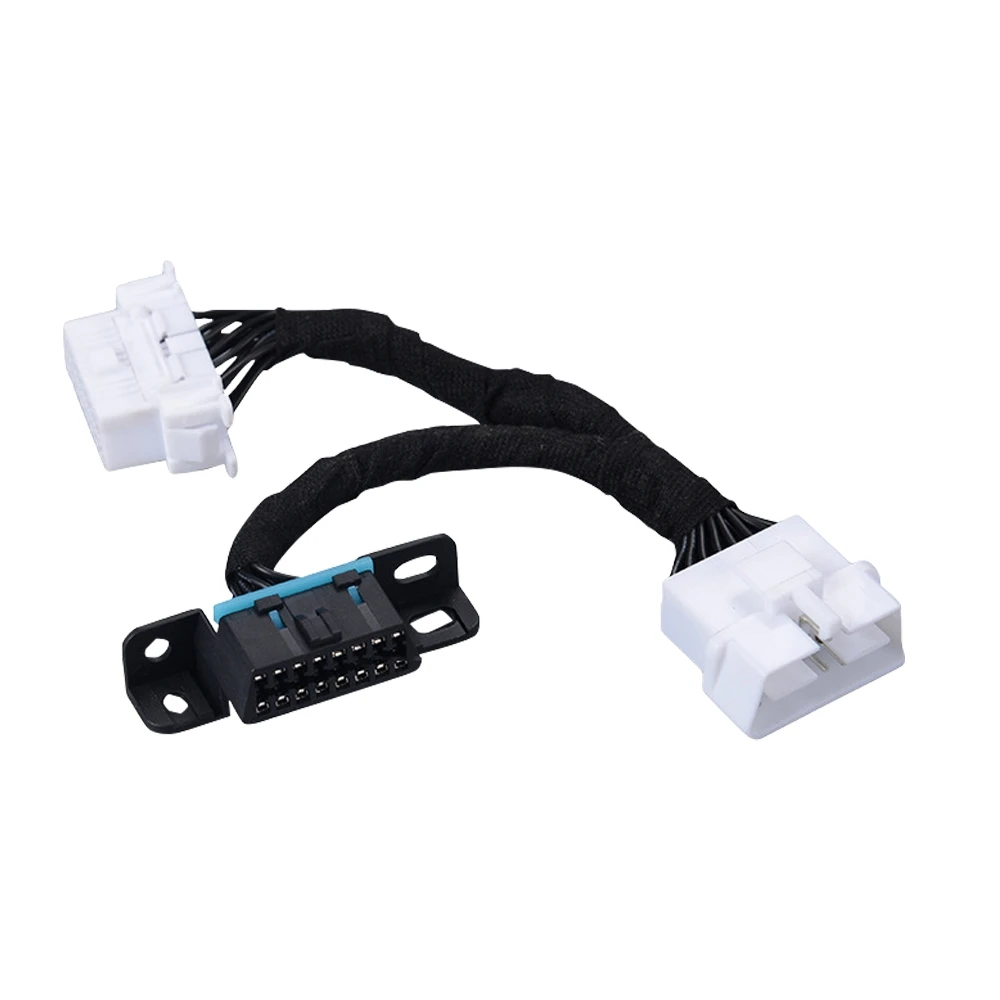
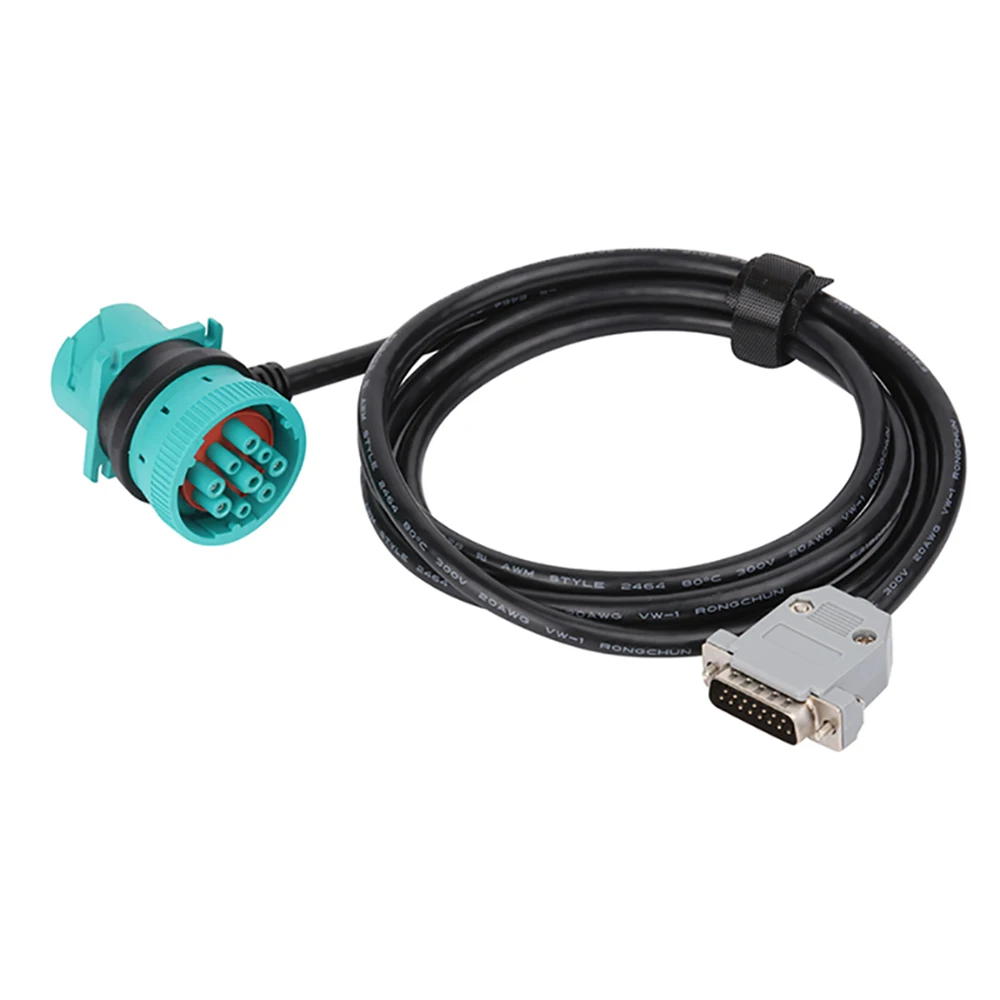
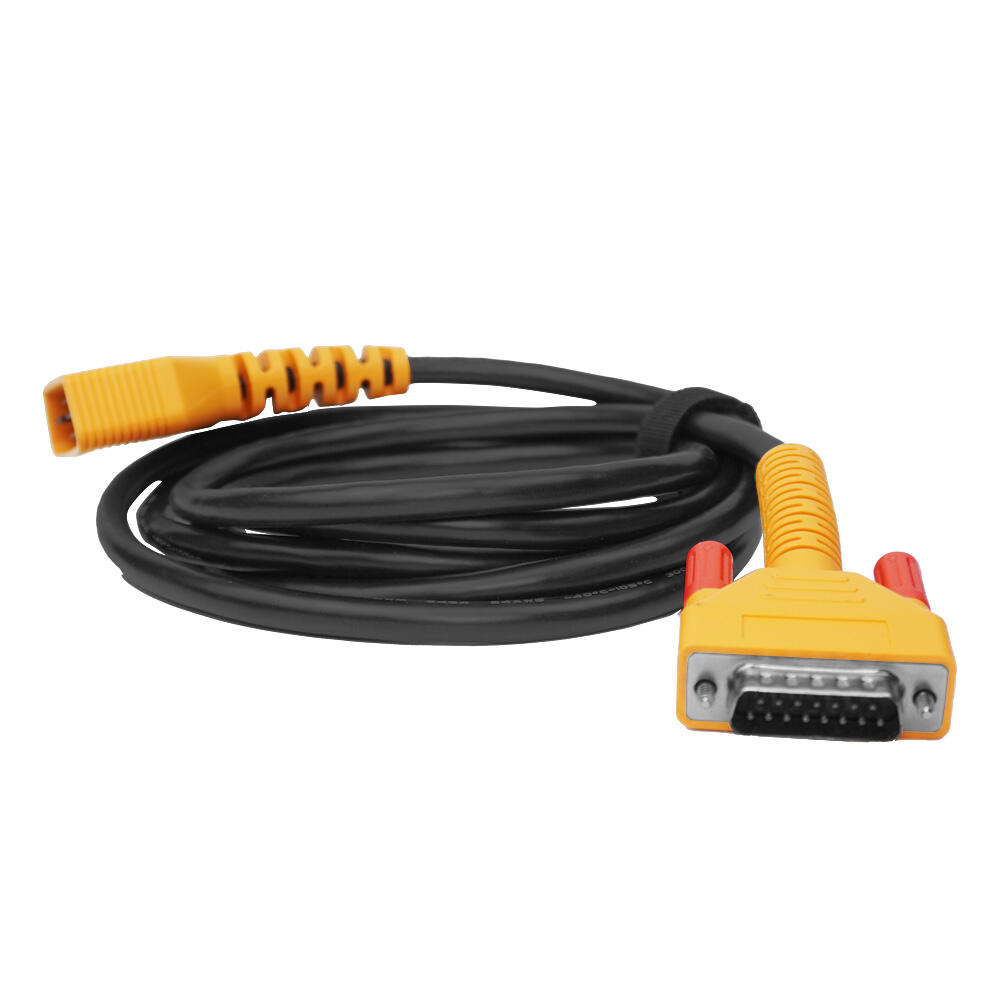
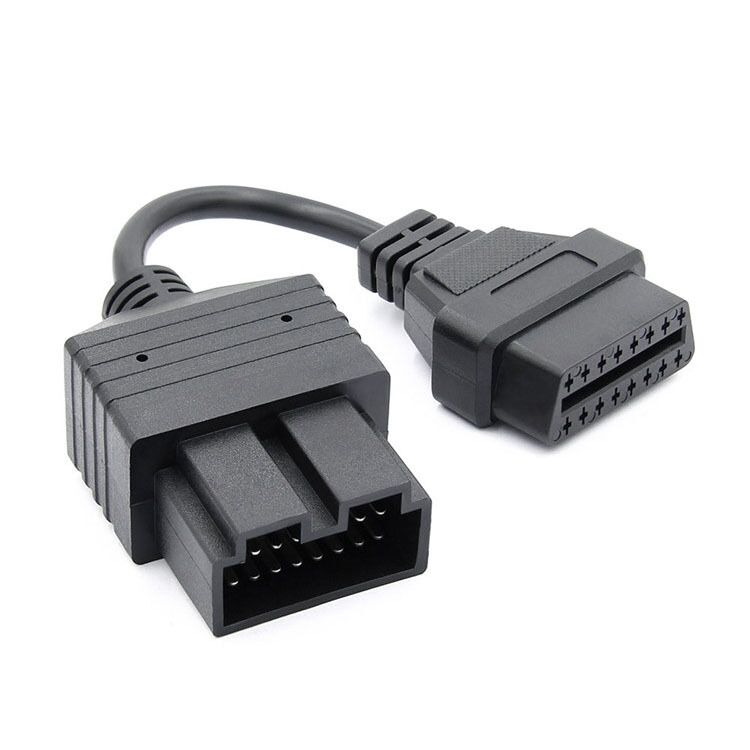
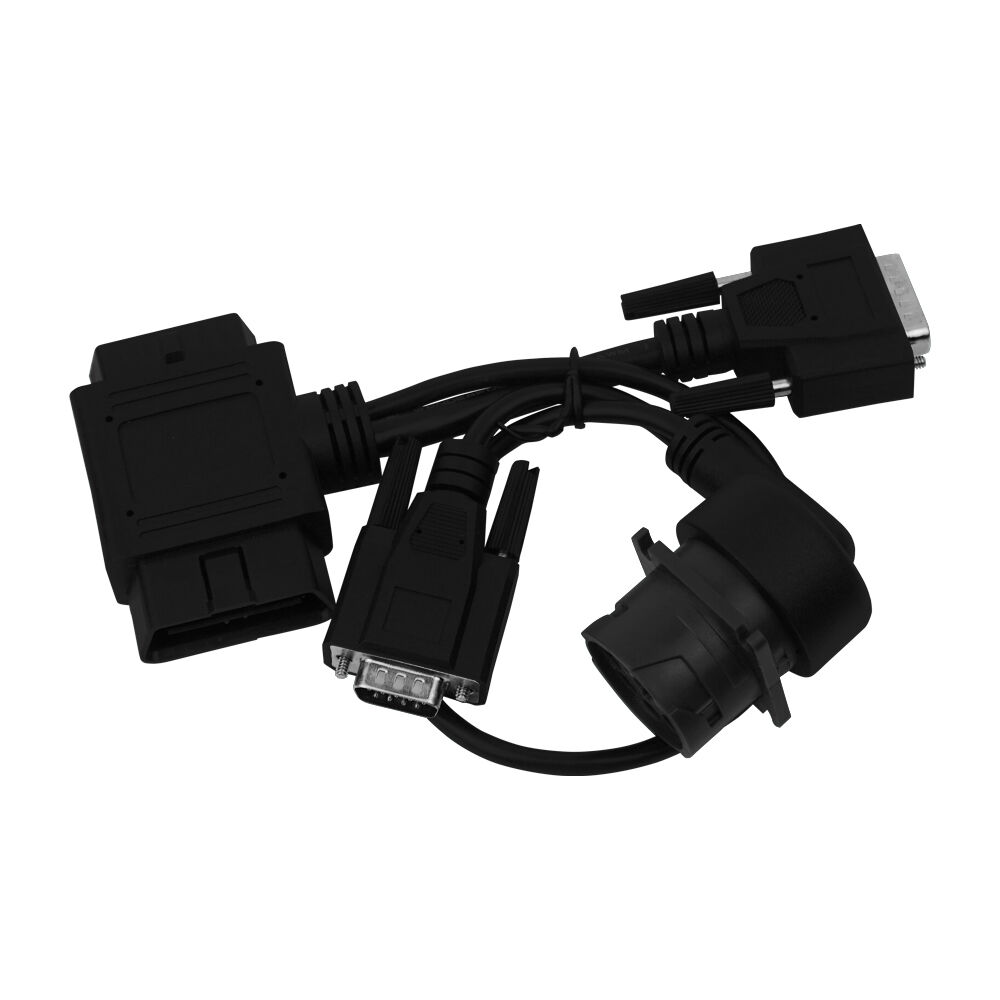
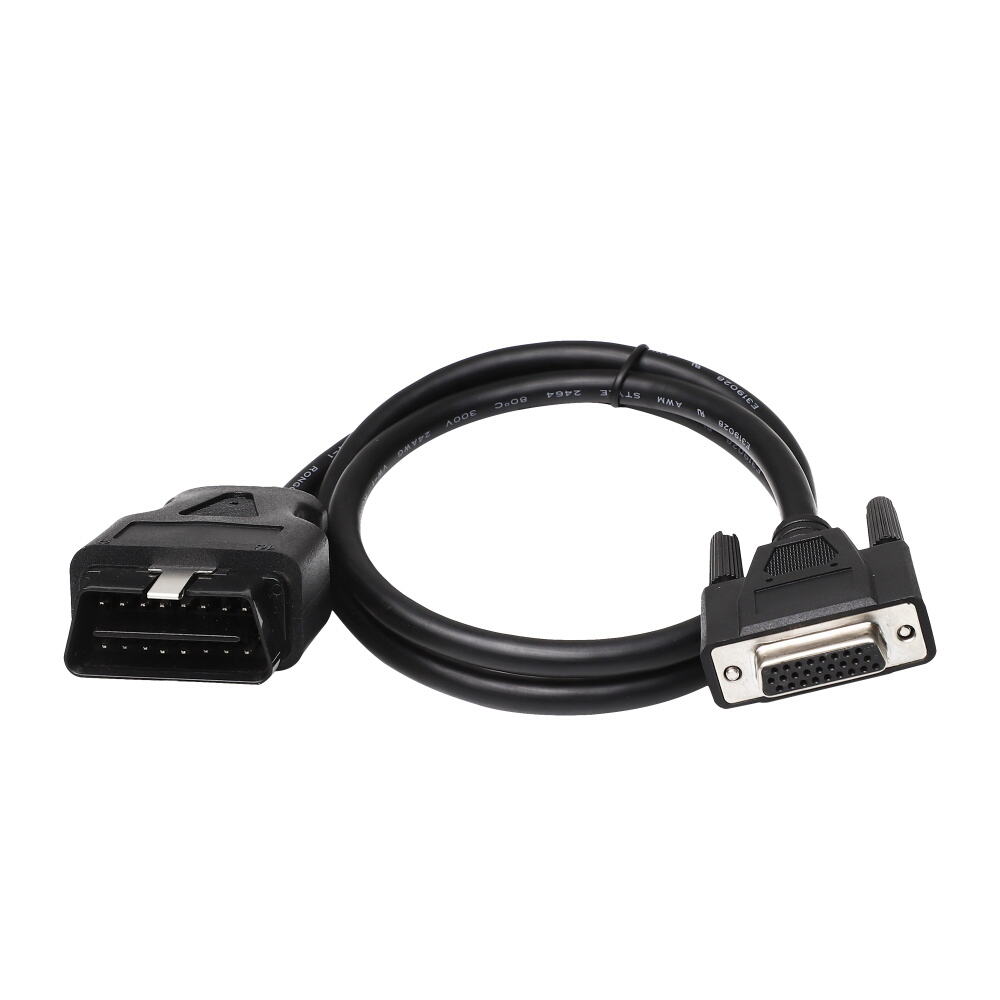
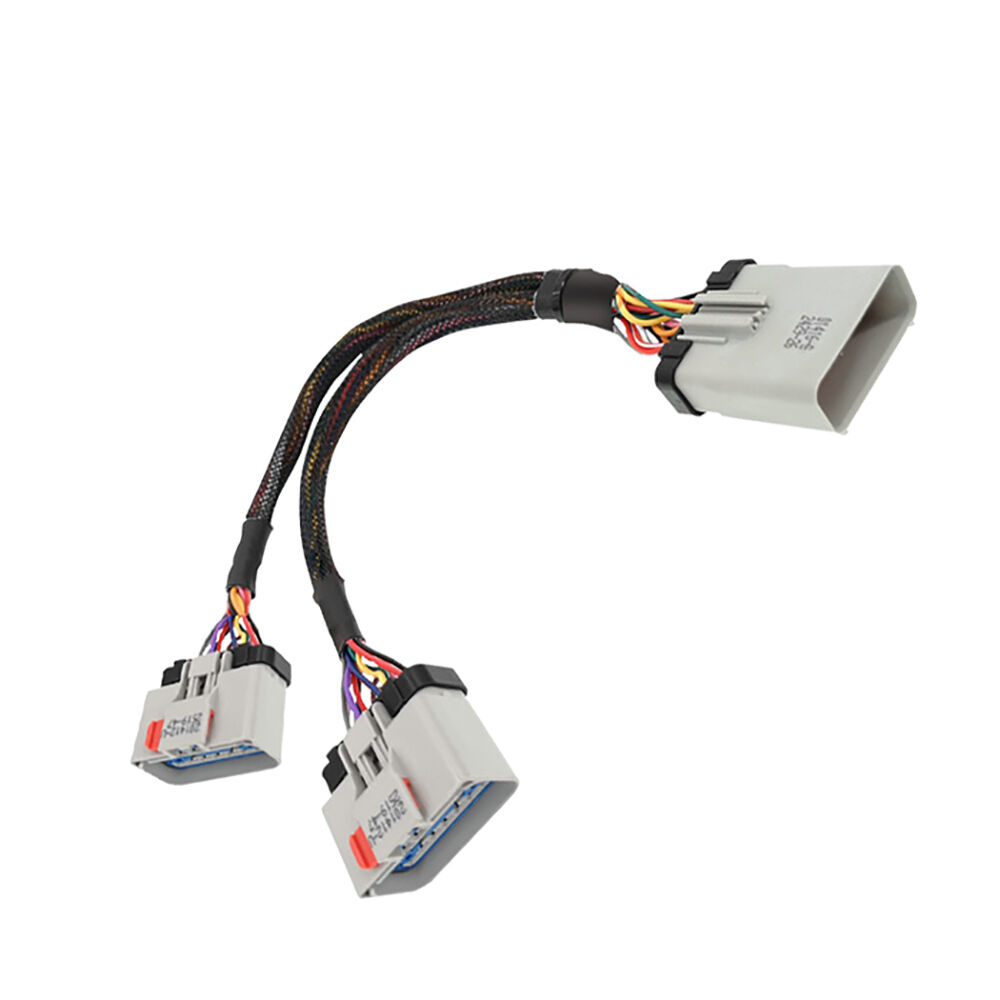
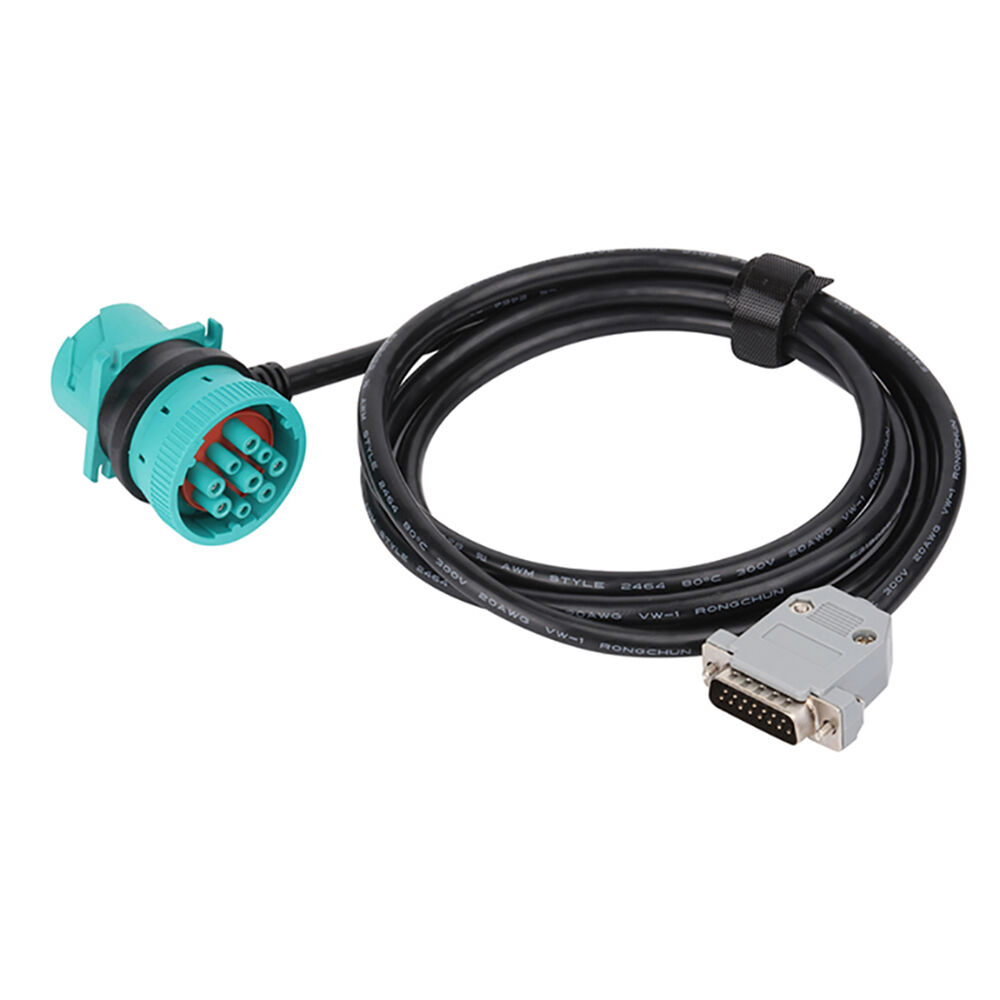
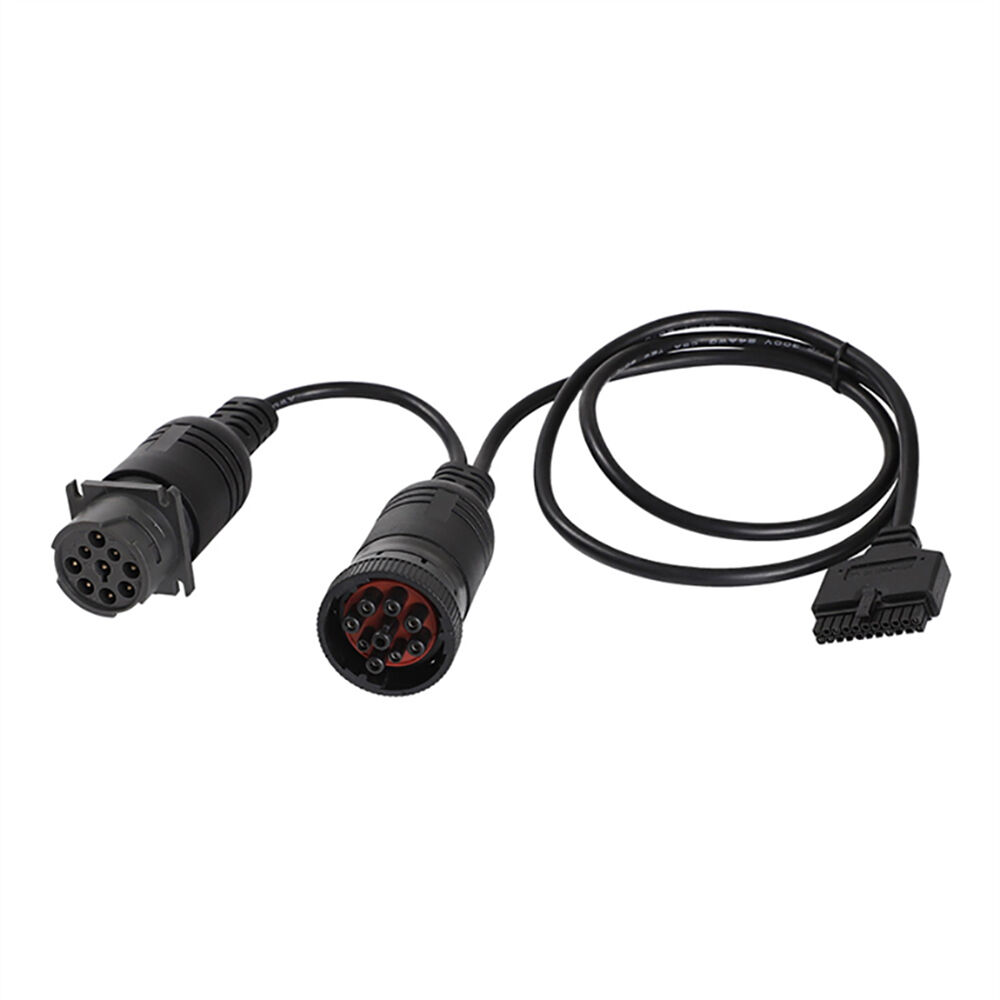
Truck ELD systems represent a transformative technology in the transportation industry, designed to electronically record driving hours and ensure compliance with federal regulations. These sophisticated devices connect directly to a vehicle's engine to automatically track driving time, engine hours, vehicle movement, and miles driven. The primary function of truck ELD systems centers on maintaining accurate Hours of Service records, which are mandatory under the Federal Motor Carrier Safety Administration regulations for commercial motor vehicles. Beyond basic compliance, these systems integrate GPS tracking capabilities, real-time communication features, and comprehensive fleet management tools that provide dispatchers and fleet managers with instant visibility into their operations. The technological architecture of truck ELD systems includes a hardware component that plugs into the vehicle's diagnostic port and software applications accessible through mobile devices and web-based platforms. This combination enables seamless data collection, storage, and transmission to authorized personnel and enforcement officials during roadside inspections. The systems automatically record duty status changes, capturing when drivers begin driving, take breaks, switch to on-duty not driving status, or go off duty. Modern truck ELD systems also incorporate advanced features such as vehicle diagnostics, fuel monitoring, driver behavior analysis, and integration with dispatch software. The applications of these systems extend across various commercial trucking operations, including long-haul transportation, regional delivery services, construction fleets, and specialized hauling operations. They serve owner-operators, small fleet operators, and large transportation companies alike, providing scalable solutions that adapt to different operational needs. The data collected by truck ELD systems helps companies identify inefficiencies, optimize routes, reduce fuel consumption, and improve overall fleet productivity while maintaining full regulatory compliance and enhancing road safety through better monitoring of driver fatigue and adherence to rest requirements.


New Product Releases

The implementation of truck ELD systems delivers numerous practical benefits that directly impact your bottom line and operational efficiency. First and foremost, these systems eliminate the tedious paperwork associated with traditional paper logbooks, saving drivers an average of 15 to 20 minutes per day that they previously spent manually recording their activities. This time savings translates into increased productivity and allows drivers to focus on safe driving rather than administrative tasks. The automatic recording feature ensures accuracy in Hours of Service documentation, virtually eliminating human errors that could result in costly violations during roadside inspections. When enforcement officers request logs, drivers can simply display their electronic records on a mobile device or provide printouts, streamlining the inspection process and reducing delays that keep trucks off the road. Truck ELD systems provide fleet managers with real-time visibility into their entire operation, enabling them to make informed decisions about dispatching, routing, and resource allocation. This visibility helps companies maximize asset utilization by identifying available driving hours and matching loads with drivers who have sufficient time to complete deliveries. The GPS tracking component allows dispatchers to locate the nearest available truck for urgent shipments, improving customer service and creating opportunities to accept more profitable loads. Insurance companies often offer premium discounts to fleets using truck ELD systems because the technology promotes safer driving habits and provides concrete evidence in the event of accidents or disputes. The systems generate detailed reports on vehicle maintenance needs based on actual engine hours and mileage, helping you prevent breakdowns and extend vehicle lifespan through proactive maintenance scheduling. Driver retention improves when you implement truck ELD systems because they create transparency and fairness in how driving time is calculated, eliminating disputes about pay and ensuring drivers receive credit for all their working hours. The fuel monitoring capabilities help identify inefficient driving behaviors such as excessive idling or aggressive acceleration, allowing you to coach drivers and reduce fuel costs by up to 10 percent. Compliance with federal mandates protects your company from penalties that can reach thousands of dollars per violation, and the systems provide audit trails that demonstrate your commitment to regulatory adherence. The integration capabilities of modern truck ELD systems allow you to connect with your existing transportation management software, accounting systems, and customer portals, creating a seamless flow of information across your entire organization and reducing duplicate data entry.

Practical Tips

Why Is a High-Quality Wiring Harness Essential for Ensuring Consistent Signal and Power Transmission?

20

Jan

Why Is a High-Quality Wiring Harness Essential for Ensuring Consistent Signal and Power Transmission?

In today's complex automotive and industrial applications, the reliability of electrical systems depends heavily on the quality of components that facilitate signal and power transmission. A high-quality wiring harness serves as the backbone of elect...
View More
How does J1939 connection cable ensure efficient and stable data transmission in commercial vehicles?

10

Feb

How does J1939 connection cable ensure efficient and stable data transmission in commercial vehicles?

Commercial vehicles rely heavily on sophisticated diagnostic and communication systems to ensure optimal performance, safety, and regulatory compliance. At the heart of these systems lies the J1939 connection cable, a specialized diagnostic interface...
View More
How does the manufacturing process of J1939 connection cables guarantee excellent weather resistance and anti-interference?

10

Feb

How does the manufacturing process of J1939 connection cables guarantee excellent weather resistance and anti-interference?

Modern automotive and industrial applications demand robust communication systems that can withstand harsh environmental conditions while maintaining signal integrity. J1939 connection cables represent a critical component in heavy-duty vehicle netwo...
View More
How to choose the right J1939 connection cable based on vehicle model and communication protocol?

10

Feb

How to choose the right J1939 connection cable based on vehicle model and communication protocol?

Selecting the appropriate J1939 connection cable is crucial for establishing reliable communication between electronic control units in commercial vehicles and heavy-duty equipment. The SAE J1939 standard defines the communication protocol used acros...
View More

Get a Free Quote

Our representative will contact you soon.
Email
Name
Company Name
Message
0/1000

truck eld systems

Automated Compliance and Regulatory Protection

Automated Compliance and Regulatory Protection

One of the most compelling advantages of truck ELD systems lies in their ability to automate compliance with complex Hours of Service regulations while protecting your company from violations and penalties. The Federal Motor Carrier Safety Administration mandates strict rules governing how long commercial drivers can operate vehicles before taking required rest breaks, and violations of these rules carry severe financial penalties and can jeopardize your operating authority. Truck ELD systems automatically monitor driving time, on-duty periods, and rest breaks, creating an unalterable record that enforcement officials accept as proof of compliance. The system alerts drivers when they are approaching their Hours of Service limits, giving them adequate time to find safe parking and avoid violations. This proactive warning system prevents situations where drivers might accidentally exceed their allowable driving time due to miscalculations or forgetfulness. The electronic records stored by truck ELD systems are tamper-proof and time-stamped, providing indisputable evidence that your drivers operated within legal parameters. During roadside inspections, officers can quickly review electronic logs without requiring drivers to explain handwritten entries or defend questionable calculations, significantly reducing inspection time and getting your trucks back on the road faster. The systems maintain records for the required six-month period and make them instantly accessible to authorized personnel, eliminating the risk of lost paperwork or incomplete documentation. For fleet managers, truck ELD systems provide dashboard views that highlight potential compliance issues before they become violations, allowing you to take corrective action such as reassigning loads or adjusting schedules. The detailed reporting capabilities help you identify patterns that might indicate systemic compliance problems, such as drivers consistently running close to their Hours of Service limits, which could suggest unrealistic scheduling or insufficient fleet capacity. By addressing these issues proactively, you create a culture of compliance that protects your company's reputation and operating privileges. The automatic record-keeping also simplifies audits by regulatory agencies, as you can quickly produce comprehensive documentation demonstrating your compliance history. This level of transparency builds trust with regulators and can result in more favorable outcomes if your company is selected for compliance reviews.
Real-Time Fleet Visibility and Operational Efficiency

Real-Time Fleet Visibility and Operational Efficiency

Truck ELD systems transform fleet management by providing unprecedented real-time visibility into vehicle locations, driver status, and operational metrics that enable you to make data-driven decisions and optimize your resources. Traditional fleet management relied on periodic check-ins and estimates about vehicle locations, creating information gaps that resulted in inefficiencies and missed opportunities. With truck ELD systems, dispatchers can view the exact location of every vehicle on a digital map, along with current driver status, available driving hours, and estimated arrival times. This comprehensive visibility allows you to respond quickly to customer inquiries about shipment status, providing accurate information that enhances customer satisfaction and builds trust in your services. When unexpected situations arise, such as vehicle breakdowns or traffic delays, you can immediately identify the impact on delivery schedules and proactively communicate with affected customers while arranging alternative solutions. The ability to see which drivers have available Hours of Service enables you to maximize your fleet's earning potential by matching available capacity with new load opportunities. Instead of allowing trucks to sit idle while drivers wait for their next pre-scheduled assignment, you can dynamically allocate resources based on real-time availability and geographic proximity to pickup locations. This optimization increases revenue per vehicle and improves driver satisfaction by keeping them productive and maximizing their earning potential. Truck ELD systems also provide valuable data about route efficiency, allowing you to identify patterns such as recurring delays at specific locations or inefficient routing that increases miles driven without corresponding revenue. By analyzing this information, you can work with customers to adjust pickup and delivery windows, select alternative routes, or negotiate rate adjustments that reflect the true cost of service. The systems track dwell time at customer facilities, documenting how long drivers wait for loading and unloading, which provides concrete data for discussions about detention charges and operational improvements. Fleet managers gain insights into asset utilization rates, identifying vehicles that generate strong returns and those that might be candidates for replacement or redeployment to different routes.
Enhanced Safety and Risk Management

Enhanced Safety and Risk Management

The implementation of truck ELD systems significantly enhances safety performance and risk management capabilities by monitoring driver behavior, preventing fatigue-related incidents, and providing objective data for training and coaching programs. Driver fatigue represents one of the leading causes of commercial vehicle accidents, and truck ELD systems directly address this critical safety concern by ensuring drivers comply with rest requirements designed to prevent exhaustion. The systems automatically track driving time and alert drivers when they must take breaks, eliminating the temptation to push beyond safe limits to meet delivery deadlines. By enforcing adherence to Hours of Service regulations, truck ELD systems reduce the likelihood of fatigue-related accidents that could result in injuries, fatalities, property damage, and catastrophic liability claims. Beyond fatigue management, many truck ELD systems include features that monitor driving behaviors such as harsh braking, rapid acceleration, excessive speeding, and sharp cornering. These metrics provide objective data about driver performance, allowing safety managers to identify individuals who may benefit from additional training or coaching. Instead of relying on subjective observations or waiting until accidents occur, you can proactively address risky behaviors before they result in incidents. The systems generate safety scores for individual drivers, creating accountability and recognition programs that reward safe driving practices. Drivers who consistently demonstrate safe behaviors can receive bonuses or other incentives, while those with concerning patterns receive targeted interventions to improve their skills. This data-driven approach to safety management removes subjectivity and creates fair evaluation standards that drivers understand and accept. Truck ELD systems also play a crucial role in accident investigation and litigation defense by providing detailed records of vehicle speed, location, and driving time leading up to incidents. This information can prove invaluable in defending against fraudulent claims or demonstrating that your drivers operated responsibly within legal parameters. Insurance companies recognize the risk reduction benefits of truck ELD systems and often provide premium discounts to fleets that implement this technology, creating immediate cost savings while improving long-term safety outcomes. The systems help you maintain comprehensive maintenance records based on actual vehicle usage rather than estimates, ensuring that critical safety systems receive timely service and reducing the risk of mechanical failures that could contribute to accidents.

Get a Free Quote

Our representative will contact you soon.
Email
Name
Company Name
Message
0/1000

Get a Free Quote

Our representative will contact you soon.
Email
Name
Company Name
Message
0/1000

Get a Free Quote

Our representative will contact you soon.
Email
Name
Company Name
Message
0/1000

Get a Free Quote

Our representative will contact you soon.
Email
Name
Company Name
Message
0/1000