eld device cost
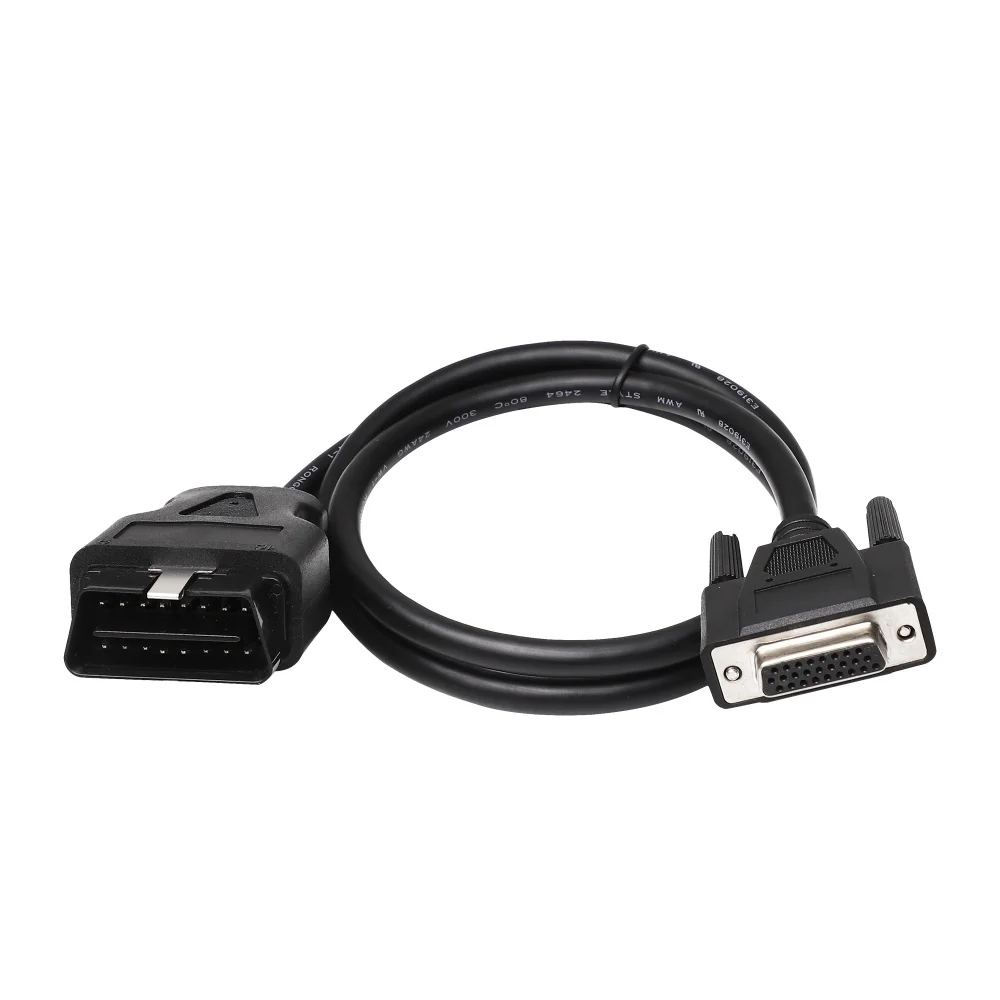
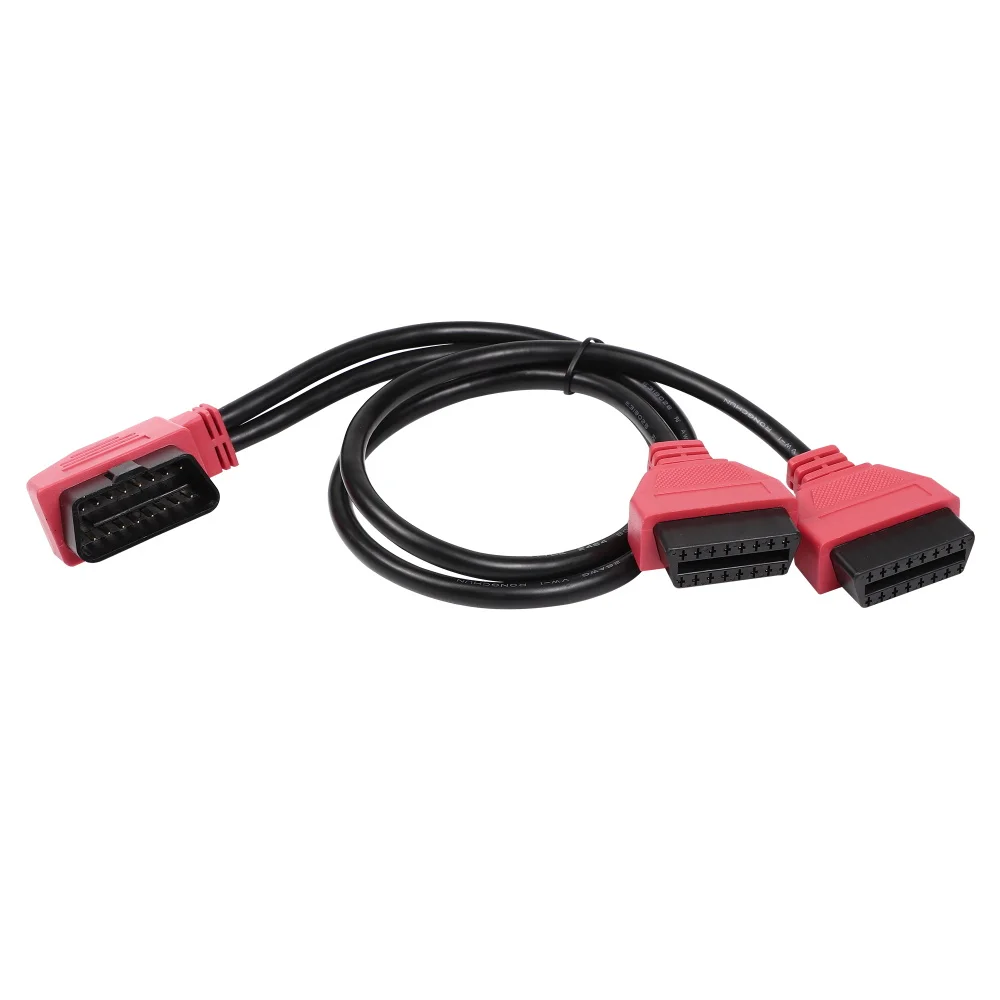
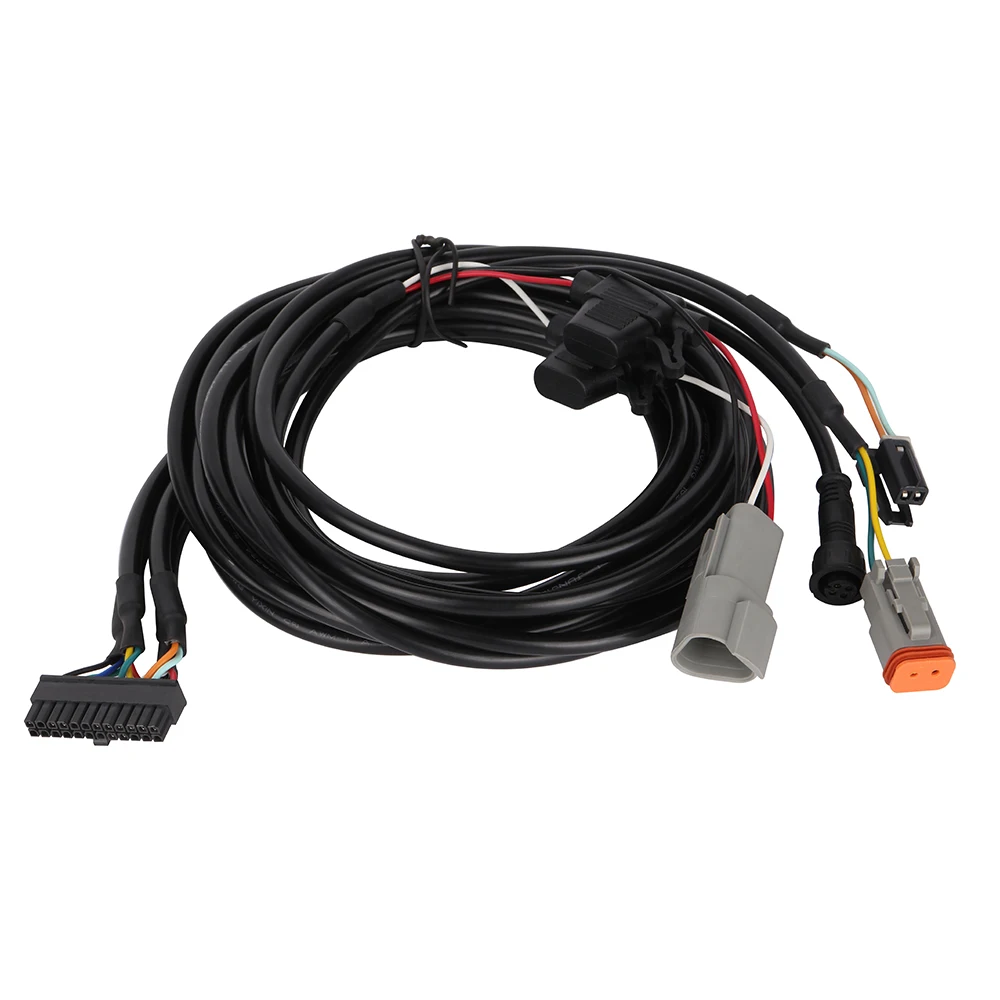
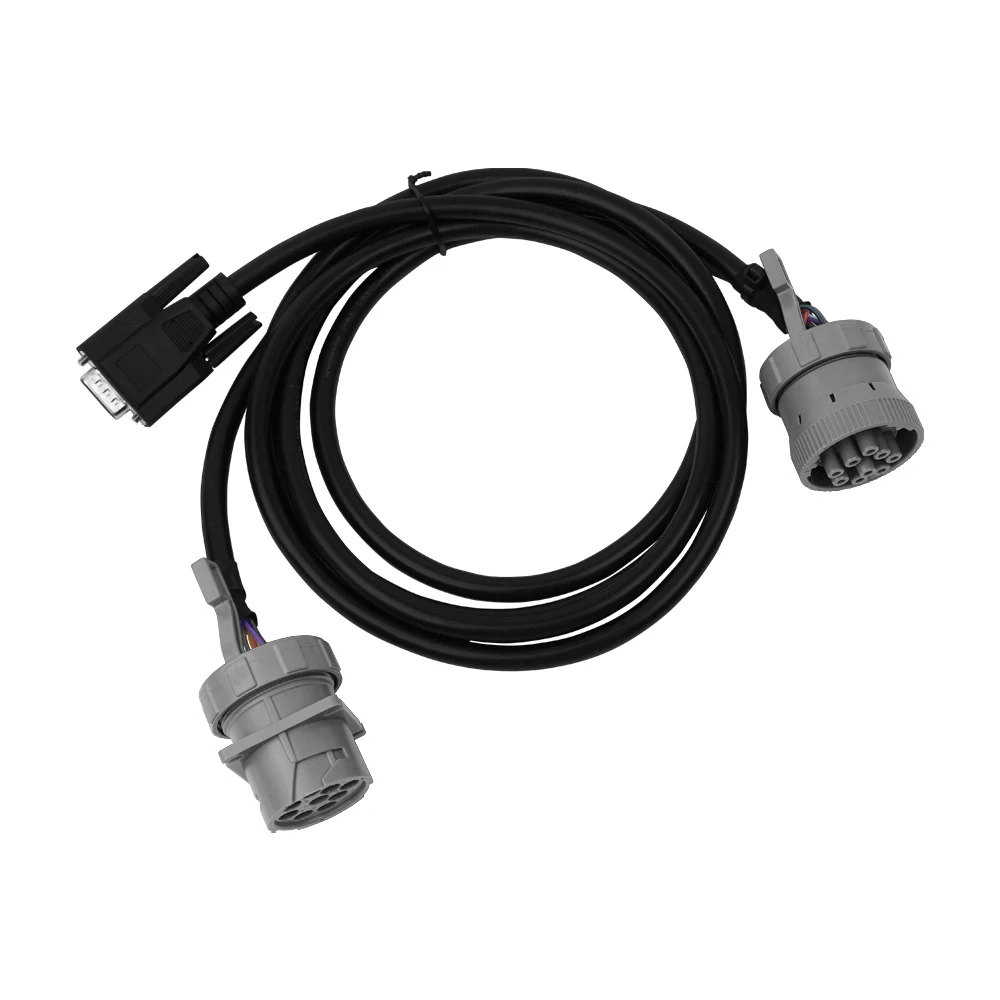
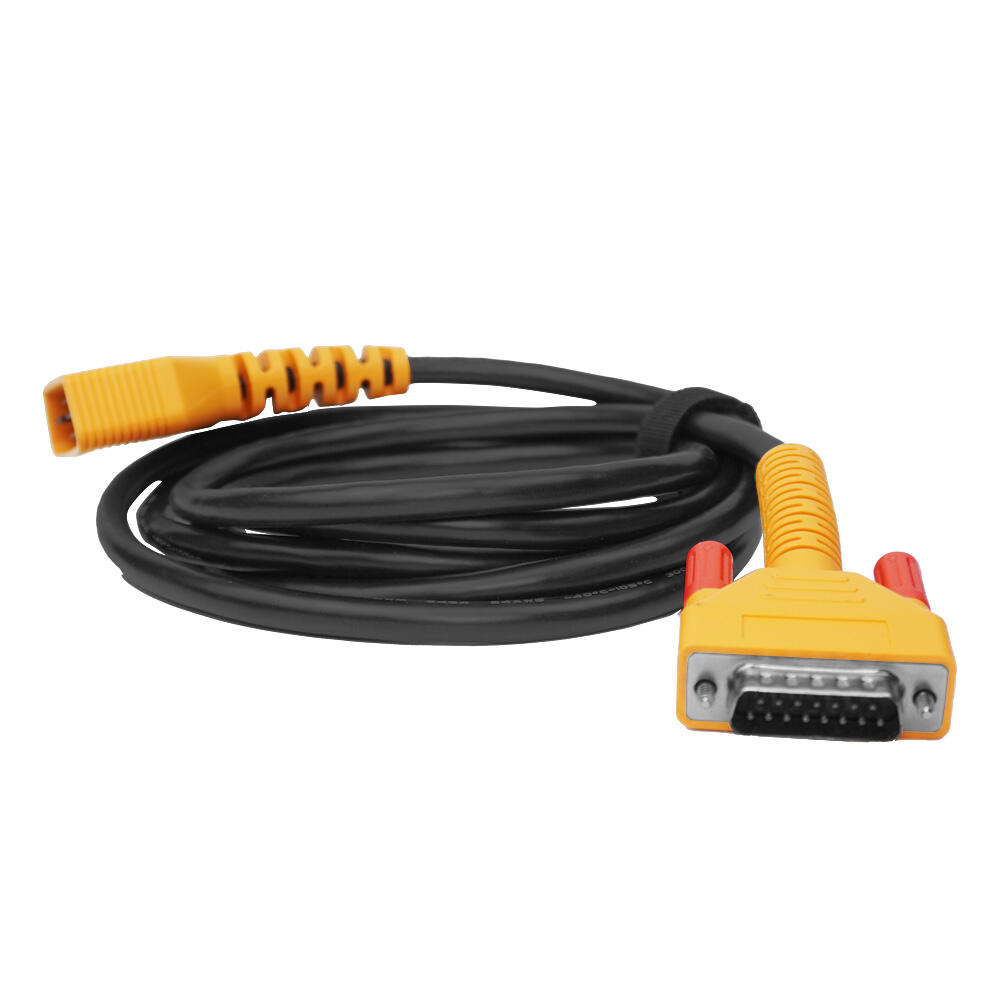
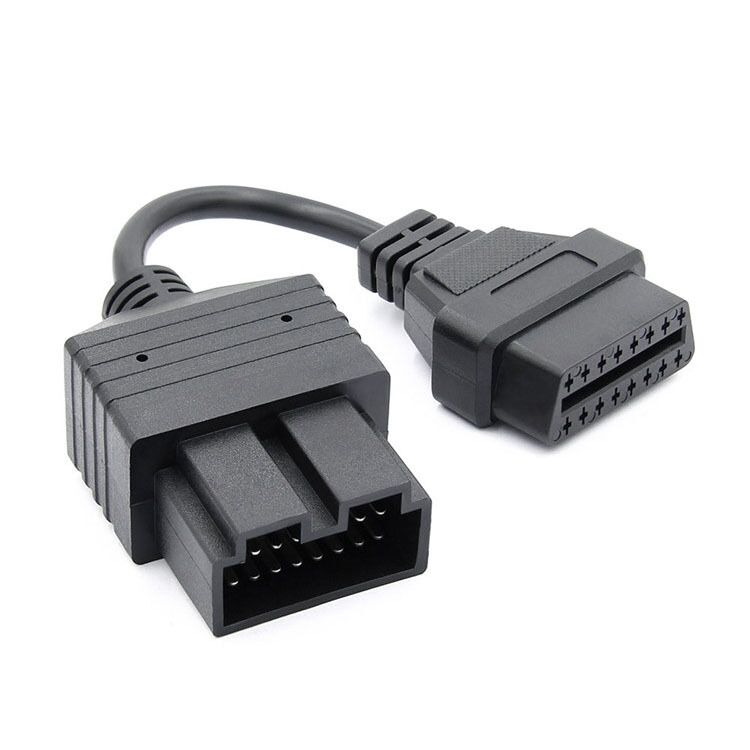
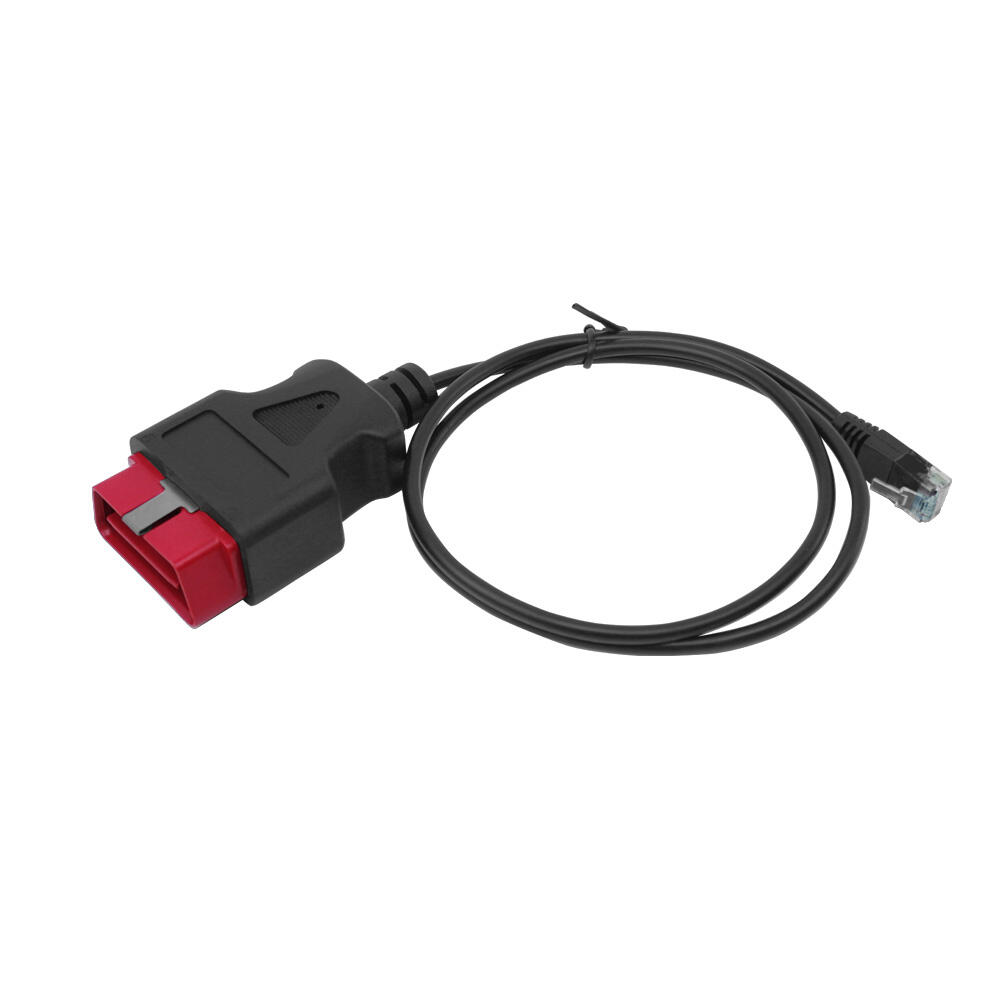
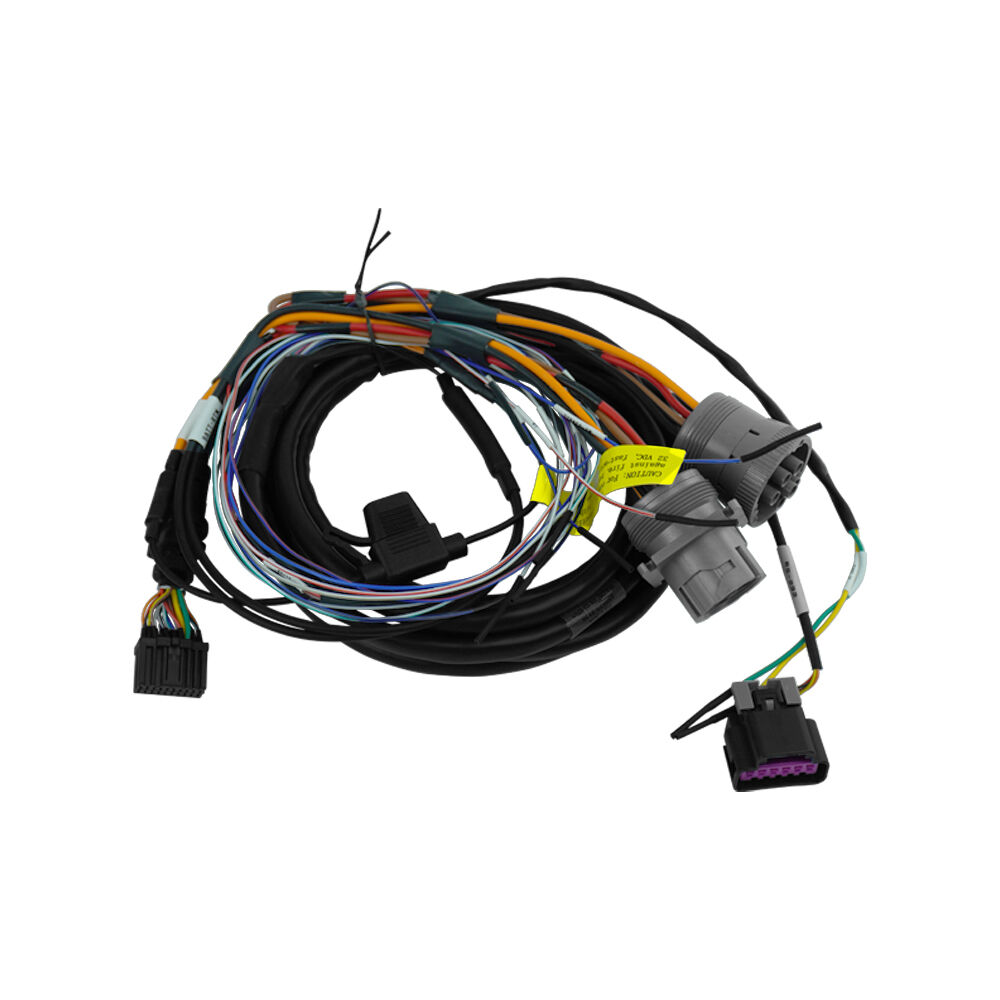
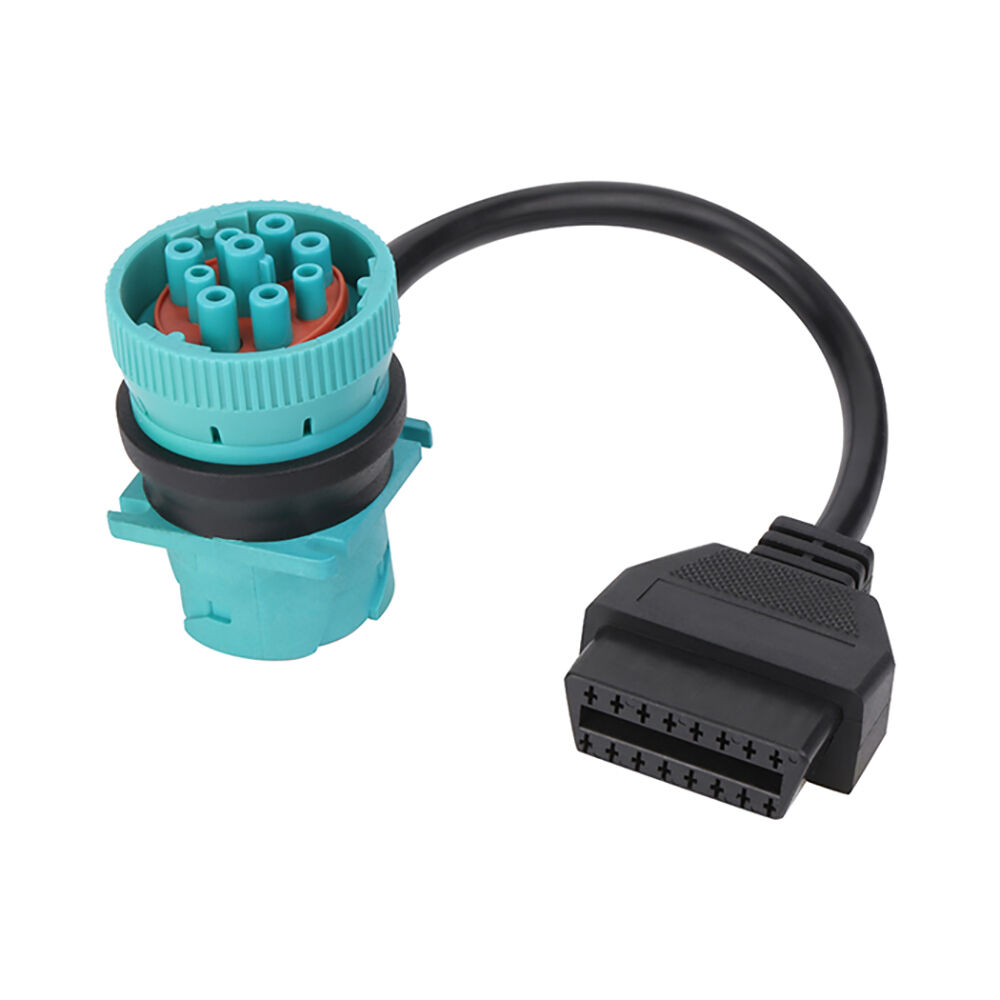
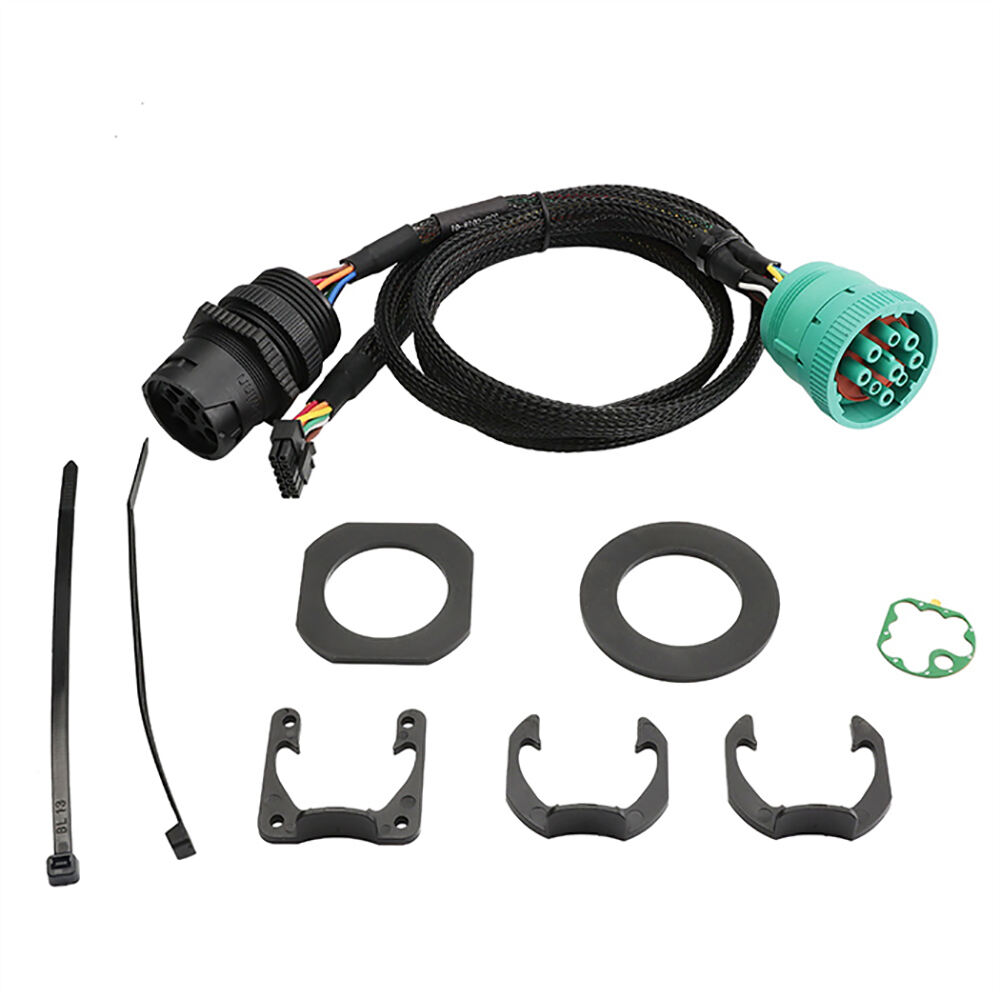
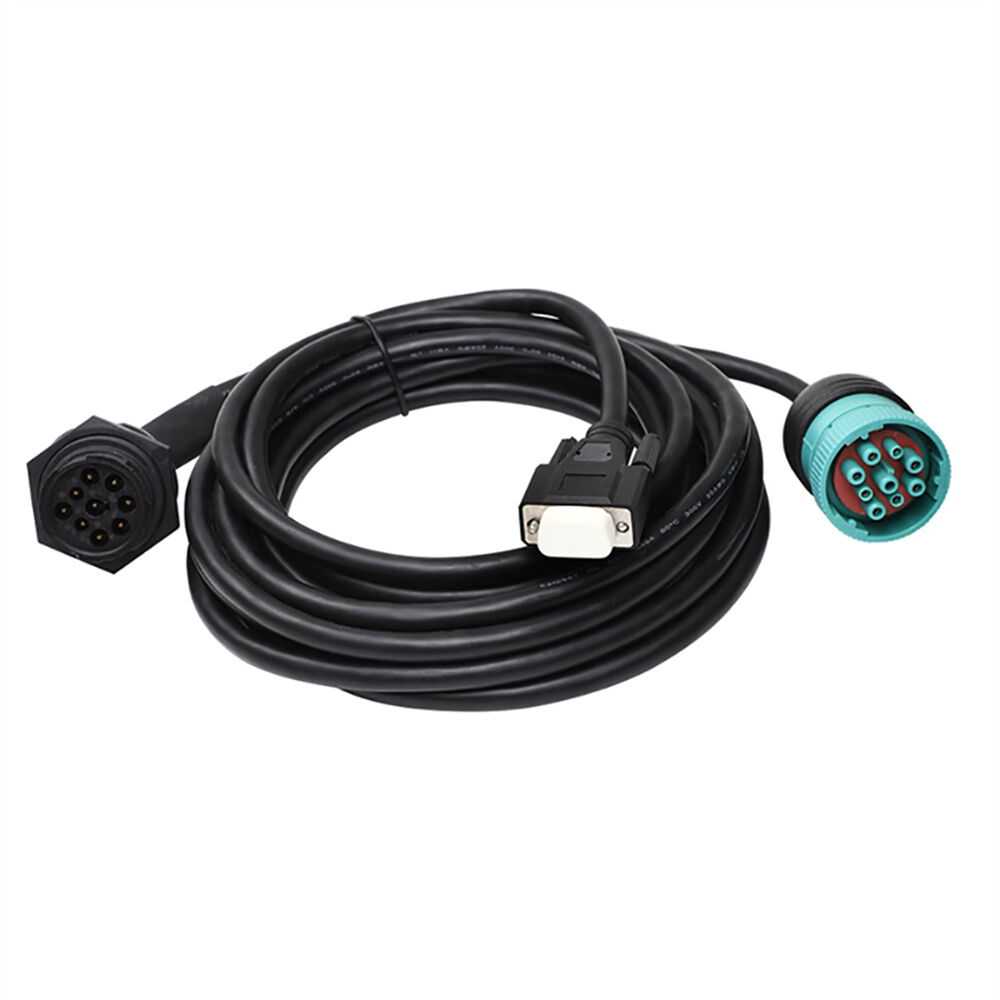
Understanding ELD device cost is essential for fleet managers and owner-operators looking to comply with federal regulations while optimizing their operational expenses. An Electronic Logging Device, commonly known as an ELD, automatically records driving time and Hours of Service (HOS) compliance data, replacing traditional paper logbooks. The ELD device cost typically ranges from fifty dollars to several hundred dollars for the hardware alone, with monthly subscription fees varying between fifteen and sixty dollars per vehicle depending on features and service levels. These devices connect directly to a vehicle's engine through the OBD-II port or engine control module, capturing critical data such as engine hours, vehicle movement, miles driven, and precise location information. Modern ELD systems feature user-friendly interfaces displayed on smartphones, tablets, or dedicated in-cab screens that drivers can easily operate. The technology incorporates GPS tracking capabilities, real-time data synchronization with cloud-based platforms, and automated reporting functions that simplify compliance management. Fleet operations of all sizes benefit from ELD implementation, from single-truck owner-operators to large transportation companies managing hundreds of vehicles. The applications extend beyond basic compliance, offering fleet managers valuable insights into driver behavior, fuel consumption patterns, vehicle maintenance scheduling, and route optimization opportunities. When evaluating ELD device cost, businesses must consider not only the initial hardware investment and ongoing subscription fees but also potential savings from improved efficiency, reduced paperwork, fewer violations, and enhanced safety records. The total cost of ownership includes installation expenses, driver training, technical support access, and software updates that manufacturers regularly provide to maintain compliance with evolving regulations. Understanding these comprehensive cost factors helps transportation businesses make informed decisions that balance regulatory requirements with budget constraints while maximizing return on investment through operational improvements and competitive advantages in the logistics industry.


 EN
EN