Universal Compatibility with Complete Protocol Support
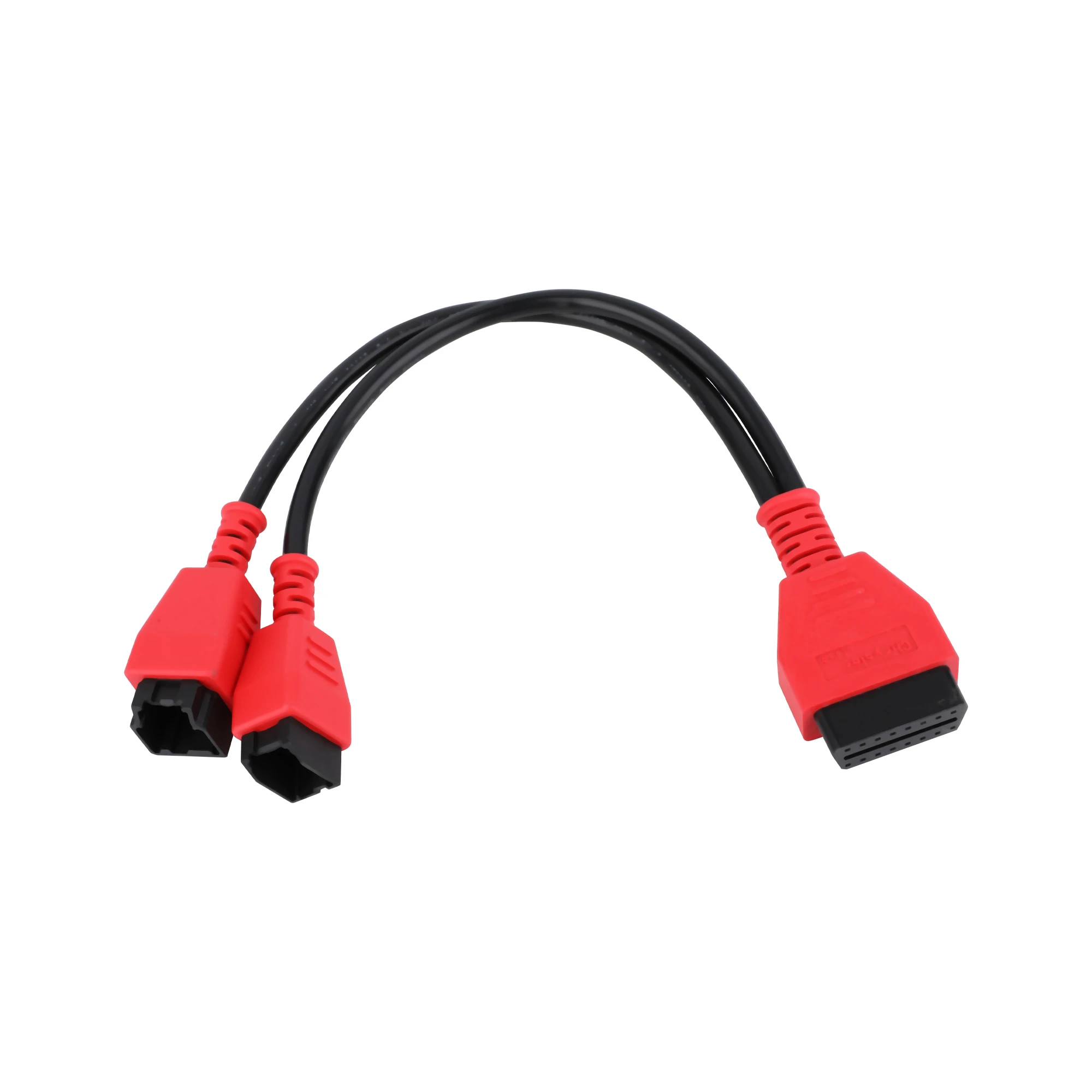
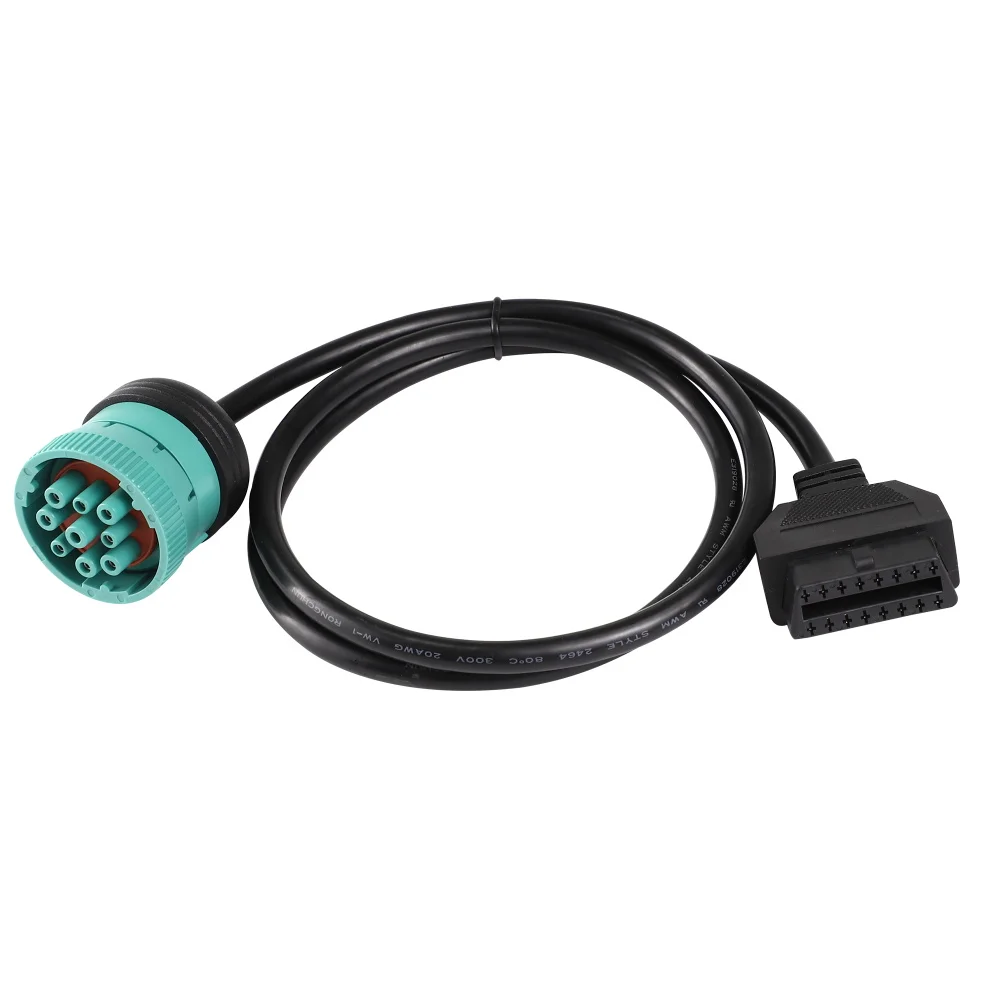
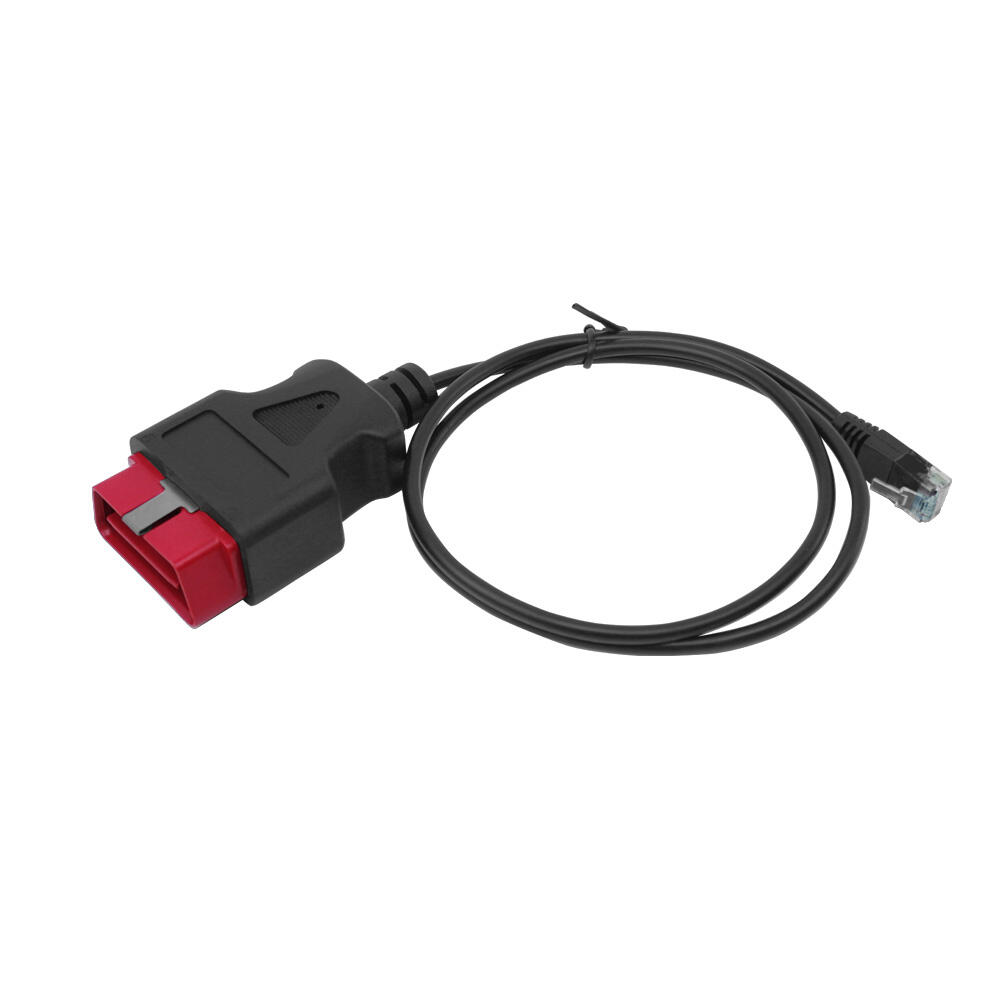
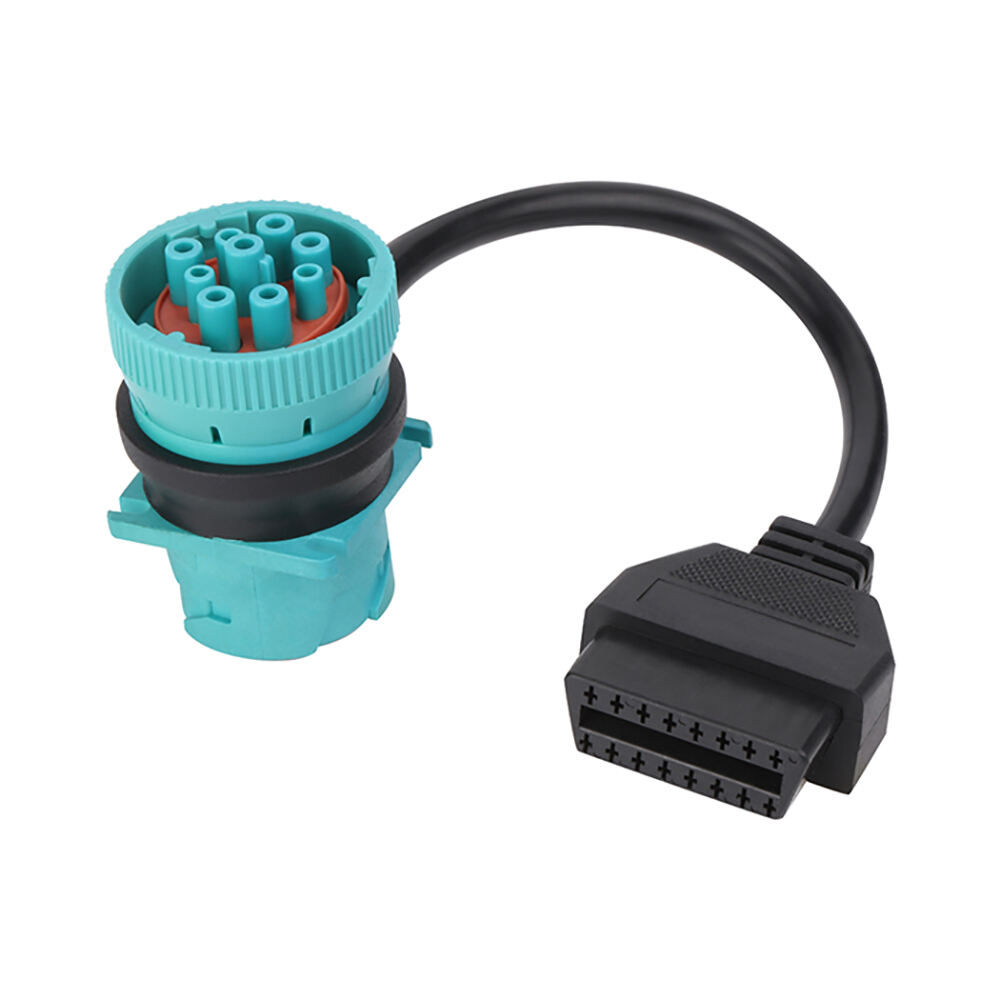
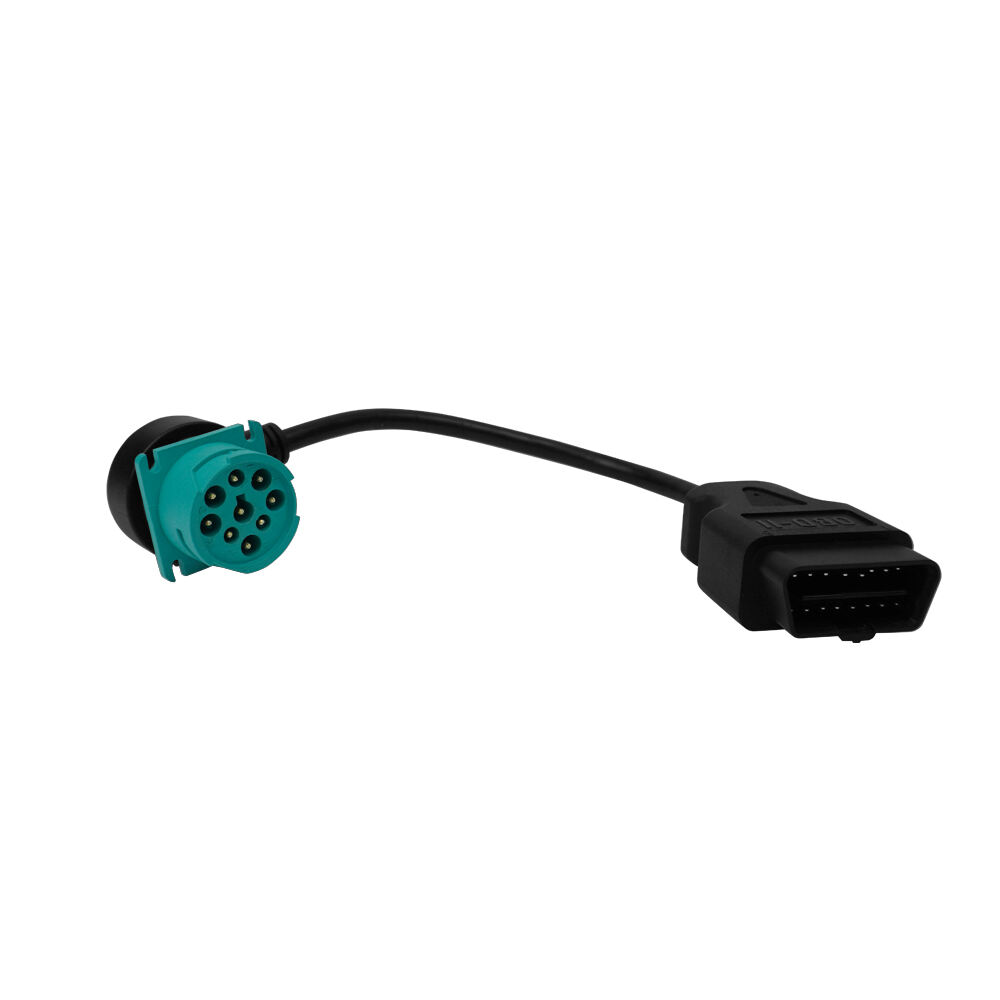
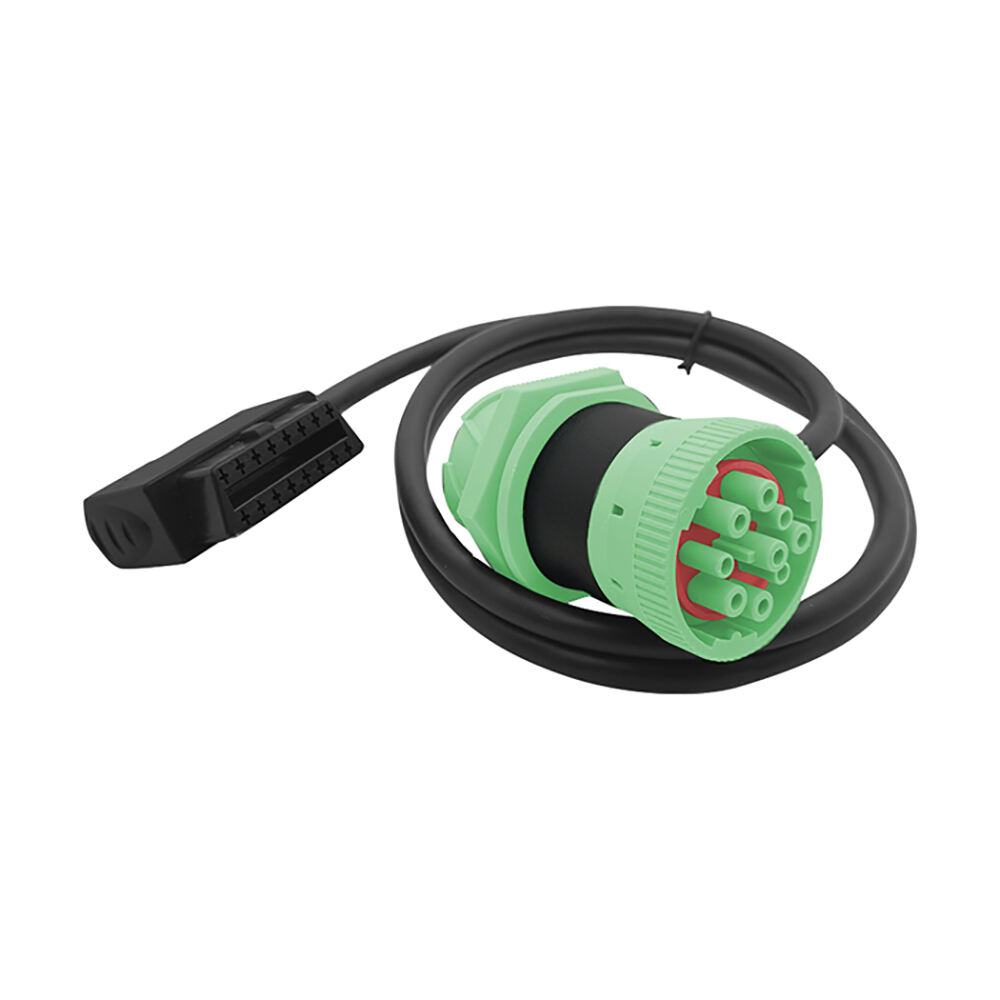
The comprehensive compatibility profile of the obd2 extension cable constitutes a critical advantage that delivers exceptional versatility across diverse vehicle applications. Unlike specialized diagnostic tools designed for specific manufacturers or vehicle segments, a quality obd2 extension cable works seamlessly with every OBD2-compliant vehicle regardless of make, model, year, or country of origin. This universal compatibility stems from strict adherence to the standardized SAE J1962 specification that governs OBD2 connector design and pinout configuration. The 16-pin connector architecture established by this standard ensures that the obd2 extension cable interfaces correctly with diagnostic ports across all vehicle types manufactured since OBD2 implementation became mandatory in 1996. Beyond physical connector compatibility, these cables maintain full support for all five OBD2 communication protocols used by various manufacturers. The Controller Area Network protocol used by most modern vehicles transmits seamlessly through the cable's properly configured wiring architecture. Similarly, older J1850 PWM protocol vehicles from Ford and J1850 VPW protocol vehicles from General Motors communicate without any degradation or compatibility issues. European vehicles utilizing ISO9141-2 and ISO14230-4 protocols receive equal support, ensuring the cable functions effectively regardless of the vehicle's communication standard. This protocol versatility means users need only one obd2 extension cable to service their entire vehicle collection or customer base, rather than maintaining multiple specialized cables for different vehicle types. The practical implications of this compatibility extend to professional diagnostic operations where technicians encounter varied vehicle portfolios daily. A single extension cable serves equally well whether diagnosing a domestic pickup truck, a European luxury sedan, or an Asian economy car. This universality simplifies inventory management for repair shops, reduces equipment costs, and eliminates the frustration of discovering compatibility limitations during critical diagnostic procedures. The complete protocol support ensures that all diagnostic functions remain accessible through the extension cable, including reading and clearing diagnostic trouble codes, viewing live sensor data streams, accessing freeze frame information, checking emission system readiness monitors, and performing manufacturer-specific enhanced diagnostic procedures. Users experience no functional limitations compared to direct port connections, as the cable acts as a transparent extension of the vehicle's diagnostic interface. For fleet management applications overseeing diverse vehicle types, this compatibility advantage proves invaluable by enabling standardized diagnostic procedures across the entire fleet using consistent equipment. The obd2 extension cable supports both basic code readers and advanced professional scan tools, accommodating users at every skill level and diagnostic complexity requirement. This compatibility assurance eliminates pre-purchase research burdens, as buyers can confidently select an obd2 extension cable knowing it will function with their specific vehicles and diagnostic equipment. The standardized design also ensures forward compatibility with newer vehicles as long as they maintain OBD2 protocol compliance, protecting your investment against premature obsolescence as vehicle technology evolves.


 EN
EN