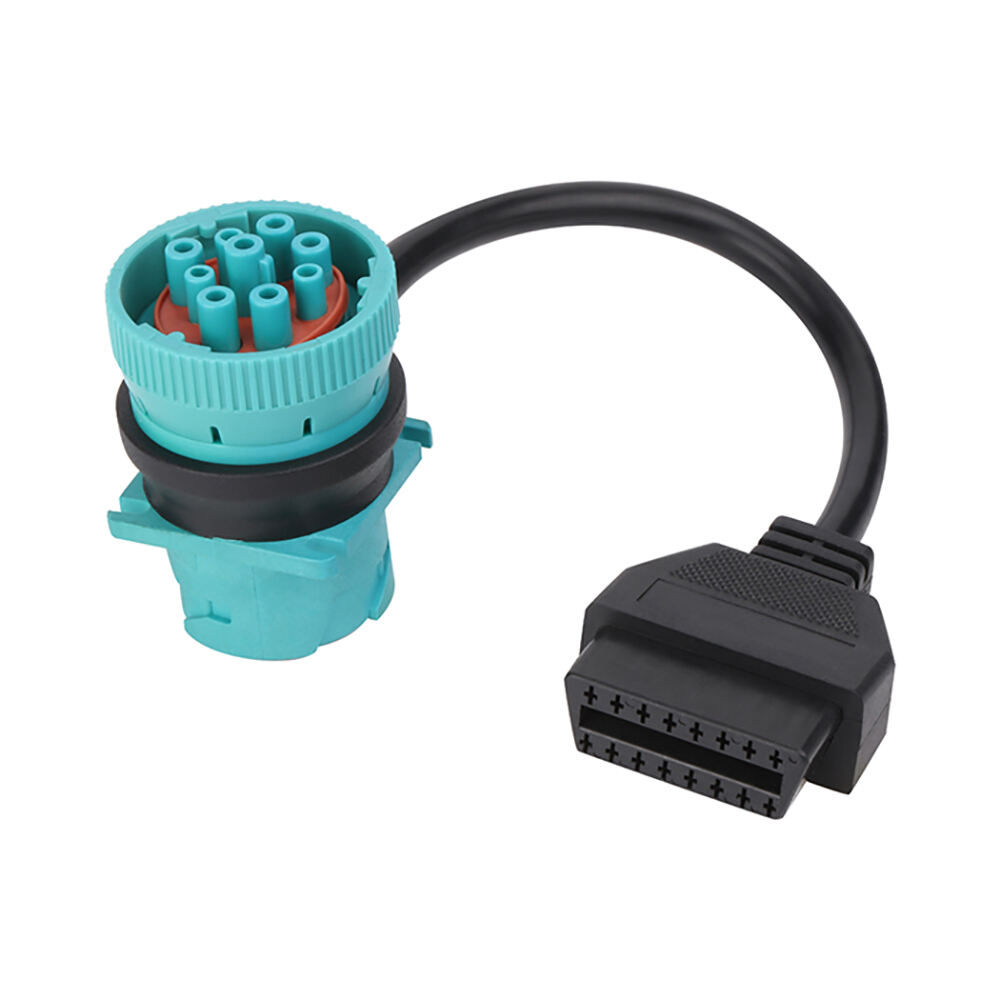
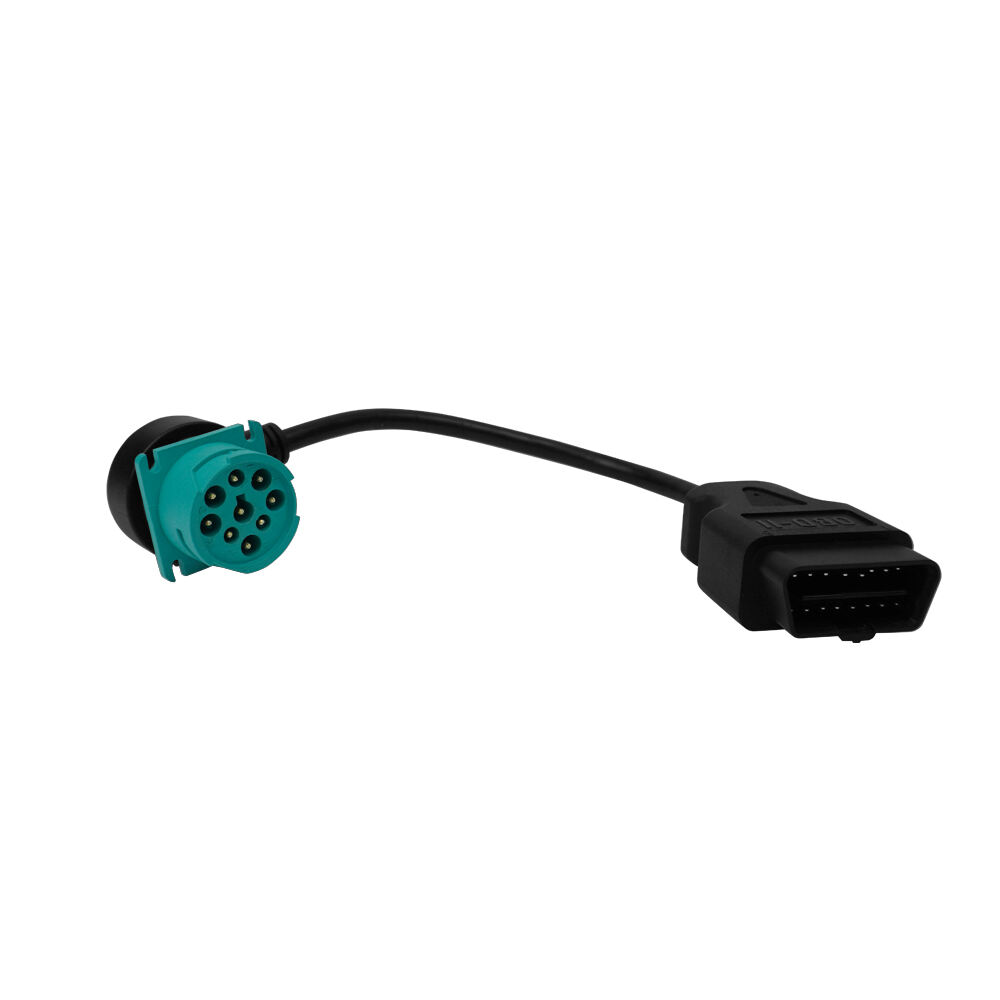
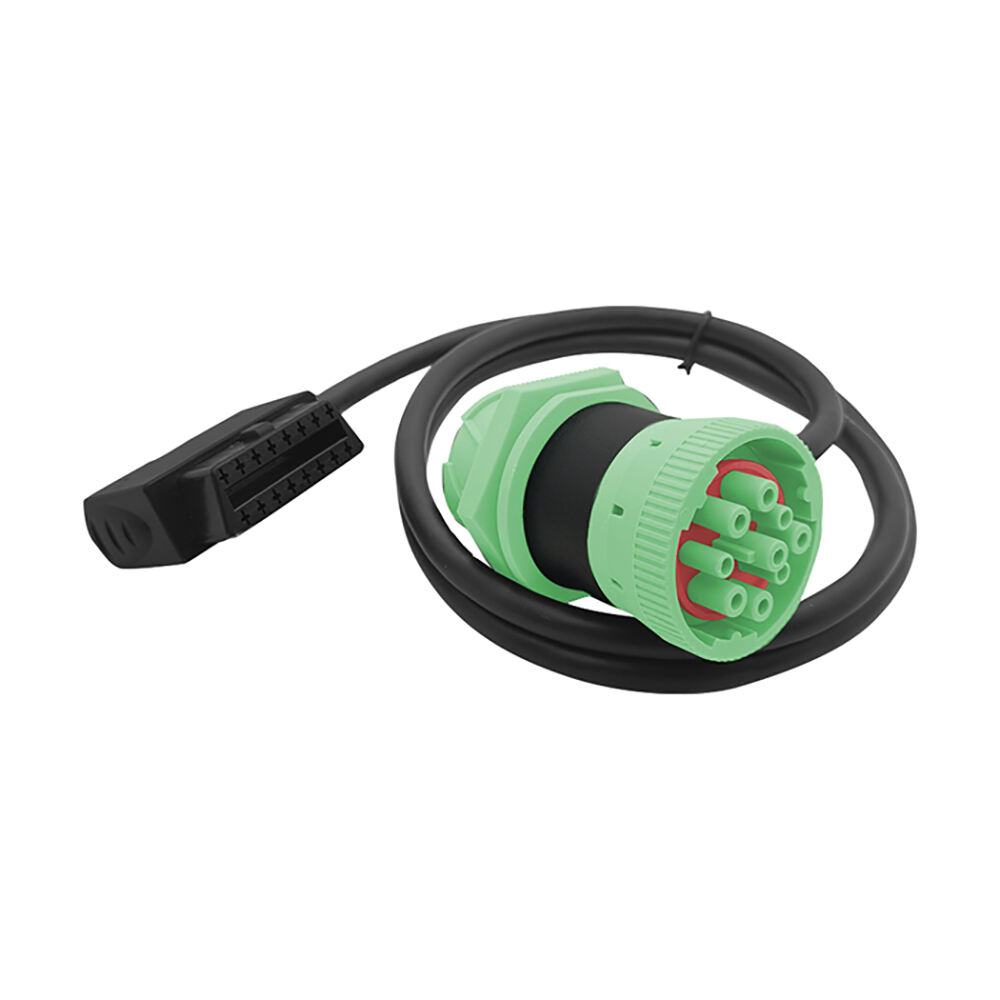
Real-Time Data Monitoring and Performance Tracking
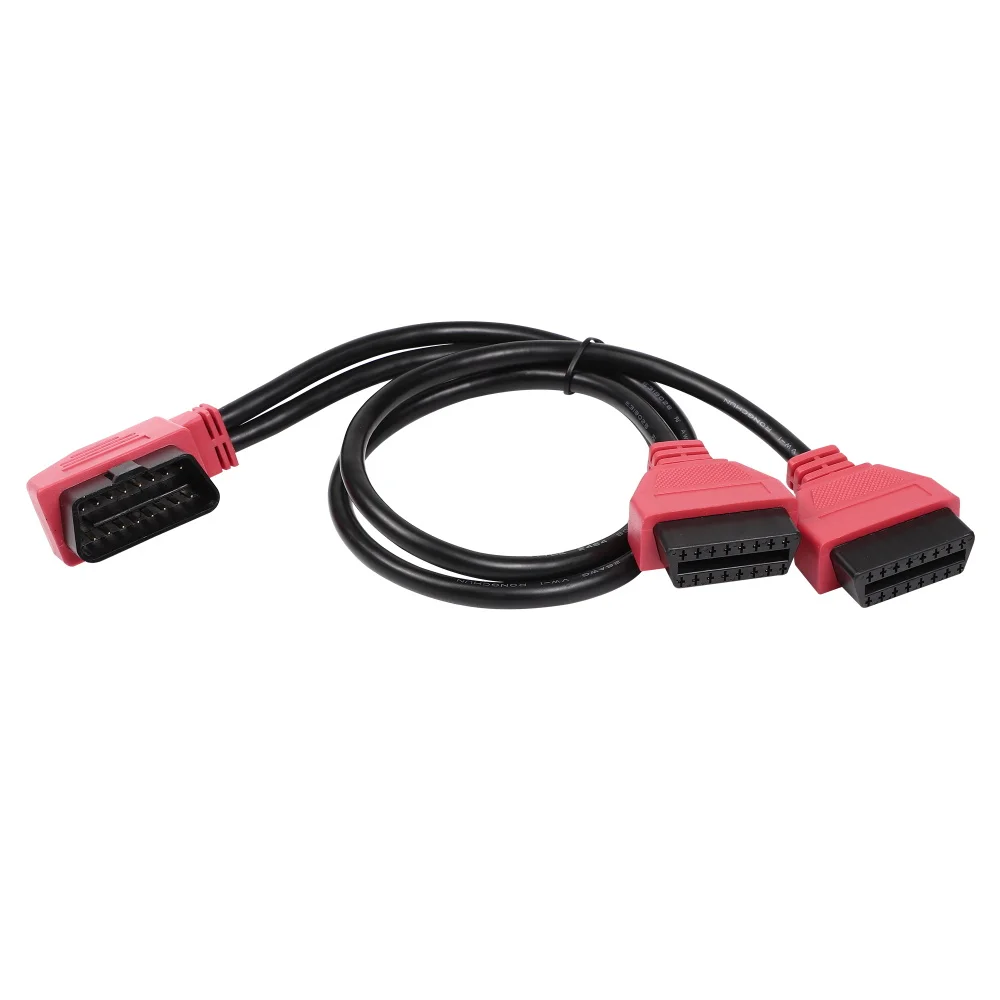
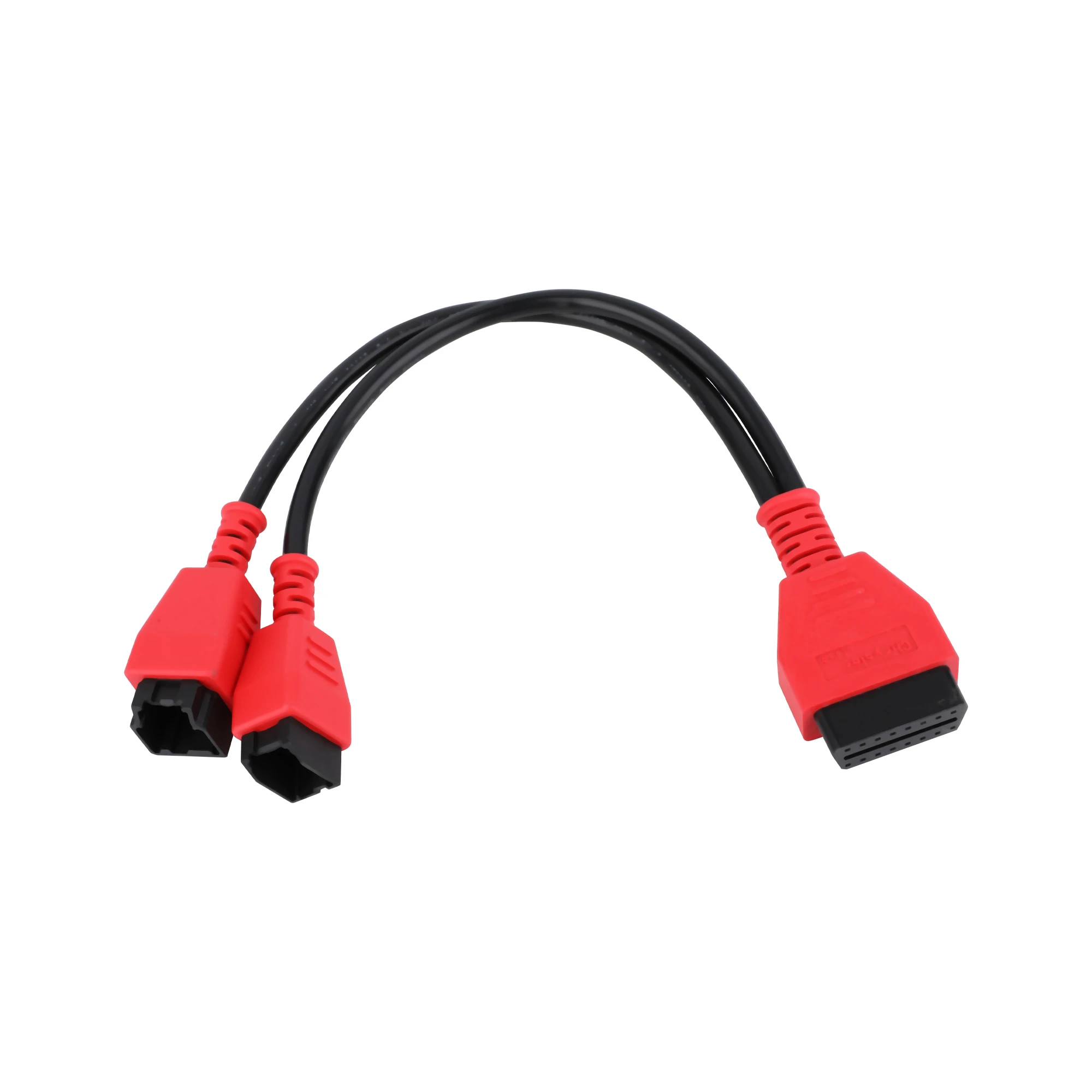
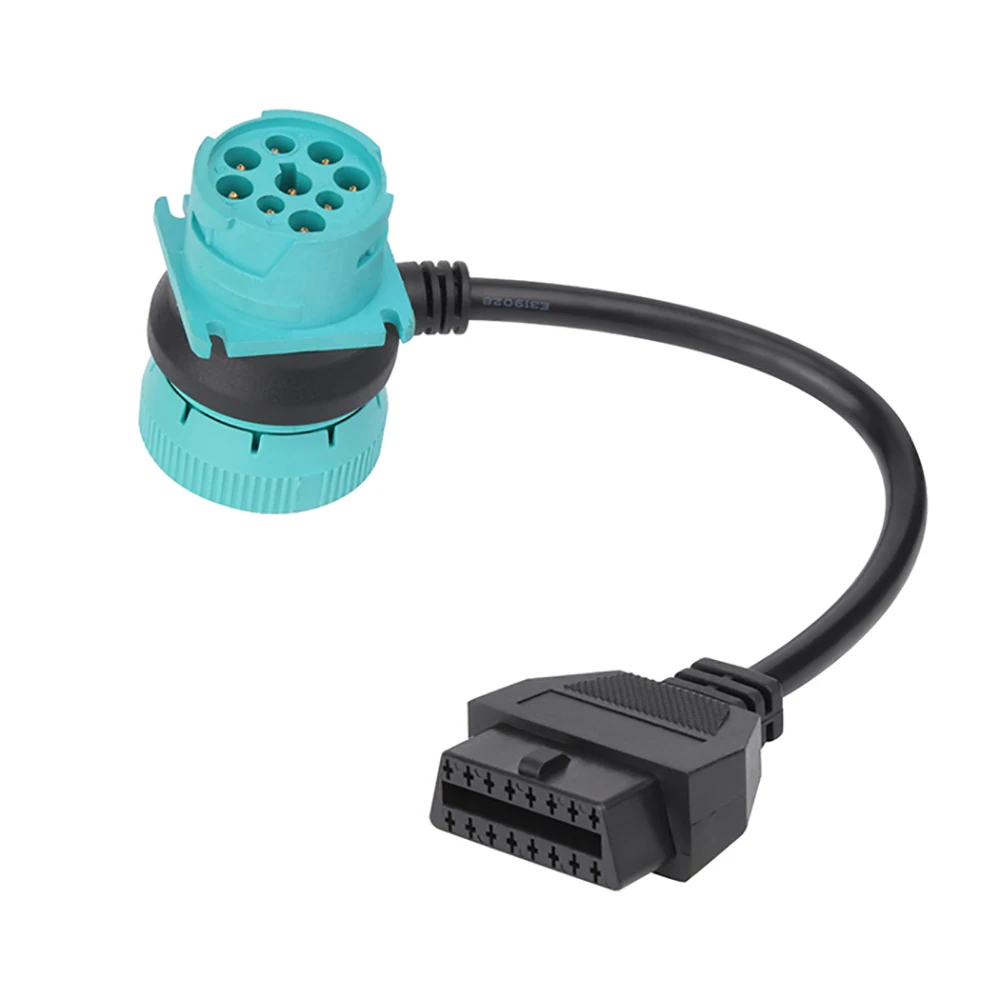
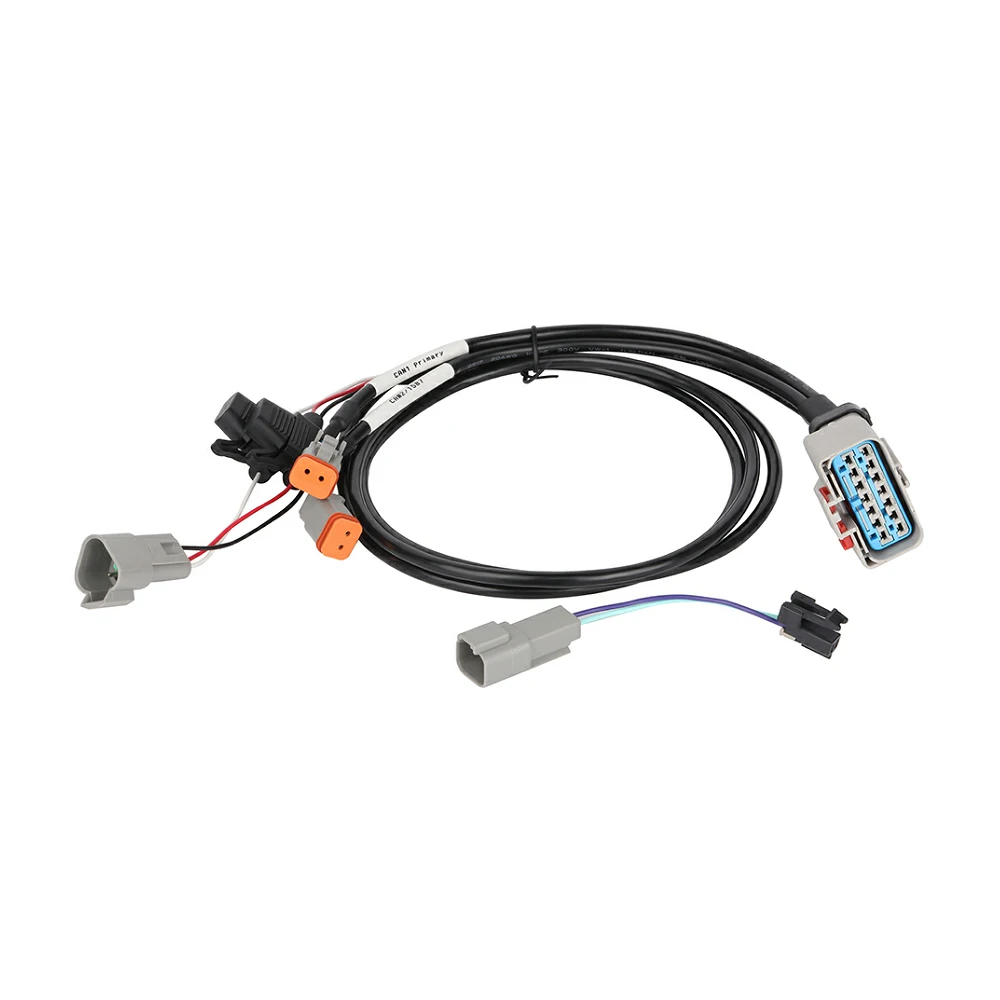
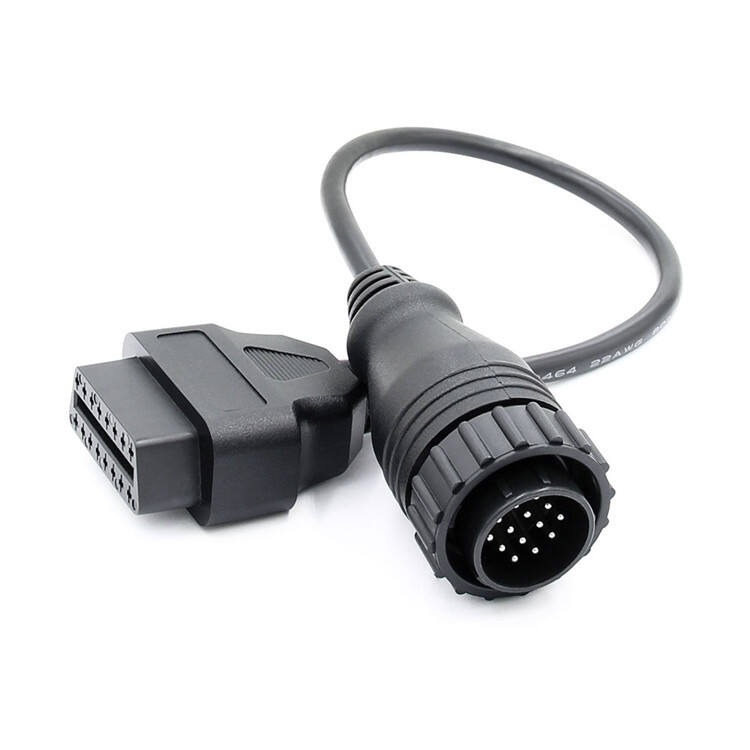
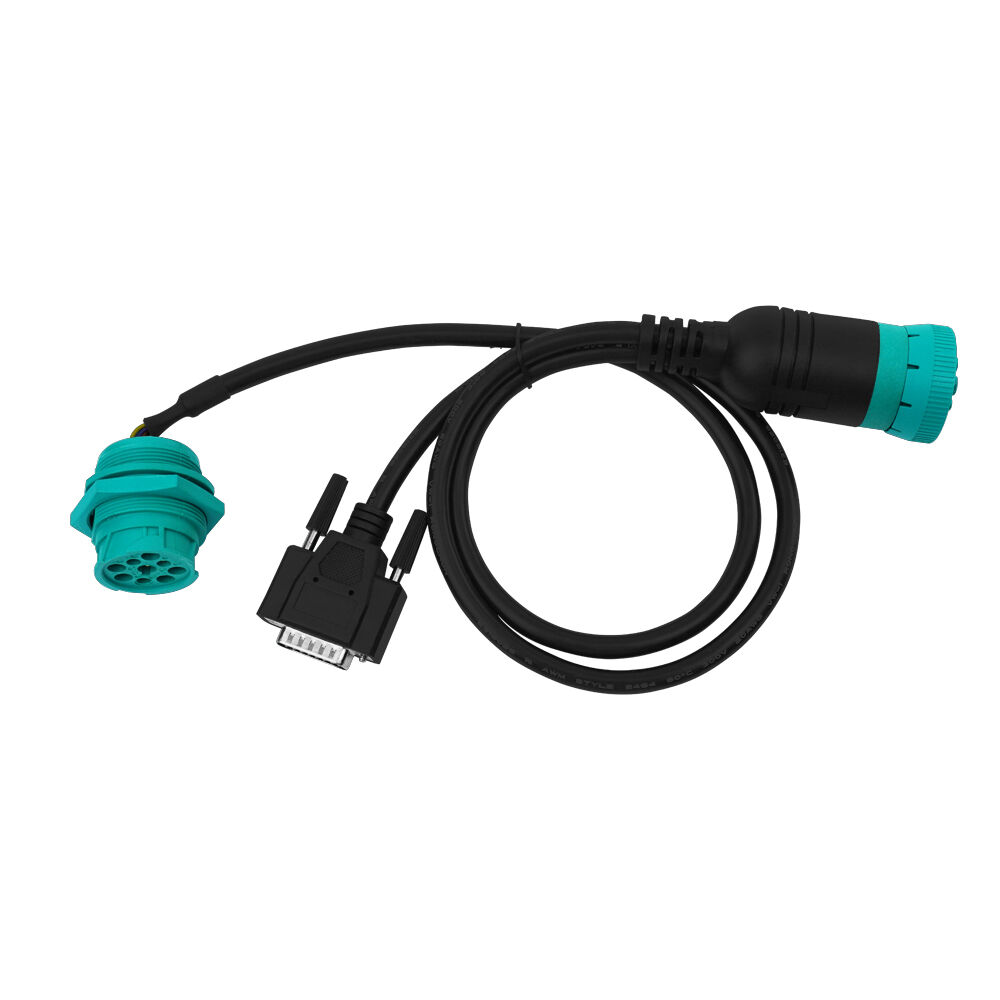
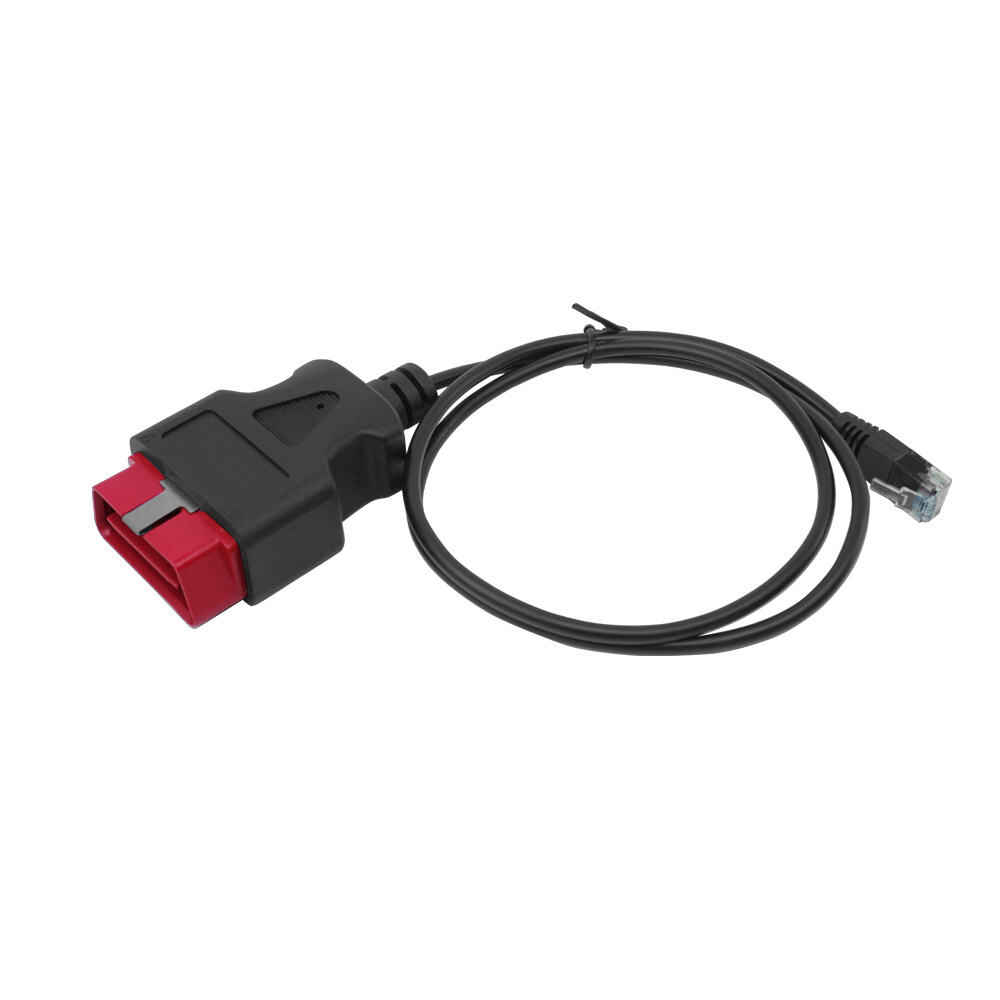
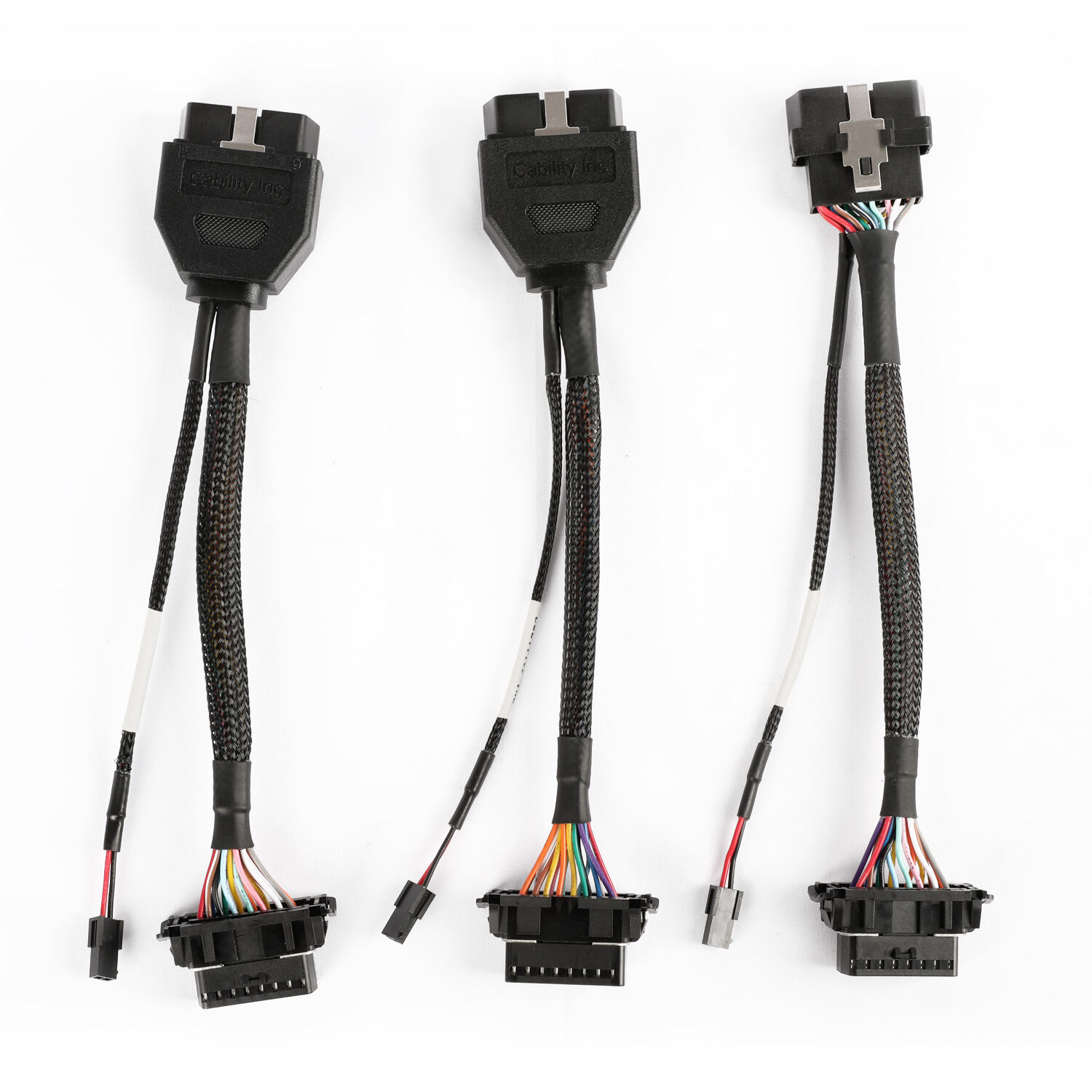
The real-time data monitoring capability of an obd2 cable transforms your vehicle into a transparent system where every sensor reading and performance parameter becomes instantly accessible and understandable. This dynamic functionality extends far beyond simple fault code retrieval, offering continuous streams of live data that reveal exactly how your vehicle operates under various driving conditions. When connected through compatible software applications on smartphones, tablets, or computers, the obd2 cable delivers instantaneous updates on critical parameters including engine load percentage, fuel system status, calculated engine load values, coolant temperature readings, intake manifold pressure, engine RPM, vehicle speed, timing advance, intake air temperature, mass airflow sensor readings, throttle position, oxygen sensor voltages for both upstream and downstream sensors, fuel trim values for short-term and long-term adjustments, and evaporative emission system status. This wealth of information empowers users to identify performance issues that might not trigger diagnostic trouble codes but still impact vehicle efficiency or drivability. Performance enthusiasts leverage the real-time monitoring capabilities of an obd2 cable to optimize their driving techniques, watching parameters like air-fuel ratios and ignition timing to understand how their vehicles respond to different inputs and conditions. The ability to log this data over time creates valuable baseline information that helps identify gradual degradation in sensor performance or mechanical components before complete failure occurs. Fleet managers utilize the continuous monitoring capabilities to implement predictive maintenance programs, analyzing trends in vehicle data to schedule service interventions at optimal times, minimizing unexpected breakdowns and maximizing vehicle uptime. The obd2 cable enables users to verify that repairs were successful by comparing before and after data, ensuring that replaced sensors are functioning within normal parameters and that adjustments have achieved desired results. Professional tuners rely on real-time data from obd2 cable connections when calibrating performance modifications, ensuring that engine management systems adapt properly to upgraded components like exhaust systems, intake modifications, or forced induction additions. The educational value of watching live sensor data helps drivers understand the complex interactions between various vehicle systems, recognizing how ambient temperature affects oxygen sensor operation, how driving style impacts fuel consumption, and how various components work together to maintain optimal performance and emissions control. The graphical representations provided by modern diagnostic software transform raw numerical data into intuitive charts and gauges that make interpretation straightforward even for users without technical backgrounds, displaying information in familiar formats that clearly indicate whether parameters fall within normal operating ranges or require attention.


 EN
EN