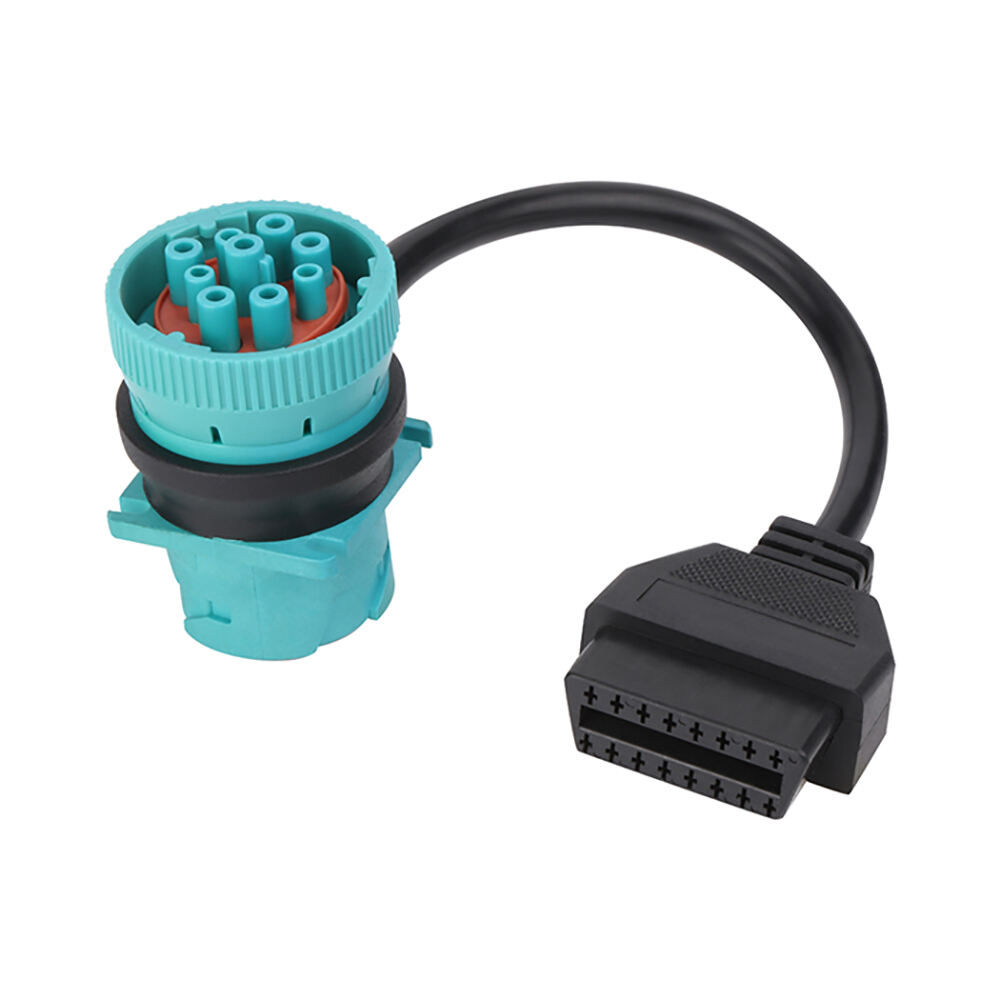
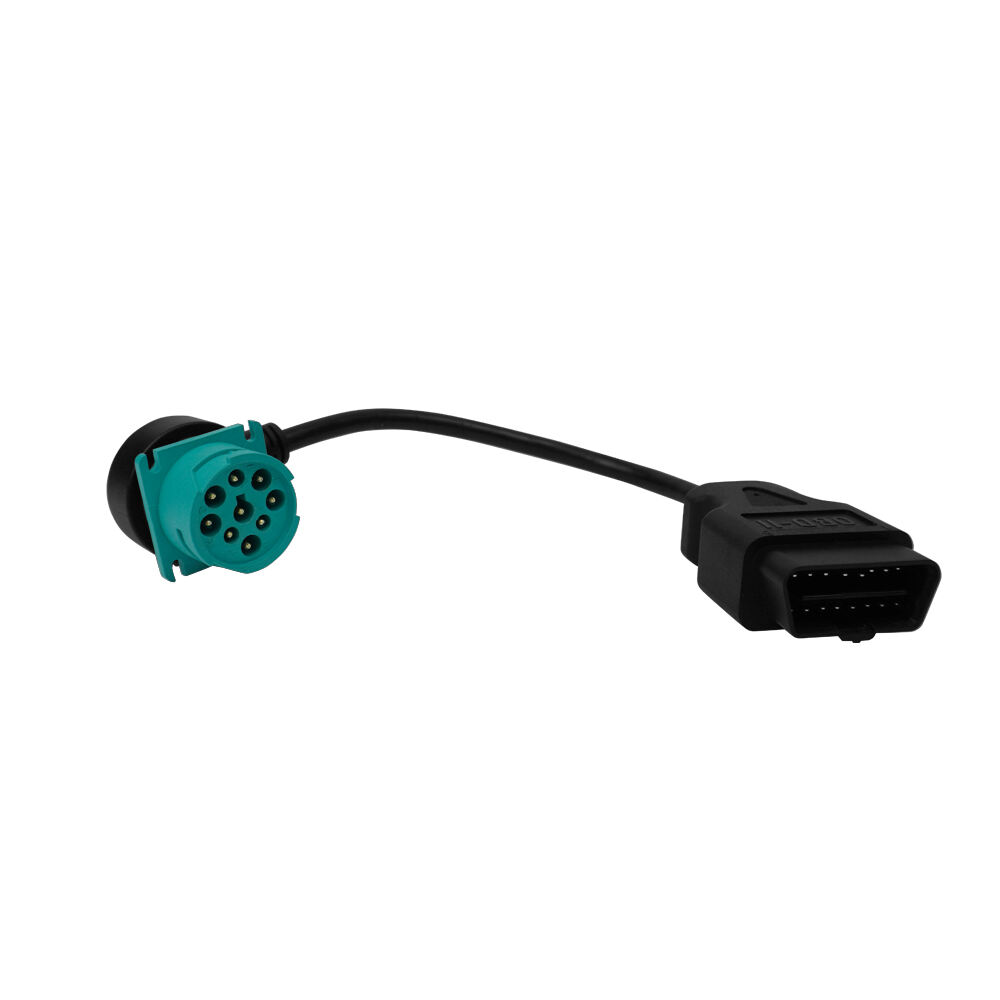
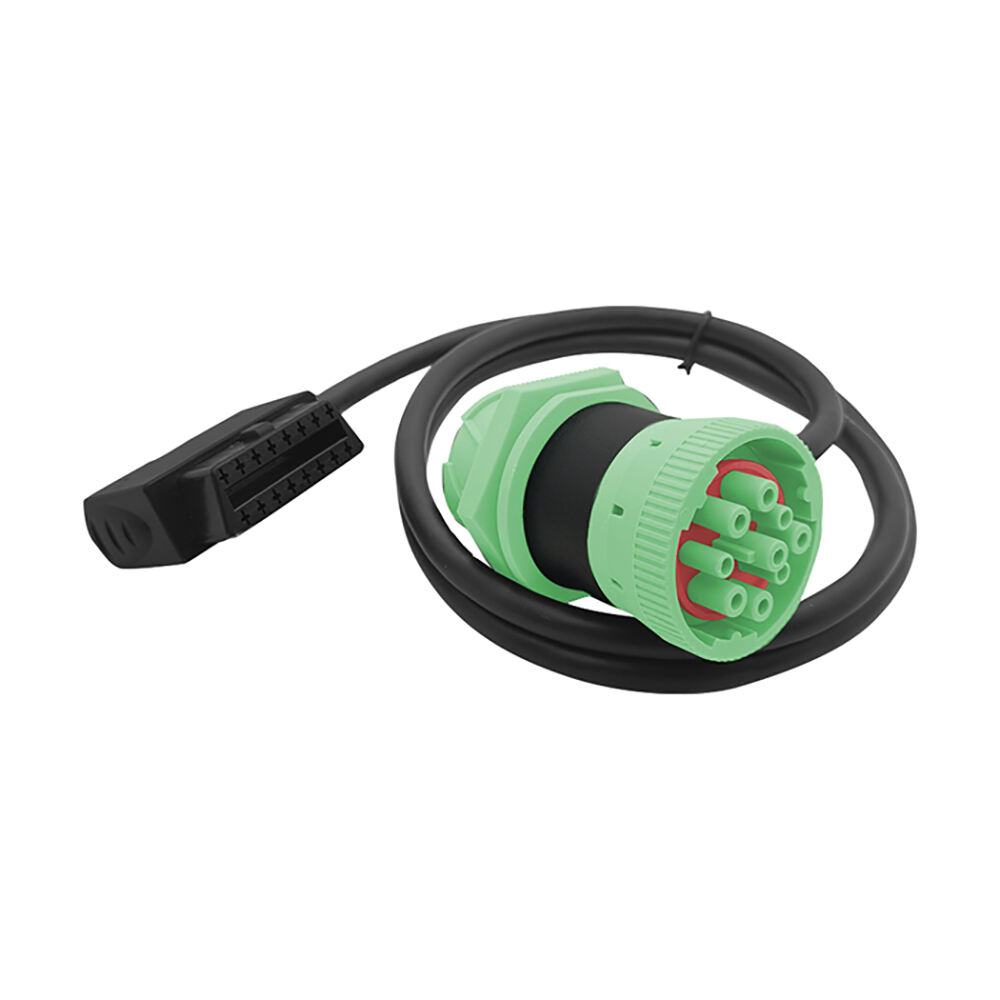
car obd2
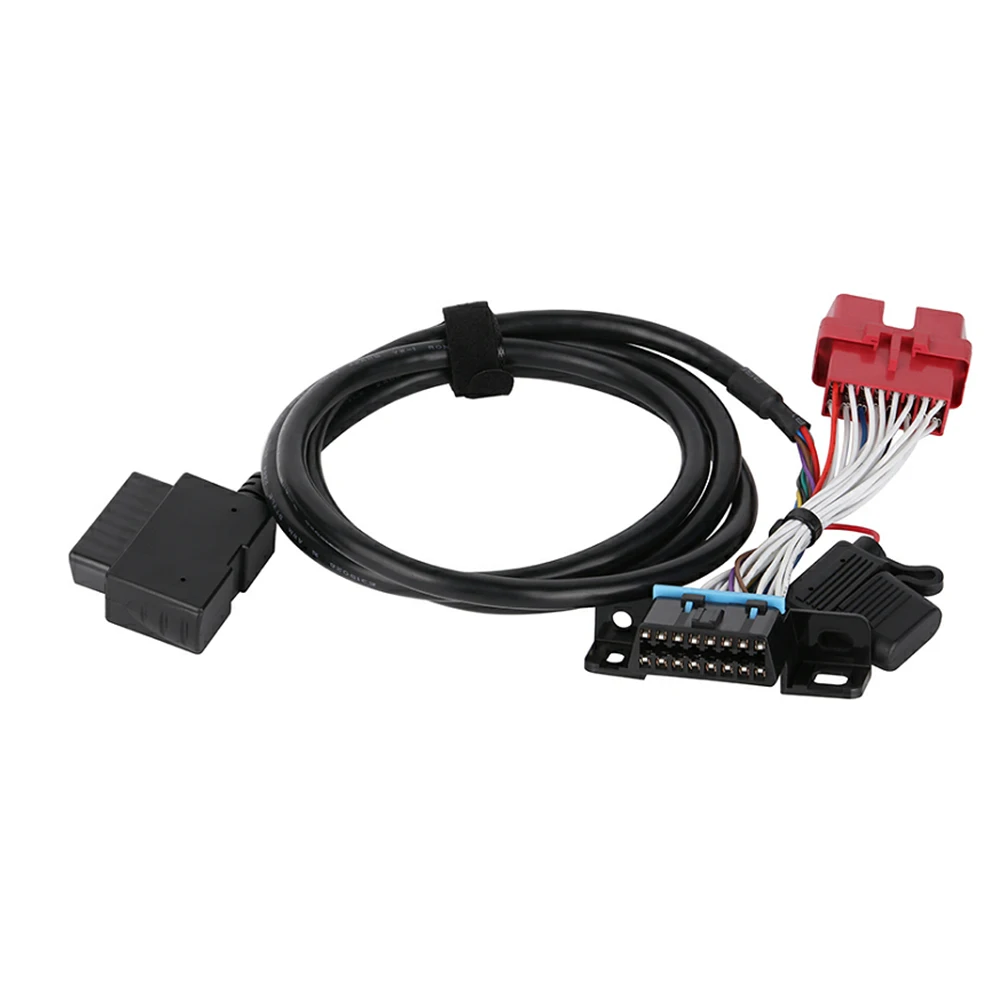
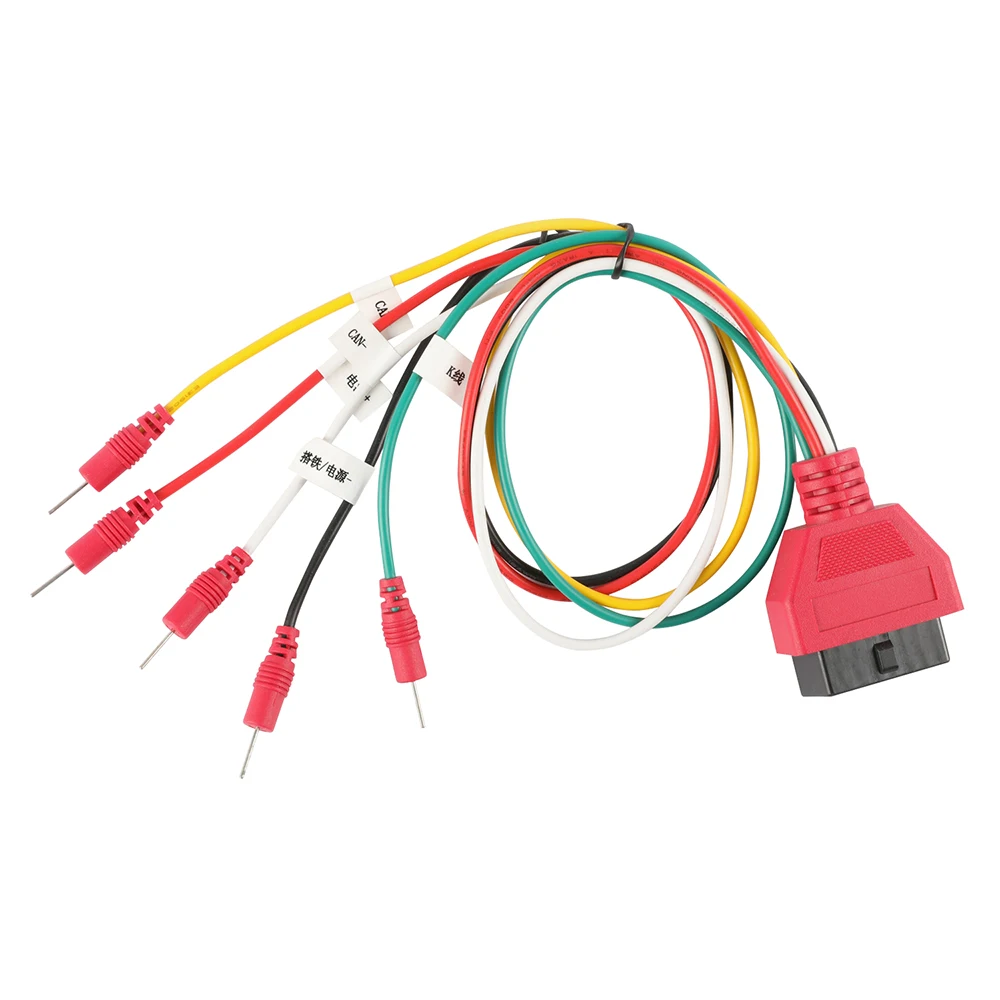
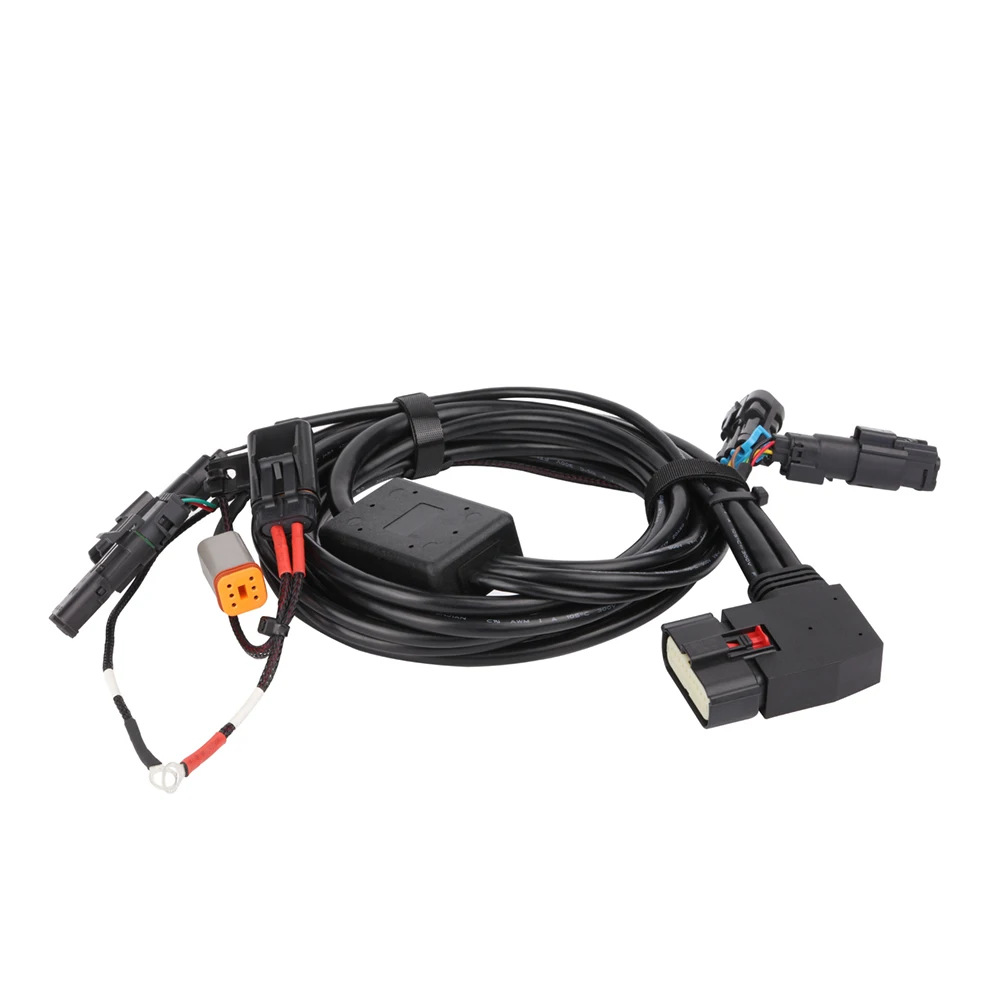
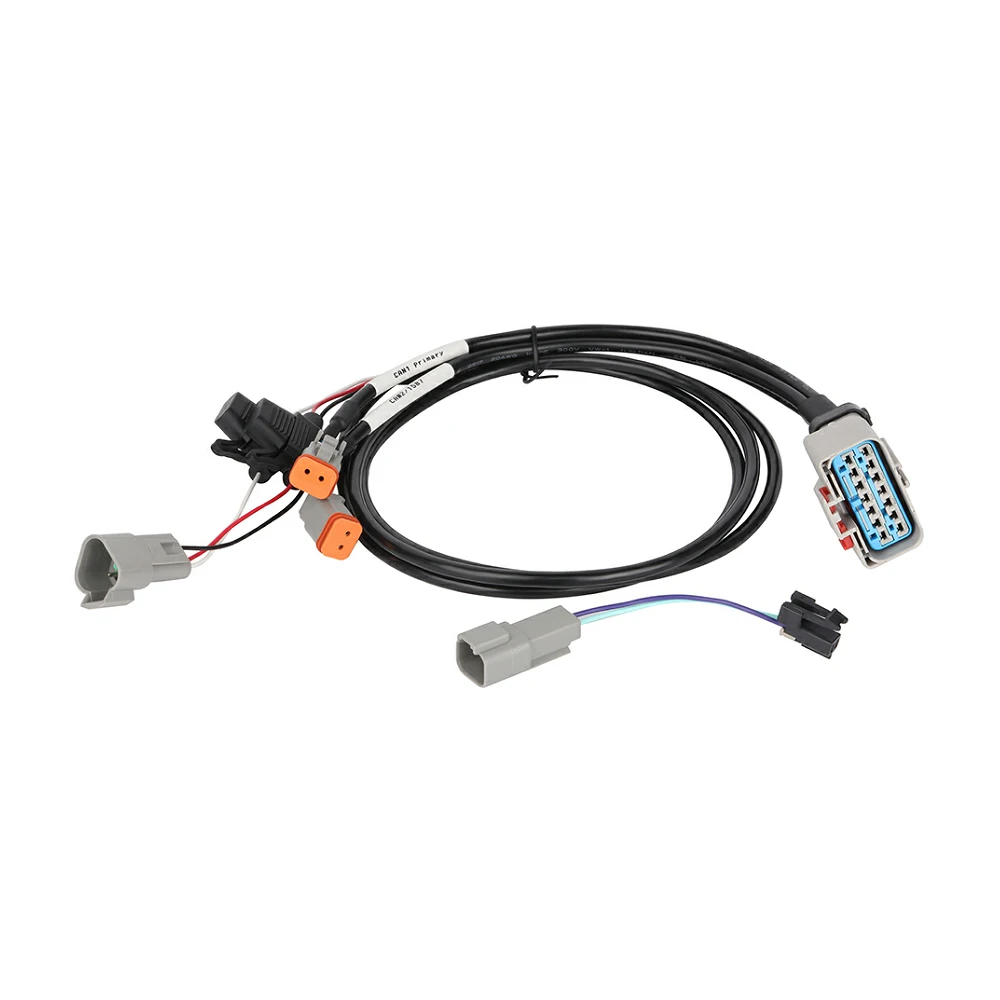
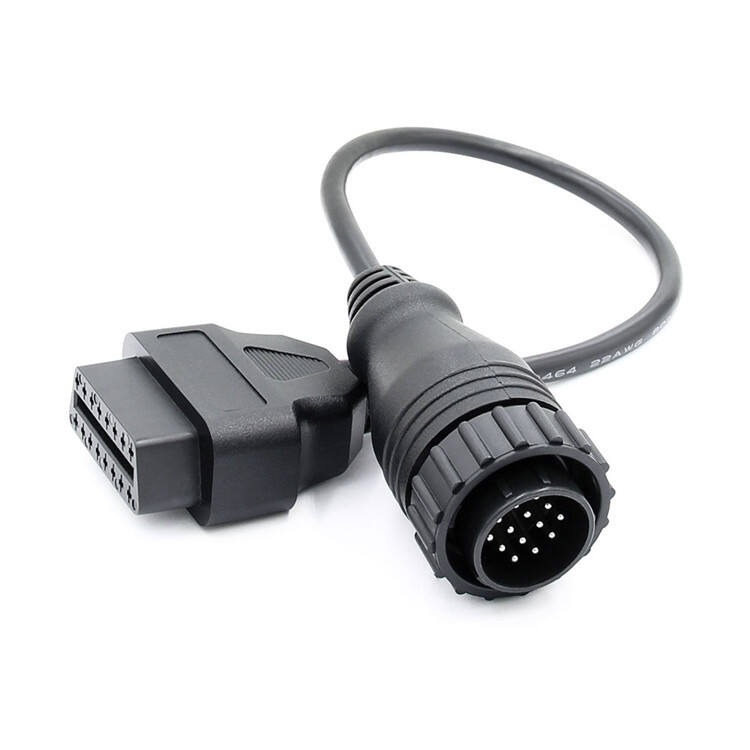
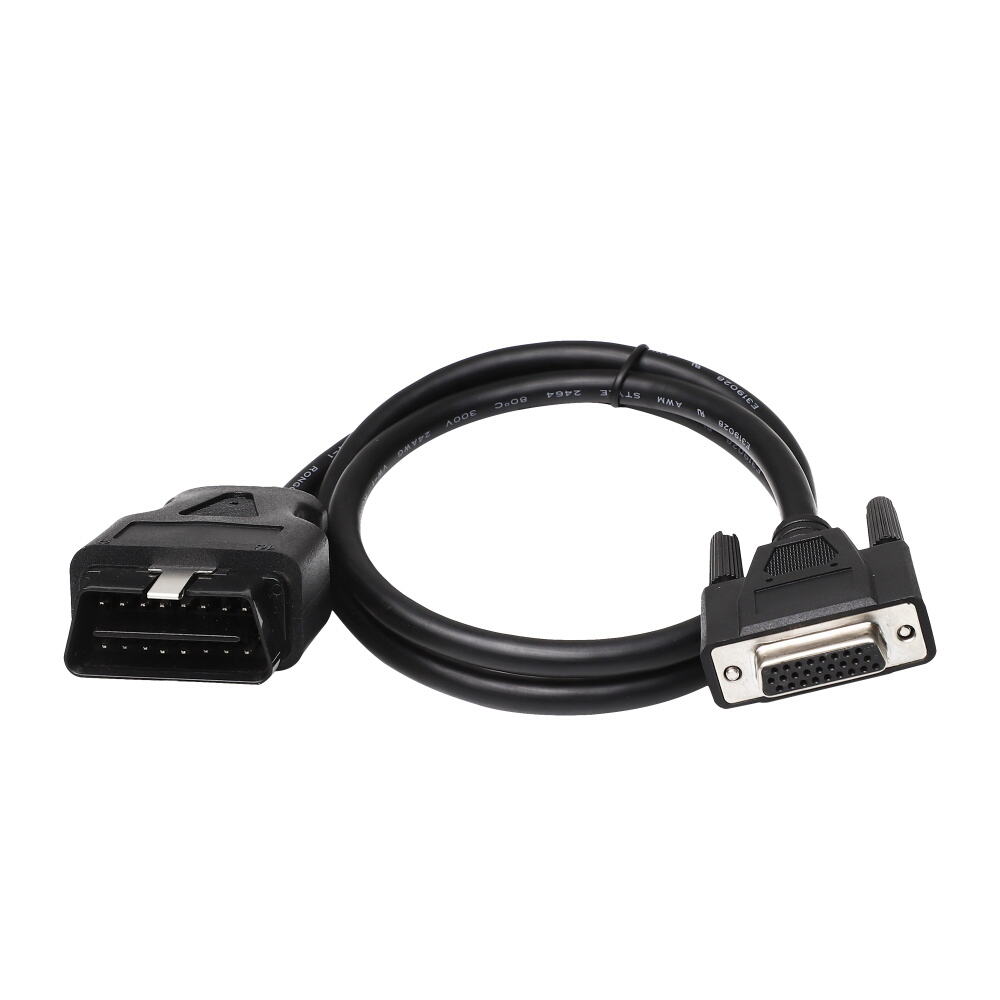
The car obd2 represents a revolutionary advancement in automotive diagnostics and vehicle monitoring technology. OBD2, which stands for On-Board Diagnostics version 2, is a standardized system that has been mandatory in vehicles manufactured since 1996 in the United States and since 2001 in Europe. This sophisticated diagnostic interface allows vehicle owners, mechanics, and technicians to access critical information about engine performance, emissions systems, and overall vehicle health. The car obd2 system operates through a standardized 16-pin connector typically located beneath the dashboard on the driver's side, providing universal access across different vehicle makes and models. This standardization has transformed vehicle maintenance by making diagnostic information accessible to both professionals and everyday drivers. The car obd2 system continuously monitors numerous sensors throughout the vehicle, including oxygen sensors, catalytic converter efficiency, fuel system performance, ignition system function, and emission control systems. When the system detects a malfunction or parameter deviation, it generates specific diagnostic trouble codes that help identify the exact nature and location of problems. Modern car obd2 technology extends beyond basic diagnostics to provide real-time data streaming, allowing users to monitor parameters such as engine RPM, coolant temperature, fuel trim, throttle position, and vehicle speed. The technological evolution of car obd2 has enabled wireless connectivity through Bluetooth and WiFi adapters, making it possible to access diagnostic information directly from smartphones and tablets. This accessibility has democratized vehicle maintenance, empowering car owners to understand their vehicles better and make informed decisions about repairs and maintenance. The car obd2 system serves multiple applications including emission testing compliance, performance tuning, fuel efficiency monitoring, and predictive maintenance planning.


 EN
EN