j1939 to obd2 adapter
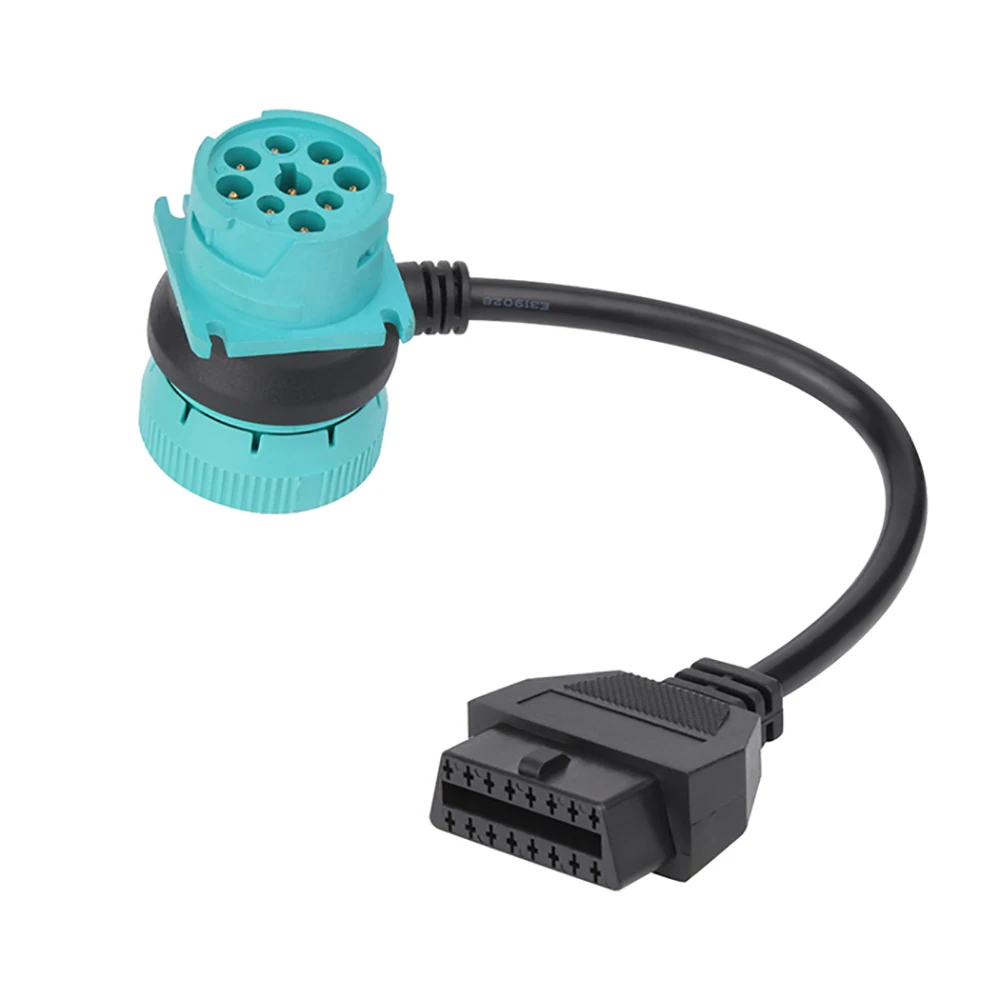
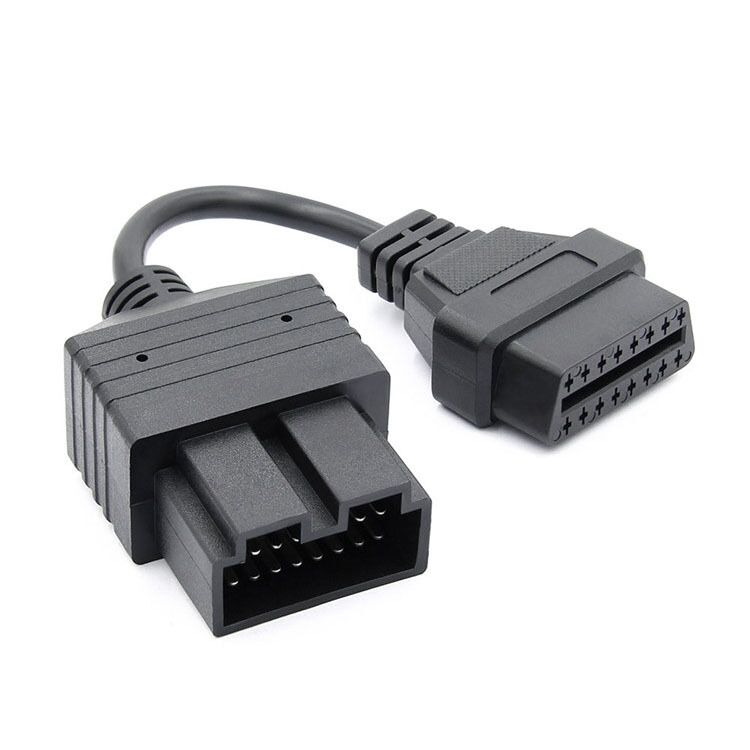
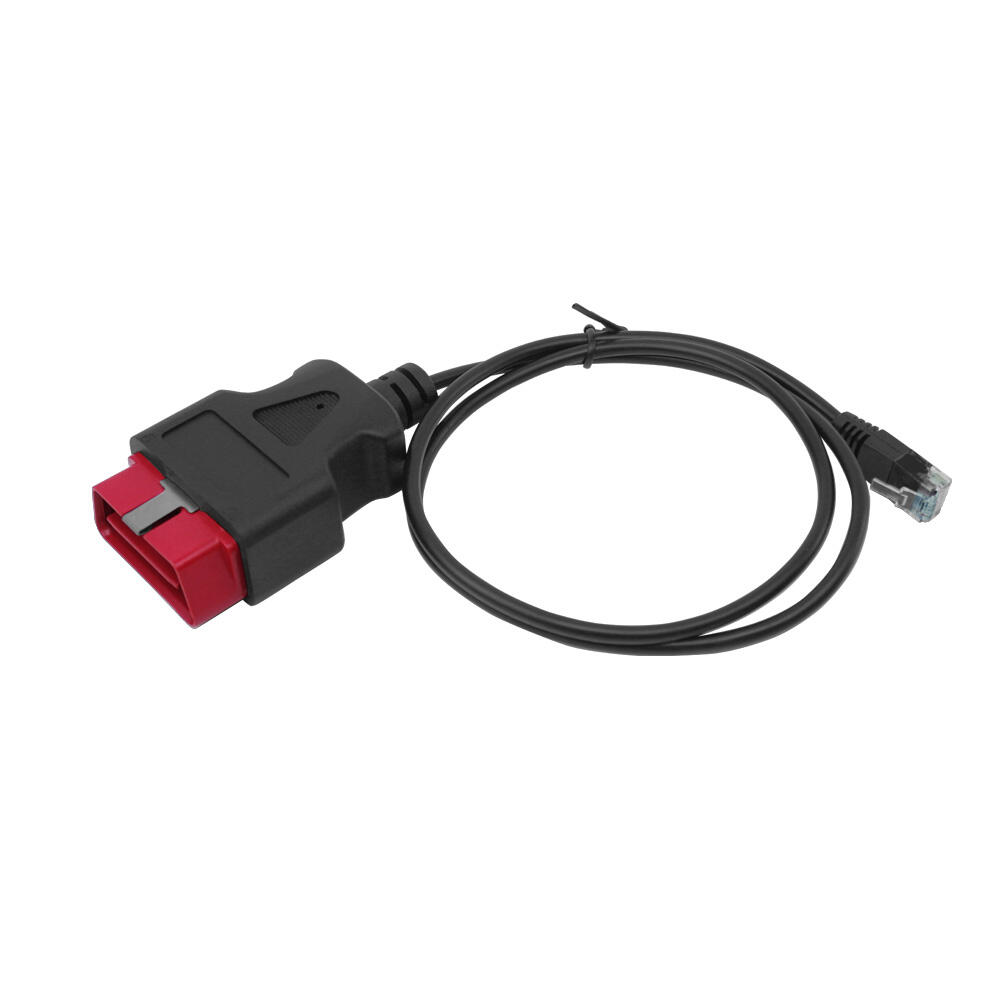
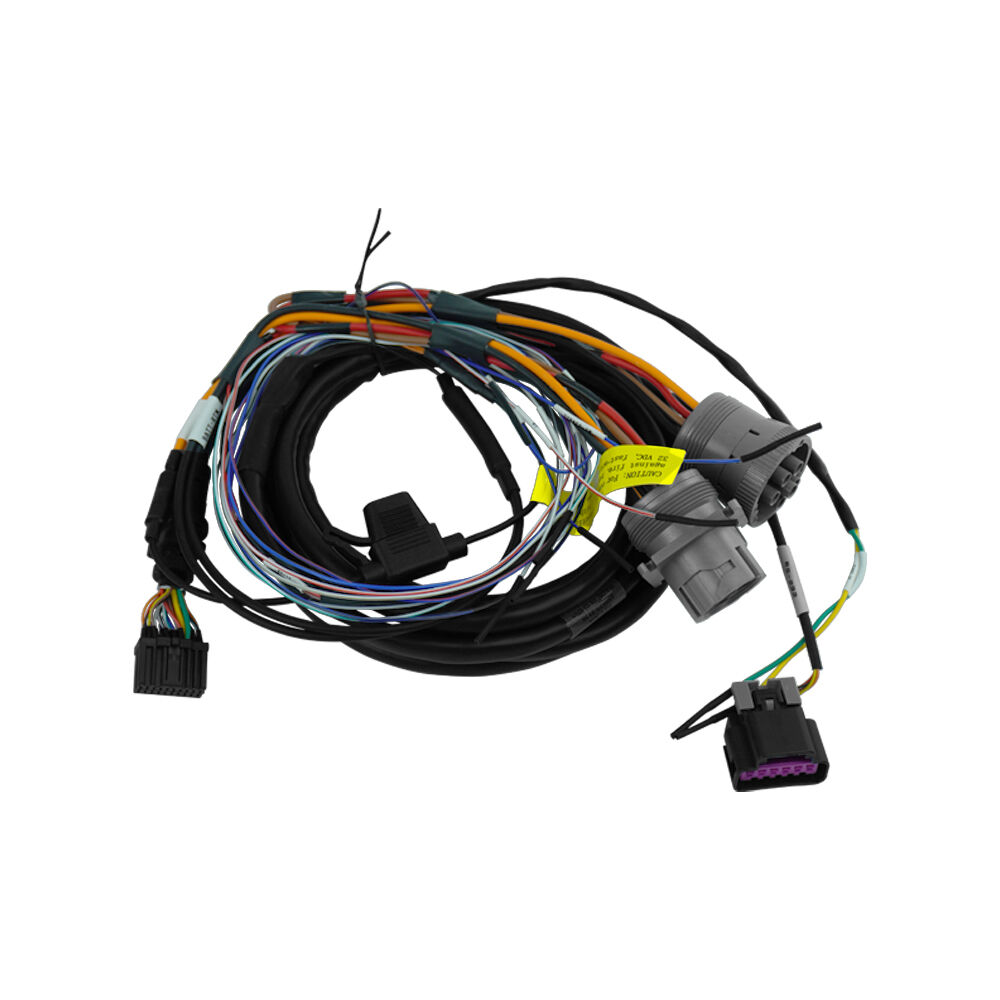
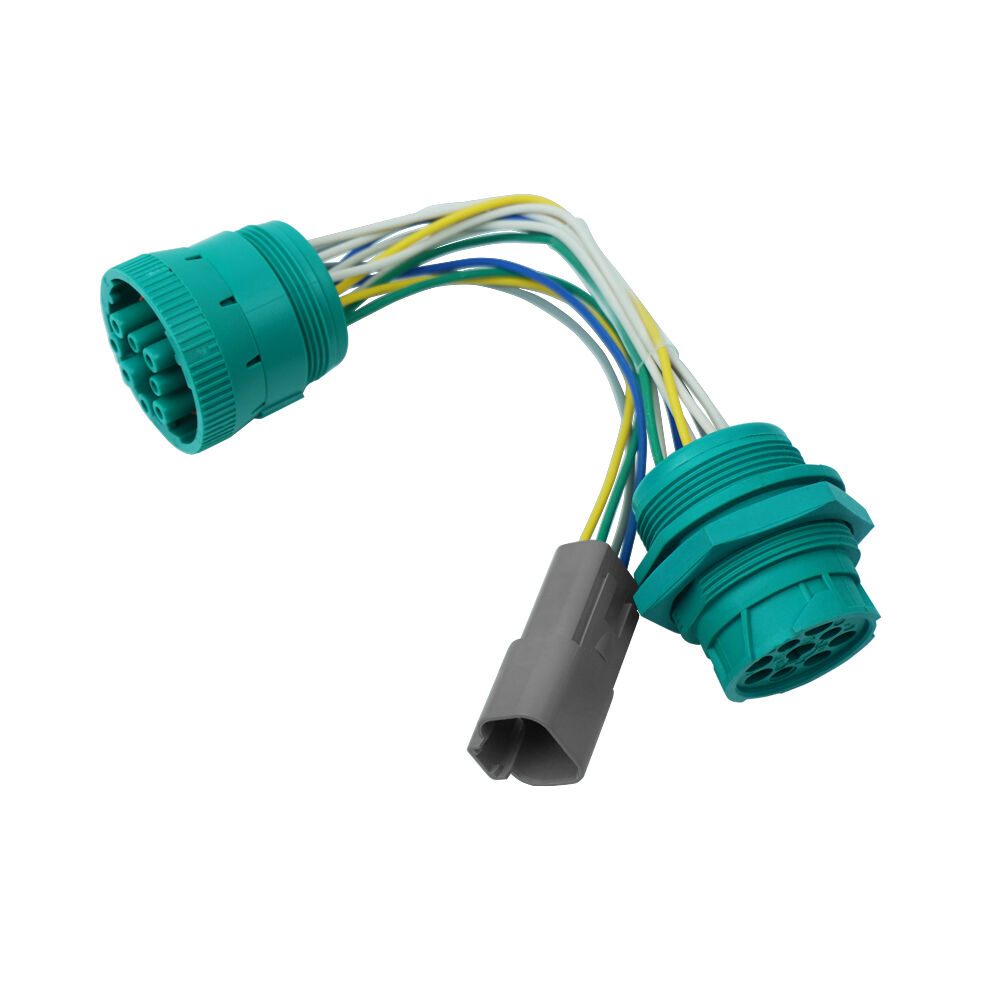
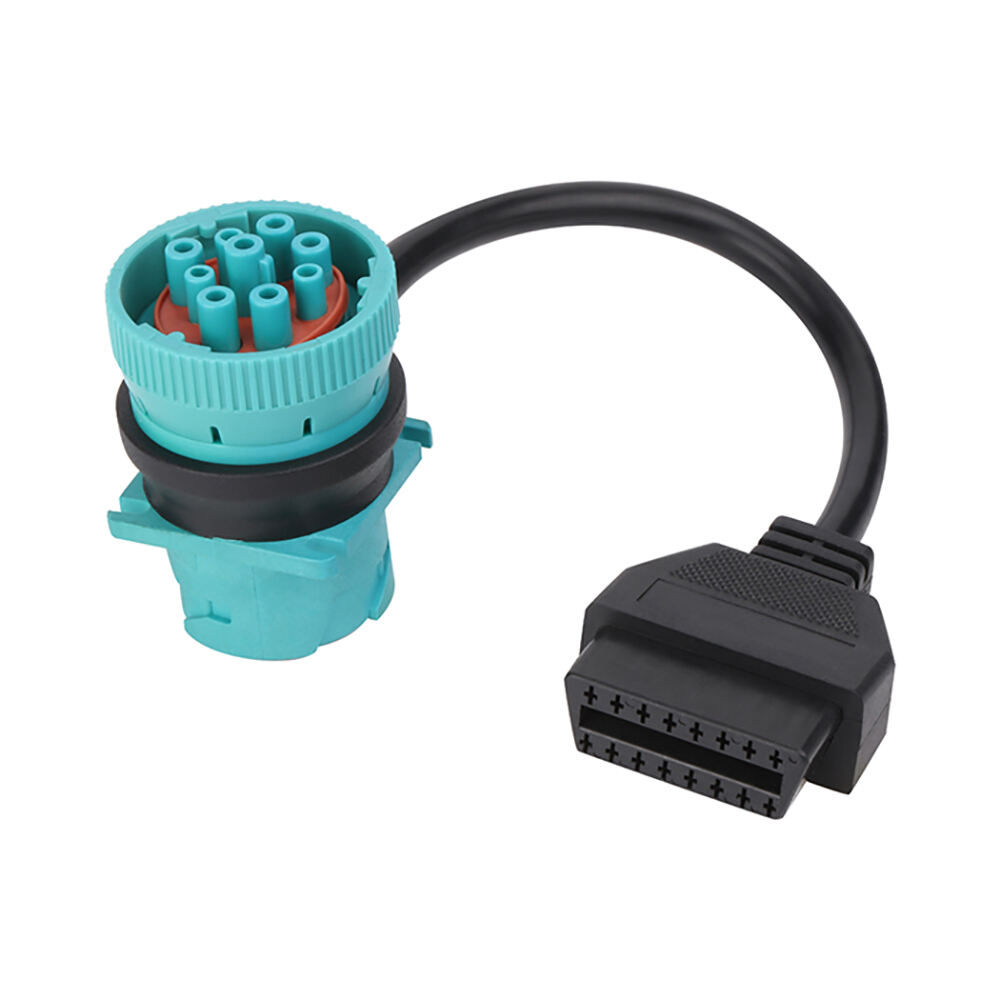
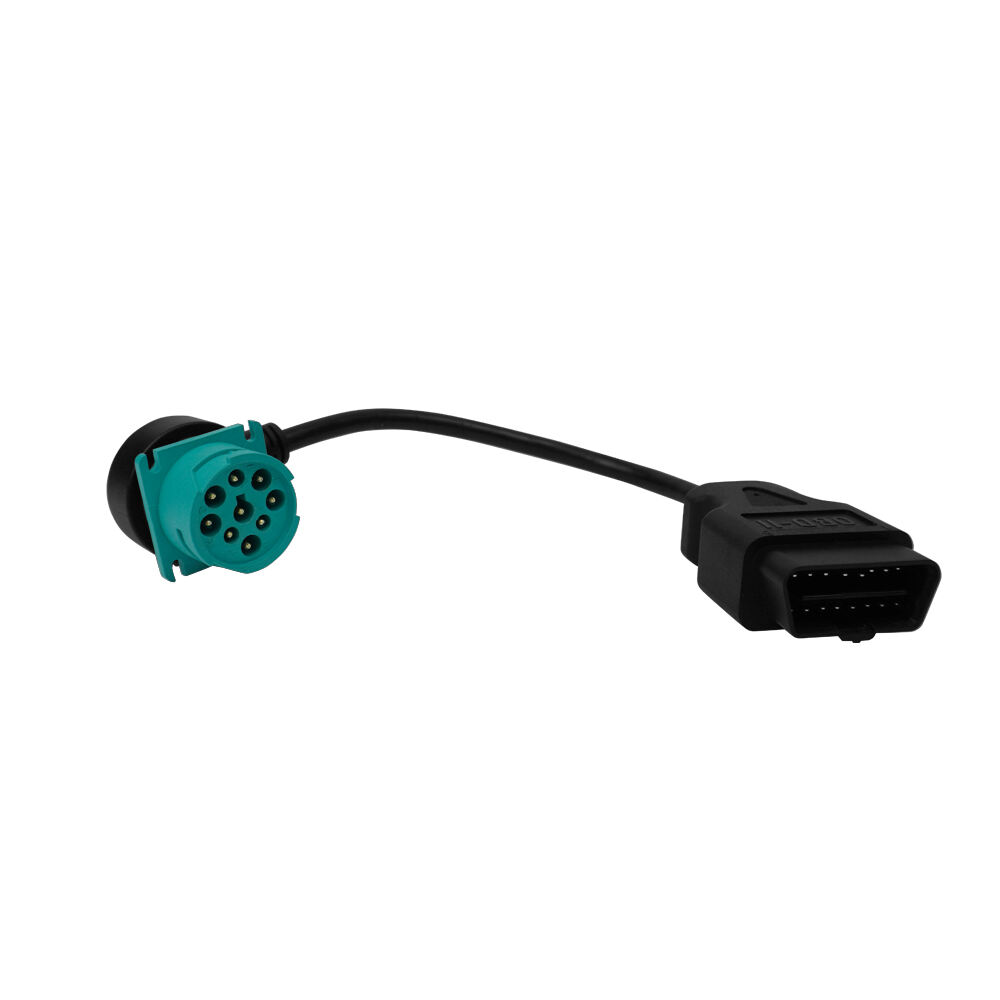
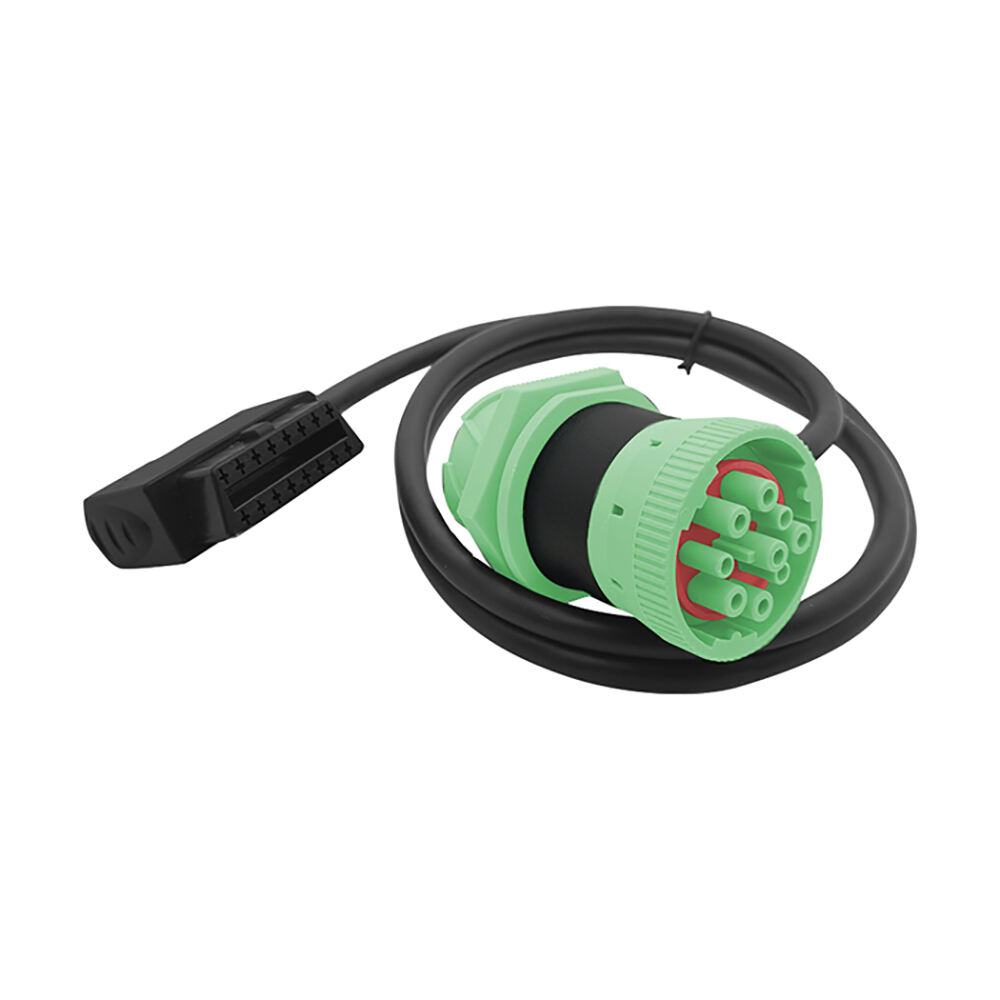
The j1939 to obd2 adapter serves as a critical bridge device that connects modern diagnostic equipment with heavy-duty vehicles using the SAE J1939 protocol. This innovative adapter translates the complex J1939 communication standard, predominantly found in commercial trucks, buses, construction equipment, and agricultural machinery, into the more universally recognized OBD2 format. The primary function of this j1939 to obd2 adapter is to enable seamless data retrieval and diagnostics from vehicles that would otherwise require specialized, expensive equipment. By converting J1939 CAN bus signals into OBD2-compatible formats, the adapter allows mechanics, fleet managers, and vehicle owners to access engine parameters, fault codes, and real-time performance data using standard OBD2 scan tools. The technological foundation of the j1939 to obd2 adapter relies on sophisticated protocol conversion algorithms that maintain data integrity while transforming communication standards. These adapters typically feature robust microprocessor-based designs capable of handling multiple parameter groups numbers (PGNs) simultaneously, ensuring comprehensive vehicle diagnostics. The device connects directly to the J1939 diagnostic port, commonly a 9-pin Deutsch connector, and outputs data through a standard 16-pin OBD2 interface. Applications for the j1939 to obd2 adapter span numerous industries including transportation logistics, construction site management, agricultural operations, and municipal fleet maintenance. Professional mechanics utilize these adapters to diagnose engine issues, monitor emission systems, and perform routine maintenance checks without investing in manufacturer-specific diagnostic equipment. Fleet operators particularly benefit from the cost-effective nature of the j1939 to obd2 adapter, as it allows centralized diagnostic capabilities across diverse vehicle types. The adapter supports various communication speeds, typically operating at 250 kbps for J1939 networks while maintaining compatibility with OBD2 requirements. Advanced models feature LED indicators for connection status, data transmission activity, and error detection, providing users with immediate visual feedback during diagnostic procedures.


 EN
EN