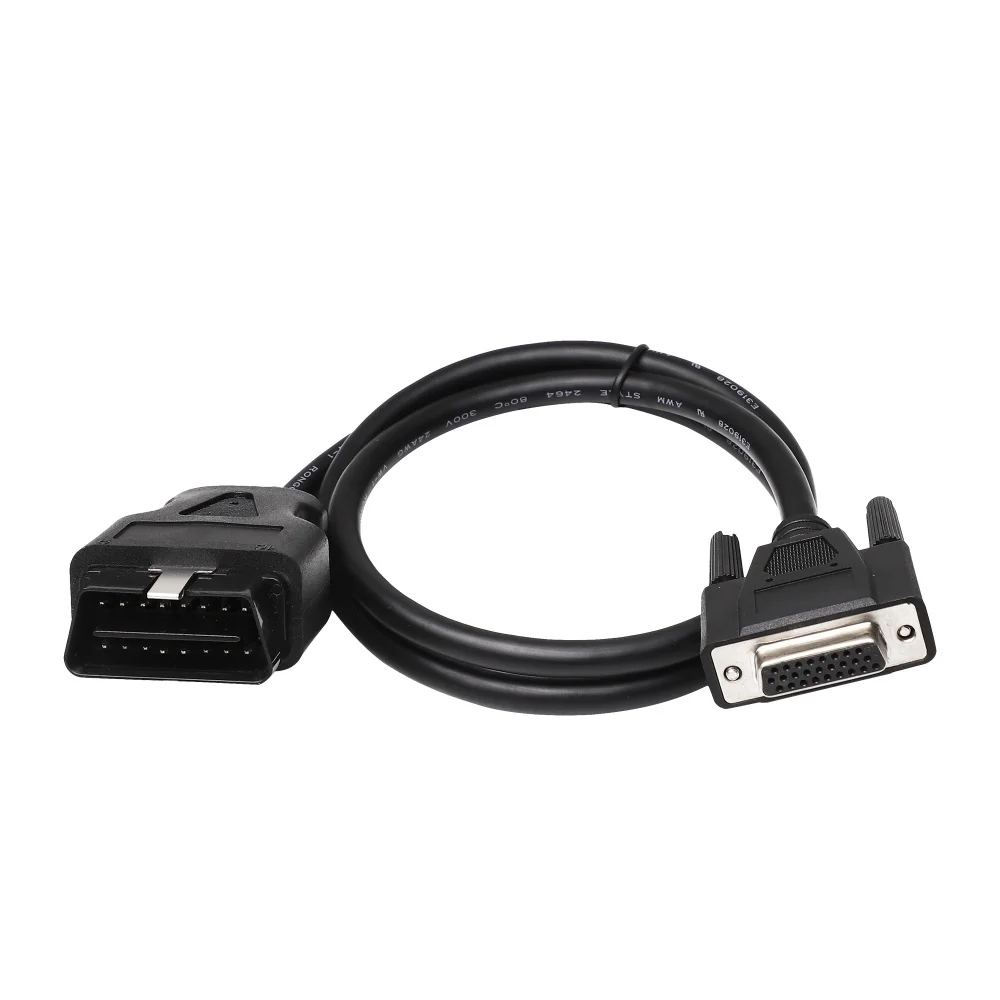
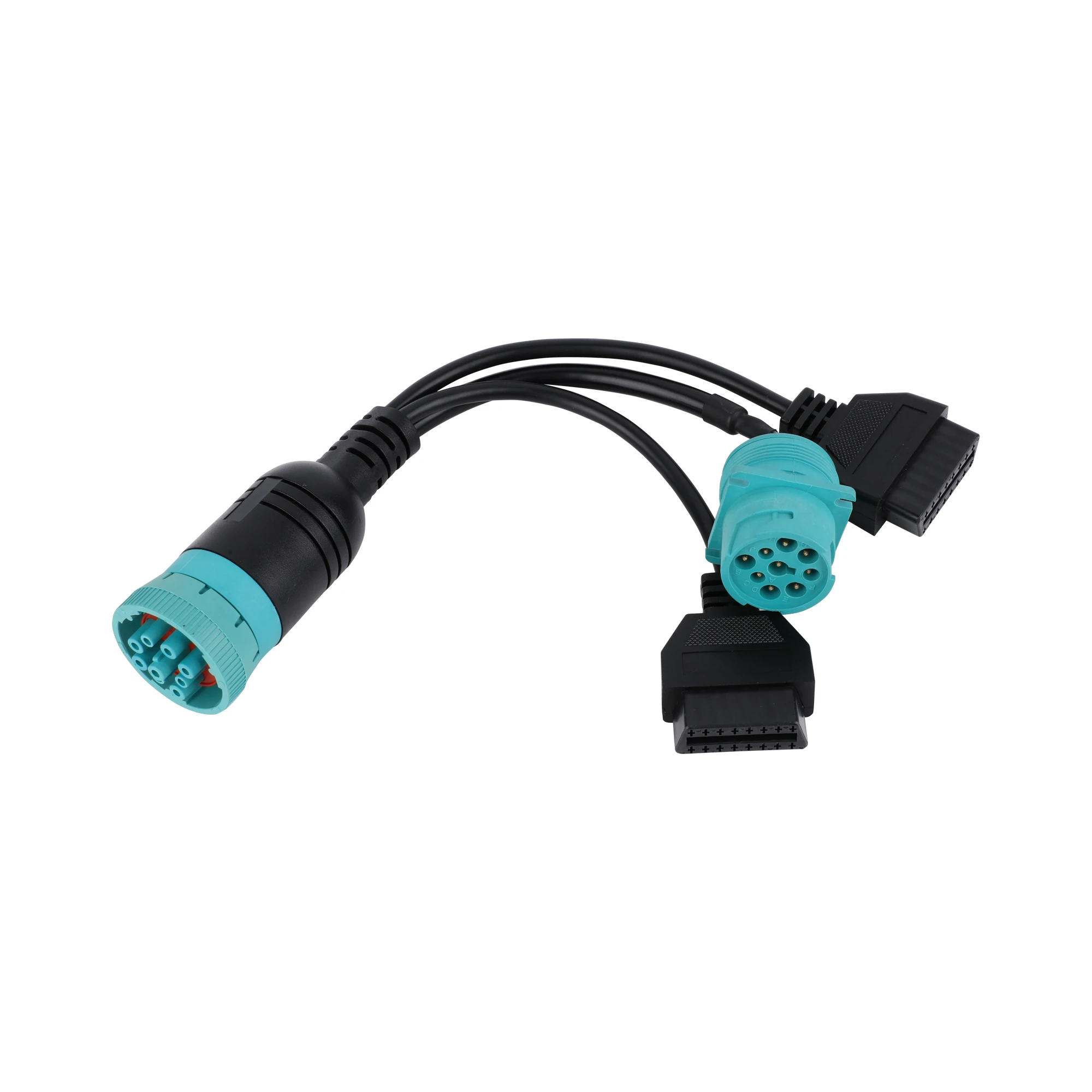
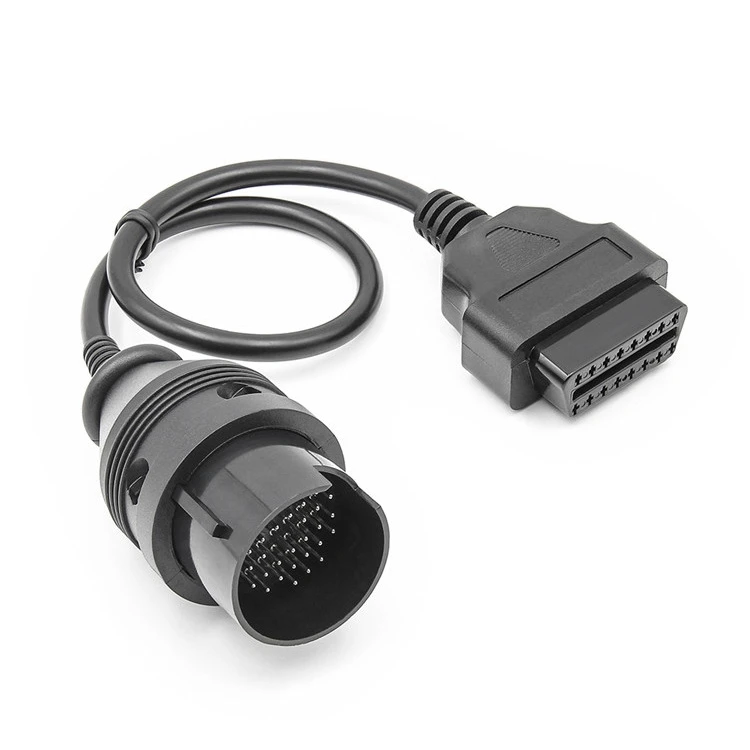
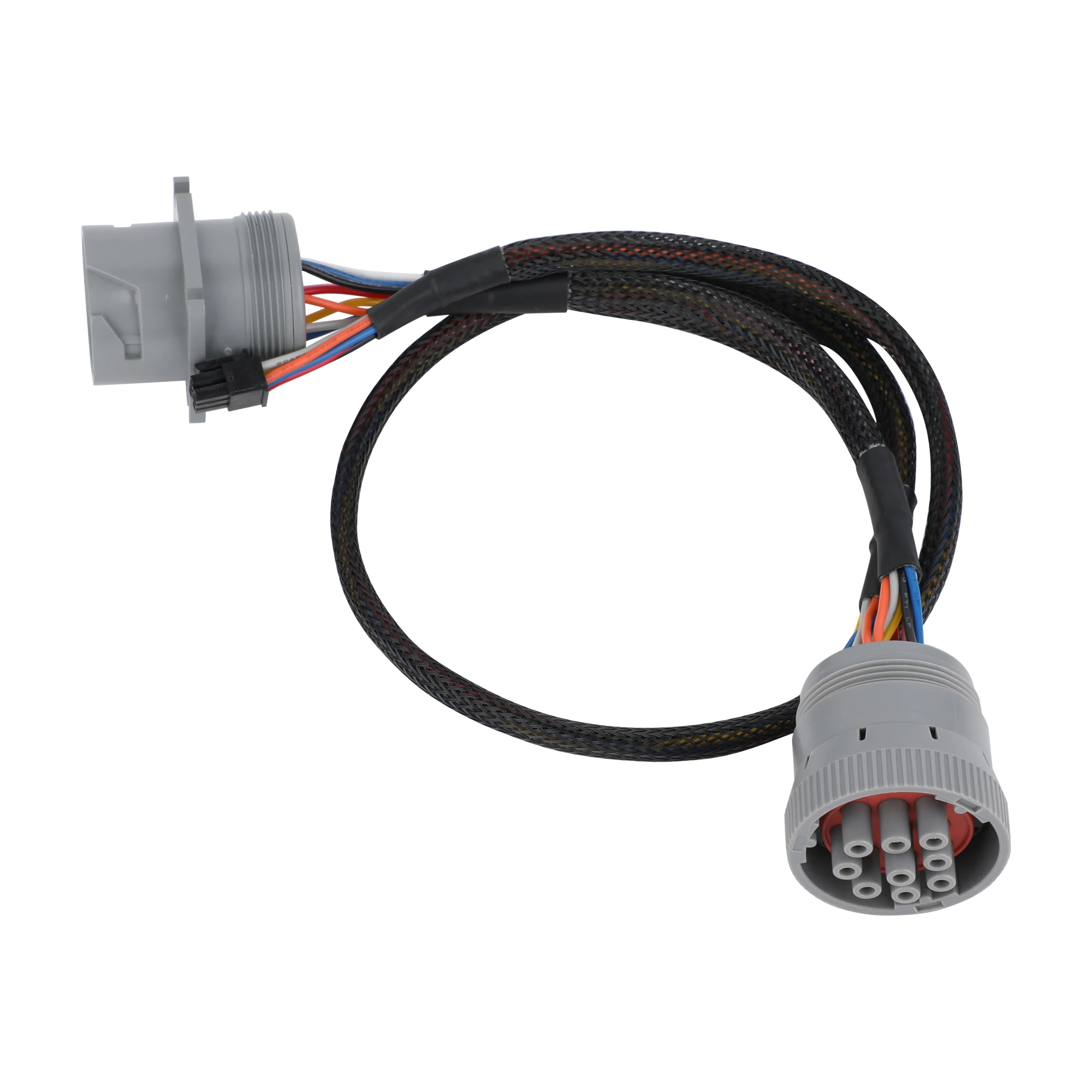
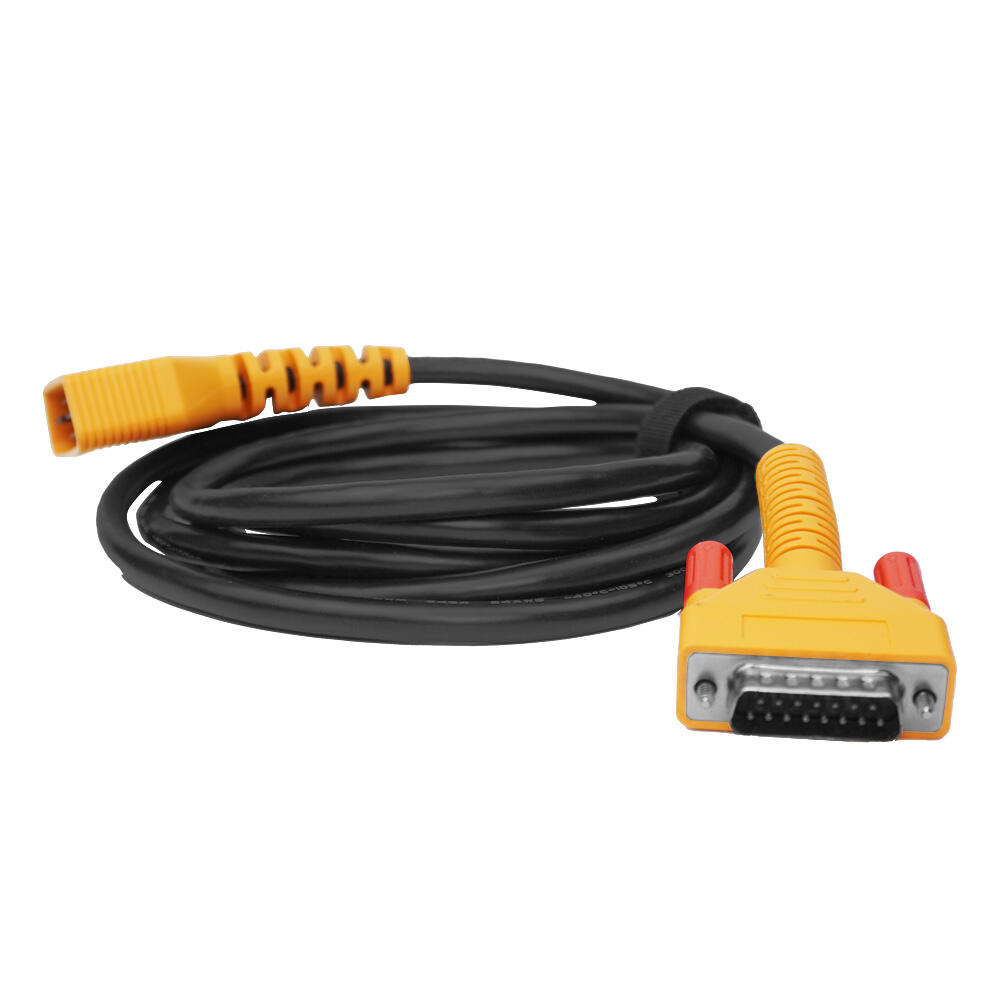
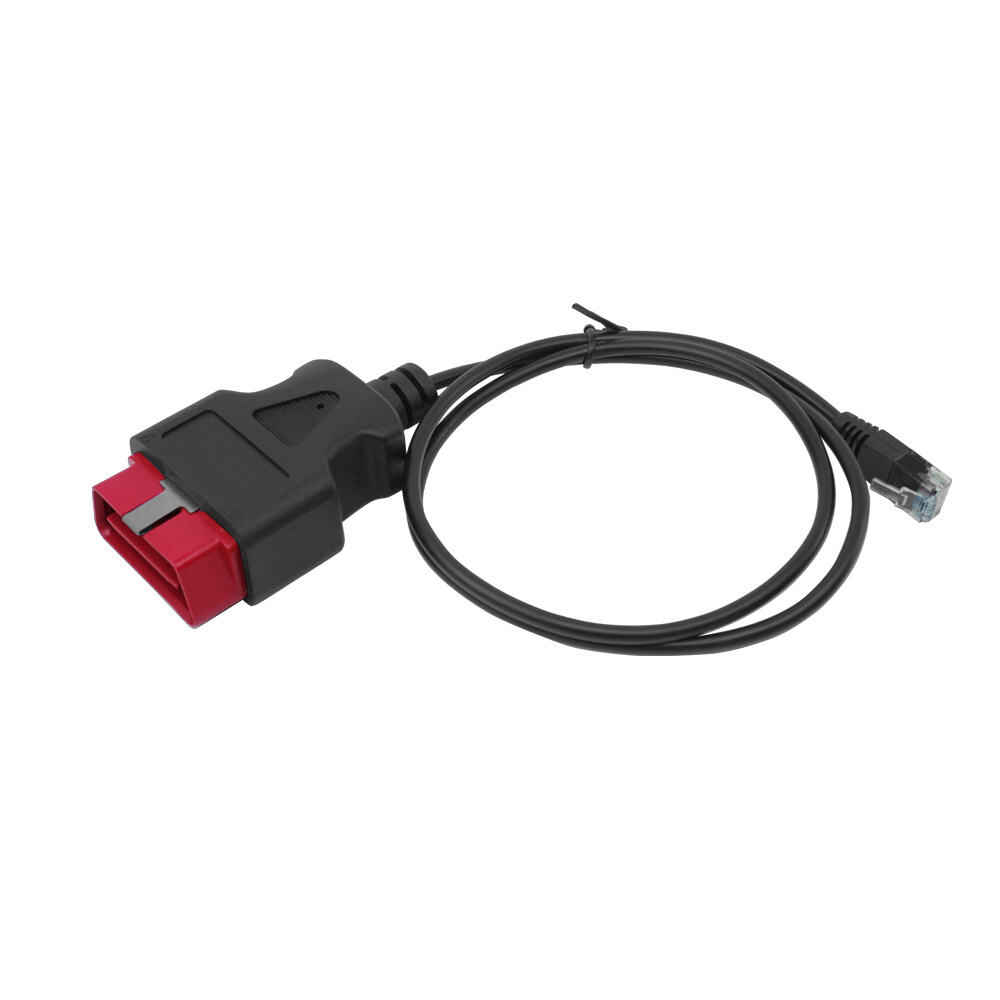
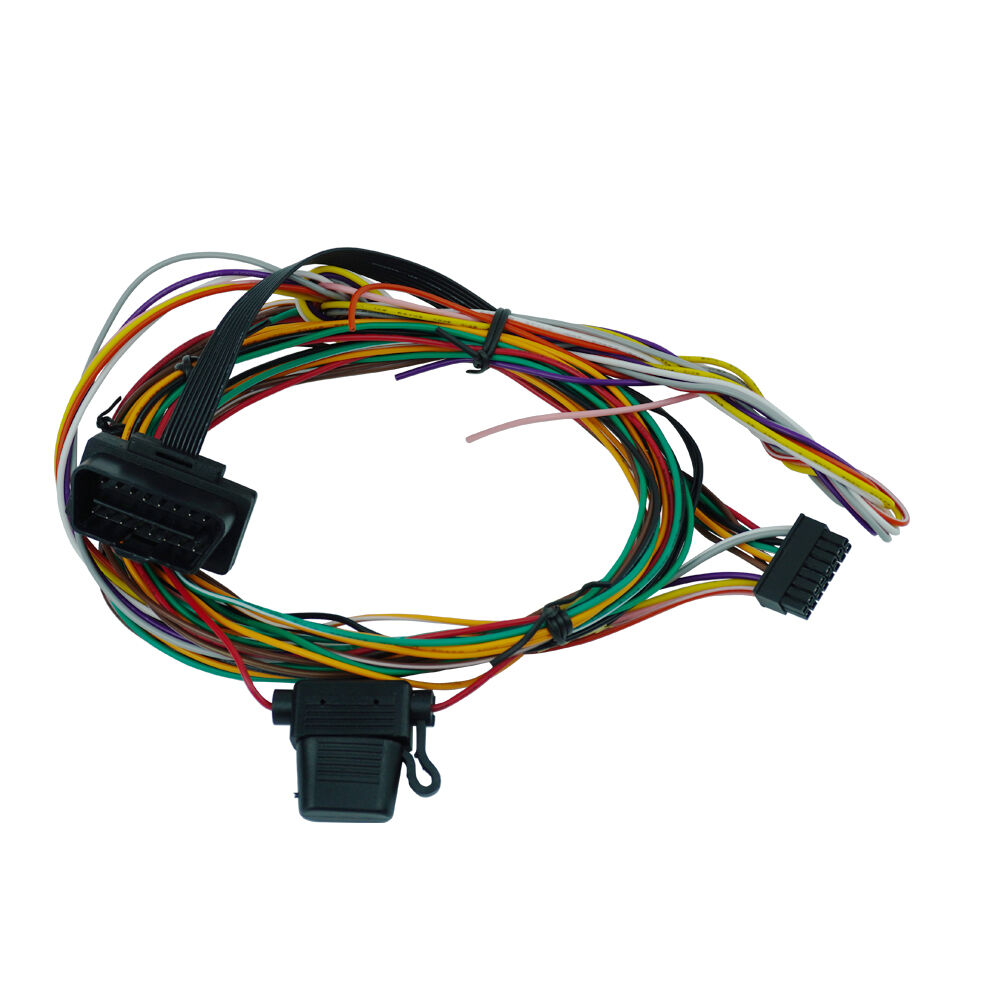
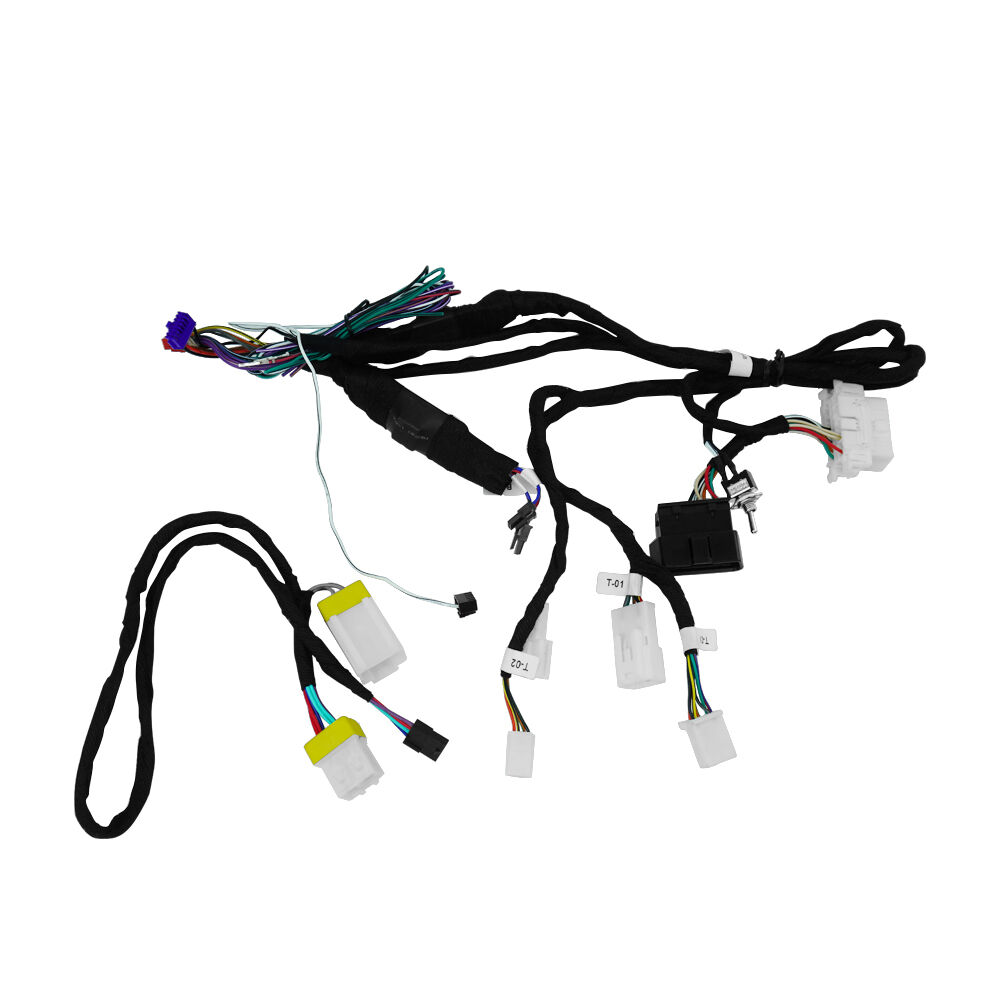
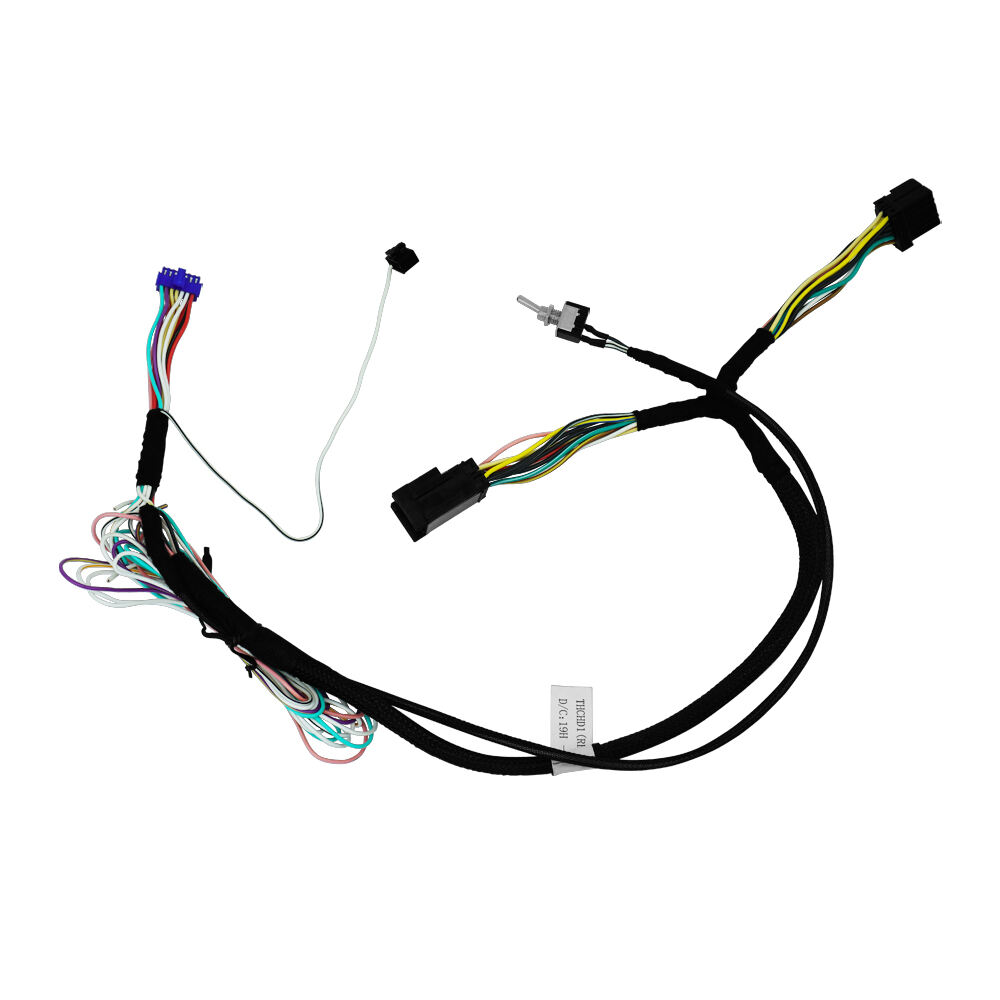
car wiring connector
The car wiring connector serves as a critical component in modern automotive electrical systems, functioning as the essential bridge that establishes reliable connections between various electrical circuits throughout a vehicle. These specialized devices enable the seamless transmission of electrical signals and power distribution across multiple automotive applications, from basic lighting systems to sophisticated electronic control units. A car wiring connector consists of precisely engineered terminals, protective housings, and sealing mechanisms designed to withstand the harsh operating conditions inherent in automotive environments. The primary function of these connectors involves creating secure, low-resistance electrical pathways that maintain signal integrity while protecting against environmental contaminants such as moisture, dust, vibrations, and temperature extremes. Modern car wiring connectors incorporate advanced materials including high-grade copper alloys for optimal conductivity, durable thermoplastic housings for mechanical protection, and specialized rubber seals to ensure waterproof performance. The technological features of contemporary car wiring connectors include color-coded designs for simplified installation, positive locking mechanisms to prevent accidental disconnection, and terminal position assurance systems that verify proper assembly. These connectors find extensive applications across diverse automotive systems including engine management, transmission control, safety features like airbags and anti-lock braking systems, infotainment platforms, climate control units, and lighting circuits. The automotive industry relies heavily on standardized car wiring connector designs to facilitate efficient manufacturing processes, enable modular vehicle construction, and simplify maintenance procedures. As vehicles continue evolving toward greater electrification and enhanced connectivity features, the car wiring connector remains indispensable for supporting increased electrical loads, accommodating higher data transmission rates, and ensuring consistent performance throughout the vehicle's operational lifespan, making it an absolutely fundamental element in automotive electrical architecture that directly impacts vehicle reliability and functionality.


 EN
EN