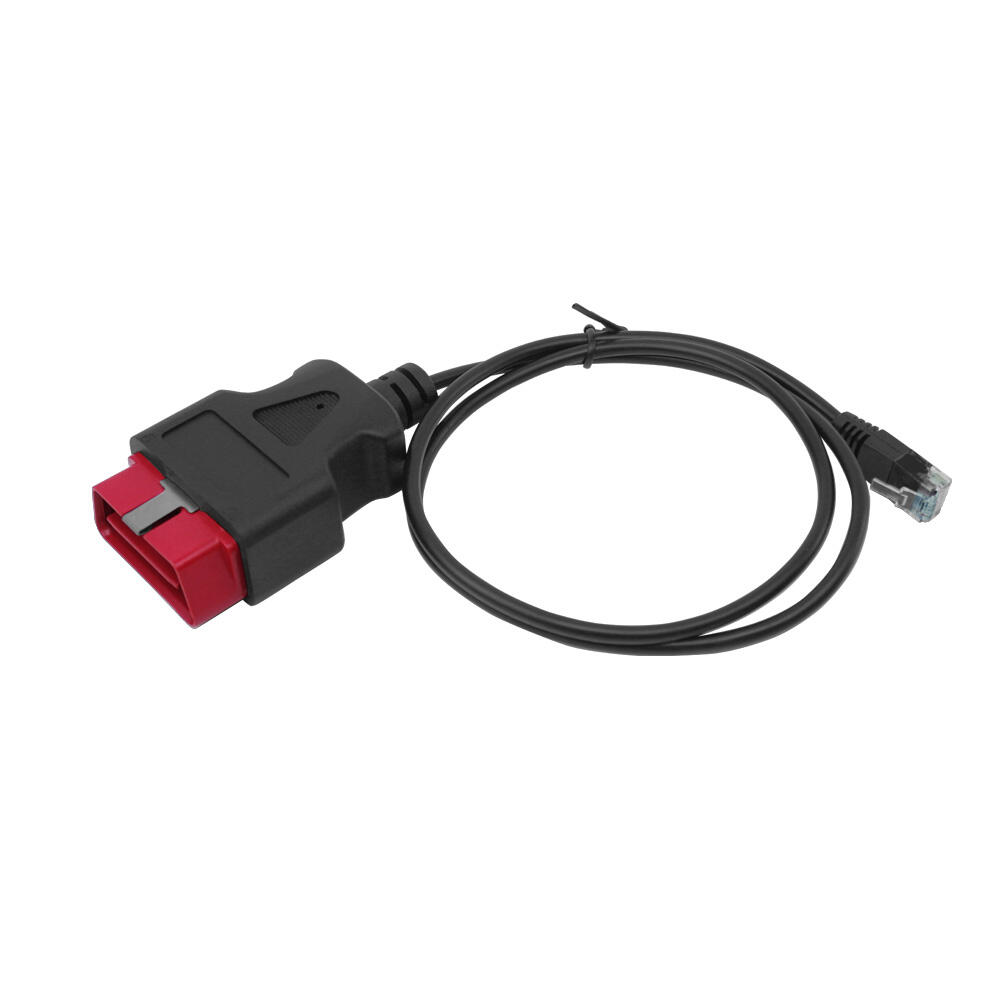
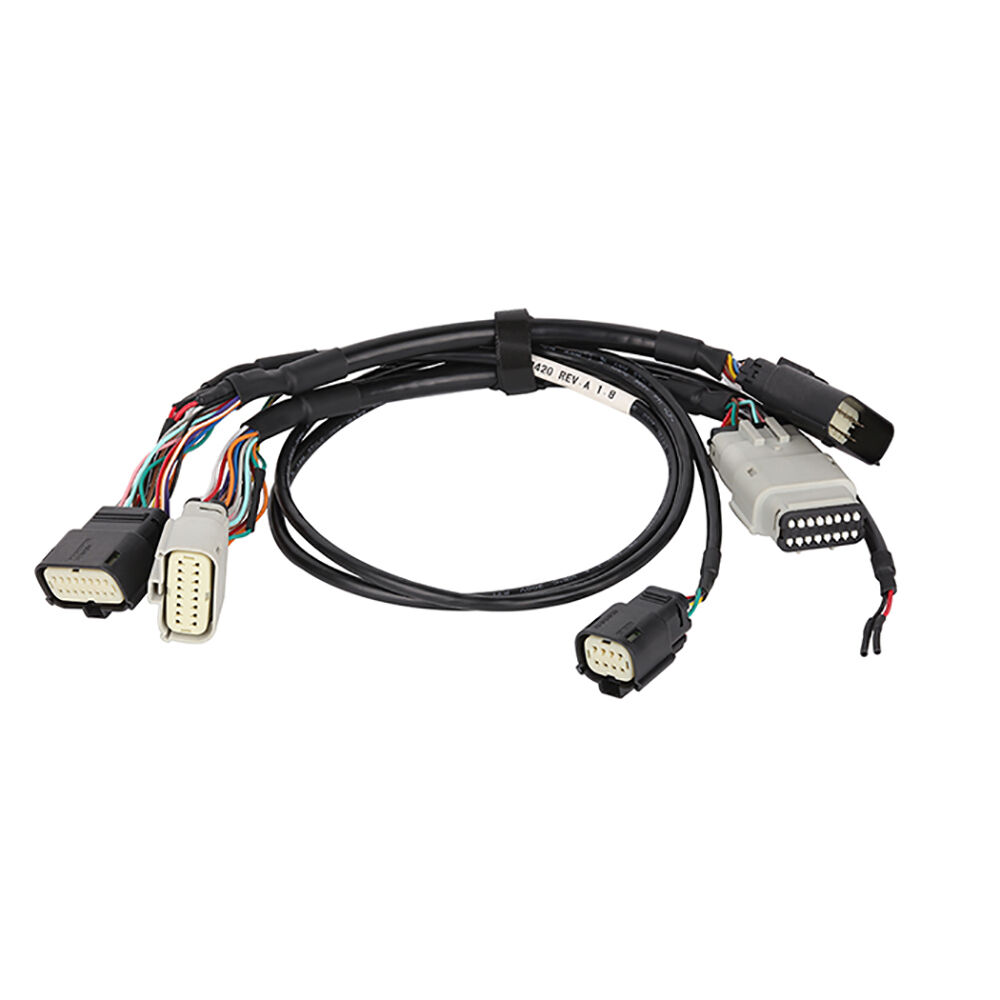
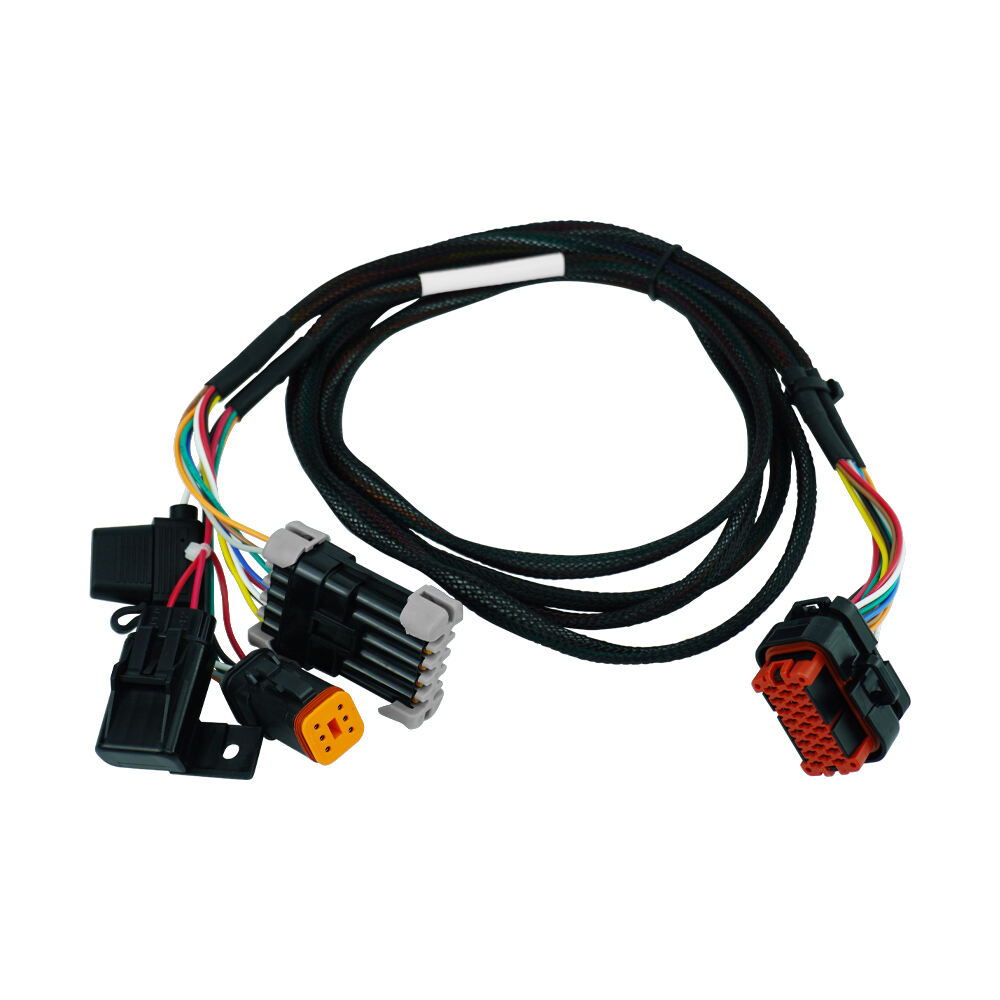
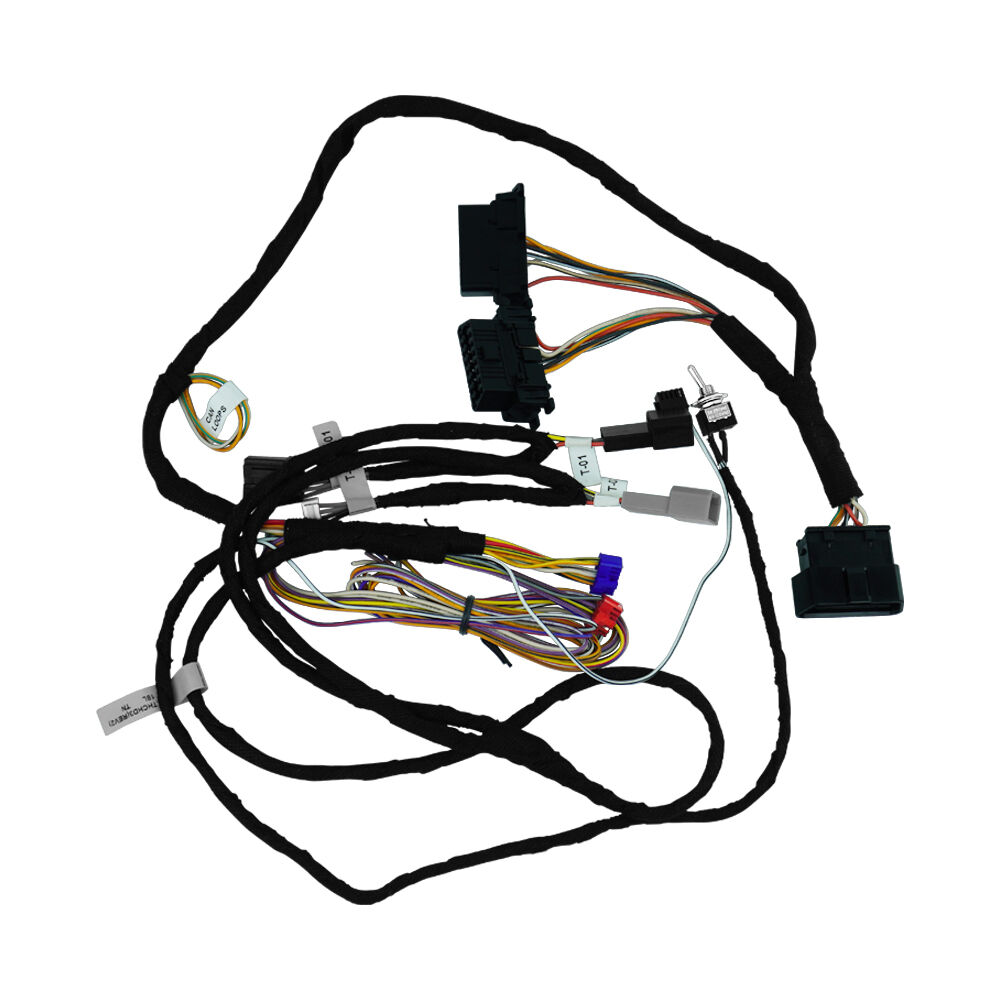
Premium Water Resistant Cable Solutions - Durable, Reliable, Multi-Environment Protection

All Categories

Get a Free Quote

Our representative will contact you soon.
Email
Name
Company Name
Message
0/1000

water resistant cable

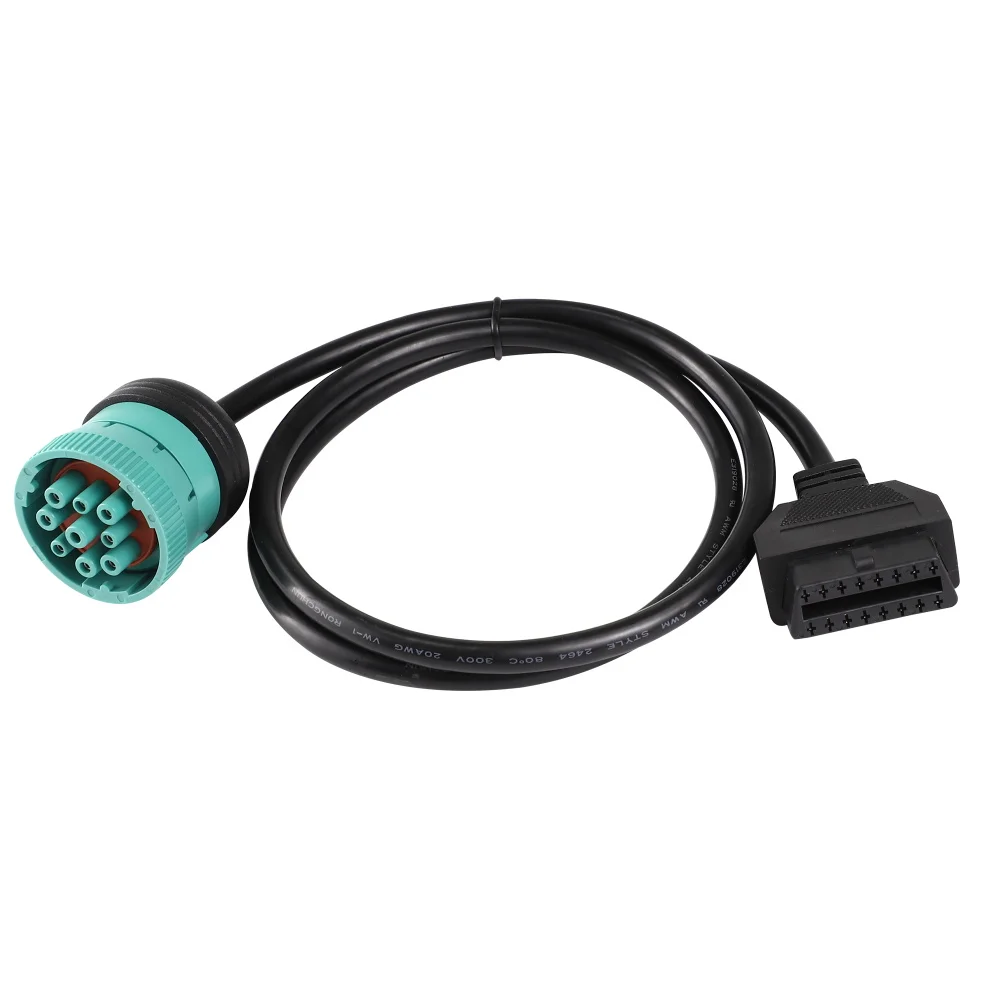
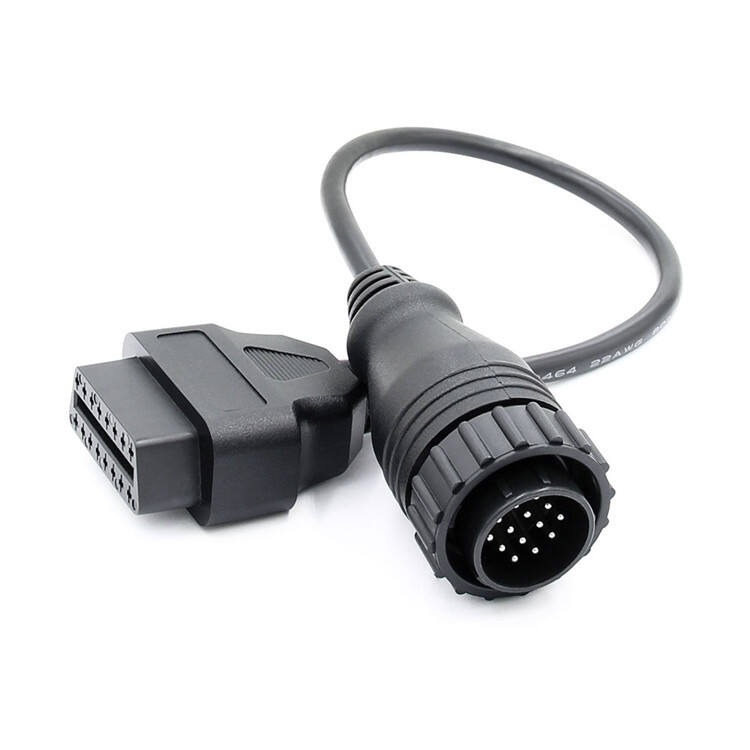
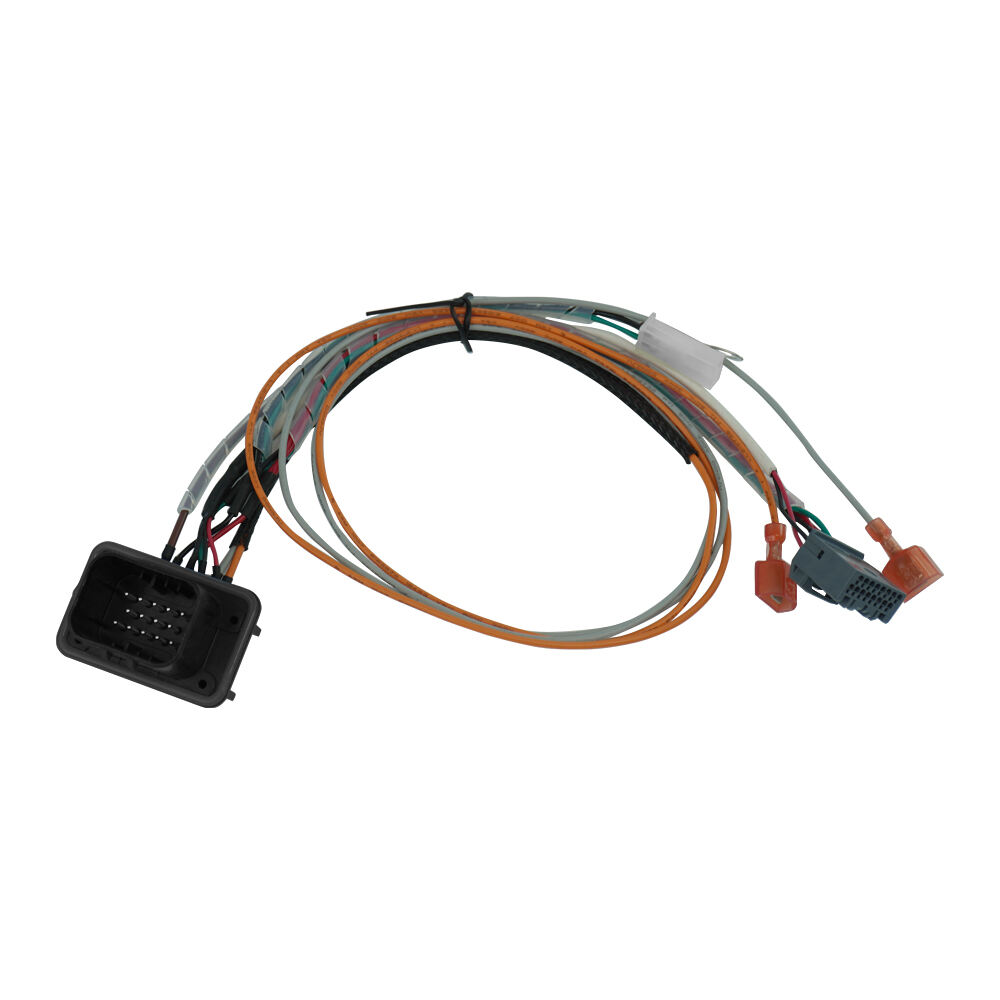
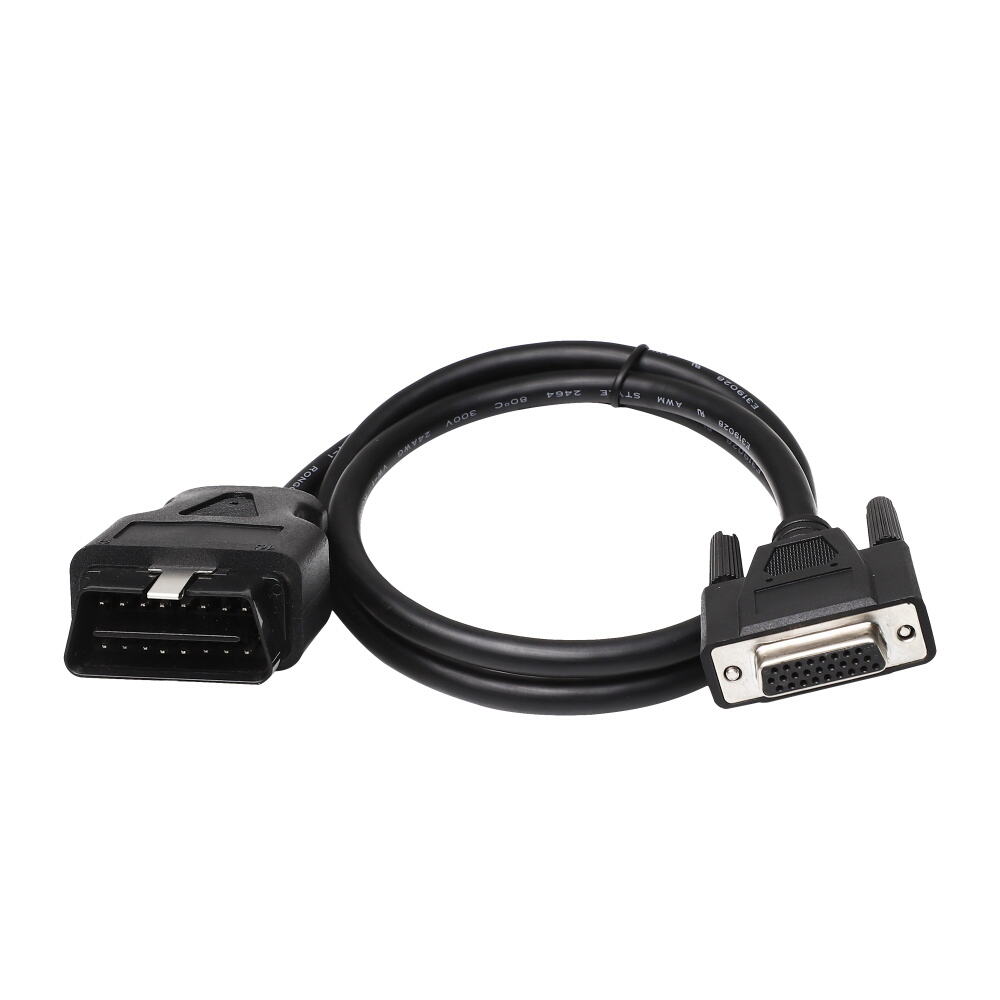
Water resistant cable represents a critical innovation in electrical and data transmission technology, designed specifically to maintain optimal performance in challenging environments where moisture exposure is inevitable. This specialized cabling solution incorporates advanced protective layers and sealing mechanisms that prevent water penetration, ensuring continuous and reliable operation across diverse applications. The fundamental purpose of water resistant cable extends beyond simple moisture protection, as it delivers comprehensive safeguarding against humidity, condensation, direct water contact, and even temporary submersion in certain product grades. Modern water resistant cable utilizes sophisticated engineering techniques, including specialized insulation materials such as thermoplastic elastomers, cross-linked polyethylene, and fluoropolymers that create impermeable barriers around conductors. The technological architecture typically features multiple protective layers, with each serving distinct functions in the overall defense strategy against water intrusion. The outer jacket provides the primary defense line, constructed from materials that naturally repel water while maintaining flexibility across temperature extremes. Beneath this protective sheath, manufacturers often incorporate additional waterproofing compounds or tapes that fill microscopic gaps and create redundant protection layers. The conductor insulation itself employs materials that resist moisture absorption, preventing electrical performance degradation even during prolonged exposure. Water resistant cable finds essential applications across marine environments, outdoor installations, underground conduits, industrial facilities with wet processes, agricultural operations, fountain and pool lighting systems, automotive manufacturing, renewable energy installations, and telecommunications infrastructure. The versatility of water resistant cable makes it indispensable for both residential and commercial projects where conventional cabling would fail prematurely due to moisture-related deterioration, corrosion, or short-circuiting. As environmental challenges intensify and installation locations become increasingly diverse, the demand for reliable water resistant cable continues expanding across global markets, driving ongoing innovations in materials science and manufacturing methodologies.

New Product Releases

Choosing water resistant cable for your projects delivers substantial practical benefits that directly impact installation longevity, maintenance costs, and operational reliability. The primary advantage lies in exceptional durability that translates to significant cost savings over the cable's lifecycle. Traditional cables exposed to moisture rapidly deteriorate, requiring frequent replacements that involve labor expenses, material costs, and system downtime. Water resistant cable eliminates these recurring expenses by maintaining structural integrity and electrical performance for extended periods, even in harsh conditions. This longevity reduces total ownership costs substantially, making the initial investment remarkably economical when evaluated across years of service. Safety represents another crucial advantage that cannot be overstated. Moisture infiltration in standard cables creates serious hazards including electrical shorts, sparking, fire risks, and shock dangers to personnel. Water resistant cable mitigates these safety concerns through its robust construction that maintains proper insulation properties regardless of environmental conditions. This protection proves invaluable in commercial facilities, residential buildings, and industrial operations where human safety remains paramount. Installation flexibility emerges as a significant practical benefit for contractors and project managers. Water resistant cable permits routing through locations previously considered unsuitable for electrical infrastructure, including direct burial applications, wet walls, outdoor pathways, and areas subject to regular washdowns. This versatility simplifies system design, reduces the need for expensive protective conduits, and enables more efficient cable paths that save both materials and installation time. Performance consistency stands as a defining advantage in critical applications. The water resistant cable maintains stable electrical characteristics including consistent impedance, minimal signal loss, and reliable power delivery regardless of humidity fluctuations or water exposure. This reliability proves essential for data transmission systems, control circuits, and power distribution networks where performance variations cause operational disruptions or equipment malfunctions. Maintenance requirements decrease dramatically when systems utilize water resistant cable. The protective construction resists corrosion, prevents conductor oxidation, and eliminates moisture-related connection failures that plague conventional installations. Facility managers appreciate reduced inspection frequencies, fewer emergency repairs, and extended service intervals that free maintenance teams for other priorities. Environmental resistance extends beyond water alone, as quality water resistant cable typically incorporates protection against ultraviolet radiation, temperature extremes, chemical exposure, and mechanical abrasion. This comprehensive defense strategy ensures reliable operation across diverse conditions without requiring multiple specialized cable types. The peace of mind provided by water resistant cable represents an intangible yet valuable advantage for property owners, facility managers, and system designers who need confidence that electrical infrastructure will perform reliably regardless of weather events, seasonal changes, or operational conditions that introduce moisture challenges.

Latest News

What Factors Should You Consider When Selecting a Wiring Harness for Industrial or Electronic Applications?

20

Jan

What Factors Should You Consider When Selecting a Wiring Harness for Industrial or Electronic Applications?

Modern industrial and electronic applications rely heavily on efficient electrical connections that can withstand demanding operational conditions. A wiring harness serves as the backbone of electrical systems, organizing multiple wires into a struct...
View More
How to Identify the Right Connectors and Gauge for Your Custom Wiring Harness Project?

20

Jan

How to Identify the Right Connectors and Gauge for Your Custom Wiring Harness Project?

Selecting the appropriate connectors and wire gauge for your custom wiring harness project represents one of the most critical decisions in electrical system design. A properly engineered custom wiring harness ensures reliable performance, safety com...
View More
How to choose the right J1939 connection cable based on vehicle model and communication protocol?

10

Feb

How to choose the right J1939 connection cable based on vehicle model and communication protocol?

Selecting the appropriate J1939 connection cable is crucial for establishing reliable communication between electronic control units in commercial vehicles and heavy-duty equipment. The SAE J1939 standard defines the communication protocol used acros...
View More
Why Do Diagnostic Tools Require a Properly Terminated J1939 Connection Cable?

02

Apr

Why Do Diagnostic Tools Require a Properly Terminated J1939 Connection Cable?

Diagnostic tools in commercial vehicles, heavy-duty trucks, and industrial equipment face a critical challenge that often goes unnoticed until system failures occur. The reliability of electronic diagnostic communication depends entirely on the quali...
View More

Get a Free Quote

Our representative will contact you soon.
Email
Name
Company Name
Message
0/1000

water resistant cable

Advanced Multi-Layer Protection Technology

Advanced Multi-Layer Protection Technology

The engineering sophistication behind water resistant cable centers on innovative multi-layer protection technology that creates comprehensive barriers against moisture intrusion while maintaining electrical performance and mechanical flexibility. Understanding this technological framework helps customers appreciate the substantial value proposition these cables deliver. The outermost jacket layer employs specially formulated polymers selected for their inherent hydrophobic properties, meaning they naturally repel water molecules rather than absorbing moisture like standard materials. Common jacket materials include polyvinyl chloride compounds enhanced with plasticizers that maintain flexibility across temperature ranges from negative forty degrees to positive ninety degrees Celsius, thermoplastic polyurethane that offers superior abrasion resistance alongside water rejection, and chlorinated polyethylene that provides exceptional chemical resistance in industrial environments. Beneath the primary jacket, manufacturers integrate secondary protection elements that address potential vulnerabilities in the cable structure. These intermediate layers often consist of non-wicking tapes that prevent water migration along the cable length if the outer jacket sustains damage, flooding compounds that fill interstitial spaces between conductors to block capillary action, and aluminum-polymer composite tapes that create absolute vapor barriers for applications requiring maximum protection. The conductor insulation represents the final critical defense layer, utilizing materials such as cross-linked polyethylene that resists moisture absorption while providing excellent dielectric properties, ethylene propylene rubber that maintains insulation effectiveness even when wet, and fluorinated ethylene propylene for extreme-condition applications. This multi-layer approach creates redundant protection where each component serves specific functions while collectively ensuring water resistant cable performance exceeds requirements across diverse scenarios. The manufacturing process integrates these layers through precision extrusion techniques that eliminate microscopic gaps and ensure consistent wall thickness around the entire cable circumference. Quality control procedures verify waterproof integrity through submersion testing, pressure testing, and accelerated aging protocols that simulate years of environmental exposure. This rigorous validation ensures every meter of water resistant cable leaving production facilities meets stringent performance standards that customers depend upon for successful installations.
Versatile Applications Across Demanding Environments

Versatile Applications Across Demanding Environments

Water resistant cable demonstrates remarkable versatility across an expansive range of applications where environmental challenges would rapidly compromise conventional cabling solutions, making it an indispensable component for modern infrastructure projects spanning multiple industries and installation contexts. Marine applications represent perhaps the most demanding environment where water resistant cable proves essential for vessel electrical systems, dock installations, marina power pedestals, navigational lighting, and offshore platform infrastructure. The constant exposure to saltwater, humidity, and temperature fluctuations in maritime settings creates conditions that rapidly corrode standard cables, whereas properly specified water resistant cable maintains reliable operation for years despite these harsh challenges. Outdoor installations across residential, commercial, and municipal projects benefit substantially from water resistant cable deployment in landscape lighting systems, security camera networks, outdoor sound systems, parking lot lighting, and pathway illumination where exposure to rain, snow, irrigation systems, and ground moisture occurs regularly. These applications require cabling that withstands weather cycles without degradation, eliminating the premature failures that necessitate expensive retrofit projects. Industrial facilities with wet processes including food processing plants, chemical manufacturing operations, car wash facilities, and beverage production lines mandate water resistant cable throughout zones subject to washdown procedures, steam cleaning, condensation, and accidental spills. The ability to maintain electrical safety and performance in these environments directly impacts production continuity and worker safety. Underground applications present unique challenges where moisture inevitably contacts buried infrastructure through groundwater, soil humidity, and precipitation infiltration. Water resistant cable enables direct burial installations for electrical distribution, telecommunications networks, irrigation control systems, and outdoor lighting circuits without requiring expensive conduit systems that complicate installation and increase project costs. Renewable energy installations increasingly depend on water resistant cable for solar array interconnections, wind turbine internal wiring, hydroelectric control systems, and battery storage facilities where outdoor exposure and moisture challenges demand reliable cabling solutions. The agricultural sector utilizes water resistant cable extensively for irrigation automation, greenhouse environmental controls, livestock facility systems, and outdoor equipment power supplies where wet conditions represent normal operating environments rather than exceptional circumstances. Swimming pool and fountain installations require specialized water resistant cable that meets safety codes while enabling underwater lighting, pump connections, and control systems that enhance aesthetic appeal and functional performance.

Long-Term Economic Value and Reliability Benefits

Long-Term Economic Value and Reliability Benefits

The economic advantages of selecting water resistant cable extend far beyond initial purchase price considerations, encompassing total lifecycle costs, operational reliability, maintenance requirements, and risk mitigation factors that collectively deliver superior value propositions for informed customers. Initial investment analysis might suggest water resistant cable carries premium pricing compared to standard alternatives, yet comprehensive economic evaluation reveals substantial savings across the installation's operational lifespan. Replacement cost avoidance represents the most significant economic benefit, as moisture-damaged conventional cables typically require complete replacement rather than repair, involving material expenses, labor costs for removal and reinstallation, and operational disruptions during the replacement process. Water resistant cable eliminates these recurring expenses through extended service life that often spans decades rather than years, dramatically reducing total ownership costs when properly amortized across the cable's functional lifetime. Maintenance expenditure reduction contributes substantially to economic value, as water resistant cable requires minimal inspection and essentially zero moisture-related repairs compared to conventional installations that demand regular assessment for corrosion, insulation degradation, and connection integrity in challenging environments. Facility management teams appreciate this reliability advantage that redirects maintenance resources toward other priorities while reducing emergency repair incidents that disrupt operations and incur premium labor rates. Risk mitigation value proves difficult to quantify precisely yet represents genuine economic benefit through avoided downtime costs, liability exposure reduction, and asset protection. Electrical failures caused by moisture infiltration can trigger production stoppages in manufacturing facilities costing thousands per hour, data transmission interruptions affecting business operations, safety incidents resulting in injury claims, and secondary damage to connected equipment requiring expensive repairs or replacement. Water resistant cable substantially reduces these risk exposures, providing insurance value that prudent facility managers recognize as economically significant. Energy efficiency benefits emerge from consistent electrical performance that water resistant cable maintains across varying environmental conditions. Moisture infiltration in conventional cables increases resistance, elevates voltage drop, and reduces power transmission efficiency, translating to measurable energy waste across large installations or extended cable runs. The stable performance characteristics of water resistant cable eliminate these efficiency losses, delivering modest yet real operational cost reductions that accumulate substantially across years of service. Project timeline advantages contribute economic value through simplified installation procedures that water resistant cable enables, including elimination of waterproofing enclosures, reduced conduit requirements, and flexible routing options that decrease installation labor hours and accelerate project completion. These schedule benefits translate directly to cost savings in commercial construction where time-sensitive deadlines carry significant financial implications. Insurance and compliance benefits provide additional economic value as properly specified water resistant cable helps facilities meet safety codes, reduce liability exposures, and potentially qualify for favorable insurance premiums through demonstrated commitment to electrical system reliability and safety.

Get a Free Quote

Our representative will contact you soon.
Email
Name
Company Name
Message
0/1000

Get a Free Quote

Our representative will contact you soon.
Email
Name
Company Name
Message
0/1000

Get a Free Quote

Our representative will contact you soon.
Email
Name
Company Name
Message
0/1000

Get a Free Quote

Our representative will contact you soon.
Email
Name
Company Name
Message
0/1000