Cost-Effective Installation and Maintenance Advantages
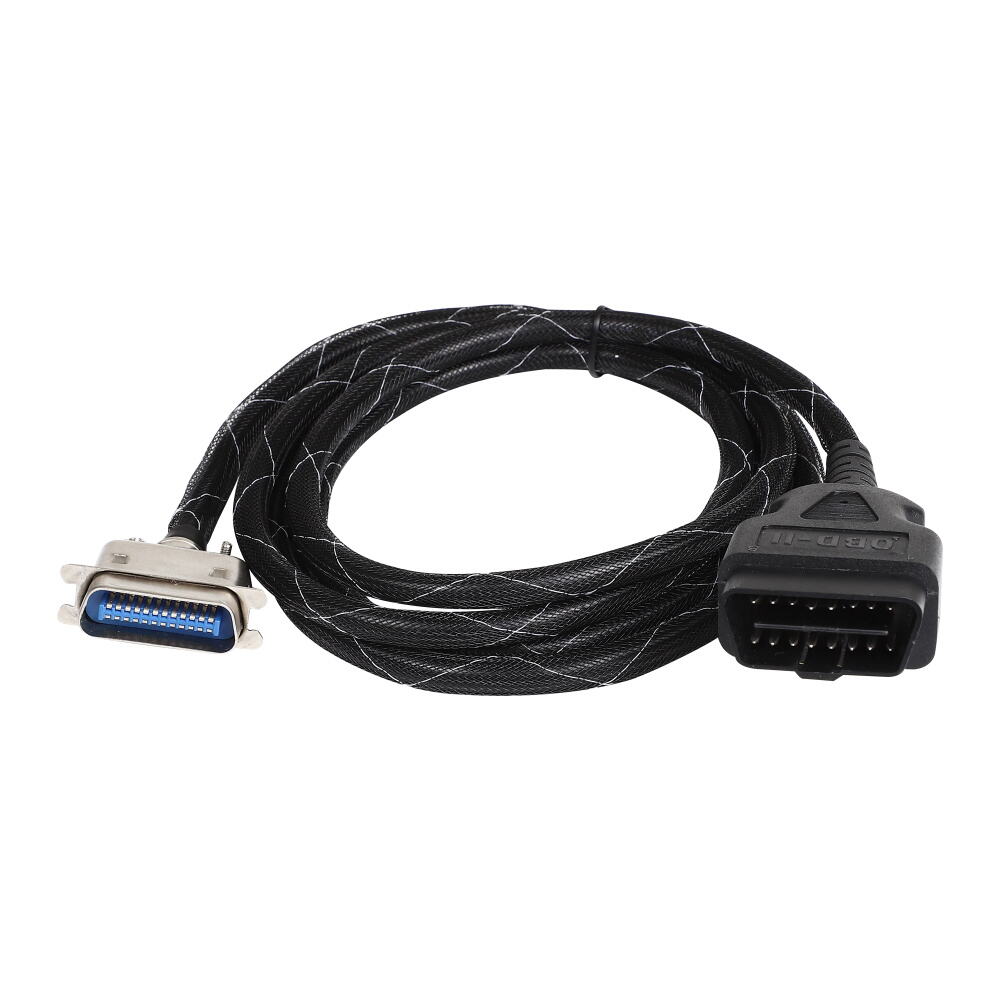
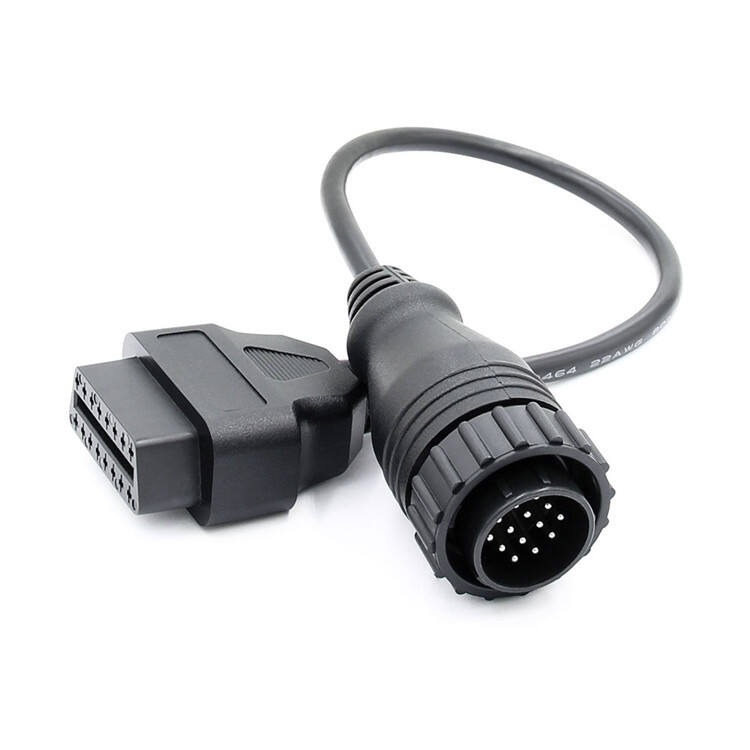
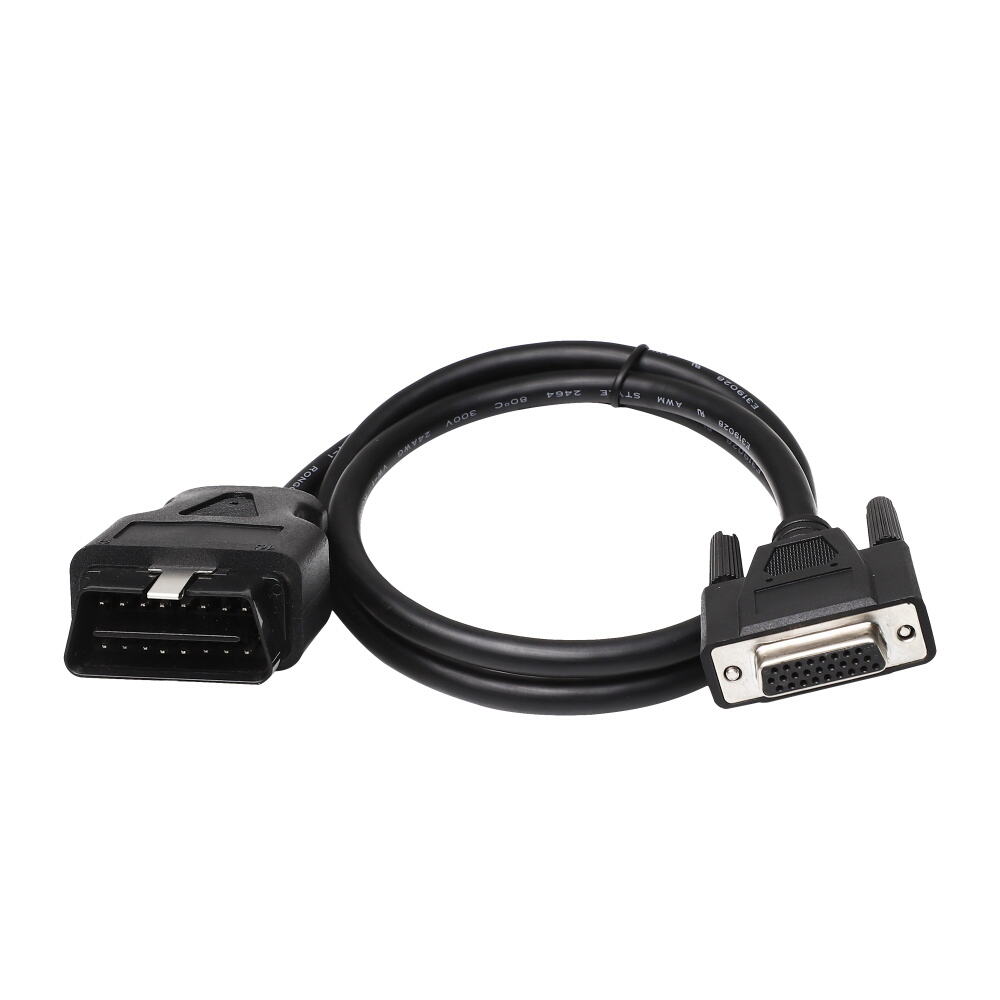
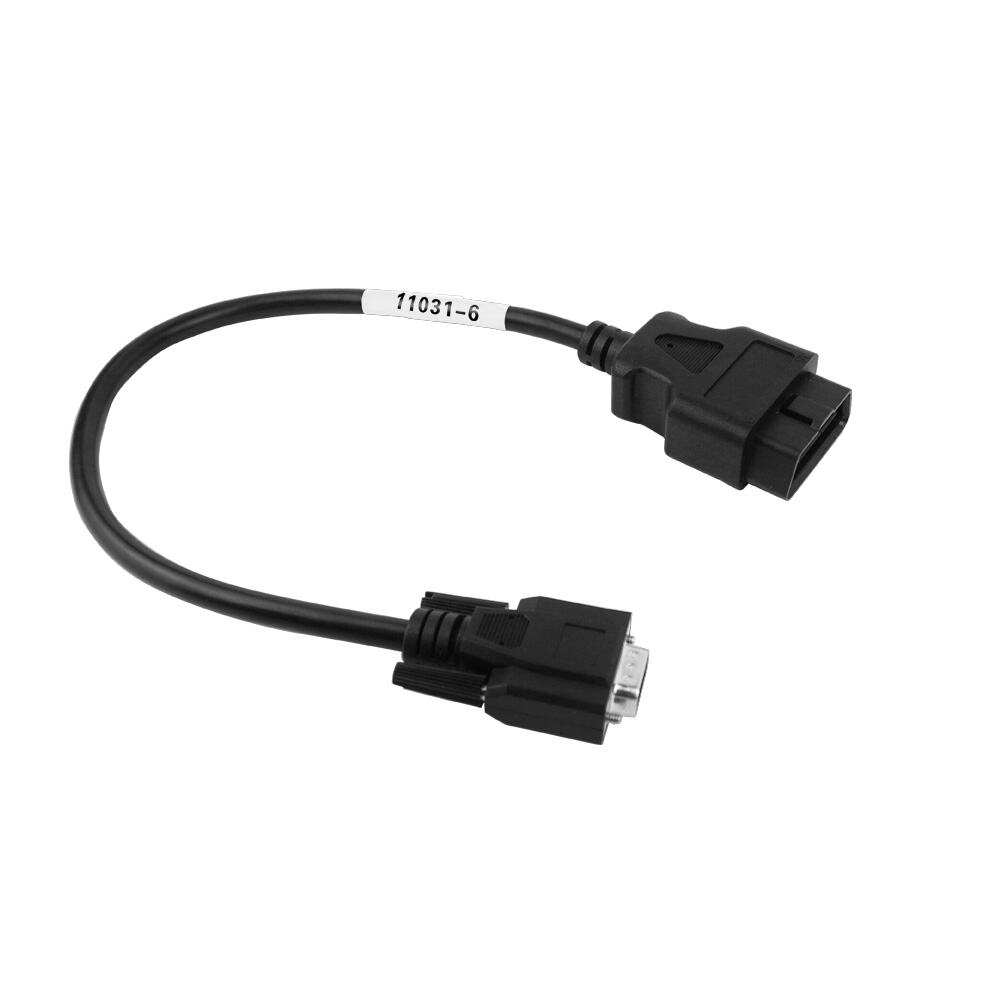
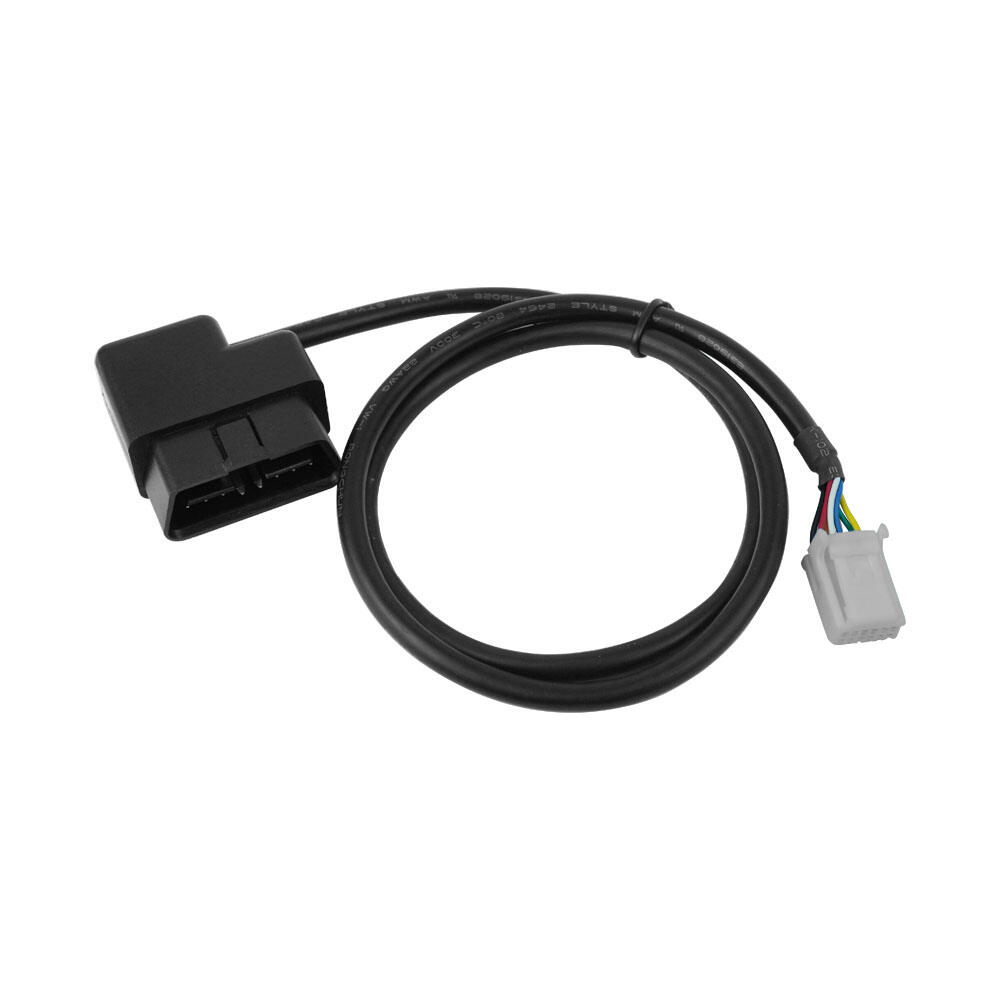
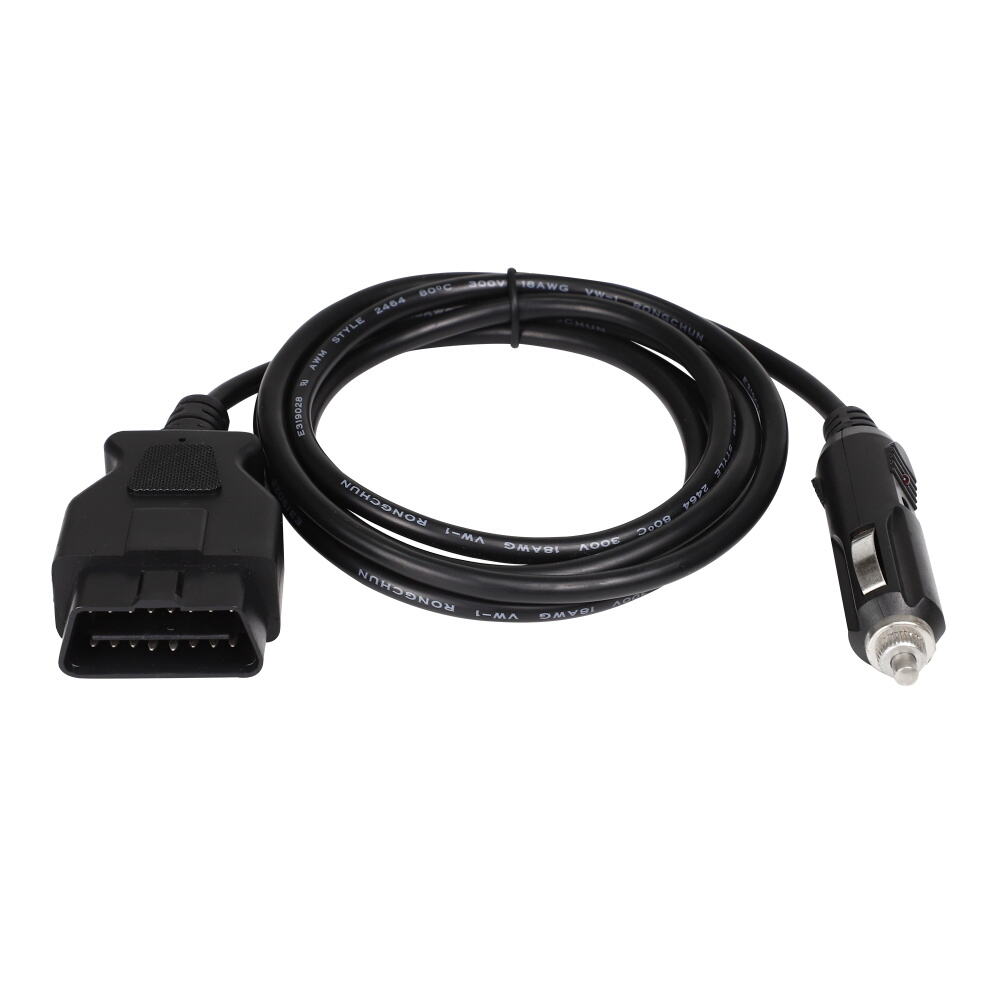
The economic benefits of implementing the sae j1939 can bus cable extend far beyond the initial purchase price, delivering substantial savings throughout the entire equipment lifecycle. Traditional point-to-point wiring architectures require dedicated wire runs for every signal connection between components, resulting in complex wiring harnesses containing dozens or even hundreds of individual conductors. This complexity drives up material costs, but more significantly, it dramatically increases installation labor requirements as technicians must route, secure, and connect each individual wire according to detailed schematics. The sae j1939 can bus cable revolutionizes this approach by consolidating all communication onto a single two-wire network backbone. Instead of routing multiple wires to each component, installers simply connect each device to the nearest point on the sae j1939 can bus cable backbone using short stub connections. This architectural simplification reduces harness complexity by up to seventy-five percent, cutting installation time proportionally. Reduced labor hours translate directly into lower production costs for equipment manufacturers and faster turnaround times for retrofit installations. The standardized connection methodology further accelerates installation, as technicians need not interpret complex wiring diagrams for each specific application. The sae j1939 can bus cable follows consistent color coding and pin assignments across all implementations, enabling technicians to work confidently without constant reference to documentation. This standardization reduces training requirements and minimizes installation errors that lead to costly rework. Maintenance advantages become evident throughout the equipment's operational life. When troubleshooting electrical issues on traditional wiring systems, technicians often spend hours tracing individual wires through complex harnesses, checking continuity, and isolating faulty connections. The sae j1939 can bus cable network incorporates sophisticated diagnostic capabilities that dramatically reduce troubleshooting time. Standard diagnostic tools can query network devices, identify communication failures, and pinpoint problematic components or connections within minutes rather than hours. This rapid fault isolation minimizes equipment downtime, which is particularly valuable for commercial operations where every hour of downtime represents lost productivity and revenue. The reduced wiring complexity also simplifies component replacement procedures. When a device requires replacement in a traditional wired system, technicians must disconnect numerous individual wires, often requiring reference to wiring diagrams to ensure correct reconnection. With the sae j1939 can bus cable architecture, component replacement typically involves disconnecting a single network connection, removing the faulty component, installing the replacement, and reconnecting to the network. The standardized protocol ensures the new component automatically integrates into the network without complex configuration procedures. Long-term durability contributes additional economic advantages by extending replacement intervals and reducing spare parts inventory requirements. The rugged construction of the sae j1939 can bus cable withstands mechanical stress, chemical exposure, and environmental extremes that would necessitate frequent replacement of standard wiring.


 EN
EN