Comprehensive Diagnostic and Monitoring Capabilities
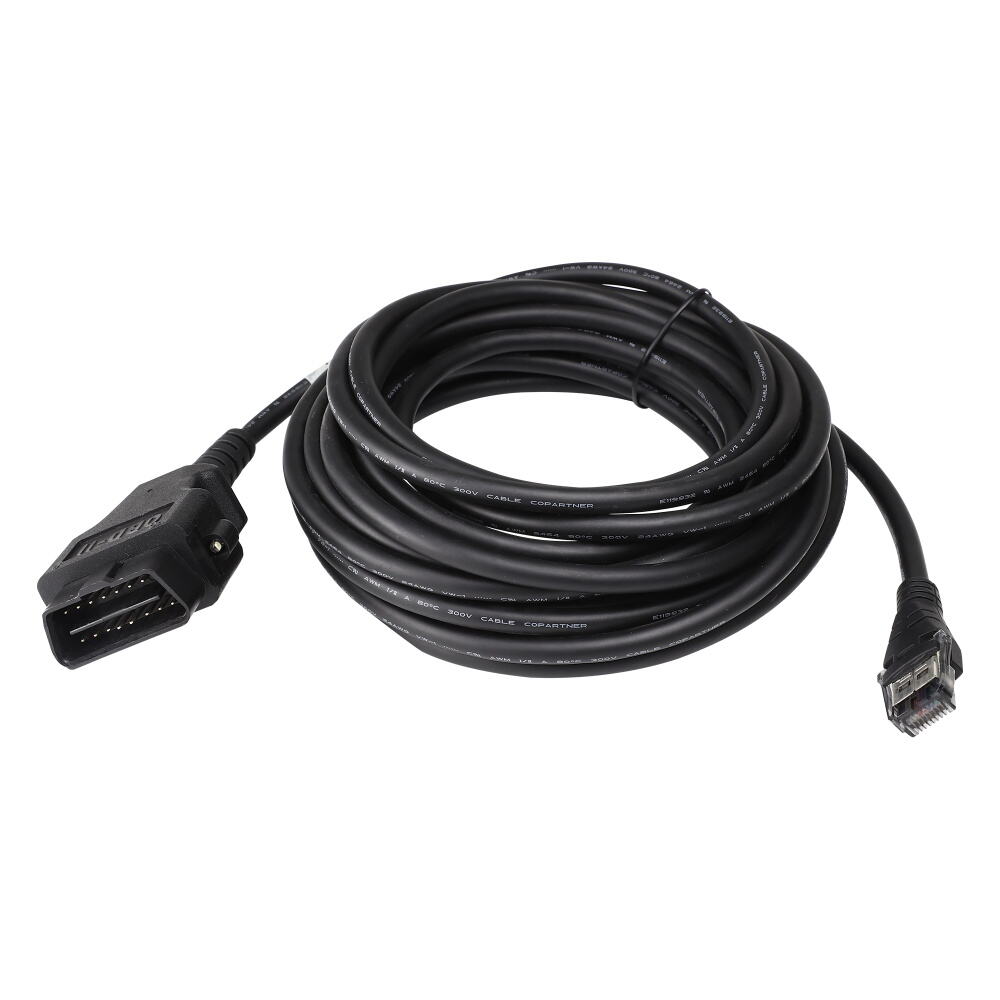
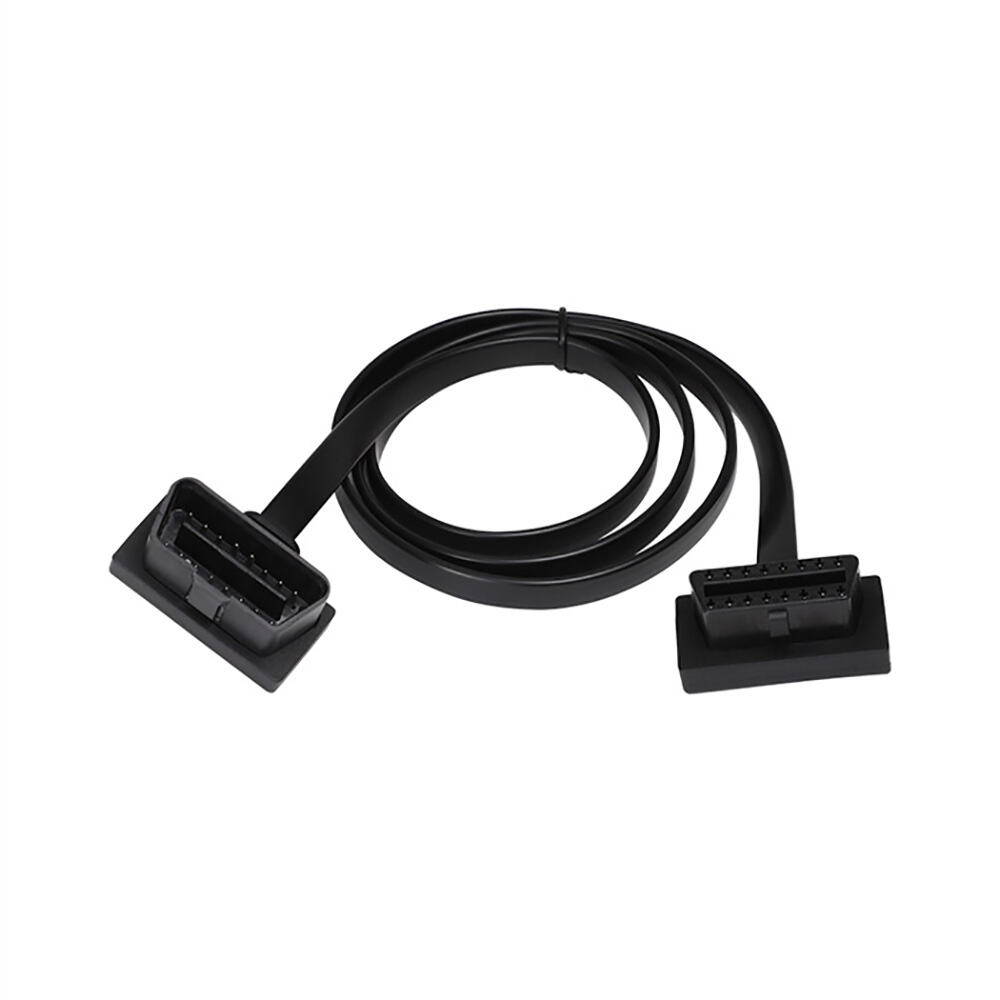
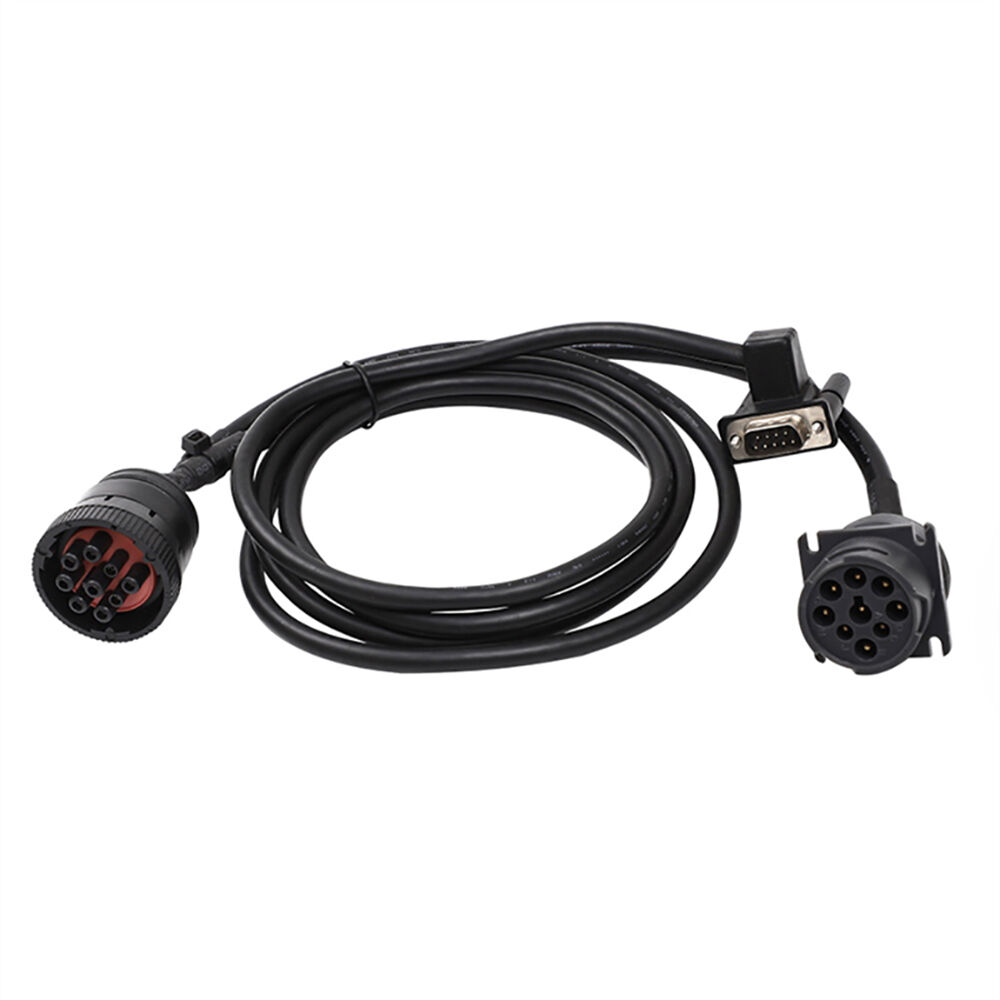
The diagnostic and monitoring capabilities enabled by the SAE J1939 cable transform vehicle and equipment management from reactive troubleshooting to proactive optimization. This fundamental shift delivers measurable financial benefits through reduced downtime, extended component life, and improved operational efficiency. The cable continuously transmits detailed operational parameters from every connected control module, creating a comprehensive real-time picture of system performance. Engine controllers communicate fuel consumption rates, coolant temperatures, oil pressures, and exhaust parameters. Transmission modules report gear selections, clutch status, and fluid temperatures. Brake systems transmit pad wear, air pressure levels, and activation frequencies. This wealth of information flows through the SAE J1939 cable to displays, data recorders, and remote monitoring systems that operators and managers use to make informed decisions. When malfunctions occur, the diagnostic capabilities dramatically reduce troubleshooting time and improve repair accuracy. Electronic control units detect abnormal conditions and generate standardized diagnostic trouble codes transmitted through the SAE J1939 cable to diagnostic interfaces. These codes provide specific information about failure modes, affected circuits, and contributing conditions. Technicians access detailed fault information within minutes rather than spending hours performing manual tests to isolate problems. This rapid diagnosis minimizes expensive downtime while ensuring accurate repairs that address root causes rather than symptoms. Predictive maintenance represents one of the most valuable applications of SAE J1939 cable monitoring capabilities. By analyzing operational data trends, maintenance managers identify components approaching failure before catastrophic breakdowns occur. Gradual increases in engine oil temperature might indicate developing cooling system restrictions. Progressive transmission slippage detected through the monitoring system signals clutch wear requiring scheduled replacement. These early warnings enable planned maintenance during convenient periods rather than emergency repairs that disrupt operations. The financial impact of predictive maintenance proves substantial for businesses operating expensive equipment. Scheduled component replacement costs significantly less than emergency repairs requiring overtime labor, expedited parts shipping, and potential secondary damage from component failures. Revenue losses from unexpected downtime often exceed direct repair costs, making failure prevention extremely valuable. The SAE J1939 cable provides the data infrastructure enabling these predictive strategies. Performance optimization through continuous monitoring improves operational efficiency and reduces operating costs. Operators monitoring real-time fuel consumption data modify driving behaviors to improve efficiency. Fleet managers analyzing engine load data identify routes or applications causing excessive wear. Equipment utilization reports reveal underused assets that could be redeployed or disposed of to reduce capital costs. These insights depend entirely on the data flowing through the SAE J1939 cable infrastructure, transforming raw operational information into actionable business intelligence that drives profitability improvements across vehicle fleets and equipment populations.


 EN
EN