Precise J1939 Protocol Compliance and Signal Integrity
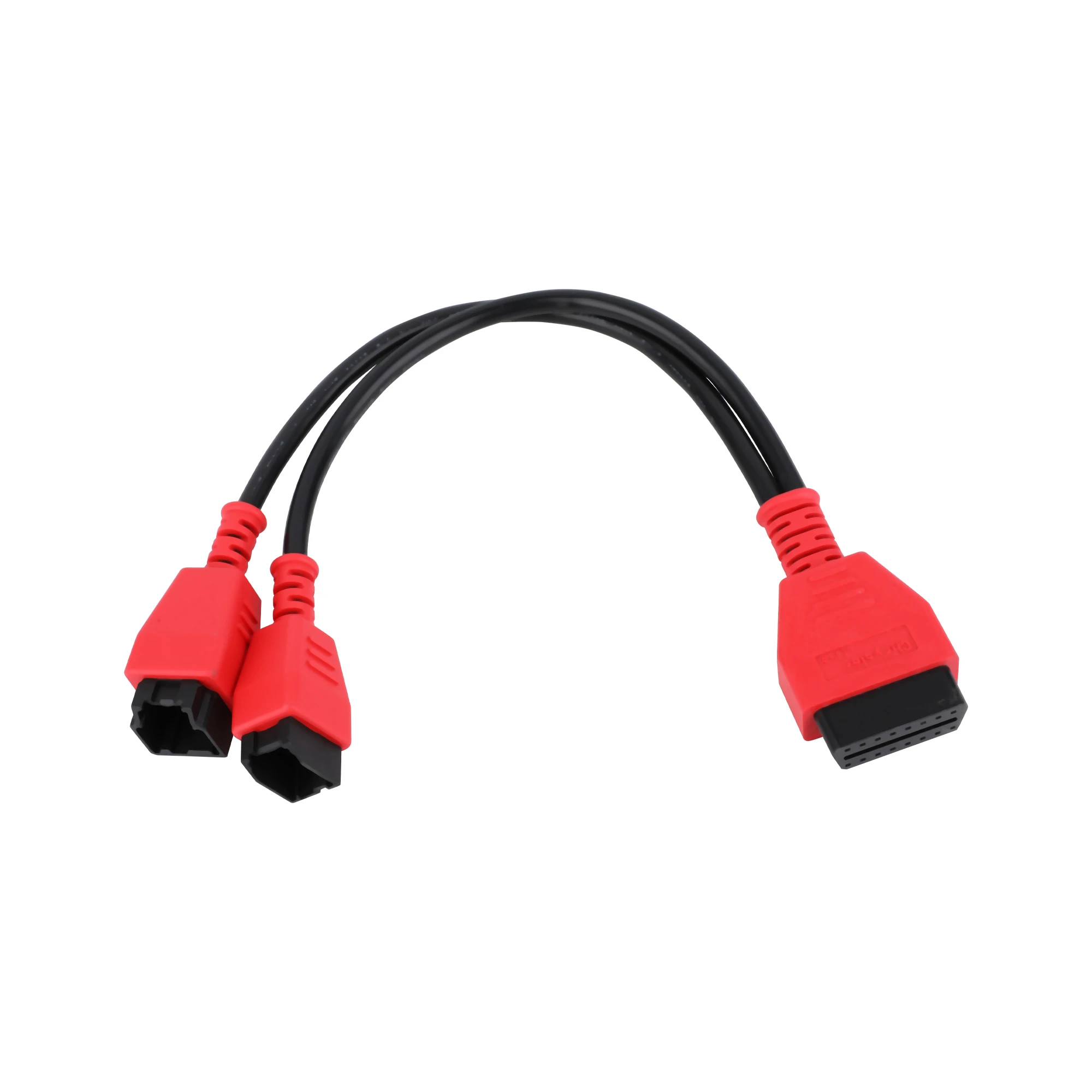
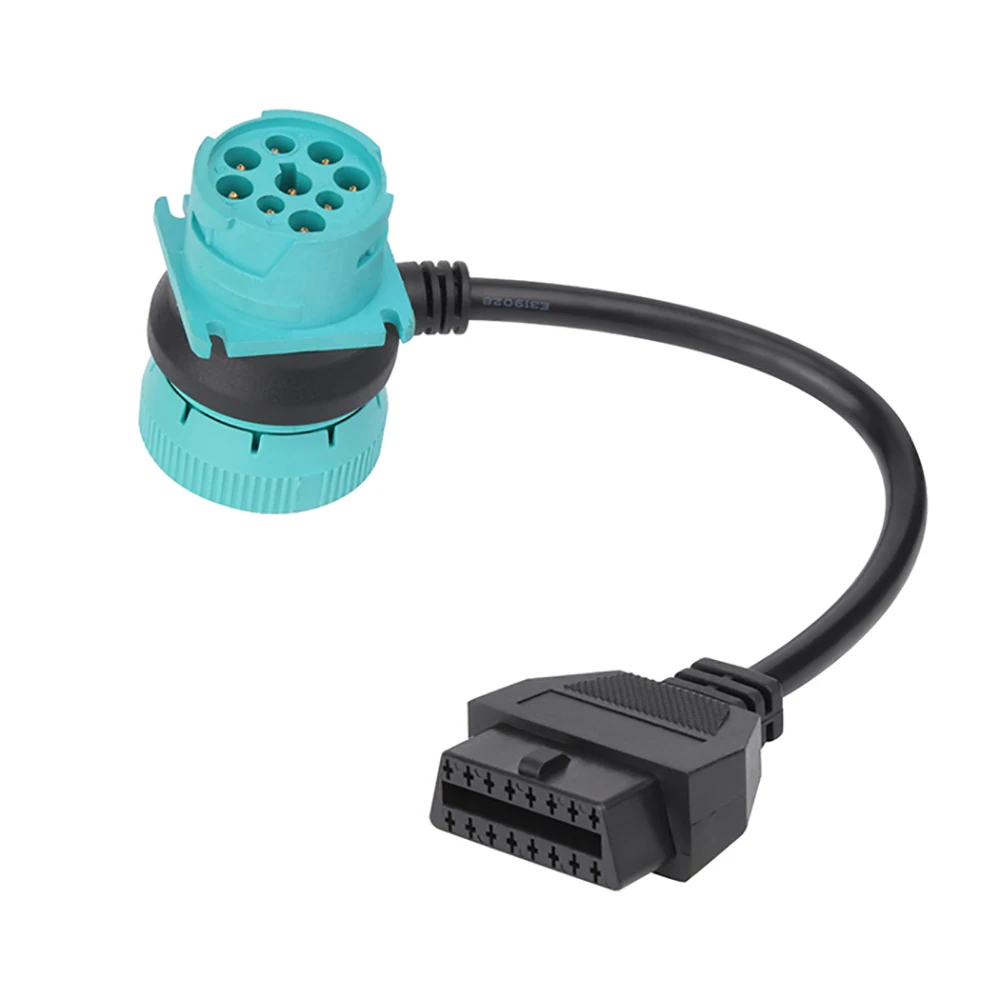
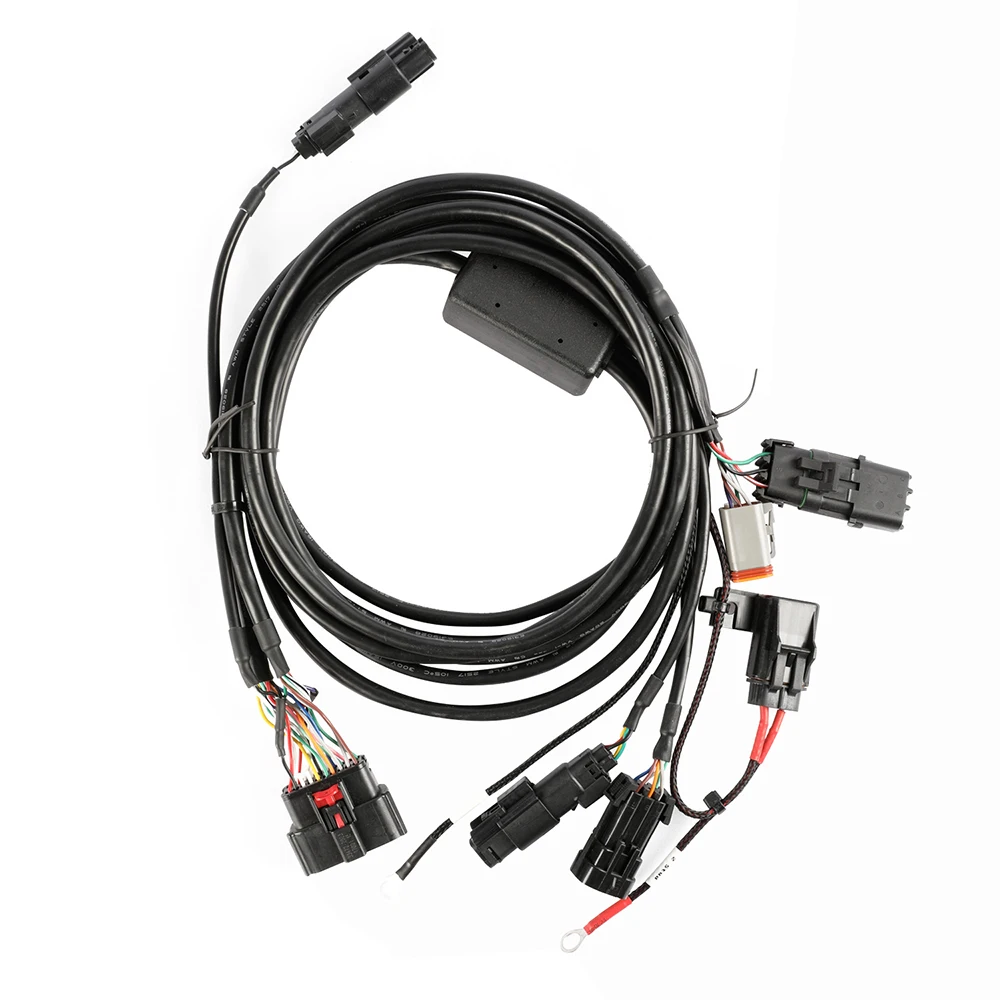
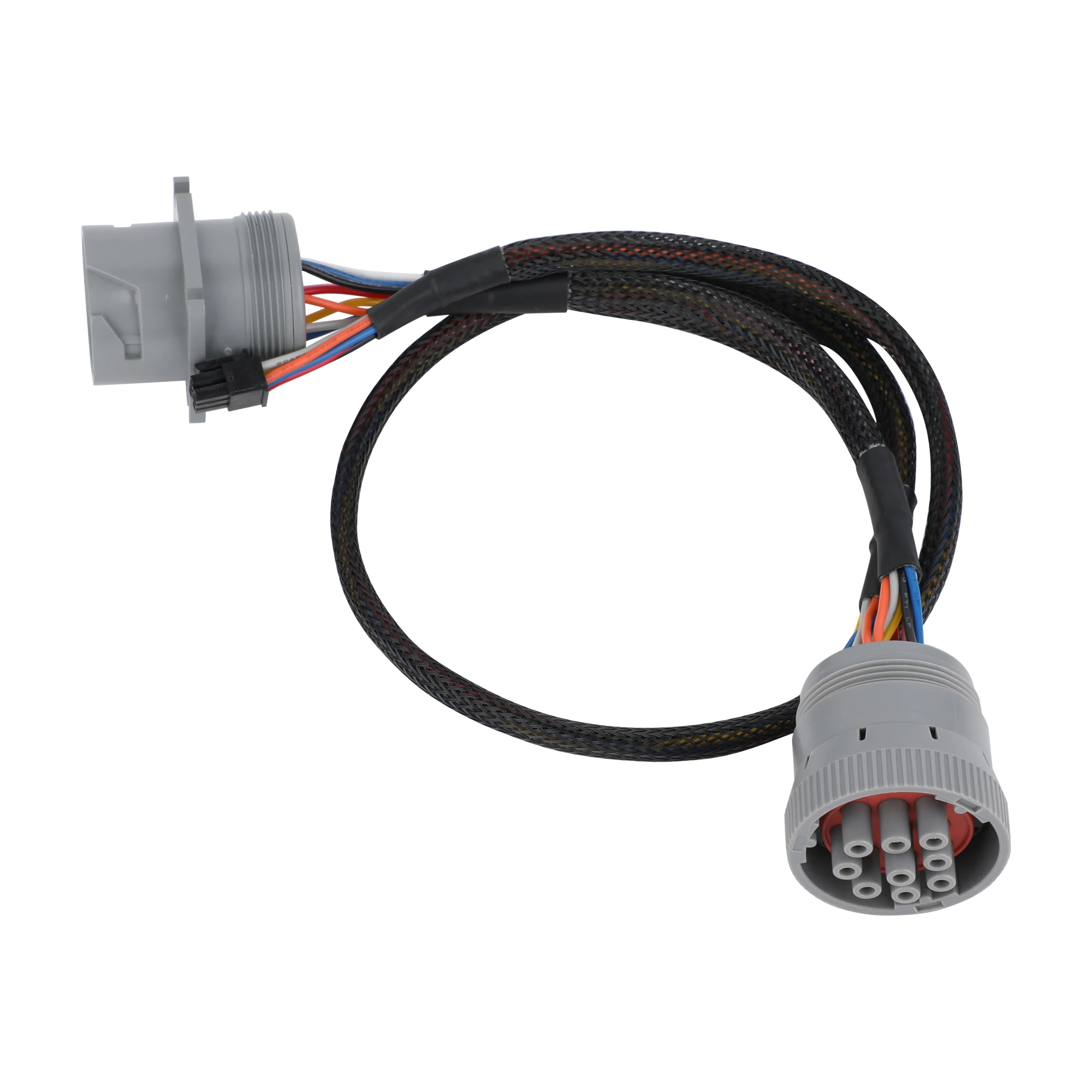
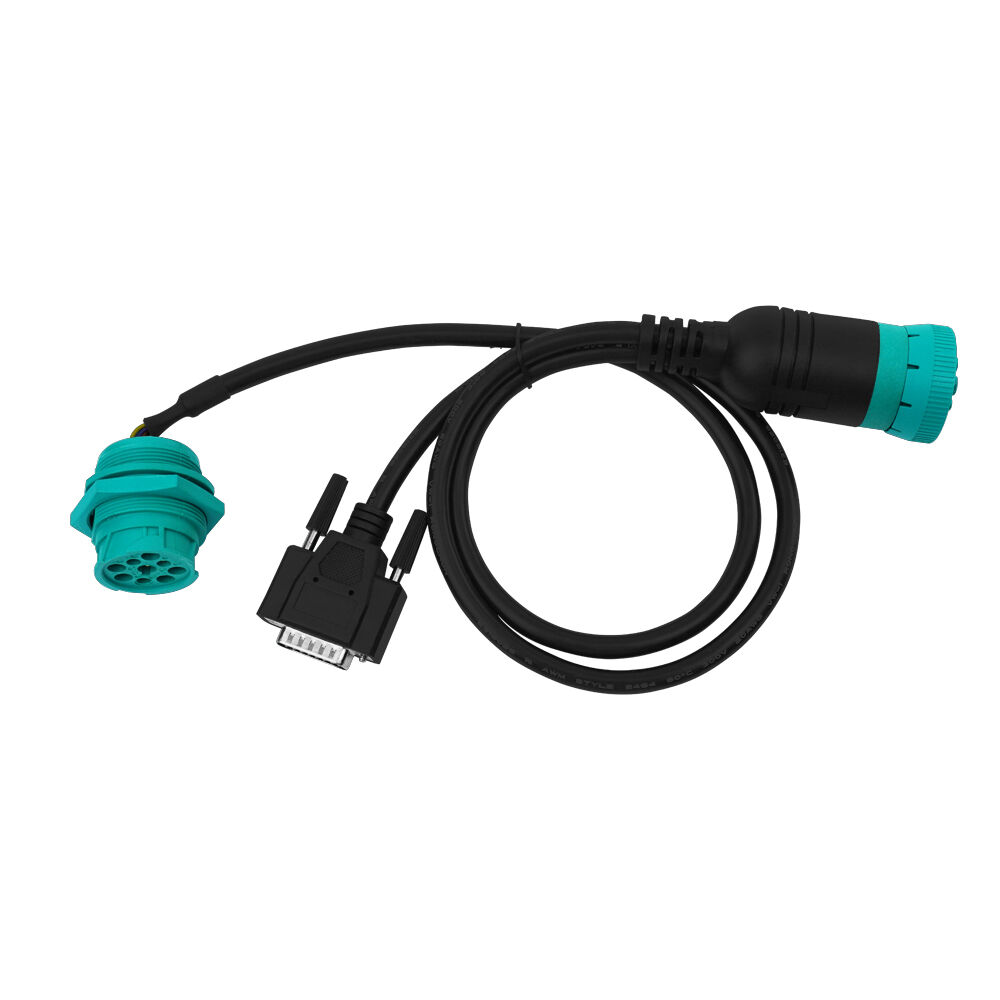
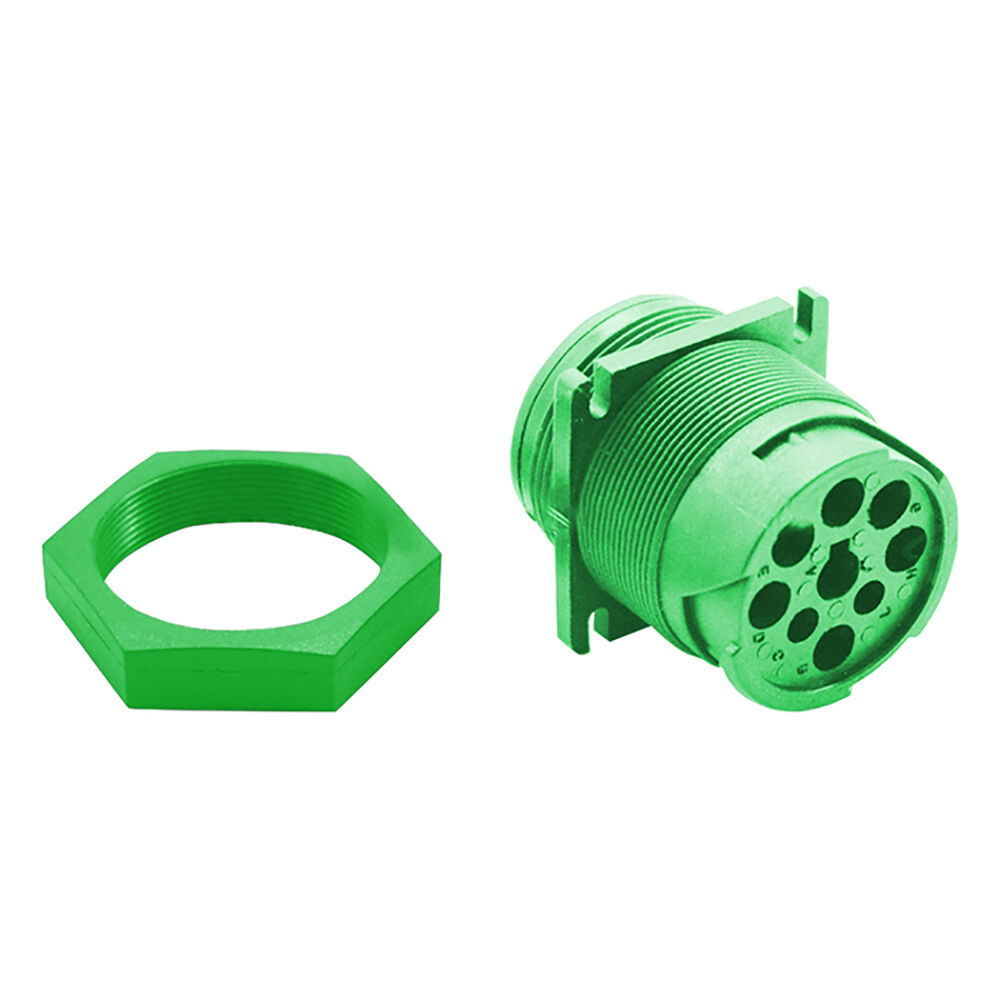
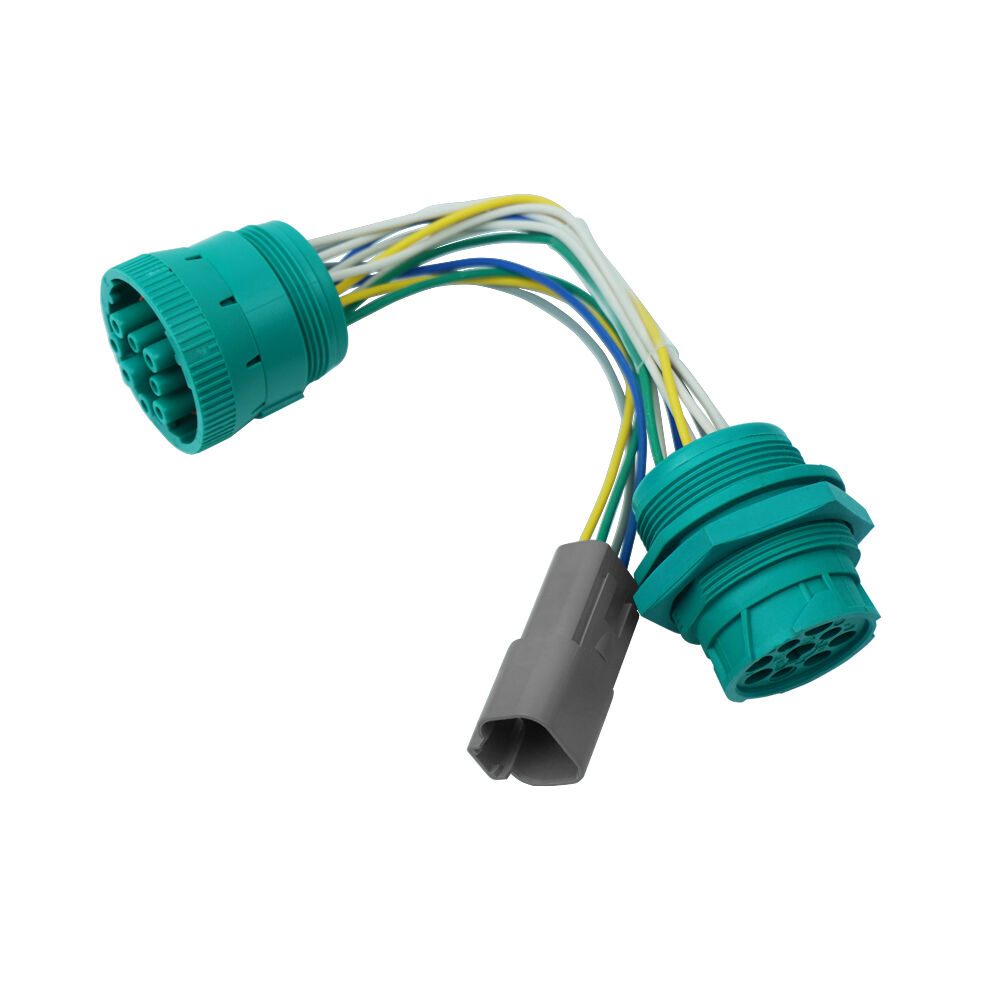
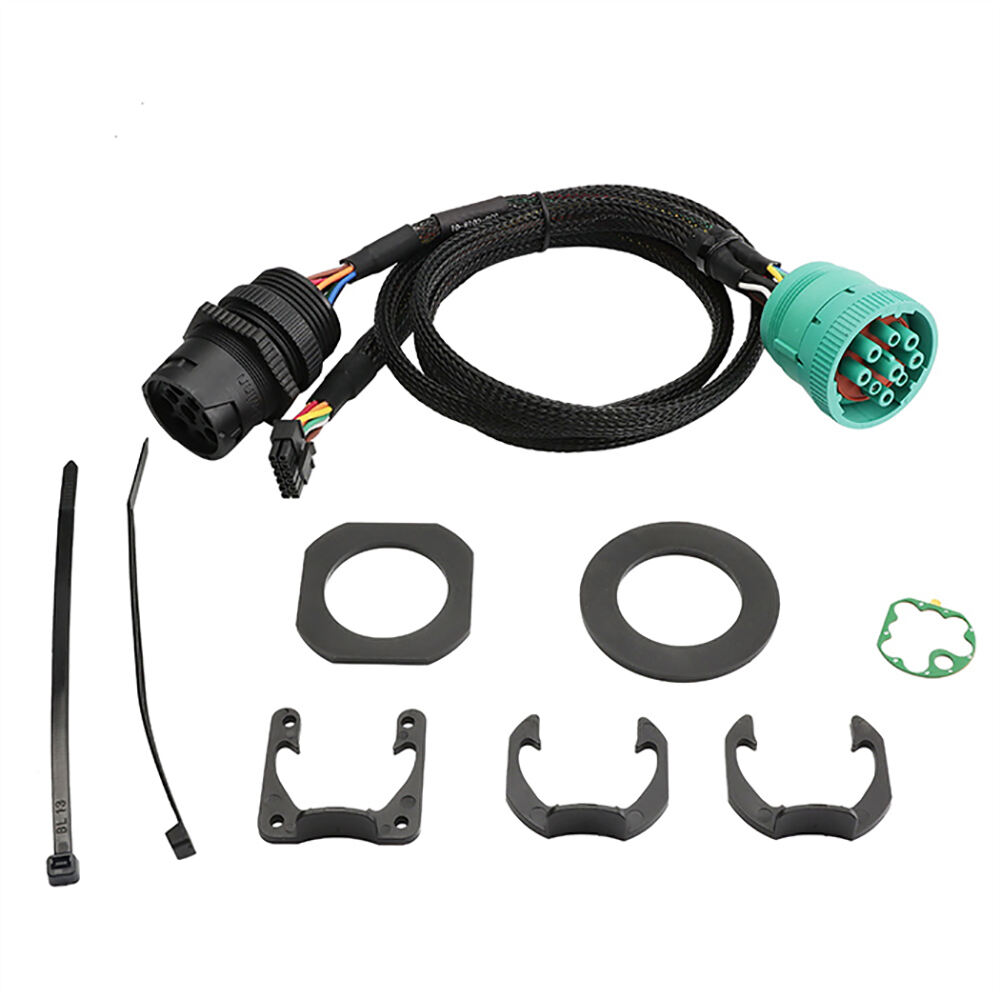
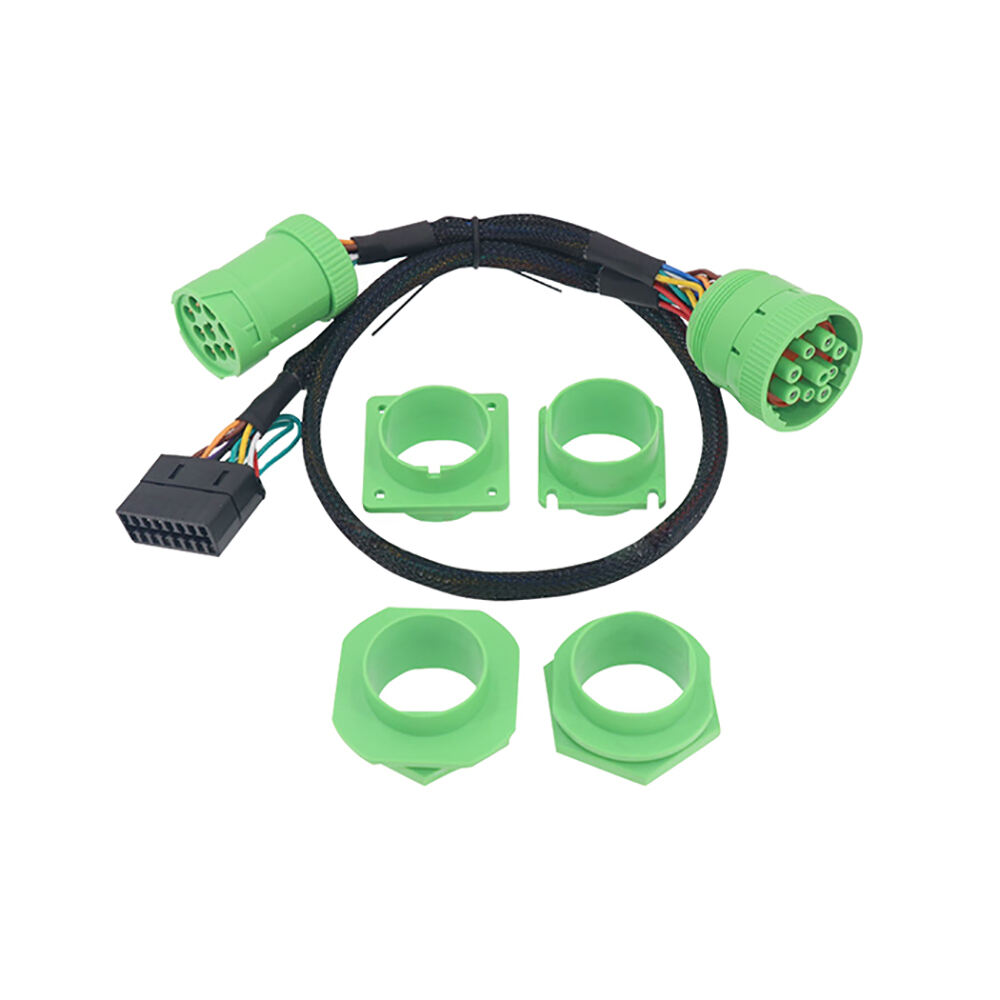
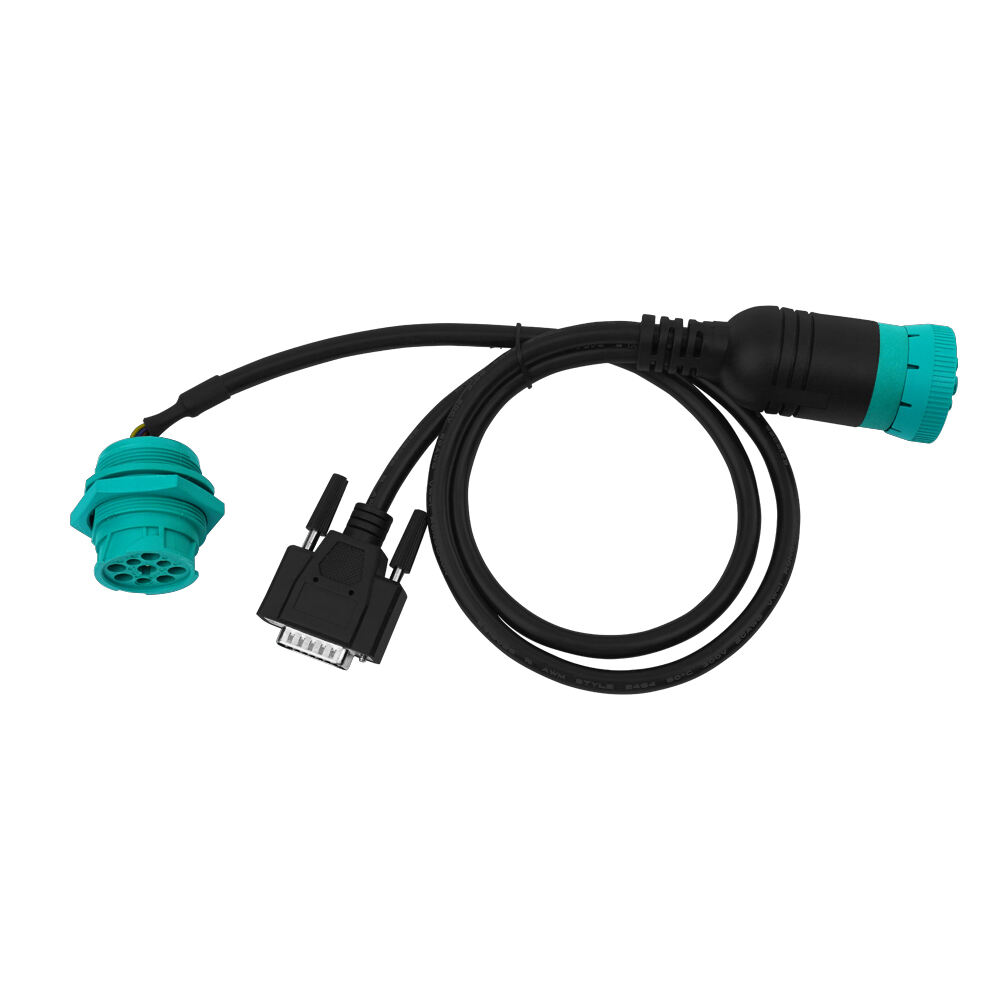
Technical expertise in J1939 communication protocol represents a defining characteristic separating professional j1939 9pin eld y cable manufacturers from generic cable suppliers. The J1939 standard, developed by SAE International specifically for commercial vehicle networks, defines precise electrical and communication requirements that cables must support without degradation or interference. Leading manufacturers engineer their Y-cable designs with controlled impedance characteristics, maintaining the 120-ohm differential signal specifications required for reliable CAN bus communication. This impedance matching prevents signal reflections that cause data corruption and communication errors between Electronic Control Modules and connected devices. The cable geometry, including conductor spacing, twist rates, and shielding configuration, receives careful calculation and validation through network analyzer testing to verify performance across the entire J1939 frequency spectrum. Professional j1939 9pin eld y cable manufacturers also understand the critical importance of proper termination resistance and implement Y-junction designs that maintain network topology integrity. Their products incorporate split configurations that preserve the main vehicle network architecture while providing auxiliary connection points for ELD devices without introducing termination problems or signal loading that could disrupt vehicle electronic systems. This engineering sophistication ensures that adding an ELD through the Y-cable does not interfere with engine management, transmission control, anti-lock braking systems, or any other critical vehicle functions dependent on J1939 communication. Pin assignment accuracy represents another area where manufacturer expertise proves essential. The 9-pin Deutsch connector standard allows multiple pin configuration variations, and experienced j1939 9pin eld y cable manufacturers maintain comprehensive cross-reference databases ensuring their products match the specific pinout requirements of different vehicle manufacturers and model years. This attention to detail prevents connection errors that could damage expensive electronic modules or create intermittent connectivity issues difficult to diagnose. Signal quality validation performed by reputable manufacturers includes oscilloscope analysis of voltage levels, rise times, and bit timing parameters, confirming that transmitted messages meet J1939 protocol specifications throughout the cable length and at all connection points. This verification process identifies potential issues with capacitance loading, inductance effects, or resistance factors that could compromise data integrity before products reach customers. The practical benefit for fleet operators includes seamless integration with vehicle systems, accurate data logging without transmission errors, and compatibility with diagnostic tools requiring simultaneous access during ELD operation, all supported by the technical foundation that professional j1939 9pin eld y cable manufacturers build into their product designs.

 EN
EN