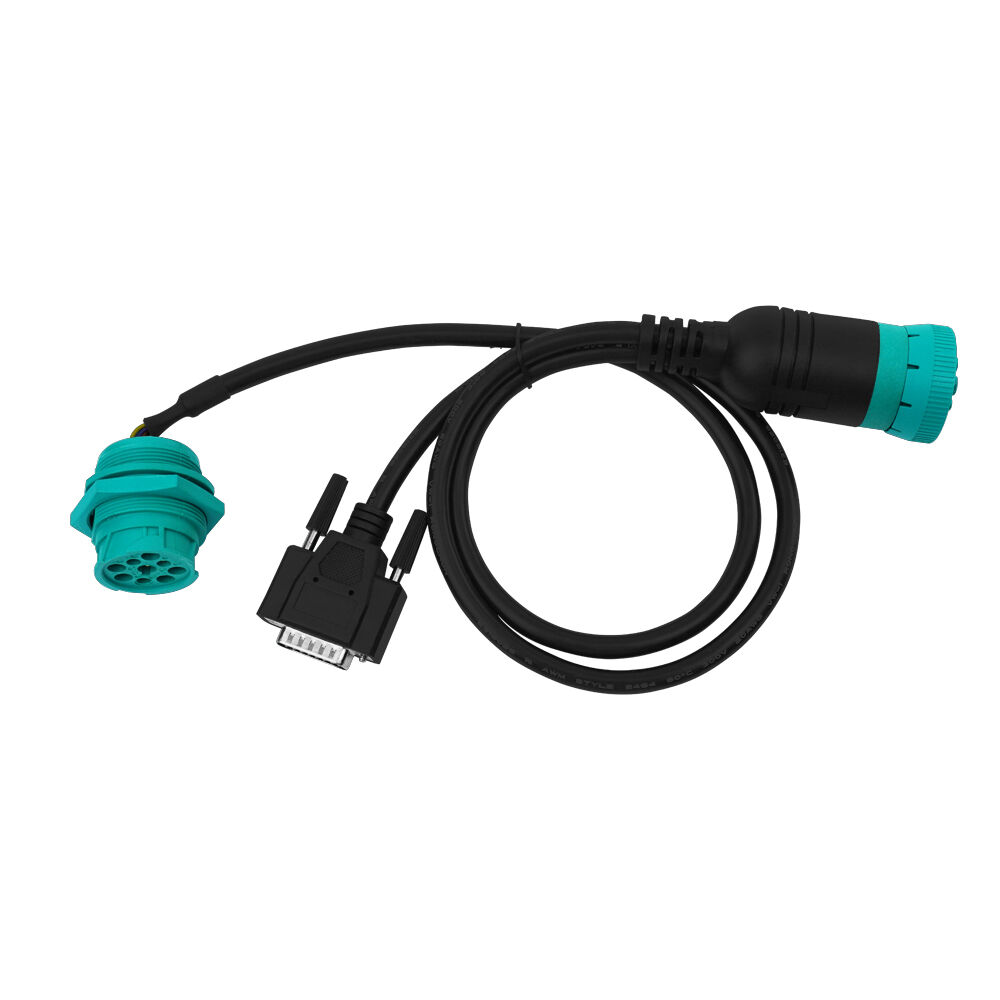
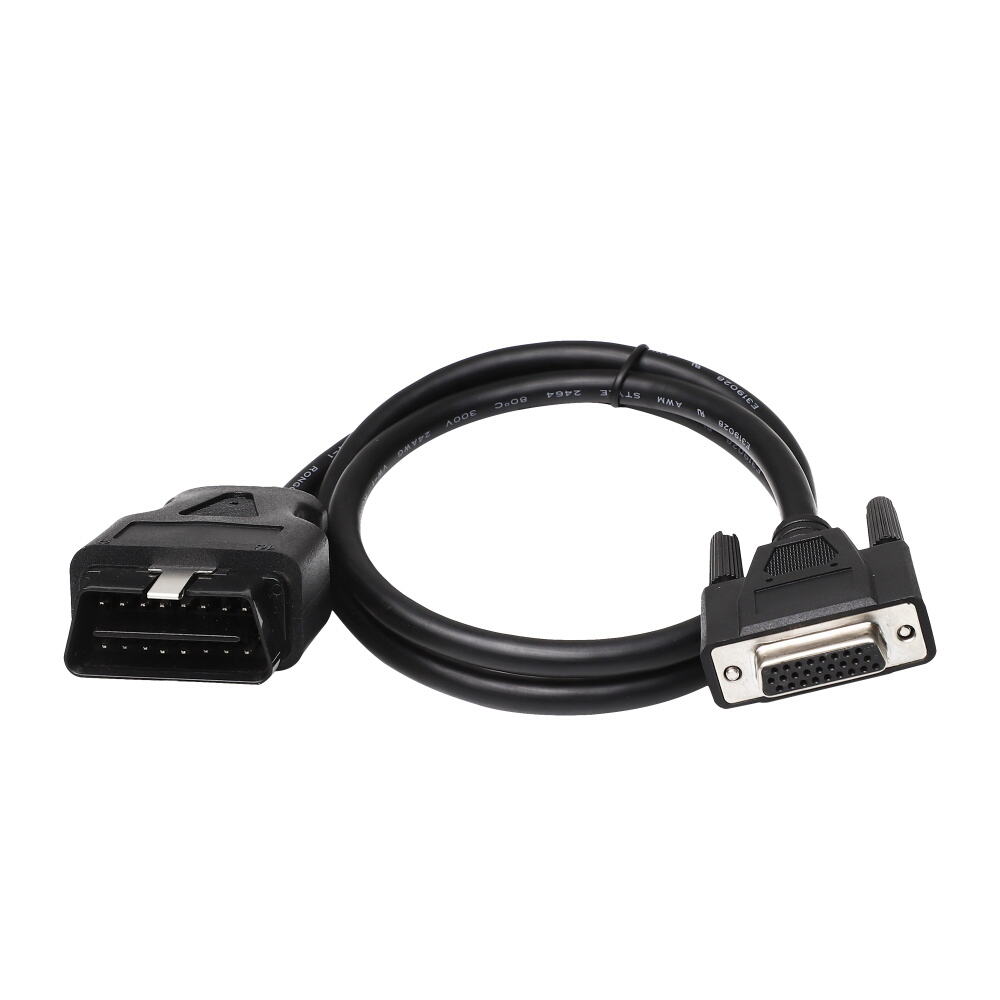
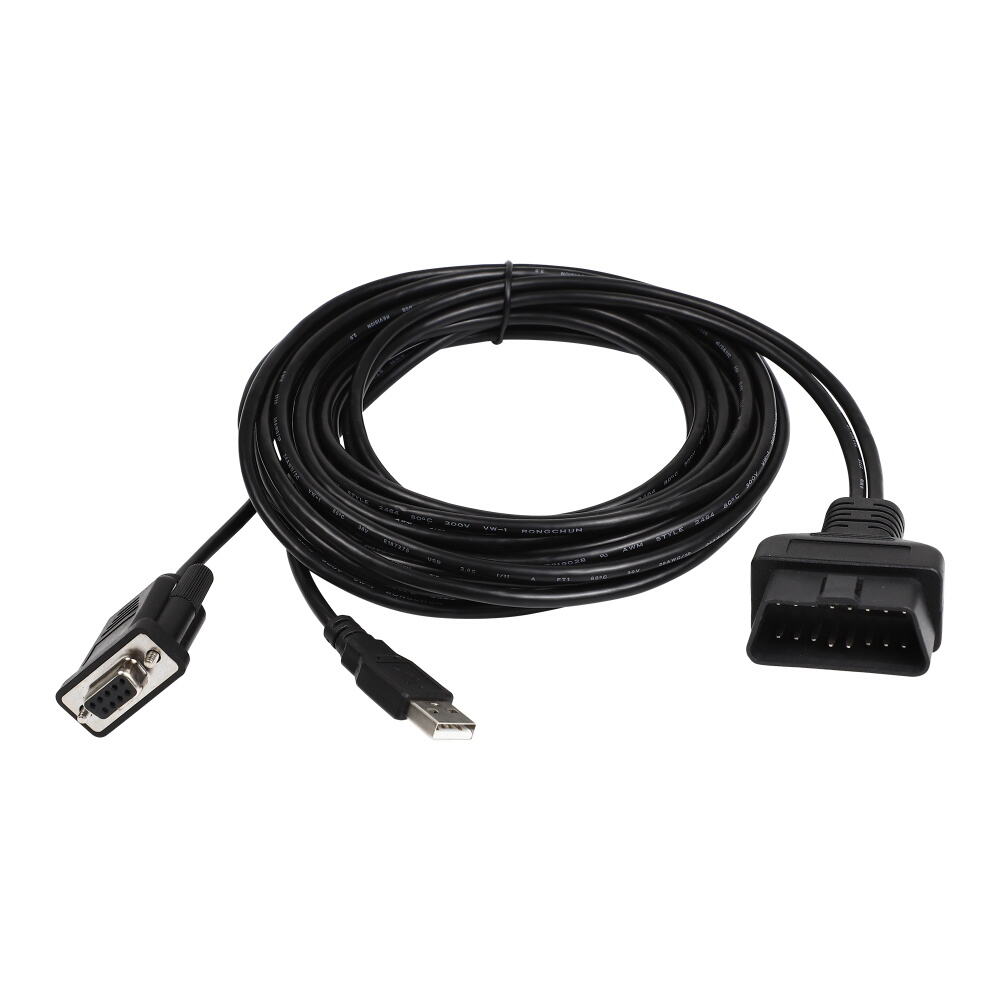
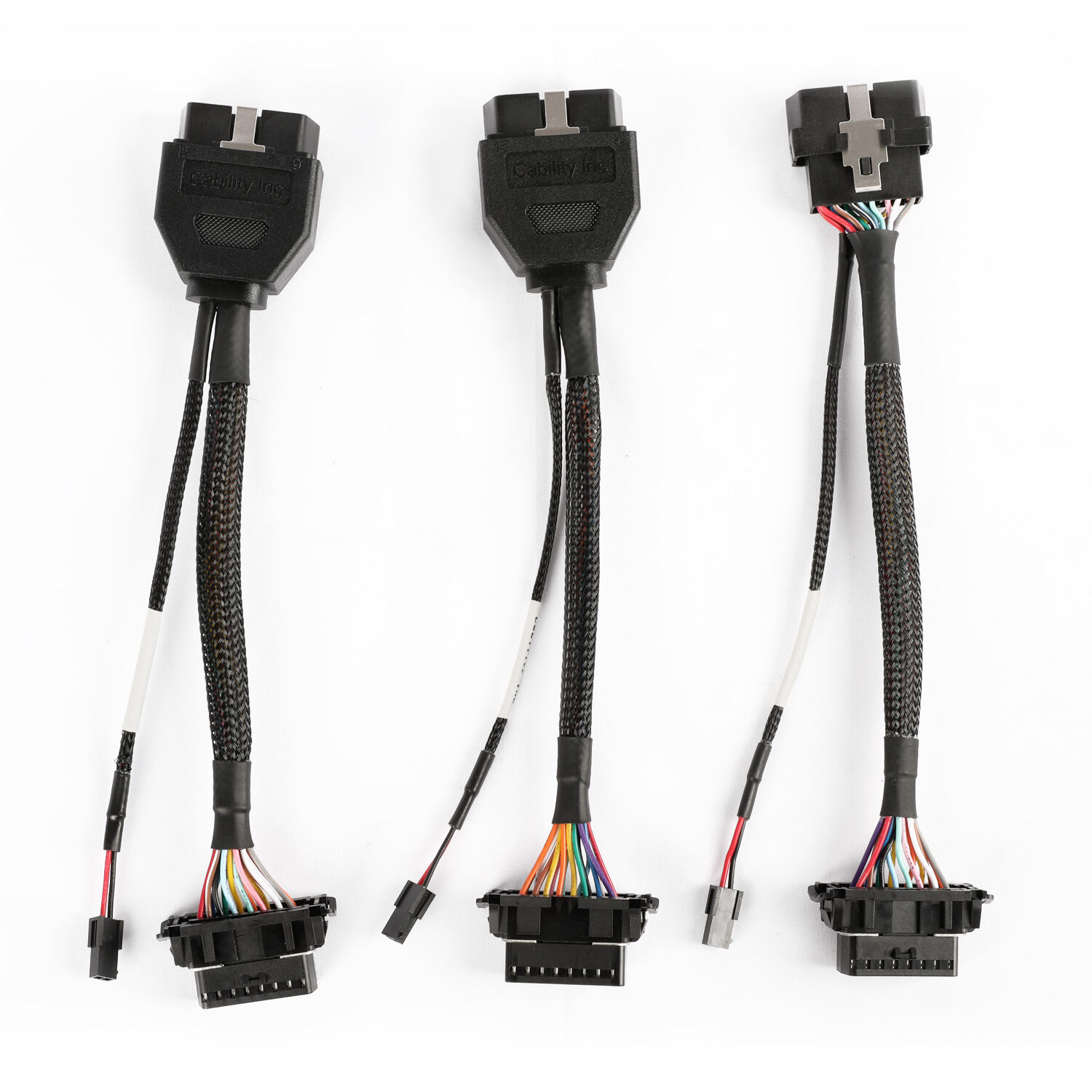
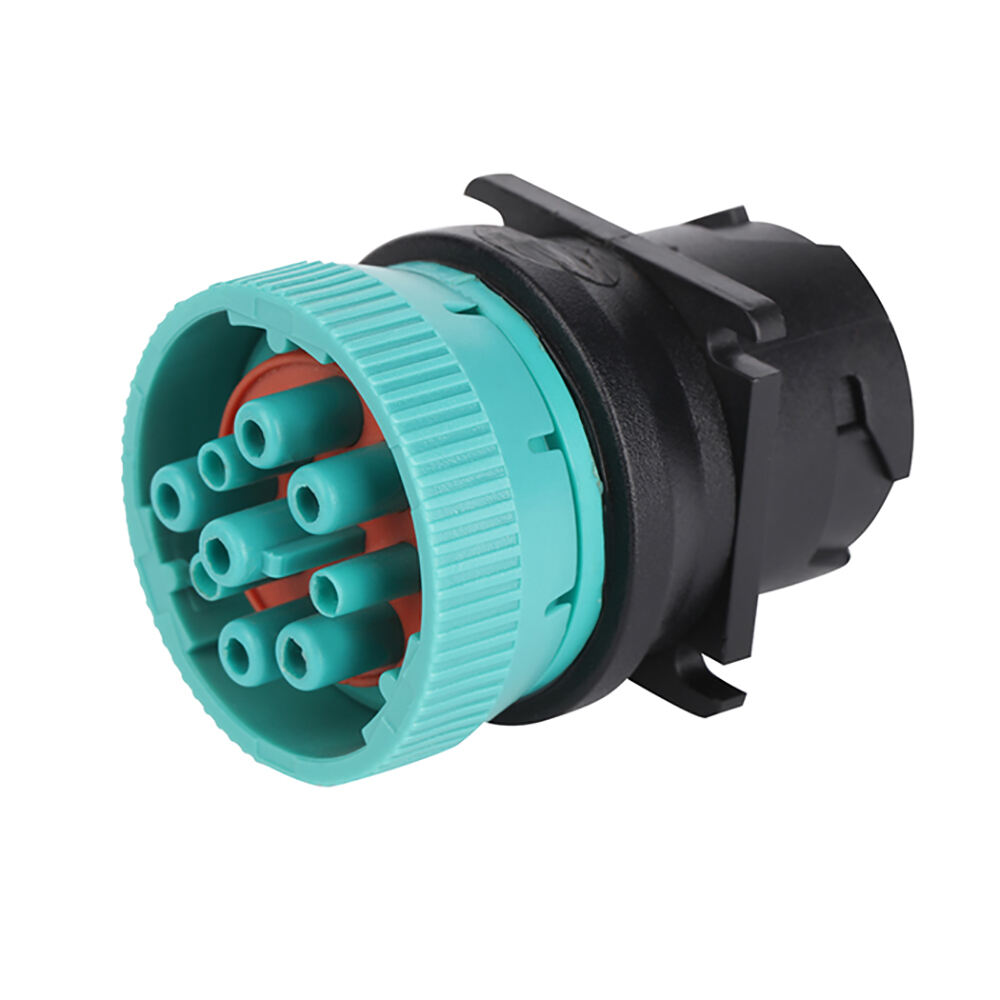
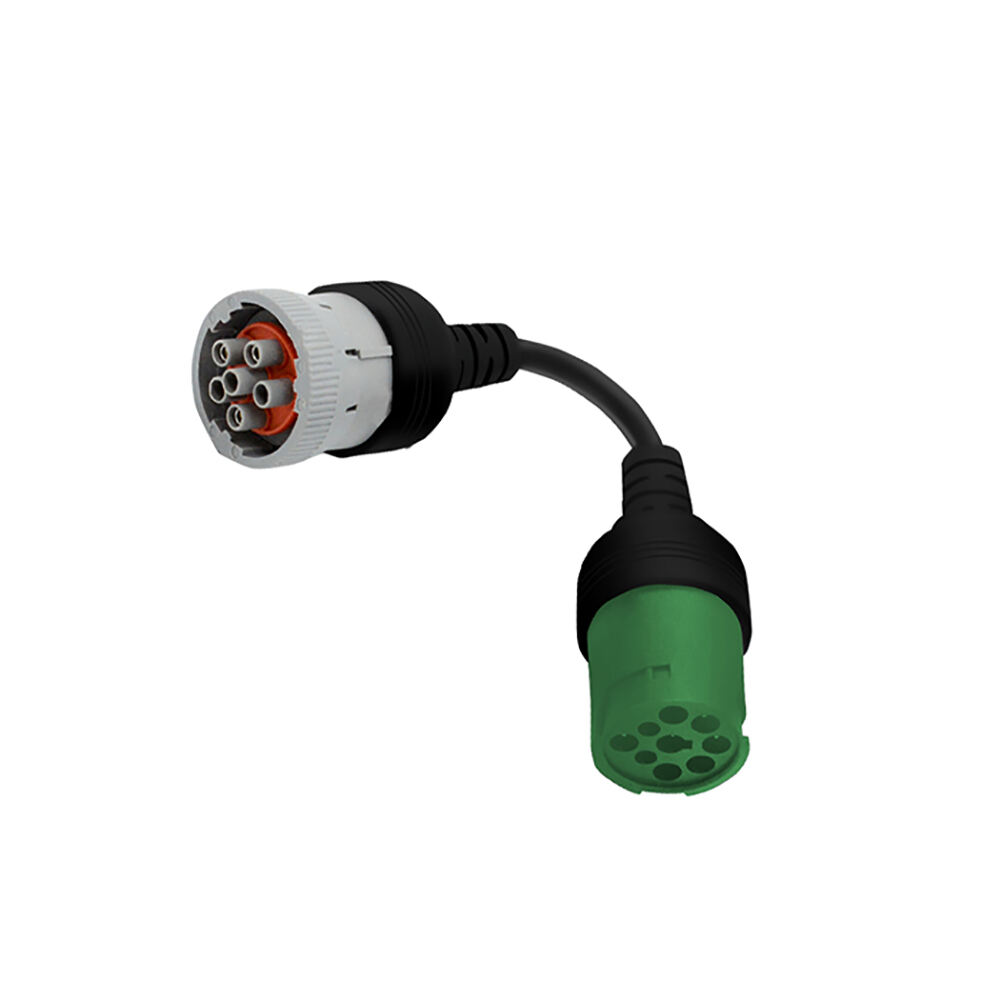
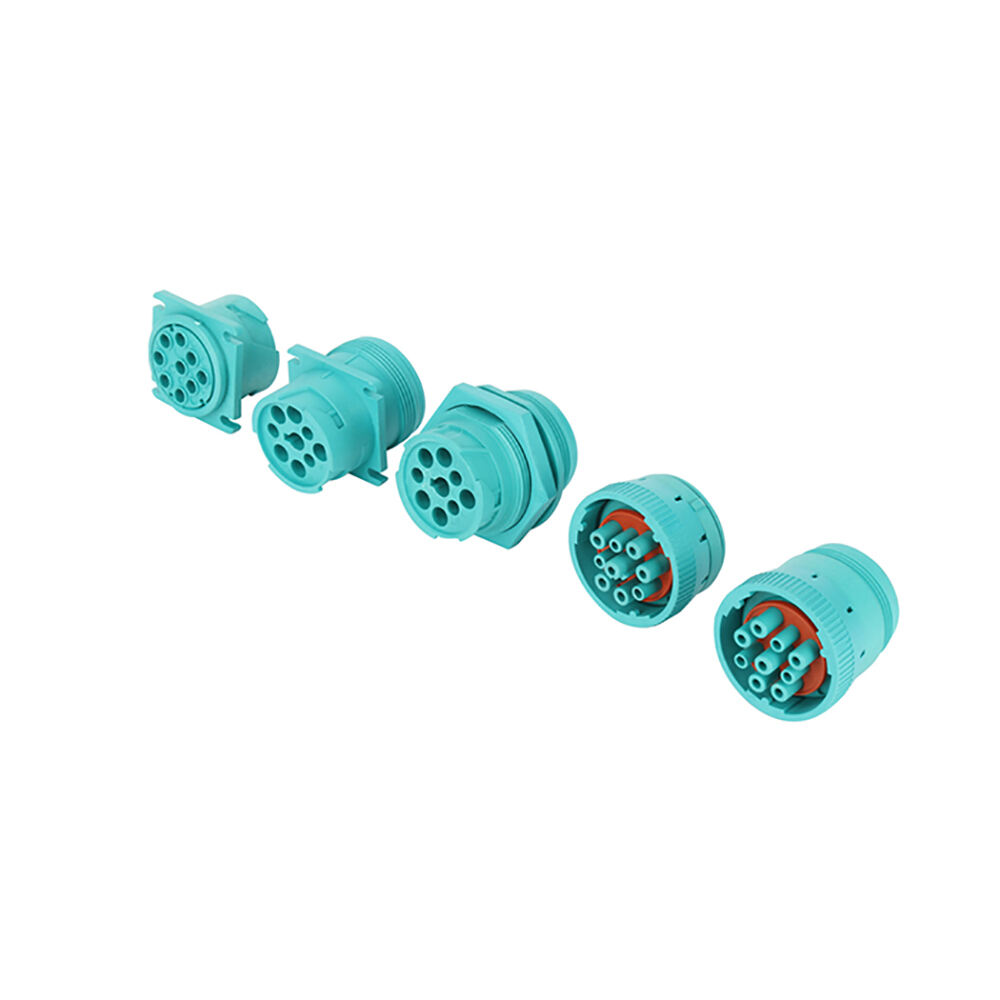
OEM J1939 Protocol Solutions - Advanced Vehicle Communication Systems for Heavy-Duty Applications

All Categories

Get a Free Quote

Our representative will contact you soon.
Email
Name
Company Name
Message
0/1000

oem j1939

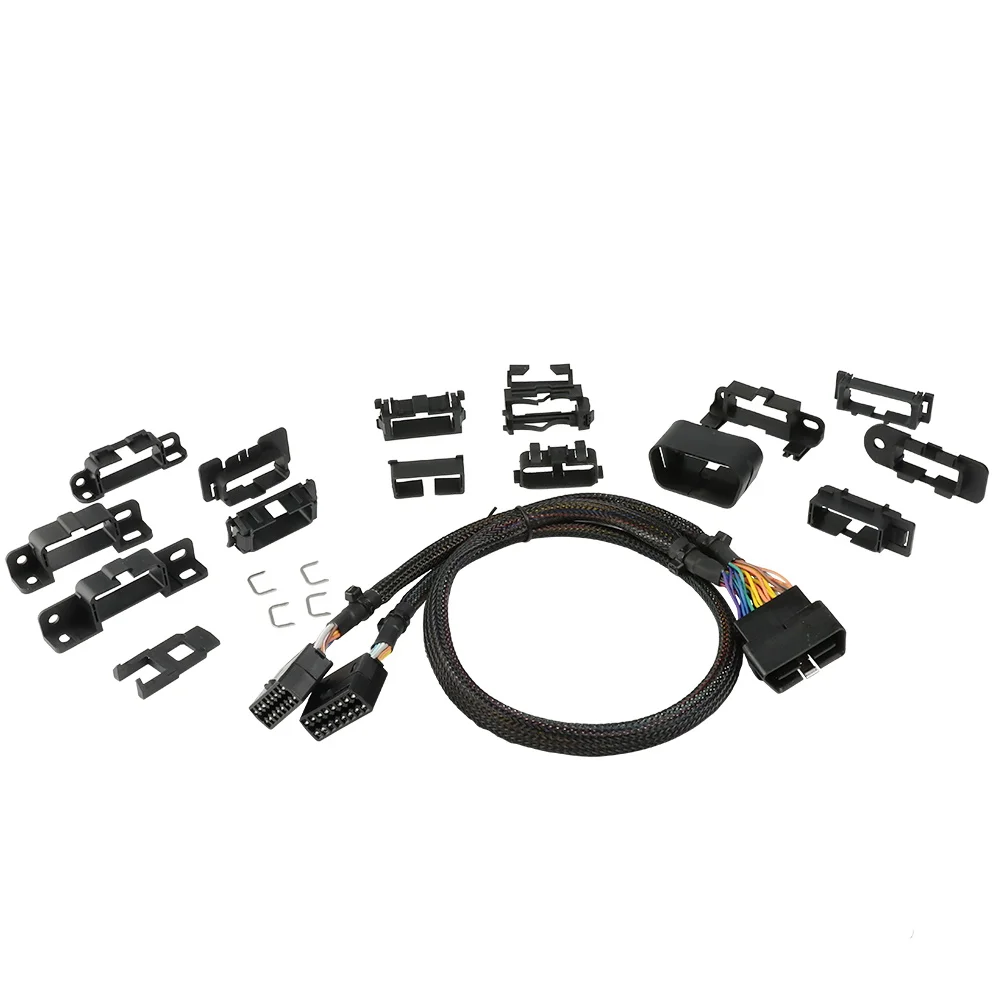
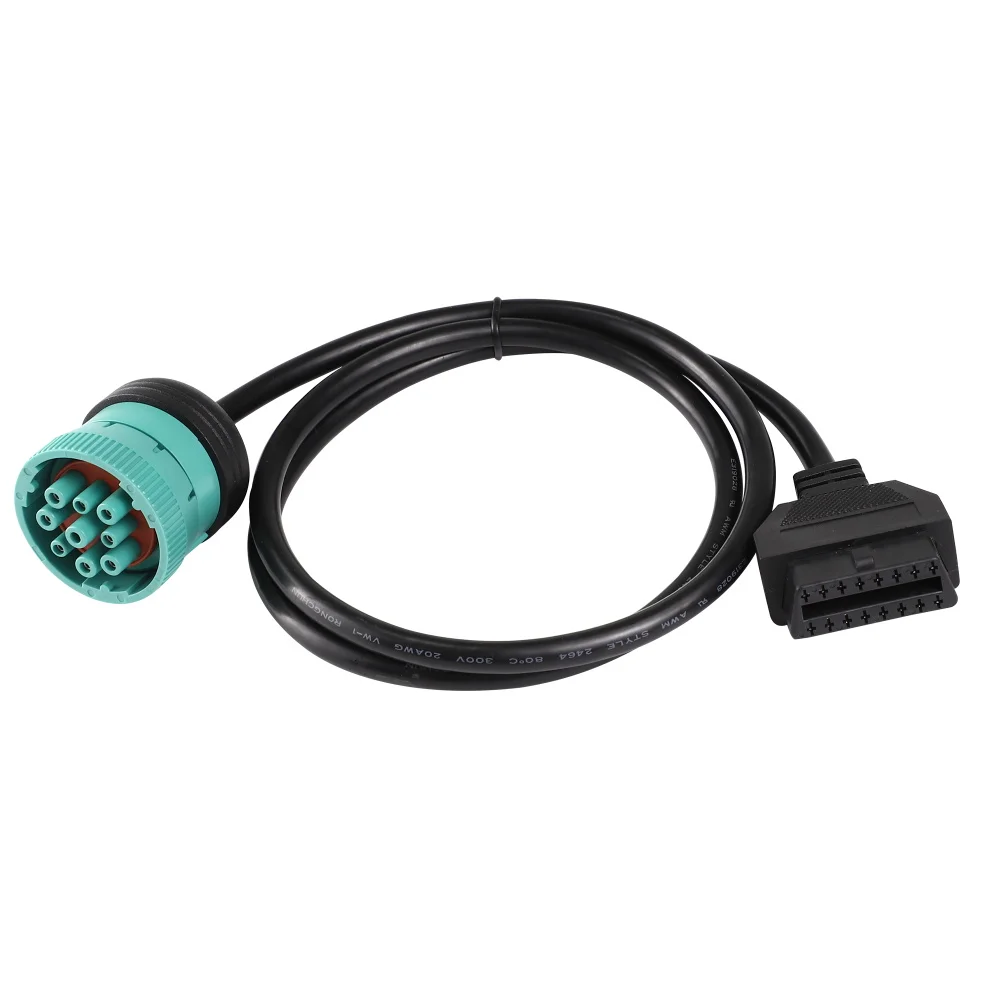
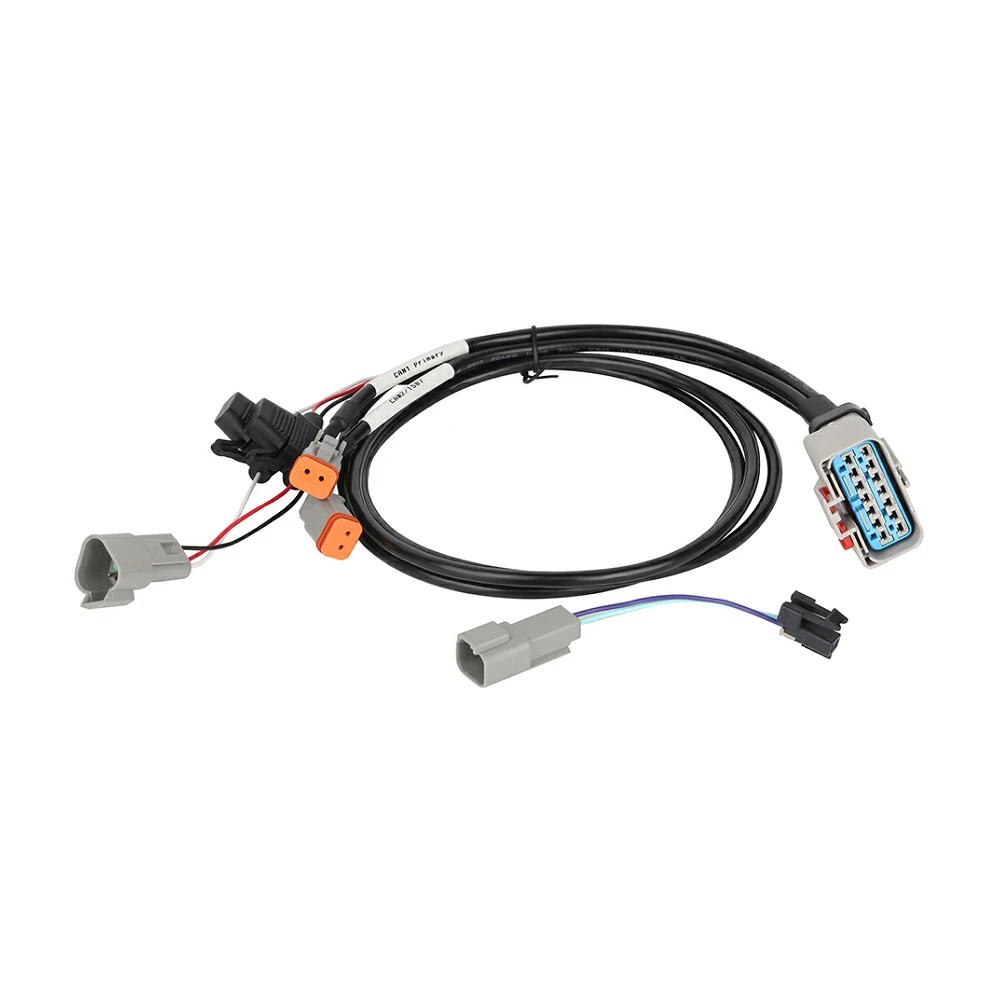
The OEM J1939 represents a standardized communication protocol specifically designed for heavy-duty vehicles and industrial machinery. This robust protocol enables seamless data exchange between electronic control units, sensors, and other electronic components within complex vehicle networks. Originally developed by the Society of Automotive Engineers, the OEM J1939 has become the industry standard for commercial vehicles, construction equipment, agricultural machinery, and marine applications. The protocol operates on a Controller Area Network bus system, allowing multiple devices to communicate simultaneously without requiring a central computer. The OEM J1939 supports data transmission rates up to 250 kilobits per second, ensuring real-time communication between various vehicle subsystems. This standardized approach eliminates compatibility issues between components from different manufacturers, promoting interoperability across the industry. The OEM J1939 utilizes a 29-bit identifier system that provides extensive message addressing capabilities, allowing for detailed diagnostic information, performance monitoring, and system control. Modern implementations of the OEM J1939 incorporate advanced features such as transport protocol for large data transfers, network management capabilities, and diagnostic trouble code reporting. The protocol defines specific parameter groups that standardize how information is packaged and transmitted across the network. These parameter groups cover everything from engine performance data to transmission status, hydraulic system pressure, and electrical system monitoring. The OEM J1939 architecture supports up to 253 network addresses, accommodating complex vehicle configurations with numerous electronic control modules. This scalability makes the OEM J1939 suitable for applications ranging from simple single-engine installations to sophisticated multi-system platforms. The protocol's resilience to electromagnetic interference and its ability to function in harsh environmental conditions make it ideal for demanding industrial applications where reliability is paramount.

New Product Recommendations

Choosing an OEM J1939 system delivers numerous practical benefits that directly impact operational efficiency and cost management. First, the standardized nature of the OEM J1939 eliminates the need for proprietary communication systems, reducing both initial investment costs and long-term maintenance expenses. Fleet operators can mix and match components from various manufacturers without worrying about compatibility issues, creating flexibility in sourcing parts and reducing dependency on single suppliers. This open architecture approach saves money while expanding options for system customization and upgrades. Second, the OEM J1939 simplifies diagnostic procedures significantly. Technicians can connect standard diagnostic tools to any compliant vehicle and immediately access comprehensive system information. This universal accessibility reduces troubleshooting time, minimizes vehicle downtime, and lowers labor costs associated with maintenance and repairs. The protocol automatically reports fault codes with detailed descriptions, helping maintenance teams identify problems quickly and accurately. Third, real-time data monitoring capabilities provided by the OEM J1939 enable proactive maintenance strategies. Operators can track engine performance, fuel consumption, operating temperatures, and component wear patterns continuously. This visibility allows for scheduled maintenance based on actual operating conditions rather than arbitrary time intervals, preventing unexpected failures and extending component lifespan. Fourth, the OEM J1939 enhances operational safety through constant system monitoring. The protocol can detect abnormal operating conditions and alert operators immediately, preventing potential accidents or equipment damage. Automated safety systems can intervene when necessary, protecting both personnel and machinery. Fifth, fuel efficiency improvements become achievable through precise engine management enabled by OEM J1939 communication. The system coordinates multiple subsystems to optimize performance, reducing fuel consumption and lowering operating costs. Sixth, the scalability of the OEM J1939 means systems can grow with business needs. Adding new sensors, control modules, or monitoring capabilities requires minimal infrastructure changes. This future-proof design protects initial investments and allows gradual system enhancement without complete overhauls. Finally, regulatory compliance becomes simpler with the OEM J1939, as emission monitoring and reporting capabilities are built into the protocol structure, helping operators meet environmental standards effortlessly.

Tips And Tricks

What are the key application scenarios and advantages of J1939 connection cables in industrial automation?

10

Feb

What are the key application scenarios and advantages of J1939 connection cables in industrial automation?

Industrial automation has revolutionized manufacturing and heavy machinery operations, with standardized communication protocols playing a crucial role in ensuring seamless data exchange between electronic control units. Among these protocols, J1939 ...
View More
How to choose the right J1939 connection cable based on vehicle model and communication protocol?

10

Feb

How to choose the right J1939 connection cable based on vehicle model and communication protocol?

Selecting the appropriate J1939 connection cable is crucial for establishing reliable communication between electronic control units in commercial vehicles and heavy-duty equipment. The SAE J1939 standard defines the communication protocol used acros...
View More
How to choose the right Tesla wiring harness for aftermarket audio system upgrades?

02

Apr

How to choose the right Tesla wiring harness for aftermarket audio system upgrades?

Upgrading your Tesla's audio system requires careful consideration of the vehicle's unique electrical architecture, and selecting the appropriate Tesla wiring harness stands as the most critical decision in this process. Tesla vehicles employ sophist...
View More
How to select a Tesla wiring harness that ensures seamless compatibility with Autopilot sensors?

02

Apr

How to select a Tesla wiring harness that ensures seamless compatibility with Autopilot sensors?

Selecting the right Tesla wiring harness for Autopilot sensor compatibility requires understanding the intricate electrical connections that enable Tesla's advanced driver assistance features. The Tesla wiring harness serves as the critical communica...
View More

Get a Free Quote

Our representative will contact you soon.
Email
Name
Company Name
Message
0/1000

oem j1939

Universal Compatibility and Integration Flexibility

Universal Compatibility and Integration Flexibility

The OEM J1939 protocol stands out for its exceptional universal compatibility, which fundamentally transforms how vehicle systems are designed, maintained, and upgraded. Unlike proprietary communication systems that lock operators into specific manufacturer ecosystems, the OEM J1939 creates an open platform where components from different suppliers work together seamlessly. This interoperability stems from rigorously defined communication standards that every compliant device must follow, ensuring consistent data formatting, transmission protocols, and addressing schemes across all manufacturers. For fleet operators managing diverse equipment portfolios, this compatibility translates into substantial practical advantages. Maintenance teams can stock fewer specialized diagnostic tools since one standard interface works across multiple vehicle brands and models. When replacement parts are needed, procurement departments have access to competitive markets rather than being forced to purchase from sole-source suppliers, often at premium prices. The OEM J1939 compatibility extends beyond simple data exchange to include sophisticated system integration capabilities. Modern vehicles incorporate dozens of electronic control units managing engines, transmissions, brake systems, suspension controls, and auxiliary equipment. The OEM J1939 enables these diverse systems to coordinate their operations intelligently, sharing sensor data and synchronizing actions to optimize overall vehicle performance. For example, transmission control modules can access real-time engine torque data through the OEM J1939 network, allowing shift strategies that maximize fuel efficiency while protecting drivetrain components. Similarly, brake systems can communicate with engine controls to coordinate retarding functions, improving safety while reducing brake wear. This integration flexibility also supports aftermarket equipment installation. Operators adding specialized bodies, hydraulic systems, or auxiliary power units can integrate these additions into existing vehicle networks without extensive rewiring or custom interface development. The OEM J1939 provides standardized connection points and data access, simplifying installation and reducing integration costs. Furthermore, this compatibility future-proofs fleet investments by ensuring that vehicles remain serviceable even as technology evolves, protecting the substantial capital invested in heavy-duty equipment over typical service lives spanning decades.
Advanced Diagnostic Capabilities and Predictive Maintenance

Advanced Diagnostic Capabilities and Predictive Maintenance

The diagnostic capabilities embedded within the OEM J1939 protocol represent a quantum leap forward in vehicle maintenance and fleet management efficiency. Traditional vehicle systems required specialized knowledge and proprietary equipment to diagnose problems, often leading to extended downtime while technicians performed time-consuming troubleshooting procedures. The OEM J1939 revolutionizes this approach by providing comprehensive, standardized diagnostic information accessible through universal tools and interfaces. Every component connected to the OEM J1939 network continuously monitors its own operation and reports status information in real-time. When faults occur, the system generates standardized diagnostic trouble codes that precisely identify problems, affected components, and often suggest probable causes. These codes follow industry-wide definitions, meaning technicians can interpret them consistently regardless of vehicle manufacturer or component supplier. This standardization dramatically reduces the expertise required for initial diagnosis, allowing maintenance personnel to identify issues quickly without extensive manufacturer-specific training. Beyond basic fault reporting, the OEM J1939 supports sophisticated predictive maintenance strategies through continuous performance monitoring. The protocol transmits detailed operational data including component temperatures, pressures, electrical loads, cycle counts, and efficiency metrics. Fleet management systems can collect this information and analyze trends over time, identifying gradual degradation patterns that signal impending failures. This predictive approach allows maintenance scheduling based on actual component condition rather than conservative fixed intervals, optimizing maintenance timing to prevent unexpected failures while avoiding premature replacement of serviceable parts. The economic impact of these advanced diagnostic capabilities is substantial. Reduced diagnostic time translates directly into lower labor costs and shorter vehicle downtime. Predictive maintenance prevents costly roadside failures and the associated towing expenses, emergency repair premiums, and service disruption costs. The OEM J1939 also supports remote diagnostics, where fleet managers can monitor vehicle health from central locations and dispatch maintenance resources proactively. This capability is particularly valuable for operations with geographically dispersed fleets, allowing centralized technical expertise to support field operations efficiently. Additionally, warranty claim processing becomes more straightforward when detailed OEM J1939 diagnostic logs document failure conditions and operating history, reducing disputes and accelerating resolution.
Real-Time Performance Optimization and Operational Efficiency

Real-Time Performance Optimization and Operational Efficiency

The OEM J1939 protocol delivers exceptional value through its real-time performance optimization capabilities that directly enhance operational efficiency and reduce operating costs. At its core, the system enables continuous communication between all vehicle subsystems at speeds sufficient to support instantaneous coordination of complex operations. This real-time data exchange allows intelligent control strategies that were impossible with earlier technologies, transforming how vehicles respond to varying operating conditions and driver inputs. Engine management systems exemplify these optimization benefits. Through the OEM J1939 network, engine controllers receive continuous information about vehicle speed, load conditions, terrain, ambient temperature, and operator demands. Simultaneously, the engine broadcasts its current operating state, including fuel consumption rates, power output, temperatures, and emission system status. Transmission controllers use this shared information to select optimal gear ratios that balance performance requirements against fuel efficiency objectives. When climbing grades, the system can coordinate engine torque output with transmission shift patterns to maintain momentum while minimizing fuel consumption. During highway cruising, the coordinated systems can lock torque converters, select overdrive ratios, and adjust engine speed to achieve maximum efficiency. These optimizations occur continuously and automatically, adapting to changing conditions without driver intervention. The fuel economy improvements achieved through OEM J1939 optimization typically range from five to fifteen percent compared to non-optimized systems, representing substantial cost savings over vehicle lifetimes. Beyond fuel efficiency, the OEM J1939 enables operational strategies that extend component life and reduce maintenance costs. By sharing load information across systems, the protocol allows intelligent distribution of work among components. Brake systems can coordinate foundation brakes with engine retarders and transmission retarders, reducing thermal stress on any single system and extending service intervals. Hydraulic systems can modulate pump speeds based on actual demand rather than running continuously at maximum capacity, reducing wear and energy consumption. The OEM J1939 also supports sophisticated fleet management through data logging and reporting capabilities. The protocol can record detailed operational information including routes, idle time, harsh braking events, speed patterns, and load cycles. Fleet managers analyze this data to identify driver training opportunities, optimize route planning, and establish realistic performance benchmarks. This visibility into actual operating patterns enables data-driven decisions that improve fleet productivity and profitability while supporting sustainability initiatives through reduced fuel consumption and emissions.


Get a Free Quote

Our representative will contact you soon.
Email
Name
Company Name
Message
0/1000

Get a Free Quote

Our representative will contact you soon.
Email
Name
Company Name
Message
0/1000

Get a Free Quote

Our representative will contact you soon.
Email
Name
Company Name
Message
0/1000

Get a Free Quote

Our representative will contact you soon.
Email
Name
Company Name
Message
0/1000