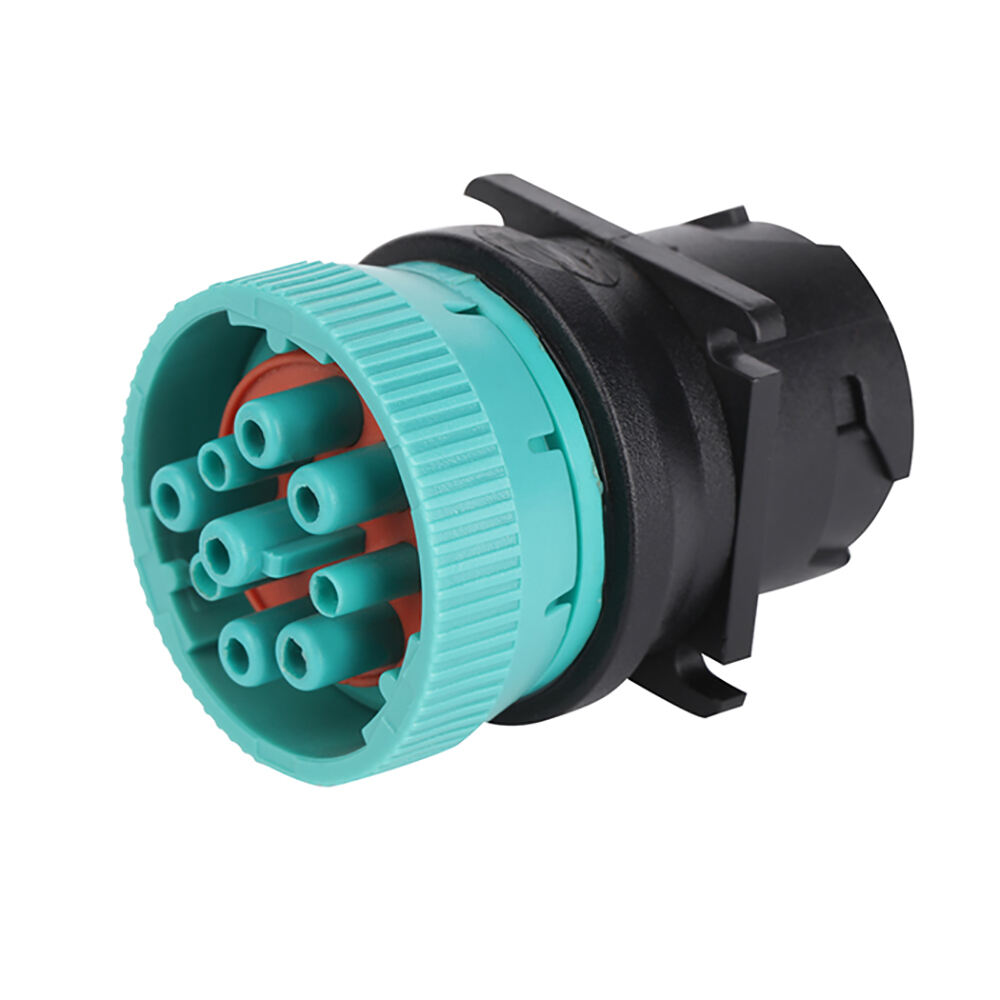
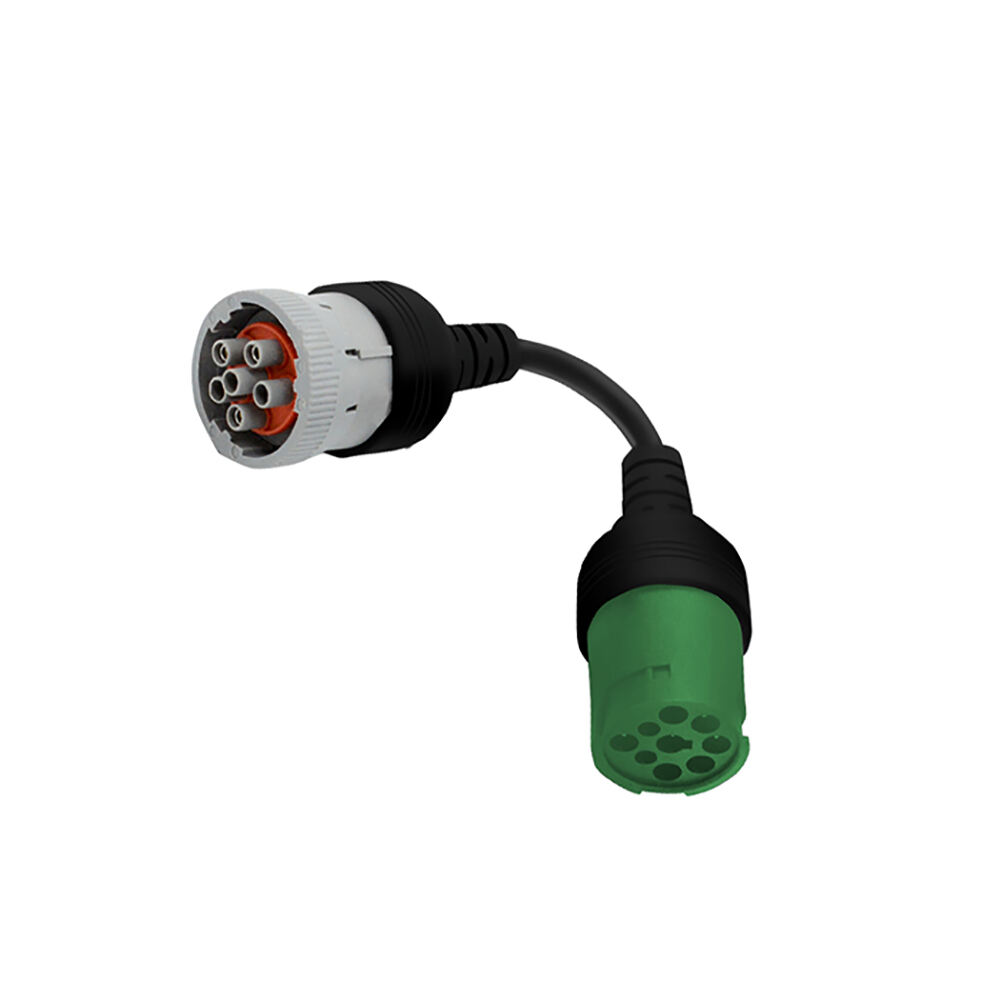
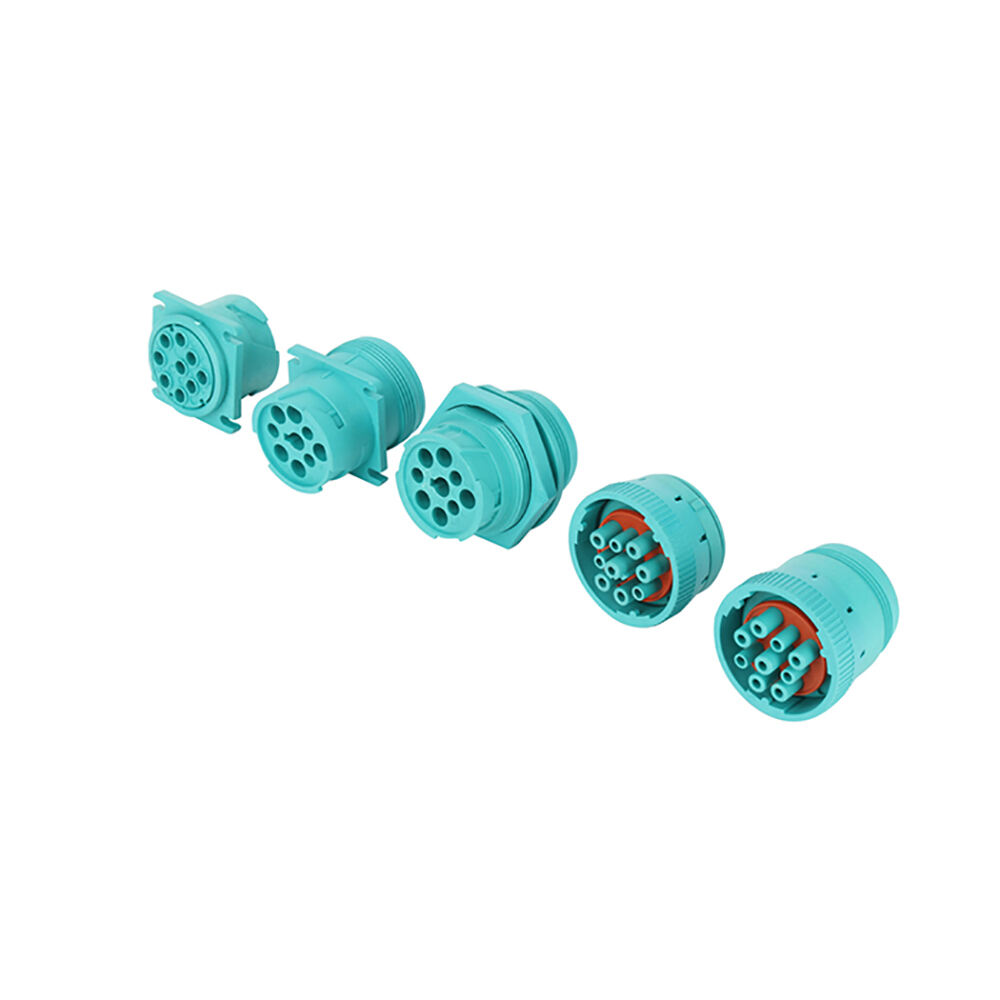
canbus j1939
The canbus j1939 protocol represents a sophisticated communication standard specifically engineered for heavy-duty vehicles and industrial machinery. Developed by the Society of Automotive Engineers, this protocol enables reliable data exchange between electronic control units within complex vehicle networks. The canbus j1939 architecture operates on the Controller Area Network foundation, delivering robust performance in demanding operational environments. This communication protocol facilitates seamless interaction between engines, transmissions, brakes, and numerous other vehicle subsystems, ensuring coordinated functionality across all connected components. The canbus j1939 standard defines message formats, data parameters, and network management procedures that guarantee interoperability between devices from different manufacturers. With its 29-bit identifier structure, the protocol supports extensive message prioritization and sophisticated addressing schemes. The technology accommodates data transmission rates up to 250 kilobits per second, providing sufficient bandwidth for real-time vehicle diagnostics and control applications. Modern commercial vehicles, agricultural equipment, construction machinery, and marine systems extensively utilize canbus j1939 for critical operational functions. The protocol supports both peer-to-peer and broadcast communication modes, allowing flexible network configurations tailored to specific application requirements. Engineers appreciate how canbus j1939 simplifies wiring harnesses, reduces installation complexity, and minimizes potential failure points throughout vehicle electrical systems. The standardized parameter groups within canbus j1939 enable consistent data interpretation across different platforms, streamlining maintenance procedures and diagnostic processes. Fleet managers benefit from enhanced vehicle monitoring capabilities, as the protocol provides comprehensive access to operational parameters, fault codes, and performance metrics. The canbus j1939 framework continues evolving to accommodate emerging technologies, including electrification, autonomous operation, and advanced telematics integration, ensuring its relevance for future transportation solutions.


 EN
EN