Instant Diagnostic Trouble Code Reading and Clearing Capabilities
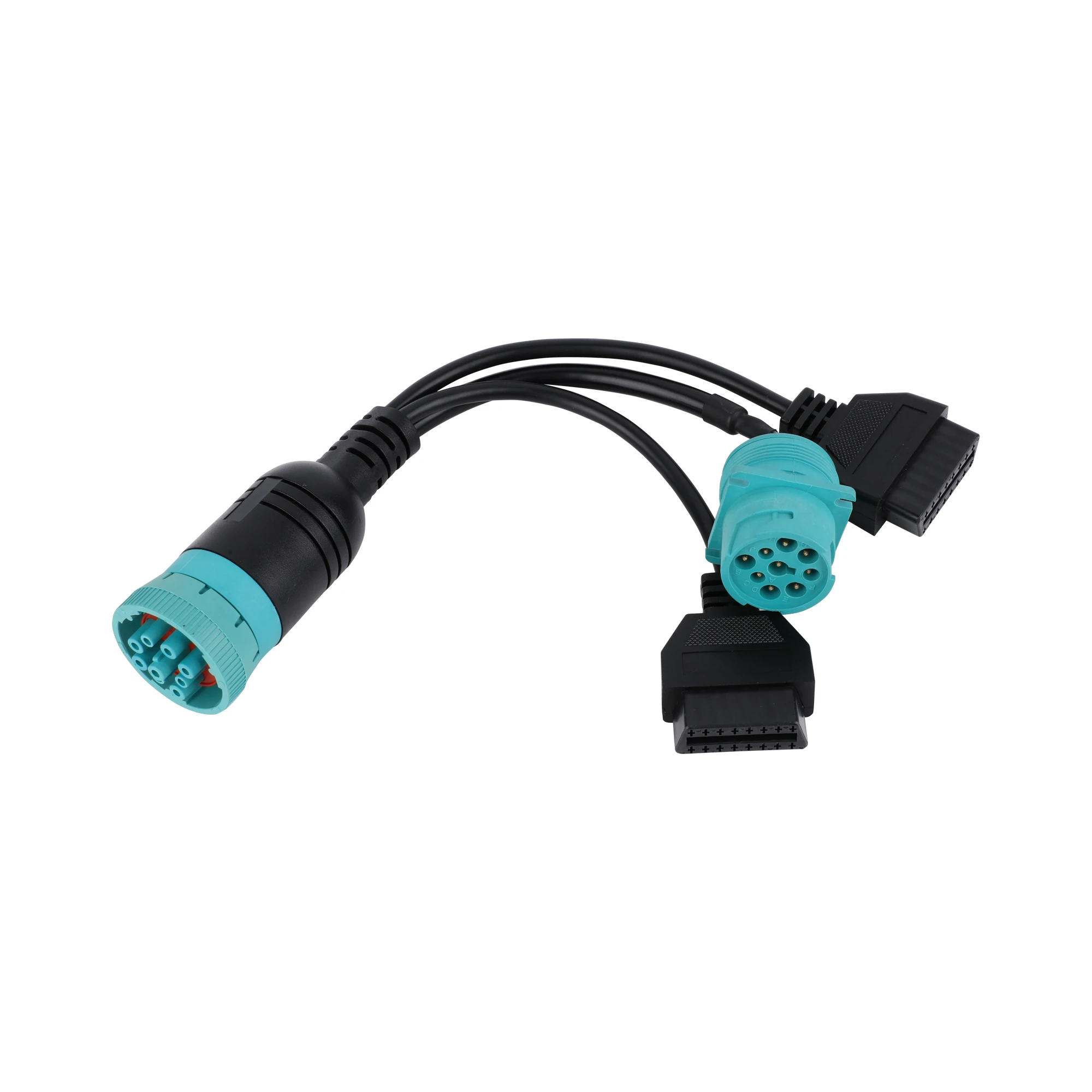
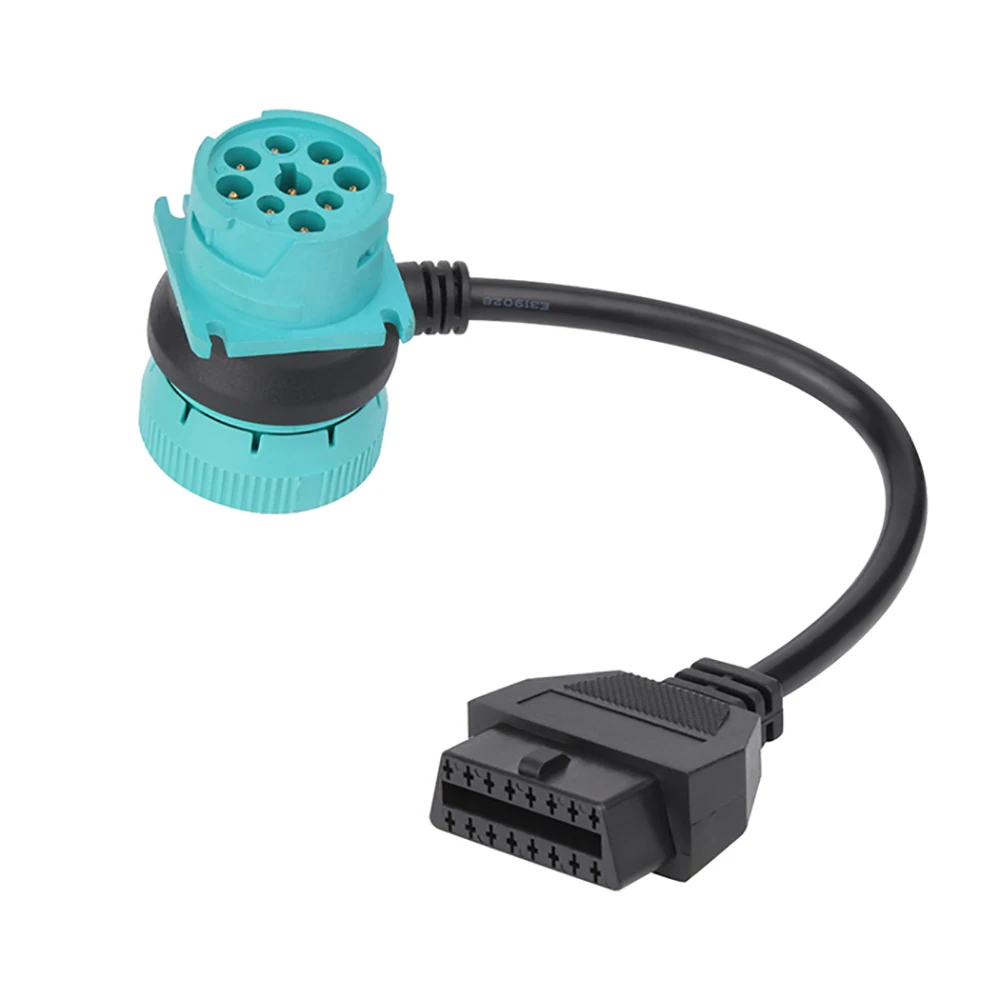
The instant diagnostic trouble code reading and clearing functionality built into every obd interface cable represents perhaps its most immediately practical benefit, delivering professional-grade diagnostic capabilities directly into the hands of everyday vehicle owners. When the dreaded check engine light illuminates on your dashboard, that glowing amber warning triggers anxiety about potential repair costs, vehicle reliability, and whether continuing to drive might cause additional damage. An obd interface cable eliminates this uncertainty within minutes by retrieving the specific diagnostic trouble codes stored in your vehicle's computer memory, translating obscure alphanumeric designations into plain language descriptions of detected problems. These codes follow standardized formats, with P-codes indicating powertrain issues, B-codes signaling body system problems, C-codes identifying chassis malfunctions, and U-codes pointing to network communication errors. Each code provides specific information about which system, component, or sensor triggered the alert, along with whether the problem represents a confirmed failure or an intermittent condition requiring further observation. The comprehensive nature of this diagnostic information extends beyond simple present codes to include pending codes that haven't yet triggered warning lights, permanent codes that require multiple successful drive cycles to clear, and freeze frame data capturing exact operating conditions when faults occurred. This freeze frame information proves invaluable for diagnosing intermittent problems, showing you precisely what your vehicle was doing when the computer detected an anomaly, including vehicle speed, engine load, fuel system status, and dozens of other parameters. Armed with this detailed information, you can research specific codes through online forums, manufacturer technical bulletins, and repair databases to understand common causes, typical repair procedures, and expected costs before ever contacting a repair facility. The code clearing capability offers equally significant practical value once repairs are completed. After replacing a faulty oxygen sensor, tightening a loose gas cap, or addressing whatever condition triggered the check engine light, your obd interface cable allows you to clear the stored codes and reset the monitoring system. This immediate feedback confirms whether your repair successfully addressed the underlying problem, as properly fixed issues will not immediately retrigger codes. You avoid paying dealerships or shops simply to reset warning lights after completing your own repairs. However, responsible use of code clearing requires understanding that erasing codes without addressing root causes only masks symptoms temporarily. Quality obd interface cable software includes features that help users interpret code severity, with critical powertrain codes clearly distinguished from minor evaporative system alerts. This guidance helps prioritize repairs based on actual risk rather than assuming all check engine lights indicate equally serious problems demanding immediate expensive intervention at professional facilities.


 EN
EN