Durable Construction Designed for Long-Term Automotive Environment Exposure
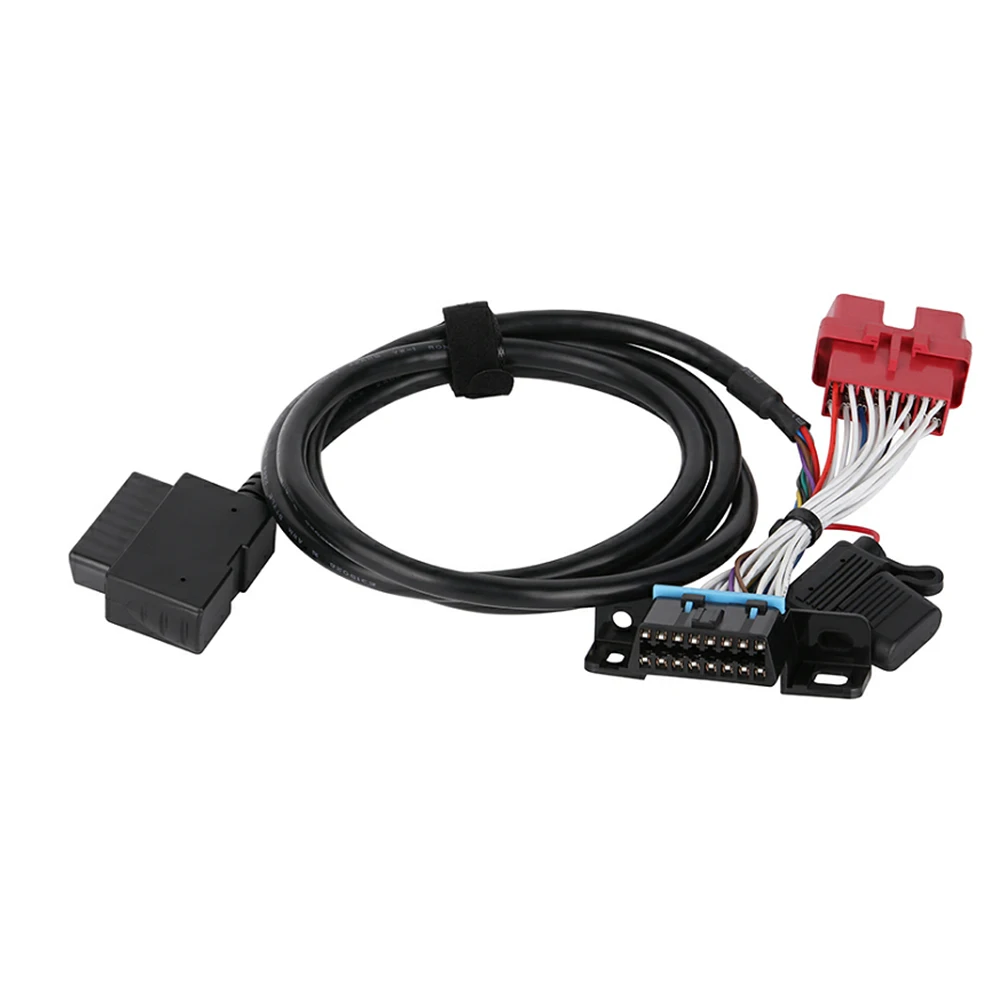
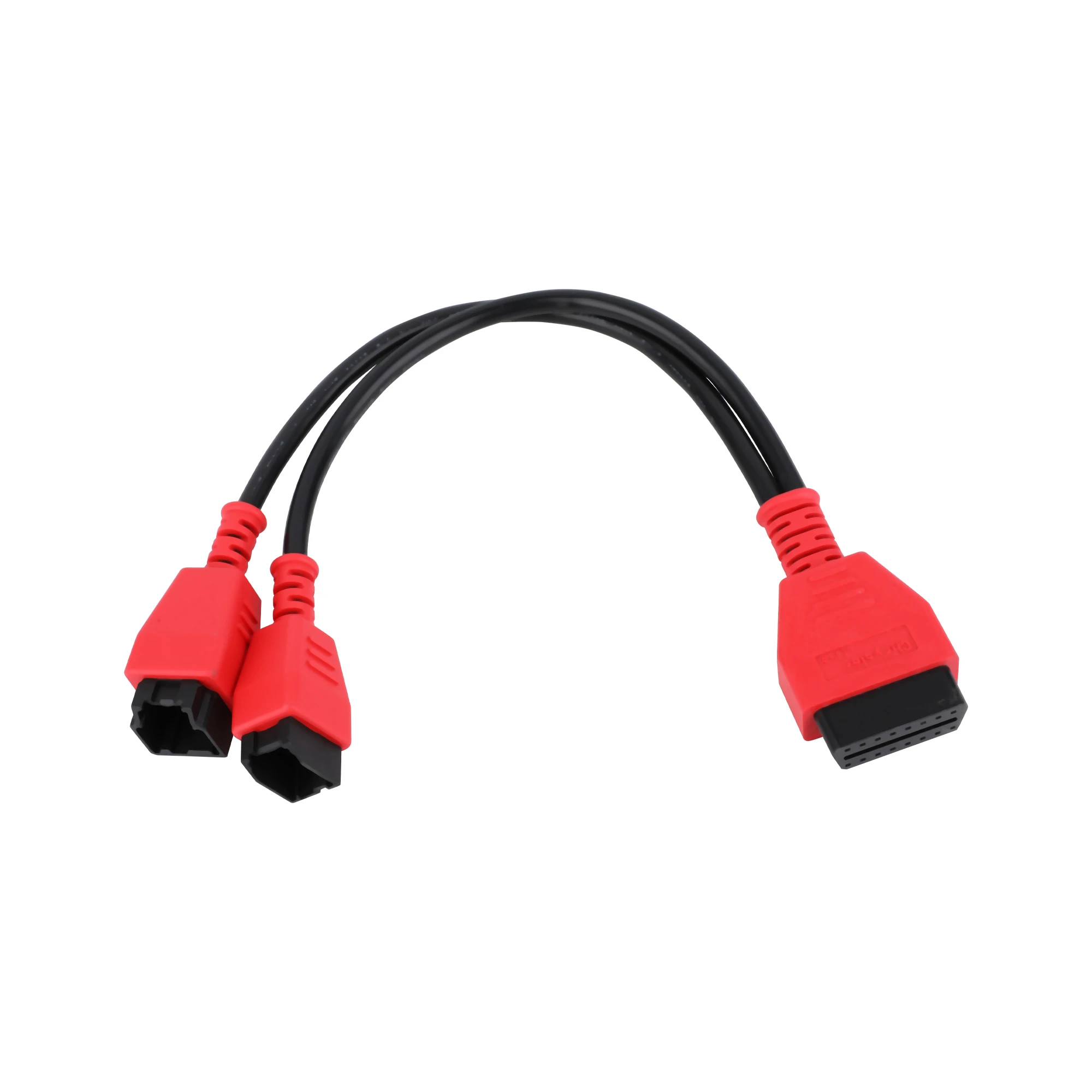
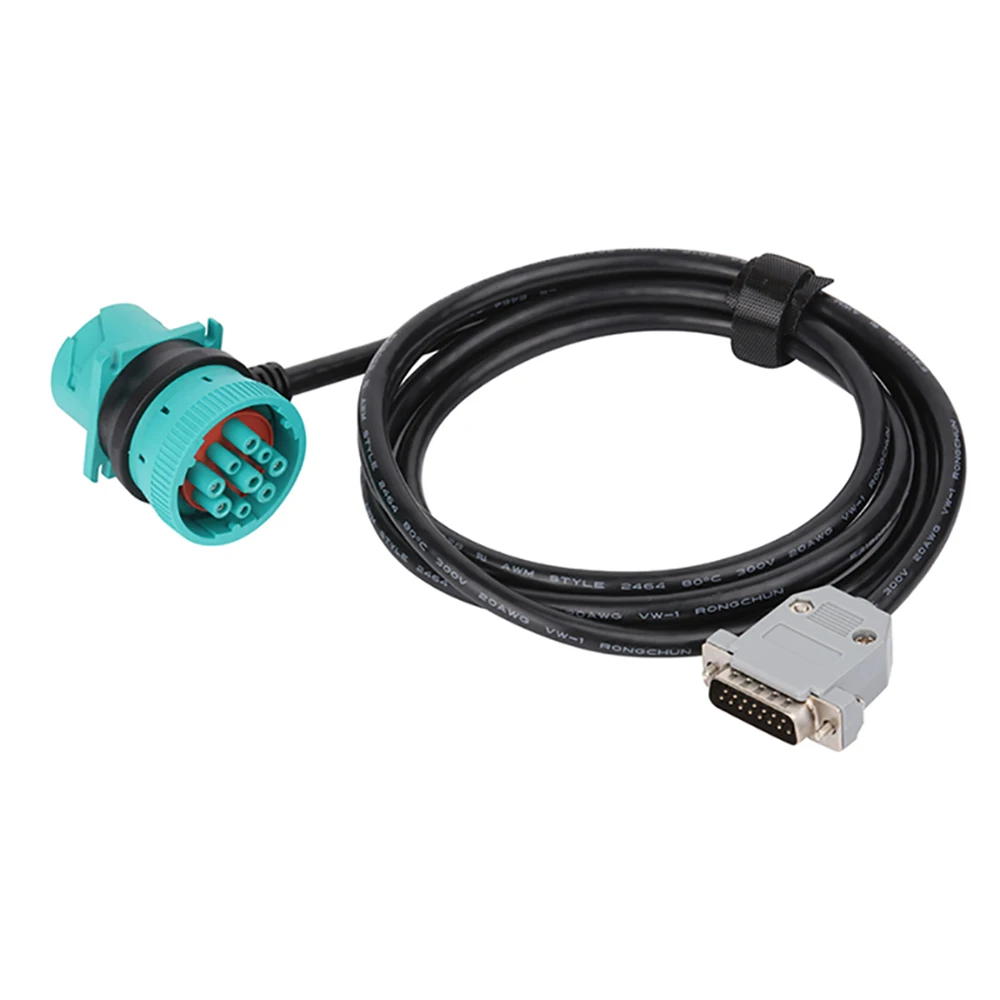
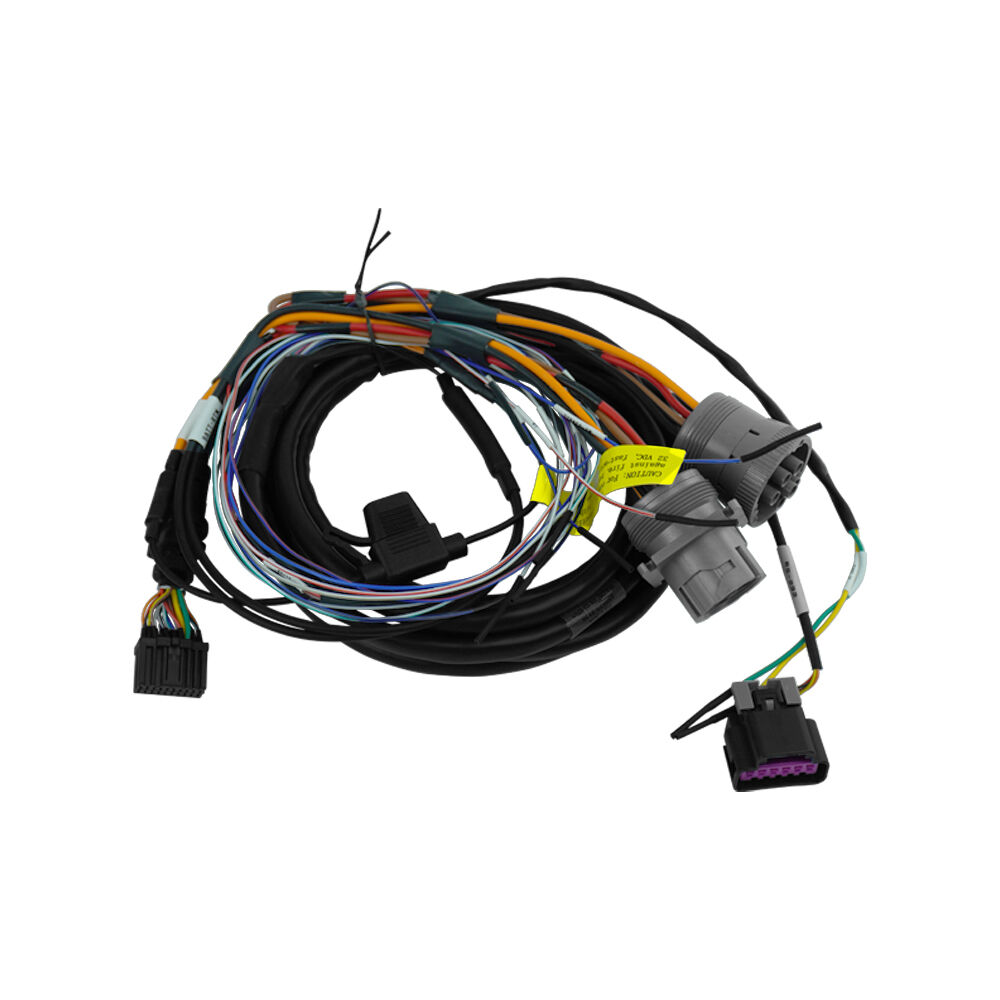
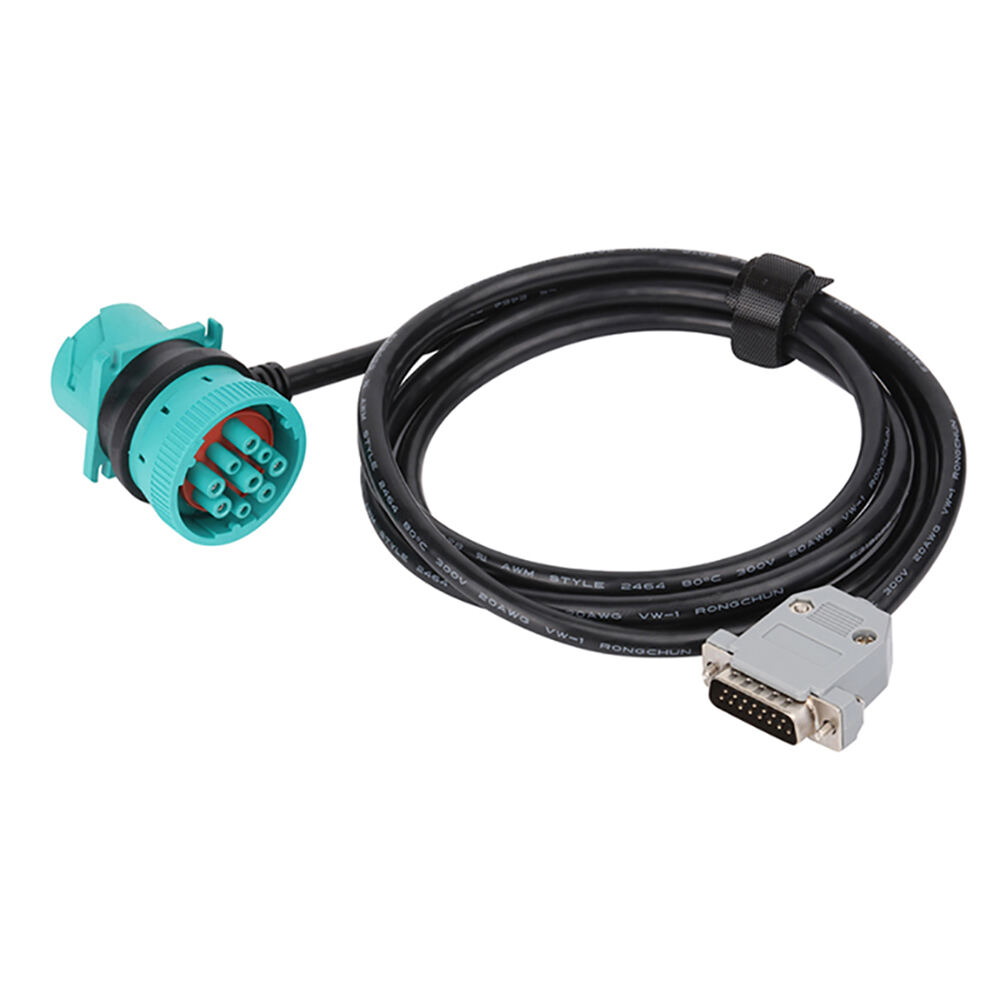
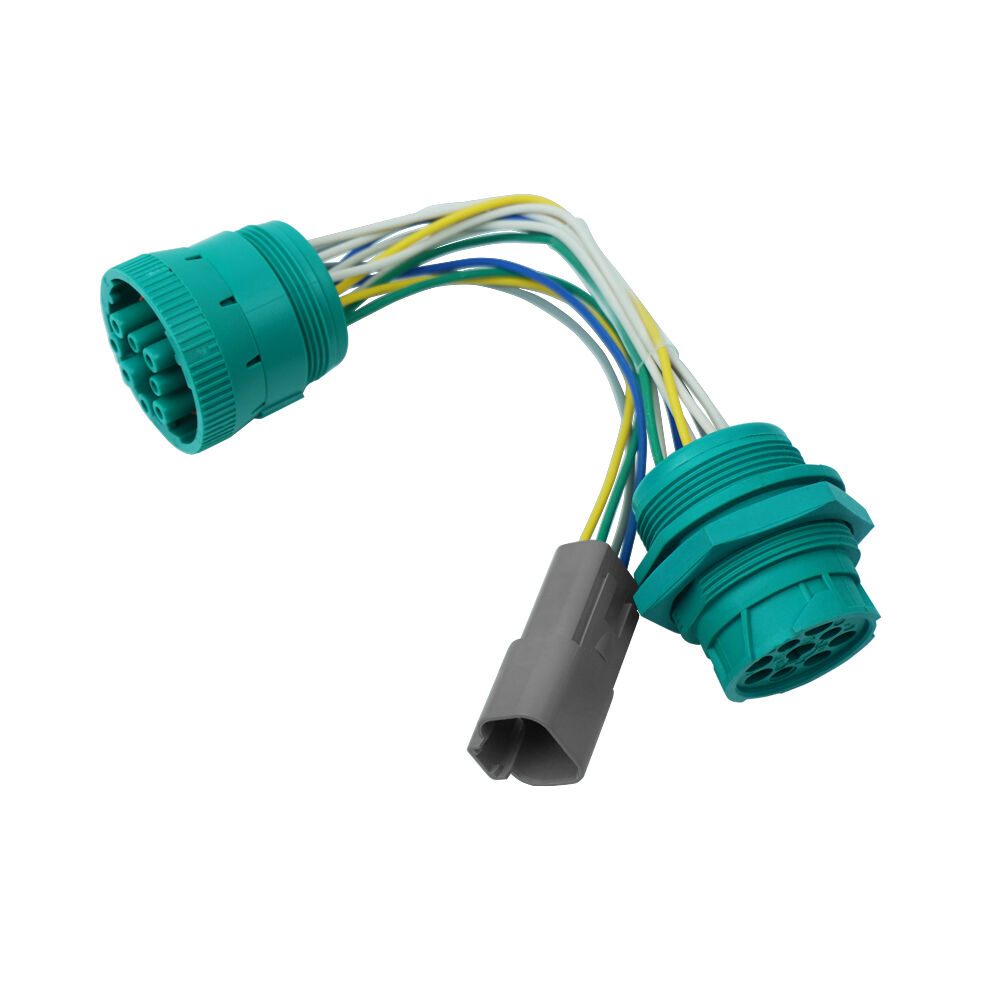
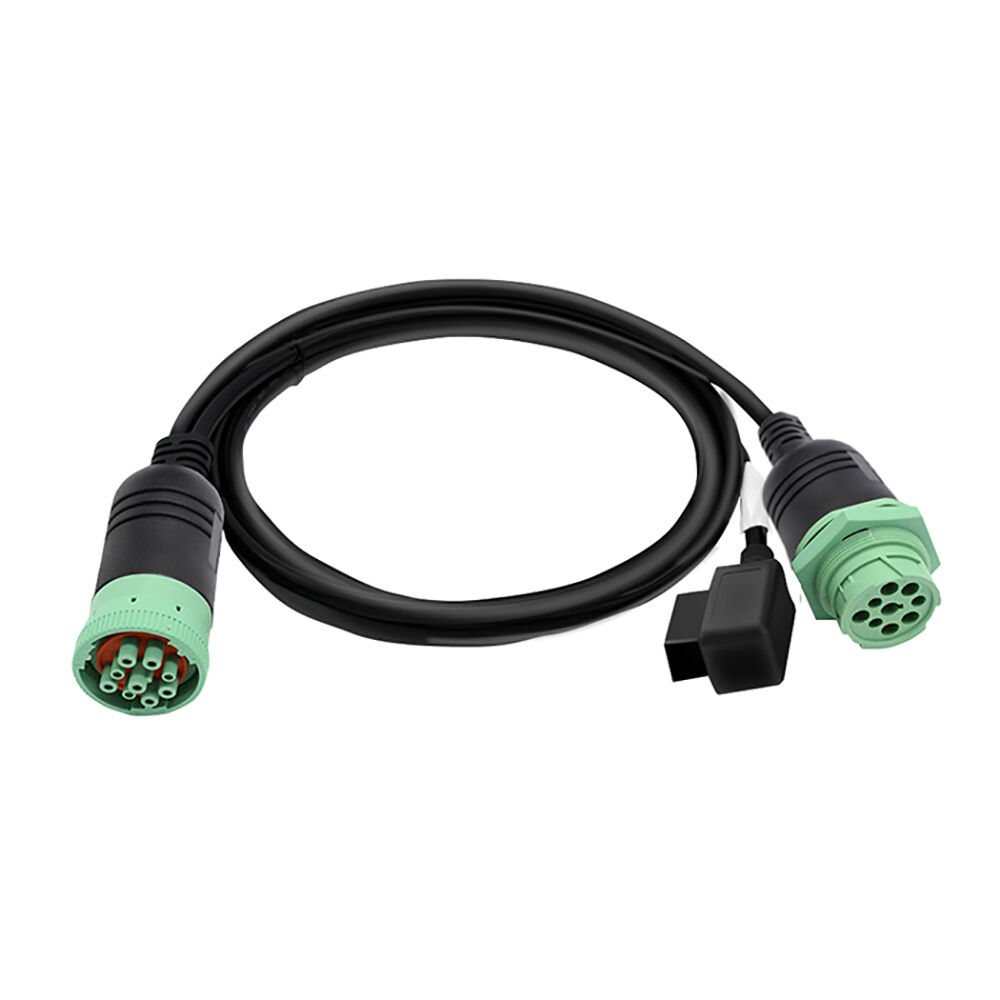
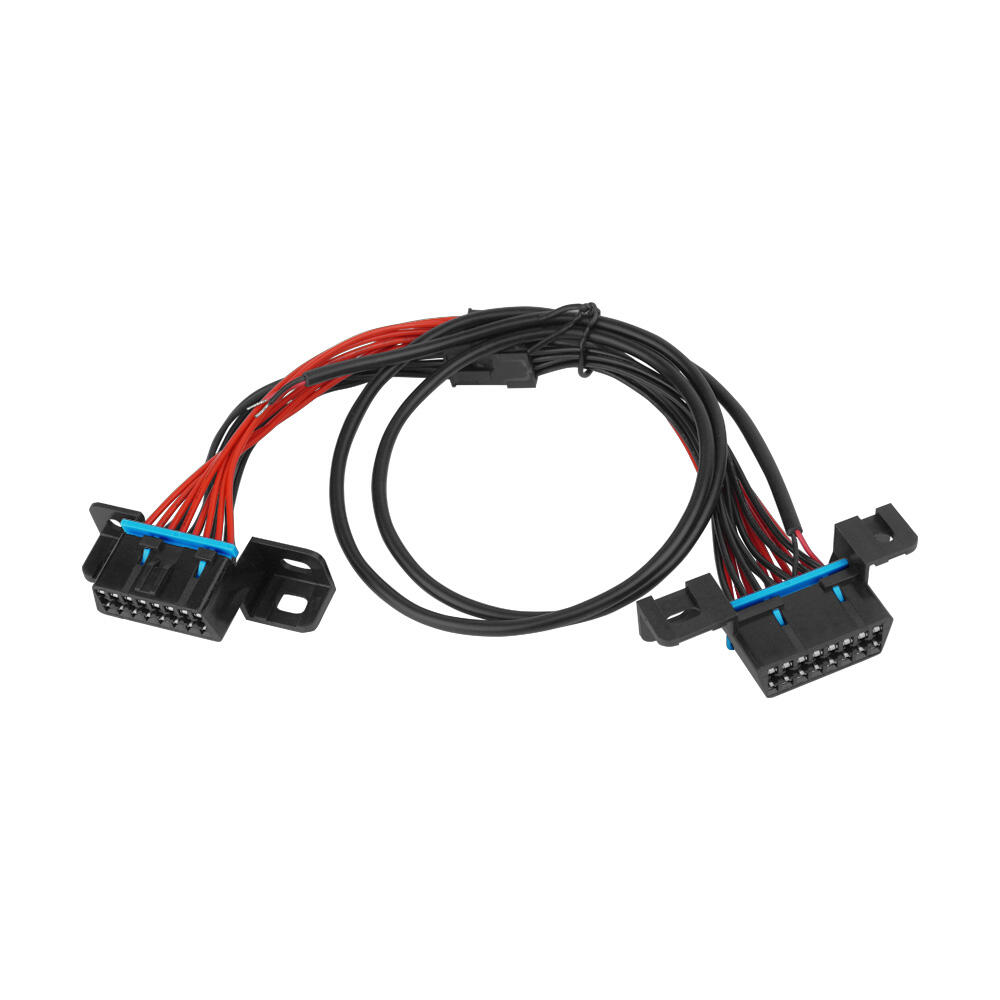
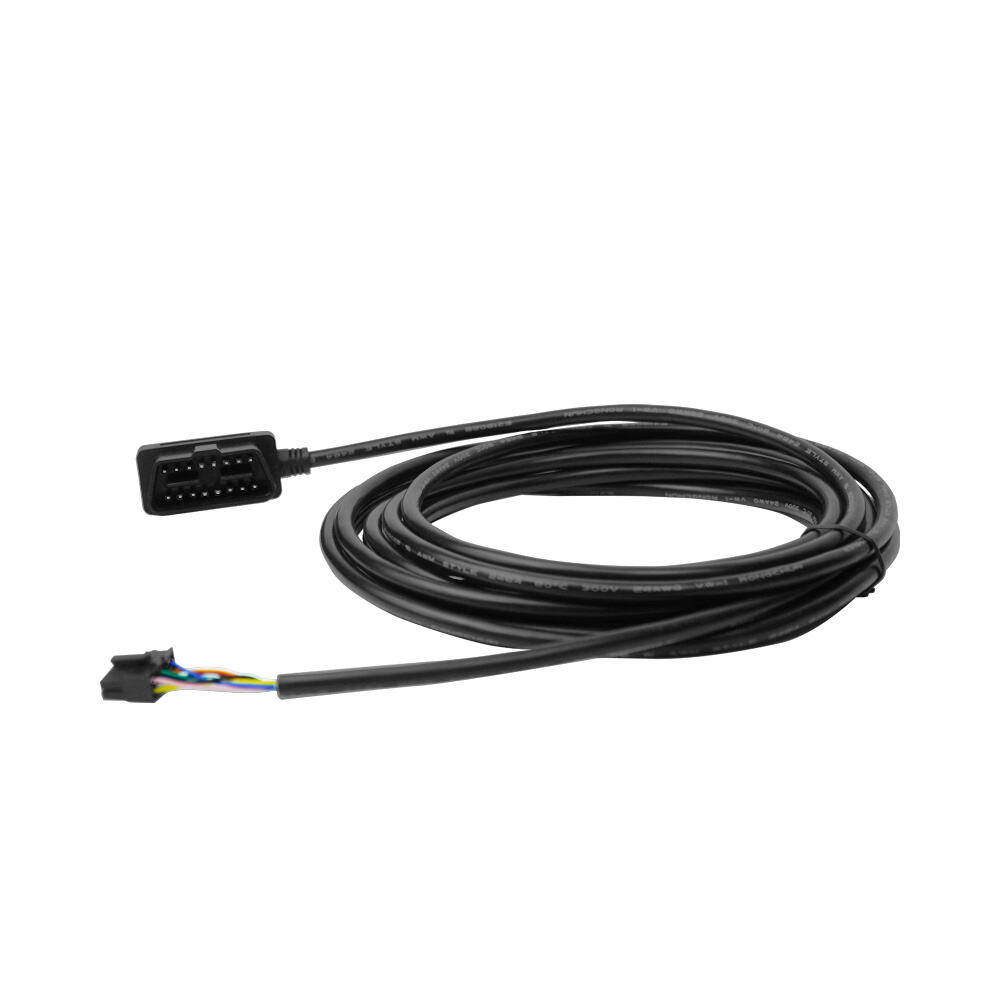
The best OBD2 Y splitter features robust construction engineered specifically to withstand the challenging conditions present in automotive environments, ensuring reliable performance over many years of continuous use. Unlike consumer electronics designed for climate-controlled indoor environments, quality automotive splitters must endure extreme temperatures, constant vibration, electrical interference, and occasional physical stress. The housing utilizes high-impact ABS plastic formulated to remain flexible enough to absorb shocks without cracking while providing rigid protection for internal components. This material choice resists degradation from UV exposure, temperature cycling, and contact with common automotive fluids that might accidentally contact the device. The internal circuit board receives a conformal coating that seals electronic components against moisture, dust, and corrosive elements that gradually infiltrate vehicle interiors despite best sealing efforts by manufacturers. This coating proves essential for vehicles operated in humid climates or regions where road salt creates corrosive conditions during winter months. The best OBD2 Y splitter incorporates strain relief design elements that prevent cable fatigue at connection points, addressing the primary failure mode of lesser splitters where repeated flexing causes wire breakage. Cable assemblies feature multi-strand conductors rather than solid wire, providing flexibility that accommodates the movement inherent in vehicle operation without developing stress fractures. The gauge of wiring matches or exceeds OBD2 specifications, ensuring adequate current-carrying capacity for power-hungry devices while minimizing voltage drop that could affect device operation. Connector shells feature reinforced locking tabs that maintain secure engagement even after hundreds of insertion cycles, preventing the loosening that causes intermittent connections and diagnostic frustration. Internal component selection prioritizes automotive-grade parts rated for the -40 to +85 degree Celsius temperature range typical of vehicle interiors, far exceeding the specifications of standard consumer electronics. Capacitors utilize solid polymer construction rather than liquid electrolyte types that can fail when exposed to temperature extremes or vibration. Resistors and other passive components meet automotive qualification standards for long-term reliability under harsh conditions. The circuit board itself uses FR-4 fiberglass substrate with enhanced copper thickness, providing mechanical strength and excellent electrical properties that remain stable across temperature variations. Assembly techniques include through-hole soldering for mechanical connections and surface mount technology for compact component placement, combining the strength advantages of each method. Quality control testing subjects each splitter to thermal cycling, vibration testing, and electrical verification before packaging, ensuring every unit meets performance specifications. The best OBD2 Y splitter includes overcurrent protection that prevents damage to vehicle electrical systems or connected devices in the unlikely event of a short circuit condition, adding an important safety layer for both equipment and vehicle.


 EN
EN