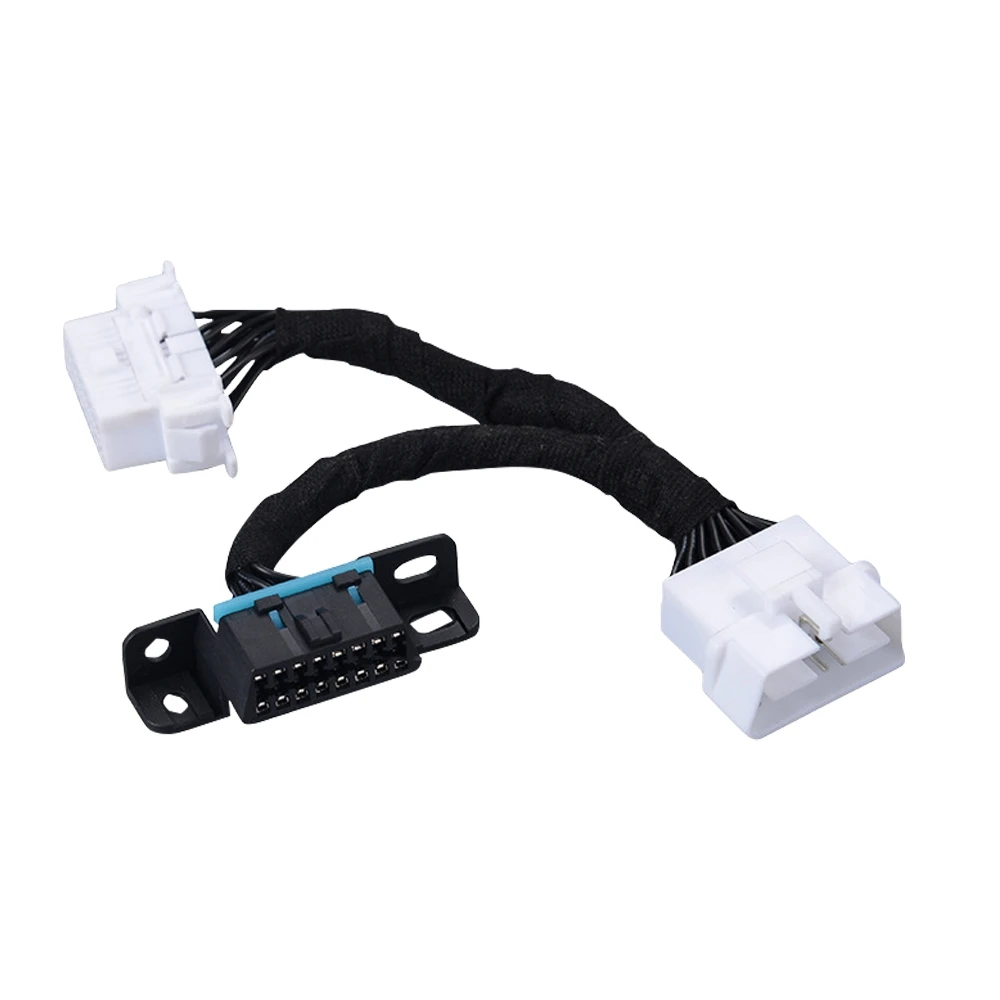
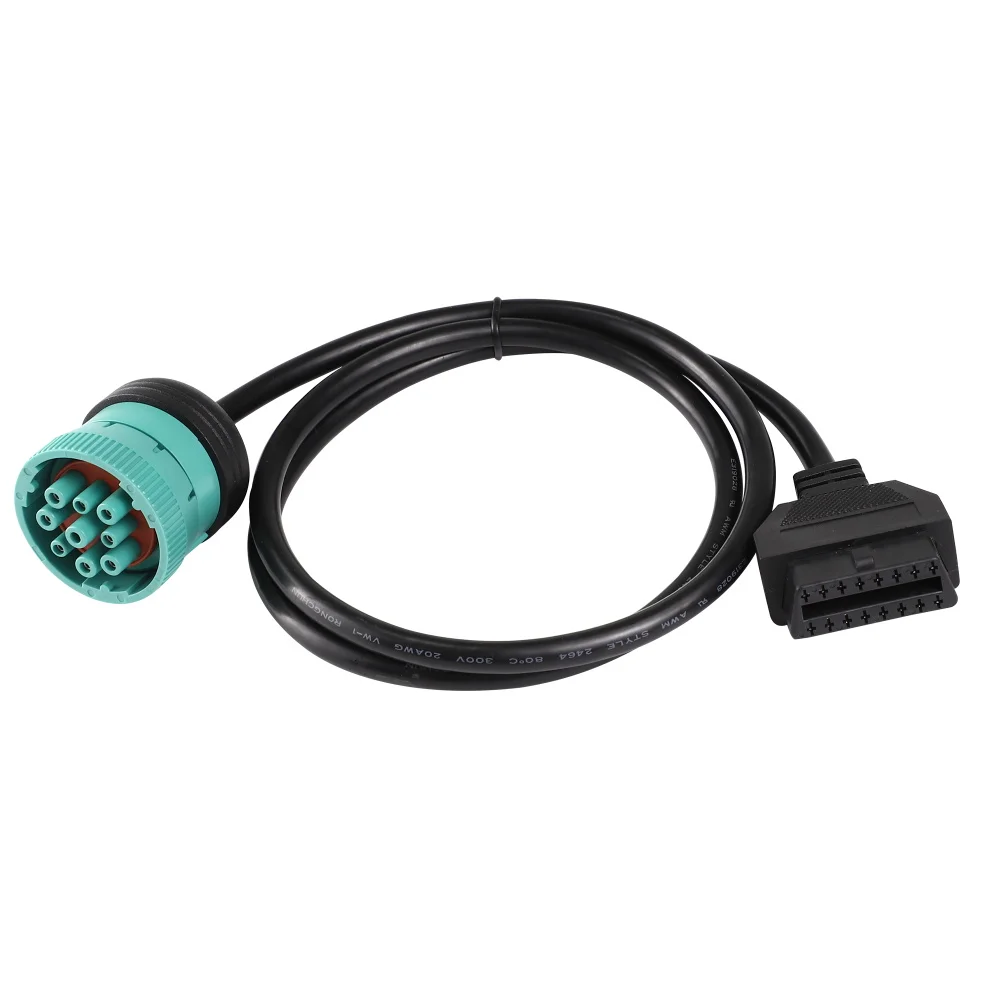
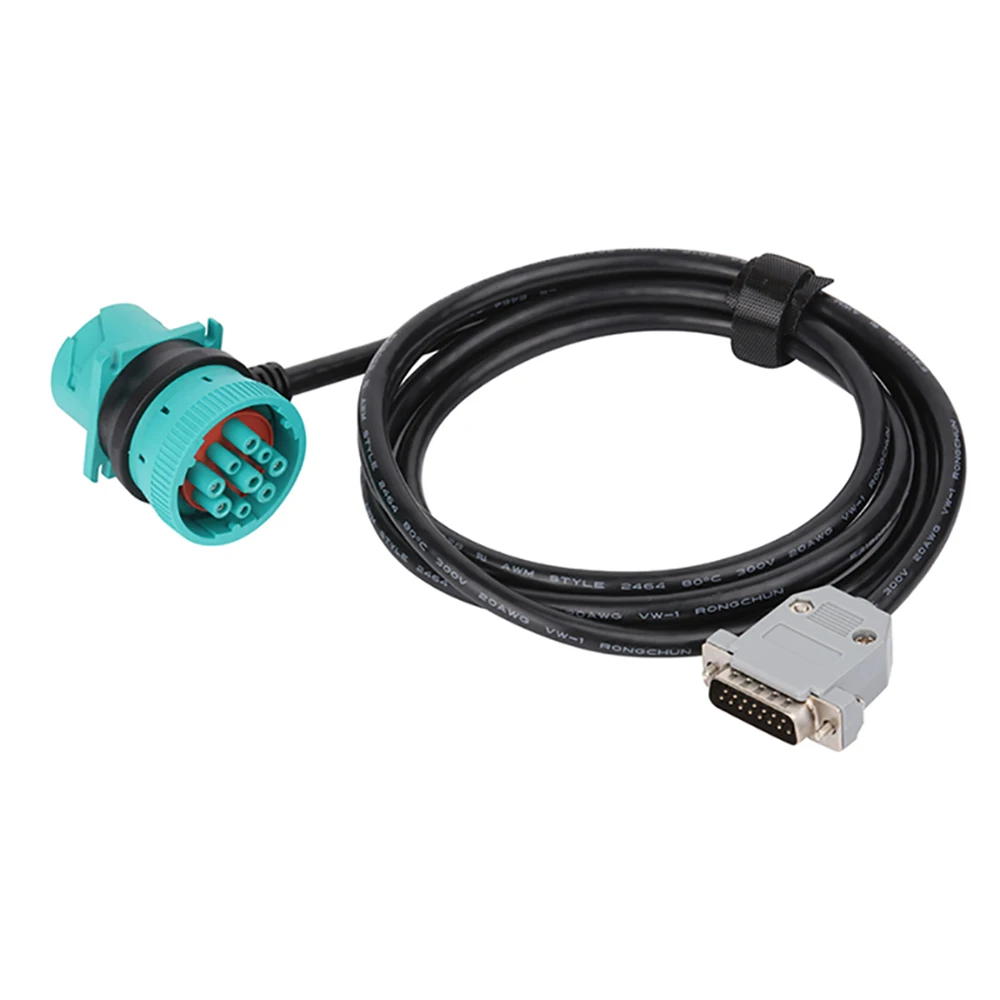
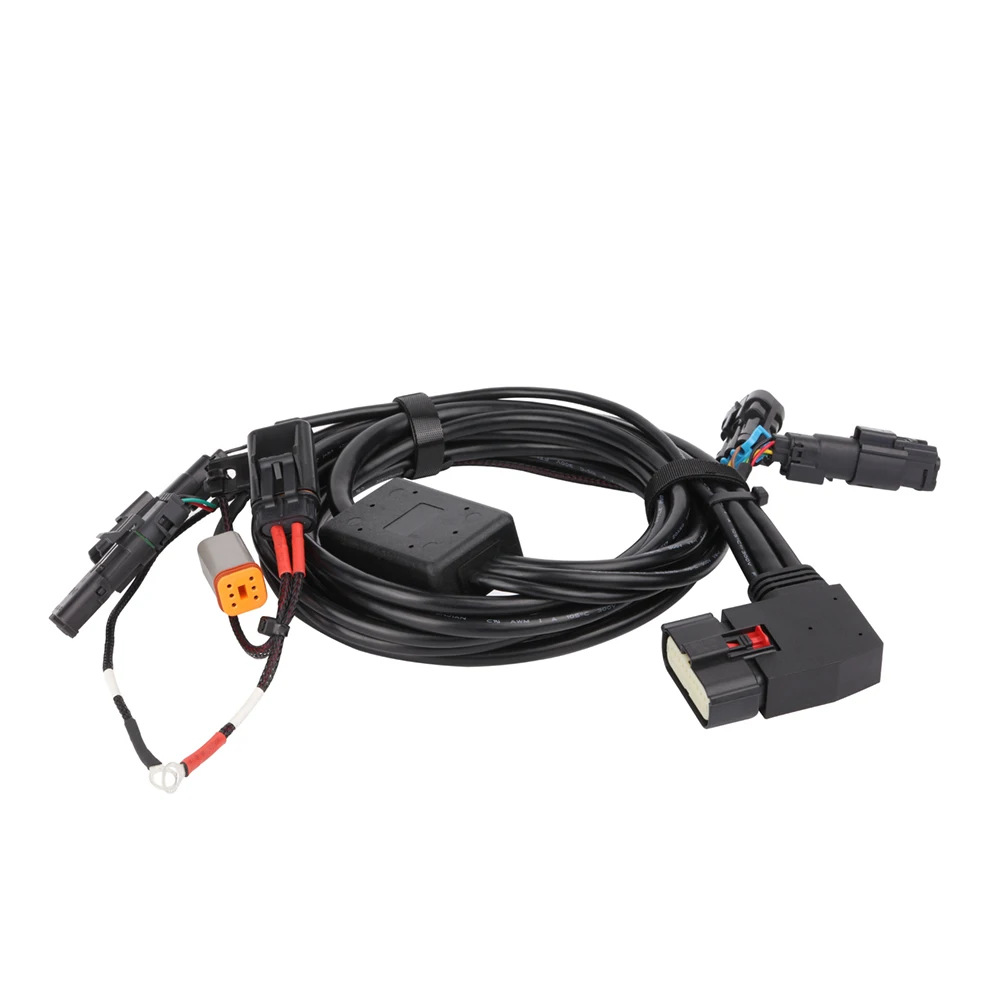
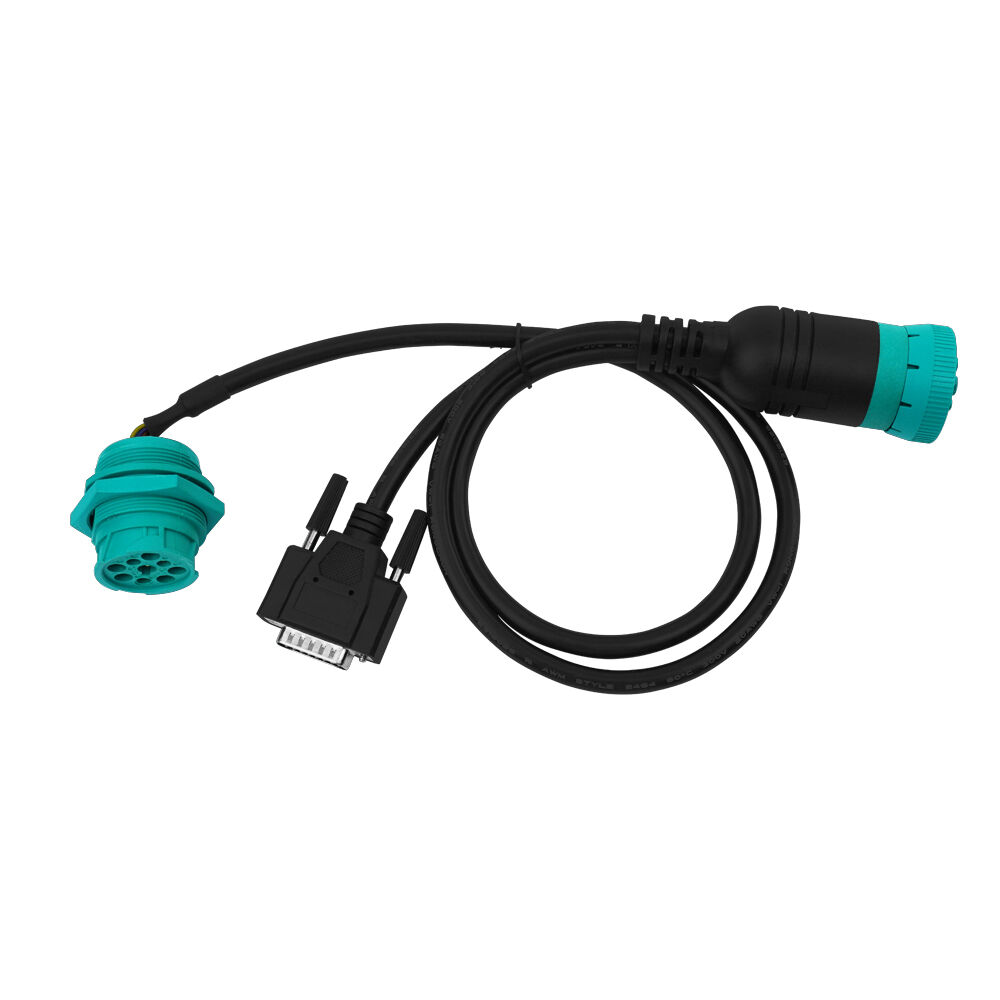
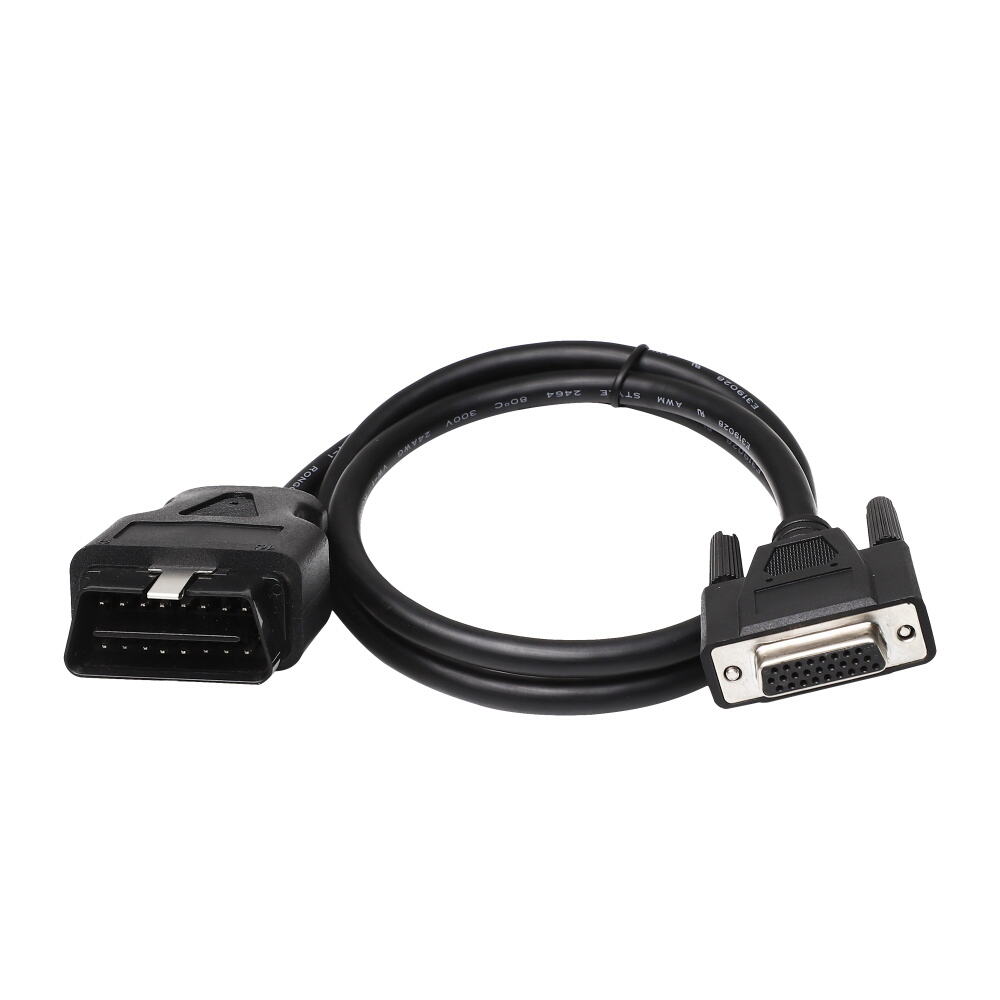
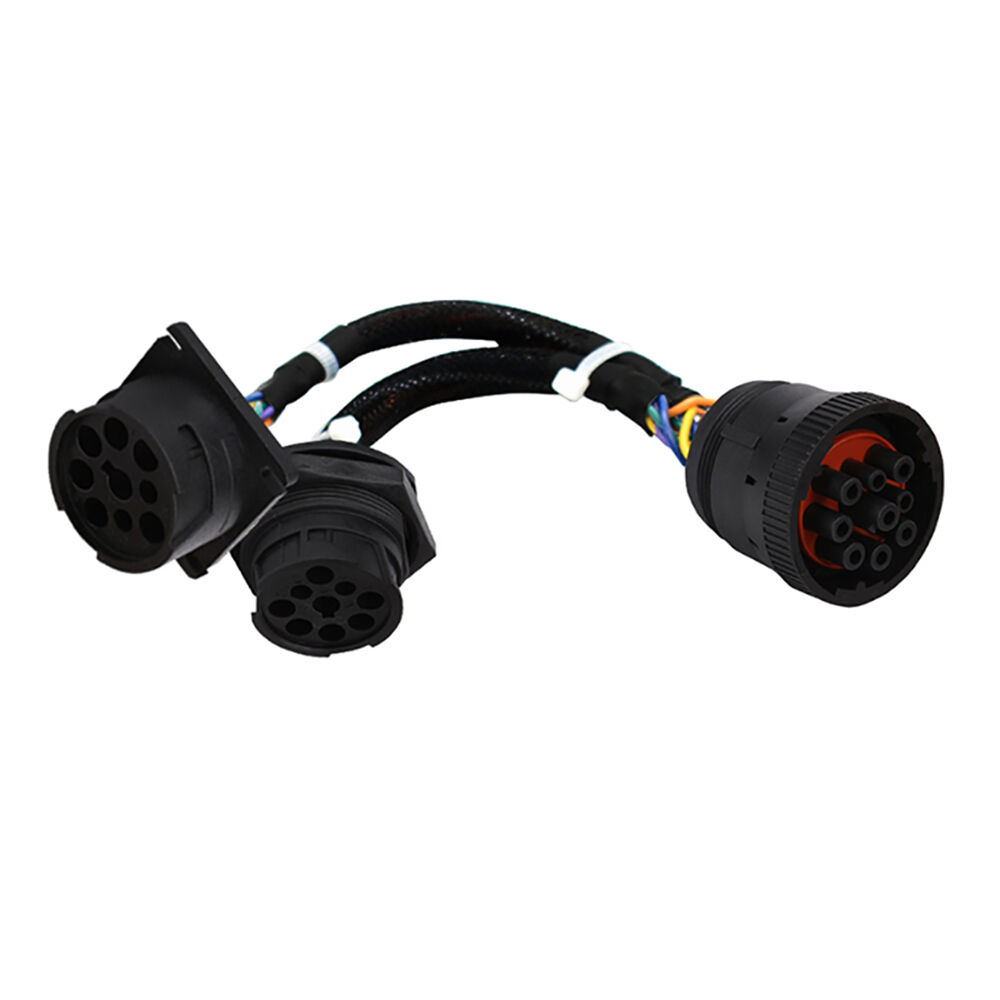
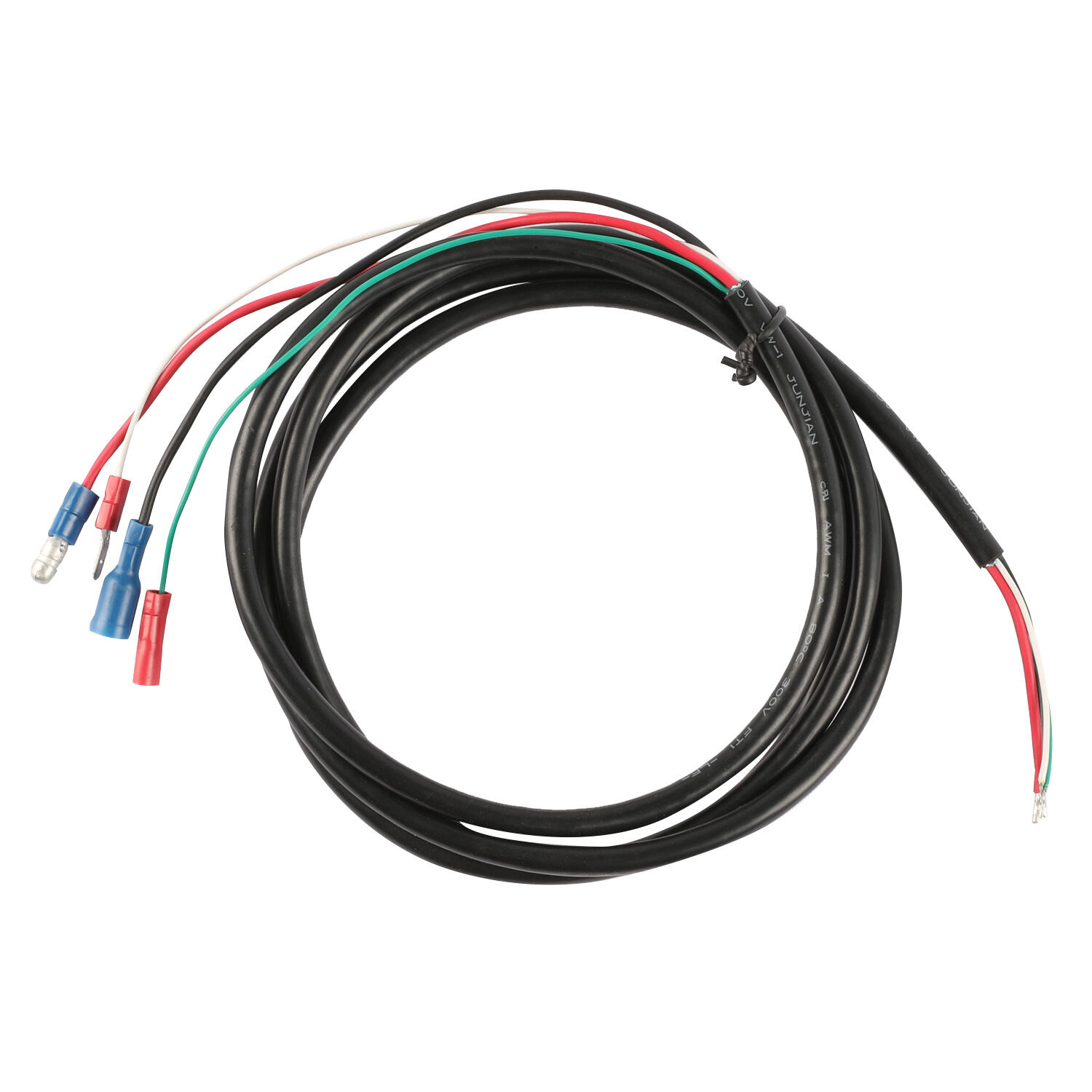
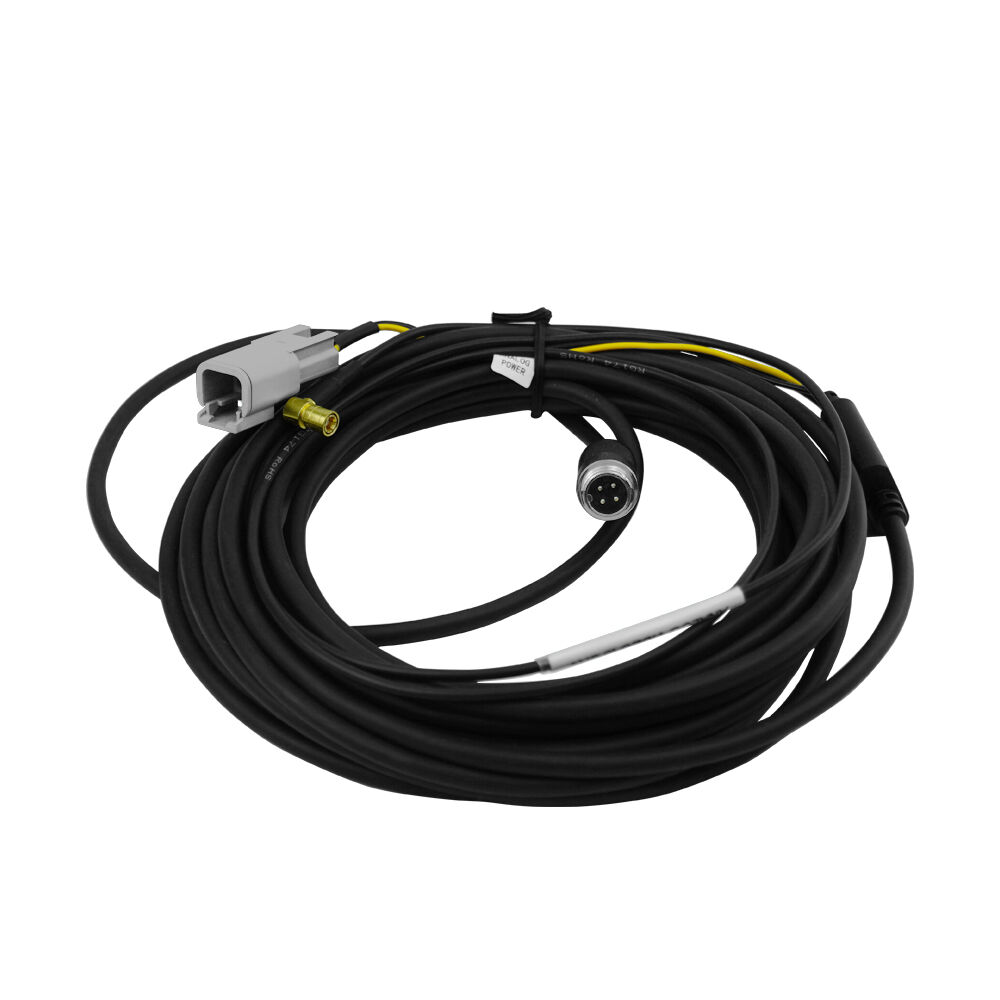
Car Engine Harness - Premium Automotive Wiring Solutions for Reliable Engine Performance

All Categories

Get a Free Quote

Our representative will contact you soon.
Email
Name
Company Name
Message
0/1000

car engine harness

The car engine harness represents a critical component in modern automotive electrical systems, serving as the neural network that connects various engine components and ensures seamless communication throughout the vehicle. This sophisticated assembly of wires, connectors, terminals, and protective materials forms an intricate pathway for electrical signals and power distribution within the engine compartment. The car engine harness manages everything from fuel injection systems and ignition timing to sensor data transmission and actuator control, making it indispensable for optimal engine performance. Constructed with precision engineering, each car engine harness undergoes rigorous testing to withstand extreme temperatures, vibrations, chemical exposure, and environmental stresses that are characteristic of engine bay conditions. The main functions of a car engine harness include power delivery to essential components such as spark plugs, fuel pumps, and starter motors, while simultaneously facilitating data exchange between the engine control unit and numerous sensors that monitor parameters like temperature, pressure, and oxygen levels. Technological features incorporated into modern car engine harness designs include advanced insulation materials that resist heat up to 200 degrees Celsius, electromagnetic interference shielding to prevent signal degradation, and modular connector systems that simplify installation and maintenance procedures. The applications of car engine harness systems span across all vehicle categories, from compact passenger cars to heavy-duty commercial trucks, with each application requiring customized configurations to meet specific engine layouts and performance requirements. Manufacturers employ computer-aided design software and automated production techniques to ensure that every car engine harness meets exacting specifications for wire gauge, routing pathways, and connection integrity, resulting in products that deliver reliable performance throughout the vehicle's operational lifespan while supporting increasingly complex electronic systems demanded by modern emission standards and performance expectations.

New Product Releases

The car engine harness delivers substantial benefits that directly impact vehicle reliability, maintenance costs, and overall driving experience for customers seeking dependable automotive solutions. One primary advantage centers on enhanced safety through organized electrical routing that prevents short circuits, reduces fire hazards, and maintains consistent power delivery even under demanding operating conditions. When you choose a quality car engine harness, you invest in peace of mind knowing that every wire bundle has been strategically positioned away from hot surfaces and moving parts, while protective coverings shield against abrasion and chemical contamination. The streamlined design of a properly engineered car engine harness simplifies troubleshooting procedures, allowing mechanics to quickly identify and resolve electrical issues without spending hours tracing individual wires through tangled cable networks. This translates to reduced labor costs during repairs and shorter vehicle downtime, keeping your car on the road rather than in the shop. Another significant advantage involves improved fuel efficiency and engine performance, as a well-designed car engine harness ensures that sensors receive clean signals and actuators respond precisely to control unit commands, optimizing combustion timing and fuel mixture ratios. Customers also benefit from the durability that modern car engine harness construction provides, with materials specifically selected to resist degradation from oil, coolant, and other automotive fluids commonly encountered in engine environments. The standardized connector systems used in contemporary car engine harness assemblies facilitate easier upgrades and modifications, whether you want to install aftermarket performance components or replace damaged sections without rewiring the entire system. Weight reduction represents another practical benefit, as manufacturers now utilize lightweight materials that decrease overall vehicle mass without compromising electrical capacity or structural integrity. This weight savings contributes to better fuel economy and improved handling characteristics. Furthermore, the car engine harness supports advanced diagnostic capabilities, enabling onboard computers to monitor system health continuously and alert drivers to potential issues before they become serious problems. The electromagnetic shielding integrated into premium car engine harness products prevents interference with sensitive electronic systems like entertainment units and navigation equipment, ensuring all vehicle functions operate harmoniously. Finally, customers appreciate that investing in a reliable car engine harness means fewer unexpected breakdowns, more consistent vehicle performance across varying weather conditions, and retained resale value through maintained electrical system integrity that prospective buyers recognize as a quality indicator.

Practical Tips

How Can a Properly Designed Wiring Harness Enhance Safety and Organization in Complex Equipment?

20

Jan

How Can a Properly Designed Wiring Harness Enhance Safety and Organization in Complex Equipment?

Modern industrial and automotive applications demand sophisticated electrical systems that can handle complex power distribution while maintaining safety and reliability. A custom wiring harness serves as the backbone of these systems, providing orga...
View More
What are the key application scenarios and advantages of J1939 connection cables in industrial automation?

10

Feb

What are the key application scenarios and advantages of J1939 connection cables in industrial automation?

Industrial automation has revolutionized manufacturing and heavy machinery operations, with standardized communication protocols playing a crucial role in ensuring seamless data exchange between electronic control units. Among these protocols, J1939 ...
View More
How to choose the right J1939 connection cable based on vehicle model and communication protocol?

10

Feb

How to choose the right J1939 connection cable based on vehicle model and communication protocol?

Selecting the appropriate J1939 connection cable is crucial for establishing reliable communication between electronic control units in commercial vehicles and heavy-duty equipment. The SAE J1939 standard defines the communication protocol used acros...
View More
What advantages do OEM-grade Tesla wiring harnesses provide over generic alternatives?

17

Apr

What advantages do OEM-grade Tesla wiring harnesses provide over generic alternatives?

When considering electrical components for Tesla vehicles, the choice between OEM-grade Tesla wiring harnesses and generic alternatives represents a critical decision that impacts performance, reliability, and long-term vehicle integrity. Tesla wirin...
View More

Get a Free Quote

Our representative will contact you soon.
Email
Name
Company Name
Message
0/1000

car engine harness

Superior Thermal Management and Environmental Resistance

Superior Thermal Management and Environmental Resistance

The car engine harness excels in thermal management capabilities that prove essential for maintaining electrical system integrity within the challenging environment of modern engine compartments where temperatures routinely exceed 150 degrees Celsius during normal operation. This exceptional thermal resistance stems from carefully selected insulation materials such as cross-linked polyethylene, silicone rubber compounds, and fluoropolymer coverings that maintain their physical properties and dielectric strength even when exposed to sustained high temperatures that would cause conventional wiring materials to become brittle, crack, or melt. The car engine harness incorporates multiple layers of protection, beginning with individual wire insulation rated for specific temperature ranges, followed by additional sleeving or braiding that provides mechanical protection while allowing heat dissipation, and finally strategic routing that maximizes distance from extreme heat sources like exhaust manifolds and turbochargers. Beyond thermal considerations, the car engine harness demonstrates remarkable resistance to the aggressive chemical environment found in engine bays, where exposure to motor oil, transmission fluid, brake fluid, coolant mixtures, and various cleaning solvents occurs regularly. The specialized materials used in car engine harness construction resist swelling, softening, and deterioration when contacted by these substances, maintaining connection integrity and preventing electrical leakage that could lead to system failures. Environmental sealing represents another critical aspect, with connectors featuring multiple sealing mechanisms including rubber gaskets, positive locking mechanisms, and sometimes even secondary seals that create moisture barriers preventing water ingress during vehicle washing, rain exposure, or when driving through standing water. This comprehensive environmental protection extends the operational lifespan of the car engine harness significantly, often allowing it to function reliably for the entire vehicle lifetime without requiring replacement. The ultraviolet resistance built into external coverings prevents degradation from sunlight exposure in areas where the car engine harness may be partially visible or in vehicles with engine compartments that receive direct sunlight. Vibration resistance forms another dimension of durability, with wire stranding patterns and support structures designed to withstand the constant movement and oscillation generated by engine operation without developing fatigue fractures in conductors or loosening terminal connections that could create intermittent faults.

Precision Engineering for Optimal Signal Integrity

Precision Engineering for Optimal Signal Integrity

The car engine harness achieves exceptional signal integrity through meticulous engineering that addresses electromagnetic compatibility, proper wire gauge selection, and strategic shielding implementation, ensuring that sensitive sensor signals reach the engine control unit without distortion or interference that could compromise engine management functions. Modern engines rely on precise data from dozens of sensors measuring parameters like crankshaft position, camshaft timing, oxygen content in exhaust gases, intake air temperature, and throttle position, with each sensor generating low-voltage signals that must travel through the car engine harness to the processing unit without picking up electrical noise from high-current components like starter motors, alternators, and ignition coils operating in close proximity. The solution implemented in advanced car engine harness designs involves twisted pair configurations for critical signal wires, where two conductors carrying complementary signals are wound together, causing any electromagnetic interference to affect both wires equally and therefore cancel out when the differential signal is processed. Additionally, the car engine harness employs dedicated shielding, typically aluminum-polyester tape or tinned copper braid, wrapped around sensitive signal circuits and connected to vehicle ground, creating a Faraday cage effect that intercepts external electromagnetic fields before they can induce currents in the protected conductors. Wire gauge selection in the car engine harness follows precise calculations balancing current carrying capacity, voltage drop limitations, weight considerations, and flexibility requirements, with power distribution circuits using heavier gauges to minimize resistive losses while signal wires utilize lighter gauges adequate for their minimal current demands. The terminal connection technology incorporated into the car engine harness ensures reliable electrical contact through precisely controlled crimping processes that create gas-tight bonds between wire strands and terminal barrels, preventing oxidation and maintaining low contact resistance throughout the product lifecycle. Gold plating or tin plating on terminal contact surfaces further enhances connection reliability by resisting corrosion in humid environments. The car engine harness layout follows carefully planned routing paths that separate high-current and low-current circuits, positioning sensitive signal wires away from potential interference sources while maintaining proper bend radii that prevent conductor damage and ensuring adequate service loops that accommodate engine movement on its mounts without creating tension on connections.
Modular Design for Simplified Installation and Maintenance

Modular Design for Simplified Installation and Maintenance

The car engine harness incorporates modular design principles that revolutionize installation procedures, streamline maintenance operations, and facilitate future upgrades, delivering tangible time savings and cost reductions for both vehicle manufacturers during assembly and service technicians performing repairs throughout the vehicle lifecycle. This modular approach divides the complete electrical system into logical subsections, with the car engine harness representing the engine compartment module that interfaces with other vehicle harness sections through standardized multi-pin connectors positioned at strategic boundary points, allowing technicians to disconnect the entire engine electrical system by releasing just a few connection points rather than individually removing dozens of separate wire terminals. The car engine harness features color-coded wire identification throughout its length, with consistent color schemes that correspond to circuit functions, making it simple to trace specific circuits during diagnostic procedures without constantly referring to wiring diagrams. Connector keying systems prevent incorrect mating, with each connector housing featuring unique shapes, tab positions, or locking mechanisms that physically prevent insertion into wrong receptacles, eliminating the possibility of reversed connections that could damage sensitive electronic components. The car engine harness includes integrated branch points where sub-harnesses diverge to reach different engine areas, with these junctions typically protected by additional covering and sometimes incorporating junction blocks that provide test points for voltage measurements and circuit verification without piercing wire insulation. Quick-disconnect features on the car engine harness allow rapid removal of specific components like fuel injectors, ignition coils, or sensors without disturbing other connections, reducing the time required for component replacement and minimizing the risk of inadvertently damaging adjacent circuits during service work. The standardized lengths and pre-formed bends in the car engine harness eliminate guesswork during installation, as each segment is precisely sized to reach its destination with appropriate slack for serviceability while avoiding excess wire that could interfere with moving components or trap heat in localized areas. Mounting provisions integrated into the car engine harness design include molded clips, tie-bar attachments, and bracket interfaces that align with corresponding features on the engine and vehicle structure, ensuring consistent routing that maintains separation from hot surfaces and sharp edges while providing secure support that prevents wire bundle movement during vehicle operation. Documentation accompanying each car engine harness typically includes detailed installation instructions, connector location diagrams, and circuit descriptions that empower even less experienced technicians to perform installations correctly, reducing training requirements and improving service quality across diverse repair facilities.

Get a Free Quote

Our representative will contact you soon.
Email
Name
Company Name
Message
0/1000

Get a Free Quote

Our representative will contact you soon.
Email
Name
Company Name
Message
0/1000

Get a Free Quote

Our representative will contact you soon.
Email
Name
Company Name
Message
0/1000

Get a Free Quote

Our representative will contact you soon.
Email
Name
Company Name
Message
0/1000