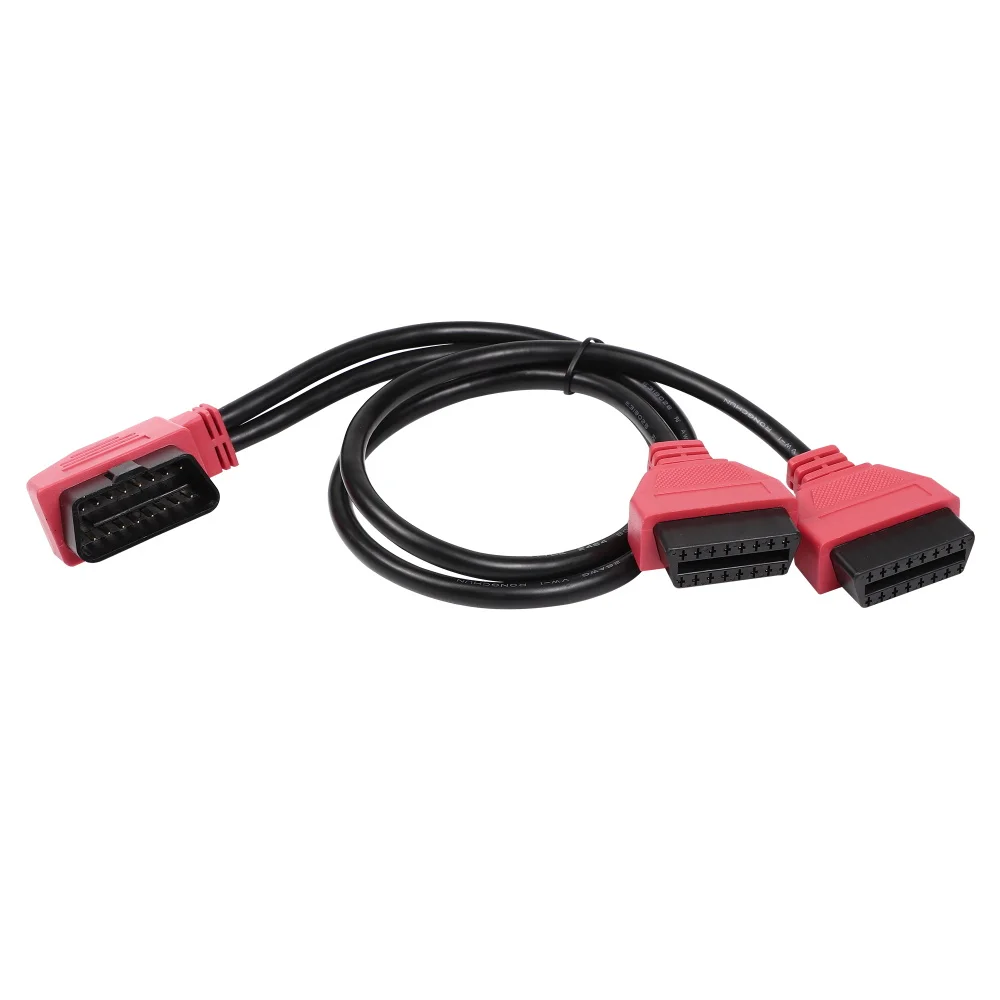
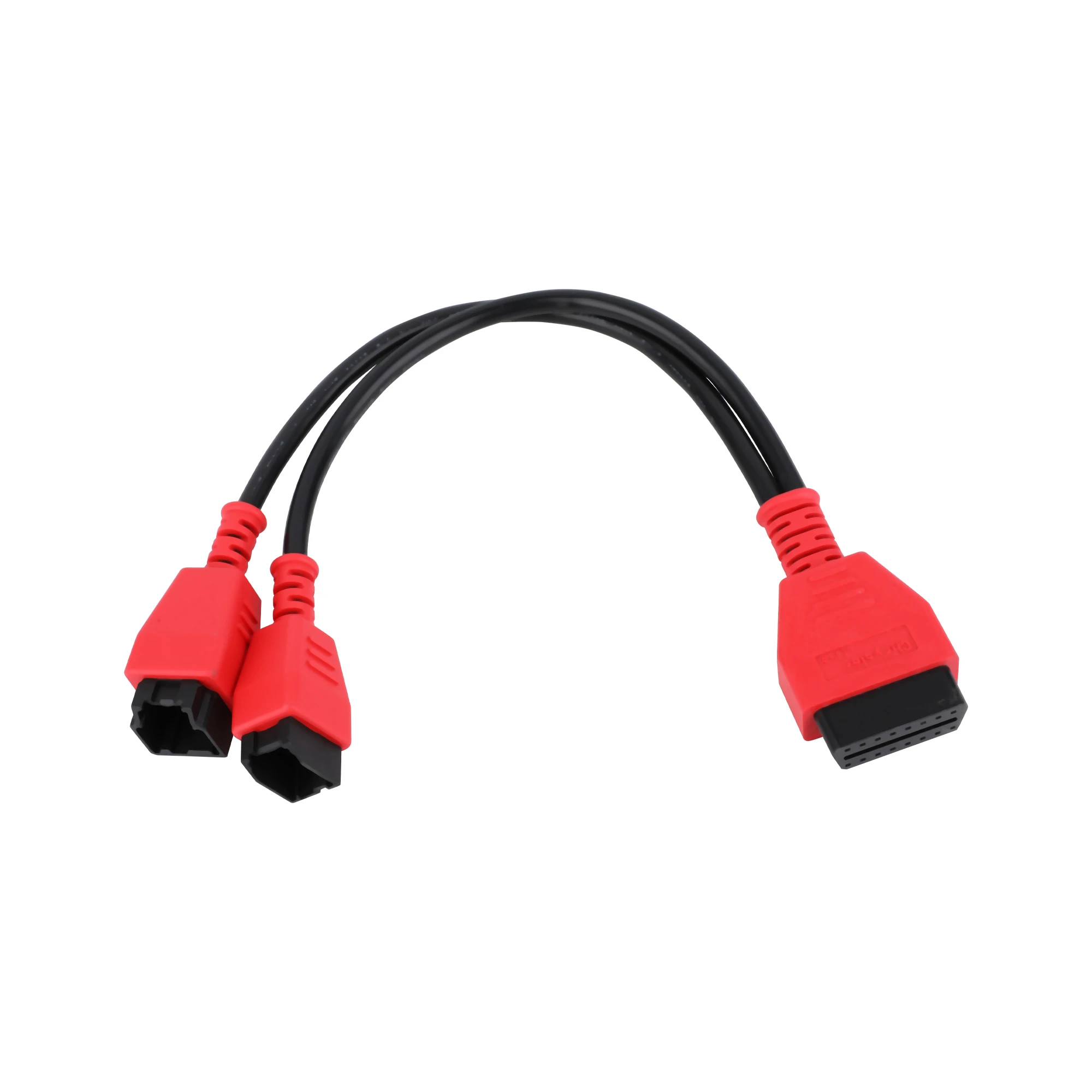
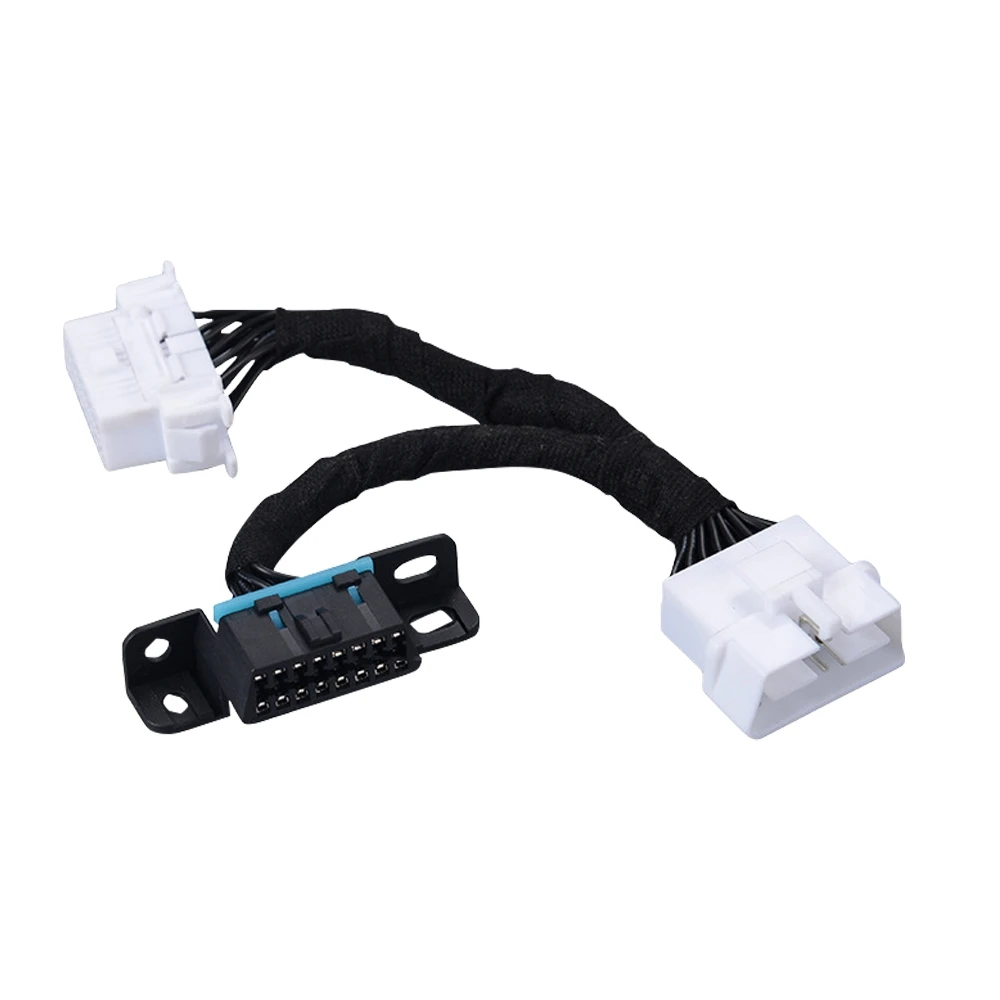
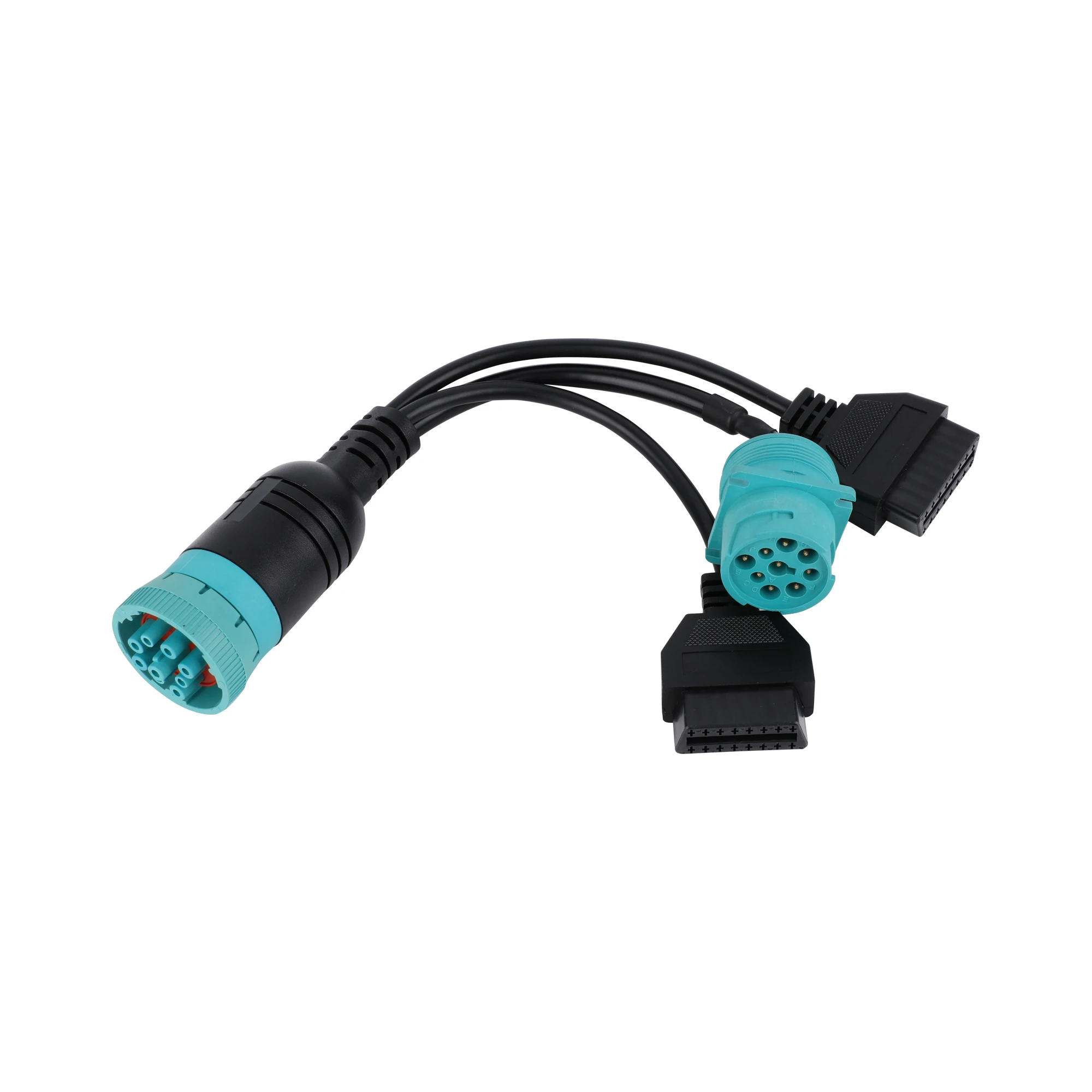
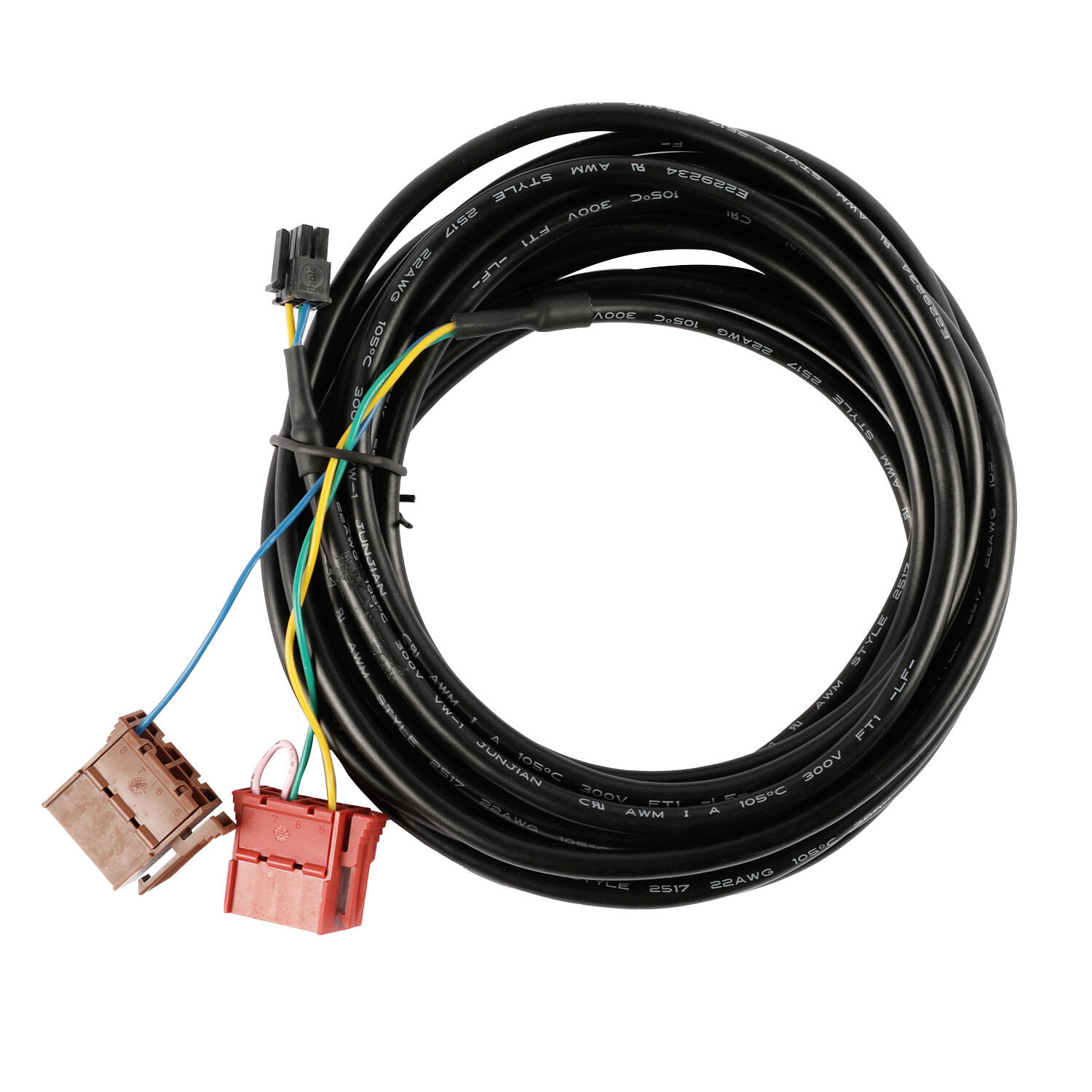
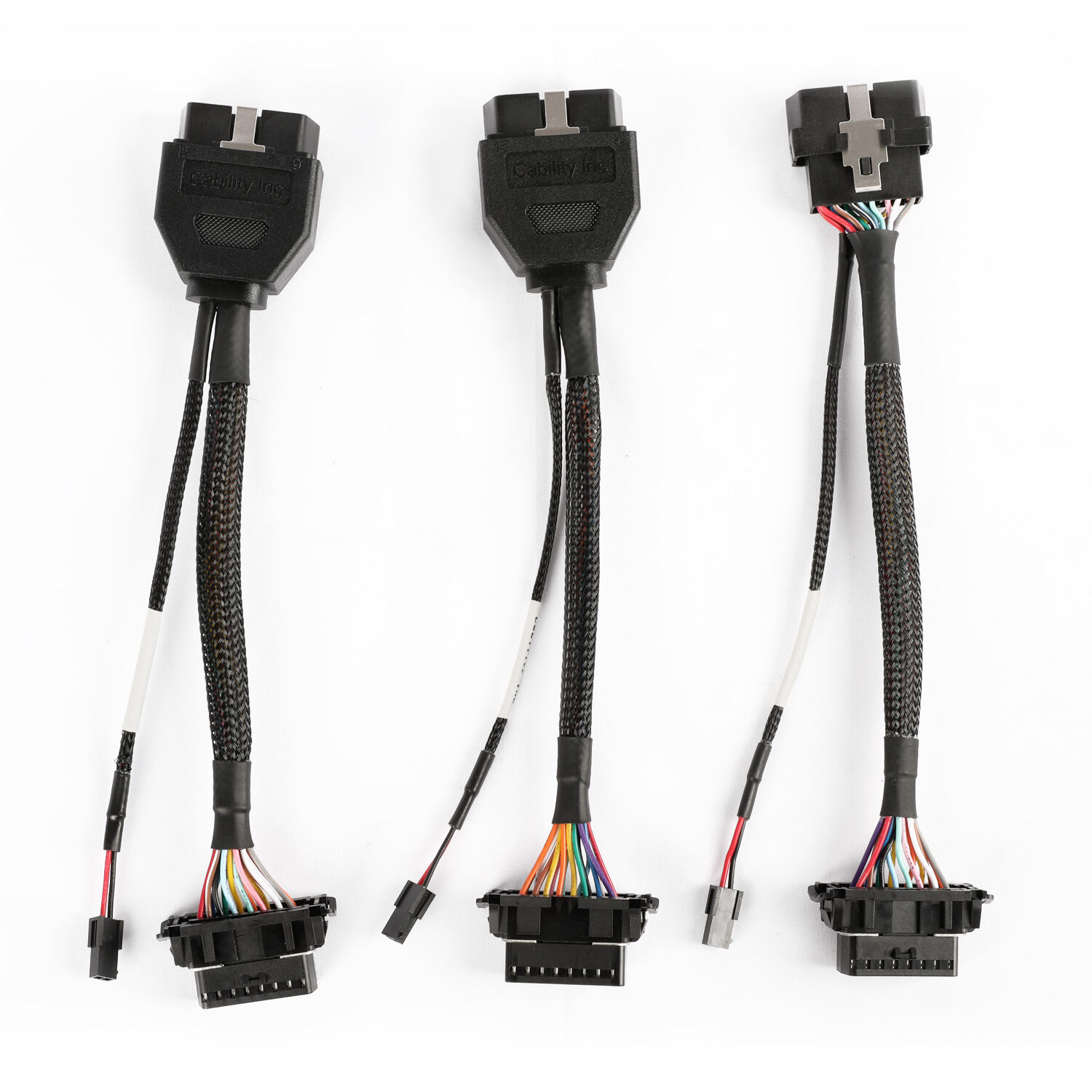
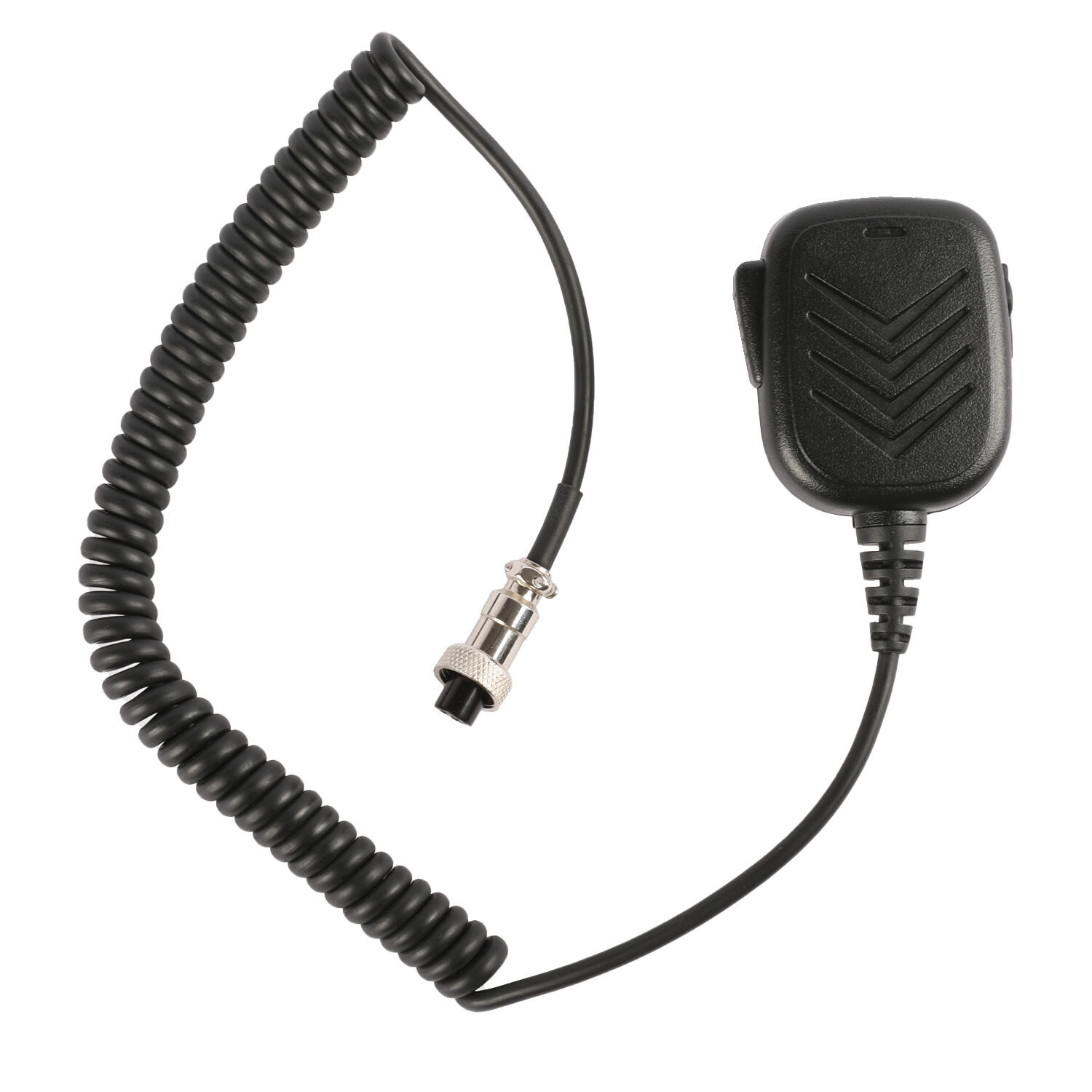
Automotive Wiring Parts: Premium Quality Electrical Harness Solutions for Vehicle Performance and Reliability

All Categories

Get a Free Quote

Our representative will contact you soon.
Email
Name
Company Name
Message
0/1000

automotive wiring parts

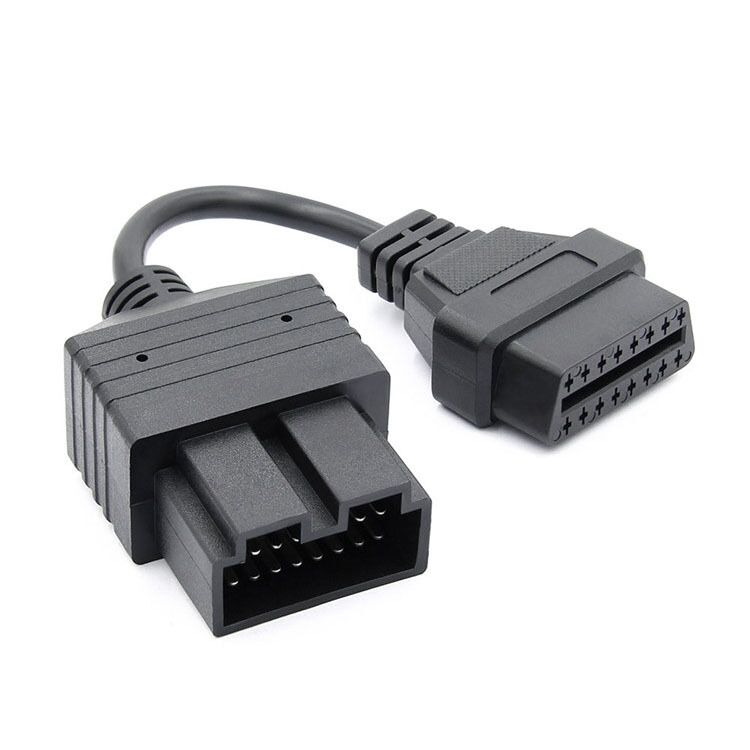
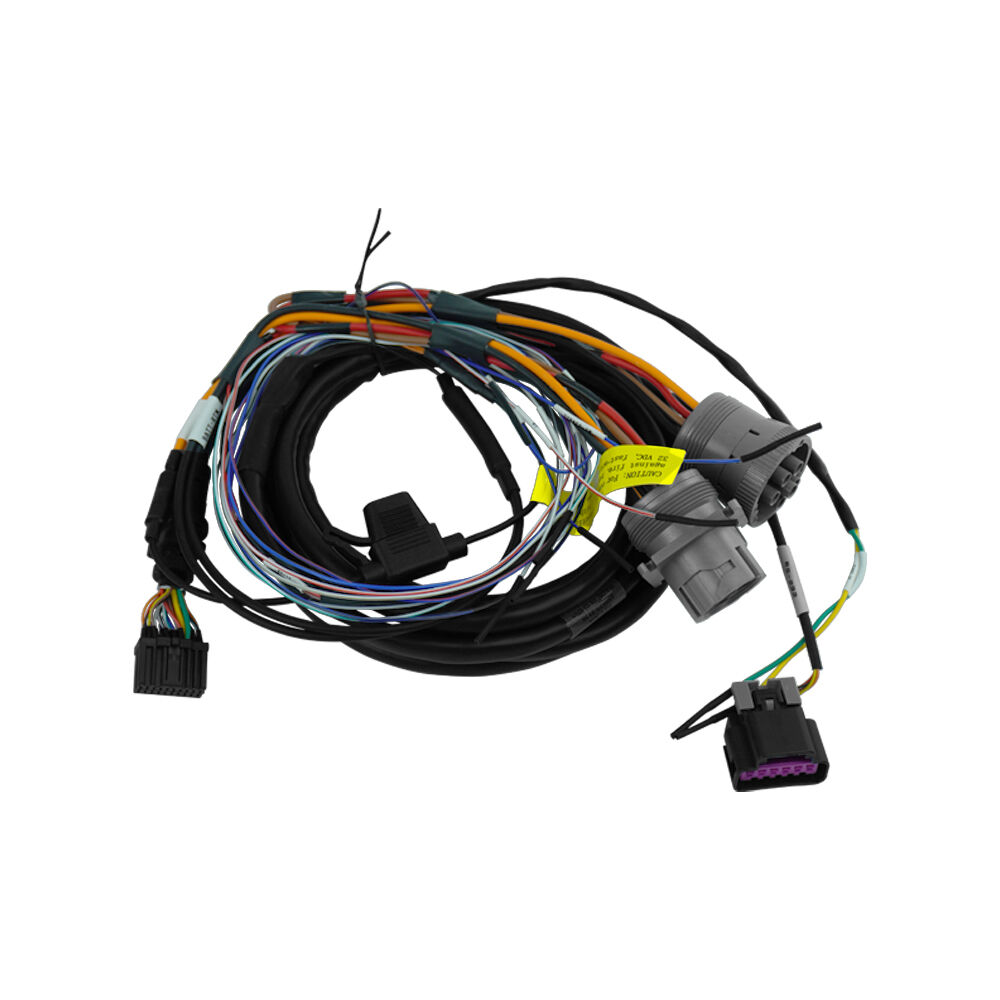
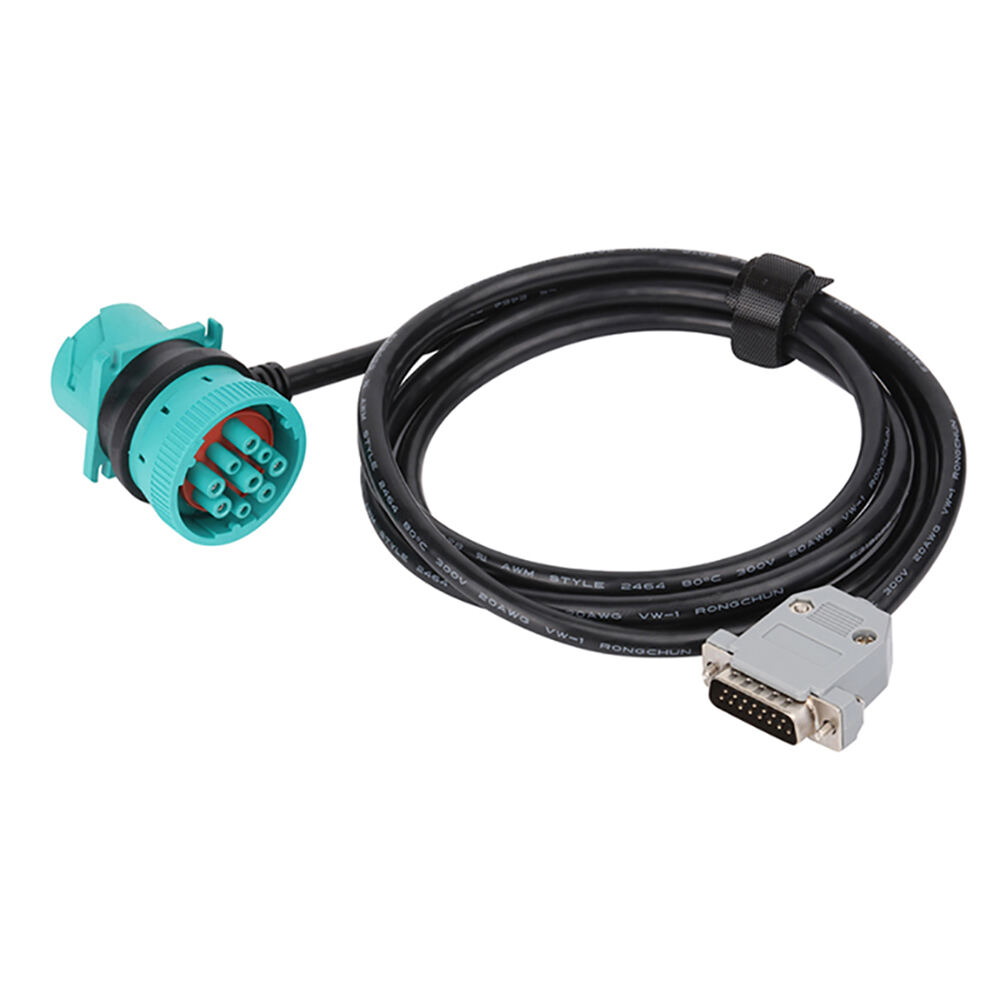
Automotive wiring parts represent the essential nervous system of modern vehicles, serving as the critical infrastructure that connects every electrical component and enables seamless communication throughout the entire automobile. These sophisticated assemblies comprise carefully engineered wire harnesses, connectors, terminals, protective conduits, and junction boxes that work in harmony to distribute electrical power and transmit data signals across various vehicle systems. The main functions of automotive wiring parts include delivering electrical current from the battery to power-consuming components, facilitating bidirectional communication between electronic control units, providing sensor data transmission for safety and performance monitoring, and ensuring proper grounding to prevent electrical malfunctions. Technological features embedded within contemporary automotive wiring parts showcase remarkable advances in material science and engineering design, incorporating flame-retardant insulation materials that withstand extreme temperatures ranging from minus forty to over one hundred fifty degrees Celsius, utilizing high-conductivity copper or aluminum conductors optimized for minimal voltage drop, employing weather-resistant sealing technologies that protect against moisture ingress and corrosion, and integrating lightweight construction methods that reduce overall vehicle mass without compromising electrical integrity. Applications for automotive wiring parts span the complete spectrum of vehicle functionality, powering essential systems such as engine management modules, transmission control units, anti-lock braking systems, airbag deployment circuits, climate control interfaces, infotainment platforms, lighting assemblies, power windows, door locks, and increasingly sophisticated driver assistance technologies. In electric and hybrid vehicles, automotive wiring parts assume even greater importance, managing high-voltage power distribution from battery packs to electric motors while simultaneously handling low-voltage circuits for conventional accessories. The strategic placement and routing of these wiring components require meticulous planning to avoid electromagnetic interference, minimize exposure to heat sources, prevent mechanical abrasion, and facilitate maintenance accessibility throughout the vehicle's operational lifespan.

New Product Releases

Choosing quality automotive wiring parts delivers numerous practical benefits that directly impact your vehicle's performance, safety, and long-term reliability. First and foremost, premium automotive wiring parts ensure consistent electrical connectivity, which means your vehicle's systems receive stable power supply without interruptions that could lead to unexpected failures or dangerous malfunctions while driving. This reliability translates into peace of mind knowing that critical safety systems like airbags, stability control, and braking assistance will function exactly when needed. Another significant advantage comes from the durability these components provide, as high-quality automotive wiring parts resist environmental challenges including extreme heat from engine compartments, freezing cold in winter climates, moisture from rain and humidity, road salt corrosion, and vibration from normal driving conditions. This resilience means fewer repairs over your vehicle's lifetime, reducing your maintenance costs and eliminating the inconvenience of unexpected breakdowns. The superior design of modern automotive wiring parts also contributes to improved fuel efficiency in traditional vehicles and extended range in electric models, achieved through reduced electrical resistance that minimizes energy waste as heat, allowing more power to reach its intended destination. Additionally, properly engineered automotive wiring parts prevent electromagnetic interference that can disrupt sensitive electronic systems, ensuring your navigation equipment provides accurate directions, your entertainment system delivers clear audio, and your communication devices maintain strong connections. Installation benefits should not be overlooked either, as well-designed automotive wiring parts feature color-coded conductors and standardized connectors that simplify repairs and modifications, saving labor time and reducing the potential for incorrect connections that could damage expensive control modules. For vehicle owners concerned about resale value, maintaining your automobile with quality automotive wiring parts preserves electrical system integrity, preventing the degraded performance and warning light issues that diminish buyer confidence. Furthermore, advanced automotive wiring parts incorporate safety features such as circuit protection against overload conditions, preventing electrical fires that could destroy your vehicle and endanger occupants. The lightweight construction of contemporary automotive wiring parts also contributes to better handling characteristics and improved acceleration response by reducing unnecessary weight throughout the chassis. Environmental considerations matter too, as premium automotive wiring parts utilize materials that comply with international regulations restricting hazardous substances, making eventual recycling safer and more environmentally responsible. Finally, compatibility with diagnostic equipment represents another practical advantage, since properly functioning automotive wiring parts enable technicians to quickly identify and resolve issues using computerized scanning tools, dramatically reducing troubleshooting time and associated labor charges.

Practical Tips

How does J1939 connection cable ensure efficient and stable data transmission in commercial vehicles?

10

Feb

How does J1939 connection cable ensure efficient and stable data transmission in commercial vehicles?

Commercial vehicles rely heavily on sophisticated diagnostic and communication systems to ensure optimal performance, safety, and regulatory compliance. At the heart of these systems lies the J1939 connection cable, a specialized diagnostic interface...
View More
What Connector Types Are Compatible with Standard J1939 Connection Cable Applications?

02

Apr

What Connector Types Are Compatible with Standard J1939 Connection Cable Applications?

Standard J1939 connection cable applications require specific connector types that ensure reliable communication between electronic control units in heavy-duty vehicles and industrial equipment. Understanding which connector configurations work with ...
View More
How Does the Quality of Your J1939 Connection Cable Impact CAN Bus Network Reliability?

02

Apr

How Does the Quality of Your J1939 Connection Cable Impact CAN Bus Network Reliability?

The reliability of your CAN bus network directly depends on the quality of every component in the system, with the J1939 connection cable serving as a critical link that can either ensure seamless data transmission or introduce costly failures. When ...
View More
How does the modular design of a Tesla wiring harness simplify diagnostic troubleshooting?

02

Apr

How does the modular design of a Tesla wiring harness simplify diagnostic troubleshooting?

The modular design of a Tesla wiring harness represents a revolutionary approach to automotive electrical systems that fundamentally transforms how technicians approach diagnostic troubleshooting. Unlike traditional monolithic wiring systems where in...
View More

Get a Free Quote

Our representative will contact you soon.
Email
Name
Company Name
Message
0/1000

automotive wiring parts

Advanced Material Engineering for Extreme Durability

Advanced Material Engineering for Extreme Durability

The sophisticated material composition of modern automotive wiring parts represents a triumph of engineering science designed specifically to withstand the punishing conditions inside vehicles operating across diverse climates and demanding applications. At the core of this durability advantage lies the careful selection of conductor materials, where high-purity copper provides exceptional electrical conductivity while maintaining flexibility through thousands of vibration cycles, or alternatively, specially alloyed aluminum offers weight savings for applications where mass reduction priorities justify slightly increased resistance. The insulation materials surrounding these conductors employ cross-linked polyethylene, thermoplastic elastomers, or silicone rubber compounds that maintain their protective properties across temperature extremes that would destroy ordinary plastics, ensuring automotive wiring parts continue functioning reliably whether your vehicle sits in desert heat exceeding fifty degrees Celsius or endures arctic conditions plunging below minus forty degrees. Beyond temperature resistance, these advanced insulation materials incorporate flame-retardant additives that self-extinguish if exposed to ignition sources, preventing electrical shorts from escalating into vehicle fires that could cause catastrophic damage. The protective conduits and loom coverings that organize and shield automotive wiring parts utilize abrasion-resistant braided sleeves, corrugated tubing with split designs for serviceability, and heat-shrink materials that conform tightly to irregular shapes, creating barriers against mechanical damage from sharp edges, rubbing contact with moving parts, and chemical attack from battery acid, coolant, or fuel spills. Connector housings within automotive wiring parts feature engineering-grade nylons and polyesters that resist degradation from ultraviolet light exposure, maintain dimensional stability despite humidity changes, and provide robust mechanical strength to prevent terminal dislodgement during connector mating and unmating cycles. Sealing technologies incorporated into premium automotive wiring parts employ multi-lip silicone gaskets and interference-fit boots that create moisture barriers protecting electrical connections from water ingress that causes corrosion and electrical tracking failures. Terminal contacts themselves utilize precious metal plating such as gold or tin over copper or brass substrates, providing corrosion resistance while ensuring low contact resistance that remains stable through hundreds of connection cycles. This comprehensive material engineering approach means automotive wiring parts deliver dependable performance throughout vehicles' extended service lives, typically exceeding fifteen years or two hundred thousand miles without requiring replacement, providing exceptional value through reduced maintenance needs and enhanced safety margins that protect both vehicle investment and occupant wellbeing.
Precision Manufacturing for Optimal Electrical Performance

Precision Manufacturing for Optimal Electrical Performance

The manufacturing processes behind quality automotive wiring parts employ precision techniques and rigorous quality control measures that guarantee optimal electrical performance essential for modern vehicle operation. Production begins with conductor preparation, where automated cutting equipment sections wire to exact lengths with tolerances measured in millimeters, ensuring proper fit within vehicle routing paths while minimizing excess material that adds unnecessary weight and cost. Stripping operations remove insulation from conductor ends with carefully controlled blade depth that exposes sufficient bare wire for reliable termination without nicking individual strands that would create weak points prone to fatigue failure. Crimping processes represent perhaps the most critical manufacturing step for automotive wiring parts, as hydraulic or pneumatic presses apply precisely calibrated force to deform terminal barrels around conductor strands, creating gas-tight mechanical bonds that conduct electricity more reliably than soldered connections while maintaining flexibility and vibration resistance. Quality manufacturers validate every crimp using pull-testing equipment that verifies mechanical strength exceeds specification requirements, along with microscopic cross-section analysis revealing proper metal flow and strand compression. Connector assembly for automotive wiring parts involves specialized insertion tooling that seats terminals into housing cavities with audible and tactile confirmation of proper locking, preventing the backing-out failures that cause intermittent electrical problems notoriously difficult to diagnose. Harness board assembly utilizes pegboard fixtures holding connectors in precise spatial relationships while technicians route individual circuits following color-coded engineering drawings, applying tape wrapping, loom installation, and protective sleeving at specified locations. Sophisticated automotive wiring parts destined for high-voltage electric vehicle applications undergo additional processing including high-potential dielectric testing that applies voltages exceeding normal operating levels to verify insulation integrity, ensuring no current leakage paths exist that could create shock hazards or power losses. Automated optical inspection systems scan completed automotive wiring parts comparing actual construction against digital models, identifying missing components, incorrect routing, or damaged insulation that human inspectors might overlook. Environmental testing subjects sample automotive wiring parts to accelerated aging protocols including thermal cycling between temperature extremes, salt spray exposure simulating years of corrosive road salt contact, mechanical flexing replicating vibration and movement, and humidity conditioning that reveals inadequate sealing. Electrical performance validation measures conductor resistance ensuring values fall within acceptable ranges, verifies proper circuit isolation between adjacent conductors, and confirms connector contact resistance remains low enough to prevent voltage drop that could affect sensitive electronic modules. This comprehensive precision manufacturing approach guarantees automotive wiring parts meet stringent automotive industry standards, providing the consistent quality and reliability that vehicle manufacturers demand and that end-users depend upon for safe, trouble-free transportation.
Intelligent Design for Simplified Installation and Maintenance

Intelligent Design for Simplified Installation and Maintenance

The thoughtful engineering behind contemporary automotive wiring parts incorporates intelligent design principles that dramatically simplify installation procedures during vehicle assembly and facilitate efficient maintenance throughout ownership, delivering tangible time savings and cost benefits. Color-coding systems represent one fundamental design feature where automotive wiring parts utilize standardized insulation colors corresponding to circuit functions, allowing technicians to quickly identify power supply conductors, ground returns, signal wires, and switched circuits without constantly referring to complex wiring diagrams. Connector keying provides another essential design element, with automotive wiring parts featuring asymmetric housing shapes, different sized pins, or mechanical guides that permit mating only in correct orientations, eliminating the possibility of reversed connections that could send power to inappropriate circuits and damage expensive control modules. Breakout identification enhances serviceability through molded tags or printed labels on automotive wiring parts indicating destination components, circuit numbers, or wire gauge specifications directly on the harness itself, keeping critical information accessible even when service manuals are unavailable. Modular architecture in advanced automotive wiring parts separates the complete vehicle electrical system into logical subsections such as engine compartment harnesses, instrument panel harnesses, door harnesses, and rear body harnesses, connected through central junction boxes with easily accessible multi-pin connectors that technicians can disconnect to remove and replace individual modules without disturbing unrelated circuits. Strategic routing built into automotive wiring parts follows vehicle body structures utilizing existing channels, clips, and mounting brackets that guide harnesses away from hot exhaust components, sharp metal edges, and moving suspension parts while maintaining adequate slack for service access and preventing tension that could pull connectors apart. Quick-disconnect features incorporated into modern automotive wiring parts include push-to-release connector latches replacing older designs requiring tools for separation, twist-lock mechanisms providing secure retention with simple manual operation, and hinged connector housings allowing terminal inspection without complete disassembly. Diagnostic integration represents another intelligent design aspect where automotive wiring parts include dedicated circuit paths connecting electronic control units to standardized diagnostic ports, enabling technicians to retrieve fault codes, monitor real-time sensor data, and perform active component testing through scan tool interfaces, dramatically reducing troubleshooting time compared to manual voltage tracing procedures. Accessibility considerations in premium automotive wiring parts position frequently serviced connectors such as those for fuel injectors, ignition coils, oxygen sensors, and lighting assemblies in locations reachable without removing major vehicle components, while less frequently accessed connections may occupy more compact positions. Strain relief features protect automotive wiring parts at vulnerable transition points where conductors exit connectors or pass through bulkheads, utilizing flexible boots or grommets that absorb movement and prevent sharp bending that causes conductor fracture from repeated flexing. Forward compatibility design allows newer automotive wiring parts to incorporate additional circuits for optional equipment or future technology upgrades, using connector housings with unused cavity positions that can accept supplementary terminals when enhanced features are installed, avoiding the expense and complexity of complete harness replacement for vehicle modifications or trim level changes.


Get a Free Quote

Our representative will contact you soon.
Email
Name
Company Name
Message
0/1000

Get a Free Quote

Our representative will contact you soon.
Email
Name
Company Name
Message
0/1000

Get a Free Quote

Our representative will contact you soon.
Email
Name
Company Name
Message
0/1000

Get a Free Quote

Our representative will contact you soon.
Email
Name
Company Name
Message
0/1000