automotive wiring harness components
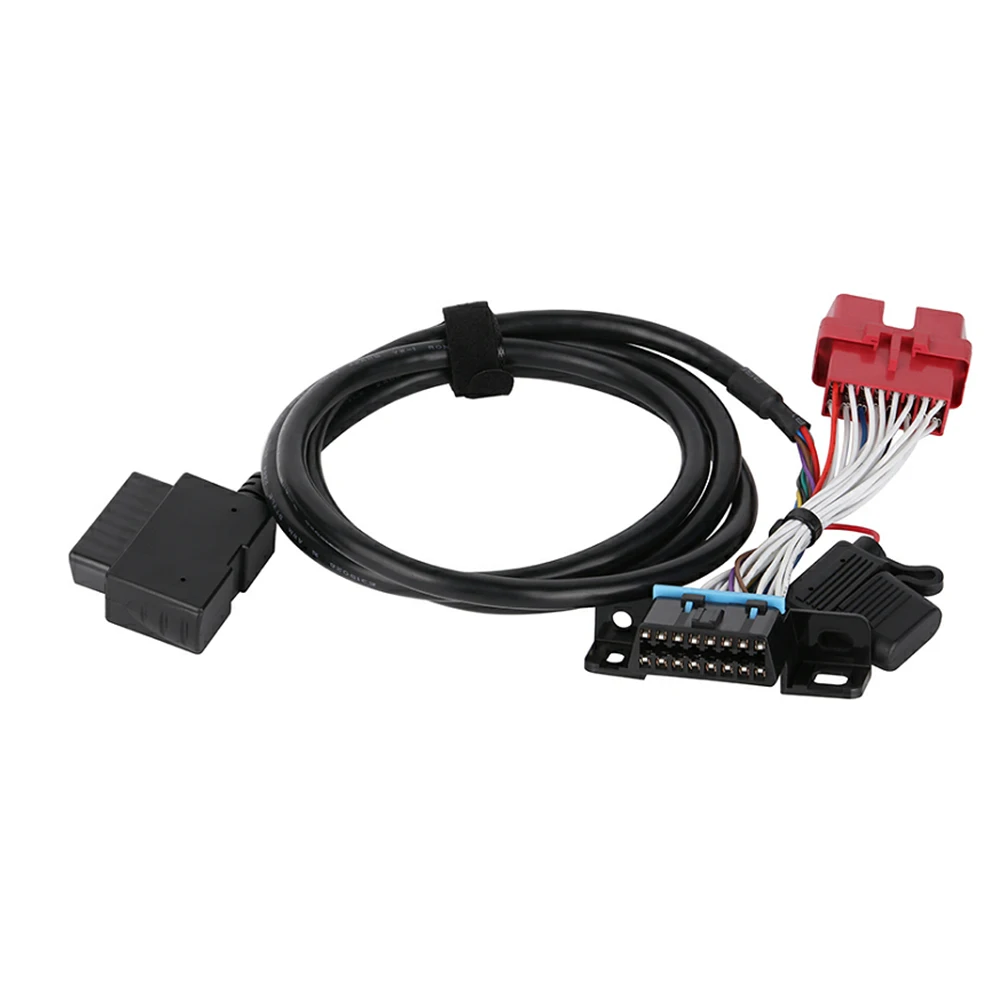
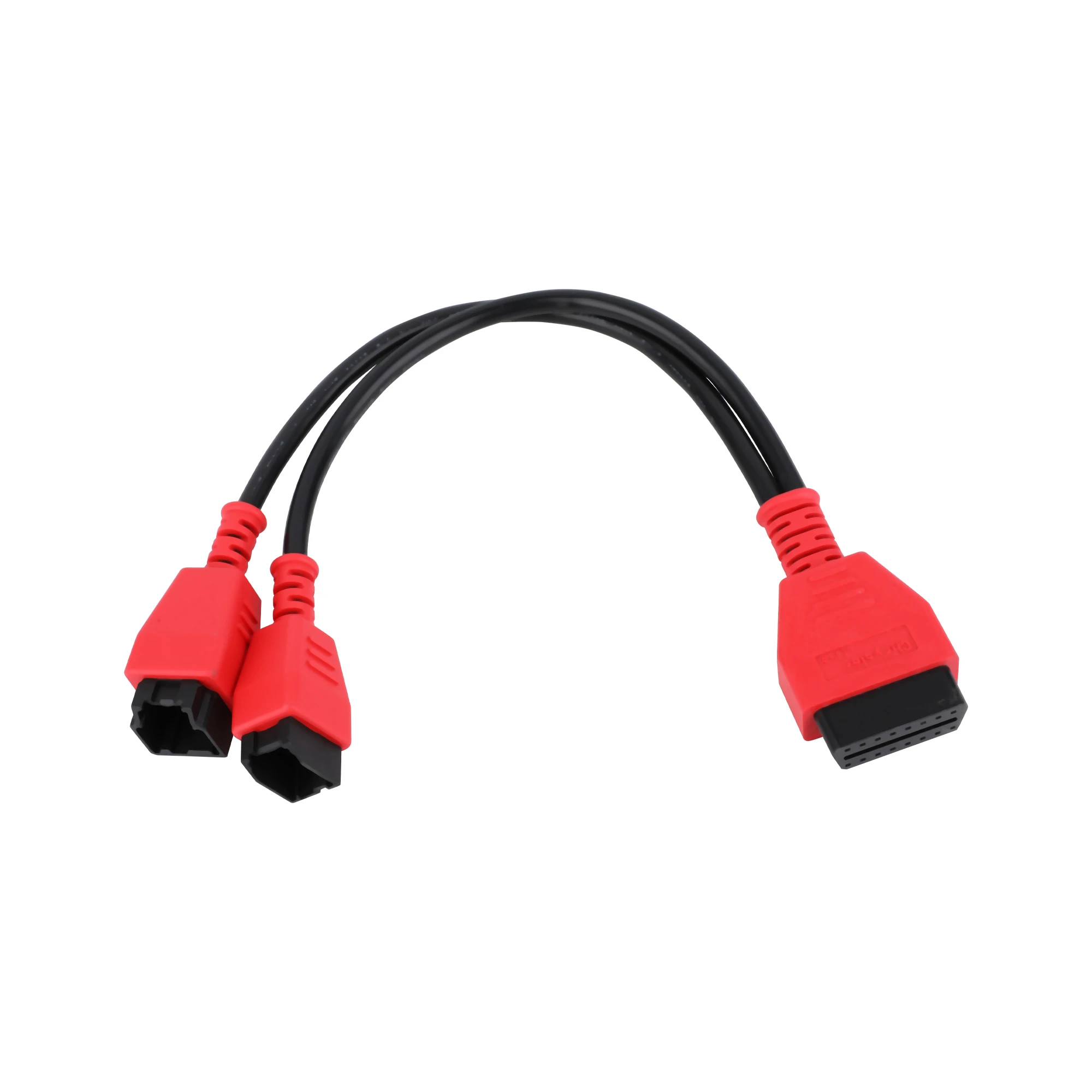
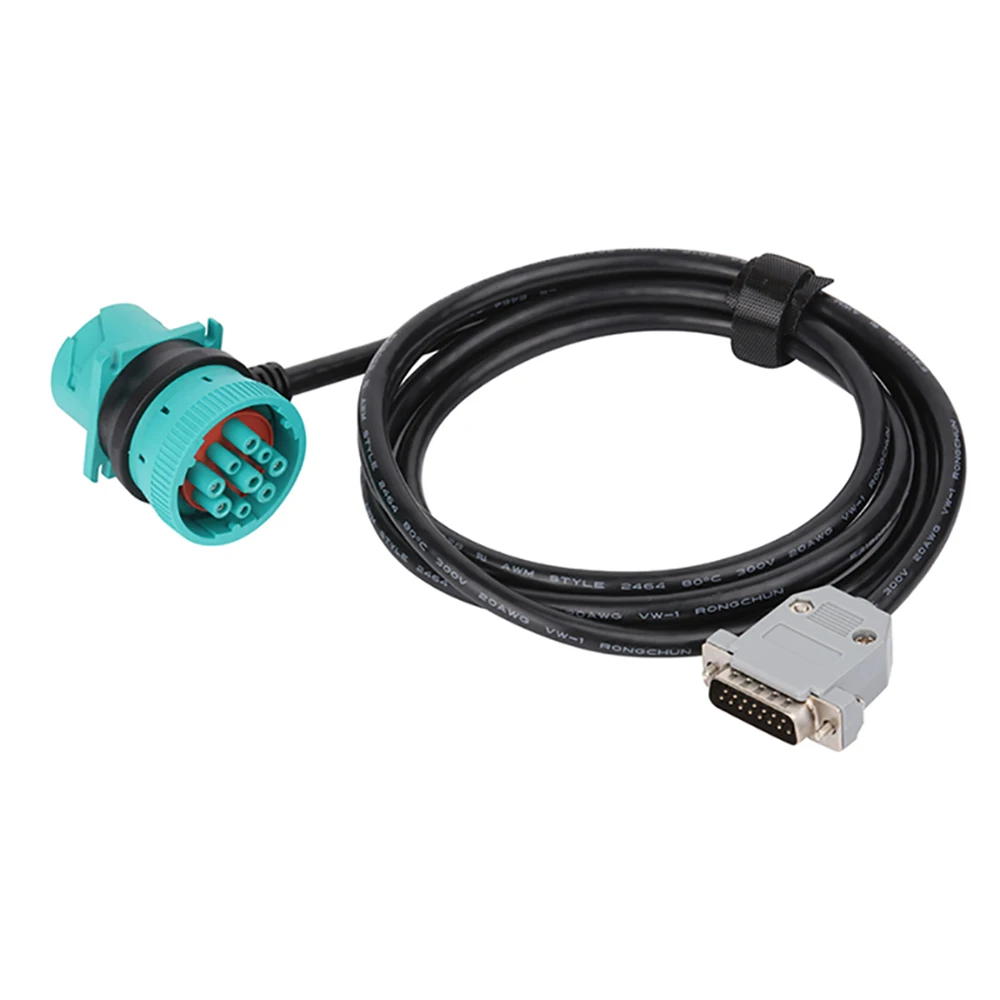
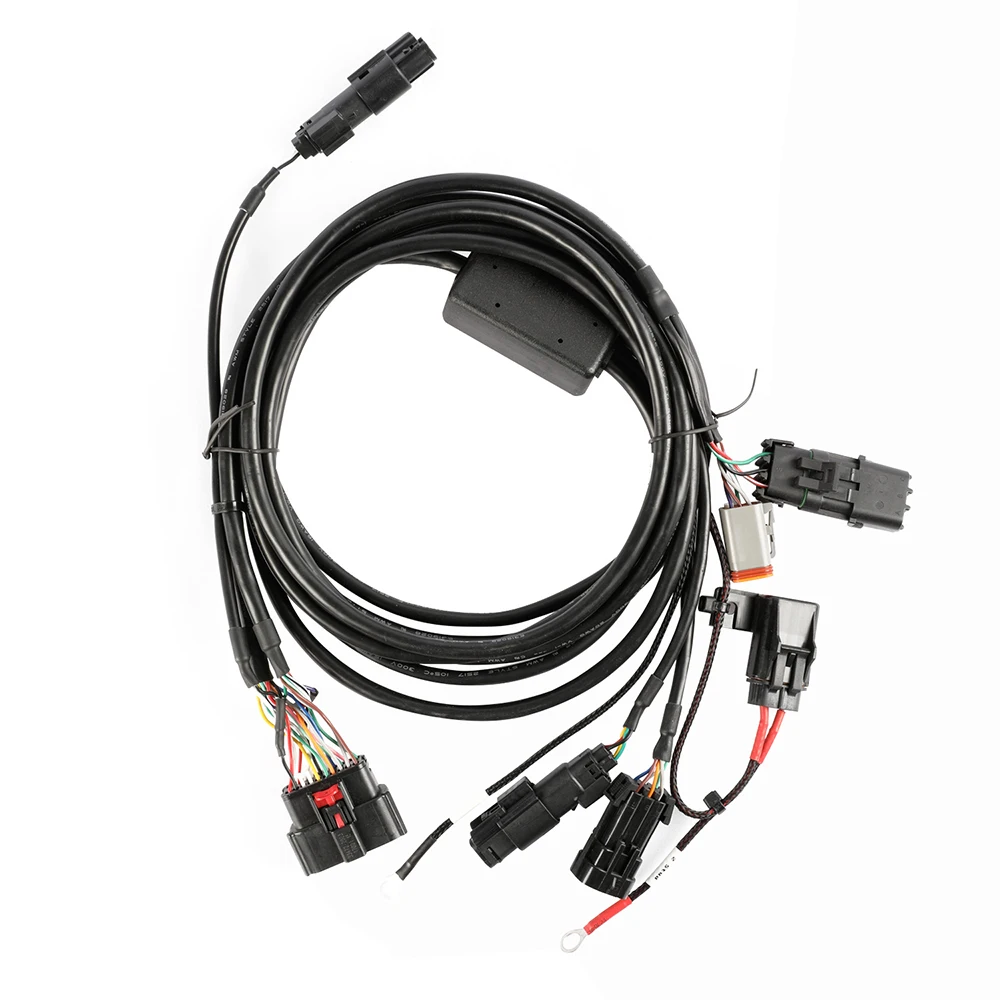
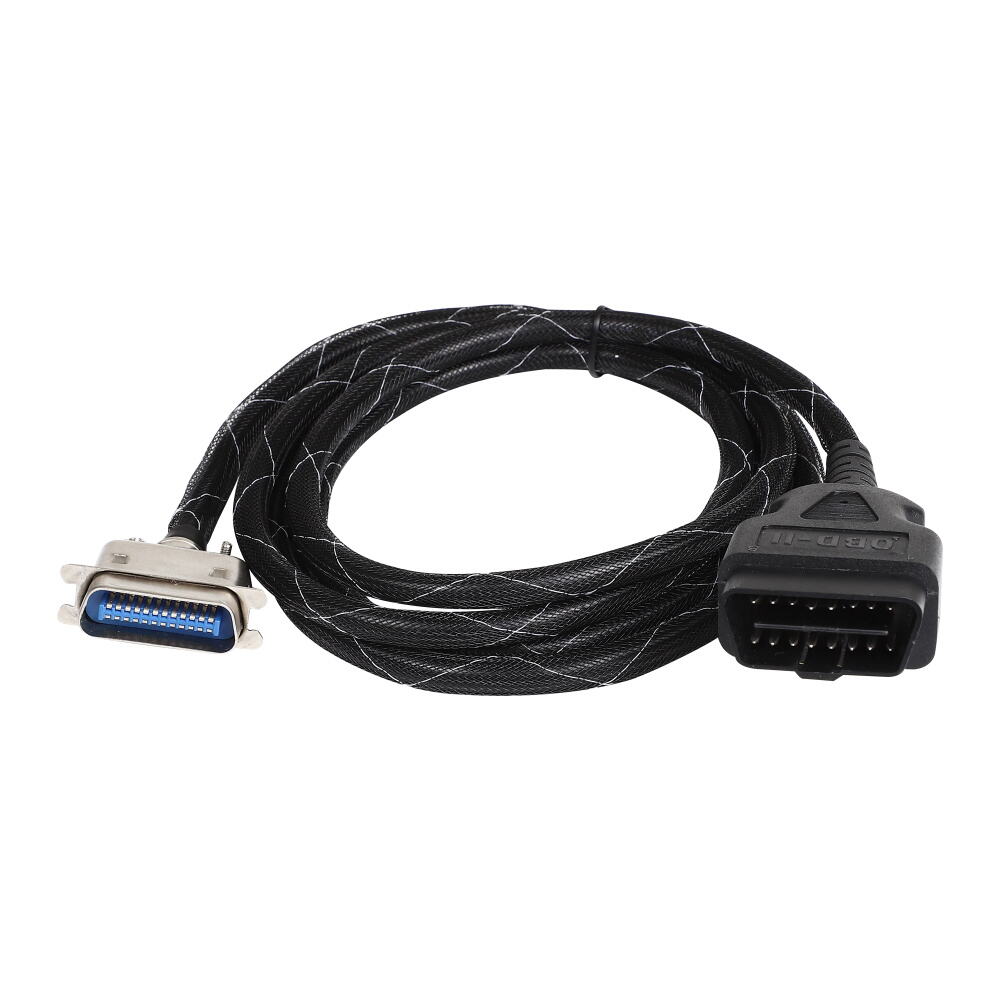
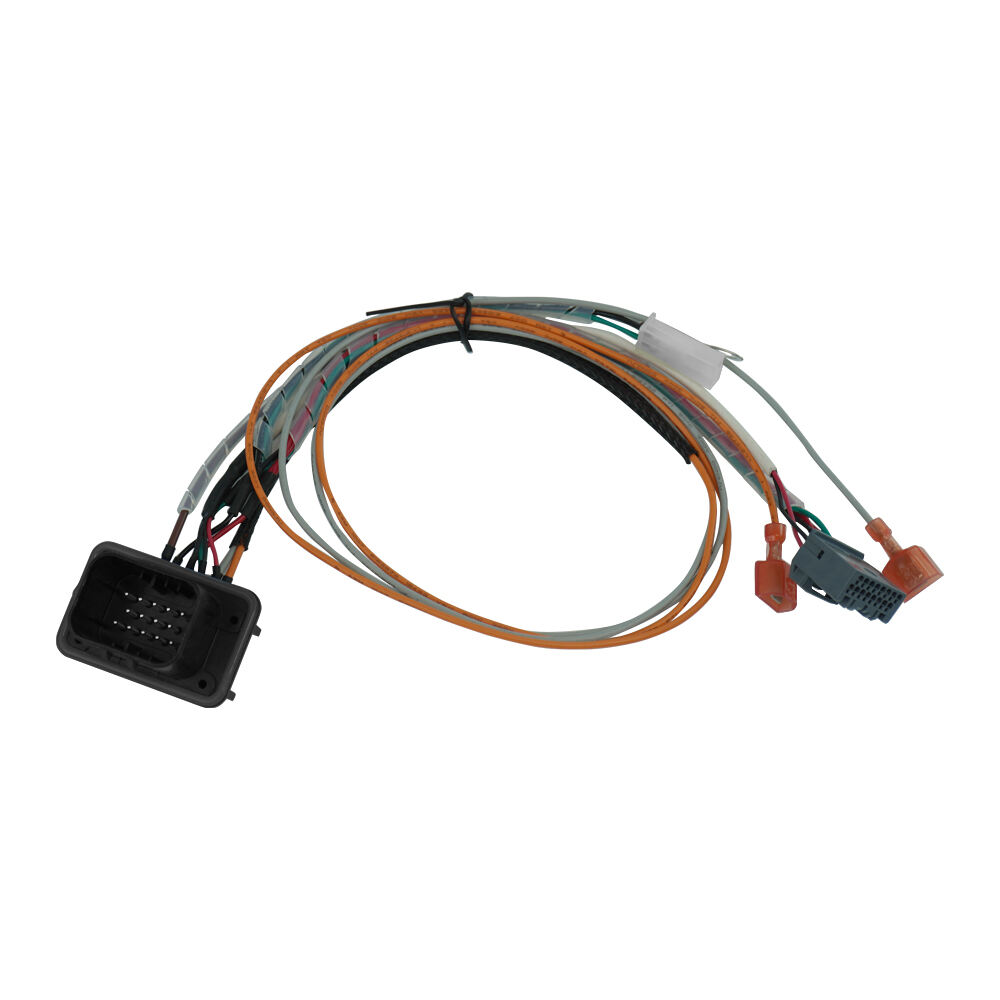
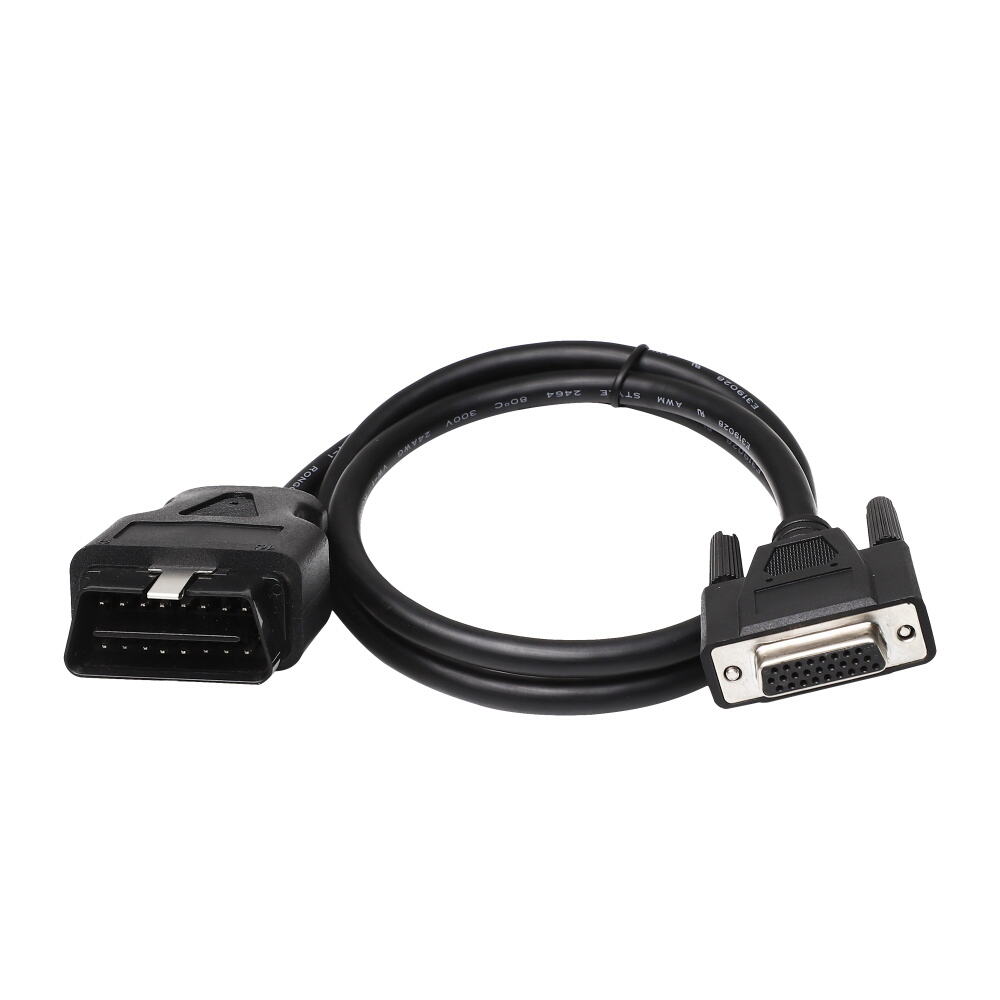
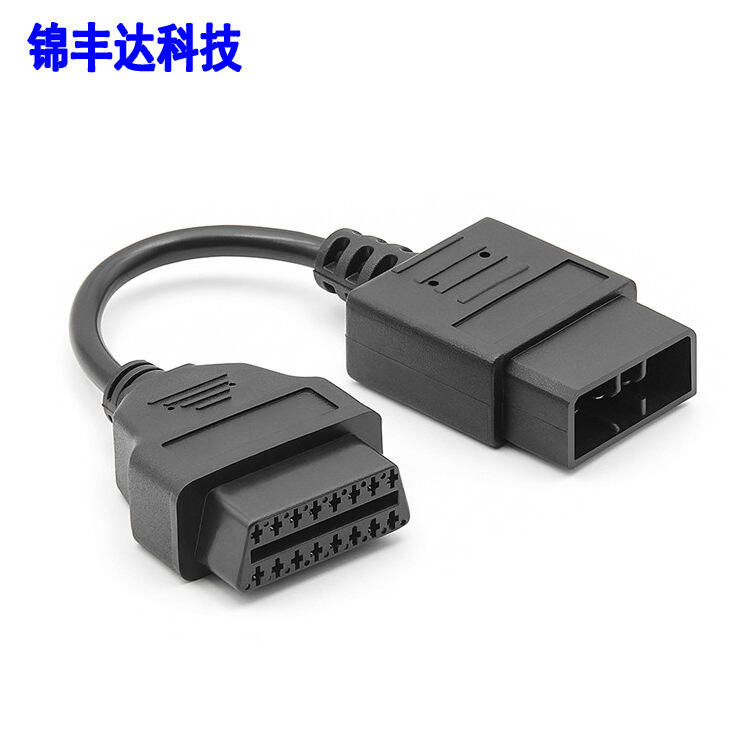
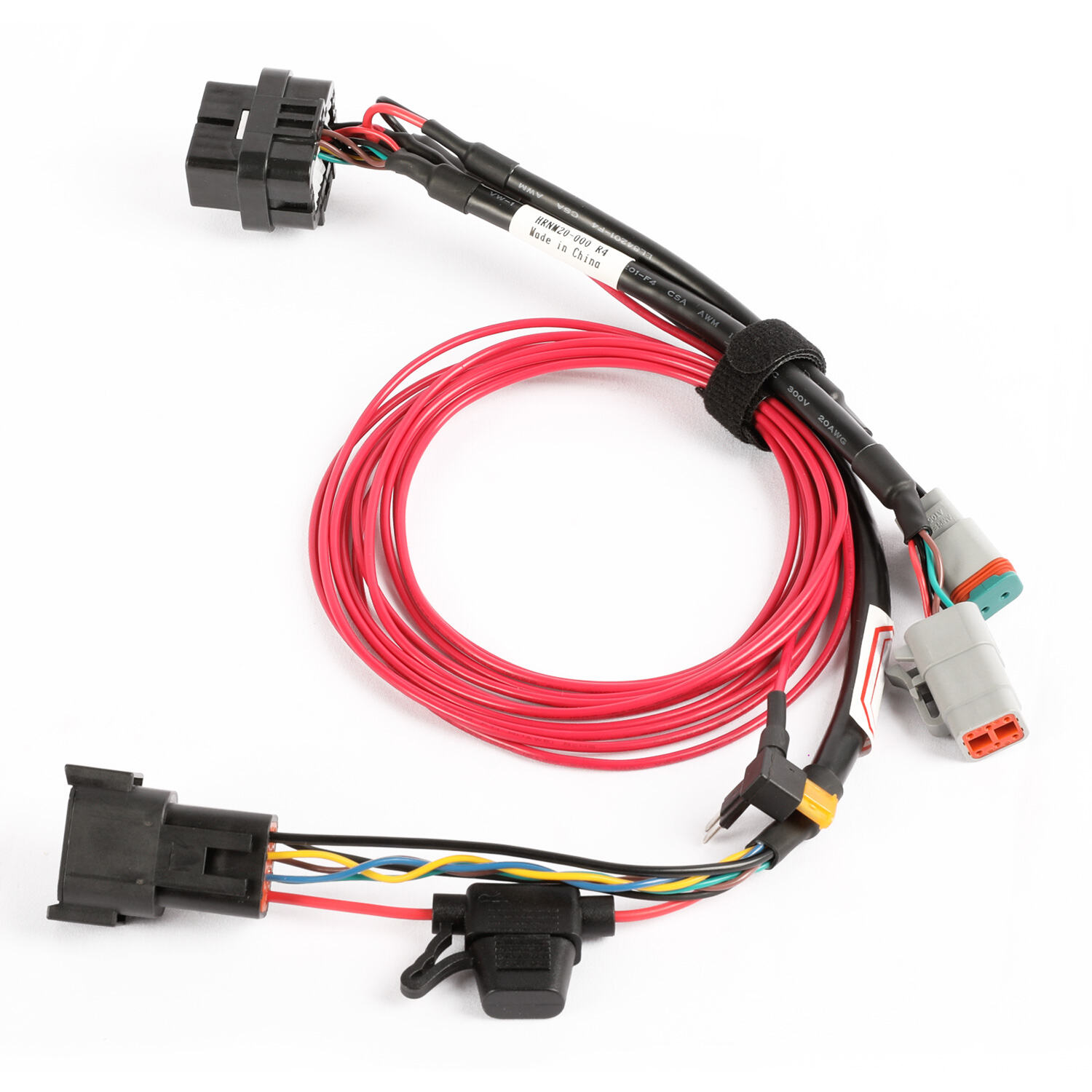
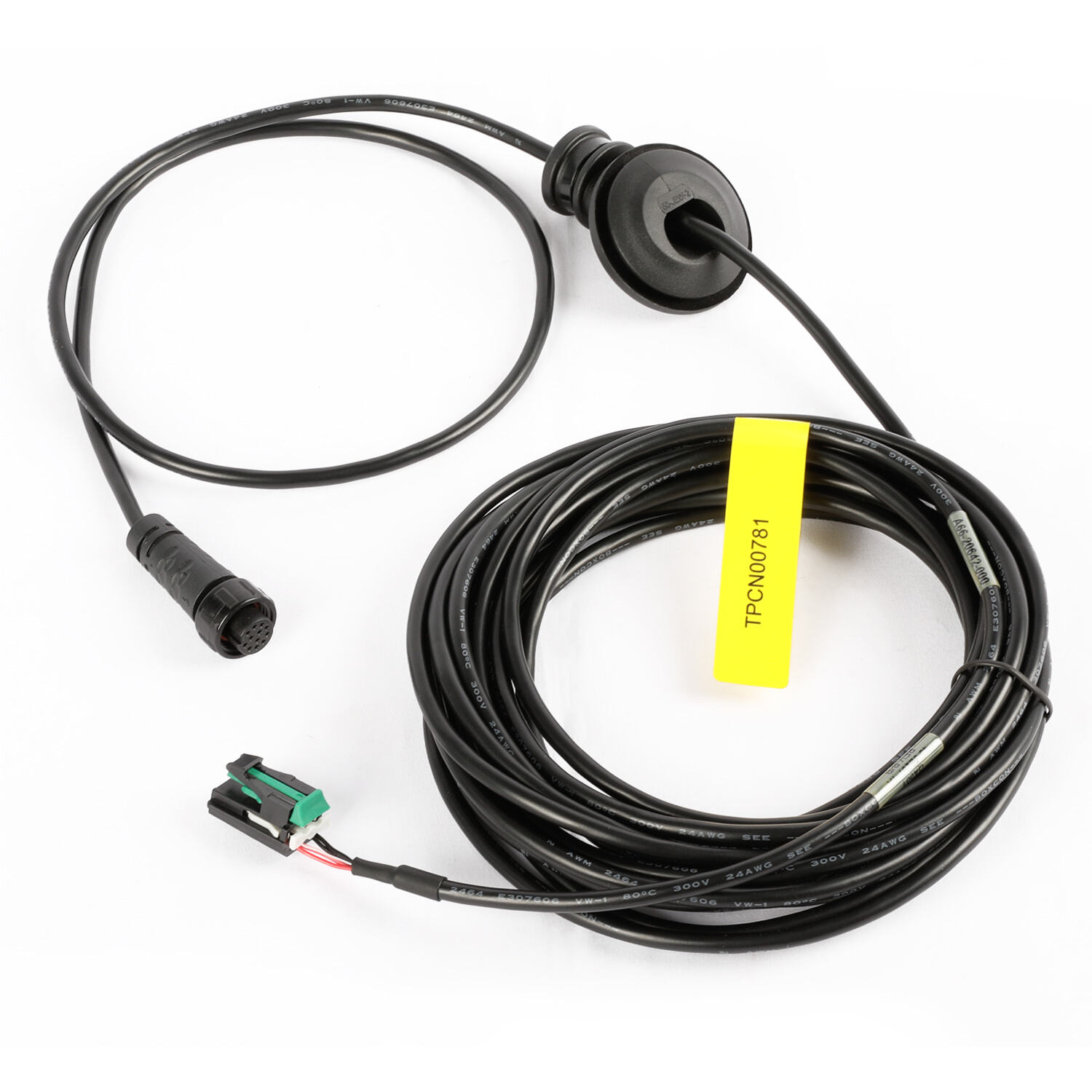
Automotive wiring harness components represent the central nervous system of modern vehicles, serving as the critical infrastructure that connects every electrical and electronic component within an automobile. These sophisticated assemblies consist of organized bundles of wires, terminals, connectors, protective sheaths, and fastening devices that work together to transmit electrical power and communication signals throughout the vehicle. The primary function of automotive wiring harness components is to ensure reliable electrical connectivity between the battery, control units, sensors, lights, entertainment systems, safety features, and countless other electrical devices that make contemporary vehicles operate efficiently and safely. These components act as the backbone for power distribution, enabling everything from basic functions like starting the engine and operating headlights to advanced features such as autonomous driving systems, infotainment networks, and sophisticated driver assistance technologies. Technologically, automotive wiring harness components incorporate advanced materials including copper or aluminum conductors with specialized insulation materials that resist heat, chemicals, abrasion, and environmental factors. Modern harness designs utilize computer-aided engineering to optimize routing paths, minimize weight, reduce electromagnetic interference, and enhance overall vehicle performance. The components feature precise terminal crimping, secure connector interfaces, and strategic placement of protective elements like grommets, conduits, and tape wrapping to ensure long-term durability under harsh operating conditions. Applications span across all vehicle types, from compact passenger cars to heavy-duty commercial trucks, electric vehicles, hybrid systems, and specialty automotive equipment. As vehicles become increasingly electrified and digitally connected, automotive wiring harness components continue to evolve, incorporating higher voltage capabilities for electric powertrains, enhanced data transmission speeds for vehicle networks, and modular designs that facilitate efficient manufacturing and maintenance throughout the vehicle lifecycle.


 EN
EN