Versatile Performance Across Demanding Environmental Conditions and Applications
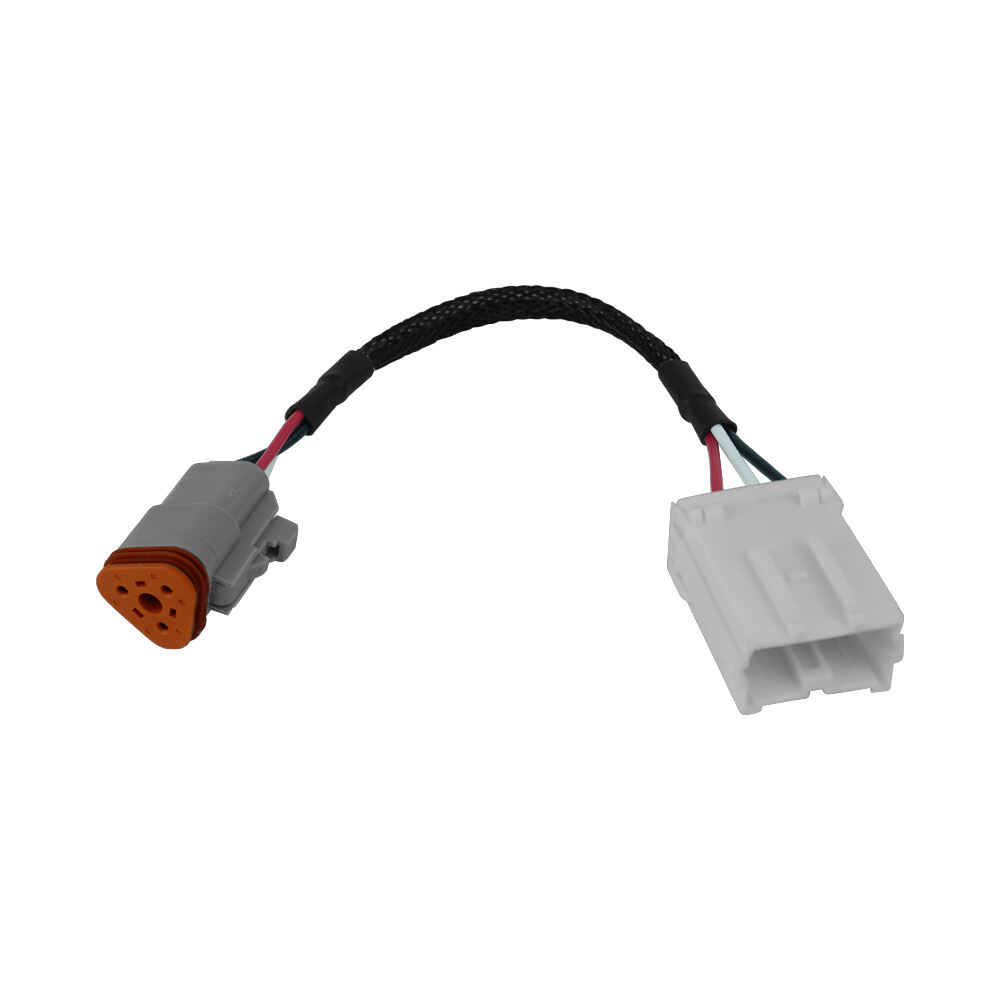
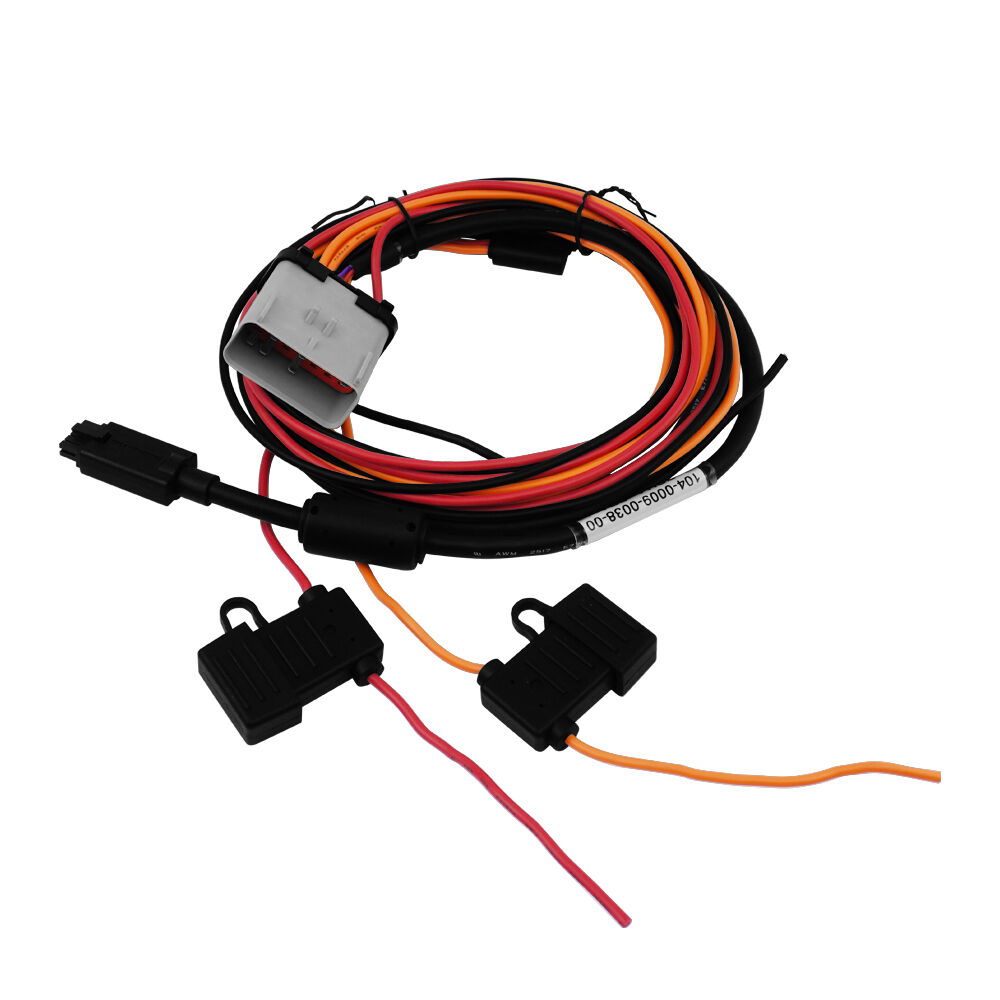
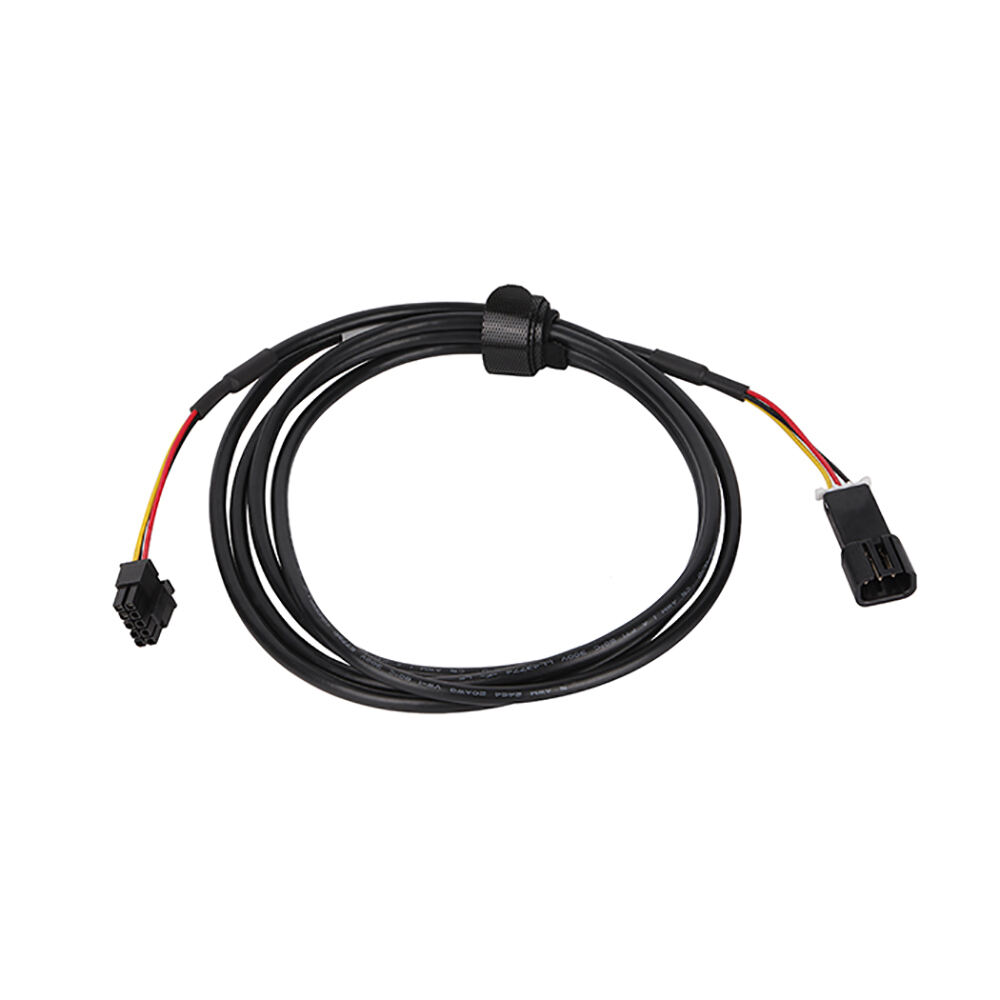
Water resistant wire demonstrates remarkable versatility that makes it the preferred solution for an extraordinary range of applications where environmental challenges would destroy conventional wiring within months or even weeks. This adaptability stems from careful engineering that balances multiple performance requirements simultaneously, creating products that excel not just in moisture resistance but across numerous demanding parameters. Temperature performance exemplifies this versatility, with quality water resistant wire maintaining full functionality across ranges extending from negative forty degrees to positive ninety degrees Celsius. This thermal stability proves essential for outdoor installations that experience seasonal extremes, from freezing winter conditions to scorching summer heat. The materials used in water resistant wire retain their flexibility in cold temperatures, preventing the brittleness that causes standard insulation to crack and fail when subjected to low temperatures combined with physical stress. Conversely, these same materials resist softening and deformation at elevated temperatures, maintaining their protective integrity even when installed in locations exposed to direct sunlight or proximity to heat sources. Chemical resistance represents another dimension of versatility that expands application possibilities for water resistant wire. Industrial environments frequently involve exposure to oils, solvents, cleaning chemicals, and other substances that rapidly degrade standard wire insulation. Water resistant wire formulations incorporate plasticizers and stabilizers that provide excellent resistance to these chemical challenges, allowing deployment in manufacturing facilities, commercial kitchens, automotive service bays, and agricultural operations where chemical contact is routine. The mechanical durability of water resistant wire further enhances its versatility. These cables withstand repeated flexing without insulation fatigue, resist crushing forces that would damage lesser products, and maintain their protective properties even after sustaining surface abrasions that would penetrate conventional insulation. This mechanical resilience makes water resistant wire suitable for applications involving movement, vibration, or physical stress, including robotics, automated machinery, and portable equipment that gets transported regularly. UV resistance extends the application range to outdoor installations where solar radiation exposure would cause rapid deterioration of unprotected materials. Quality water resistant wire incorporates UV stabilizers that prevent photodegradation, ensuring that cables exposed to sunlight maintain their properties for years rather than becoming brittle and cracked within a single season. This UV protection proves particularly valuable for agricultural installations, outdoor lighting systems, and building exterior applications where burying or enclosing cables would be impractical or prohibitively expensive.

 EN
EN