Professional Installation Without Professional Costs or Skills
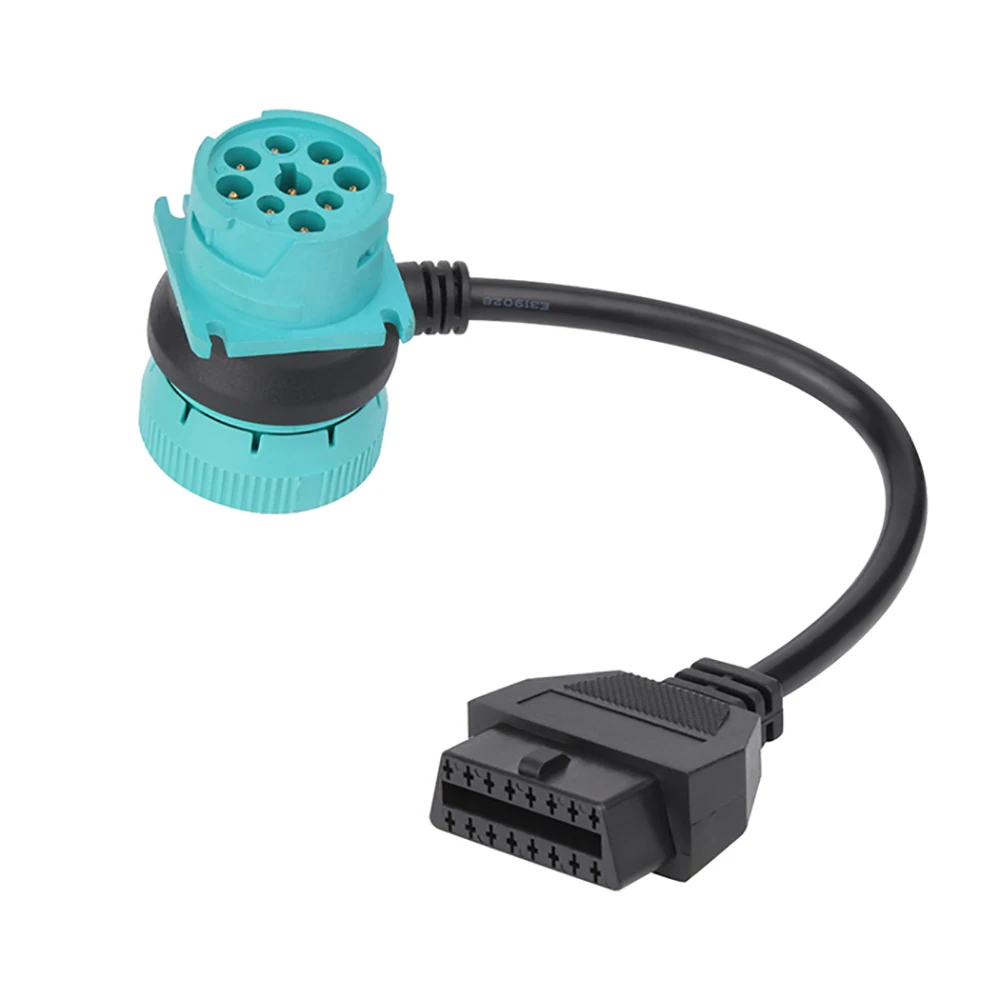
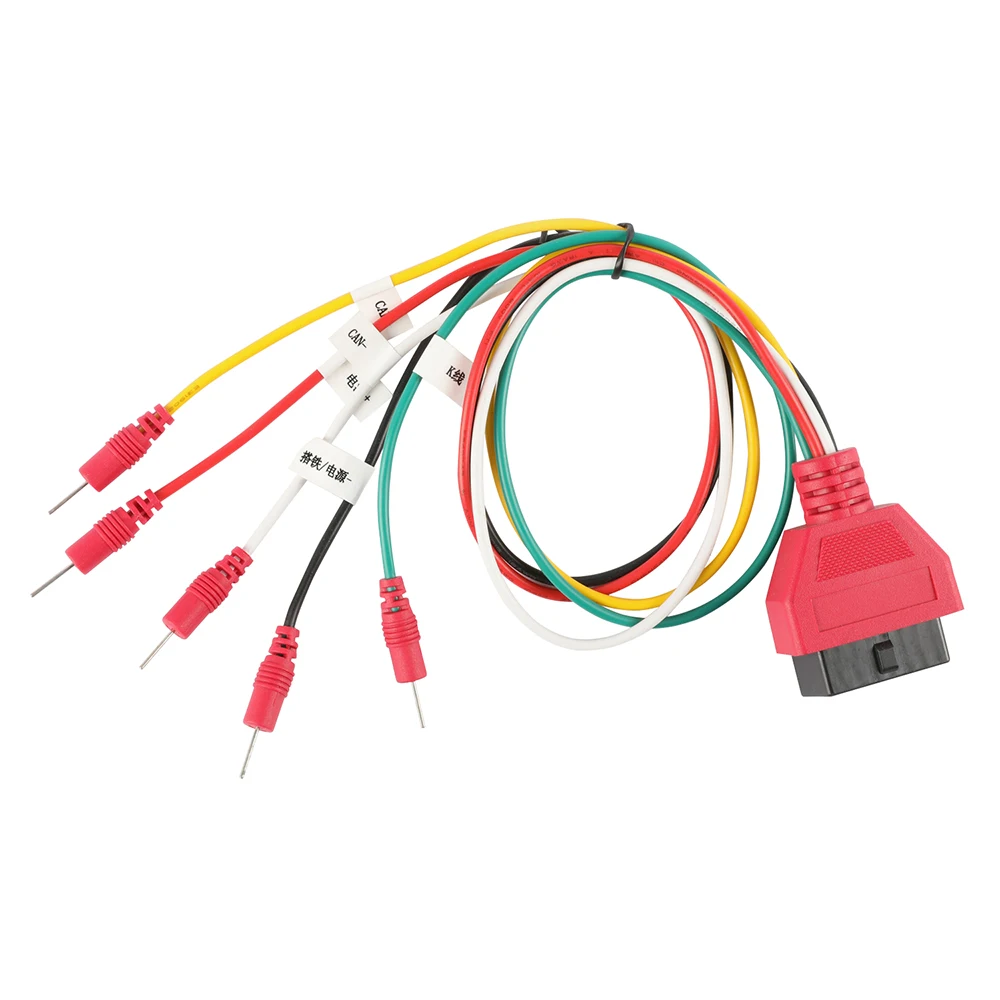
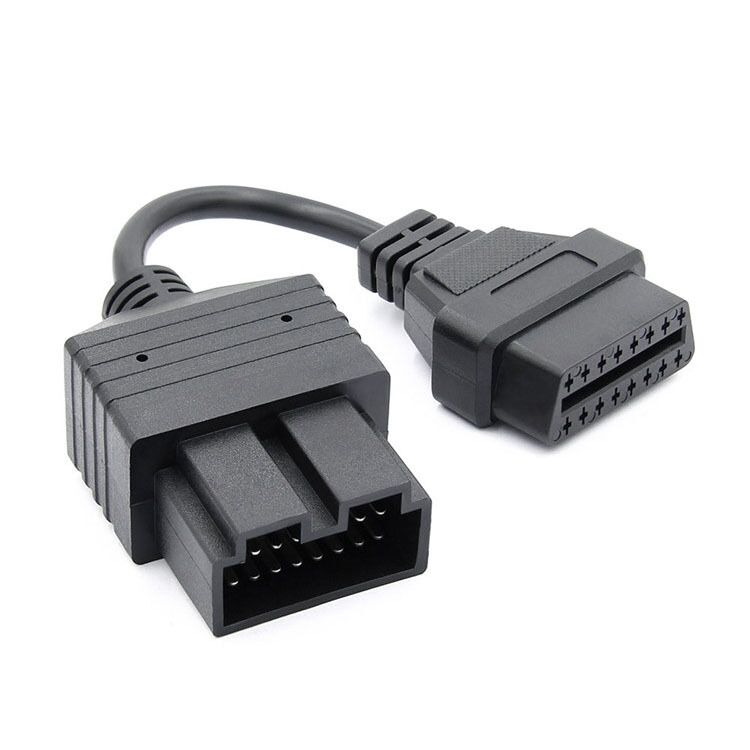
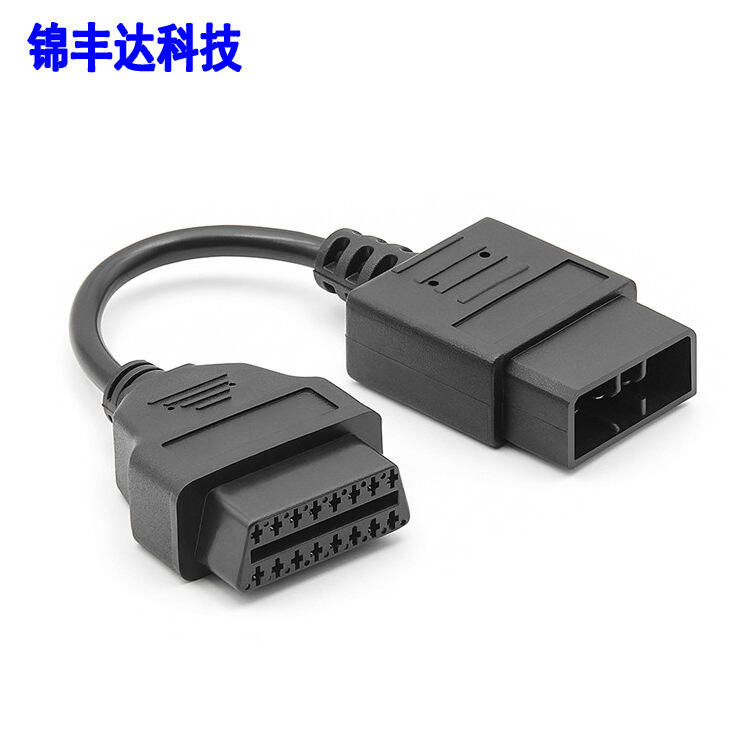
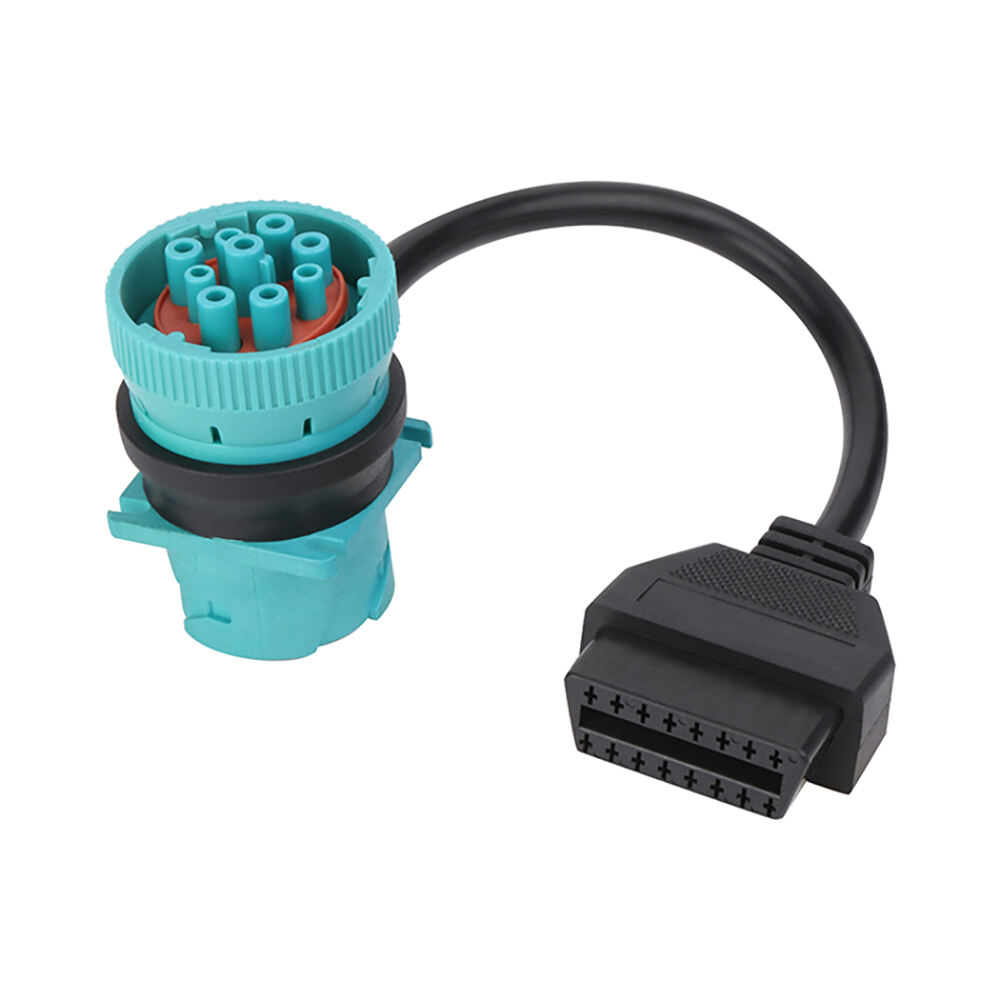
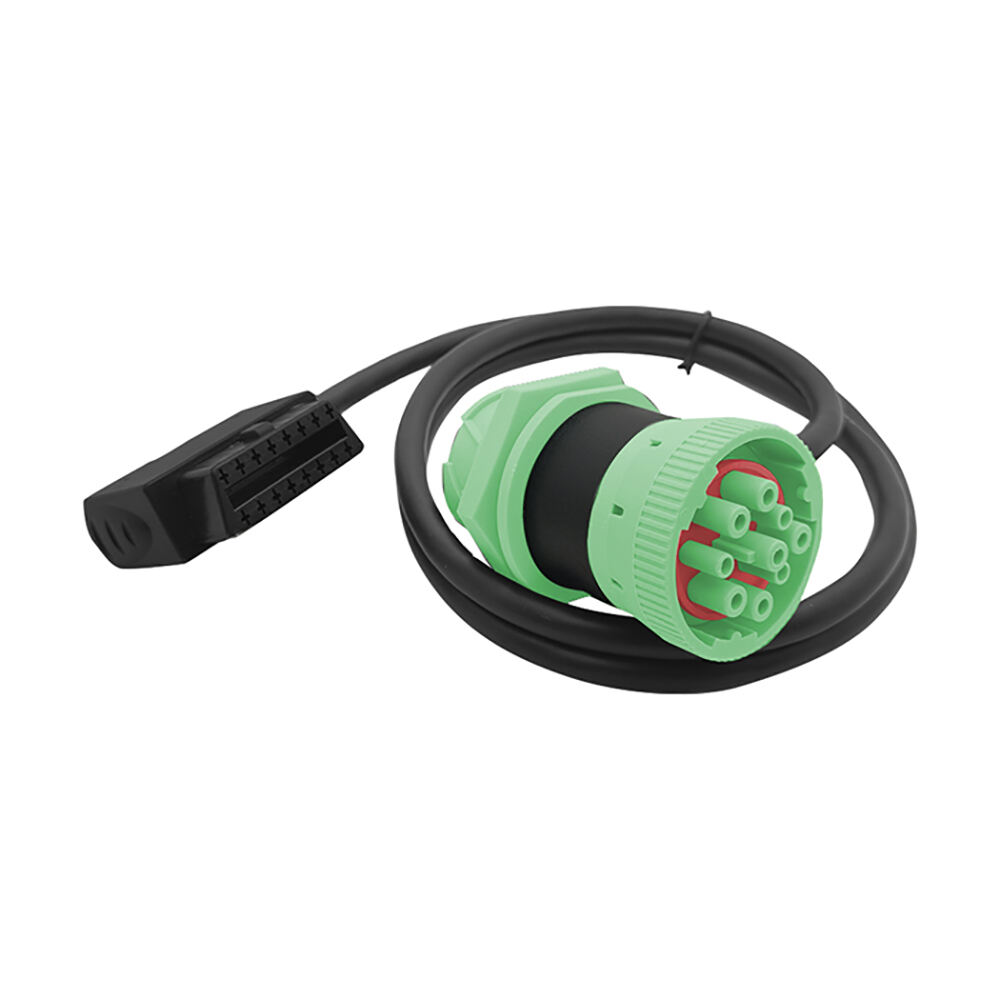
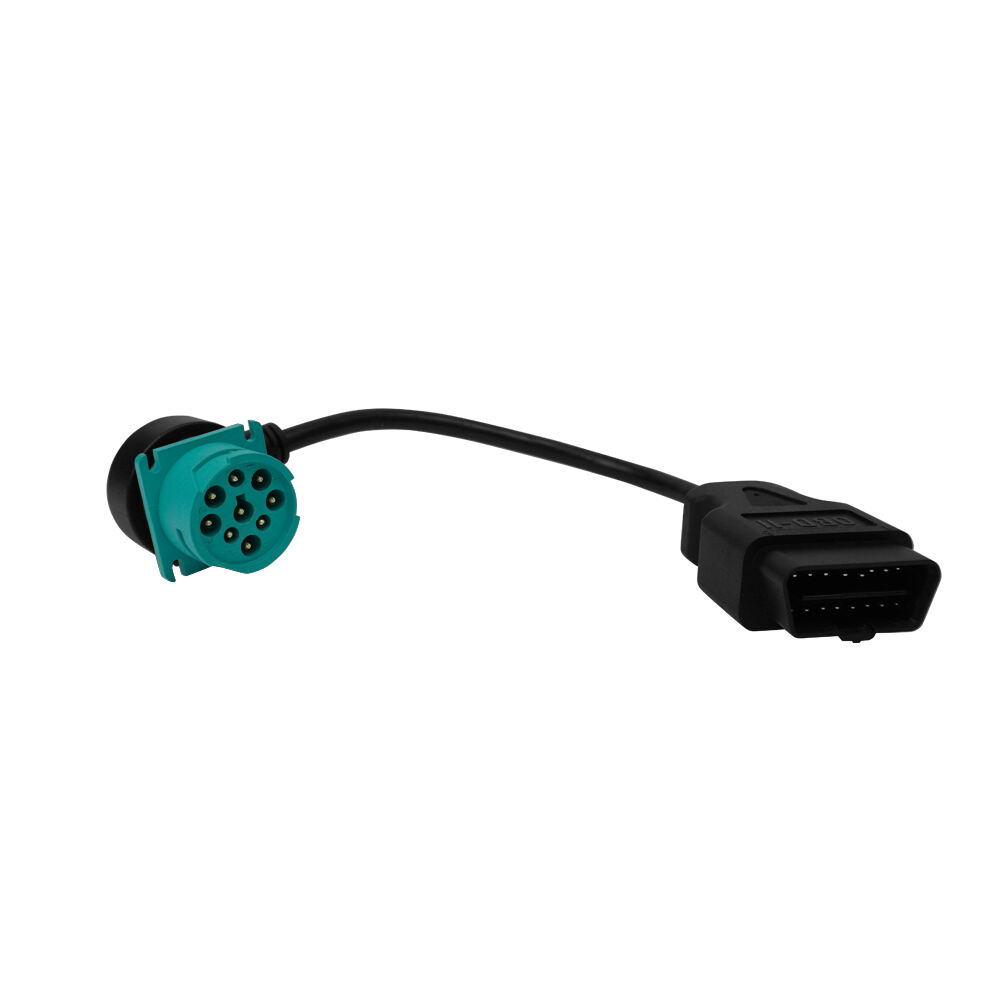
The obd dash cam cable revolutionizes dash cam installation by transforming what traditionally required professional expertise into a simple plug-and-play process that any vehicle owner can complete in minutes without tools or technical knowledge. Traditional hardwiring methods involve locating specific fuse panels, identifying appropriate circuits, stripping wire insulation, crimping connections, and routing cables through tight spaces behind dashboards and door panels, often requiring removal of interior trim pieces that can break or crack during the process. These complex procedures frequently necessitate hiring automotive electricians or specialized installation services, adding substantial costs to your dash cam setup and potentially creating scheduling challenges as you wait for appointment availability. The obd dash cam cable eliminates these obstacles entirely through its straightforward connection methodology that leverages your vehicle's existing OBD-II diagnostic port, a standardized interface mandated on all modern vehicles specifically designed for tool-free accessibility. The installation process begins by simply locating your OBD-II port, typically positioned within arm's reach of the driver's seat under the dashboard near the steering column, though some vehicles place it near the center console or in side panel compartments. Once located, the obd dash cam cable plugs directly into this port with a satisfying click, establishing an immediate power connection that draws from your vehicle's electrical system through factory-designed circuits engineered to handle accessory loads safely. From this connection point, the cable routes discreetly along existing wire channels, tucked behind trim pieces without requiring removal, following the same pathways that factory wiring harnesses use to maintain a clean, invisible installation. The generous cable length, typically extending 11 to 15 feet depending on the specific obd dash cam cable model, provides ample reach for virtually any vehicle size, from compact cars to full-size SUVs and trucks, ensuring you can position your dash cam optimally on the windshield while keeping the power cable completely hidden from view. The reversible nature of this installation method proves particularly valuable for leased vehicles, where permanent modifications might violate lease agreements and result in substantial end-of-lease charges, or for drivers who anticipate changing vehicles and want to transfer their dash cam system easily. The plug-and-play design also facilitates troubleshooting, as you can quickly disconnect and reconnect the obd dash cam cable to reset the system if needed, without dealing with complex electrical connections or risking damage to vehicle wiring.


 EN
EN