

 EN
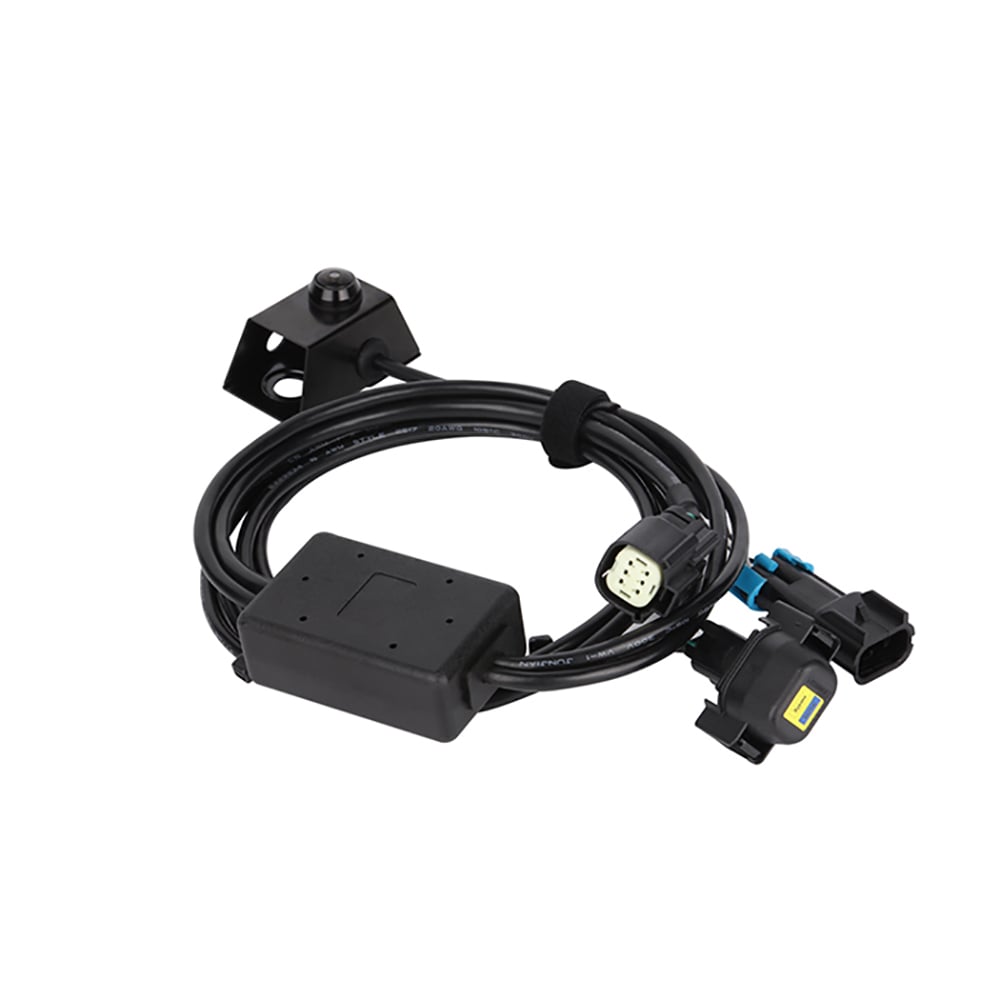
Waterproof wire installations are used where electrical connections must operate despite moisture, spray, condensation, or outdoor exposure. Their role is especially important at connection points, where water can enter a system and disrupt equipment or create maintenance concerns. Knowing where waterproof wire is appropriate helps engineers match the cable and sealing approach to the real exposure, not just a general label.
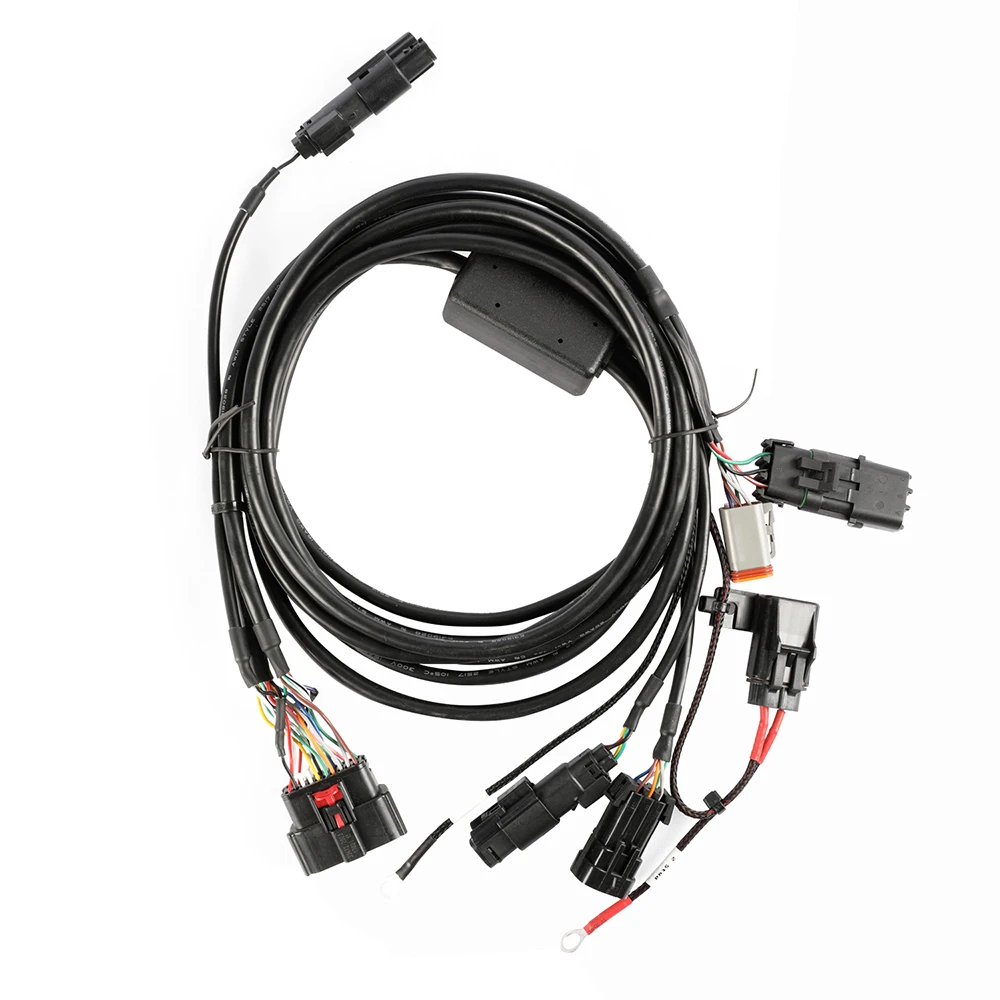
The most suitable applications share a practical need: dependable electrical continuity where ordinary indoor wiring may be exposed to water or damp conditions. Waterproof wire can support outdoor equipment, industrial machinery, vehicles, and renewable energy systems, provided its ratings suit the installation. Selection also depends on temperature, movement, chemicals, and how the connection will be inspected or serviced.
Outdoor and renewable energy installations
Solar arrays and energy equipment
Solar installations place wiring outside for long periods, where rain, humidity, and temperature changes can affect cables and connectors. Waterproof wire is used to connect modules, junction points, and related equipment when the specified cable assembly is suitable for the system. Installers need to consider sunlight exposure, voltage, current, routing, and connector compatibility rather than assuming water protection covers every environmental stress.
In energy storage and conversion equipment, waterproof wire can connect components installed in enclosures that may experience condensation or occasional water entry. A sealed entry helps preserve the enclosure boundary, but the cable gland, connector, and housing must work together. For a project-specific example, review this waterproof wire assembly and verify its specifications against the application requirements.
Outdoor infrastructure and field equipment
Outdoor lighting, monitoring devices, gates, and communications equipment often need wiring routed through exposed areas. Waterproof wire is useful at locations subject to rain or splash, particularly where a connector sits outside a protected cabinet. Designers should avoid low points that collect water and provide strain relief so cable weight or wind movement does not pull on a sealed joint.
Field equipment may also face dust, vibration, and maintenance access constraints alongside moisture. Waterproof wire installations work best when the enclosure rating, cable diameter, and mating components are compatible, and when unused ports are properly closed. Teams should document routing and connection details so technicians can inspect the installation without damaging seals during routine service.
Industrial and mobile equipment environments
Washdown areas and process machinery
Food processing, packaging, and other washdown operations use water during cleaning, creating repeated exposure around motors, sensors, and control devices. Waterproof wire may suit connections in these zones if its materials and connectors are rated for the cleaning conditions. A water-resistant connection alone does not establish suitability for cleaning agents, elevated temperatures, or direct high-pressure jets.
Equipment designers should define the expected spray direction, cleaning frequency, and chemical contact before specifying waterproof wire. They should also protect cable runs from abrasion and sharp edges, since damage to a jacket can undermine the intended barrier. Where connections must be disconnected for service, select a mating system designed for repeated handling and follow the installation instructions carefully.
Vehicles, boats, and mobile machinery
Road vehicles, agricultural machines, construction equipment, and marine systems encounter rain, splashes, mud, and vibration. Waterproof wire is used for lighting, sensors, controls, and auxiliary circuits when the wiring assembly matches the operating environment. On mobile platforms, designers must also account for movement, impact, temperature swings, and exposure to oils or fuels where relevant.
A robust application plan treats routing and securing as part of the protection strategy. Waterproof wire should be positioned away from hot surfaces and moving parts, with bends and supports that respect the cable maker's guidance. In marine or frequently wet locations, corrosion resistance and connector sealing matter as much as the cable itself, so specify all parts as a compatible system.
Choosing locations and verifying suitability
Match protection to the actual exposure
Not every damp location needs the same construction. Waterproof wire is most relevant where water may reach the cable or connection, but application decisions should distinguish occasional splashes from immersion, washdown, or persistent outdoor exposure. Review the applicable ingress protection or product rating, and confirm what component that rating covers; it may apply to a mated connector rather than every section of an assembly.
Engineers should check conductor size, insulation material, voltage and current limits, temperature range, and bend requirements alongside water protection. Waterproof wire in an unsuitable size can overheat or create installation problems, while a cable incompatible with the connector may not seal correctly. Use documented specifications and applicable electrical codes, and seek technical clarification when the exposure falls outside stated conditions.
Plan installation, inspection, and maintenance
Reliable performance depends on installation details: clean mating surfaces, correctly fitted seals, supported cable runs, and protected transitions into enclosures. Waterproof wire should not be treated as a substitute for careful workmanship or suitable enclosure design. Establish inspection points for wear, loose fittings, cracked jackets, and corrosion, especially where vibration or regular cleaning is part of normal operation.
The right location is therefore defined by both exposure and service needs. Waterproof wire can support outdoor energy equipment, industrial washdown zones, and mobile machinery, but suitability must be confirmed for each project. Record the product rating, connector pairing, installation method, and maintenance interval so procurement, engineering, and field teams share the same acceptance criteria.
FAQ
Where is waterproof wire commonly installed?
Waterproof wire is commonly installed outdoors, in renewable energy systems, around washdown machinery, and on vehicles or boats. In each case, check the expected water exposure and component ratings. Waterproof wire for rain or spray may not be rated for immersion, pressure washing, or chemical cleaning.
Can waterproof wire be used in industrial washdown areas?
Waterproof wire can be used in some washdown areas when the cable, connector, and installation are rated for the cleaning method. Verify chemical and temperature compatibility, and do not infer pressure-wash suitability from a general water-resistant description. Waterproof wire must be installed and maintained as specified.
What should engineers verify before installation?
Engineers should verify electrical ratings, temperature range, water-protection rating, connector compatibility, routing, and strain relief. Waterproof wire should also meet relevant code and project requirements. Confirm whether the rating applies to the complete assembly, and plan inspections so damage or seal wear can be addressed.