
 EN
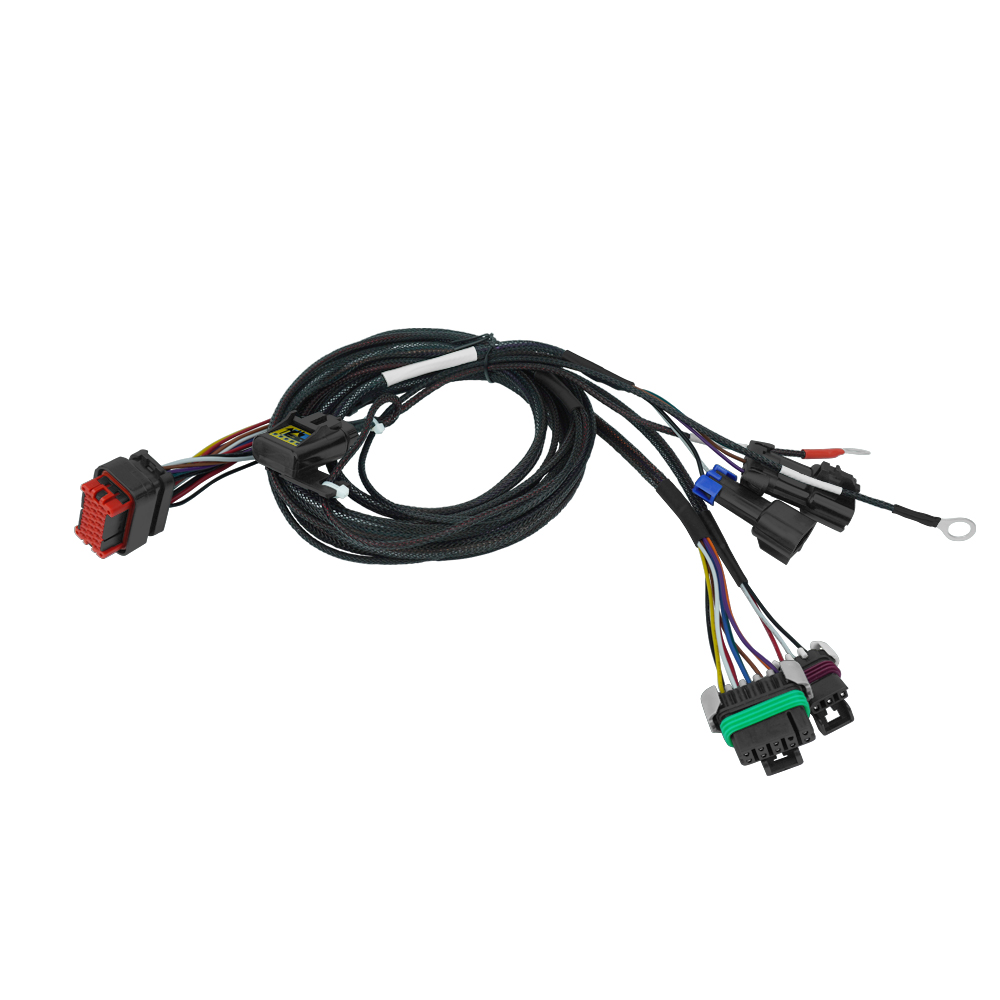
A waterproof wire delivers critical protection in environments where moisture exposure poses a constant threat to electrical systems. The sealing advantages of a waterproof wire extend far beyond simple moisture resistance, encompassing enhanced durability, reduced maintenance costs, and improved operational safety across industrial and commercial applications. Understanding these sealing benefits helps engineers and facility managers make informed decisions about cable selection for challenging installations.
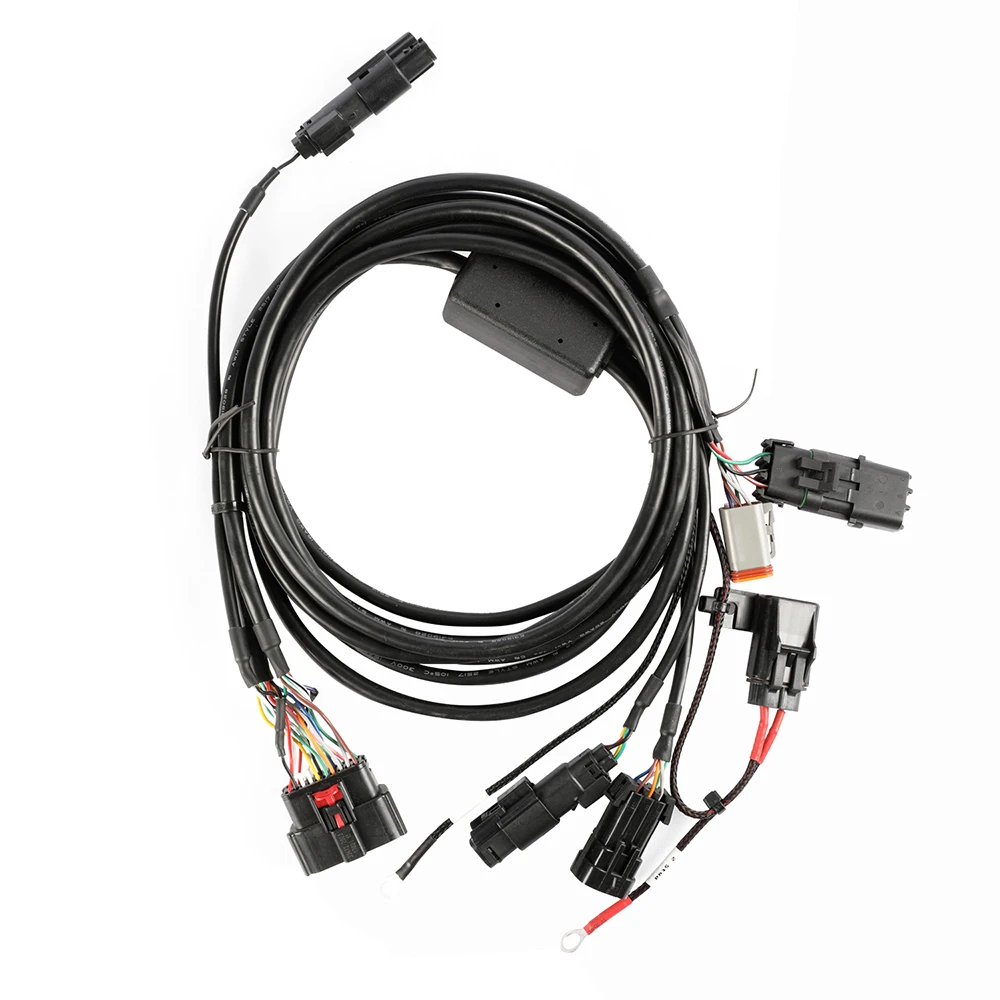
The fundamental appeal of waterproof wire lies in its engineered construction, which creates a continuous barrier against water ingress. Unlike standard cable designs, waterproof wire incorporates specialized insulation materials, hermetic seals at connection points, and protective jacketing that collectively prevent moisture from compromising conductor integrity. This comprehensive sealing approach ensures reliable power transmission and signal flow even in wet, humid, or corrosive conditions that would rapidly degrade conventional wiring.
Enhanced Protection Against Moisture Infiltration
Comprehensive Moisture Barrier Design
The core sealing advantage of waterproof wire stems from its multi-layer protective architecture. The outer jacket of waterproof wire is formulated with specialized polymers that repel water molecules while maintaining electrical insulation properties. Beneath this outer layer, waterproof wire incorporates an additional moisture-blocking membrane that creates a hostile environment for water penetration. This dual-layer approach means waterproof wire can withstand prolonged submersion, frequent spray exposure, and high-humidity conditions without degradation of performance. The engineered construction of waterproof wire ensures that even microscopic water pathways are blocked, preventing corrosion of copper conductors and maintenance of signal integrity across the cable lifespan.
Sealed Connection Points and Terminations
Connection points represent the weakest link in standard cable installations, yet waterproof wire addresses this vulnerability through hermetic sealing at terminations. The sealing design of waterproof wire includes specialized connectors with integrated gaskets, potting compounds, and sealed backshells that create impenetrable moisture barriers. When waterproof wire is properly terminated using matched connectors and sealing accessories, the entire cable run becomes a unified moisture-resistant system. This meticulous attention to sealing throughout the waterproof wire assembly eliminates the common failure mode where moisture enters through poorly sealed connection points, which is a primary cause of short circuits and equipment failure in wet environments.
Extended Service Life and Reduced Failure Rates
Prevention of Corrosion and Conductor Degradation
One of the most significant sealing advantages of waterproof wire is the dramatic extension of service life compared to conventional cable. Moisture exposure accelerates oxidation and corrosion of copper and aluminum conductors, creating resistance anomalies that generate excessive heat and eventual failure. The sealing technology integrated into waterproof wire prevents this electrochemical degradation by maintaining a hermetic barrier between conductors and the external environment. Systems utilizing waterproof wire experience failure rates that are typically 80 to 90 percent lower than those using standard unprotected wiring in wet or humid applications. This reliability improvement translates directly into reduced downtime, lower repair costs, and enhanced operational continuity for facilities dependent on uninterrupted electrical supply.
Elimination of Insulation Breakdown Events
Water absorption into standard cable insulation materials weakens their dielectric strength, creating conditions for insulation failure and electrical arcing. The sealing integrity of waterproof wire prevents this insulation degradation by maintaining the original moisture content of the insulation throughout the cable service life. In environments with high humidity, frequent washdowns, or splash exposure, waterproof wire maintains its electrical performance characteristics where conventional cable would quickly become unreliable. The superior sealing characteristics of waterproof wire also prevent the formation of conductive moisture films on cable surfaces, which commonly cause leakage current, voltage drop, and equipment malfunction in wet industrial settings.
Cost Efficiency and Maintenance Reduction
Lower Total Cost of Ownership
Initial material cost for waterproof wire is higher than standard cable, but the overall cost advantage becomes apparent when evaluating total cost of ownership across the installation lifetime. Facilities that deploy waterproof wire experience significant reductions in maintenance labor, emergency repair calls, and unplanned downtime associated with cable failure. The sealing durability of waterproof wire means fewer replacement cycles and less frequent inspections, reducing the long-term expense burden. In industrial environments requiring continuous operation, the investment in waterproof wire typically pays for itself within two to three years through avoided failure costs. The economic justification for waterproof wire strengthens further in locations where equipment failure creates cascading operational disruptions or safety hazards.
Reduced Environmental and Regulatory Compliance Risks
The sealing advantages of waterproof wire extend to regulatory compliance, particularly in industries subject to stringent moisture-related standards and environmental requirements. Waterproof wire installations demonstrate proactive risk management that satisfies auditors and regulatory bodies overseeing equipment safety and operational integrity. Failures of non-sealed cable in water-exposed locations can trigger environmental contamination, safety incidents, or compliance violations that carry substantial financial and reputational penalties. By implementing waterproof wire throughout moisture-prone installations, facility managers significantly reduce the probability of failure-related compliance issues, insurance claims, and legal liability.
FAQ
What specific applications benefit most from waterproof wire sealing technology?
Waterproof wire delivers maximum value in outdoor lighting systems, marine equipment, agricultural machinery, water treatment facilities, food processing plants, and renewable energy installations exposed to weather. Industrial applications involving steam, washdown procedures, or submersion also rely heavily on the sealing protection that waterproof wire provides. Underground utility systems and subsea applications represent specialized domains where waterproof wire sealing becomes absolutely critical to equipment survival and system reliability.
How does the sealing performance of waterproof wire compare to shrink tubing or manual sealing methods?
Waterproof wire offers superior sealing performance compared to field-applied shrink tubing or manual sealants because the protective barriers are engineered into the cable construction rather than applied after installation. Field-sealed cables are susceptible to application errors, UV degradation of sealant materials, and mechanical damage that compromises the seal integrity. Integrated sealing in waterproof wire provides consistent, factory-quality moisture protection that remains stable throughout the operational life without maintenance intervention or periodic resealing.
Can standard waterproof wire be repaired in the field if damage occurs?
Field repair of damaged waterproof wire requires using specialized repair kits that maintain the sealing integrity of the original cable design. Simple electrical tape or standard heat shrink tubing will not adequately restore the moisture protection that waterproof wire provides. For critical applications, replacing the damaged cable section with new waterproof wire is the most reliable approach to ensuring that the sealing advantages remain intact and equipment reliability is preserved.