

 EN
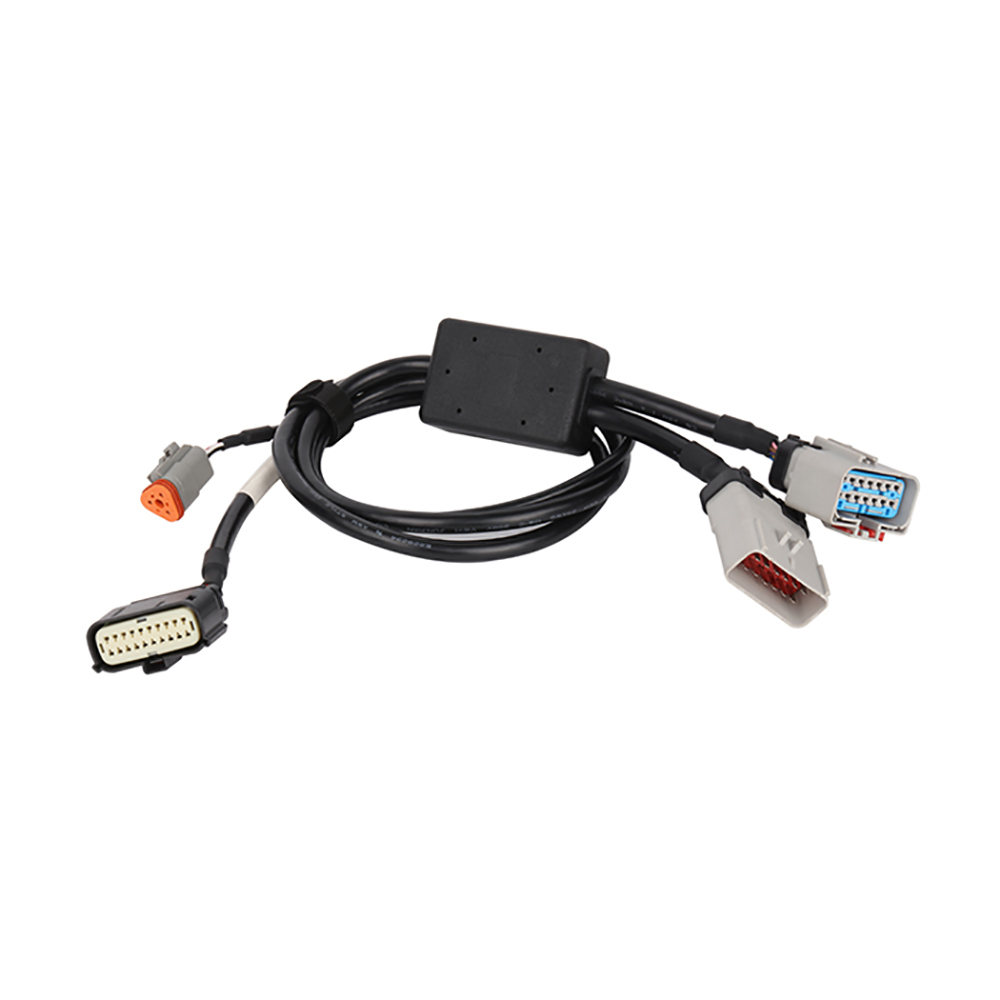
Selecting the correct waterproof wire for your industrial or commercial application requires understanding IP ratings and environmental exposure conditions. The difference between choosing adequate protection and inadequate protection can mean the survival or failure of your entire electrical system, especially in harsh outdoor, marine, or moisture-intensive environments. A waterproof wire with the wrong IP rating leaves your installation vulnerable to corrosion, short circuits, and safety hazards that could damage equipment or endanger personnel.
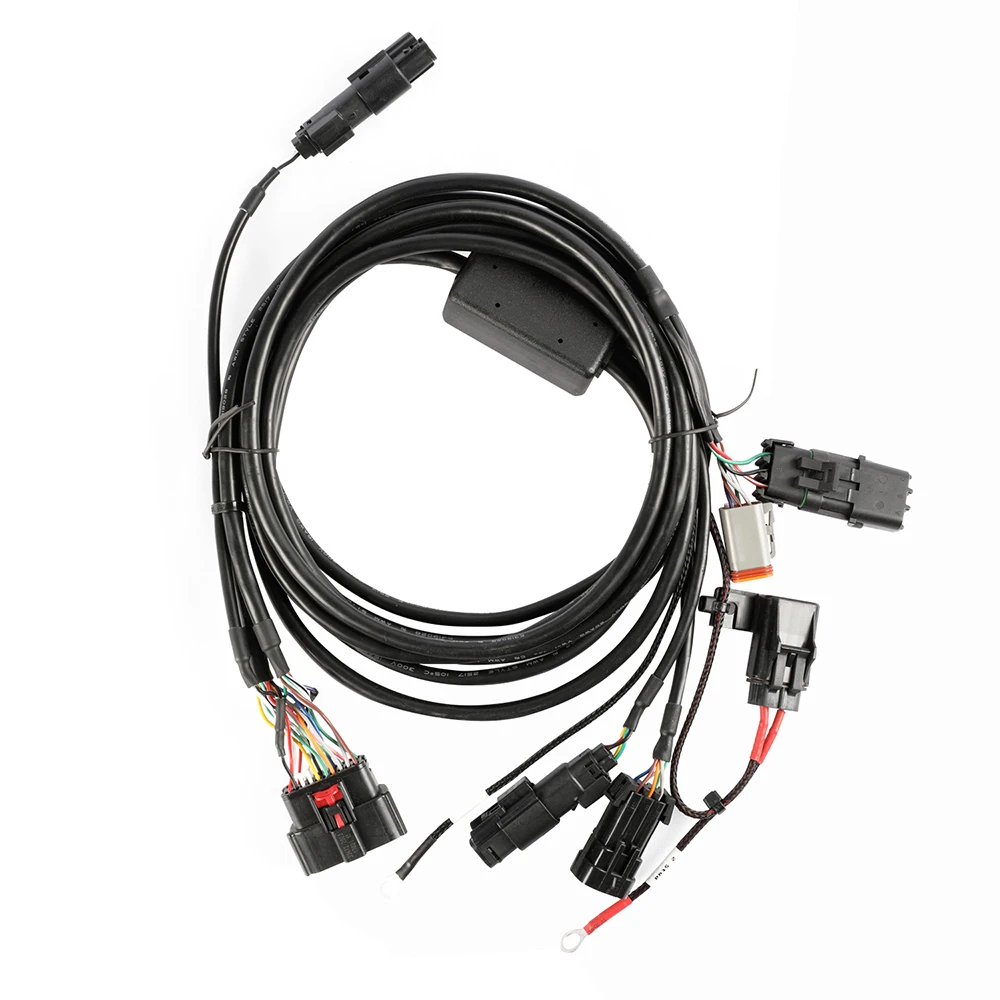
Understanding how to evaluate waterproof wire options based on IP ratings is a critical skill for engineers, procurement specialists, and facility managers. IP ratings provide a standardized way to communicate protection levels against solids and liquids, allowing you to match cable specifications to real-world conditions. This guide walks you through the essentials of IP rating selection, helping you avoid costly mistakes and ensure your waterproof wire installations deliver long-term reliability.
Understanding IP Ratings for Waterproof Wire
What IP Ratings Mean
IP stands for Ingress Protection, and the rating system uses two digits to indicate protection levels. The first digit (0–6) represents protection against solid particles like dust and debris, while the second digit (0–9K) indicates protection against water ingress. When selecting waterproof wire, the second digit becomes your primary focus, though the first digit still matters in contaminated or dusty environments. For example, an IP67 rated waterproof wire offers complete dust protection and can withstand temporary immersion in water up to 1 meter for 30 minutes. Understanding this notation helps you decode product specifications and compare waterproof wire options meaningfully.
Common IP Rating Levels Explained
The water protection ratings range from IP X0 (no protection) to IP X9K (high-pressure jet protection). IP X4 rated waterproof wire provides splashing protection suitable for light outdoor use, while IP X5 offers water jet protection for moderate spray environments. IP X6 rated waterproof wire handles powerful water jets from all angles, making it suitable for washdown areas and heavy industrial settings. IP X7 provides temporary immersion protection, and IP X8 certified waterproof wire can operate submerged, making it ideal for marine applications and underwater installations. Knowing where your application falls on this spectrum ensures your waterproof wire choice aligns with actual environmental demands rather than over-specifying or under-protecting.
Assessing Your Environmental Conditions
Identifying Water Exposure Levels
Before selecting waterproof wire, document the specific water exposure your installation will face. Direct immersion applications—such as underwater sensors, fountain installations, or subsea equipment—demand IP X8 rated waterproof wire to survive continuous water contact without degradation. Splash and spray environments, like marine decks, outdoor switchgear rooms, or cooling tower areas, typically require IP X5 or IP X6 waterproof wire to handle periodic water jets and spray patterns. Light moisture environments, including covered outdoor spaces or refrigerated areas with occasional condensation, may accept IP X4 rated waterproof wire if ducting and cable management limit direct water contact. Misidentifying exposure severity is a common source of premature waterproof wire failures and safety incidents in the field.
Considering Temperature and Chemical Exposure
Water protection alone does not guarantee waterproof wire longevity in harsh industrial environments. High-temperature applications increase the rate of insulation degradation, even with waterproof sheathing, so verify that your waterproof wire specification includes appropriate temperature ratings. Chemical exposure—such as oils, solvents, or saltwater in coastal regions—can compromise standard waterproof insulation materials, requiring specialized waterproof wire formulations. UV exposure in outdoor installations weakens the outer jacket of waterproof wire, accelerating deterioration unless the cable includes UV-stabilized compounds. Cross-referencing environmental factors alongside IP rating ensures your waterproof wire selection withstands the complete range of stressors, not just water intrusion alone.
Matching IP Ratings to Application Scenarios
Industrial and Manufacturing Applications
Factory floors with washdown protocols, food processing plants, and beverage production facilities demand robust waterproof wire rated for regular high-pressure cleaning. IP X6 rated waterproof wire meets these needs by tolerating powerful water jets without compromising insulation integrity or conductor continuity. Storage facilities and warehouses with humidity control requirements often use IP X4 rated waterproof wire to guard against condensation buildup and occasional sprinkler activation. In automotive assembly and aerospace manufacturing, where precision and reliability are non-negotiable, IP X5 or higher waterproof wire specifications protect against coolant spray and cleaning systems. Specifying the wrong IP rating for waterproof wire in these environments leads to unplanned downtime, equipment replacement costs, and potential worker safety risks.
Marine, Outdoor, and Infrastructure Uses
Dock equipment, offshore platforms, and ship-mounted systems depend on IP X7 or IP X8 rated waterproof wire to function reliably under continuous saltwater exposure and immersion stress. Submarine and underwater robotic applications specifically require IP X8 certified waterproof wire engineered with corrosion-resistant conductors and specially formulated jackets. Outdoor power distribution in parks, stadiums, and municipal facilities benefits from IP X5 or IP X6 waterproof wire to resist rain, snow melt, and occasional flooding. Renewable energy installations—including solar farms and wind turbine connections—must use waterproof wire rated for their geographic climate, with IP X5 minimum for coastal and temperate regions. Rural and remote site electrification often demands IP X6 rated waterproof wire to survive unpredictable weather patterns and extended outdoor exposure without scheduled maintenance access.
FAQ
What is the difference between IP67 and IP68 rated waterproof wire?
IP67 rated waterproof wire can withstand temporary immersion in water up to 1 meter deep for no more than 30 minutes, making it suitable for most splash and occasional flood scenarios. IP68 rated waterproof wire offers continuous submersion protection at depths and durations specified by the manufacturer, typically designed for permanent underwater installations. For permanent submerged applications like underwater cable trays or subsea connectors, choose IP X8 rated waterproof wire rather than IP X7 to ensure long-term reliability without risk of water ingress over extended operational periods.
Can I use standard wire in a waterproof conduit instead of waterproof wire?
While properly sealed conduit systems can provide water protection, using actual IP-rated waterproof wire offers multiple redundancy benefits and simplifies installation in applications where conduit failures could occur. Waterproof wire designed specifically for wet environments includes engineered insulation compounds, corrosion-resistant conductors, and UV-resistant jackets that standard wire lacks. In critical systems or maintenance-limited environments, genuine waterproof wire eliminates the single point of failure that conduit reliance creates and reduces long-term failure rates significantly compared to standard wire in conduit systems.
How do I verify the IP rating of waterproof wire before installation?
Check the manufacturer's technical datasheet and product label for the explicit IP rating certification, typically displayed alongside material composition and temperature specifications. Request third-party certification documentation from recognized testing agencies like IEC, UL, or CSA to confirm that your waterproof wire has been independently validated. Before bulk purchasing, test a sample spool against your actual environmental conditions using moisture monitoring or trial installation in a representative section to verify that the specified waterproof wire rating matches real-world performance expectations.