

 EN
EN
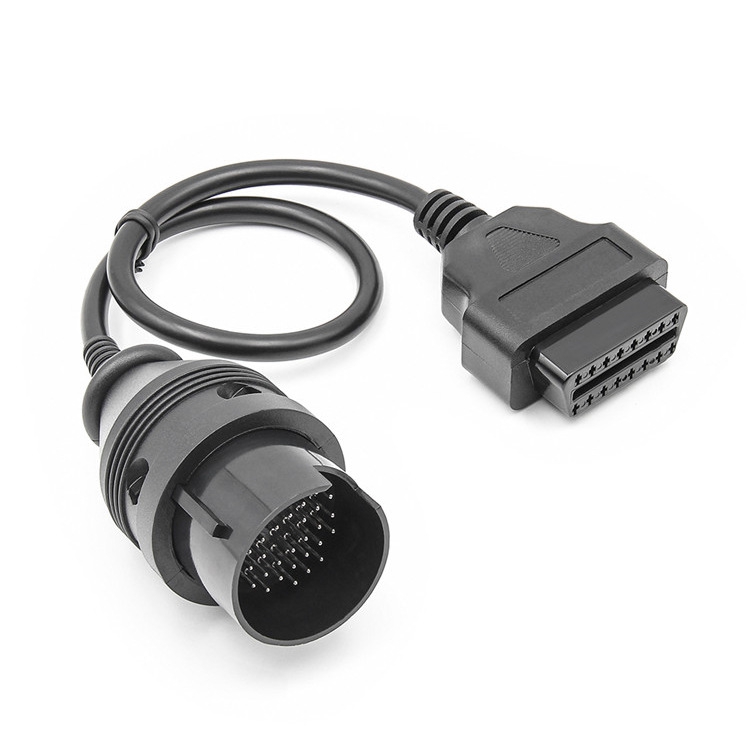
An obd extension cable delivers significant spatial advantages that transform how technicians and vehicle owners access diagnostic equipment and perform maintenance tasks. In modern vehicles, diagnostic port placement often creates physical constraints that make direct connections impractical or impossible. An obd extension cable solves this challenge by providing the necessary reach and flexibility to position diagnostic devices exactly where they are needed, eliminating awkward angles, cramped working conditions, and potential connector damage.
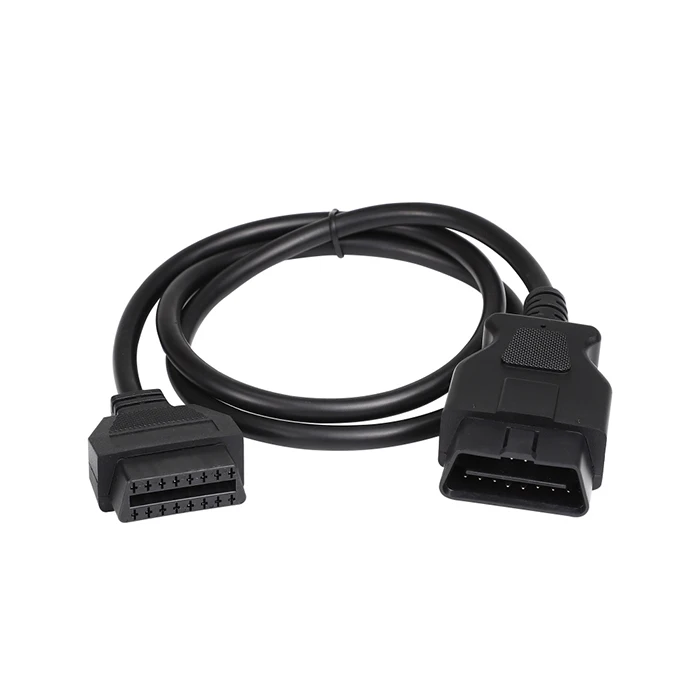
The spatial benefits of an obd extension cable extend far beyond simple convenience. By allowing diagnostic equipment to remain outside the vehicle cabin or engine bay during operation, an obd extension cable protects expensive scanners and data acquisition devices from environmental hazards, excessive heat, and mechanical damage. Professional service facilities, independent repair shops, and serious vehicle enthusiasts recognize that proper spatial positioning improves both safety and efficiency while extending the lifespan of diagnostic equipment.
Understanding Spatial Constraints in Vehicle Diagnostics
Port Location Challenges
Most vehicles position their OBD-II diagnostic ports in locations that present genuine accessibility challenges. The typical placement beneath the dashboard or inside the engine bay creates cramped work environments where technicians must contort themselves to establish connections. An obd extension cable directly addresses this problem by moving the connection point to a more ergonomic and accessible location. This spatial repositioning eliminates the need for multiple attempts to align connectors or the risk of accidentally applying lateral stress that can damage both the port and the connector itself.
Different vehicle models present different spatial obstacles. Trucks with tall cabs may have diagnostic ports positioned awkwardly relative to ground level, making it difficult to stabilize equipment. Sports cars with aggressive interior designs sometimes hide ports in locations that conflict with engine components. Luxury vehicles with intricate dashboard designs can make port access nearly impossible without removing trim panels. An obd extension cable solves all these scenarios by extending reach and creating spatial separation between the vehicle and the diagnostic equipment.
Equipment Positioning Freedom
Professional diagnostic equipment often represents significant capital investment and requires careful handling and environmental protection. Using an obd extension cable allows technicians to position scanners, data loggers, and communication devices at comfortable distances from the vehicle's engine bay or interior. This spatial advantage means diagnostic tools can remain in climate-controlled environments, away from moisture, oil vapor, and extreme temperatures that can damage sensitive electronics. An obd extension cable essentially creates a buffer zone between harsh vehicle environments and precision instruments.
The spatial freedom provided by an obd extension cable also improves visibility and accessibility to device screens and buttons. Technicians can position displays at eye level rather than bent over inside the vehicle or squinting at tiny screens mounted awkwardly against the firewall. This ergonomic benefit reduces strain and fatigue during extended diagnostic sessions, leading to better accuracy and faster problem identification. Mobile diagnostic units and fleet maintenance operations benefit significantly from this spatial flexibility.
Installation and Accessibility Improvements
Reaching Difficult Diagnostic Ports
Certain vehicle classes and configurations make port access extraordinarily difficult without proper equipment. Hybrid vehicles often position diagnostic ports in tight engine bays where space is at a premium due to battery packs and additional electrical components. Commercial vehicles and fleet trucks may have ports mounted in locations that require suspension of work on other parts of the vehicle to maintain access. An obd extension cable solves these spatial dilemmas by allowing connections from outside the immediate port area, reducing disruption to other service activities and maintaining safer working conditions.
Installation of diagnostic equipment becomes faster and cleaner when an obd extension cable provides proper spatial separation. Technicians no longer need to remove protective covers, disconnect air intake systems, or disturb other engine components to reach ports and establish connections. This streamlined approach reduces the time spent on preliminary setup, allowing more focus on actual diagnostic work. For high-volume service facilities, the time savings multiplied across dozens of vehicles daily translates to meaningful efficiency gains and improved customer satisfaction.
Multi-Vehicle Diagnostic Operations
Fleet maintenance facilities and independent repair shops often benefit enormously from the spatial advantages of an obd extension cable. Mobile technicians can leave heavy diagnostic equipment and communication devices stationary while using extension cables to connect to multiple vehicles positioned nearby. An obd extension cable allows one diagnostic station to serve several vehicles without repositioning the primary equipment each time. This spatial efficiency reduces setup time between vehicles and minimizes the physical strain on technicians who would otherwise carry equipment between different service bays.
Dealership environments with limited service bay space also gain significant advantages from extension cable technology. When bays are tightly packed or space restrictions prevent optimal equipment placement, an obd extension cable provides the spatial flexibility needed to maintain efficient workflows. Workshop organization improves when diagnostic equipment can remain centrally positioned rather than being moved constantly. An obd extension cable supports this organizational benefit by decoupling equipment location from vehicle location.
Protection and Environmental Benefits
Equipment Safety and Longevity
The harsh environment within and around vehicle engines poses significant threats to sensitive diagnostic equipment. Oil mist, coolant spray, road salt, and extreme temperature fluctuations can degrade connectors, corrode circuit boards, and shorten device lifespan. An obd extension cable maintains spatial distance between equipment and these hazardous conditions, directly extending equipment durability and reducing maintenance or replacement costs. Professional facilities that handle dozens of vehicles weekly see measurable improvements in diagnostic tool lifespan when proper spatial positioning practices are implemented with an obd extension cable.
Protection extends to the connector itself, which represents a common failure point in diagnostic systems. Repeatedly working with connectors in confined spaces under poor lighting conditions inevitably leads to accidental damage—bent pins, cracked housings, or misaligned contacts. An obd extension cable protects the vehicle's original OBD port from excessive mechanical stress by allowing connections to be made carefully in visible, accessible locations. This protective spatial benefit prevents costly repairs to the vehicle's diagnostic infrastructure.
Workspace Environment Control
Technicians and vehicle owners performing diagnostics benefit significantly from the ability to maintain diagnostic equipment outside harsh engine environments. An obd extension cable supports controlled-environment operation where ambient temperature, humidity, and cleanliness can be carefully managed. Data acquisition becomes more reliable when devices operate in stable conditions rather than enduring temperature swings and moisture exposure associated with engine bays. The spatial separation achieved through an obd extension cable creates genuine advantages for diagnostic accuracy and equipment reliability.
Safety considerations also improve with proper spatial positioning. Technicians working in confined engine bays risk accidental contact with hot surfaces, rotating components, and sharp edges. By using an obd extension cable to establish spatial separation between themselves and tight mechanical spaces, technicians reduce injury risks and maintain better focus on diagnostic tasks. This safety aspect represents a meaningful but often overlooked benefit of proper equipment positioning and extension cable technology.
FAQ
How long should an obd extension cable be for optimal spatial benefits?
Most applications benefit from obd extension cable lengths between one and three meters, allowing sufficient reach from engine bays or under-dashboard locations to comfortable positioning areas without introducing signal degradation. The optimal length depends on specific vehicle configuration and service facility layout. An obd extension cable that is too short defeats the purpose of spatial repositioning, while unnecessarily long cables introduce unnecessary complexity and potential signal integrity issues. Professional facilities typically maintain multiple obd extension cable lengths to accommodate different vehicle types and working situations.
Can an obd extension cable be used with all diagnostic equipment?
An obd extension cable works with any diagnostic scanner, code reader, or data acquisition device that uses the standard OBD-II J1962 connector format. The cable itself is protocol-agnostic and simply extends the physical connection without affecting communication standards or data transmission. However, cable quality matters significantly—poorly constructed obd extension cable products may introduce resistance or signal noise that affects diagnostic accuracy. Investing in high-quality obd extension cable products from reliable manufacturers ensures consistent performance and spatial positioning benefits.
What spatial constraints make an obd extension cable most valuable?
An obd extension cable provides maximum value in situations involving awkward port placement, confined engine bays, multiple vehicle diagnostics, professional equipment protection, and uncomfortable working positions. Hybrid vehicles with complex engine bay layouts, sports cars with aggressive interior designs, and commercial vehicles with restricted access all benefit significantly from obd extension cable solutions. Fleet maintenance operations and multi-vehicle service scenarios represent ideal use cases where spatial flexibility directly translates to improved efficiency, technician safety, and equipment longevity.