

 EN
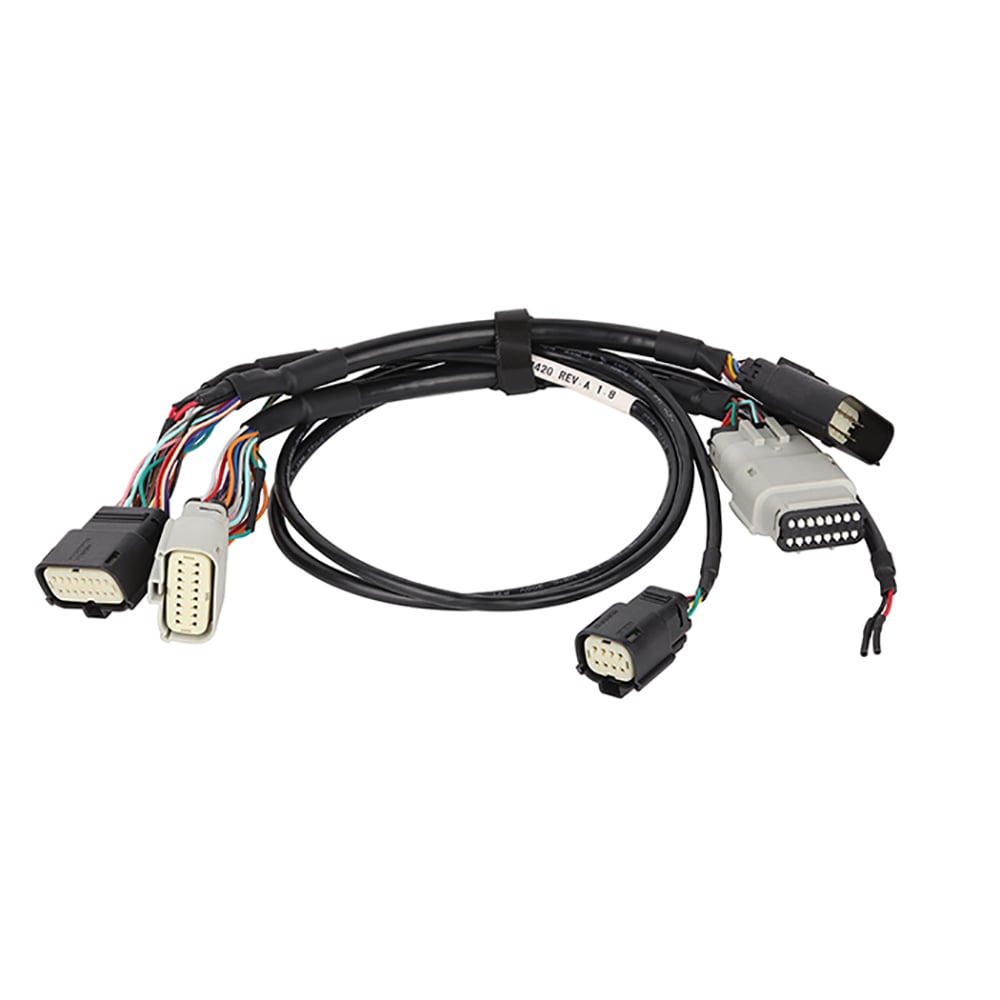
Automated machinery lines rely on waterproof wire because electrical connections must keep working around moisture, cleaning, lubricants, and frequent movement. A production line may combine sensors, motors, control devices, and operator stations in areas exposed to splashes or washdown. In these conditions, waterproof wire helps protect conductors and connections from water-related faults. It is not a universal answer to every electrical risk, but it can be an important part of a wiring design matched to the line’s actual environment.
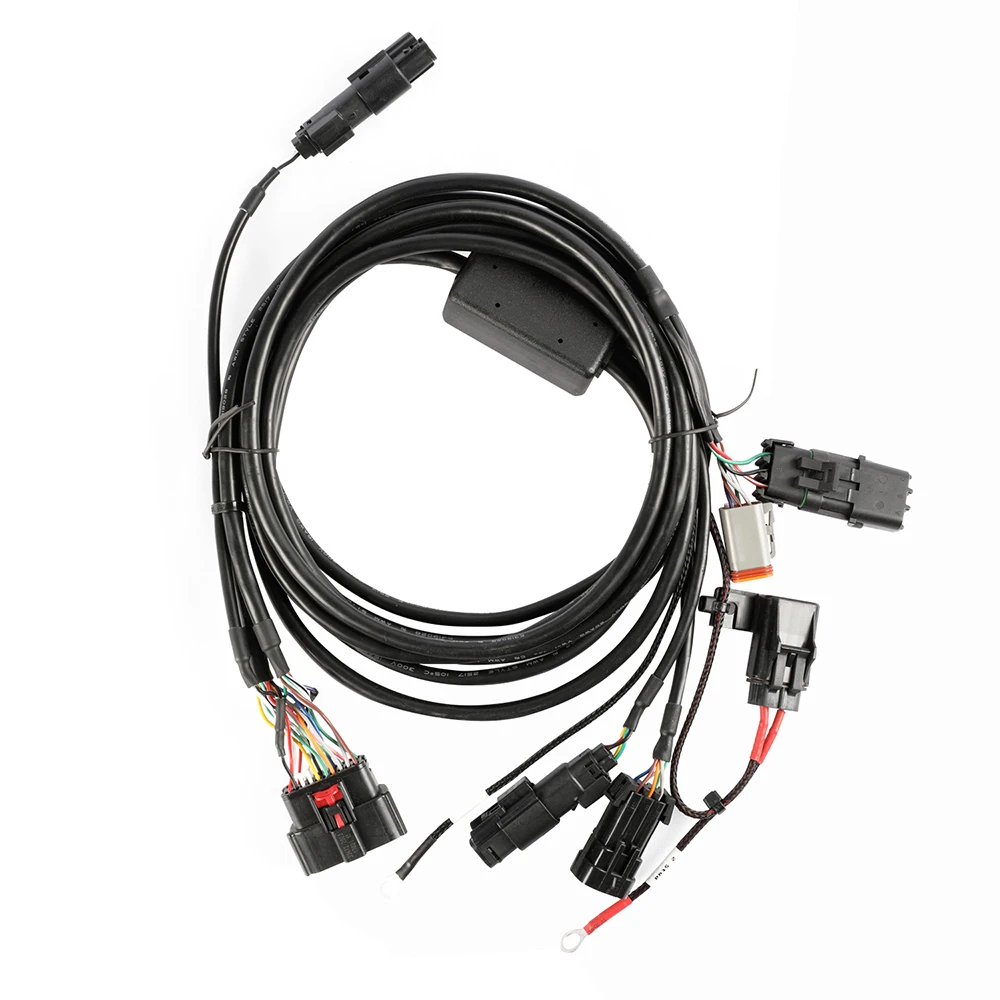
The reason is practical: moisture can interrupt signals, encourage corrosion, and shorten the useful life of electrical assemblies. Selecting waterproof wire helps engineers manage those risks at the cable level, while installation details and suitable connectors complete the protection. Understanding why automated lines rely on waterproof wire means looking at the conditions around the equipment, the consequences of a fault, and how the wiring will be routed, cleaned, inspected, and maintained throughout production.
Moisture exposure makes protection essential
Water can compromise conductors and connections
Water can enter a cable through damaged insulation, an exposed termination, or a poorly protected connection. Once moisture reaches conductive parts, corrosion and leakage can affect electrical performance, while contamination may make an intermittent fault difficult to trace. Waterproof wire is selected to resist water reaching the conductor under specified conditions. For automated lines with nearby sprays or damp floors, waterproof wire can provide an important layer of protection, though its suitability depends on the cable’s construction and the level of exposure.
A small electrical interruption can have consequences beyond the affected cable. A sensor may report an unreliable state, a control signal may be lost, or a machine may stop until technicians identify the cause. Waterproof wire helps reduce one source of these problems when moisture is part of the operating environment. It does not prevent every failure, so line designers also protect terminations, use compatible connectors, and keep cable entries sealed according to the application and equipment requirements.
Cleaning practices shape the wiring specification
Some machinery is cleaned with damp cloths, while other production areas use routine spray-down procedures. These methods create different demands, so a waterproof wire specification should reflect actual cleaning practices rather than a general assumption that a cable is protected. Engineers should consider water pressure, exposure duration, temperature, cleaning agents, and whether the cable is directly exposed or shielded by machine structure. The right waterproof wire choice starts with a realistic description of the environment.
Cleaning also affects how wiring is installed and maintained. Cables should be routed to limit pooling, protected from direct spray where practical, and inspected for damaged jackets after maintenance or equipment changes. Waterproof wire can support a cleaning-ready design, but it cannot compensate for a cut sheath or a connector that is not suited to the same conditions. Reviewing the whole cable path helps teams avoid treating one protected component as a complete system solution.
Automation adds movement and uptime demands
Repeated motion stresses cable assemblies
Automated equipment often moves cables continuously as robotic arms, actuators, and moving stations cycle. Flexing can stress conductors and insulation, while tight bends or abrasion can damage the outer jacket. Waterproof wire used in a moving application must therefore match both the moisture exposure and the movement profile. Designers need to check bend radius, flex-cycle suitability, routing, and strain relief rather than assuming that waterproof wire alone makes a cable appropriate for repeated motion.
A cable that rubs against a frame or pulls at its termination may eventually lose protection, even if it began as a suitable waterproof wire assembly. Cable carriers, clamps, and carefully planned service loops can help control movement and reduce wear. The route should avoid sharp edges and unnecessary tension, with enough clearance for the machine’s full operating range. These mechanical details help preserve the intended protection and reduce the chance that routine motion creates a moisture entry point.
Reliable signals support coordinated production
A production line depends on signals traveling between sensors, controllers, drives, and other devices. Moisture-related faults in waterproof wire can affect that communication, leading to inconsistent readings, alarms, or a stopped process. The risk is especially relevant where wiring runs close to washdown zones or equipment that produces condensation. Selecting waterproof wire for exposed runs can help maintain dependable connections, while appropriate cable types and routing protect signal quality in the wider system.
The operational value is not simply avoiding a single repair. Troubleshooting an intermittent wiring fault can require access to guarded equipment, production coordination, and verification that the affected signal is stable again. Waterproof wire may reduce moisture as a contributing cause, helping maintenance teams focus on other failure sources when problems occur. A sound design still includes clear cable identification, accessible routing, and inspection procedures, because protection works best when technicians can check and maintain the assembly.
Choosing protection that fits the line
Match cable construction to exposure
Choosing waterproof wire starts with defining what the cable will encounter. Relevant details include whether exposure is occasional splash, persistent dampness, or direct cleaning; whether the cable is stationary or flexing; and whether it also faces oil, heat, abrasion, or chemicals. Engineers should compare these conditions with documented cable ratings and installation requirements. A waterproof wire suitable for one location may not be suitable for another, even within the same production facility.
The wiring assembly must also fit the electrical task. Conductor size, voltage and current needs, signal type, connector compatibility, and cable length all affect selection. Where a harness links several devices, its branches and terminations should be designed for the line layout and exposure points. Waterproof wire is one specification within that decision, not a substitute for checking electrical and mechanical requirements together. Clear requirements make purchasing, installation, and later replacement more consistent.
Protect the complete route and plan upkeep
Water resistance depends on the complete installed path, including joints, connectors, cable glands, and enclosure entries. A protected cable connected through an unsuitable fitting can leave the system vulnerable. Teams should verify that each interface matches the expected conditions and that installers follow the specified sealing and routing practices. When evaluating waterproof wire, include its connection points in the review so the installed assembly delivers the intended level of protection.
Maintenance planning keeps that protection meaningful over time. Inspections can look for cracks, flattened sections, loose supports, damaged seals, and signs of moisture near terminations. Replacement procedures should preserve bend limits and connector compatibility instead of using an available cable that only appears similar. When line conditions change, such as a new cleaning method or a moved machine, review the waterproof wire requirement again. This practical feedback helps keep the specification aligned with actual use.
FAQ
Why do automated machinery lines use waterproof wire?
Automated lines use waterproof wire where moisture, splashes, or cleaning could threaten electrical connections. It helps limit water-related damage to conductors and supports dependable operation. Waterproof wire still needs suitable connectors, routing, and installation to provide useful protection.
Does waterproof wire prevent every electrical fault?
No. Waterproof wire addresses moisture exposure within the conditions for which it is designed, but it cannot prevent faults caused by impact, abrasion, incorrect sizing, poor termination, or excessive bending. A complete design checks all those risks alongside waterproof wire selection.
What should engineers check before specifying it?
Engineers should identify cleaning methods, water exposure, cable movement, electrical needs, temperature, and possible chemicals or abrasion. They should also check connector and enclosure protection. Those details help confirm whether waterproof wire fits the application and installation route.