

 EN
EN
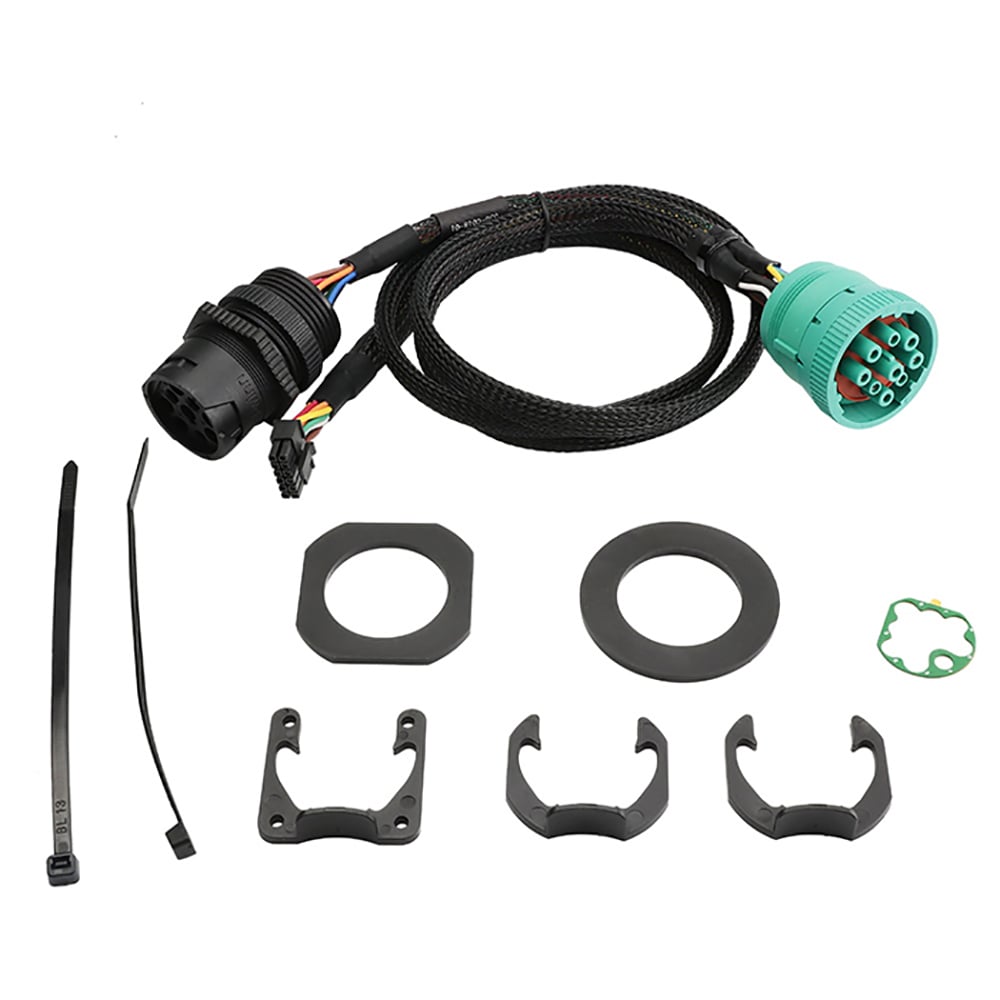
The J1939 connector cable is a purpose-built wiring solution designed to support the SAE J1939 communication protocol used across heavy-duty vehicles and industrial machinery. As commercial fleets grow more complex and electronic control systems become more integrated, the J1939 connector cable plays a central role in enabling reliable data exchange between vehicle components. Understanding where this cable is applied helps engineers, fleet managers, and procurement teams make informed decisions about their diagnostic and communication infrastructure.
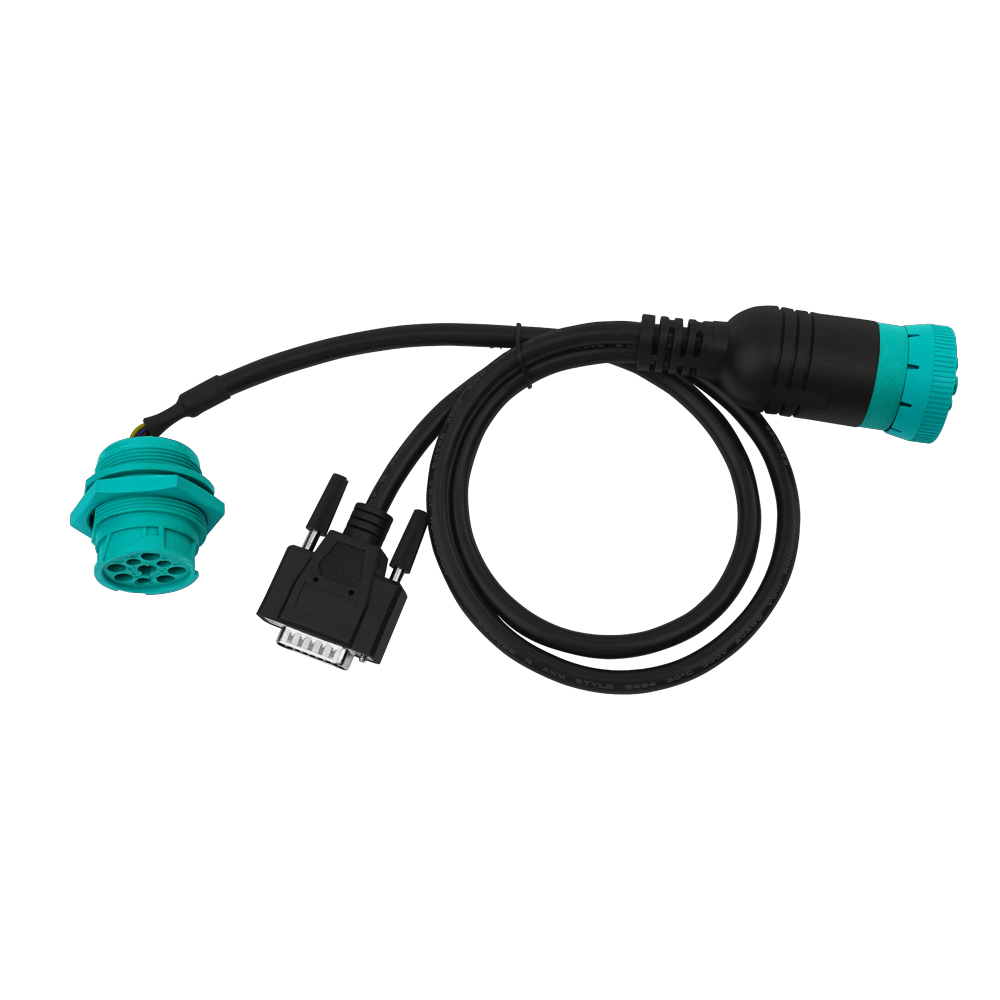
From long-haul trucks to construction equipment and marine vessels, the J1939 connector cable serves as a backbone for vehicle network communication. Its rugged design, standardized 9-pin Deutsch connector interface, and resistance to harsh environments make it suitable for a wide range of demanding applications. This article explores the primary sectors and use cases where the J1939 connector cable delivers essential value.
Commercial Trucking and Fleet Vehicles
Long-Haul and Regional Transport
The most widespread application of the J1939 connector cable is in commercial trucking. Long-haul trucks rely on the J1939 connector cable to link the engine control module, transmission controller, anti-lock braking system, and other electronic control units into a unified CAN bus network. The J1939 connector cable allows fleet operators and mechanics to connect diagnostic tools directly to the vehicle's data bus for real-time fault reading and system configuration. Without a reliable J1939 connector cable, accurate diagnostics on modern trucks would be significantly more difficult.
Regional delivery trucks and vocational vehicles also depend heavily on the J1939 connector cable. These vehicles undergo frequent maintenance cycles, and technicians use the J1939 connector cable to quickly retrieve fault codes, reset service intervals, and verify system performance. The J1939 connector cable used in fleet environments must withstand vibration, temperature extremes, and repeated connection cycles, which is why a heavy-duty construction is essential.
Bus and Coach Applications
Passenger buses and coaches represent another major segment where the J1939 connector cable is routinely applied. Transit authorities use the J1939 connector cable to monitor engine health, door control systems, HVAC units, and passenger safety features. A properly configured J1939 connector cable enables centralized telematics systems to collect and transmit operational data, supporting route optimization and predictive maintenance programs across large bus fleets.
Construction, Agriculture, and Off-Road Equipment
Heavy Construction Machinery
Construction equipment such as excavators, bulldozers, cranes, and wheel loaders makes extensive use of the J1939 connector cable. These machines integrate multiple electronic systems including hydraulic controls, load management units, and emissions monitoring systems, all of which communicate over a J1939 network. The J1939 connector cable connects service tools to these systems during maintenance, allowing technicians to read diagnostic trouble codes and calibrate sensors in the field. Given the harsh job-site conditions, the J1939 connector cable must be sealed against dust, moisture, and mechanical stress.
OEM equipment manufacturers often specify the J1939 connector cable as part of their diagnostic harness assemblies. A well-designed J1939 connector cable reduces wiring complexity and supports modular machine architectures where subsystems can be added or reconfigured without major rewiring. The durability and standardization of the J1939 connector cable make it a preferred choice for construction OEMs worldwide.
Agricultural and Forestry Equipment
Modern tractors, combines, sprayers, and forestry machines rely on the J1939 connector cable to connect precision farming electronics with the machine's CAN bus. The J1939 connector cable enables implement recognition, GPS guidance integration, and automated control systems to communicate seamlessly. Service technicians use the J1939 connector cable to update firmware and diagnose faults on equipment operating in remote field locations where downtime is costly. The J1939 connector cable used in agricultural settings must resist fertilizer exposure, humidity, and continuous vibration.
Marine, Mining, and Specialty Industrial Use
Marine Propulsion and Vessel Monitoring
The J1939 connector cable is increasingly adopted in marine environments where diesel engine management and vessel monitoring systems require robust communication links. Marine engines that support the J1939 protocol use the J1939 connector cable to interface with bridge displays, engine management computers, and shore-side diagnostic laptops. The J1939 connector cable in marine use must comply with additional sealing requirements to withstand salt spray, humidity, and temperature cycling. Vessel operators value the J1939 connector cable for its compatibility with standard diagnostic software and its ability to support multi-engine configurations.
Mining Equipment and Stationary Power Systems
Underground and surface mining equipment, including haul trucks, drilling rigs, and conveyor drive units, frequently incorporates the J1939 connector cable into their diagnostic and control networks. The J1939 connector cable allows maintenance crews to access vehicle health data without removing cab panels or accessing buried wiring harnesses. In stationary generator sets and industrial power systems, the J1939 connector cable connects engine controllers to remote monitoring terminals, enabling automated fault alerts and load management. The J1939 connector cable also supports Y-cable and splitter configurations, allowing multiple diagnostic devices to access the network simultaneously without signal interference.
FAQ
What makes a J1939 connector cable suitable for heavy-duty environments?
A heavy-duty J1939 connector cable is built with a robust 9-pin Deutsch-style connector, high-strand copper conductors, and an outer jacket resistant to oil, abrasion, and UV exposure. These features allow the J1939 connector cable to perform reliably under the mechanical stress and environmental conditions typical of trucks, construction machines, and marine systems.
Can a J1939 connector cable be used for both diagnostics and telematics?
Yes, the J1939 connector cable supports both diagnostic tool connections and telematics device integration. Many fleet operators use a Y-style J1939 connector cable to simultaneously connect a GPS telematics unit and a diagnostic laptop to the same vehicle network port, enabling parallel data access without switching cables.
How do I choose the right J1939 connector cable for my application?
Choosing the right J1939 connector cable depends on the cable length, connector gender configuration, required shielding, and environmental rating needed for your specific machine type. For most commercial vehicle and equipment applications, a shielded J1939 connector cable with a molded strain-relief connector and an IP67-rated seal provides the best balance of signal integrity and durability.