

 EN
EN
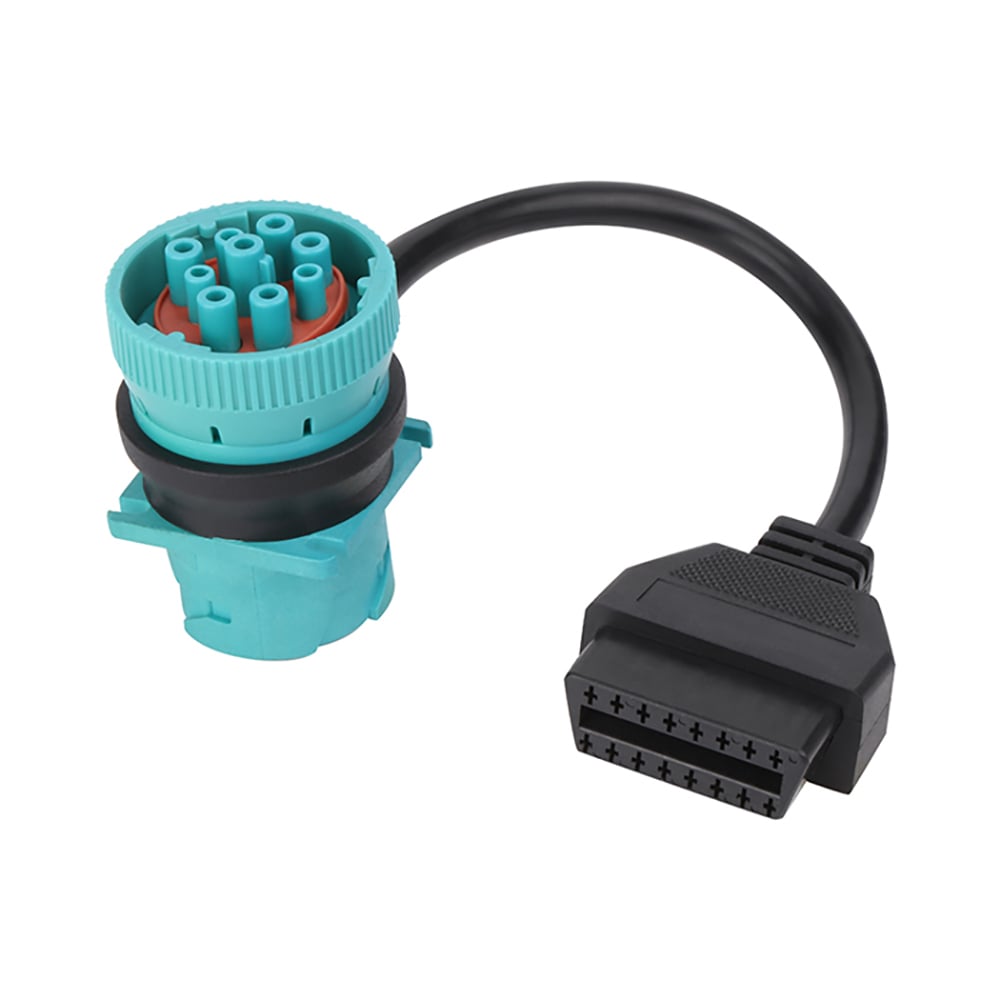
Choosing the right OBD2 adapter is one of the most practical decisions a vehicle technician, fleet manager, or car enthusiast can make. An OBD2 adapter connects your vehicle's onboard diagnostic system to an external device, enabling fault code reading, live data monitoring, and system health checks. With so many OBD2 adapter options on the market, understanding which specifications actually matter is essential before you invest.
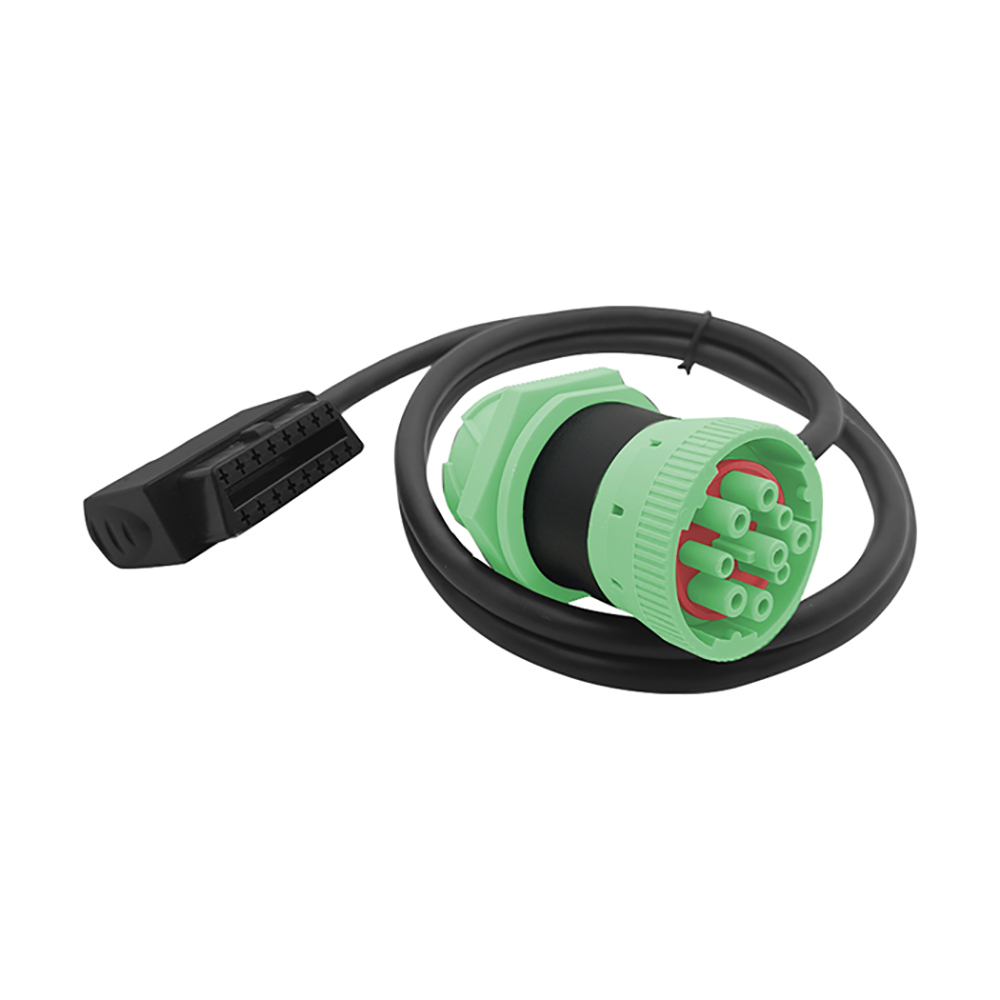
Every OBD2 adapter carries a set of technical attributes that directly determines how well it performs, which vehicles it supports, and how reliably it communicates with diagnostic software. If you select an OBD2 adapter without reviewing these specifications carefully, you risk compatibility problems, data inaccuracies, or even connection failures in the field. This guide walks through the key specifications you should always verify before purchasing or deploying any OBD2 adapter.
Protocol and Vehicle Compatibility Specifications
Supported OBD2 Communication Protocols
The first specification to check in any OBD2 adapter is the range of communication protocols it supports. The OBD2 standard includes several protocols: CAN (Controller Area Network), ISO 9141-2, ISO 14230-4 KWP, SAE J1850 VPW, and SAE J1850 PWM. A quality OBD2 adapter should support all five of these protocols to ensure broad vehicle coverage. If an OBD2 adapter only supports CAN, for example, it will fail to communicate with older vehicles that rely on ISO or SAE protocols. Always confirm that the OBD2 adapter lists full multi-protocol support in its specification sheet.
Vehicle Year and Make Coverage
Another critical compatibility specification is the vehicle year range the OBD2 adapter covers. Most modern OBD2 adapter products support vehicles manufactured from 1996 onward in North America, and from 2001 onward in Europe. However, some OBD2 adapter models offer extended compatibility with earlier models or with specific regional markets. If you are working across a mixed fleet, verify that the OBD2 adapter explicitly lists compatibility with all vehicle categories in your inventory. A mismatch at this specification level can make the OBD2 adapter entirely useless for a portion of your vehicles.
Chipset and Firmware Quality Specifications
Processor Chip Specification and Its Impact
The internal chipset is one of the most telling specifications of any OBD2 adapter, yet it is frequently overlooked by buyers. The most widely recognized chip specification for an OBD2 adapter is the ELM327 standard, with variants including chips like the PIC18F25K80, which is known for stable performance and full OBD2 command support. A genuine, full-specification ELM327-based OBD2 adapter will reliably handle all standard OBD2 service modes, including Mode 01 for live data, Mode 03 for fault codes, and Mode 09 for vehicle identification. Counterfeit or cloned chips in a low-quality OBD2 adapter often drop commands, produce read errors, or fail to support the full AT command set. Always ask for the exact chip model when sourcing an OBD2 adapter in bulk.
Firmware Version and Updateability
Alongside the chipset, firmware version is a specification that affects long-term usability of your OBD2 adapter. An OBD2 adapter running an outdated firmware version may not be compatible with newer diagnostic applications or updated vehicle models. Some OBD2 adapter designs allow firmware updates, which extends the product lifecycle and ensures continued software compatibility. When evaluating an OBD2 adapter for professional or commercial use, confirm whether the firmware is updateable and what version ships with the unit. This specification is especially relevant for OBD2 adapter products intended for resale or integration into a diagnostic software platform.
Connectivity and Physical Interface Specifications
Wireless and Wired Connection Types
Connectivity type is a specification that shapes the entire user experience of an OBD2 adapter. A Bluetooth OBD2 adapter communicates wirelessly with smartphones or tablets, making it convenient for mobile diagnostics and real-time monitoring. A Wi-Fi OBD2 adapter offers broader device compatibility, including iOS devices that may have Bluetooth restrictions with certain apps. A USB-connected OBD2 adapter typically delivers faster and more stable data transfer, which is preferred in workshop environments where a laptop is available. When specifying an OBD2 adapter for a particular application, always match the connectivity type to the diagnostic device and software platform being used.
Physical Dimensions and Build Quality
The physical form factor of an OBD2 adapter is a practical specification that affects usability and port clearance. A compact or 'mini' OBD2 adapter form factor is advantageous in vehicles where the OBD2 port is located in a tight or low-clearance position. Build quality specifications include the housing material, connector pin quality, and operating temperature range. An OBD2 adapter used in fleet or workshop settings should withstand repeated plug-and-unplug cycles without connector degradation. Checking the operating temperature specification of the OBD2 adapter is also important if it will be used in vehicles operating in extreme climates.
FAQ
What is the most important specification to check in an OBD2 adapter?
The most critical specification in any OBD2 adapter is protocol support. An OBD2 adapter that supports all five OBD2 communication protocols ensures the widest possible vehicle compatibility. Without full protocol coverage, the OBD2 adapter may simply fail to connect with certain vehicles, making all other specifications irrelevant.
Does the chipset in an OBD2 adapter really affect diagnostic accuracy?
Yes, the chipset directly affects how accurately and completely an OBD2 adapter reads vehicle data. A full-specification chip in an OBD2 adapter supports all standard OBD2 service modes and the complete AT command set. A counterfeit chip in a budget OBD2 adapter may drop data packets, miss fault codes, or disconnect during longer diagnostic sessions, producing unreliable results.
Can one OBD2 adapter work with both Android and iOS devices?
Compatibility with both Android and iOS depends on the connectivity specification of the OBD2 adapter. A Wi-Fi OBD2 adapter generally works with both platforms, while a Bluetooth OBD2 adapter may have limitations with iOS due to Apple's connectivity framework. Always verify the connectivity specification of the OBD2 adapter against the operating system of the diagnostic device you intend to use.