

 EN
EN
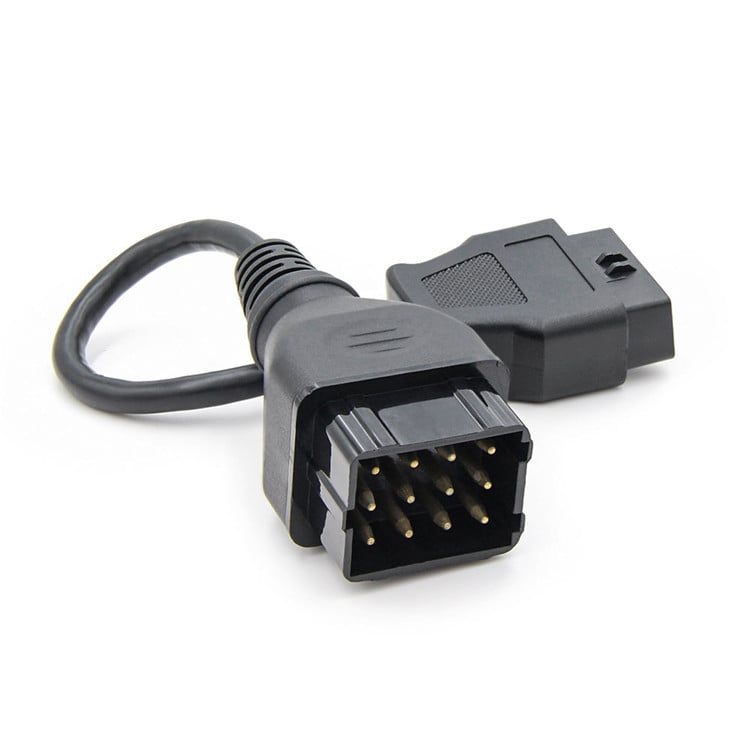
Choosing the right OBD2 cable for daily diagnostics is a decision that directly affects the reliability and accuracy of every vehicle scan you perform. A low-quality OBD2 cable can cause intermittent connections, corrupted data, and premature failure — problems that cost time and money in any professional or fleet environment. Understanding what separates a durable OBD2 cable from a fragile one helps technicians and fleet managers make smarter purchasing decisions from the start.
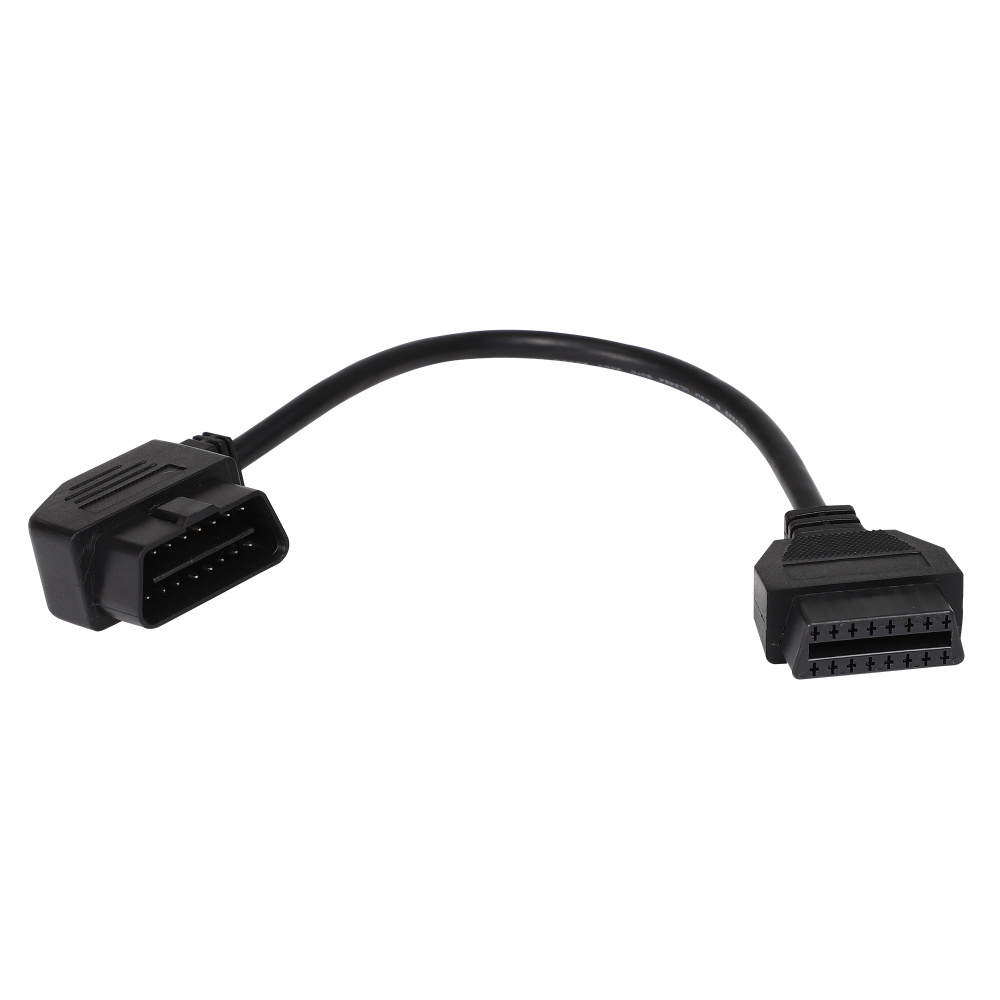
Daily diagnostic use puts a significant amount of stress on an OBD2 cable. Cables are repeatedly plugged and unplugged, bent at various angles, exposed to engine-bay heat, and sometimes pinched in vehicle doors or drawers. A well-constructed OBD2 cable must withstand all of these conditions without signal degradation or physical damage. This guide walks through the most important selection criteria so you can confidently choose an OBD2 cable built to last.
Build Quality Factors That Define a Durable OBD2 Cable
Jacket Material and Flexibility
The outer jacket of an OBD2 cable is the first line of defense against wear. High-quality jackets are typically made from PVC or TPE compounds that resist abrasion, oil exposure, and temperature fluctuations. A durable OBD2 cable should feel flexible but not flimsy — it needs to bend without cracking while maintaining enough structure to avoid kinking. When evaluating an OBD2 cable, check whether the jacket material is rated for repeated flex cycles, because daily plug-and-unplug routines add up quickly.
Thicker jacket walls generally indicate better protection, but thickness alone does not guarantee quality. The compound formula matters more than raw thickness. An OBD2 cable with a UV-resistant jacket also holds up better in environments with direct sunlight exposure, which is common in mobile diagnostic settings or outdoor fleet operations.
Strain Relief and Connector Housing
Strain relief is one of the most overlooked quality indicators on any OBD2 cable. This is the reinforced section at both ends of the cable where it meets the connector housing. Without proper strain relief, the internal conductors near the connector are the first to break when the OBD2 cable is bent or pulled at an angle. A durable OBD2 cable should have molded strain relief that grips the cable jacket firmly and distributes mechanical stress evenly. Inspect both the 16-pin OBD2 connector end and the opposite end of the OBD2 cable before purchasing.
The connector housing itself should be made from reinforced plastic or nylon that resists cracking under pressure. Loose or rattling housing on an OBD2 cable is a warning sign that tolerances are poor and the connection may become unreliable after only moderate use. A snug-fitting, well-molded connector is an indicator of an OBD2 cable designed for professional daily use.
Electrical Specifications That Matter for Daily Diagnostics
Conductor Gauge and Shielding
Inside every OBD2 cable, the conductor gauge determines how well electrical signals travel without resistance or noise. A properly spec'd OBD2 cable uses conductors sized appropriately for low-voltage diagnostic communication protocols such as CAN bus, K-Line, and ISO 9141. Undersized conductors introduce resistance that can distort signals, leading to slow scan times or missed fault codes. When reviewing OBD2 cable specifications, look for clear documentation of conductor gauge and material — tinned copper conductors are preferable because they resist oxidation better than bare copper.
Shielding is another factor that separates a reliable OBD2 cable from a basic one. In a busy workshop environment, electrical interference from power tools, battery chargers, and vehicle electronics can affect an unshielded OBD2 cable. A shielded OBD2 cable wraps the conductors in a foil or braided layer that blocks external electromagnetic interference, keeping diagnostic data clean and accurate. This is especially important when using the OBD2 cable with sensitive ECU programming tools.
Pin Contact Quality and Plating
The 16-pin connector on an OBD2 cable is the mechanical and electrical interface to the vehicle. Pin quality matters enormously for daily use. Gold-plated or nickel-plated contacts on an OBD2 cable resist corrosion and maintain low contact resistance over thousands of insertion cycles. Bare metal pins oxidize over time, which increases resistance and causes intermittent communication errors. Always confirm the plating specification when sourcing an OBD2 cable for professional diagnostic environments where the cable is used multiple times per day.
Pin retention force is equally important. An OBD2 cable with pins that fit too loosely in the vehicle's DLC port will produce unreliable connections. Conversely, overly tight pins can damage the DLC port over time. A well-calibrated OBD2 cable connector should insert and withdraw smoothly with firm, consistent contact engagement every time.
Practical Selection Criteria for Your Daily Diagnostic Workflow
Cable Length and Connector Configuration
The length of an OBD2 cable affects how comfortable and efficient your diagnostic workflow is. Too short, and the OBD2 cable restricts where you can position your scan tool while working around the vehicle. Too long, and the excess cable creates a tripping hazard or gets tangled. For most workshop applications, an OBD2 cable between one and two meters long provides the best balance between reach and manageability. For mobile diagnostics or pass-through vehicle programming, a longer OBD2 cable may be necessary to route from the DLC port to an external laptop or interface box.
Connector configuration refers to the pinout wiring inside the OBD2 cable. Custom OBD2 cable configurations allow specific pins to be wired for particular vehicle brands or diagnostic tool interfaces. If your diagnostic tool requires a non-standard pinout, a factory-custom OBD2 cable ensures compatibility without adaptation. Always verify the pinout diagram of any OBD2 cable against your tool's requirements before ordering.
Compliance and Testing Standards
A durable OBD2 cable should comply with relevant automotive and electrical standards. OBD2 cable products intended for professional use should meet SAE J1962 connector specifications, which define the physical and electrical requirements for the 16-pin diagnostic interface. Cables that confirm compliance with this standard are more likely to perform consistently across different vehicle makes and models. Additional certifications such as RoHS compliance indicate that the OBD2 cable is free from hazardous materials, which matters in regions with strict import and environmental regulations.
When purchasing an OBD2 cable from a manufacturer or supplier, request test reports or quality documentation. Reputable OBD2 cable manufacturers can provide samples for evaluation and will supply specification sheets that detail materials, electrical ratings, and bend cycle test results. These documents are valuable when making procurement decisions for large quantities of OBD2 cable used across a fleet or workshop network.
FAQ
What is the most important physical feature to look for in a durable OBD2 cable?
The most critical physical feature is the strain relief at both connector ends of the OBD2 cable. This area experiences the most mechanical stress during daily use. Solid molded strain relief protects the internal conductors and significantly extends the working life of the OBD2 cable in high-frequency plug-and-unplug environments.
Can I use a generic OBD2 cable for all vehicle makes and models?
A standard 16-pin OBD2 cable will connect to any OBD2-compliant vehicle, but the specific pins wired inside the OBD2 cable determine which communication protocols are supported. For advanced diagnostics or ECU programming, a factory-custom OBD2 cable with the correct pinout for your diagnostic tool and target vehicle is strongly recommended.
How often should an OBD2 cable be replaced in a daily-use workshop environment?
A high-quality OBD2 cable used several times daily should last one to three years before signs of wear appear. Regularly inspect the OBD2 cable jacket for cracking, check the connector pins for corrosion, and test for intermittent connections. Replace the OBD2 cable at the first sign of signal errors or physical damage to avoid diagnostic inaccuracies.