

 EN
EN
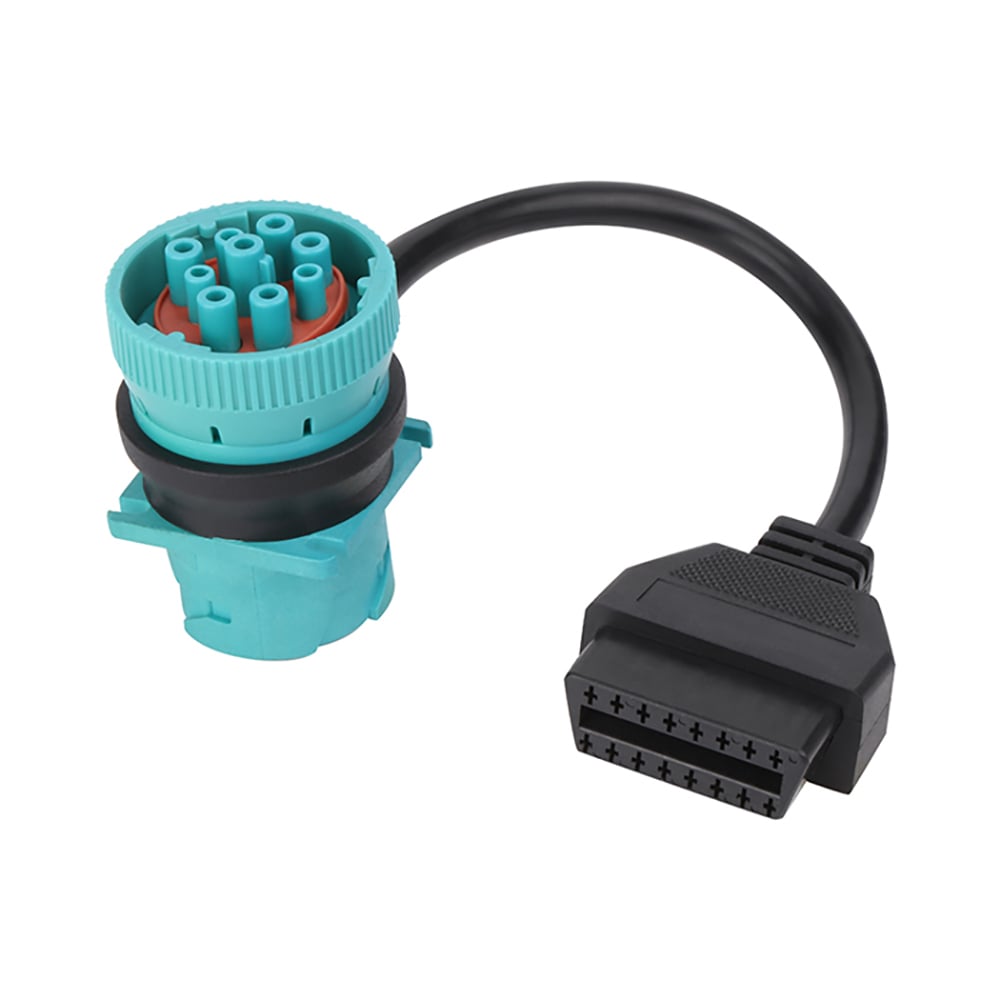
Workshop safety depends on accurate information, and few tools deliver that information as effectively as an OBD2 diagnostic cable. When technicians connect an OBD2 diagnostic cable to a vehicle, they gain immediate access to fault codes, live sensor data, and system status readings that would otherwise remain hidden. This visibility is not merely convenient — it is a direct contributor to a safer, more controlled working environment. Understanding how an OBD2 diagnostic cable improves workshop safety requires examining what it detects, how it guides technician decisions, and why reliable cable construction matters as much as the software it supports.
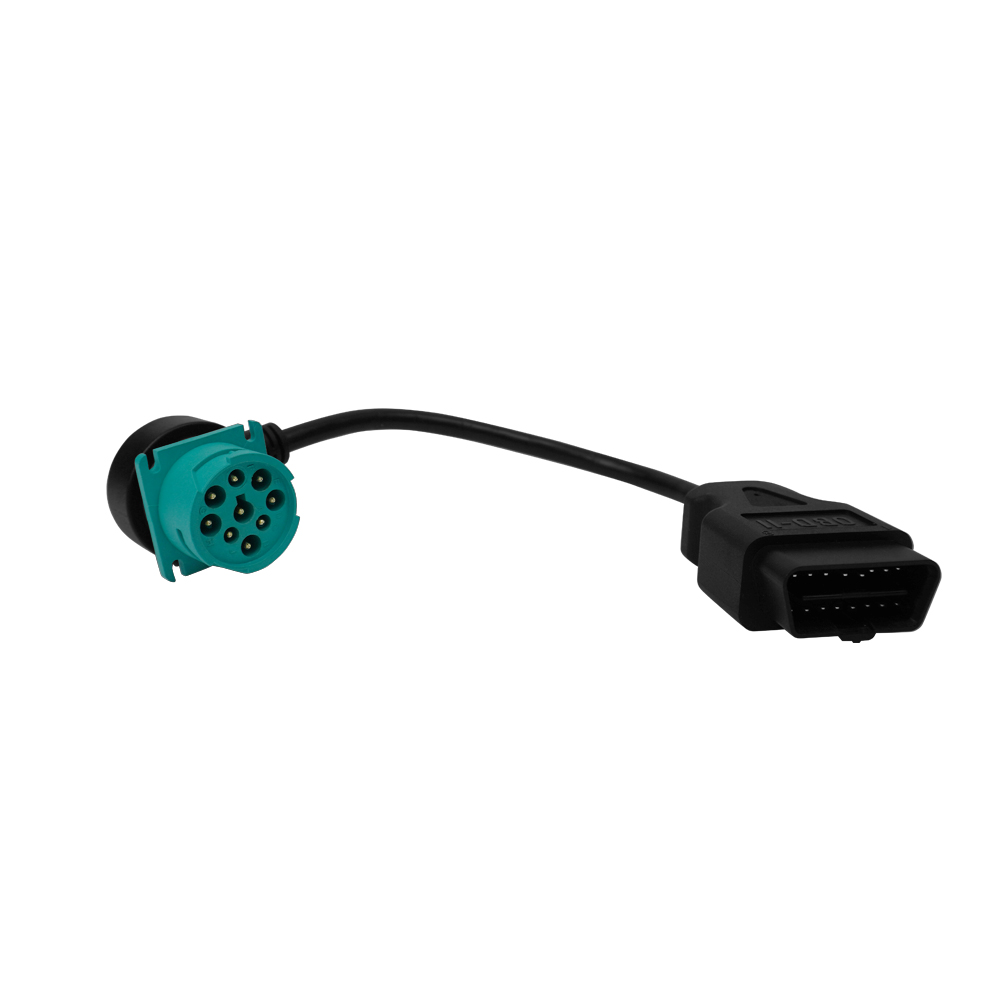
An OBD2 diagnostic cable serves as the physical interface between a scan tool and the vehicle's onboard control systems. Every time a technician uses an OBD2 diagnostic cable, the connection bridges the diagnostic device with the engine control unit, transmission module, ABS system, and other safety-critical components. Without a reliable OBD2 diagnostic cable, those systems remain inaccessible during a workshop inspection, which can lead to overlooked faults and unsafe vehicles returning to the road. The role of the OBD2 diagnostic cable in daily workshop operations is therefore far greater than it might initially appear.
Early Fault Detection Through an OBD2 Diagnostic Cable
Reading Hidden Fault Codes Before Symptoms Escalate
One of the most important safety benefits of using an OBD2 diagnostic cable is the ability to detect stored fault codes before they manifest as visible or dangerous symptoms. A vehicle may show no warning light to the driver yet carry pending codes for brake pressure irregularities, misfires, or fuel system failures. When a technician connects an OBD2 diagnostic cable at intake, these codes surface immediately. The OBD2 diagnostic cable allows the workshop to address problems proactively rather than reactively, which significantly reduces the risk of a vehicle failing dangerously during a road test or post-service drive.
Live Data Monitoring During Diagnostic Procedures
Beyond stored codes, an OBD2 diagnostic cable enables real-time data streaming from sensors across the vehicle. Coolant temperature, oxygen sensor readings, throttle position, and battery voltage can all be monitored live through an OBD2 diagnostic cable while the engine runs. This live data capability means a technician can observe abnormal fluctuations that do not always trigger a permanent fault code. Catching these fluctuations through an OBD2 diagnostic cable before a repair is signed off prevents unsafe vehicles from leaving the workshop. Real-time monitoring through an OBD2 diagnostic cable therefore adds a critical verification layer to the entire repair process.
How an OBD2 Diagnostic Cable Reduces Workshop Hazards
Minimising Unnecessary Physical Inspection Risks
Traditional diagnostic methods often required technicians to probe components manually, work near running engines, or disassemble parts to check for faults. An OBD2 diagnostic cable dramatically reduces the need for this kind of invasive physical investigation. By retrieving system data electronically, the OBD2 diagnostic cable keeps the technician away from high-voltage hybrid components, hot exhaust areas, and pressurised fuel systems during the initial assessment phase. Each time an OBD2 diagnostic cable replaces a manual probe check, it reduces the potential for burns, electrical shocks, or contact injuries in the workshop environment. This shift toward data-led diagnostics, made possible by the OBD2 diagnostic cable, represents a meaningful improvement in day-to-day workshop safety standards.
Supporting Safe Repair Sequencing and Sign-Off
After repairs are completed, an OBD2 diagnostic cable is essential for verifying that fault codes have cleared and that no new issues have appeared. This post-repair verification step is a critical safety checkpoint. Without an OBD2 diagnostic cable, a technician cannot confirm with certainty that an ABS fault, transmission warning, or emissions failure has been fully resolved. Using an OBD2 diagnostic cable during the final inspection ensures the vehicle meets safe operating conditions before it is released to the customer. Workshops that use an OBD2 diagnostic cable as part of every job sign-off process build a structured safety routine that protects both technicians and vehicle owners.
Cable Quality and Its Direct Impact on Diagnostic Safety
Why Physical Cable Integrity Matters in Workshop Environments
The safety benefits of an OBD2 diagnostic cable are only as reliable as the cable itself. A poorly constructed OBD2 diagnostic cable with loose pin contacts, inadequate shielding, or weak connector housings can produce intermittent or inaccurate data readings. If a technician acts on flawed data delivered by a substandard OBD2 diagnostic cable, the repair decision may be incorrect, and a genuine fault could be missed. High-quality OBD2 diagnostic cable construction — with firmly seated 16-pin OBD2 connectors, durable jacketing, and corrosion-resistant contacts — ensures the data transmitted is stable and trustworthy. Investing in a well-built OBD2 diagnostic cable is therefore not just a performance choice but a direct safety decision for the workshop.
Compatibility and Protocol Reliability Across Vehicle Types
A professionally manufactured OBD2 diagnostic cable is designed to support all five OBD2 communication protocols, including CAN, ISO 9141-2, KWP2000, J1850 VPW, and J1850 PWM. This broad compatibility means the OBD2 diagnostic cable can be used safely across a wide range of makes and models without risking communication errors. An OBD2 diagnostic cable that fails mid-session due to protocol incompatibility can cause incomplete diagnostics, leading technicians to miss active faults. Reliable protocol support in an OBD2 diagnostic cable ensures each diagnostic session is complete, consistent, and capable of delivering the accurate data the workshop needs to make safe repair decisions.
FAQ
Can an OBD2 diagnostic cable be used on all vehicle types?
Most passenger vehicles manufactured after 1996 are OBD2 compliant, meaning an OBD2 diagnostic cable will connect to the standard 16-pin DLC port and communicate with the vehicle's onboard systems. However, heavy commercial vehicles and some older or specialist models may use different diagnostic interfaces, so it is important to confirm compatibility before use. A high-quality OBD2 diagnostic cable designed with broad protocol support will cover the vast majority of vehicles a typical workshop encounters.
How often should a workshop replace its OBD2 diagnostic cable?
There is no fixed replacement schedule, but an OBD2 diagnostic cable should be inspected regularly for signs of wear such as bent pins, cracked jacketing, or intermittent connections. A damaged OBD2 diagnostic cable can deliver unreliable data, which undermines both diagnostic accuracy and workshop safety. Replacing an OBD2 diagnostic cable at the first sign of physical degradation is the best practice to maintain consistent performance.
Does cable length affect the performance of an OBD2 diagnostic cable?
Cable length can influence signal quality, particularly with high-speed CAN bus communication. A well-engineered OBD2 diagnostic cable uses adequate shielding and conductor quality to maintain stable signal transmission across standard working lengths. Excessively long or unshielded OBD2 diagnostic cable runs can introduce noise into the data stream, potentially causing misreadings. Choosing an OBD2 diagnostic cable built to professional specifications ensures length does not compromise the accuracy of the diagnostic session.